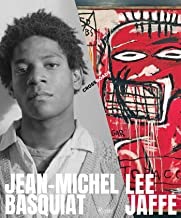
Hardcover. NY, Rizzoli, 1st, 2022, Book: Very Good, Dust Jacket: Very Good, Hardcover in a bright dust jacket, still in publisher's shrinkwrap. A rare and poignant compilation of photography and written anecdotes by American photographer and artist Lee Jaffe that captures his close friendship, collaboration, and travels with the artist Jean-Michel Basquiat as they traversed Japan, Thailand, and Switzerland in 1983. Lee Jaffe, a cross-disciplinary visual artist, musician, and poet, took photos of his friend, Jean-Michel Basquiat, when they traveled abroad in 1983. As a photographer, Jaffe had a connection to Basquiat, and their time spent together resulted in an archive of imagery that captured one of the art world's true legends through an unfiltered and authentic lens. Basquiat and Jaffe connected over reggae music at a mutual friend's art show. It was the early 1980s in New York, when the art scene was raw, complicated, and thriving, and Jaffe cultivated strong connections with cultural figures such as Basquiat, Bob Marley, and Peter Tosh. "For me, watching him [ Jean] paint reminded me of the times I would sit and play harmonica while Bob Marley, with his acoustic guitar, would be writing songs that were eventually to become classics," Jaffe says. "With Jean and Bob, it seemed like they were channeling inspiration coming from an otherworldly place." This beautiful volume presents snapshots of Basquiat: from the artist smiling on a bullet train to Kyoto and behind-the-scenes documentation of Basquiat creating artwork in St. Moritz, to poignant portraits that mirror his undeniable magnetism. These rare depictions of Basquiat come to life with Jaffe's unforgettable experiences of their friendship, collaborations, and travels detailed in private written memories and anecdotes. This insightful and moving illustrated volume captures the soul of the unedited, ambitious, young artist during the height of his short yet unprecedented artistic career.
Hardcover. New York, Stringer & Townsend, 1st, 1851, Book: Very Good, Dust Jacket: None, Hardcover, red cloth with gilt lettering, 226 pages. Previous owners bookplate on inside front cover. Some pages show minor foxing. Light rubbing to corners and at top and base of spine. Clean, unmarked text.
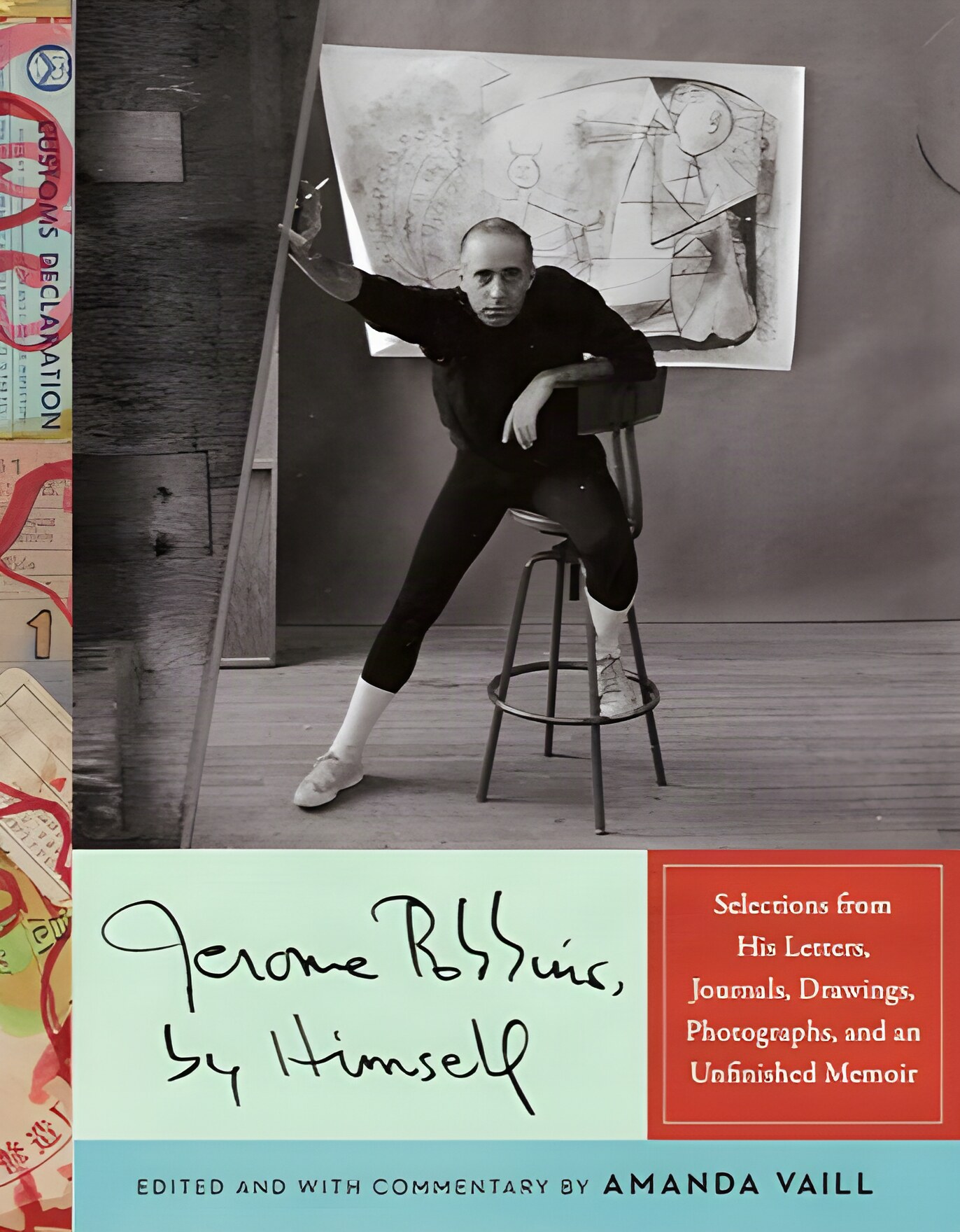
Hardcover. NY, Alfred A. Knopf, 1st, 2019, Book: Very Good, Dust Jacket: Very Good, Hardcover in a bright dust jacket, 430 pages. The titanic choreographer, creator of memorable ballets, master of Broadway musicals, legendary show doctor and director, now revealed in his own words--the closest we will get to a memoir/autobiography--from his voluminous letters, journals, notes, diaries, never before published. Robbins was famous for reinventing the Broadway musical, creating a vernacular American ballet, pushing the art form to new boundaries where it had never gone before, integrating dance seamlessly with character, story and music, and as Associate Artistic Director, Ballet Master, and Co-Artistic Director, with George Balanchine, shaping the New York City Ballet with daring and brio for more than five decades through his often startling choreography in ballet's classical idiom. He was known as the king of Broadway, the most sought-after director-choreographer and show doctor who gave shape to On the Town (1944), Call Me Madam (1950), The King and I (1951), Wonderful Town (1953), Peter Pan (1954), The Pajama Game (1954), Silk Stockings (1955), West Side Story (1957), Gypsy (1959), A Funny Thing Happened on the Way to the Forum (1962), Funny Girl (1964), Fiddler on the Roof (1964), and many other classic musicals, winning four Tony Awards, two Oscars, and an Emmy. He shocked and betrayed those he loved and worked with by naming names to the House Un-American Activities Committee. ("I betrayed my manhood, my Jewishness, my parents, my sister," he wrote in a diary. "I can't undo it.") Clean, bright copy.
Hardcover. New York, Ktav Pub Inc, 1st, 1982, Book: Very Good, Dust Jacket: Very Good, Hardcover, 226 pages, INSCRIBED BY AUTHOR on title page, with photographs throughout. Minor dust jacket edge wear, otherwise, very clean and tight.
Softcover. NY, Pathfinder Press , Revised Ed., 1998, Softcover in pictorial wrappers, 500 pages, b&w photos. Coltrane's role in spearheading the last major innovative development in jazz, and how the 1960s jazz revolution reflected an intense cultural, political, and ideological ferment -- marked especially by the rise of resistance to racial discrimination. Also contains the best-known interview with John Coltrane -- recorded in 1966, a year before his death. Clean copy.
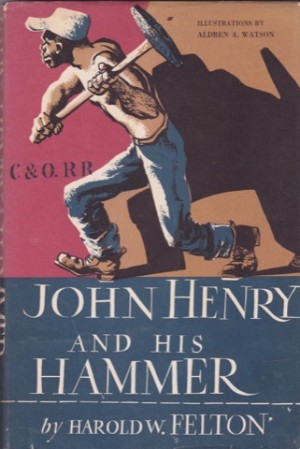
Hardcover. NY, Alfred A. Knopf, 2nd pr., 1956, Book: Very Good, Dust Jacket: Very Good, Hardcover in a lightly worn dust jacket. Vigorously brings to life the story of a true folktale hero. Dramatic two-color drawings by Watson. 82 pages. Includes music & lyrics for Ballad of John Henry (at end of book). Clean copy.
Hardcover. NY, Random House, 1st, 1993, Book: Very Good, Dust Jacket: Good, Hardcover, 532 pages, b&w photos. Minor wear to dust jacket, small closed tear. The life story of Josephine Baker, the outrageous entertainer who dared to become the first black sex symbol of the 20th century. Collected voices of men and women, over the decades, who shared the stage with Josephine. Clean copy
Hardcover. New York, Riverhead Hardcover, 1st, 2002, Book: Very Good, Dust Jacket: Very Good, 280 pages. Hardcover. Extensive b&w illustrations by Kurt Cobain throughout. Illustrated frontispiece. Clean, unmarked copy with only minor wear to dust jacket. Presents lyrics, drawings, letters, and other writings from Kurt Cobain's journals, revealing his thoughts on Nirvana, fame, fans, and the state of rock music.
Softcover. Lincoln NE, University Of Nebraska Press , 1st pbk, 1995, Book: Very Good, Dust Jacket: None, Softcover, 432 pages. Collects letters and essays that are published during the 1850s and 1860s. This title highlights the notorious 1850 article "Judaism in Music". It includes prose pieces such as "On the Performing of Tannhauser"; "On Musical Criticism"; and, "Music of the Future". It offers suggestions for the reform of opera houses in Vienna, Paris, and Zurich. Clean copy.
Hardcover. NY, Harper, 2nd pr., 2013, Book: Very Good, Dust Jacket: Very Good, Hardcover in a lightly worn dust jacket, 265 pages, b&w illustrations. The first installment in the long-awaited portrait of one of the most talented and influential musicians of the twentieth century, from Stanley Crouch, one of the foremost authorities on jazz and culture in America. Throughout his life, Charlie Parker personified the tortured American artist: a revolutionary performer who used his alto saxophone to create a new music known as bebop even as he wrestled with a drug addiction that would lead to his death at the age of thirty-four. Drawing on interviews with peers, collaborators, and family members, Kansas City Lightning recreates Parker's Depression-era childhood; his early days navigating the Kansas City nightlife, inspired by lions like Lester Young and Count Basie; and on to New York, where he began to transcend the music he had mastered. Clean copy.
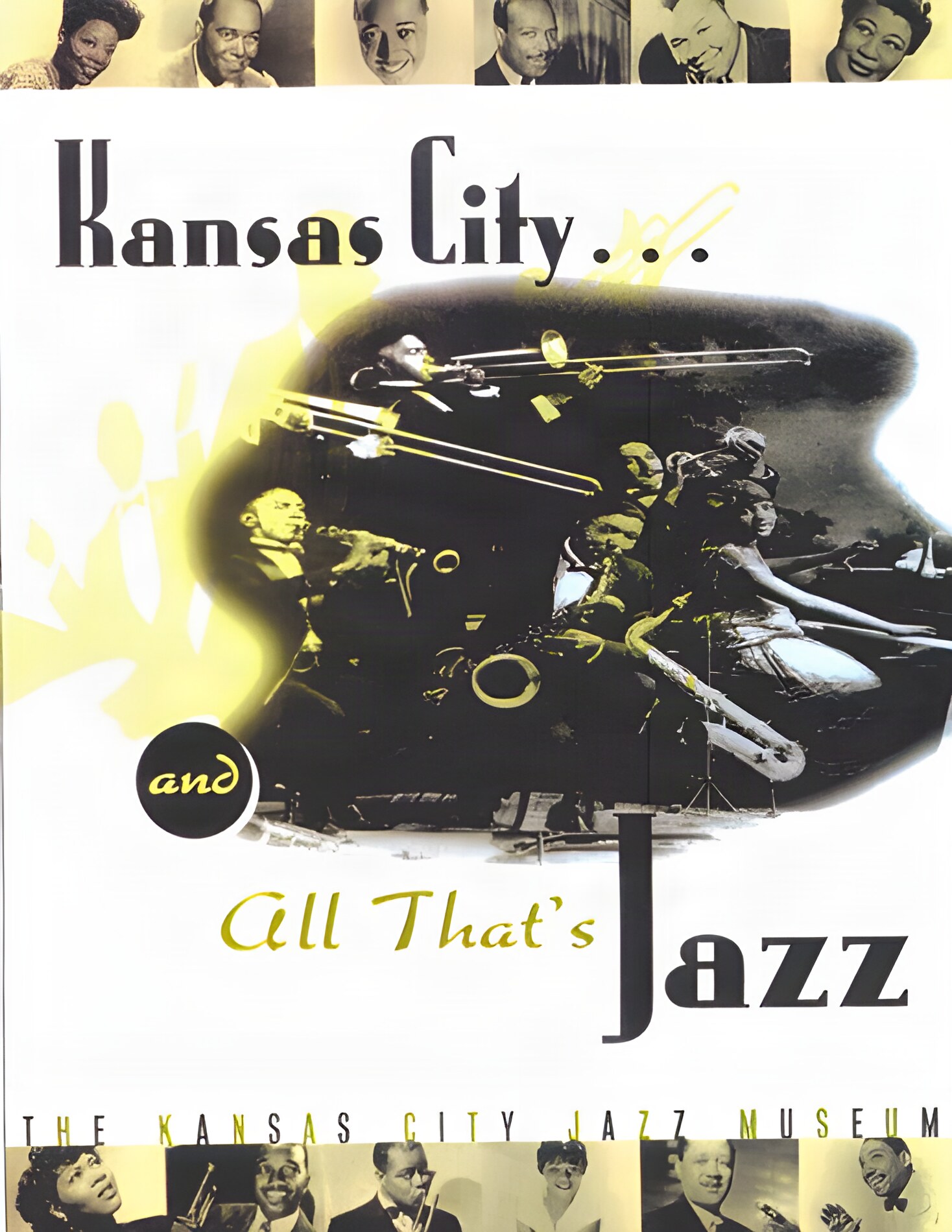
Softcover. Kansas City, Andrews McMeel Publishing, 1st pbk, 1999, Book: Very Good, Dust Jacket: None, Softcover, 120 pages, profusely illustrated. The Kansas City Jazz Museum traces the evolution of jazz music in America, from the early 1920s to the present day, focusing on the contributions of such Kansas City-based musicians as Count Basie, Charlie Parker, Lester Young, and other jazz greats. Clean, bright copy.
Hardcover. Philadelphia, Fortress Press, 1st, 1976, Book: Very Good, Dust Jacket: Very Good, Hardcover in a lightly faded dust jacket. 569 pages, b&w photos. An authentic church father of the Post-Reformation era, the Basel professor's contributions to theology, the life of the church, and the world of culture and politics have been frequently noted. This work presents extraordinary new information and insight based on his own correspondence and notes.What one finds in this work is Barth's own running commentary on events and people - from 1886 to 1968. Everything is depicted from his perspective and chiefly in his own words, and this is precisely what makes the volume so fascinating and valuable. The brilliance, wit, and humanity of Barth shine through everywhere as he is seen as son, brother, student, editor, friend, pastor, husband, father, soldier, teacher, theologian, church leader, political critic, polemicist, ecumenist, author, preacher, music lover, senior citizen. Light pencil notes to margins to some pages.
Hardcover. Princeton NJ, Princeton University Press, 1st, 1992, Book: Very Good, Dust Jacket: Very Good, Hardcover in a bright dust jacket, 281 pages, b&w illustrations. "For, Lo! We live in an Iron Age--In the age of Steam and Fire!" wrote a poet mesmerized by the engines that were transforming American transportation, agriculture, and industry during his lifetime. Indeed, by the nineteenth century fire had become America's leitmotif--for good and for ill. "Keeping the flame" was deadly serious: even the slightest lapse of attention could convert a fire from friendly ally to ravaging destroyer. To examine the cultural context of fire in "combustible America," Margaret Hazen and Robert Hazen gather more than a hundred illustrations, most never before published, together with anecdotes and information from hundreds of original sources, including newspapers, diaries, company records, popular fiction, art, and music. What results is an immensely entertaining and encyclopedic history that ranges from stories of the tragic "great fires" of the century to fire imagery in folktales and popular literature. Dealing more with technology than with fire in nature, the book provides a vast amount of information on fire manipulation and prevention in urban life. Hazen and Hazen discuss the people who worked with fire--or against it. Founders, gaffers, blacksmiths, boilers at saltworks, and housewives knew how to "read" a fire and employ it for their purposes. A few dedicated investigators inquired about the scientific nature of heat and flame. And firefighters gradually progressed from "bucket brigades" to "using fire to fight fire" with the newly invented steam engine. The colorful stories of these Americans--the risks they took and the rewards they received--will fascinate not only social historians but also a broad audience of general readers. Clean copy.
Hardcover. NY, Harry N Abrams, 1st, 1989, Book: Very Good, Dust Jacket: Very Good, 264 pages, illustrated throughout in b&w. Clean, unmarked copy with only minor wear to dust jacket. "A lavish, information-packed look at the people and places of an important, exciting era in art history. "?Publishers Weekly. From 1900 to 1930, Montparnasse was the center of artistic life for the whole world. A major contribution to the social and cultural history of the period? with its informative text and hundreds of photographs?. As The Washington Post said, Kiki's Paris "celebrates the people who made the modern movement in art, music and literature, most of whom were friends or lovers of Kiki, the woman Hemingway called 'The Queen of Montparnasse.'"
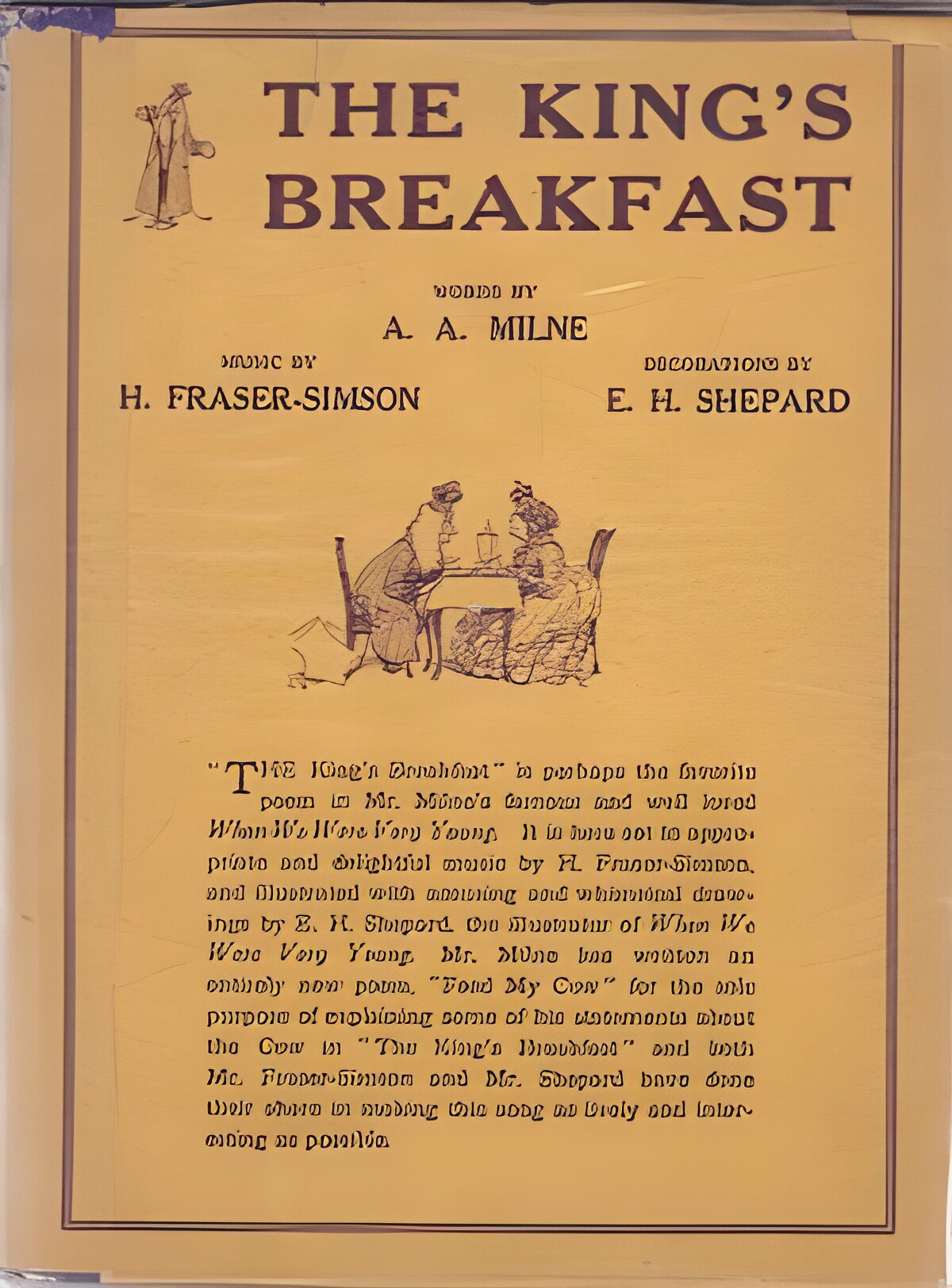
Hardcover. NY, Dutton, 1st, 1925, Book: Very Good, Dust Jacket: Good, Hardcover. Introduction by Milne. Music by H Fraser-Simson, decorations by E.H. Shepard. A bright copy in the scarce dust jacket that's edgeworn, chipped.
Hardcover. University of Wisconsin Press, 1st, 2005, Book: Very Good, Dust Jacket: Very Good, Hardcover, 92 pages. Kings in Their Castles, a collective portrait of the gay urban community in America, offers a personal view of some of our leading artists, writers, filmmakers, composers, musicians, and designers. Among the celebrities Atwood photographs in their playful, revealing homes are Edward Albee, Todd Oldham, John Waters, Ross Bleckner, Joel Schumacher, Junior Vasquez, Michael Cunningham, Simon Doonan, Andrew Solomon, Ned Rorem, James Dale, David Del Tredici, Tommy Tune, John Ashbery, Edmund White, and John Bartlett. Atwood also documents the bohemians, beatniks, mavericks, and iconoclasts, an urban community that is slowly disappearing. Capturing whimsical, intimate moments of daily life and portraying the complexity and diversity of this loosely linked society, Atwood reveals some of the most intriguing characters and homes in gay America. These beautiful fine art prints--shifting between the pictorial and the theatrical--become both a witness and a celebration.
Hardcover. NY, Grand Central, 1st, 2011, Book: Very Good, Dust Jacket: Very Good, Hardcover, 360 pages. 500 photos. Text in English. In this book of original, behind-the-scenes photographs, acclaimed photographer Terry Richardson follows superstar Lady Gaga during one year of her life, from Lollapalooza through the final show of her Monster Ball tour. During the time period he followed Gaga, Richardson took over 100,000 images and attended more than 30 Monster Ball dates around the world.
Hardcover. NY, Grove Press, 1st, 2021, Book: Very Good, Dust Jacket: Very Good, Hardcover in a bright dust jacket, 364 pages. Last Chance Texaco is the first ever no-holds-barred account of the life of one of rock's hardest working women in her own words. With candor and lyricism Rickie Lee Jones takes us on the journey of her exceptional life: from her nomadic childhood as the granddaughter of vaudevillian performers, to her father's abandonment of the family and her years as a teenage runaway, her beginnings at LA's Troubadour club, to her tumultuous relationship with Tom Waits, her battle with drugs, and longevity as a woman in rock and roll. These are never-before-told stories of the girl in "the raspberry beret," a songwriter who inspired American culture for decades.
Hardcover. Gottingen GR, Steidl, 1st, 2007, Book: Very Good, Dust Jacket: None, Hardcover. Like new in publisher's shrink-wrap. Biography mostly comprised of color and B&W photos of the famed blues musician, and ephemera related to him. Introduction by Tom Waits, foreword by Glenn O'Brien, and poems by Tyehimba Gess. 256 pages.
Hardcover. London, Faber and Faber, 1st, 1996, Book: Very Good, Dust Jacket: Very Good, Hardcover in a bright, unclipped dust jacket. Music's confrontation with modernity has been difficult, and has often involved the artist leaving his country for political and social reasons. In the company of a range of performers,this work reflects the difficulties encountered and the audiences' often reluctant attitude towards them.
Hardcover. London, J M Dent and Sons, 1st, 1955, Book: Very Good, Dust Jacket: None, Hardcover, orange cloth, gilt lettering on spine. 191 pages, color frontis, endpaper map and b&w drawings by Marcia Lane Foster. Some charming and ordinary youngsters visit an aunt in Beirut, where the general mystery of the Middle East is heightened by ghost music, defective servants, hostile villagers, and a few unsavory characters. Hinges cracked, name on front fly leaf, otherwise a clean copy
Softcover. New York , Thames & Hudson, 1st, 2005, Book: Very Good, Dust Jacket: None, Softcover, 176 pages, b&w photographs throughout. In 1929, Lee Miller, already a legendary fashion model, left the United States to study photography in Paris. Here she became the disciple and lover of Man Ray, and she was soon taking on both portrait and fashion assignments for Vogue and running her own studio. The Second World War saw her as Vogue's war correspondent: she covered the siege of Saint Malo, the liberation of Paris, and the entry of the U.S. Army into the Dachau concentration camp. Her later years were spent in London and Sussex with her husband, the painter and writer Roland Penrose. During her extraordinary life, Miller came into contact with an astonishing range of painters, sculptors, actors, writers, musicians, fashion designers, and socialites. Many became her friends and the subjects of her penetrating portraits. The finest of these photographs are collected together here, along with a selection of portraits of Miller herself, taken by other photographers. The images include not only Miller's highly perceptive and sympathetic studies of Pablo Picasso, Igor Stravinsky, Marlene Dietrich, Fred Astaire, and others but also her pictures of unsung individuals engaged in war work and powerful photographs of victims and perpetrators of Nazi oppression. 157 duotone illustrations.
Softcover. New York , Thames & Hudson, 1st, 2005, Book: Very Good, Dust Jacket: None, Softcover, 176 pages, b&w photographs throughout. In 1929, Lee Miller, already a legendary fashion model, left the United States to study photography in Paris. Here she became the disciple and lover of Man Ray, and she was soon taking on both portrait and fashion assignments for Vogue and running her own studio. The Second World War saw her as Vogue's war correspondent: she covered the siege of Saint Malo, the liberation of Paris, and the entry of the U.S. Army into the Dachau concentration camp. Her later years were spent in London and Sussex with her husband, the painter and writer Roland Penrose. During her extraordinary life, Miller came into contact with an astonishing range of painters, sculptors, actors, writers, musicians, fashion designers, and socialites. Many became her friends and the subjects of her penetrating portraits. The finest of these photographs are collected together here, along with a selection of portraits of Miller herself, taken by other photographers. The images include not only Miller's highly perceptive and sympathetic studies of Pablo Picasso, Igor Stravinsky, Marlene Dietrich, Fred Astaire, and others but also her pictures of unsung individuals engaged in war work and powerful photographs of victims and perpetrators of Nazi oppression. 157 duotone illustrations.
Hardcover. Manic D Press, 1st, 2003, Book: Very Good, Dust Jacket: Very Good, Hardcover, 128 pages. A visual feast of black-and-white portraits capturing some of the most notorious rock and roll icons from the late 1970s and early 1980s: Sid Vicious, John Lydon, PIL, Patti Smith, Blondie, The Ramones, The Clash, Circle Jerks, The Dead Boys, Dead Kennedys, The Exploited, GBH, Killing Joke, Misfits, X, Richard Hell, Lydia Lunch, Red Hot Chili Peppers, and more.

 "Jenny Lind in America (Jenny Lind's Tour Through America and Cuba)by: Rosenberg, C.G.")


 "Josephine: The Hungry Heartby: Baker, Jean-Claude & Chris Chase")
 "Journalsby: Cobain, Kurt")


 "Karl Barth His Life from Letters and Autobiographical Textsby: Eberhard Busch")









 "Lee Miller: Portraits from a Lifeby: Calvocoressi, Richard")
 "Lee Miller: Portraits from a Lifeby: Calvocoressi, Richard")
