Softcover. NY, Grove Press, reprint, 2000, Book: Very Good, Dust Jacket: None, Softcover, 64 pages. When it first appeared in 1971, Larry Clark's groundbreaking book Tulsa sparked immediate controversy across the nation. Its graphic depictions of sex, violence, and drug abuse in the youth culture of Oklahoma were acclaimed by critics for stripping bare the myth that Middle America had been immune to the social convulsions that rocked America in the 1960s. The raw, haunting images taken in 1963, 1968, and 1971 document a youth culture progressively overwhelmed by self-destruction -- and are as moving and disturbing today as when they first appeared.
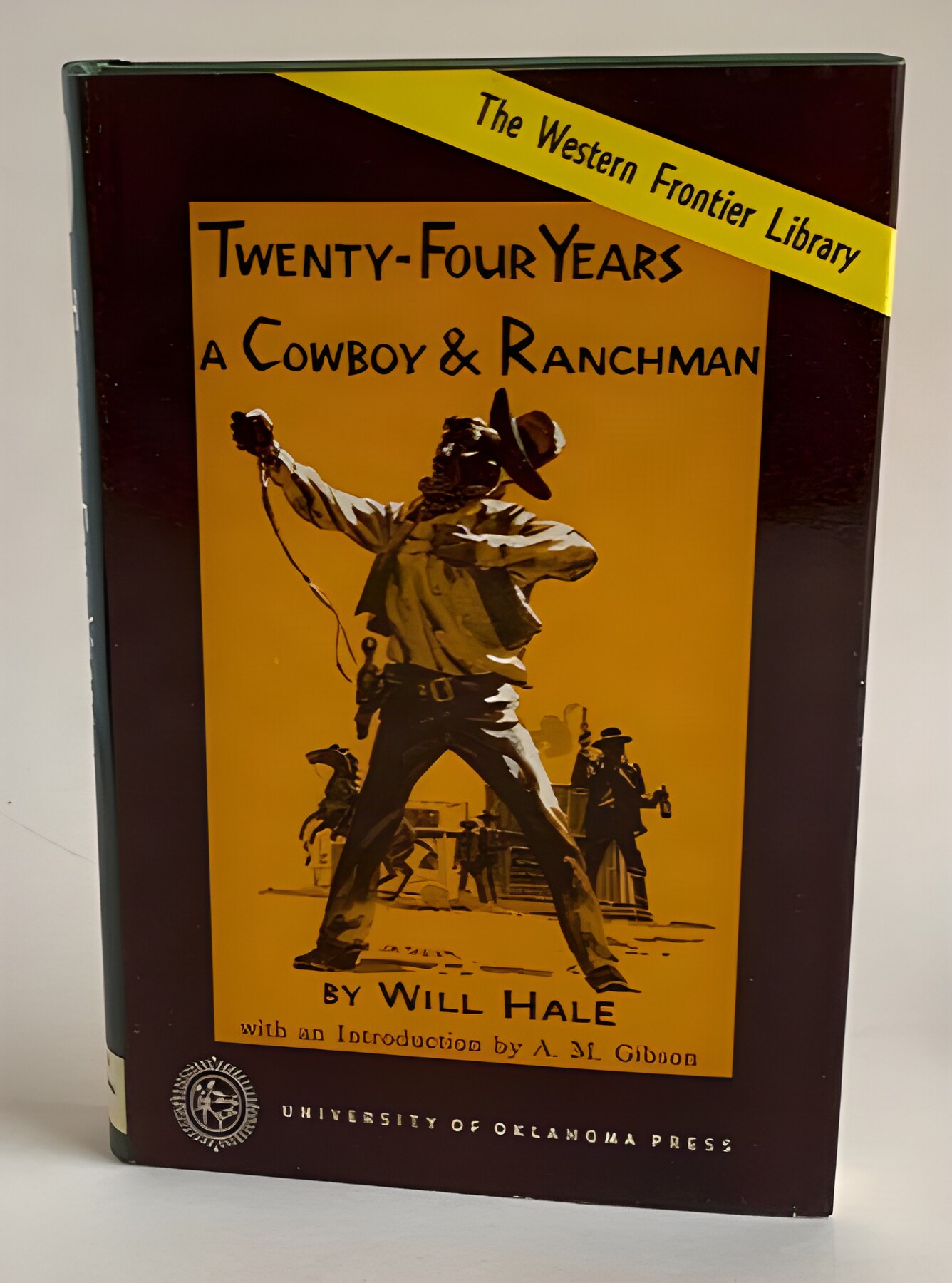
Hardcover. Norman OK, University of Oklahoma Press, 1st, 1959, Book: Very Good, Dust Jacket: Very Good, Hardcover in a bright dust jacket, 183 pages. The Western Frontier Library, Vol. 12. B&w illustrations. The timeframe extends from the Mexican War to the 1880's. Much on the Comanches in Texas, cattle raids and killings on both sides of the Rio Grande by both Mexican and American cowboys, the murder of a Pinkerton detective, the Lincoln County cattle war, and the pursuit of Billy the Kid. Clean copy.
Softcover. Norman OK, University of Oklahoma Press,, 1st pbk., 1965, Book: Very Good, Dust Jacket: None, Softcover, 254 pages, b&w illustrations. This volume is a study of Mesopotamian literature from the beginnings of the Bronze Age to the fall of Babylon as an independent state in the 6th century BCE. Part I of this volume deals with the history and culture of the region from the Sumerians to the Persian conquests. Part II treats the development of poetic forms and the mythology and religion upon which much of the poetry is based. Clean copy.
Hardcover. Norman, OK, University of Oklahoma Press, 1st, 1984, Book: Near Fine, Dust Jacket: Good, Hardcover. This illustrated biography describes a trip taken by William de la M. Cary and two companions by steamboat on the Missouri River. 242 pages, b&w illustrations, 16 pages of color plates. SIGNED BY LADNER on the half-title page. Book tightly bound and in near fine condition. Dust jacket shows some rubbing and fading in areas.
Hardcover. Norman, University of Oklahoma Press, 1st, 1984, Book: Very Good, Dust Jacket: Very Good, Hardcover, 242 pages, illustrated in color and b&w. In a bright, unclipped dust jacket Clean, tight copy.
Softcover. Norman OK, University of Oklahoma Press, 1992, Book: Very Good, Dust Jacket: None, Softcover, 239 pages. In Work, Identity, and Legal Status at Rome, Sandra R. Joshel examines Roman commemorative inscriptions from the first and second centuries A.D. to determine ways in which slaves, freed slaves, and unprivileged freeborn citizens used work to frame their identities. The inscriptions indicate the significance of work-as a source of community, a way to reframe the conditions of legal status, an assertion of activity against upper-class passivity, and a standard of assessment based on economic achievement rather than birth. Drawing on sociology, anthropology, ethnography, and women's history, this thoroughly documented volume illuminates the dynamics of work and slavery at Rome. Owner's name on title page, otherwise clean, unread.
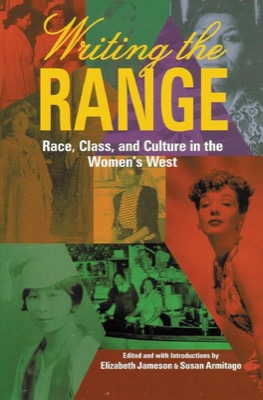
Softcover. Norman OK, University of Oklahoma Press, 1st, 1997, Book: Very Good, Dust Jacket: None, Softcover, 656 pages. In mythic sagas of the American West, the wide western range offered boundless opportunity to a limited cast of white men. Buffalo roamed, deer and antelope played, and women's voices were never heard. Writing the Range allows us to hear many long-silenced women: Spanish-Mexican settlers and American Indians on New Spain's northern frontiers; Chinese, Basque, Japanese, Korean, Vietnamese, Slavic, and Irish immigrants; film stars Dolores del Rio and Lupe Velez; Navajos and African Americans who moved to western cities during World War II; and the activist Mothers of East Los Angeles, who organized to resist environmental dangers to their community. A valuable introduction to the rapidly changing field of western history, Writing the Range explains clearly how race, class, and culture are constructed and connected. The first section examines issues raised by more than a decade of multicultural western women's histories; following are six chronological sections spanning four centuries. Each section offers a short introduction connecting is essays and placing them in analytic and historical perspective. Clean copy.

 "Thomas Moran, Artist of the Mountainsby: Wilkins, Thurman")
 "Tulsaby: Clark, Larry")
 "Voices From the Clay: The Development of Assyro-Babylonian Literature by: Fiore, Silvestro")
 "William de la Montagne Cary: Artist on the Missouri River (SIGNED COPY)by: Ladner, Mildred D.")
 "William de la Montagne Cary: Artist on the Missouri Riverby: Ladner, Mildred D.")
 "Work, Identity, and Legal Status at Rome: A Study of the Occupational Inscriptionsby: Sandra R. Joshel")