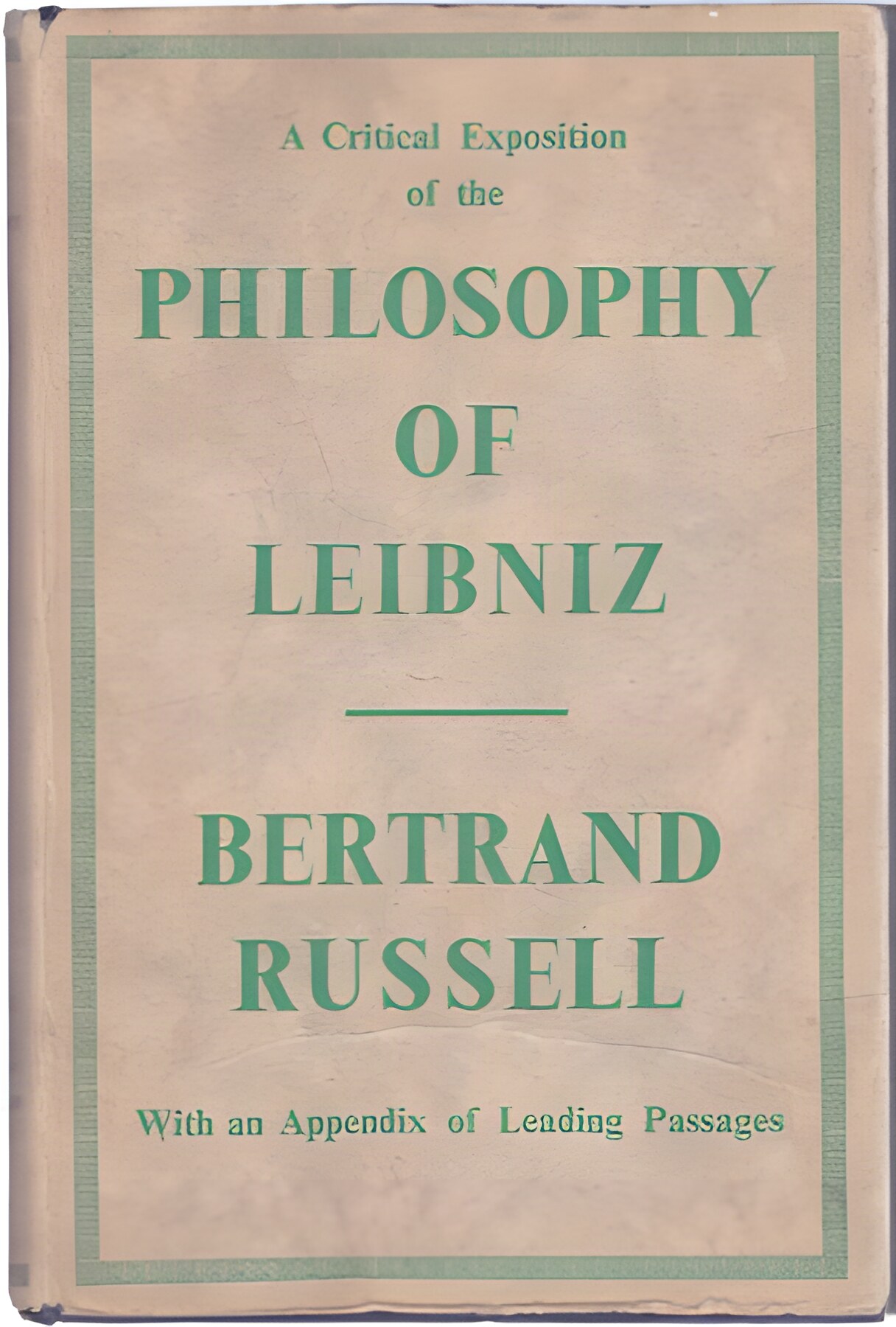
Hardcover. London, George Allen & Unwin, reprint, 1949, Book: Very Good, Dust Jacket: Very Good, Hardcover in a lightly worn dust jacket, 311 pages. The writings of German mathematician and philosopher GOTTFRIED WILHELM LEIBNIZ (1646-1716) have had an incalculable impact on modern science and technology, from physics and computers to law and psychology. But not everyone is a fervent fan. At the turn of the 20th century, the great British thinker Bertrand Russell uncovered what he believed was the hypocritical secret to Leibniz's philosophy: a hidden devotion to a logic he did not reveal in his writings. Here, Russell explores Leibniz's work from this perspective, examining the premises of Leibniz's work, the questions raised by his arguments, the validity of Leibniz's proofs, problems with his "philosophy of matter," and much more. First published in 1900, this is a replica of the 1937 second edition, and is complete with the original, extensive appendix of relevant extracts from Leibniz's work, essential for understanding Russell's critique. Clean copy.
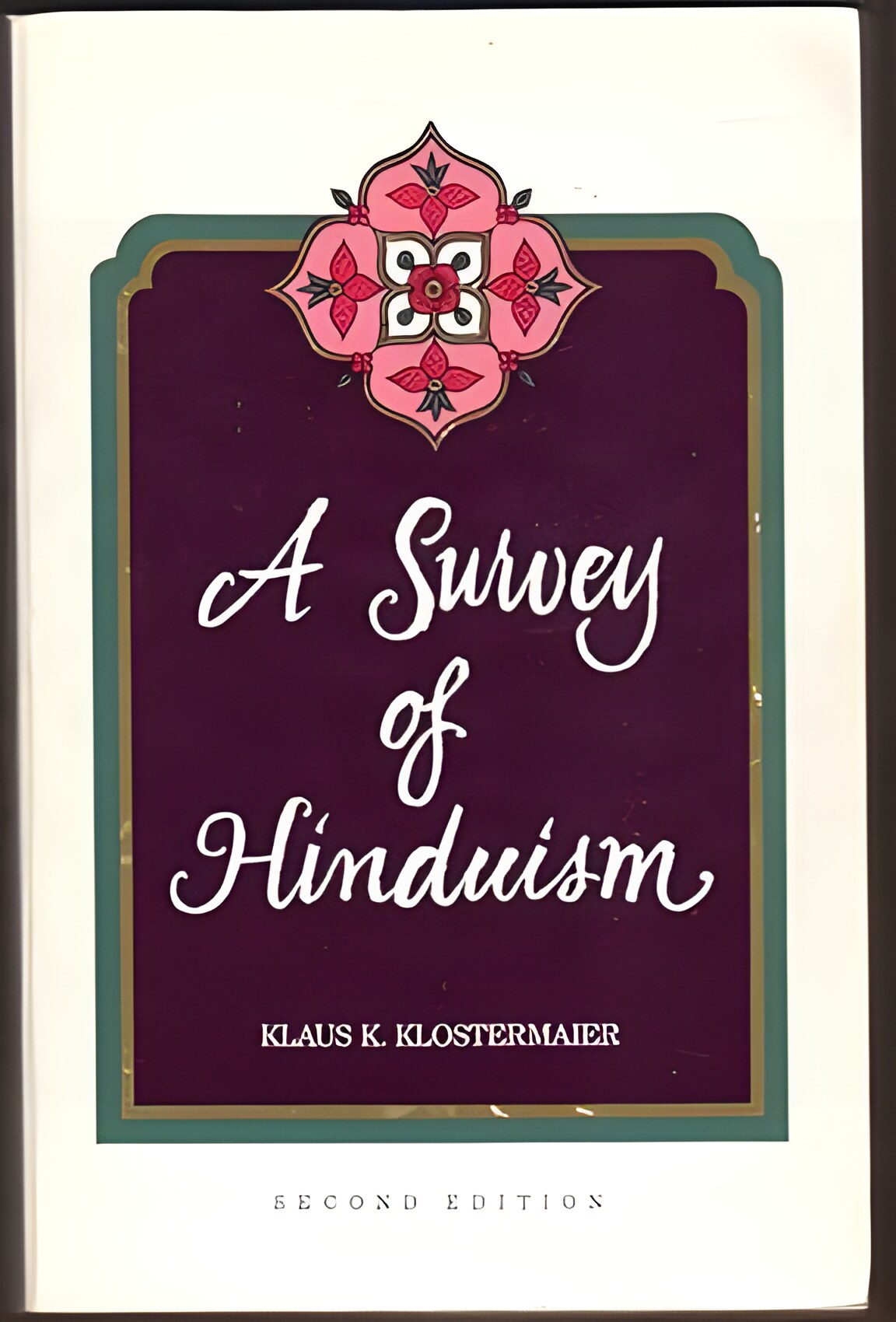
Softcover. Albany NY, State University of New York Press, 2nd Ed., 1994, Book: Very Good, Dust Jacket: None, Softcover, 715 pages, b&w illustrations. A comprehensive survey of the Hindu tradition, the book deals with the history of Hinduism, the sacred writings of the Hindus, the Hindu worldview, and the specifics of the major branches of Hinduism-Vaisnavism, Saivism, and Saktism. It also focuses on the geographical ties of Hinduism with the land of India, the social order created by Hinduism, and the various systems of Hindu thought. Klaus K. Klostermaier describes the development of Hinduism in the nineteenth and twentieth centuries, including present-day political Hinduism and the efforts to turn Hinduism into a modern world religion. A unique feature of the book is its treatment of Hinduism in a topical fashion, rather than by chronological description of the development of Hinduism or by summary of the literature. The complexities of Hindu life and thought are thus made real to the reader, and Hindus will recognize it as their own tradition. Clean copy.
Hardcover. NY, Whitney Museum of Art/Abrams, 1st, 1992, Hardcover in a bright dust jacket, 187 pages. Published to accompany a 1992-93 exhibition held at the Whitney Museum of American Art, New York, this book deals with the full scope of Agnes Martin's art. It includes essays that place her work in the context of American and European 20th-century art and culture. Agnes Martin's paintings, constructions, and works on paper provide a link between the chromatic abstraction of artists such as Mark Rothko and Barnett Newman, her generational and ideological peers, and the Minimalist vocabulary of the 1960s. This book reproduces works made between 1957 and 1967, and better-known paintings and constructions created since 1974. A selection of Martin's writings reveals the spiritual philosophy that sustains her painting. Clean copy.
Hardcover. New Havn CT, Yale University Press, 1st , 2001, Book: Very Good, Dust Jacket: Very Good, 333 pages. Hardcover with dust jacket. Illustrated in color, B&W. Clean, tight copy. Few painters lived the intellectual adventures of the early twentieth century as intensely as Albert Gleizes. At the centre of the public scandal over Cubism that broke out in Paris in 1911, he was with Marcel Duchamp and Francis Picabia in New York during the war and was one of the first European avant-garde artists to respond to the scale and vigour of New York life. Gleizes was also one of the few French painters of the 1920s to recognise nonrepresentational painting as the logical development of Cubism. His work as a painter is accompanied by an immense body of theoretical work, addressing the question posed so starkly by Duchamp and Picabia: why should we paint? What is the justification for the work of art? Over his life he touches on many spheres of human activity - religious, political and cultural history, physics and the philosophy of work. This book follows Gleizes' argument as it evolves, drawing on painting, and both published and unpublished writings. It reveals Gleizes, not just as a significant historical personality, but as a man whose work and thinking remains surprisingly fresh and relevant to the needs of our own time.
Hardcover. Oxford, Clarendon Press, 1st, 2006, Book: Very Good, Dust Jacket: Very Good, Hardcover in a bright dust jacket with light edgewear, 458 pages. J. R. and Philip Milton present the first critical edition of John Locke's Essay concerning Toleration, based on all extant manuscripts, and a number of other writings on law and politics composed between 1667 and 1683. Although Locke never published any of these works himself they are of very great interest for students of his intellectual development because they are markedly different from the early works he wrote while at Oxford and show him working out ideas that were to appear in his mature political writings, the Two Treatises of Government and the Epistola de Tolerantia. With authoritative contextual guidance from the editors, this will be an invaluable resource for all historians of early modern philosophy, of legal, political, and religious thought, and of 17th-century Britain. Name, date on front fly leaf, otherwise clean.
Softcover. UK, Cambridge University Press, 1st pbk, 1995, Book: Very Good, Dust Jacket: None, Softcover, 177 pages. In this edition of Beccaria's On Crimes and Punishments and other writings, Richard Bellamy draws on recent Italian scholarship to show how Beccaria wove together the various political languages of the Enlightenment into a political philosophy that combines republican, contractarian, romantic and liberal as well as utilitarian themes. This edition also includes a number of pieces from Beccaria's writings on political economy and the history of civilization that were not previously available in English. Clean copy.
Softcover. Chicago, University of Chicago Press, 1st pbk., 1993, Book: Very Good, Dust Jacket: None, Softcover, 322 pages, b&w illustrations. In this first modern, critical assessment of the place of mathematics in Berkeley's philosophy and Berkeley's place in the history of mathematics, Douglas M. Jesseph provides a bold reinterpretation of Berkeley's work. Jesseph challenges the prevailing view that Berkeley's mathematical writings are peripheral to his philosophy and argues that mathematics is in fact central to his thought, developing out of his critique of abstraction. Jesseph's argument situates Berkeley's ideas within the larger historical and intellectual context of the Scientific Revolution.
Hardcover. Oxford UK, Clarendon Press, 1st, 1981, Book: Very Good, Dust Jacket: Very Good, Hardcover in a bright dust jacket, 313 pages. The Consolations of Philosophy by Boethius, whose English translators include King Alfred, Geoffrey Chaucer, and Queen Elizabeth I, ranks among the most remarkable books to be written by a prisoner awaiting the execution of a tyrannical death sentence. Its interpretation is bound up with his other writings on mathematics and music, on Aristotelian and propositional logic, and on central themes of Christian dogma. Chadwick begins by tracing the career of Boethius, a Roman rising to high office under the Gothic King Theoderic the Great, and suggests that his death may be seen as a cruel by-product of Byzantine ambitions to restore Roman imperial rule after its elimination in the West in AD 476. Subsequent chapters examine in detail his educational programme in the liberal arts designed to avert a threatened collapse of culture and his ambition to translate into Latin everything he could find on Plato and Aristotle. Name on front fly leaf, otherwise bright and clean.
Hardcover. Berkeley CA, University of California Press, 1st, 2009, Book: Very Good, Dust Jacket: Very Good, Hardcover, 320 pages. In the voluminous scholarship that's been written on Paul Cezanne, little has been said about the twenty-four portraits in oil that Cezanne made of his wife, Hortense Fiquet Cezanne, over an extended twenty-year period. In Cezanne's Other: The Portraits of Hortense, Susan Sidlauskas breaks new ground, focusing on these paintings as a group and looking particularly at the differences that render many of them unrecognizable as the same person. She argues that Cezanne sidestepped the conventional goals of portraiture-he avoids representing a consistent, identifiable physiognomy or conventional feminine postures and does not portray the subject's inner life-making lack of fixedness itself his subject, which leads him ultimately to a radical reformulation of modern portraiture. Sidlauskas also upends the notion of Mme Cezanne as the irrelevant and absent spouse. Instead she reveals Hortense Fiquet Cezanne as a presence so crucial to the artist that she became the essential "other" to his ever-evolving "self." Coupling historical texts from philosophy, psychology, and physiology with more recent writings from women's and gender studies, cognitive psychology, and visual culture, Sidlauskas demonstrates that Mme Cezanne offered intimacy at arm's length for the painter who has been dubbed "the lone wolf of Aix."
Softcover. Ann Arbor, University of Michigan Press, reprint, 1995, Book: Very Good, Dust Jacket: None, Softcover, 204 pages. Translated by Roxanne Lapidus. Clean, bright copy. Although elected to the prestigious French Academy in 1990, Michel Serres has long been considered a maverick--a provocative thinker whose prolific writings on culture, science and philosophy have often baffled more than they have enlightened. In these five lively interviews with sociologist Bruno Latour, this increasingly important cultural figure sheds light on the ideas that inspire his highly original, challenging, and transdisciplinary essays. Clean copy.
Softcover. Chicago, University of Chicago Press, 2nd pr., 2007, Book: Very Good, Dust Jacket: None, Softcover, 246 pages. Between the years 1643 and 1649, Princess Elisabeth of Bohemia (1618-80) and Rene Descartes (1596-1650) exchanged fifty-eight letters--thirty-two from Descartes and twenty-six from Elisabeth. Their correspondence contains the only known extant philosophical writings by Elisabeth, revealing her mastery of metaphysics, analytic geometry, and moral philosophy, as well as her keen interest in natural philosophy. The letters are essential reading for anyone interested in Descartes's philosophy, in particular his account of the human being as a union of mind and body, as well as his ethics. They also provide a unique insight into the character of their authors and the way ideas develop through intellectual collaboration.
Softcover. Ontario CAN, Broadview Press, 1st, 2011, Book: Very Good, Dust Jacket: None, Softcover, 365 pages. An important work in the debate between materialists and dualists, the public correspondence between Anthony Collins and Samuel Clarke provided the framework for arguments over consciousness and personal identity in eighteenth-century Britain. In Clarke's view, mind and consciousness are so unified that they cannot be compounded into wholes or divided into parts, so mind and consciousness must be distinct from matter. Collins, by contrast, was a perceptive advocate of a materialist account of mind, who defended the possibility that thinking and consciousness are emergent properties of the brain.Appendices include philosophical writings that influenced, and responded to, the correspondence. Clean copy.
Softcover. Holland/Boston, D. Reidel Publishing Company, reprint, 1977, Book: Very Good, Softcover, 205 pages. Hermann von Helmholtz (1821-1894), was a prominent German physicist and physician who comtributed to the philosophy of science. The Paul Hertz/Moritz Schlick Centenary Edition of 1921, with notes and commentary by the editors. Name on front fly leaf otherwise a clean, bright copy.
Hardcover. Staten Island NY, Center Migration Studies , 1st, 2000, Book: Very Good, Dust Jacket: Very Good, Hardcover in a bright dust jacket, 359 pages. Clean copy.
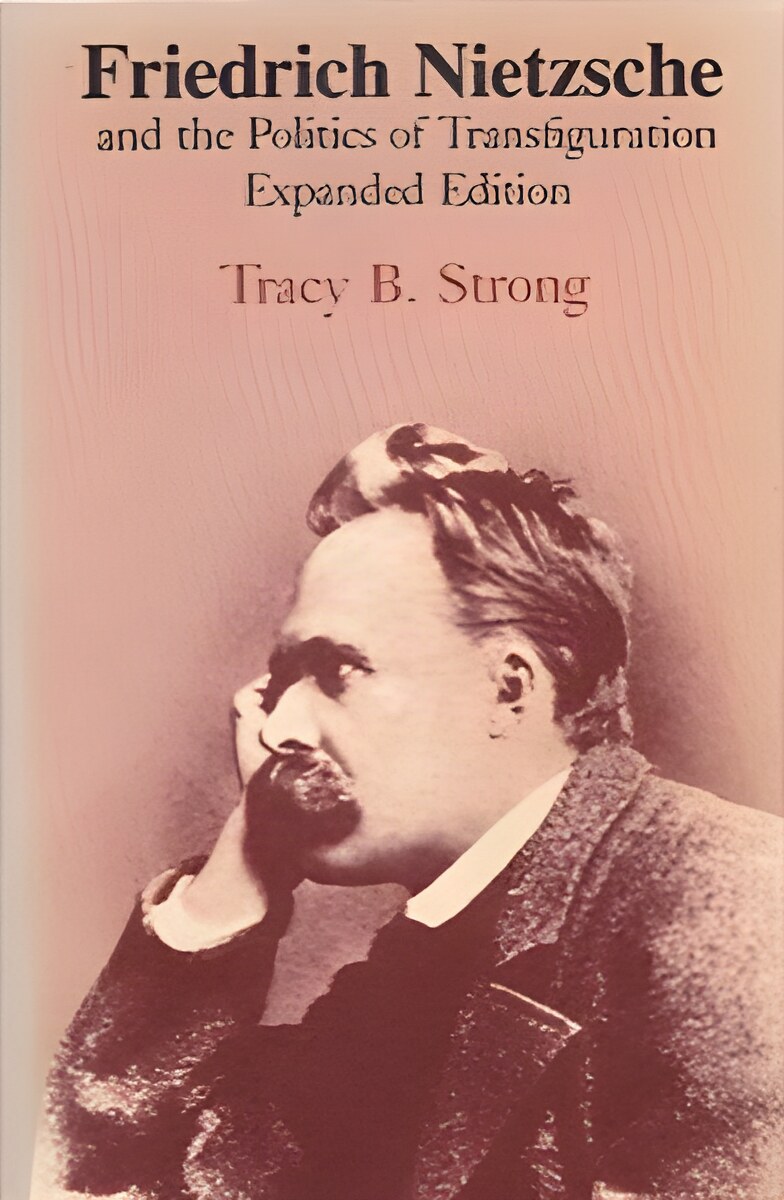
Softcover. Berkeley CA, University of California Press, reprint, 1988, Book: Very Good, Dust Jacket: None, Softcover, 392 pages. Provides a comprehensive analysis of the politics that are implicit and explicit in Nietzsche's work. This book examines both the personal and the political sides of Nietzsche's writings to show how his writings can expand notions of democratic politics and democratic understanding. Light pencil underlining to about 15 pages.
Hardcover. Minneapolis, University of Minnesota, 2nd pr., 1965, Book: Very Good, Dust Jacket: Very Good, Hardcover in a lightly worn dust jacket, 197 pages. Professor Noble examines the basic philosophy and writing of six American historians, George Bancroft, Frederick Jackson, Charles A. Beard, Carl Becker, Vernon Louis Parrington, and Daniel J. Boorstin, and finds in them a common tradition which he calls anti-historical. He argues that this viewpoint is founded in the frontier interpretation of American history, that American historians have served as the chief political theorists and theologians of this country since 1830, and that their writings can be interpreted as Jeremiads designed to preserve a national covenant with nature. Clean copy.
Softcover. Cambridge UK, Cambridge University Press, 1st pbk, 2004, Book: Very Good, Dust Jacket: None, Softcover, 148 pages. Andrew Janiak examines Newton's philosophical positions and his relations to canonical figures in early modern philosophy through Newton's principal philosophical writings. Janiak's study includes excerpts from the Principia and the Opticks, Newton's famous correspondence with Boyle and with Bentley, and his equally significant correspondence with Leibniz, often ignored in favor of Leibniz's later debate with Samuel Clarke. (Newton's exchanges with Leibniz place their different understandings of natural philosophy in sharp relief.) Clean copy.
Softcover. Stanford CA, Stanford University Press, 1988, Book: Very Good, Dust Jacket: None, Softcover, 230 pages. Jean Baudrillard is one of the most topical and controversial theorists in France today. He has played a major role in the development of critical social theory and cultural sociology, and his writings are currently at the center of the 'post-modernism' debate. This volume makes his most important work widely available in English for the first time. It includes selections from the entire range of his writings, from his early work on advertising and commodity culture to his most recent writings on simulation and desire. Throughout the selections Baudrillard stresses the ways in which our lives are embedded in a world if images which have no clear reference and which are reproduced by the new mechanisms of cultural production in contemporary societies. Clean copy.
Hardcover. UK, Oxford University Press, 1st, 2019, Book: Very Good, Dust Jacket: Very Good, Hardcover in a bright dust jacket, 409 pages. This is the first critical edition of the literary and historical writings of John Locke (1632-1704): poems, orations, a plan for a play, a guide to compiling a commonplace book, rules for societies, writings on the liberty of the press, and a memoir of Locke. Vol. 23 of The Clarendon Edition of the Works of John Locke. Clean copy.
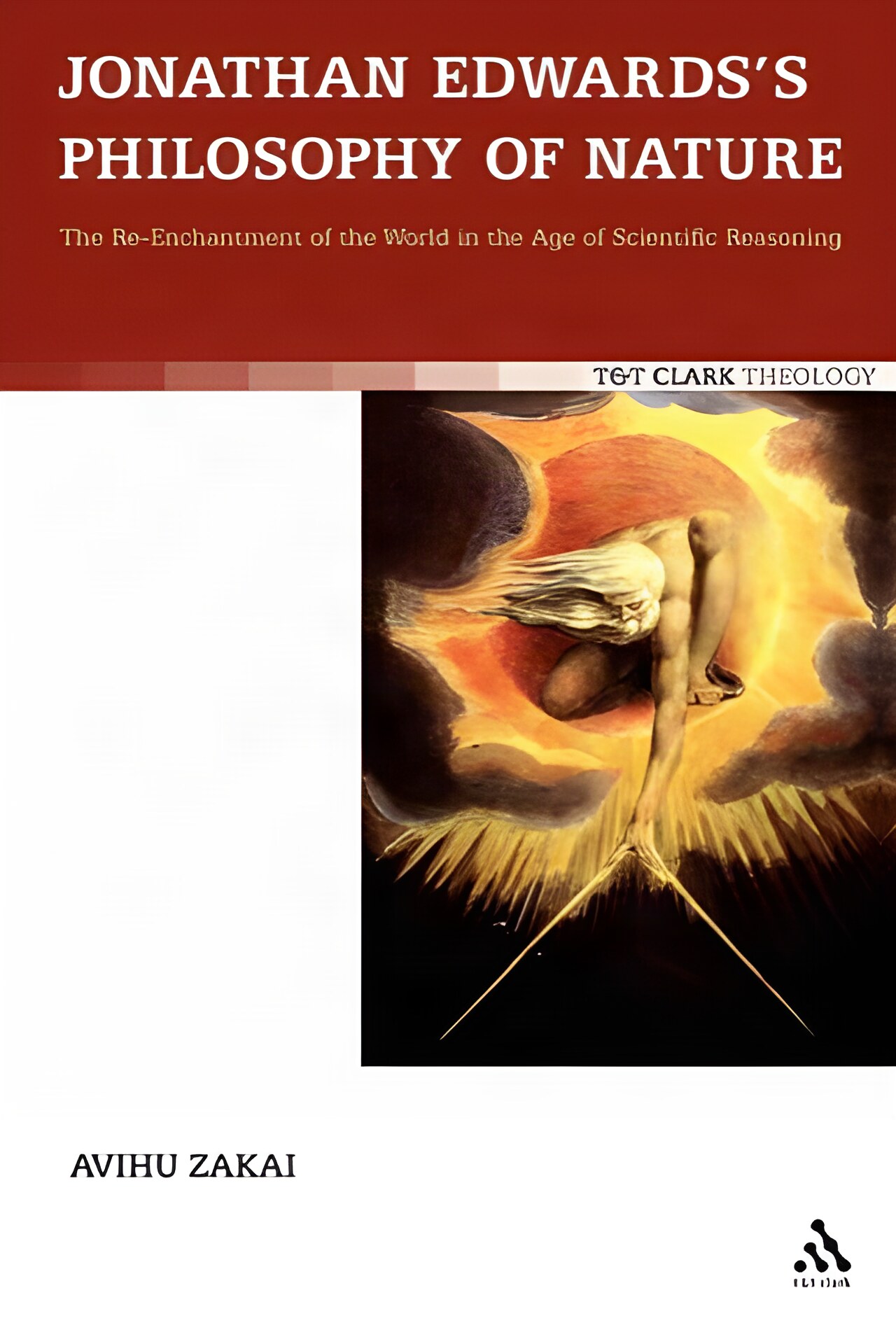
Softcover. London, T&T Clark, reprint, 2012, Book: Very Good, Dust Jacket: None, Softcover, 331 pages, INSCRIBED BU AUTHOR on the half-title page. Analyses the works of Jonathan Edwards (1703-1758) on natural philosophy in a series of contexts within which they may best be explored and understood. Its aim is to place Edwards's writings on natural philosophy in the broad historical, theological and scientific context of a wide variety of religious responses to the rise of modern science in the early modern period - John Donne's reaction to the new astronomical philosophy of Copernicus, Kepler and Galileo, as well as to Francis Bacon's new natural philosophy; Blaise Pascal's response to Descartes' mechanical philosophy; the reactions to Newtonian science and finally Jonathan Edwards's response to the scientific culture and imagination of his time. Clean, bright copy.
Softcover. Stanford CA, Stanford University Press, 1st transl., 1944, Book: Very Good, Dust Jacket: None, Softcover, 246 pages. Philosophical aesthetics has seen an amazing revival over the past decade, as a radical questioning of the very grounds of Western epistemology has revealed that some antinomies of aesthetic experience-and in particular of the limits of the aesthetical-can be viewed as a general, yet necessarily open model for human understanding. In this revival, no text in the classical corpus of Western philosophy has been more frequently discussed than the complex paragraphs modestly inserted into Kant's Critique of Judgment as sections 23-29: the Analytic of the Sublime. This book is a rigorous explication de texte, a close reading of these sections. First, Lyotard reconstitutes, following the letter of Kant's analysis, the philosophical context of his critical writings and of the European Enlightenment. Second, because the analytic of the sublime reveals the inability of aesthetic experience to bridge the separate realms of theoretical and practical reason, Lyotard can connect his reconstitution of Kant's critical project with today's debates about the very conditions-and limits-of presentation in general.
Hardcover. UK, Imprint Academic, 1st, 2004, Book: Very Good, Dust Jacket: Very Good, 208 pages. Clean, unmarked copy with only minor wear to dust jacket. This book examines Oakeshott's political philosophy within the context of his more general conception of philosophical understanding. The book stresses the underlying continuity of his major writings on the subject and takes seriously the implications of understanding the world in terms of modality. The book suggests strongly that Oakeshott's philosophy of political activity cannot be reduced to a branch of conservatism, liberalism, or postmodernism or a theory or set of doctrines which fit neatly into any conventional school, like that of Idealism or Skepticism. Rather, Oakeshott's philosophy of political activity is a provocation to all of the currently dominant schools of political theory and political practice. It questions their presuppositions and exposes as ambiguous, arbitrary, or confused all of the supposed certainties which they take for granted. It does all this by offering profound insights into the character and limits of both political activity and political theory in the modern world.
Hardcover. Oxford UK, Clarendon Press, 1st, 1991, Book: Very Good, Dust Jacket: Very Good, Hardcover set, complete in two volumes, both with bright dust jackets. Locke on Money presents for the first time the entire body of the philosopher's writings on this important subject (other than Two Treatises of Government). Accurate texts, together with an apparatus listing variant readings and significant manuscript changes, record the evolution of Locke's ideas from the original 1668-74 paper on interest to the three pamphlets on interest and coinage published in the 1690s. The introduction by Patrick Hyde Kelly establishes the wider context of Locke's writings in terms of contemporary debates on these subjects, the economic conditions of the time, and the circumstances of writing and publication. It shows, notably, that Locke's supposed responsibility for the 1696 recoinage is a myth. The account of what Locke derived from Mercantilist writings and of how he reformulated these in accordance with his philosophy illuminates his contribution to the evolution of economics, and will aid reappraisal of Two Treatises. The picture that emerges confirms Locke's status as major economic thinker, contrary to the prevalent view of recent decades. There are two volumes in the edition. The first contains the introductory matter, and the texts of the Early Writings on Interest, 1688-74, and Some Considerations. The second comprises Short Observations, Further Considerations, and the Appendices, Bibliography, and Index. 664 total pages. Name on front fly leaf in Vol. 1, otherwise clean.
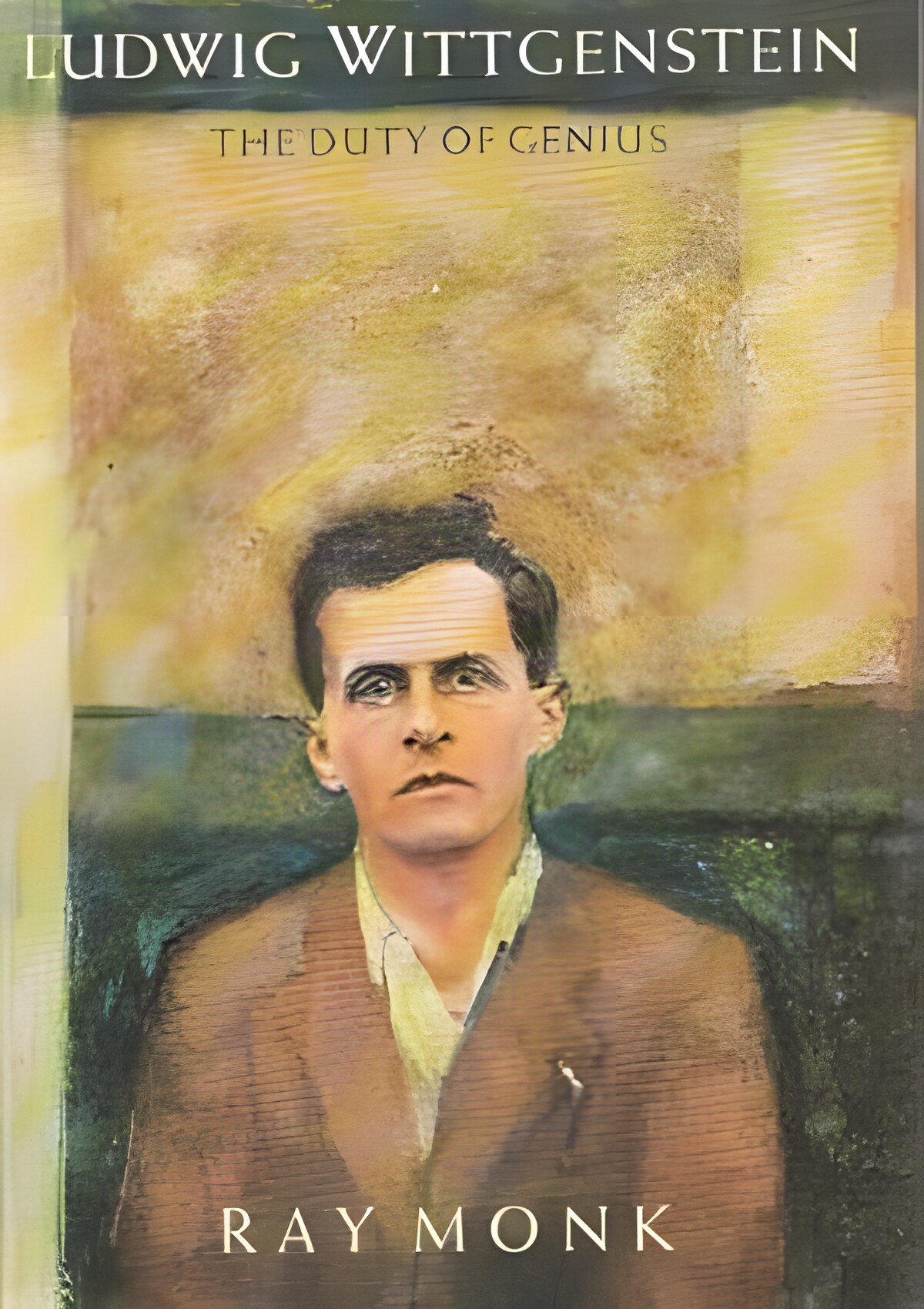
Hardcover. NY, The Free Press, 2nd pr., 1990, Book: Very Good, Dust Jacket: Very Good, Hardcover in a bright, unclipped dust jacket, 654 pages, b&w illustrations. A portrait of one of the twentieth-century's most influential philosophers draws on previously unpublished letters and writings to describe Wittgenstein's youth, education, private life, and major works. Clean copy.



 "Albert Gleizes - For and Against the Twentieth Century by: Brooke, Peter")
 "Baccaria: On Crimes and Punishments and Other Writings by: Cesare Beccaria")

 "Boethius: The Consolations of Music, Logic, Theology, and Philosophy by: Chadwick, Henry")
 "C")
 "Conversations on Science, Culture, and Timeby: Serres, Michel with Latour, Bruno")

 "Correspondence of Samuel Clarke and Anthony Collins, 1707-08 by: Clarke, Samuel/ Collins, Anthony/ Uzgalis, William L. (Editor)")





 "Lessons on the Analytic of the Sublimeby: Jean-Francois Lyotard")
 "Limits of Political Theory, The: Oakeshott's Philosophy of Civil Association by: McIntyre, Kenneth B.")
 "Locke on Money. Edited together with Ancillary Manuscripts, an Introduction, Critical Apparatus, and Notes by Patrick Hyde Kelly.(2 Volumes)by: Locke, John and Kelly,")