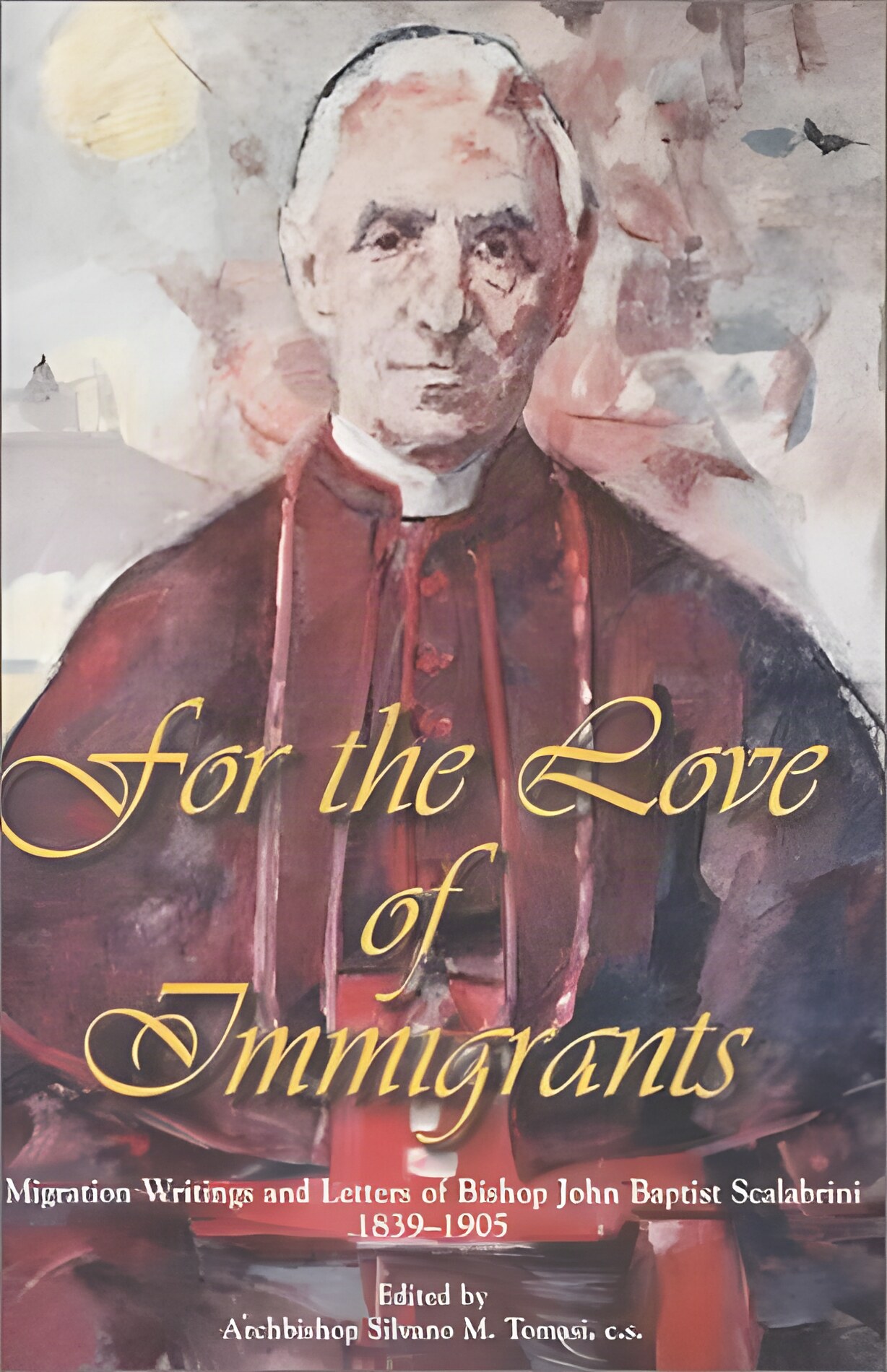
Hardcover. Staten Island NY, Center Migration Studies , 1st, 2000, Book: Very Good, Dust Jacket: Very Good, Hardcover in a bright dust jacket, 359 pages. Clean copy.
Softcover. Liverpool Univeristy Press, 1st, 1997, Book: Very Good, Dust Jacket: None, Softcover, pages. In 1916 Thomas Wallis founded a new practice, Wallis, Gilbert & Partner, primarily to collaborate with an American company in the design of factories to be constructed of reinforced concrete. Designing factories was not then popular among architects and many manufacturers regarded the employment of an architect a wanton extravagance. Wallis's move could be seen as a reckless gamble, but his and his partners' subsequent achievements suggest that his choice had been well considered; some of the best known inter-war industrial building - Firestone, Hoover, The Gramophone Company, Glaxo Laboratories - were their work. In Form and Fancy, Dr Skinner looks first at the biographical background of Wallis, at the history and organisation of the partnership he founded, and at the many factors that contributed to its reputation in the inter-war years. She then offers a perspective on architectural thought and activity in that period, and of the attitudes and influences on factory design. Designs by the partnership for over one hundred factories and factory buildings have been discovered and at the core of the book is a third chapter which analyses and assesses them. Dr Skinner concludes with an evaluation of the design philosophy of Wallis, Gilbert & Partners, the aim of which was to contribute to the successful pursuit of business by the companies that commissioned them.
Hardcover. UK, Oxford University Press , 2nd Ed., 1962, Book: Very Good, Dust Jacket: None, Hardcover, dark blue cloth with gilt lettering on spine, 341 pages. Name on front fly leaf, light pencil notations to several pages.
Hardcover. Bristol UK, Thoemmes, reprint, 1990, Book: Very Good, Dust Jacket: None, Hardcover, red cloth with gilt lettering on spine, 464 pages. The handsome 1990 re-issue of the 1768 1st edition with a new introduction by John Stephens. Name on front fly leaf, otherwise clean.
Hardcover. NY, Fordham University Press, 1st, 2008, Hardcover, black cloth with gilt lettering on the spine, 196 pages. Philosophers have long and skeptically viewed religion as a source of over-easy answers, with a singular, totalizing "God" and the comfort of an immortal soul being the greatest among them. But religious thought has always been more interesting-indeed, a rich source of endlessly unfolding questions. With questions from the 1885 Baltimore Catechism of the Catholic Church as the starting point for each chapter, Karmen MacKendrick offers postmodern reflections on many of the central doctrines of the Church: the oneness of God, original sin, forgiveness, love and its connection to mortality, reverence for the relics of saints, and the doctrine of bodily resurrection. Clean copy. No dust jacket.
Hardcover. Ithaca, NY, Cornell University Press, 1st Edition, 1986, Book: Very Good, Dust Jacket: Very Good, 336 pages. Hardcover. SIGNED BY AUTHOR. Tan cloth bound covers, red title on spine. In excellent condition, pages clean, bright, unmarked. Binding tight. Spin straight. Dust jacket unclipped, has a touch of tanning, otherwise very good, no tears or rips. Previous bookstore's label on spine. Traces the historical roots of an idea that has had an incalculable impact on twentieth-century thought and culture by examining the interplay of Freud's inner life--his fantasies and dreams--with the world around him.
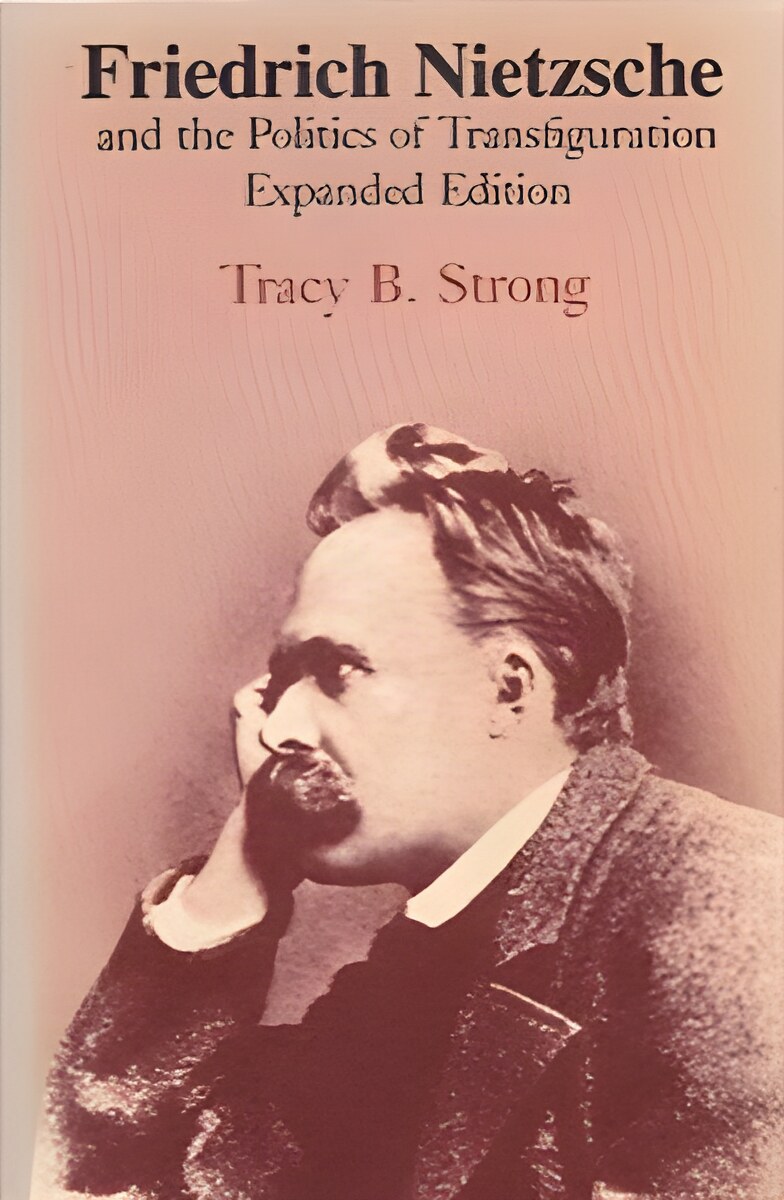
Softcover. Berkeley CA, University of California Press, reprint, 1988, Book: Very Good, Dust Jacket: None, Softcover, 392 pages. Provides a comprehensive analysis of the politics that are implicit and explicit in Nietzsche's work. This book examines both the personal and the political sides of Nietzsche's writings to show how his writings can expand notions of democratic politics and democratic understanding. Light pencil underlining to about 15 pages.
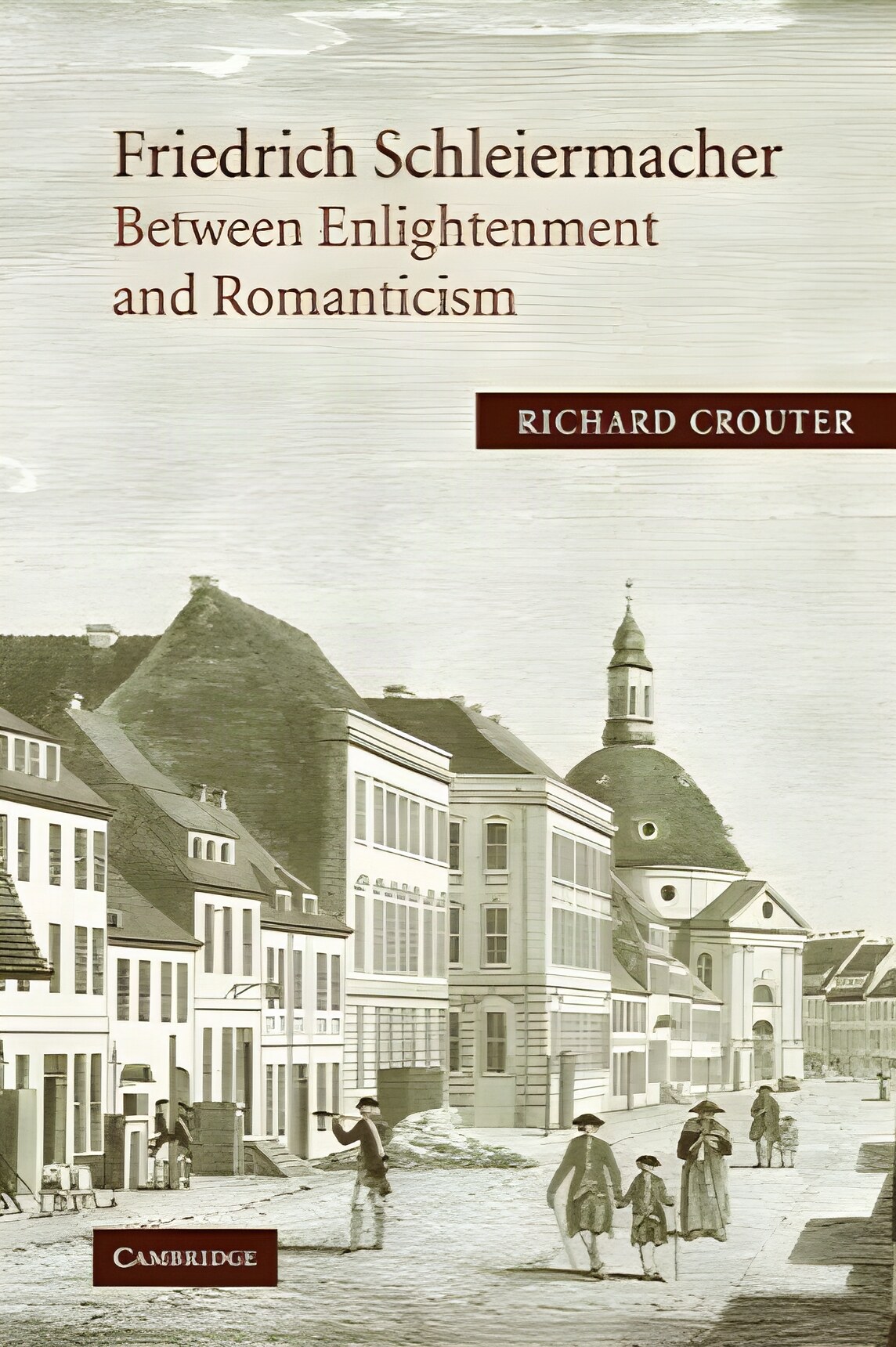
Softcover. Oxford UK, Cambridge University Press, reprint, 2008, Book: Very Good, Dust Jacket: None, Softcover, 277 pages. Friedrich Schleiermacher's groundbreaking work in theology and philosophy was forged in the cultural ferment of Berlin at the convergence of the Enlightenment and Romanticism. The three sections of this book include illuminating sketches of Schleiermacher's relationship to contemporaries, his work as a public theologian, as well as the formation and impact of his two most famous books, On Religion and The Christian Faith. Richard Crouter's essays examine the theologian's stance regarding the status of doctrine, church and political authority, and the place of theology among the academic disciplines. Clean, bright copy.
Hardcover. Oxford at the Clarendon Press, London, England, 1959, Book: Very Good, Dust Jacket: None, 505 pages. Hardcover. Previous owner's name on front flyleaf. Navy blue cloth boards, some chipping at top and bottom of spine, gilt title on spine, faded. Some light tanning to pages and edges. Spine straight. Binding good.
Hardcover. UK, Oxford University Press, 1st, 2019, Book: Very Good, Dust Jacket: Very Good, Hardcover in a bright dust jacket, 277 pages. The seventeenth and eighteenth centuries represent a period of remarkable intellectual vitality in British philosophy, as figures such as Hobbes, Locke, Hume, and Smith attempted to explain the origins and sustaining mechanisms of civil society. Their insights continue to inform how political and moral theorists think about the world in which we live. From Moral Theology to Moral Philosophy reconstructs a debate which preoccupied contemporaries but which seems arcane to us today. It concerned the relationship between reason and revelation as the two sources of mankind's knowledge, particularly in the ethical realm: to what extent, they asked, could reason alone discover the content and obligatory character of morality? This was held to be a historical, rather than a merely theoretical question: had the philosophers of pre-Christian antiquity, ignorant of Christ, been able satisfactorily to explain the moral universe? What role had natural theology played in their ethical theories - and was it consistent with the teachings delivered by revelation? Much recent scholarship has drawn attention to the early-modern interest in two late Hellenistic philosophical traditions - Stoicism and Epicureanism. Yet in the English context, three figures above all - John Locke, Conyers Middleton, and David Hume - quite deliberately and explicitly identified their approaches with Cicero as the representative of an alternative philosophical tradition, critical of both the Stoic and the Epicurean: academic scepticism. All argued that Cicero provided a means of addressing what they considered to be the most pressing question facing contemporary philosophy: the relationship between moral philosophy and moral theology. Clean copy.
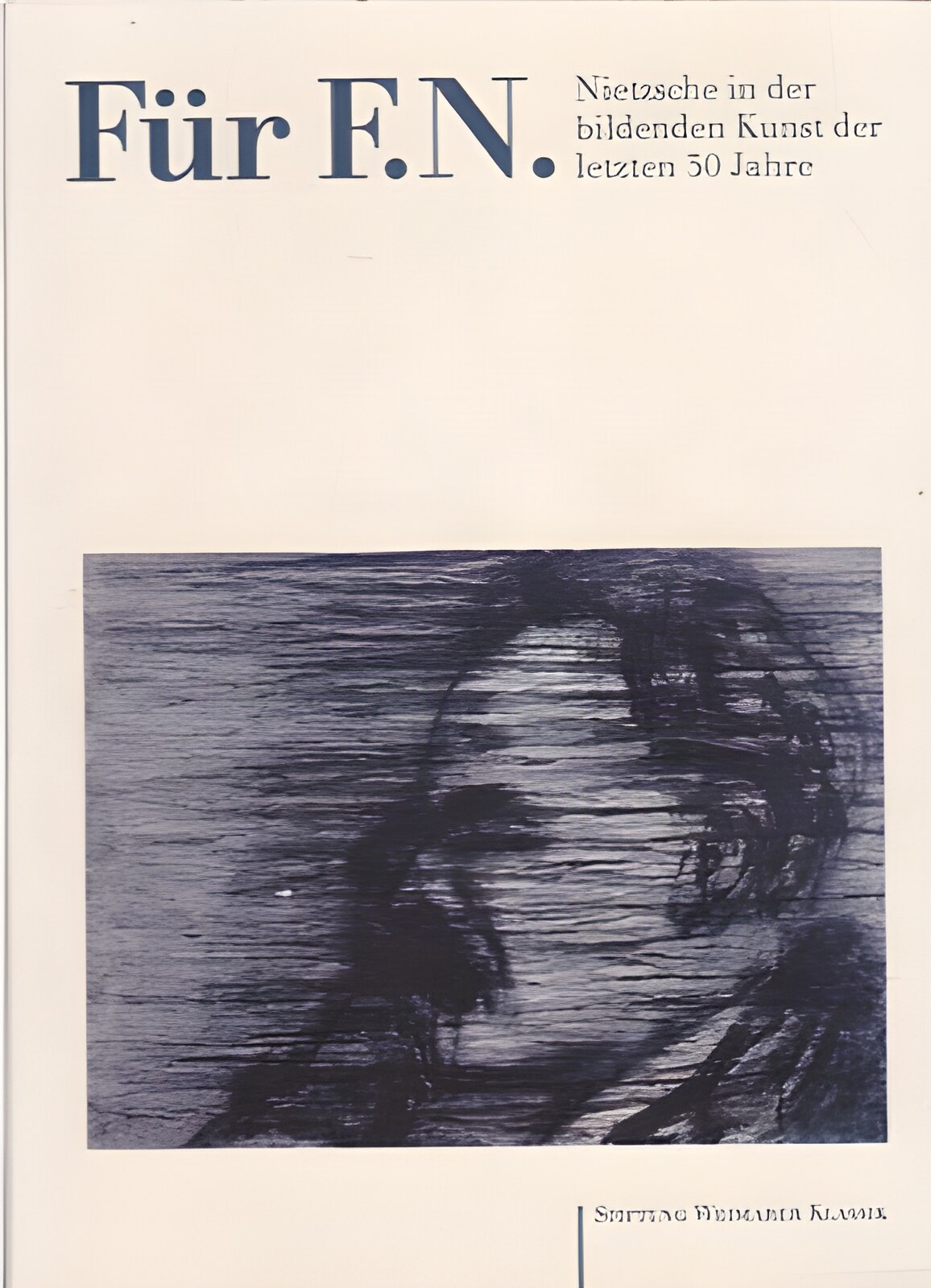
Softcover. Berlin GR, Stiftung Weimarer Klassik, 1st, 1994, Book: Very Good, Dust Jacket: None, Softcover, 148 pages, very richly illustrated with color illustrations depicting Friedrich Neitzsche. German text. Clean copy.
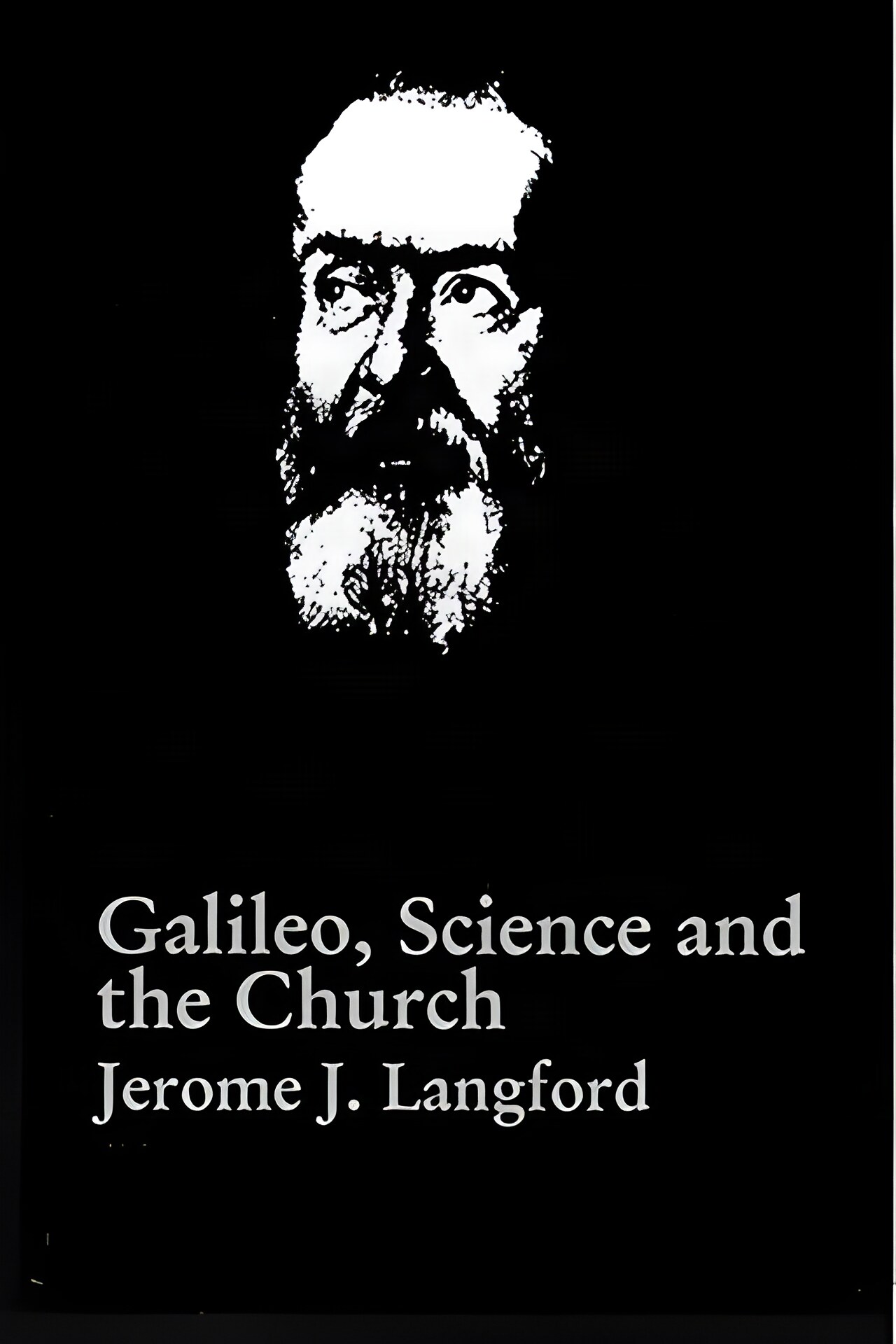
Hardcover. South Bend IN, St. Augustine's Press, reprint, 1998, Book: Very Good, Dust Jacket: None, Hardcover, glossy pictorial boards, 225 pages. Widely recognized as a classic account of the circumstances, issues, and consequences of Galileo's tragic confrontation with the theologians. Langford's book is cited in much of the Galileo literature of the past three decades, and it has been in print continuously since 1971. The present text is the third edition, updated and expanded with a survey of the most important advances in recent Galileo studies. In it, Langford assesses the validity of his own account while making the modifications dictated by recent scholarship.
Hardcover. UK, Oxford University Press, 1st, 2004, Book: Very Good, Dust Jacket: Very Good, Hardcover in a bright dust jacket, 482 pages. This is the first comprehensive study of Gangraena, an intemperate anti-sectarian polemic written by a London Presbyterian Thomas Edwards and published in three parts in 1646. These books, which bitterly opposed any moves to religious toleration, were the most notorious and widely debated texts in a Revolution in which print was crucial to political moblization. They have been equally important to later scholars who have continued the lively debate over the value of Gangraena as a source for the ideas and movements its author condemned. This study includes a thorough assessment of the usefulness of Edwards' work as a historical source, but goes beyond this to provide a wide-ranging discussion of the importance of Gangraena in its own right as a lively work of propaganda, crucial to Presbyterian campaigning in the mid-1640s. Name, date on front fly leaf, otherwise clean.
Hardcover. Thorverton UK, The Rota/Imprint Academic, 1st thus, 1977, Book: Very Good, Dust Jacket: None, Hardcover, gray cloth with gilt lettering on spine. A facsimile of 17th century polemical work, with a modern introduction. Approx. 800 pages. Name on front fly leaf otherwise a bright, clean copy.
Hardcover. POONA, Oriental Book Agency, 1st, 1939, Book: Very Good, Dust Jacket: None, 567 pages. Hardcover. Boards bound at spine with orange quartercloth, has fading and foxing to spine from age. Gray cardboard cover boards (some agewear). Pages and edges have some tanning, but otherwise unmarked. Previous owner's name on front flyleaf. This work is a product of seven manuscripts. It begins with the English tranlation of lectures on Nyayasutras by Gautama. The author has also used his notes from Bodhasiddhi.
Hardcover. NY, Longmans Green and Co., 1st, 1926, Book: Good, Dust Jacket: None, Hardcover, dark green cloth with gilt title on spine. 702 pages. Front hinge cracked, re-enforced with tape. Light shelf-wear, otherwise sound and clean.
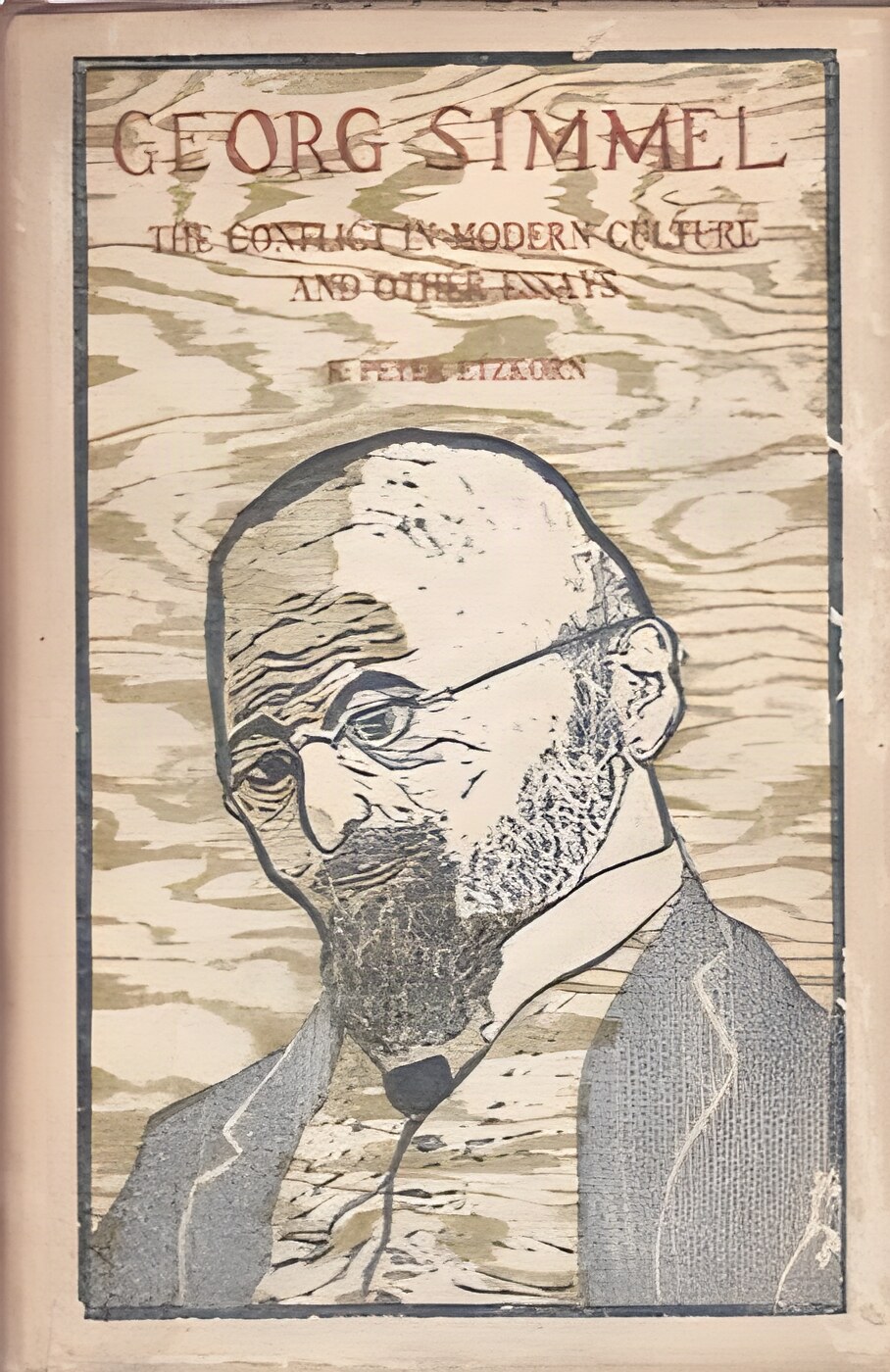
Hardcover. NY, Teachers College Press, 1st, 1968, Book: Very Good, Dust Jacket: Good, Hardcover in a lightly worn, unclipped dust jacket, 140 pages. A collection of essays by the German sociologist and philosopher concerning man's relationship to culture. Clean copy, minor wear to dust jacket.
Softcover. UK, Cambridge University Press, reprint, 2015, Book: Very Good, Dust Jacket: None, Softcover, 358 pages. Science of Logic , first published between 1812 and 1816, is the work in which Georg Wilhelm Friedrich Hegel outlined his vision of logic. Hegel's logic is a system of dialectics, i.e., a dialectical metaphysics: It is a development of the principle that thought and being constitute a single and active unity. Science of Logic also incorporates the traditional Aristotelian syllogism: It is conceived as a phase of the "original unity of thought and being" rather than as a detached, formal instrument of inference.For Hegel, the most important achievement of German idealism, starting with Immanuel Kant and culminating in his own philosophy, was the argument that reality (being) is shaped through and through by thought and is, in a strong sense, identical to thought. Thus ultimately the structures of thought and being, subject and object, are identical. Since for Hegel the underlying structure of all of reality is ultimately rational, logic is not merely about reasoning or argument but rather is also the rational, structural core of all of reality and every dimension of it. Clean, like new.
Softcover. Cambridge UK, Cambridge University Press, 1st pbk, 2018, Book: Very Good, Dust Jacket: None, Softcover, 492 pages. Hegel's The Phenomenology of Spirit (1807) is one of the most influential texts in the history of modern philosophy. In it, Hegel proposed an arresting and novel picture of the relation of mind to world and of people to each other. Like Kant before him, Hegel offered up a systematic account of the nature of knowledge, the influence of society and history on claims to knowledge, and the social character of human agency itself. A bold new understanding of what, after Hegel, came to be called 'subjectivity' arose from this work, and it was instrumental in the formation of later philosophies, such as existentialism, Marxism, and American pragmatism, each of which reacted to Hegel's radical claims in different ways. This edition offers a new translation, an introduction, and glossaries to assist readers' understanding of this central text, and will be essential for scholars and students of Hegel. Clean copy.
Softcover. Cambridge UK, Cambridge University Press, 1st pbk, 2018, Book: Very Good, Dust Jacket: None, Softcover, 492 pages. Hegel's The Phenomenology of Spirit (1807) is one of the most influential texts in the history of modern philosophy. In it, Hegel proposed an arresting and novel picture of the relation of mind to world and of people to each other. Like Kant before him, Hegel offered up a systematic account of the nature of knowledge, the influence of society and history on claims to knowledge, and the social character of human agency itself. A bold new understanding of what, after Hegel, came to be called 'subjectivity' arose from this work, and it was instrumental in the formation of later philosophies, such as existentialism, Marxism, and American pragmatism, each of which reacted to Hegel's radical claims in different ways. This edition offers a new translation, an introduction, and glossaries to assist readers' understanding of this central text, and will be essential for scholars and students of Hegel. Clean copy.
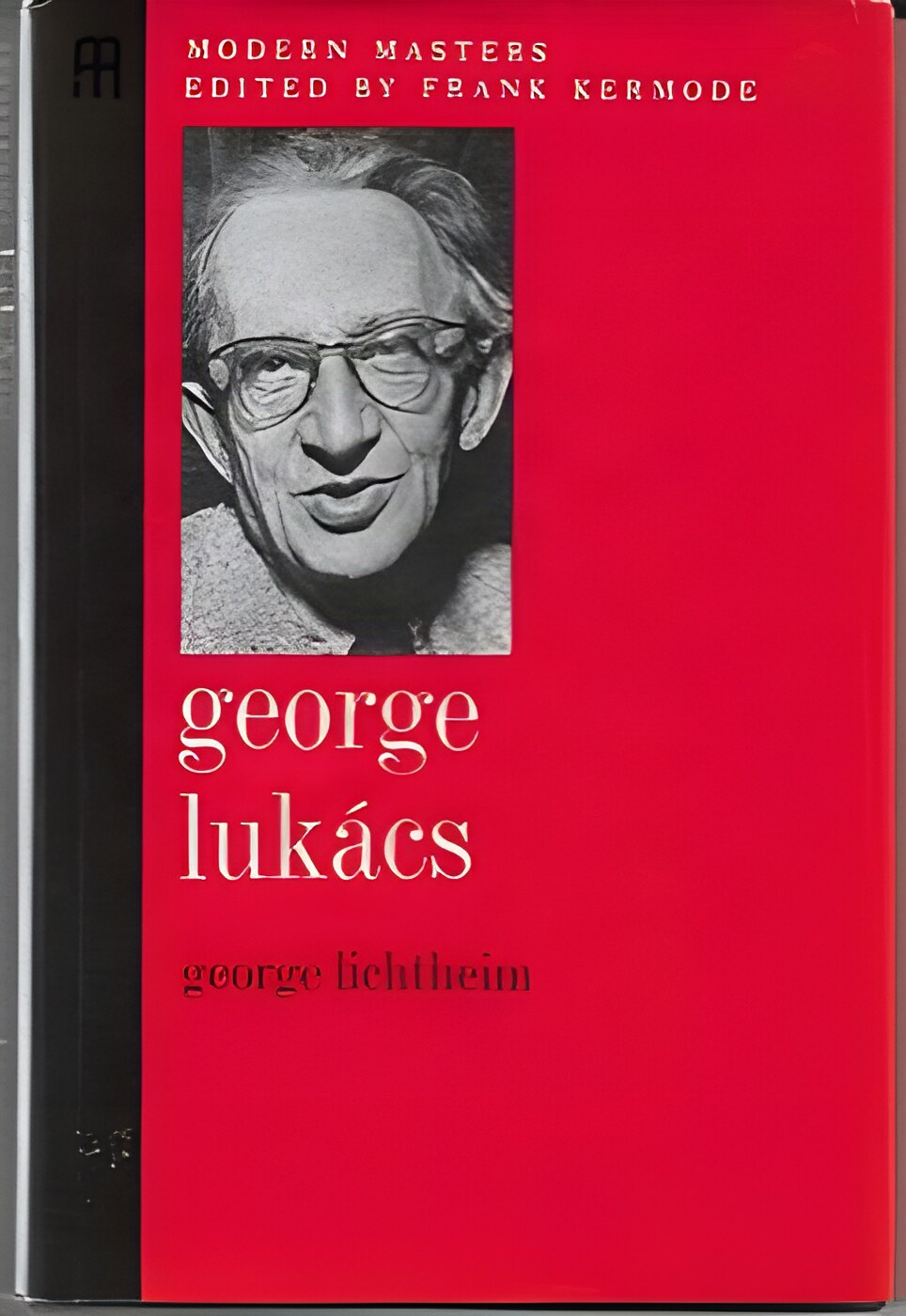
Hardcover. NY, Viking Press, 1st, 1970, Book: Very Good, Dust Jacket: Very Good, Hardcover in a bright dust jacket, 146 pages. Lukacs was a Hungarian Marxist philosopher, aesthetician, literary historian, and critic. He was one of the founders of Western Marxism, an interpretive tradition that departed from the Marxist ideological orthodoxy of the Soviet Union. He developed the theory of reification, and contributed to Marxist theory with developments of Karl Marx's theory of class consciousness. He was also a philosopher of Leninism. Clean copy.
Hardcover. New York, German Library of Information, 1st, 1940, Book: Good, Dust Jacket: None, 127 pages. Hardcover. B/w illustrations throughout. Former library book with labels/stamps/attachments expected. Photographs by the author. Decorated cover boards. Pages and covers have some tanning from age. This volume, intended for American students, interprets the social, economic, hygenic, aesthetic and ethical significance of the German forest, presenting not merely facts but also the philosophy of German Forestry.
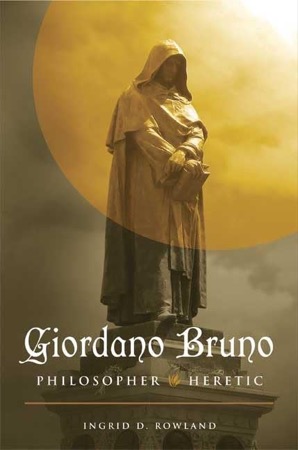
Hardcover. NY, Farrar, Straus and Giroux, 2nd pr., 2008, Book: Very Good, Dust Jacket: Very Good, Hardcover in a bright dust jacket, 335 pages. Giordano Bruno is one of the great figures of early modern Europe, and one of the least understood. Ingrid D. Rowland's pathbreaking life of Bruno establishes him once and for all as a peer of Erasmus, Shakespeare, and Galileo, a thinker whose vision of the world prefigures ours. By the time Bruno was burned at the stake as a heretic in 1600 on Rome's Campo dei Fiori, he had taught in Naples, Rome, Venice, Geneva, France, England, Germany, and the Prague of Emperor Rudolph II. His powers of memory and his provocative ideas about the infinity of the universe had attracted the attention of the pope, Queen Elizabeth and the Inquisition, which condemned him to death in Rome as part of a yearlong jubilee. Writing with great verve and sympathy for her protagonist, Rowland traces Bruno's wanderings through a sixteenth-century Europe where every certainty of religion and philosophy had been called into question and shows him valiantly defending his ideas (and his right to maintain them) to the very end. Clean copy.


 "Formal Logicby: Prior, Arthur N.")
 "Four Dissertations by: Richard Price")

 "Freud's Discovery of Psychoanalysis: The Politics of Hysteria (SIGNED BY AUTHOR)by: McGrath, William J.")


 "From Alexander to Constantine: Passages and Documents Illustrating the History of Social and Political Ideas 336 B.C.-A.D. 337by: Barker, Ernest")



 "From Rousseau to Ritschl being the translation of eleven chapters of Die Protestantische Theologie im 19. Jahrhundertby: Barth, Karl")

 "Gautama's Nyaua Sutras (With Vatsuayana-Bhasya)by: Jha, Ganganatha (English translation with revised notes)")

 "General Theory of Value: Its Meaning and Basic Principles Construed in Terms of Interest by: Perry, Ralph Barton")