Hardcover. London```, Konemann UK Ltd, Reprint, 1995, Book: Very Good, Dust Jacket: Very Good, 2 VOLUME SET. 920 pages. Oversize hardcovers. Both volumes very clean and unmarked. Only minor wear to dust jacket edges. In a unique collection of hundreds of photographs, 150 Years of Photo Journalism gives a visual record of the years 1850 - 1918, the last and greatest period of European dominance of the world in culture, science and weapons of destruction. VERY HEAVY- extra charges for overseas shippimg.
Hardcover. New York, Harry N. Abrams, inc., Reprint, 1985, Book: Very Good, Dust Jacket: Very Good, 304 pages. Hardcover. Color and b/w illustrations throughout (more than 400). Previous owner's bookplate on front endpaper. Brown cloth cover boards, bold gilt title on spine. In beautiful condition. Dust jacket unclipped, has small rip at bottom of front cover and wear at top of spine, otherwise very good. A look at the jewelry and body art of the African people.
Softcover. New York , Aperture , 1st, 1987, Book: Very Good, Dust Jacket: None, Softcover. Spring 1987. 78 pages. Includes an article with photographs by Lewis Baltz with text by Mark Haworth-Booth. Other articles feature works by Catherine Wagner, Lynne Cohen, Robert Cumming, Reagan Louie, David T. Hanson, and Kira Petrov. A near fine copy in wrappers.
Hardcover. Woodbury, NY, Barron's, 1st, 1980, Book: Very Good, Dust Jacket: Very Good, 81 pages. Hardcover with dust jacket. A very clean, unmarked copy with only minor wear to dust jacket edges. Color photographs throughout.
Hardcover. New York, Norton, 1st, 2018, Book: Very Good, Dust Jacket: Very Good, Hardcover, 634 pages, b&w illustrations. In a bright, unclipped dj. In Berenice Abbott: A Life in Photography, author, archivist, and curator Julia Van Haaften brings this iconic public figure to life alongside outlandish, familiar characters from artist Man Ray to cybernetics founder Norbert Wiener. A teenage rebel from Ohio, Abbott escaped first to Greenwich Village and then to Paris-photographing, in Sylvia Beach's words, "everyone who was anyone." As the Roaring Twenties ended, Abbott returned to New York, where she soon fell in love with art critic Elizabeth McCausland, with whom she would spend thirty years. In the 1930s, Abbott began her best-known work, Changing New York, in which she fearlessly documented the city's metamorphosis. When warned by an older male supervisor that "nice girls" avoid the Bowery-then Manhattan's skid row-Abbott shot back, "I'm not a nice girl. I'm a photographer...I go anywhere." This bold, feminist attitude would characterize all Abbott's accomplishments, including imaging techniques she invented in her influential, space race-era science photography and her tenure as The New School's first photography teacher. With more than ninety stunning photos, this sweeping, cinematic biography secures Berenice Abbott's place in the histories of photography and modern art, while framing her incredible accomplishments as a female artist and entrepreneur.
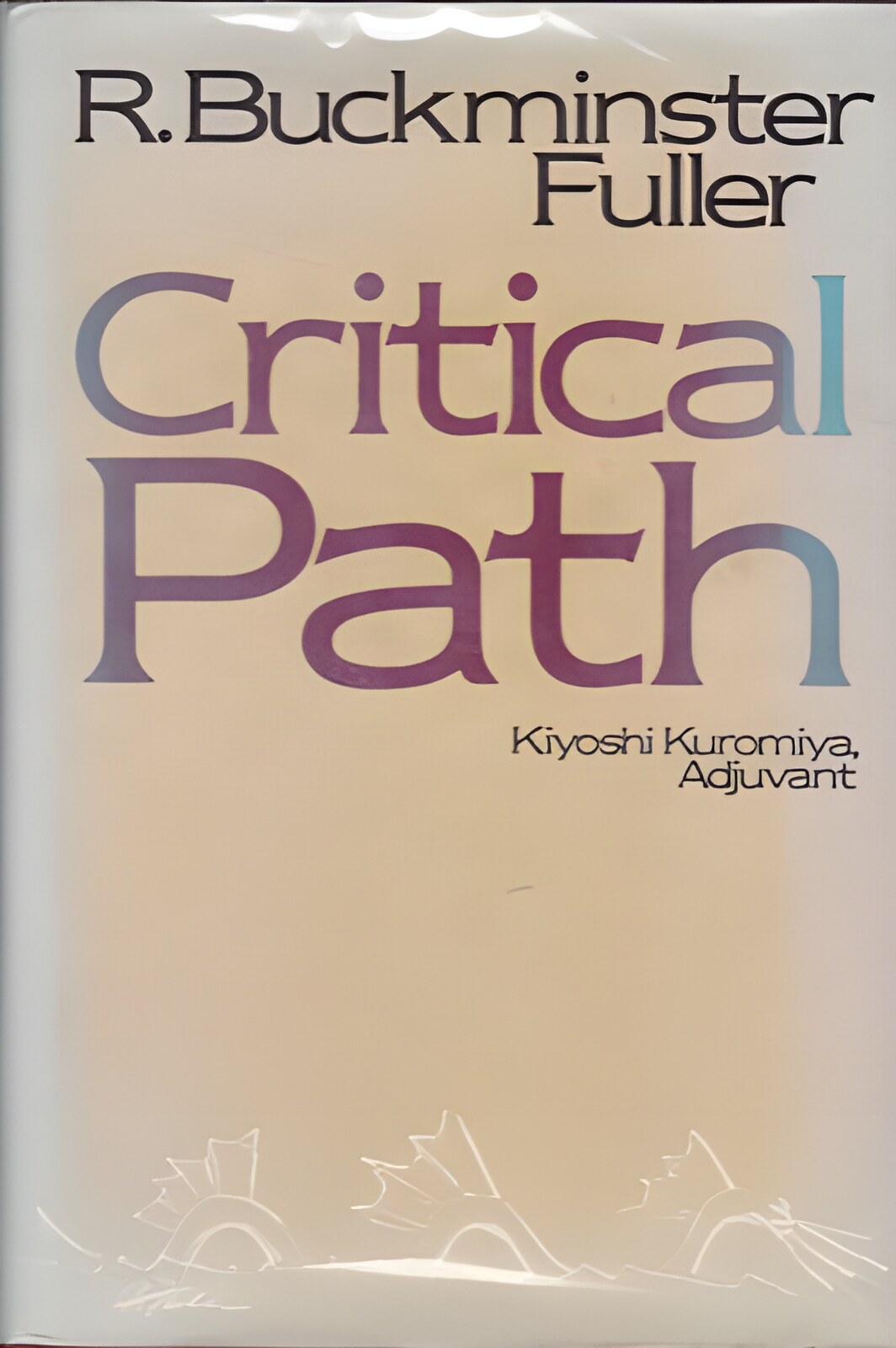
Hardcover. NY, St Martin's Press, 1st, 1981, Book: Very Good, Dust Jacket: Good, Hardcover, in an unclipped dust jacket that has some sun-fading, 471 pages, index, photography and illustrations -- Stated First Edition w/full # string and original price present. Burgundy cloth covered boards with a gilt stamped title and decorative geodesic patterns on the spine. R. Buckminster Fuller became famous for being the inventor and designer of the Dymaxion House, the Dymaxion Car, and the Dymaxion Map. He also coined the term "Spaceship Earth". Clean copy.
Hardcover. NY, Charles Scribner's Sons, reprint, 1907, Book: Good, Dust Jacket: None, Hardcover, 304 pages. Illustrated with b&w plates (drawings and photographs). Later printing, originally printed in 1890. Bound in 1/4 blue cloth and decorated beige paper covered boards, with bright gilt titles on the spine. Boards have wear, chipping to paper. extremities of the boards. Riis's famous muck raking work exposing the despair and harsh conditions of life among the poor in NYC. Includes chapters on Jew Town, The Color Line, the Italians and other groups. Led to major reforms includes floor plans for tenements to improve the lot of the immigrants. Monumental work in the reform movement. Previous owner's small oval sticker on front cover and on inside front cover, light pencil notes to front fly leaf, otherwise tight and clean interior.
Hardcover. Steidl/The George Eastman House , 1st, 2007, Book: Very Good, Dust Jacket: Very Good, Hardcover, 288 pages. Imagining Paradise is the first book to showcase the treasures of The George Eastman House's incomparable Richard and Ronay Menschel Library. It features over 250 rare books, each beautifully illustrated here and accompanied by commentary from prominent scholars. A large and handsome volume itself, as befits its subject, it ranges over the history of the medium of photography, its practitioners and its processes -- from bucolic landscapes, to travel and exploration, science and medicine, the literary and the illustrious. It encompasses the incunabula of William Henry Fox Talbot through the reveries of Maxime Du Camp and Francis Frith; the vision of Peter Henry Emerson to Alfred Stieglitz's Camera Work and 291; and the exceptional published and unpublished books by Alvin Langdon Coburn. It documents works illustrated with tipped-in original salt prints, albumen prints, platinum prints, photogravures, carbon prints, collotypes and Woodburytypes. It includes translations in five languages of Louis Jacques Mande Daguerre's seminal instructional manual describing the daguerreotype process and works of great and unusual beauty, such as a red leather, bronze-trimmed Bible, illustrated in the 1860s with 56 photographs by Francis Frith. No other library in the world holds this breadth and depth of the history, aesthetics and technology of photography and no other book can bring them so thoroughly into the reader's hands. This exceptional collection of rare books was formed from the Eastman Historical Photographic Collection of the Kodak Company, which encompassed the collections of many of the most important photographic scientists, historians and collectors in the world. Due to size and weight, DOMESTIC SHIPPING ONLY.
Hardcover. UK, Papadakis, 1st, 2018, Book: Very Good, Dust Jacket: Very Good, Hardcover, large oblong volume in a bright dust jacket. 'Industrial Scars' is the work of environmentalist and photographer, J Henry Fair, who brings our attention to the tragic effects created by the human impact on our planet. Each of Fair's striking images are accompanied by detailed explanations. Award-winning science writer Lewis Smith writes about each of the processes in captivating detail, describing the development of each industry through time and across the world. 204 pages. Full color photographs.
Hardcover. New York, PowerHouse Books, 1st, 2004, Book: Very Good, Dust Jacket: Very Good, 160 pages. Hardcover with dust jacket. Very clean, unmarked copy still in publishers shrink-wrap. For his second powerHouse Books monograph, Juvenile, photographer Joseph Rodriguez spent several years following several youths, from arrest, counseling, trial adjudication, and incarceration, to release, probation, house arrest, group homes, and the search for employment and meaning in their lives. Through the power of his photographs, Rodriguez shows us how these kids struggle and how they fight to change their lives.
Hardcover. New York, PowerHouse Books, 1st, 2004, Book: Very Good, Dust Jacket: Very Good, 160 pages. Hardcover with dust jacket. Very clean, unmarked copy still in publishers shrink-wrap. For his second powerHouse Books monograph, Juvenile, photographer Joseph Rodriguez spent several years following several youths, from arrest, counseling, trial adjudication, and incarceration, to release, probation, house arrest, group homes, and the search for employment and meaning in their lives. Through the power of his photographs, Rodriguez shows us how these kids struggle and how they fight to change their lives.
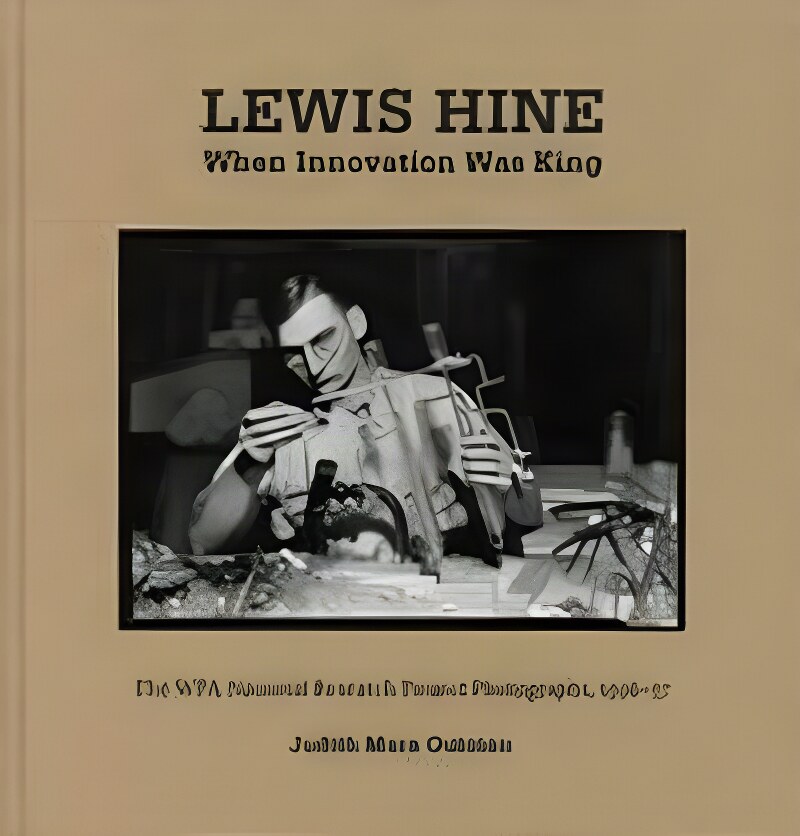
Hardcover. Gottingen GR, Steidl/Howard Greenberg Library, 1st, 2018, Book: Very Good, Dust Jacket: None, Hardcover, 143 pages. Tan cloth with pictorial paste-down. In 1936, science-teacher turned photographer Lewis Hine was commissioned by the National Research Project, a division of the Works Progress Administration, to produce a visual document of the industries that the US government hoped would provide the jobs that would lift the country out of the Great Depression. Hine, already well-established as a chronicler of social conditions of his day, produced more than 700 photographs for this project, the last major work of his career.By emphasizing the inherent tension between machinery and workers, Hine imbued these compelling images with his characteristic rigor and aesthetic appeal. These photographs, and their implied message, are particularly relevant today given high unemployment rates and radical shifts in the role of the worker in the rapidly changing world economy. Included in this book is an essay by the eminent photographic historian, Judith Mara Gutman, in which she discusses the project and the photographs in the context of the economic conditions of the time and the artistic and technological innovations of the era.
Hardcover. NY, Abrams, 1st, 2008, Book: Very Good, Dust Jacket: Very Good, Hardcover, 160 pages. In the spirit of his successful books At Ease and Men of WWII, Evan Bachner now focuses on the women of WWII. While traditionally female secretarial and clerical jobs took an expectedly large portion of recruits, thousands of WAVES (Women Accepted for Voluntary Emergency Service) performed previously atypical duties in the aviation community--such as Judge Advocate General corps--medical professions, communications, intelligence, science, and technology. The photography team, headed by legendary photographer Edward Steichen, captured these heroic women at work, rest, and play. All the photos are from the National Archives and most have not been previously published.
Chicago, University Of Chicago Press, 1sr, 1998, Book: Very Good, Dust Jacket: Very Good, Hardcover in a bright dust jacket, 306 pages, 190 photographs, 4 maps. Cloth cover. The only book-length study devoted to the photographic aspects of the work of the groundbreaking anthropologist, Bronislaw Malinowski, this volume links a series of photo-essays based on Trobriand institutions--and cultural themes. The photographs, all previously unpublished, were taken between 1915 and 1918.
Hardcover. Focal Point, 1st, 2008, Book: Very Good, Dust Jacket: Very Good, Hardcover, 224 pages. Spanning almost a century of global upheaval and riveting human drama, this magnificent book follows the careers of Maynard Owen Williams, Volkmar Wentzel, Luis Marden, and Tom Abercrombie--a stellar quartet of National Geographic photographers who used their cameras to record a truly remarkable era. While the lensmen were all supported and nurtured both technically and creatively by the Geographic, each had his own interests and his own distinctive style--and each made his own unique contribution to world culture, science, and history. Following a thoughtful introduction that sets the scene, the book is divided into four parts, each devoted to one man's life and work. Chapters open with an essay and then display up to 50 pages of breathtaking historic images, many of which lay hidden in National Geographic archives for decades. Close associates and loved ones authored each photographer's intimate story, calling on journals, anecdotes, and behind-the-scenes correspondence to portray the real person behind the lens. Our four subjects, taken together, represent the entire and quite glamorous progression of National Geographic photography--a chronicle that will be eagerly embraced by all who love world history, biography, and great pictures.
Hardcover. San Francisco, Jossey-Bass , 1st, 1993, Book: Very Good, Dust Jacket: Very Good, Hardcover, 384 pages, b&w illustrations. In this book, Judy Weiser shows how mental health professionals can use clients' personal photos and family albums as catalysts for therapeutic communication. She reveals how initiating a dialogue based on such personally symbolic artistic expressions gives form to feelings which otherwise might be resistant to verbal investigations. She shows how to use this dialogue to stimulate recall of forgotten, blocked, or denied information and memories, and to apply these insights to an effective therapeutic framework. A comprehensive guide to PhotoTherapy, this book provides the theoretical principles, detailed techniques, anecdotal illustrations, and practical exercises that will help mental health professionals apply this approach in practice. Looking at all types of photographs - whether they are ones that clients respond to, collect, pose for, or create - Weiser describes various ways to engage clients with photographic imagery. Providing several examples from actual cases to illustrate how clients' responses to photographs can be integrated into the therapeutic process, she offers practitioners a powerful therapeutic tool, regardless of their particular theoretical orientation. Clean copy.
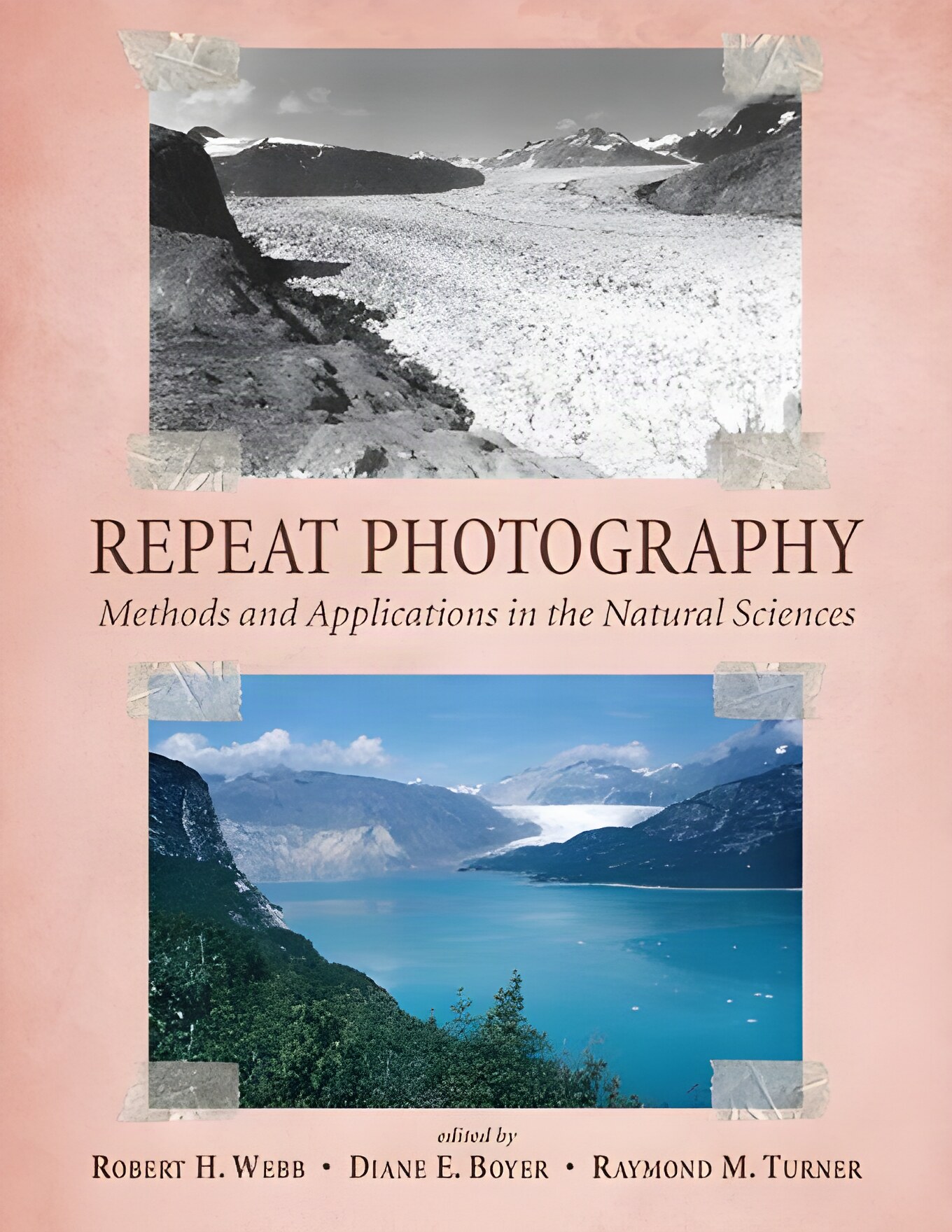
Softcover. Washington DC, Island Press, 1st, 2010, Book: Very Good, Dust Jacket: None, Softcover, 337 pages. Repeat photography is a scientific technique in which photographs are taken from the same vantage point over different points in time. This text explores the technical and geographic scope of this method through a series of essays by 35+ scholars. Topics include techniques for creation and analysis of repeat photographs, applications in the geosciences, population ecology, and ecosystem change. Thirty two pages of color photographs are included. Clean copy.
Hardcover. Koln GR, Taschen, 1st, 2000, Book: Very Good, Dust Jacket: None, Hardcover, 464 pages. Original publisher's faux wood boards, lettered orange at the spine and front cover. Copiously illustrated in color and black and white throughout. Text in English, German and French. Many photographs By Julius Shulman. Originally from Vienna, Richard Neutra came to America early in his career, settling in California. His influence on post-war architecture is undisputed, the sunny climate and rich landscape being particularly suited to his cool, sleek modern style. Neutra had a keen appreciation for the relationship between people and nature; his trademark plate glass walls and ceilings which turn into deep overhangs have the effect of connecting the indoors with the outdoors. Neutra's ability to incorporate technology, aesthetic, science, and nature into his designs brought him to the forefront of Modernist architecture. For the first time, all of Neutra's works (nearly 300 private homes, schools, and public buildings) are gathered together in one volume.
Hardcover. New York, Thames and Hudson, 3rd Revised, 1988, Book: Very Good, Dust Jacket: Very Good, 285 pages. Hardcover with dust jacket. Minor yellowing to dust jacket edges and spine. Previous owners inscription in pen to top edge of front flyleaf. An otherwise very clean, unmarked copy with only minor edgewear. 206 photographs, 16 in color. Follows the developments in the art and science of photography from the invention of the wet-collodion process through the evolution of dry plates.
Hardcover. Salt Lake City, University of Utah Press, 1st, 1988, Book: Very Good, Dust Jacket: Very Good, Hardcover in a bright dust jacket, 188 pages. 141 color and black and white photographs by Milton Rogovin, Tony Maine, Ron Kelley, the essayists, and Yemeni workers. "What did the American astronauts find when the first landed on the moon?" "Yemenis, looking for work." High wages and easy work - these are the myths that lure Yemeni workers abroad, and especially to the United States, which has seen generations of migrant laborers. But the realities of migrant labor are something else. In Sojourners and Settlers, leading scholars of history, anthropology, folklore, sociology, and political science have joined with photographers and critics to present an interdisciplinary look at the phenomenon of labor migration. They reveal drastically changing rural and urban environments in Yemen, and in the United States, strenuous work weeks, bleak farm work camp conditions, plant shut downs, culture shock, and cautious assimilation. Under Friedlander's editorship, these reports of the ordinary events of Yemeni workers' lives become studies in courage, persistence, and dignity. Clean copy.
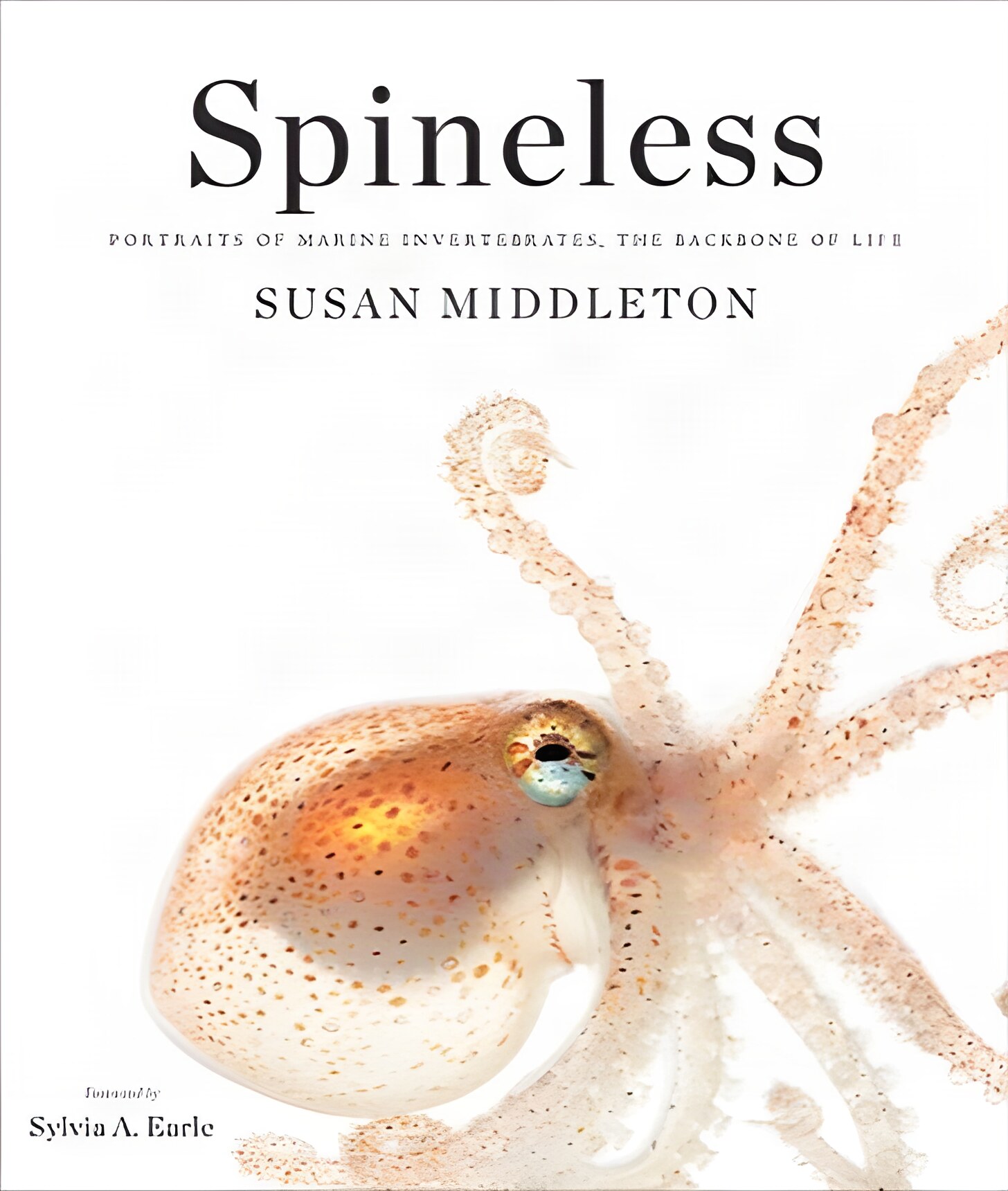
Hardcover. NY, Abrams, 1st, 2014, Book: Very Good, Dust Jacket: Very Good, Hardcover in a bright dust jacket. This collection of more than 250 remarkable images is the result of seven years of painstaking fieldwork across the Pacific Ocean, using photographic techniques that Middleton developed to capture these extremely fragile creatures on camera, creatures who are astonishingly diverse in their shapes, patterns, textures, and colors--in nature's fashion show, they are the haute couture of marine life. Middleton also provides short essays that examine the place these invertebrates occupy on the tree of life, their vast array of forms, and their lives in the ocean. Scientist Bernadette Holthuis contributes profiles describing each species, many of them for the first time. Middleton's book is a stunning view of nature that harmoniously combines art and science. 255 pages in color. Clean copy. PLEASE NOTE: DUE TO SIZE & WEIGHT, DOMESTIC SHIPPING ONLY.
Hardcover. Cambridge MA, The MIT Press, 1st, 2016, Book: Very Good, Dust Jacket: Very Good, Hardcover in a bright dust jacket. The daguerreotype, invented in France, came to America in 1839. By 1851, this early photographic method had been improved by American daguerreotypists to such a degree that it was often referred to as "the American process." The daguerreotype-now perhaps mostly associated with stiffly posed portraits of serious-visaged nineteenth-century personages-was an extremely detailed photographic image, produced though a complicated process involving a copper plate, light-sensitive chemicals, and mercury fumes. It was, as Sarah Kate Gillespie shows in this generously illustrated history, something wholly and remarkably new: a product of science and innovative technology that resulted in a visual object. It was a hybrid, with roots in both fine art and science, and it interacted in reciprocally formative ways with fine art, science, and technology. Gillespie maps the evolution of the daguerreotype, as medium and as profession, from its introduction to the ascendancy of the "American process," tracing its relationship to other fields and the professionalization of those fields. She does so by recounting the activities of a series of American daguerreotypists, including fine artists, scientists, and mechanical tinkerers. She describes, for example, experiments undertaken by Samuel F. B. Morse as he made the transition from artist to inventor; how artists made use of the daguerreotype, both borrowing conventions from fine art and establishing new ones for a new medium; the use of the daguerreotype in various sciences, particularly astronomy; and technological innovators who drew on their work in the mechanical arts.
Hardcover. Chicago, University of Chicago Press, 1st, 2014, Book: Very Good, Dust Jacket: Very Good, Hardcover, in a bright, unclipped dust jacket, 304 pages. The Oldest Living Things in the World is an epic journey through time and space. Over the past decade, artist Rachel Sussman has researched, worked with biologists, and traveled the world to photograph continuously living organisms that are 2,000 years old and older. Spanning from Antarctica to Greenland, the Mojave Desert to the Australian Outback, the result is a stunning and unique visual collection of ancient organisms unlike anything that has been created in the arts or sciences before, insightfully and accessibly narrated by Sussman along the way.
Softcover. New Haven CT, Yale University Press, 1st, 1992, Book: Very Good, Dust Jacket: None, Softcover, 375 pages. In this pathbreaking and richly illustrated book, Martin Kemp examines the major optically oriented examples of artistic theory and practice from Brunelleschi's invention of perspective and its exploitation by Leonardo and Durer to the beginnings of photography. In a discussion of color theory, Kemp traces two main traditions of color science: the Aristotelian tradition of primary colors and Newton's prismatic theory that influenced Runge, Turner, and Seurat. His monumental book not only adds to our understanding of a large group of individual works of art but also provides valuable information for all those interested in the interaction between science and art. "This beautifully made volume . . . shows us the unity of the visual study of nature-the exalted mutual task of Renaissance science and art."-Scientific American. Clean copy. NOTE: Due to weight, DOMESTIC SHIPPING ONLY.

 "150 Years of Photojournalism (2 Vol.) by: Yapp, Nick & Hopkinson, Amanda")
 "Africa Adornedby: Fisher, Angela")


 "Aperture: Technology and Transformation, 106/Spring 1987by: Frascella, Larry")
 "Arabia Felix: Images of Yemen and its Peopleby: Marechaux, Pascal")
 "Berenice Abbott: A Biographyby: Van Haaften, Julia")
 "How the Other Half Lives: Studies Among the Tenements of New York by: Jacob A. Riis")
 "Imagining Paradise: The Richard and Ronay Menschel Libraryby: Manfred Heiting, Sheila Foster, et al.")
 "Industrial Scars: The Hidden Cost of Consumptionby: J Henry Fair With A Foreword By Bill McKibben")


 "Juvenileby: Rodriguez, Joseph (Photographer)")
 "Juvenileby: Rodriguez, Joseph (Photographer)")
 "Making WAVES: Navy Women of World War IIby: Evan Bachner")
 "Malinowski's Kiriwina: Fieldwork Photography 1915-1918 by: Young, Michael W.")
 "Odysseys and Photographs: Four National Geographic Field Menby: Bendavid-Val/Gilbert M. Grosvenor, et al., Leah")
 "PhotoTherapy Techniques: Exploring the Secrets of Personal Snapshots and Family Album by: Weiser, Judy")
 "Richard Neutra : Complete Worksby: Barbara Mac Lamprecht, (Photography) Julius Shulman, (Editor) Peter Goessel")
 "Rise of Photography, The: 1850-1880 by: Gernsheim, Helmut")

 "The Early American Daguerreotype: Cross-Currents in Art and Technologyby: Sarah Kate Gillespie")
 "The Oldest Living Things in the Worldby: Rachel Sussman/Carl Zimmer")
 "The Science of Art: Optical Themes in Western Art from Brunelleschi to Seuratby: Kemp, Martin.")