Hardcover. Steidl, 1st, 2012, Book: Very Good, Dust Jacket: None, Three volumes sharing the following format: Hardcover. Fine cloth-covered boards with tipped-in four-color plate on cover; no dust jacket as issued. The three volumes are contained in a custom foil-embossed slipcase. Photographs by William Eggleston. Text by Thomas Weski. 588 pp., with 250 four-color plates. 12-1/2 x 12-1/2 inches. Between 1965 and 1974 William Eggleston and Walter Hopps traveled together in the US, Eggleston taking photographs, Hopps driving. During these travels the title Los Alamos was born. The negatives for what became known as the Los Alamos Project were made between 1965 and 1974, and were archived in two boxes labeled Box #17 and Box #83. The latter was lost for several years. The project is presented in its entirety in this three-volume set for the first time. An earlier edition of "Los Alamos" edited by Thomas Weski was published by Scalo in 2003. Weski"s original essay is included in this revised edition. "Los Alamos Revisited" has been drawn from the complete set of photographs, including the long lost negatives from Box #83. NOTE: DOMESTIC SHIPPING ONLY.
Softcover. Vintage, 1st, 1999, Book: Very Good, Dust Jacket: None, Softcover, 192 pages. Throughout his travels, writer Bruce Chatwin took thousands of photographs. They demonstrate his legendary "eye" at its best, showing a sense of color and surface, an ability to find beauty in the most mundane of objects or prosaic of places.
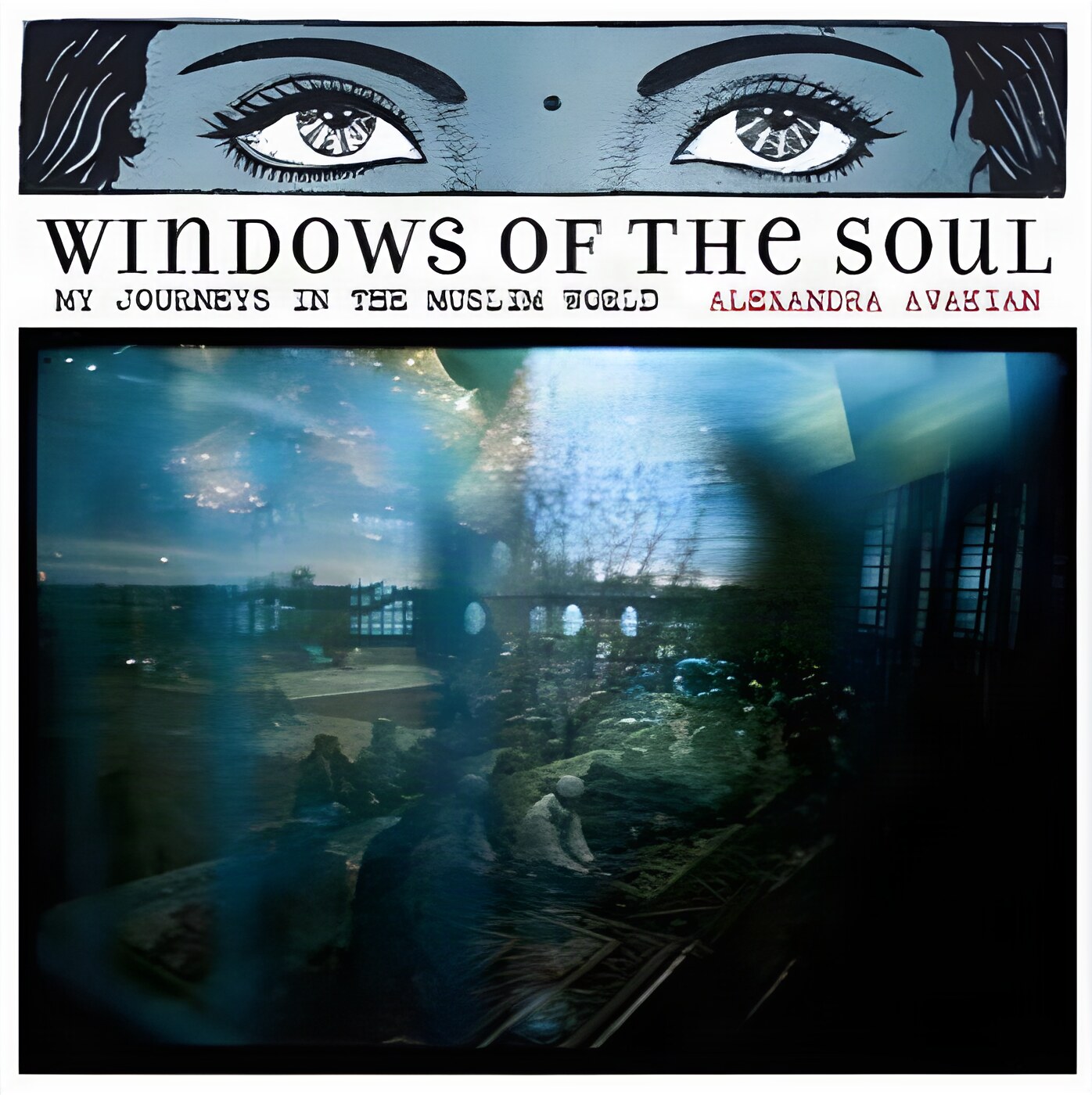
Hardcover. Washington DC, National Geographic Books, 1st, 2008, Book: Very Good, Dust Jacket: Very Good, Hardcover in a bright dust jacket, 207 pages. Recounted in gripping words and unforgettable images, Avakian's remarkable experiences will draw readers into the Muslim world to meet friends and terrorists, leaders and thieves and everyday people. She lived and worked for two years in the Gaza strip, often in Islamic dress, once beaten bloody by Hamas. For several terrifying days in Somalia she was pinned down by sniper fire on the way to her hotel. She careened across the snowy Tien-Shen Mountains with Islamic fundamentalists in an ancient Lada, only to be detained and tossed out by the Uzbek KGB. All the while, she captured some of the most important stories of our time-the famine in Sudan, the violence in Gaza and Somalia, the daily life of Hezbollah. She traveled extensively with Yasser Arafat as one of the only non-Arab photographers given such access. Small scar to front of dust jacket otherwise a clean copy.
Hardcover. NY, Hobart Company, 1st, 1904, Book: Very Good, Dust Jacket: None, Hardcover, green cloth stamped in orange and black. Three introductory pages of text; balance of book consists entirely of 77 black and white photographs with descriptive captions. Plates showing temples, traditional Japanese residences and businesses, Japanese people at work and at play, a karuma carriage, Yokohama Bay, etc. Clean, bright copy.
Hardcover. Seattle, University of Washington Press, 1st, 2012, Book: Very Good, Dust Jacket: Very Good, 196 pages. Hardcover with dust jacket. Color photographs. Clean, unmarked copy with only minor wear to dust jacket. In Yamuna Walk, photographer and multimedia artist Atul Bhalla documents a five-day trek along the sacred Yamuna River as it passes through his home city of New Delhi, India. Through his vivid and haunting photographs, Bhalla explores the myriad ways that modern life along the Yamuna is shaped by water, from the rural outskirts of the city to the polluted landscape of urban Delhi. Climbing over fences, crossing concrete overpasses, and navigating between blooming fields and piles of waste on his journeys, Bhalla also shows the diverse marks of human development that can be read in the image of the river.
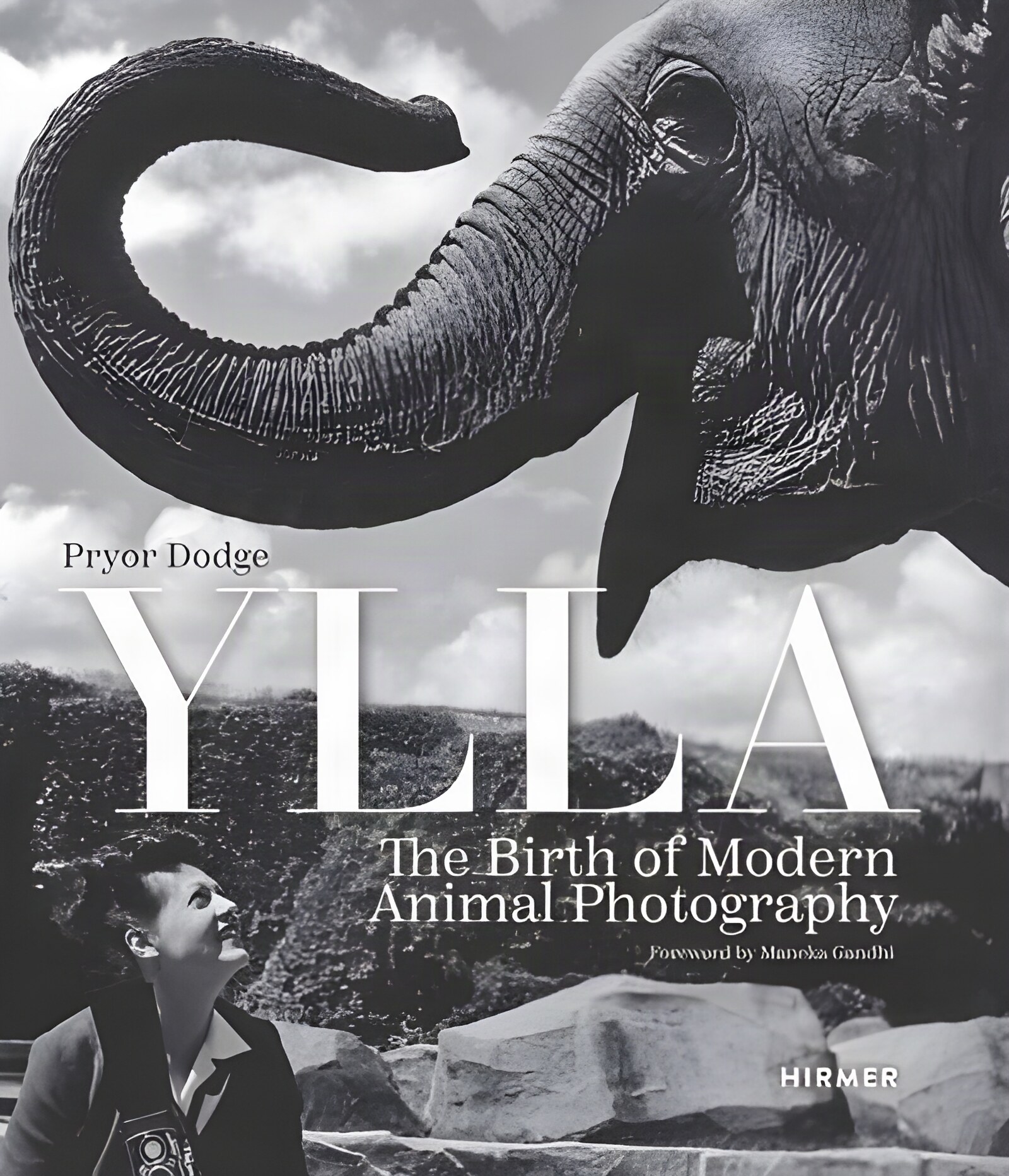
Hardcover. Munich, Hirmer, 1st, 2024, Book: Very Good, Dust Jacket: None, Hardcover in pictorial boards, 240 pages. Ylla (1911-1955) devoted herself exclusively to animal portraiture at a time when no one had thought of only photographing animals. Driven by her symbiotic relationship with animals, she created a new genre in animal photography: the expression and personality in animals. Ylla: The Birth of Modern Animal Photography recounts the eventful odyssey of a "New Woman" par excellence, fearless and knowing no limits. She was part of artists' circles in Belgrade and Paris, however during WW II she fled to New York via Marseille where she started her career again from square one. Originally taking beguiling photos in her studio and zoos, Ylla finally traveled to Africa and India where she died in a tragic accident during a water buffalo race. Her Animals in Africa and Animals in India are some of the first books on the subject. Ylla also introduced photography to children's literature. Her books The Sleepy Little Lion and Two Little Bears are juvenile classics. This book details her remarkable life and work.
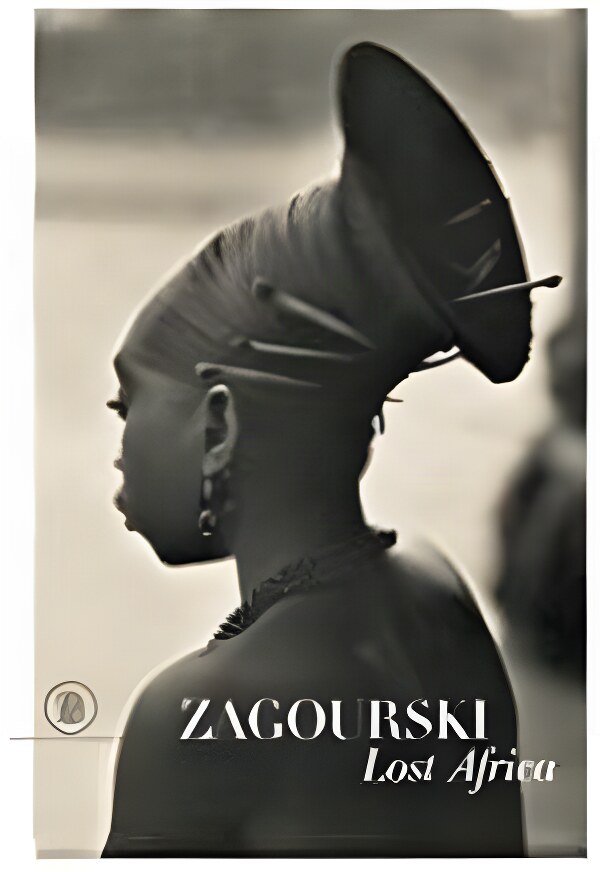
Hardcover. Milan, Skira, 1st, 2001, Book: Very Good, Dust Jacket: Very Good, Hardcover, 224 pages. An outstanding photographic monograph from the Twenties and Thirties brings back the memory of ways of living, ceremonies, adorned bodies of an Africa that be aptly defined as "lost". These extraordinary, unpublished pictures, taken with great technical skill and with a sense of great dignity of the people portrayed, constitute a monument to the African continent as it was. Kazimir Ostoja Zagourski (1880-1941) was born in Poland and moved to Congo in 1924. Zagourski was the first professional photographer to travel throughout the interior of Congo and visited also the neighboring countries, Tchad, Rwanda, Burundi, Uganda, Kenya, and South Africa. During his long stay in Africa he took hundred of pictures, 500 of which, divided in two extraordinary series on different tribes, build up to a unique historic and ethnographic survey. In a sense, Zagourski's work constitutes the first "non-European" look, devoid of the colonial overtones that characterize much contemporary work. His forays into the depths of the African continent took him into the most remote villages of Kuba, Mangbetu, Bwaka, Tutsi, Masai, etc. where he took unprecedented pictures of great ethnographic interest. he documented for example, ceremonies (initiation, circumcision, excision, masked dances, etc.), the great African creativity in body ornament (from scarification to hair dresses, from jewels to lip plugs), clothes and all utilitarian objects placed in their appropriate cultural context (musical instruments, shields, stools, knives, containers, etc.).

 "William Eggleston: Los Alamos Revisitedby: Eggleston, William")
 "Wonders of Japan: A Portfolio of Views in the Enchanted Bamboo Land by: N/A")
 "Yamuna Walkby: Bhalla, Atul (Photographer)")