Hardcover. NY, Macmillan, reprint, 1932, Book: Very Good, Dust Jacket: None, Hardcover, 257 pages. Later printing. Bound in black cloth boards with paper titles present to the spine and front board. Stuart Chase was an American economist and engineer trained at MIT. His writings covered topics as diverse as general semantics and physical economy. His hybrid background of engineering and economics places him in the same philosophical camp as R. Buckminster Fuller. Chase's thought was shaped by Henry George, Thorstein Veblen and Fabian socialism. Chase spent his early political career supporting "a wide range of reform causes: the single tax, women's suffrage, birth control and socialism." Chase's early books The Tragedy of Waste (1925) and Your Money's Worth (1928) were notable for their criticism of corporate advertising and their advocacy of consumer protection. Although not a Marxist, Chase admired the planned economy of the Soviet Union, being impressed with it after a 1927 visit. Chase stated that "The Russians, in a time of peace, have answered the question of what an economic system is for." It has been suggested that he was the originator of the expression a New Deal, which became identified with the economic programs of American president Franklin Delano Roosevelt. Inscription on front fly leaf, otherwise clean.
Hardcover. Moscow, Progress Publishers, 1966, Book: Good, Dust Jacket: Very Good, Hardcover in a lightly worn dust jacket with faded spine. Anthology of writings by American journalist, poet and Communist activist. Includes portions of "Insurgent Mexico" and "Ten Days That Shook the World,"as well as stories, articles, documents, poetry and drama. Illustrated with photos. Text in English with introductory section in Russian. 299 pages, b&w illustrations. No date but indicates "2.6.66" Clean copy.
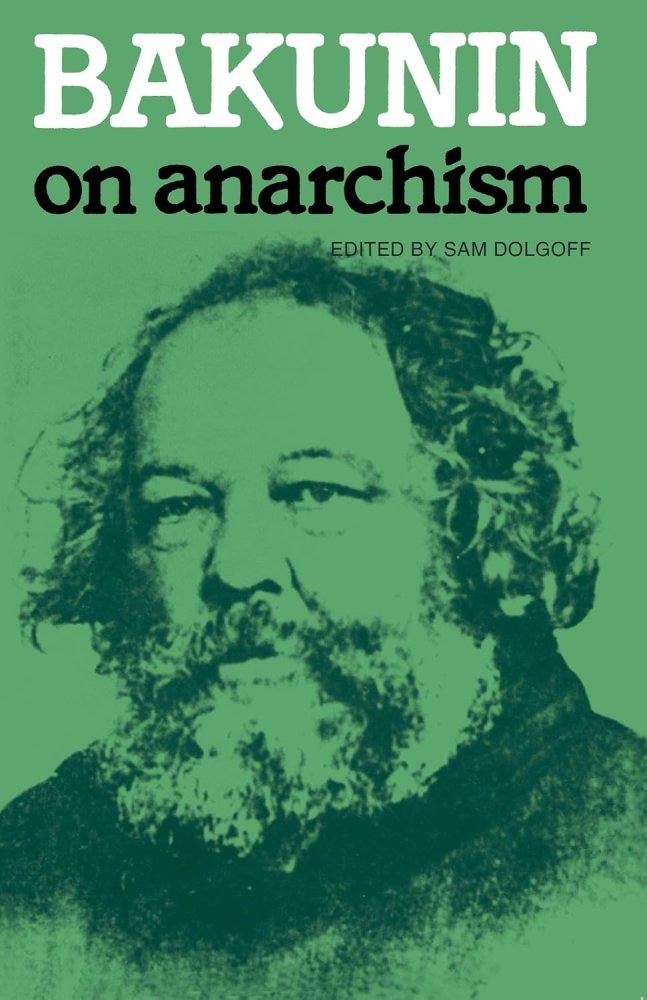
Softcover. Montreal/NY, Black Rose Books, reprint, 1990, Book: Very Good, Dust Jacket: None, Softcover, 453 pages. A selection of writings by one of the most important practitioners of social revolution. "The best available in English. Bakunin's insights into power and authority, and the conditions of freedom, are refreshing, original and still unsurpassed in clarity and vision. I read this selection with great pleasure." --Noam Chomsky. Clean copy.
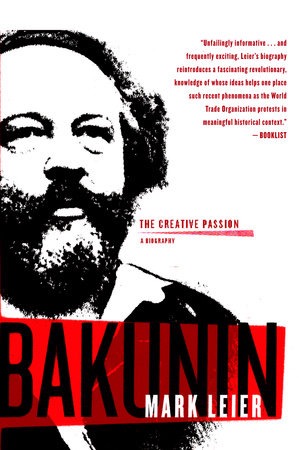
Hardcover. NY, St. Martins Press, 1st, 2006, Book: Very Good, Dust Jacket: Very Good, Hardcover in a bright dust jacket, 350 pages. The spellbinding story of both the man and the theory,this book chronicles one of the most notorious radicals in Mikhail Bakunin, the founder of anarchism, here revealed as a practical moral philosophy rooted in a critique of wealth and power. Mark Leier corrects many of the popular misconceptions about Bakunin and his ideas, offering a fresh interpretation of his life and thoughts. Bakunin is an insightful read for all those who wish to better understand the fundamental basis of modern radical movements. Ex-lib but clean, only residue to acetate wrapper.
Hardcover. Stanford CA, Stanford University Press, 1st, 2006, Book: Very Good, Dust Jacket: Very Good, Hardcover in a bright, unclipped dust jacket, 559 pages. "Behind the Bamboo Curtain is an important collection of essays on Sino-Vietnamese relations during the Cold War An excellent contribution from a Vietnamese historian and well-documented chapters on Soviet and French policy further augment the importance of the volume. The contributors make extensive use of primary documents from the United States, the People's Republic of China, Vietnam, and Russia and offer authoritative analyses." -- The Journal of Cold War Studies. Claen, unread copy.
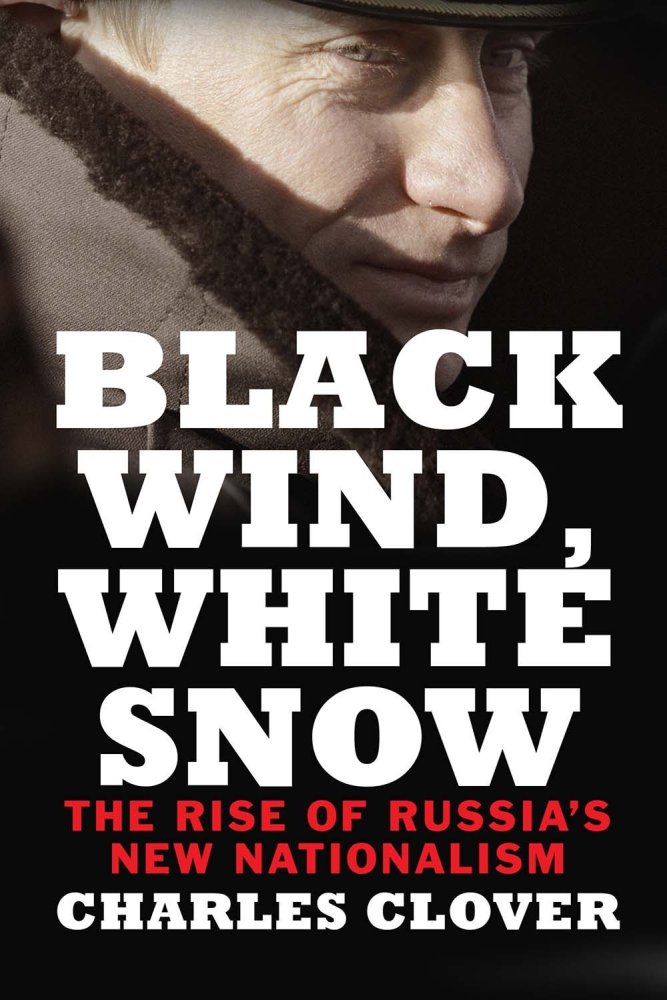
Hardcover. New Haven CT, Yale University Press, 1st, 2016, Book: Very Good, Dust Jacket: Very Good, Hardcover in a bright dust jacket, 360 pages. Charles Clover, award-winning journalist and former Moscow bureau chief for the Financial Times, here analyzes the idea of "Eurasianism," a theory of Russian national identity based on ethnicity and geography. Clover traces Eurasianism's origins in the writings of white Russian exiles in 1920s Europe, through Siberia's Gulag archipelago in the 1950s, the dissolution of the Soviet Union in the early 1990s, and up to its steady infiltration of the governing elite around Vladimir Putin. This eye-opening analysis pieces together the evidence for Eurasianism's place at the heart of Kremlin thinking today and explores its impact on recent events, the annexation of Crimea, and the rise in Russia of anti-Western paranoia and imperialist rhetoric, as well as Putin's sometimes perplexing political actions and ambitions. Clean copy.
Hardcover. New Haven CT, Yale University Press, 1st, 1998, Book: Very Good, Dust Jacket: Very Good, Hardcover in a bright dust jacket, 436 pages, b&w illustrations. The humiliation of Russia by separatist rebels in the Chechen War marked a key moment in Russian - and perhaps world - history. In this new analysis Anatol Lieven offers a riveting account of the war as a means to explore the painful fate of the post-Soviet state. Lieven looks into the long, troubled history of Russian-Chechen relations, noting that each side despised the other for largely cultural reasons (the Chechens have long been involved in organized crime in major Russian cities, whereas Russians have long tried to strip Chechnya of its resources). He notes that Chechen society has historically been militarized (one Armenian said to Lieven, "The men are always fighting and the women are cooking for them, nursing their wounds, and bringing up their children"), making the mountain people a formidable foe. In the meanwhile, writes Lieven, the Russian military suffered from low morale and from corruption of various kinds: Russian field soldiers sold their guns to Chechen guerrillas for vodka and currency, while Russian officers stole their soldiers' pay and Russian politicians skimmed off the top. This is an extraordinary look at a little-known conflict. Clean copy.
Softcover. London, IB Tauris, 1st pbk, 2000, Book: Very Good, Dust Jacket: None, Softcover, 314 pages, color and b&w illustrations. In this first biography of Alexander Griboyedov in English, Laurence Kelly paints a vivid picture of a man of remarkable literary talent and diplomatic gifts that were nevertheless overshadowed by ill-fortune. Involved in the 1825 Decembrist plot to overthrow the Tsarist state and the mission to further Russia's expansionist agenda in the Caucasus, the famous writer was eventually murdered by zealous mobs in Tehran. This book makes an invaluable contribution to the diplomatic history of Russia, the Caucasus and Iran at the same time illuminating the life and works of a writer who was among nineteenth-century Russia's most respected and prominent writers. Clean copy.
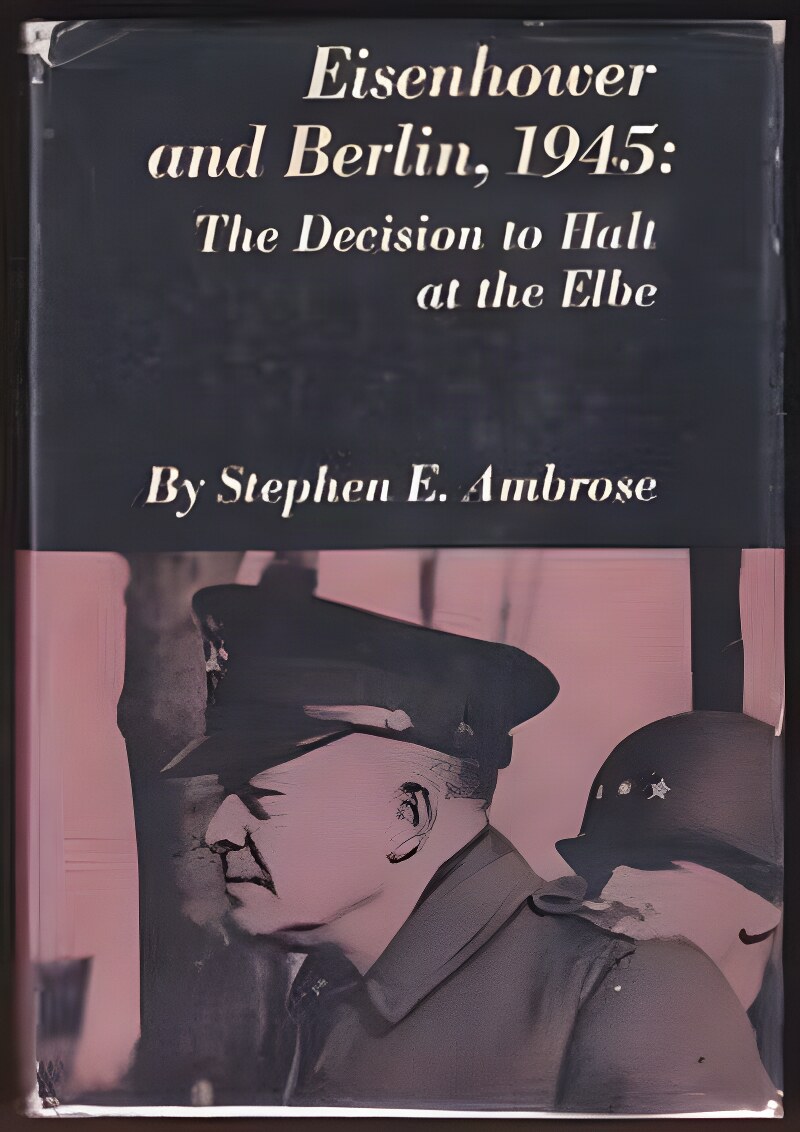
Hardcover. NY, W. W. Norton, 1st, 1967, Book: Very Good, Dust Jacket: Very Good, Hardcover in a worn, chipped dust jacket, 119 pages, maps, index. As WWII ground to a close, whose forces would be the first to reach Berlin? General Dwight David Eisenhower, supreme commander of the British and American armies, chose to halt at the Elbe River and leave Berlin to the Red Army. Could he have beaten the Russians to Berlin? If so, why didn't he? If he had, would the Berlin question have arisen? Would Germany have been divided as it was? Name on front fly leaf, otherwise clean.
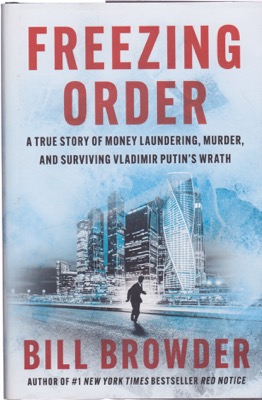
Hardcover. NY, Simon & Schuster, 1st, 2022, Book: Very Good, Dust Jacket: Very Good, Hardcover in a bright dust jacket, When Bill Browder's young Russian lawyer, Sergei Magnitsky, was beaten to death in a Moscow jail, Browder made it his life's mission to go after his killers and make sure they faced justice. The first step of that mission was to uncover who was behind the $230 million tax refund scheme that Magnitsky was killed over. As Browder and his team tracked the money as it flowed out of Russia through the Baltics and Cyprus and on to Western Europe and the Americas, they were shocked to discover that Vladimir Putin himself was a beneficiary of the crime. As law enforcement agencies began freezing the money, Putin retaliated. He and his cronies set up honey traps, hired process servers to chase Browder through cities, murdered more of his Russian allies, and enlisted some of the top lawyers and politicians in America to bring him down. Putin will stop at nothing to protect his money. As Freezing Order reveals, it was Browder's campaign to expose Putin's corruption that prompted Russia's intervention in the 2016 US presidential election. Clean copy.
Hardcover. NY, Houghton Mifflin Harcourt, 1st, 2018, Book: Very Good, Dust Jacket: Very Good, Hardcover in a bright, unclipped dust jacket. In 2008, when Michael McFaul was asked to leave his perch at Stanford and join an unlikely presidential campaign, he had no idea that he would find himself at the beating heart of one of today's most contentious and consequential international relationships As President Barack Obama's adviser on Russian affairs, McFaul helped craft the United States' policy known as "reset" that fostered new and unprecedented collaboration between the two countries And then, as US ambassador to Russia from 2012 to 2014, he had a front-row seat when this fleeting, hopeful moment crumbled with Vladimir Putin's return to the presidency This riveting inside account combines history and memoir to tell the full story of US-Russia relations from the fall of the Soviet Union to the new rise of the hostile, paranoid Russian president From the first days of McFaul's ambassadorship, the Kremlin actively sought to discredit and undermine him, hassling him with tactics that included dispatching protesters to his front gates, slandering him on state media, and tightly surveilling him, his staff, and his family. 506 pages, illustrations, clean copy.
Softcover. London, Phoenix Press, reprint, 2001, Book: Very Good, Dust Jacket: None, Softcover, 718 pages. One of history's greatest reformers, Garibaldi won his first battle against Aegean Pirates, his last battle against German Dragoons. He went to jail in Russia and led Brazilian rebels in the field. He was twice an admiral and seven times a general, a high government official in at least five countries, became Commander in Chief of the Uruguayan Army, Dictator of Sicily and Freeman of the City of London.
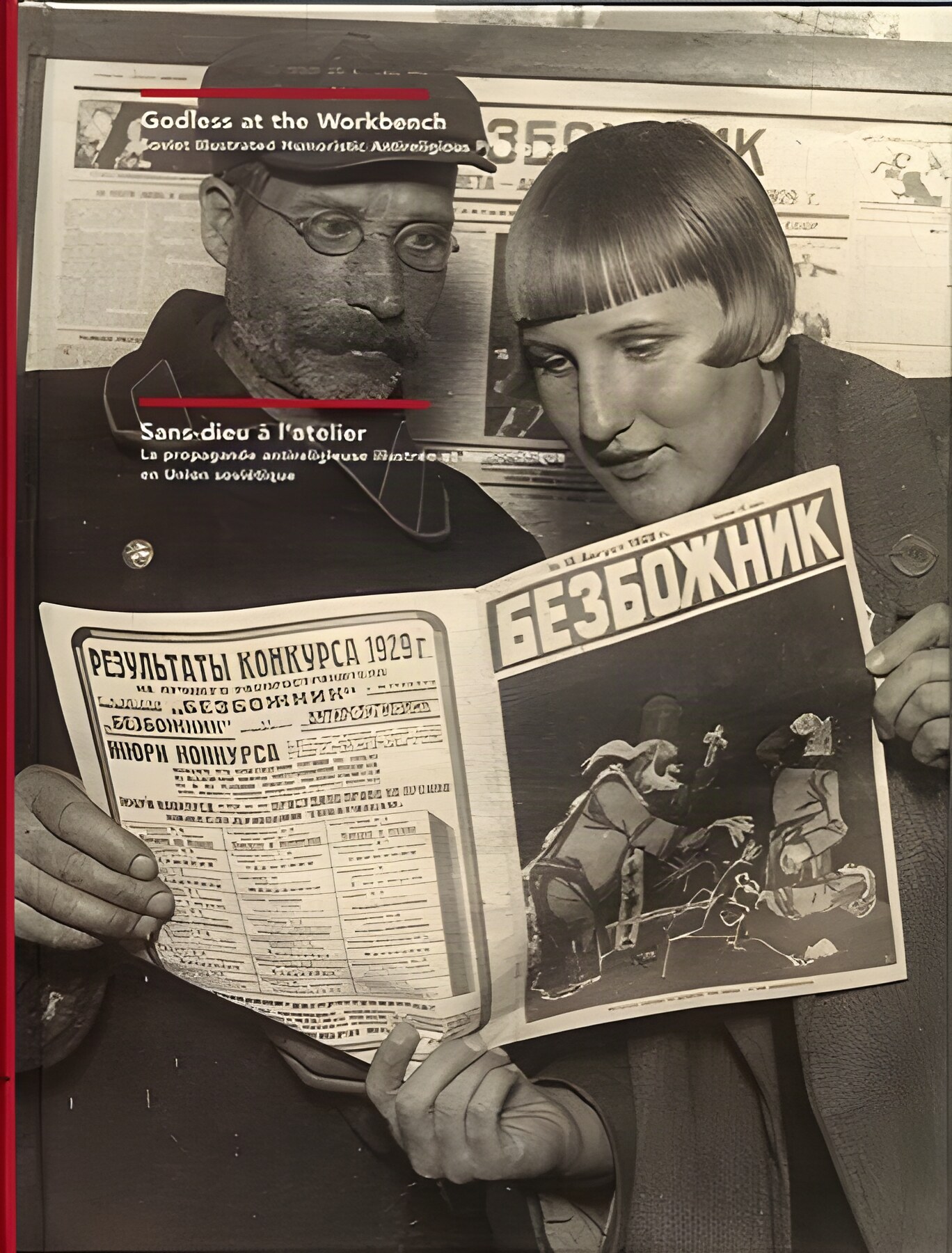
Hardcover. Dunlop Art Gallery, 1st, 2003, Book: Very Good, Dust Jacket: None, Hardcover, pictorial cloth, 169 pages. Illustrated in color and b&w. Text in English and French. Clean, bright copy.
Hardcover. Cambridge MA, The MIT Press, 1st, 2005, Book: Very Good, Dust Jacket: Very Good, Hardcover, 326 pages, illustrated in color, b&w. How Constructivist artists in Russia between 1923 and 1925 developed a counterproposal to capitalism's commodity fetish by producing objects meant to be "comrades" in the creation of an egalitarian socialist culture. Very good in a bright dust jacket.
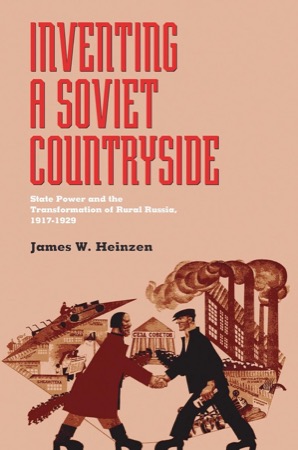
Hardcover. University of Pittsburgh Press, 1st, 2004, Book: Very Good, Dust Jacket: Very Good, Hardcover in dust jacket, 297 pages. James W. Heinzen's work fills a significant gap in the extensive historiography of the New Economic Policy (NEP) . The book studies the organization and staffing of NKZem RSFSR, offers some memorable portraits of its leading figures, especially its head, Alexander Petrovich Smirnov, and delves into the complexity of policy making in this era and the clash of institutional interests that had a major impact on policy. Heinzen makes a convincing case that Smirnov and the specialists in NKZem RSFSR were one of the major sources of ideas and policies for the 'Rightists' within the party leadership. The book is distinguished by its thoroughness, and by its cool and balanced judgment. This study brings out the full complexity of the Bolshevik regime, its dilemmas, and its internal contradictions. Clean copy, light fading to dj spine.
Hardcover. New York, The New Press, 1st, 1999, Book: Very Good, Dust Jacket: Very Good, 515 pages. Hardcover. Gray cover boards, gilt title on spine. In nice shape, Dust jacket unclipped, has just a touch of age yellow. Edges show a little soil (shelfwear). Binding very tight, clean inside. Very good condition.
Hardcover. Cambridge UK, Cambridge University Press, 1st, 1983, Book: Very Good, Dust Jacket: Very Good, Hardcover, 414 pages. Translation by Richard Taylor. Dust jacket spine faded. Previous price sticker on dust jacket front flap. Else a clean, tight copy.
Hardcover. Stanford CA, Stanford University Press, 1st, 1982, Book: Very Good, Dust Jacket: Very Good, Hardcover, 308 pages, map endpapers. Light edge wear to dust jacket, small sticker on front cover. Else a very clean, tight copy.
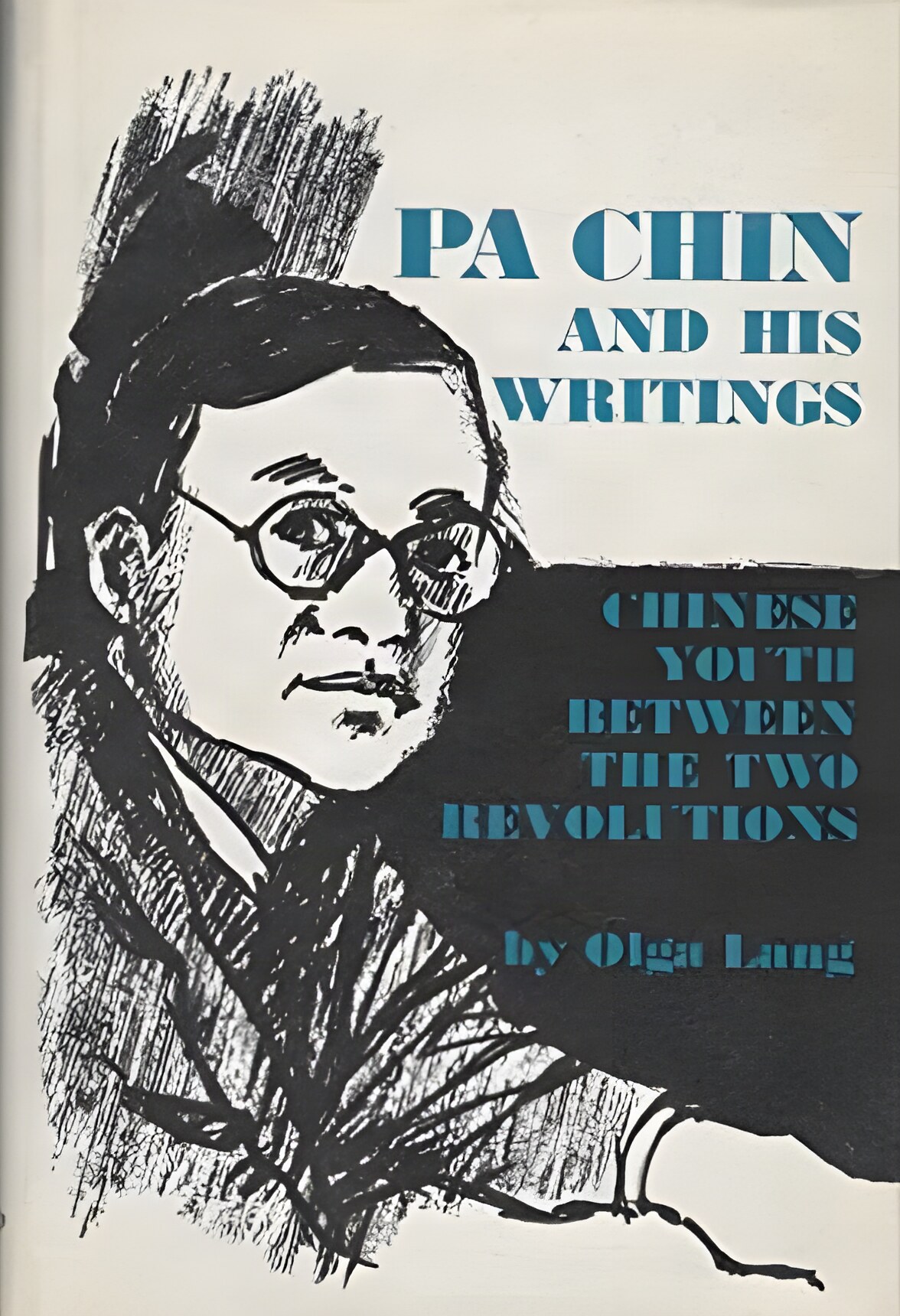
Cambridge, MA, Harvard University Press,, 1st, 1967, Book: Very Good, Dust Jacket: Very Good, Hardcover in a lightly worn dust jacket, 402 pages. "Miss Lang focuses on the content of Pa Chin novels and short stories, which vividly describe the life of Chinese youth. She also pays great attention to the western, particularly Russian and French, influences on his political philosophy."
Hardcover. NY, Oxford University Press, 1st, 1996, Book: Very Good, Dust Jacket: Very Good, Hardcover in a bright dust jacket, 312 pages. The first book to document the peasant rebellion against Soviet collectivization, Peasant Rebels Under Stalin retrieves a crucial lost chapter from the history of Stalinist Russia. The peasant revolt against collectivization, as reconstructed by author Lynne Viola, was the most violent and sustained resistance to the Soviet state after the Russian Civil War. Conservative estimates suggest that over the course of the 1920s and early 1930s, more than 1,100 people were assassinated, more than 13,000 villages rioted, and over 2.5 million people participated in this active struggle of resistance. This book is about the men and women who tried to preserve their families, communities, and beliefs from the depredations of Stalinism. Their acts were often heroic, but these heroes were homespun, ordinary people who were driven to acts of desperation by cruel and brutal state policies. Clean copy.
Hardcover. NY, Harper & Row, 1st US, 1970, Book: Very Good, Dust Jacket: Very Good, Hardcover in a lightly worn, price-clipped dust jacket, 358 pages. A close analysis of some of the typical peasant uprisings of the seventeenth century. The goal of the movements in France and China was a return to an older and more traditional society, rather than a profound transformation of the social structure. In Russia, however, the peasants attempted to overturn the rigid order of a two-class structure and replace it with a more democratic society. Clean copy.
Hardcover. Manchester UK, Manchester University Press, 1st, 1985, Book: Very Good, Dust Jacket: Very Good, Hardcover in a bright, unclipped dust jacket. 312 pages. Clean, tight copy.


 "Behind the Bamboo Curtain: China, Vietnam, and the World beyond Asia (Cold War International History Project)by: Priscilla Roberts (Ed.)")
 "British Documents on Foreign Affairs: Reports and Papers from the Foreign Office Confidential Print - Part 1 - From the Mid-Nineteenth Century to the First World War - Series A - Russia, 1859-1914 - Volume 4 - Russia, 1906-1907")
 "Chechnya: Tombstone of Russian Powerby: Anatol Lieven")
 "Diplomacy and Murder in Tehran: Alexander Griboyedov and Imperial Russia's Mission to the Shah of Persiaby: Laurence Kelly")

 "Garibaldi by: Ridley, Jasper")
 "Imagine No Possessions: The Socialist Objects of Russian Constructivismby: Kiaer, Christina")
 "Kissinger Transcripts, The: The Top-Secret Talks with Beijing & Moscowby: Burr, William (Ed.)")
 "Marxism in Russia: Key Documents 1879-1906by: Harding, Neil (Editor)")
 "Moscow, 1905: Working-Class Organization and Political Conflictby: Engelstein, Laura")
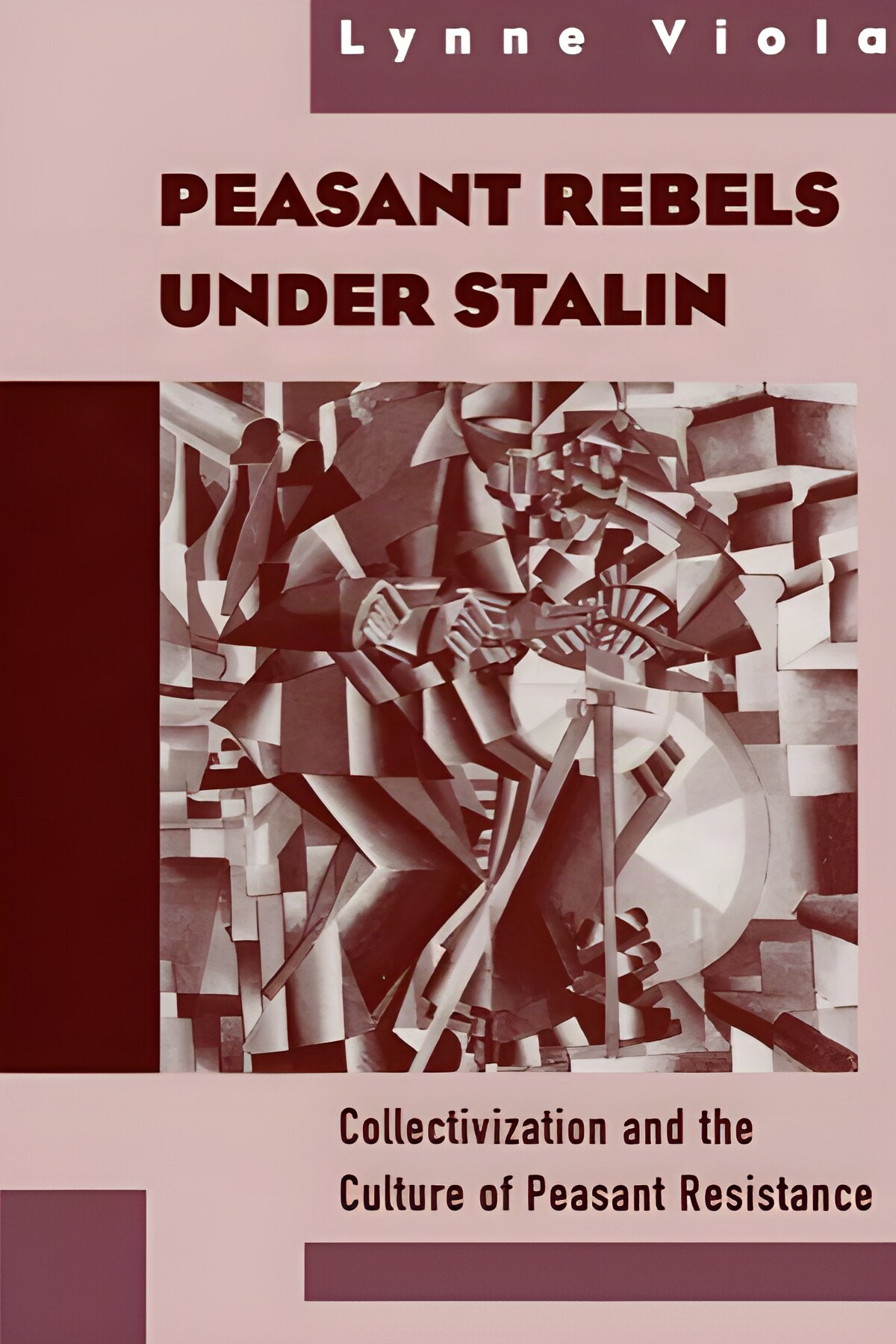
 "Peasant Russia Civil War: The Volga Countryside in Revolution 1917-1921by: Figes, Orlando")
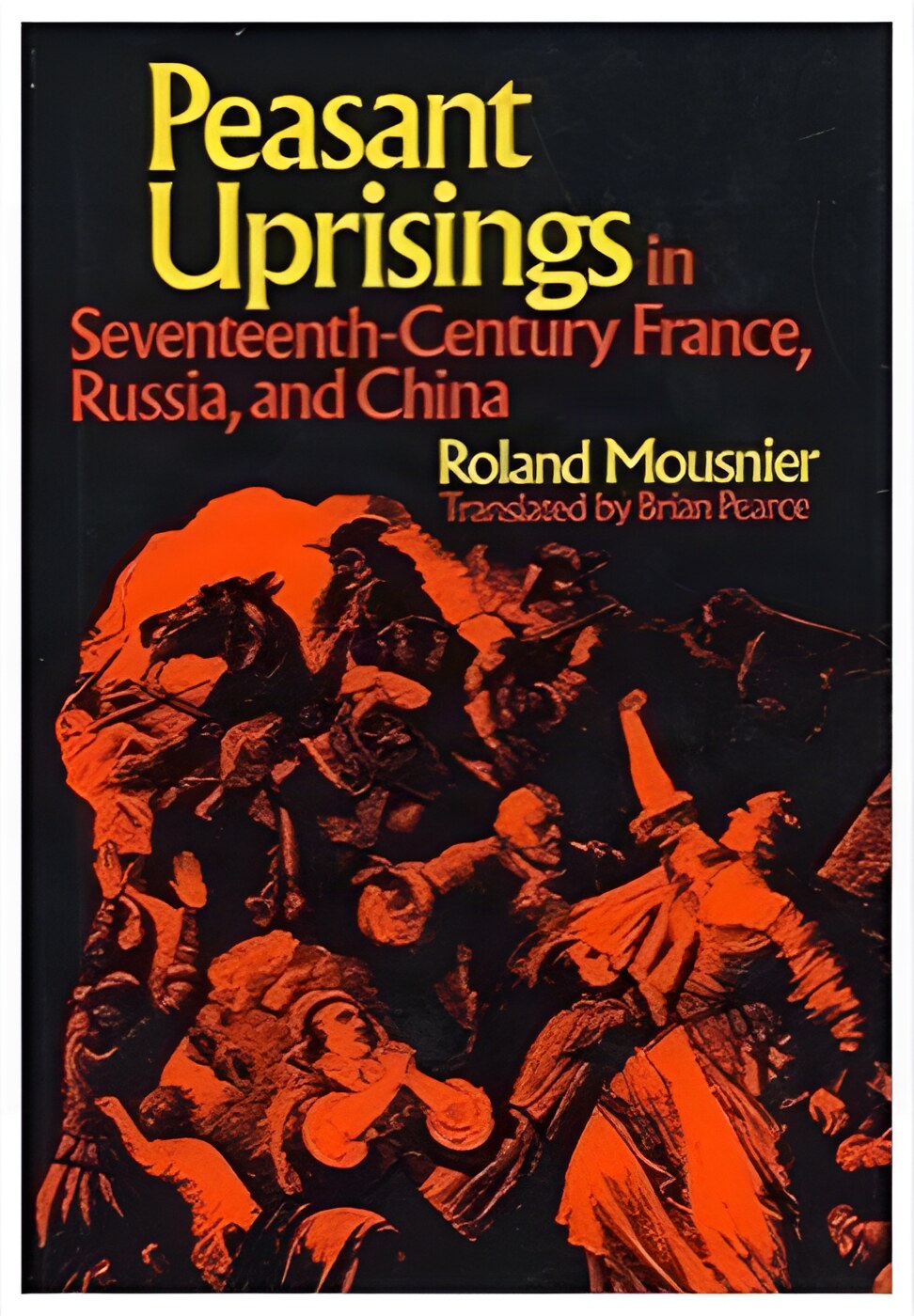
 "Petrashevtsy, The: - A Study of the Russian Revolutionaries of 1848by: Seddon, J. H.")