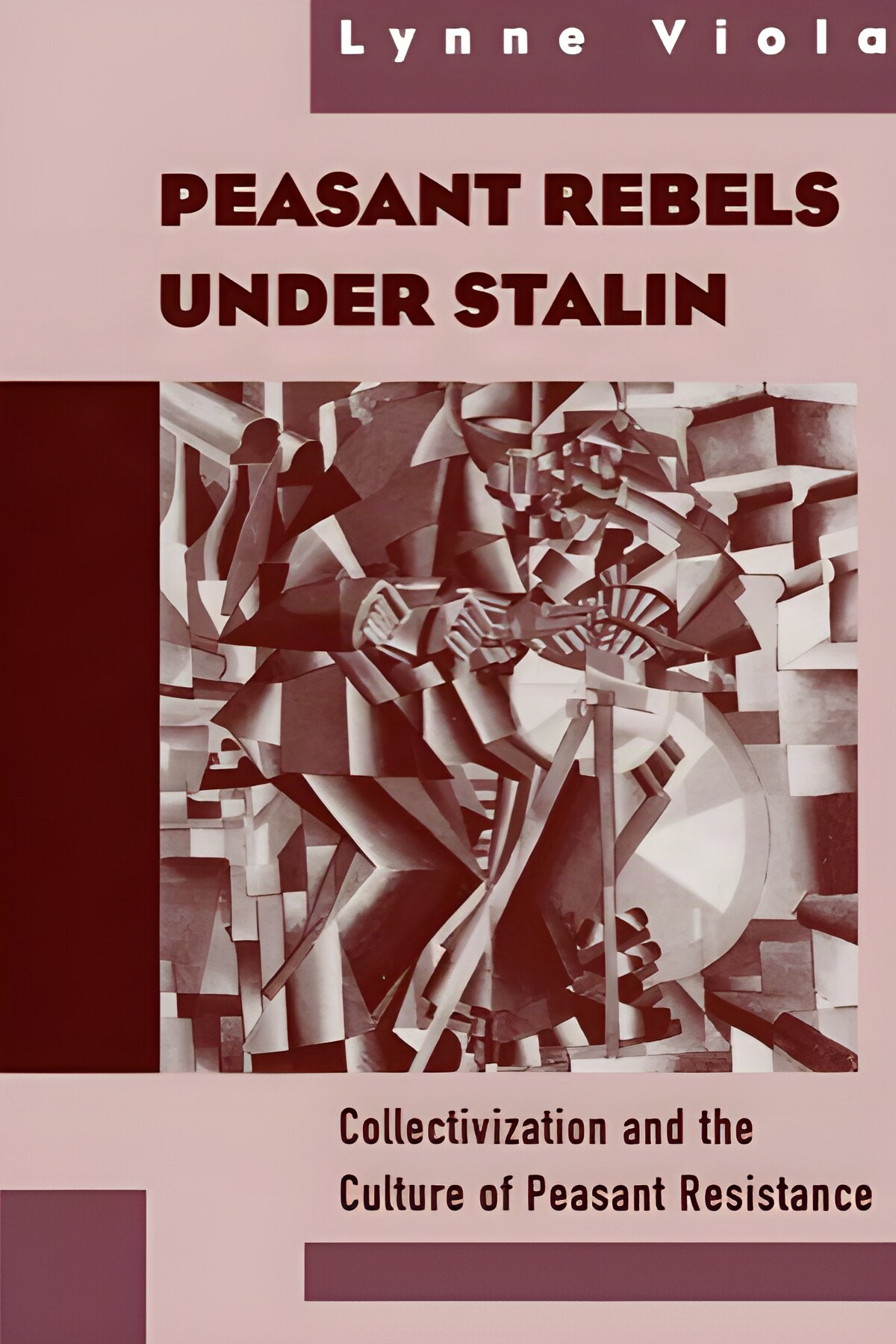
Hardcover. NY, Oxford University Press, 1st, 1996, Book: Very Good, Dust Jacket: Very Good, Hardcover in a bright dust jacket, 312 pages. The first book to document the peasant rebellion against Soviet collectivization, Peasant Rebels Under Stalin retrieves a crucial lost chapter from the history of Stalinist Russia. The peasant revolt against collectivization, as reconstructed by author Lynne Viola, was the most violent and sustained resistance to the Soviet state after the Russian Civil War. Conservative estimates suggest that over the course of the 1920s and early 1930s, more than 1,100 people were assassinated, more than 13,000 villages rioted, and over 2.5 million people participated in this active struggle of resistance. This book is about the men and women who tried to preserve their families, communities, and beliefs from the depredations of Stalinism. Their acts were often heroic, but these heroes were homespun, ordinary people who were driven to acts of desperation by cruel and brutal state policies. Clean copy.
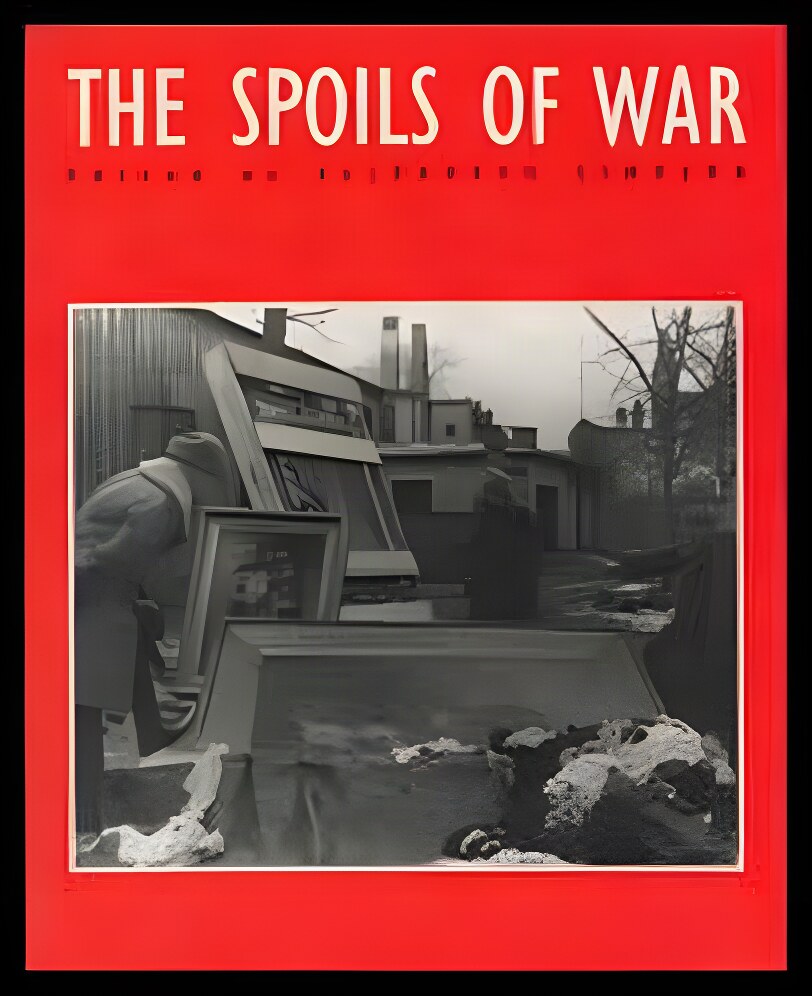
Hardcover. Washington D.C., Smithsonian Institution Press , reprint, Book: Very Good, Dust Jacket: Very Good, 171 pages. Hardcover with dust jacket. Extensive b&w photographs throughout. Silver gilt titles on spine. Clean, unmarked copy with only minor wear to dust jacket. In September 1939, the German invasion of Poland propelled the world into war. By the spring of 1946, Poland was beginning to recover from five years of cataclysmic destruction. Liberated from the occupation of the Third Reich, the nation celebrated a peace already overshadowed by the emerging Cold War.John Vachon was in Poland to witness this transformation of almost mythic proportions. Assigned to cover United Nations relief efforts, this American photographer documented in images and letters a nation at the crossroads of the postwar East and West. Taken with a keen yet sympathetic eye, Vachon's photographs, most of them never before published, reveal the destitution and unfounded optimism of Poles, many of them returning in boxcars from German labor camps and Siberian exile, ready to reclaim their burned-out cities and farms left fallow by war. Vachon's letters home to his wife provide a rare context for the images. He writes of the luxuries enjoyed by the foreign corps amid Warsaw's rubble, the equal measures of hospitality and anti-Semitism among ordinary Poles, and of the anti-Soviet sentiment in the countryside, where "they love Russian songs, but always apologize when they sing one." In one account of a village fire, he conveys the often conflicting emotions of the photojournalist, documenting scenes of suffering he feels powerless to assuage.
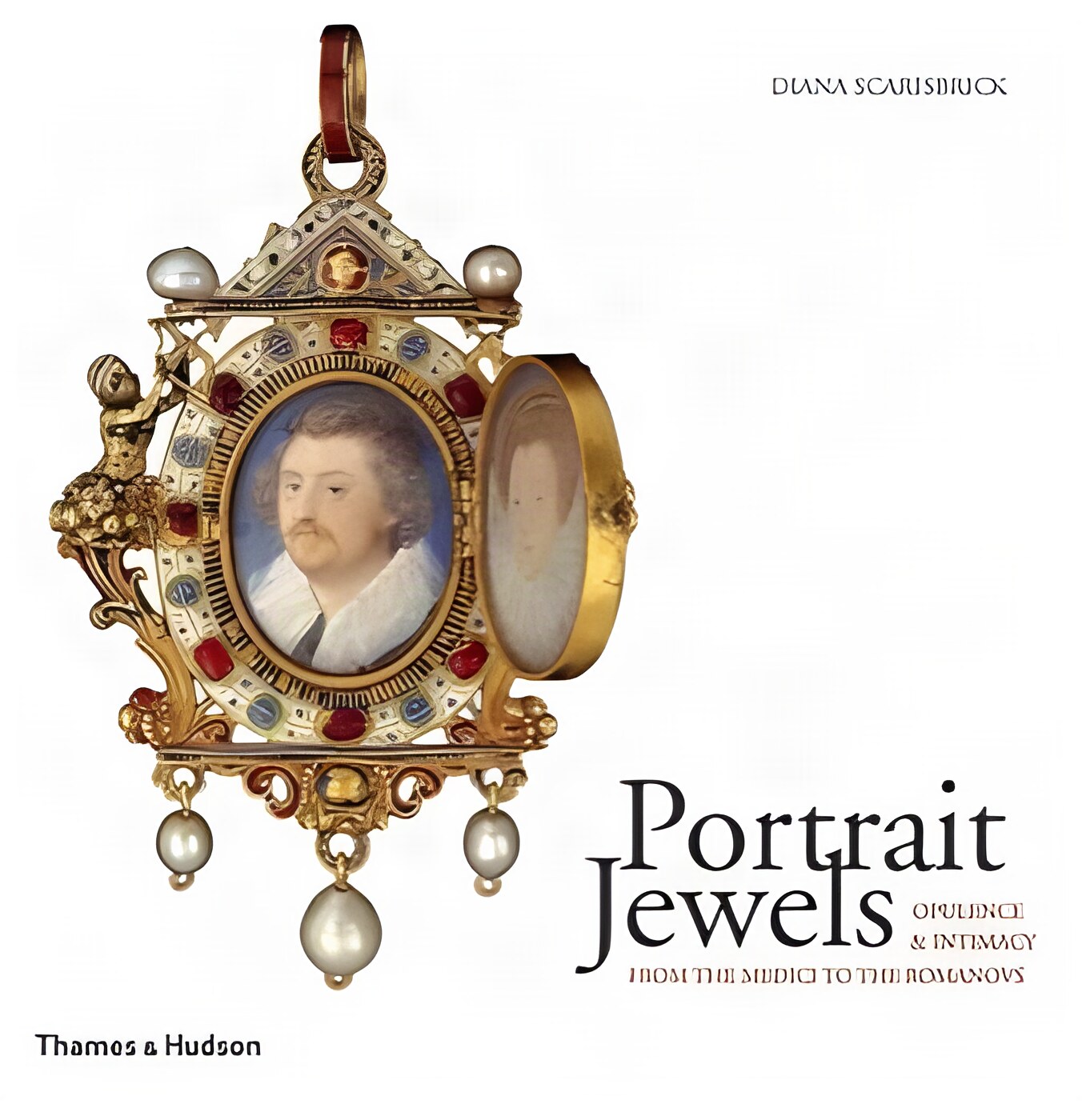
Hardcover. NY, Thames & Hudson, 1st, 2011, Book: Very Good, Dust Jacket: Very Good, Hardcover in a bright dust jacket, 352 pages, color illustrations. While cameo and intaglio portraits, other forms of deluxe jewelry, medals, and miniatures featuring famous personalities have been surveyed, a historian and curator of jewelry and engraved gems, notes that their settings have surprisingly not attracted as much attention. Covering periods from 16th to early 17th centuries Renaissance Europe to the Napoleonic to World War I eras, the author describes the pieces and names their designers in historical and personal contexts. A chapter is devoted to the portrait diamond from the Medici dynasty to the fall of the Romanovs. Clean copy. DOMESTIC SHIPPING ONLY.
Hardcover. New Haven CT, Yale University Press, 1st, 2015, Book: Very Good, Dust Jacket: None, Hardcover, 238 pages. Like new in publisher's shrink-wrap. Covering the period from the Revolution to the beginning of World War II, this book considers Soviet avant-garde photography and film in the context of political history and culture. Three essays trace this generation of artists, their experiments with new media, and their pursuit of a new political order. A wealth of stunning photographs, film stills, and film posters, as well as magazine and book designs, demonstrate that their output encompassed a spectacular range of style, content, and perspective, and an extraordinary sense of the power of the photograph to change the world.
Hardcover. Burlington, VT, Lund Humphries, Reprint, 2008, Book: Very Good, Dust Jacket: None, 208 pages. Hardcover with no dust jacket. Very clean, unmarked copy with only minor edgewear. Color illustrations throughout. Tight copy. Power to the People presents the Israel Museum's major collection of propaganda posters from the early years of the Soviet Union, documenting one of the most interesting chapters in twentieth-century graphic design. Inspired by the traditional vernacular of political cartoons, by the lubok wood-cut technique of Russian folk art, and by the ideas of Futurism, the poster artists employed a new visual language to explain the results of the Revolution to the Soviet people. The Israel Museum's collection of Soviet propaganda posters is the largest museum collection of its kind outside Russia. This book illustrates the entire collection for the first time.
Hardcover. Cambridge, Cambridge University Press, 1st UK, 1995, Book: Very Good, Dust Jacket: Very Good, Hardcover in a bright, unclipped dust jacket, 269 pages. Clean, bright copy. This is the first scholarly account by a Western historian of the Time of Troubles, the period of civil war and foreign invasion in early-seventeenth-century Russia. The author focuses on the various pretenders or royal imposters who appeared at this time; she traces their careers and offers explanations for their success. Her analysis of the phenomenon of pretense illuminates popular perceptions of the monarchy in early modern Russia, and demonstrates how social protest could take the form of support for imposters claiming to be the "true tsar".
Softcover. NY, Oxford University Press, reprint, 1992, Book: Very Good, Dust Jacket: None, Softcover in pictorial wraps, 184 pages, coloe illustrations. From before the days of Moses up through the 1960s, slavery was a fact of life in the Middle East. Pagans, Jews, Christians, and Muslims bought and sold at the slave markets for millennia, trading the human plunder of wars and slave raids that reached from the Russian steppes to the African jungles. But if the Middle East was one of the last regions to renounce slavery, how do we account for its--and especially Islam's--image of racial harmony? How did these long years of slavery affect racial relations? In Race and Slavery in the Middle East, Bernard Lewis explores these questions and others, examining the history of slavery in law, social thought, and practice over the last two millennia. Bright, clean copy.
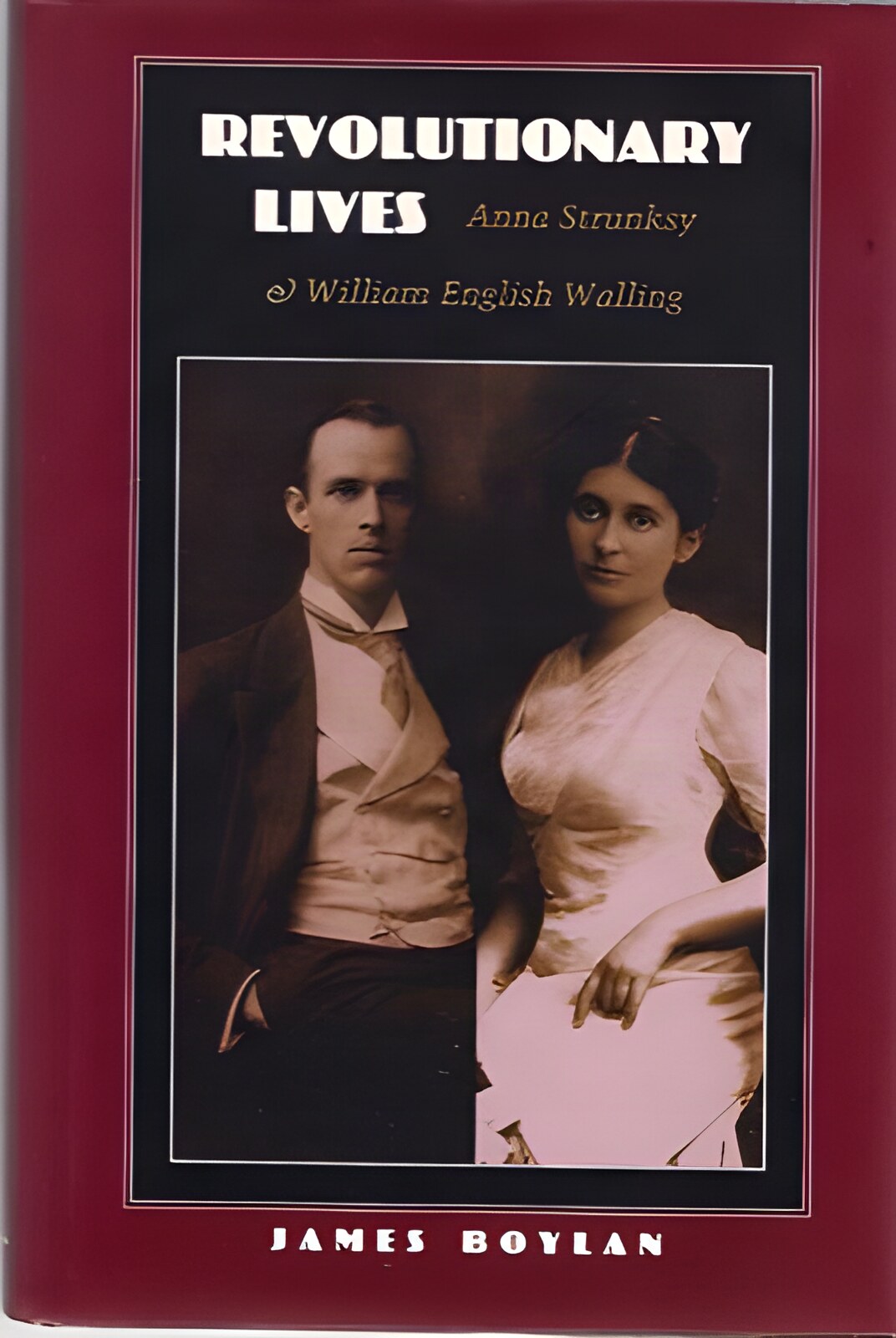
Hardcover. Amherst MA, University of Massachusetts Press, 1st, 1999, Book: Very Good, Dust Jacket: Very Good, Hardcover in a bright dust jacket, 334 pages, b&w illustrations. Relying on original historical materials, an illustrated biography traces the lives of an influential pair of American socialists--he a wealthy journalist-activist, she an aspiring novelist. When they fell in love amid the tumult of the 1905 Russian revolution, they believed they were destiny's match: William English Walling, a wealthy American journalist-activist from the Midwest, an Anna Strunsky, an aspiring novelist from San Francisco. Vowing to dedicate themselves to socialist ideals, they soon became celebrities who moved in an elite circle of writers, journalist, and reformers. ultimately, both their marriage and their political commitment faltered, but not before they had participated in some of the most urgent social causes of their day. Drawing on archival sources and family materials, James Boylan creates engaging portraits of two striking figures. He reveals the details of Strunsky's intesnse involvement with Jack London and their troubled literary collaboration. He describes the creation of Walling's "revolutionary news bureau" in Russia under scrutiny of the czarist police, and Strunsky's harrowing journey to report on a pogrom. He also recounts the couple's dash to cover a race riot in Illinois, Walling's pivotal role in creating the NAACP and the disasterous schism between Strunksky's pacifism and Walling's bellicosity during World War I. Clean copy.
Hardcover. Toronto, Trafalgar Press, 1st, 1986 , Book: Very Good, Dust Jacket: Very Good, Hardcover in a bright "(Skillfully traces the causes of the Crimean War and sketches a vivid picture of an age which made possible 'the world's most curious and unneccesary struggle'. Troubetzkoy ingeniously weaves together the varied developments in diplomacy, trade, nationalistic expression and personality conflict in the decade which led to the hostilities. The armies of the belligerents are described (and the) reader is introduced to the principal personages of the drama - Napoleon III, Marshal St. Arnaud, Lord Raglan and the great Russian engineer, Todleben, who, apart from Florence Nightingale, was the only one to earn true distinction during the War. Vividly described are Nicholas I and the Russian Empire." Clean copy.
Hardcover. Berkeley CA, University of California Press, 1st, 1999, Book: Very Good, Dust Jacket: Very Good, Hardcover, 156 pages. Between 1935 and 1938 the celebrated photographer Roman Vishniac explored the cities and villages of Eastern Europe, capturing life in the Jewish shtetlekh of Poland, Romania, Russia, and Hungary, communities that even then seemed threatened-not by destruction and extermination, which no one foresaw, but by change. Using a hidden camera and under difficult circumstances, Vishniac was able to take over sixteen thousand photographs; most were left with his father in a village in France for the duration of the war. With the publication of Children of a Vanished World, seventy of those photographs are available, thirty-six for the first time. The book is devoted to a subject Vishniac especially loved, and one whose mystery and spontaneity he captured with particular poignancy: children.
Hardcover. NY, Abrams, 1st, 2005, Book: Very Good, Dust Jacket: Very Good, Hardcover, 192 pages. Shadows of War presents an astonishing collection of previously unpublished, unknown photographs of life at the front lines in the German war machine during World War II, taken by a common foot soldier. The work of a gifted amateur, Willi Rose's images present a powerful vision of a largely suppressed aspect of the war. These fractured glimpses of the world at war, from quotidian tasks and moments of leisure to scenes of death and destruction, reveal one man's experience of the epic flow of history. A miller in the years before World War II, Rose was drafted into the German army in October 1939 and served as a motorbike messenger on the front, first in France and then in Russia. He was wounded twice and was later captured by the Polish army, eventually returning home in June 1946. Throughout his military service, Rose sent home photographs that he took of the action, mostly along the Eastern Front. Discovered by his widow after his death, these images form a unique photographic document of one soldier's war.
Hardcover. NY, Knopf, 1st, 2012, Book: Very Good, Dust Jacket: Very Good, Hardcover in a bright, unclipped dust jacket. 418 pages, b&w illustrations. From the author of the best-selling One Minute to Midnight, a riveting account of the pivotal six-month period spanning the end of World War II, the dawn of the nuclear age, and the beginning of the Cold War. When Roosevelt, Stalin, and Churchill met in Yalta in February 1945, Hitler's armies were on the run and victory was imminent. The Big Three wanted to draft a blueprint for a lasting peace--but instead set the stage for a forty-four-year division of Europe into Soviet and western spheres of influence. After fighting side by side for nearly four years, their political alliance was rapidly fracturing. By the time the leaders met again in Potsdam in July 1945, Russians and Americans were squabbling over the future of Germany and Churchill was warning about an "iron curtain" being drawn down over the Continent. These six months witnessed some of the most dramatic moments of the twentieth century: the cataclysmic battle for Berlin, the death of Franklin Roosevelt, the discovery of the Nazi concentration camps, Churchill's electoral defeat, and the dropping of atomic bombs on Japan. While their armies linked up in the heart of Europe, the political leaders maneuvered for leverage: Stalin using his nation's wartime sacrifices to claim spoils, Churchill doing his best to halt Britain's waning influence, FDR trying to charm Stalin, Truman determined to stand up to an increasingly assertive Soviet superpower.
Softcover. New York, Harry N. Abrams, Inc., 1st, 1997, Book: Very Good, Dust Jacket: None, 336 pages. Softcover. Color and b/w illustrations throughout. Covers in excellent condition. Touch of foxing to top edge. Pages clean and bright. The ever-rapacious Nazis looted staggering quantities of great art and antiques from the nations they occupied. Much of it found its way back to Germany, and following the Allied victory, many thousands of rare (and some priceless) pieces were identified, and returned to the countries from which they had been taken. But not all of the paintings, statues, and archaeological treasures were recovered: Some were taken by Soviet troops and disappeared into Russia. Still others slipped into the black market in western Europe, and were snapped up by wealthy (if unprincipled) collectors. A 1995 symposium at the Bard Graduate Center for Studies in the Decorative Arts brought together European and American investigators and historians to discuss both the the Nazi thefts and the current state of knowledge of the whereabouts of the many still missing treasures. Those papers are reprinted here. While the pieces are detailed, dry, and likely to be of most interest to specialists, there are some extraordinary stories, most prominently the description of the recent rediscovery of ``Priam's treasure,'' excavated by Schliemann at Troy and hidden since WW II in a Russian museum. (123 illustrations, 25 in color).
Hardcover. Yorkshire UK, Pen and Sword Military, 1st, 2019, Book: Very Good, Dust Jacket: Very Good, Hardcover in a bright, unclipped dust jacket, 320 pages. So much has been written about the Battle of Stalingrad - the Soviet victory that turned the tide of the Second World War - that we should know everything about it. But the history of the war, and the battle, is evolving and is being written anew, and Alexey Isaev's engrossing account is a striking example of this fresh approach. B&w photos, color maps. Clean copy.
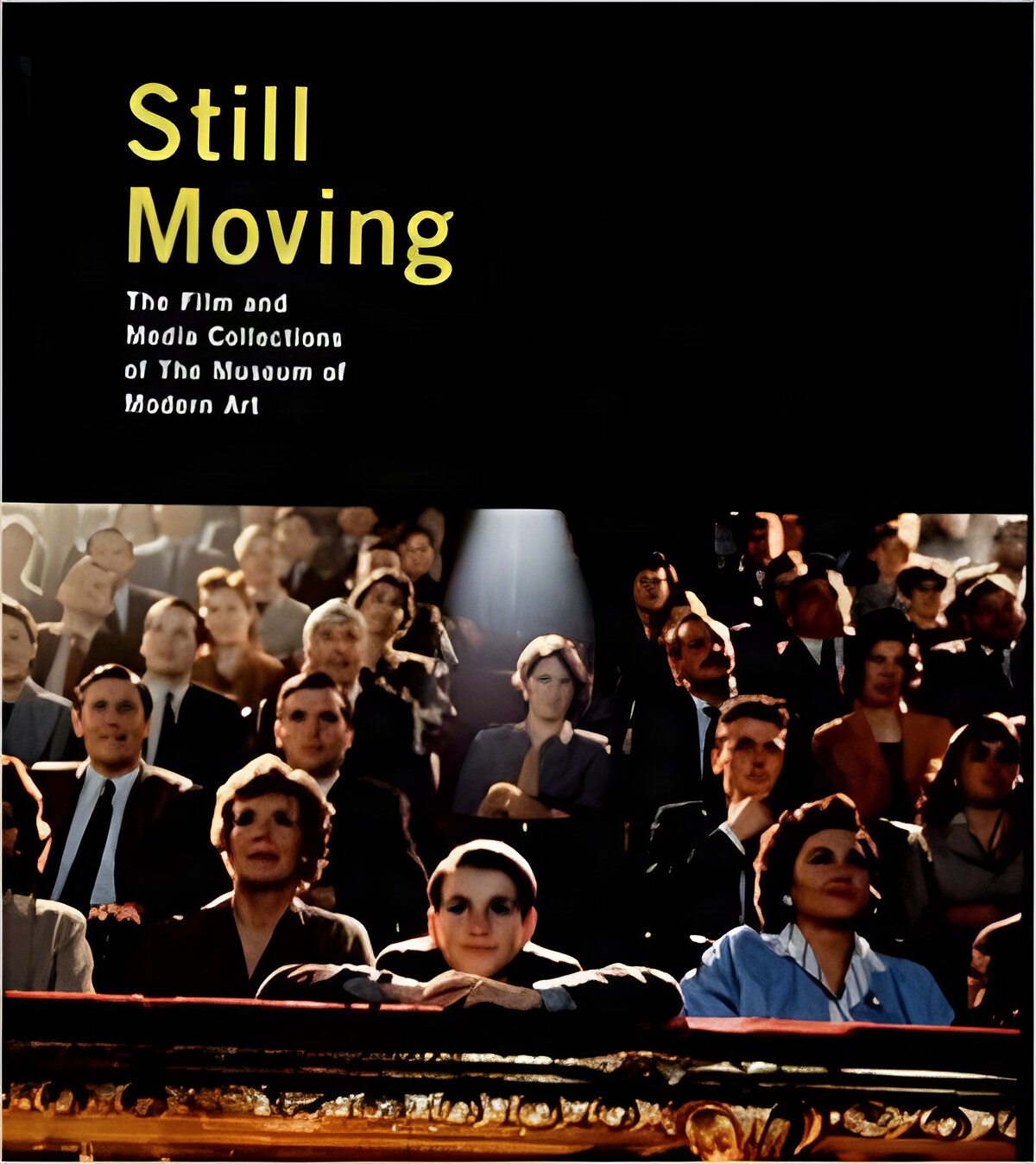
Hardcover. New York, The Museum of Modern Art, New York, 1st, 2006, Book: Very Good, Dust Jacket: None, Hardcover, 375 pages, illustrated throughout in color and b&w. Clean, unmarked copy in excellent condition. 507 illustrations (108 in color, 399 in duotone). Founded in 1935, The Museum of Modern Art's Department of Film and Media is home to one of the most important moving-image archives in the world. Still Moving: The Film and Media Collections of The Museum of Modern Art marks the first time that MoMA has published a volume dedicated exclusively to these holdings. Drawn primarily from the Museum's vast library of film stills, the nearly 500 images in this book represent just a fraction of the department's renowned archive, including one of the world's most important collections of international silent cinema; classic early sound films from the United States, Great Britain, France, Germany, Italy, Russia, and Japan; extensive holdings of documentary and animation shorts and feature films; significant examples of Hollywood filmmaking from studios such as Warner Brothers, RKO, MGM, Twentieth Century-Fox, and Paramount; and more recent works by leading independent and avant-garde film and media artists.
Hardcover. New York, The Museum of Modern Art, 1st, 2006, Book: Very Good, Dust Jacket: None, Hardcover, 375 pages, illustrated throughout in color and b&w. Clean, unmarked copy in excellent condition. 507 illustrations (108 in color, 399 in duotone). Founded in 1935, The Museum of Modern Art's Department of Film and Media is home to one of the most important moving-image archives in the world. Still Moving: The Film and Media Collections of The Museum of Modern Art marks the first time that MoMA has published a volume dedicated exclusively to these holdings. Drawn primarily from the Museum's vast library of film stills, the nearly 500 images in this book represent just a fraction of the department's renowned archive, including one of the world's most important collections of international silent cinema; classic early sound films from the United States, Great Britain, France, Germany, Italy, Russia, and Japan; extensive holdings of documentary and animation shorts and feature films; significant examples of Hollywood filmmaking from studios such as Warner Brothers, RKO, MGM, Twentieth Century-Fox, and Paramount; and more recent works by leading independent and avant-garde film and media artists.
Hardcover. Daylight Books, 1st, 2011, Book: Very Good, Dust Jacket: Very Good, Like new in publisher's shrink-wrap. 144 pages. 55 black and white photographs. The world of Bruce Haley is not for the faint-hearted. Bruce has traveled the globe photographing some of the darkest moments that only the intrepid want to face and visiting his website is a nail biting experience. SUNDER is a stunning exploration of the former USSR and other Iron Curtain countries, but equally as interesting are the accompanying essays, in particular, the wonderful piece by Andrei Codrescu (you may be famliar with his essays read on NPR), and by Kirsten Rian. He is a master photographer showing us the pathos and beauty of a culture that has been ravaged by war and turmoil. His eight year photographic investigation is a stark perspective of the collapse of the communist empire, but Bruce shares it on a human scale.
Hardcover. Daylight Books, 1st, 2011, Book: Very Good, Dust Jacket: Very Good, Like new in publisher's shrink-wrap. 144 pages. 55 black and white photographs. The world of Bruce Haley is not for the faint-hearted. Bruce has traveled the globe photographing some of the darkest moments that only the intrepid want to face and visiting his website is a nail biting experience. SUNDER is a stunning exploration of the former USSR and other Iron Curtain countries, but equally as interesting are the accompanying essays, in particular, the wonderful piece by Andrei Codrescu (you may be famliar with his essays read on NPR), and by Kirsten Rian. He is a master photographer showing us the pathos and beauty of a culture that has been ravaged by war and turmoil. His eight year photographic investigation is a stark perspective of the collapse of the communist empire, but Bruce shares it on a human scale.
Hardcover. Washington DC, Brookings Institution Press, 1st, 2021, Book: Very Good, Dust Jacket: Very Good, Hardcover in a bright dust jacket, 305 pages. Disinformation. Trolling. Conspiracies. Social media pile-ons. Campus intolerance. On the surface, these recent additions to our daily vocabulary appear to have little in common. But together, they are driving an epistemic crisis: a multi-front challenge to America's ability to distinguish fact from fiction and elevate truth above falsehood. In this path-breaking book, Jonathan Rauch reaches back to the parallel eighteenth-century developments of liberal democracy and science to explain what he calls the "The Constitution of Knowledge" our social system for turning disagreement into truth. By explicating the Constitution of Knowledge and probing the war on reality, Rauch arms defenders of truth with a clearer understanding of what they must protect, why they must do it, and how they can do it. His book is a sweeping and readable description of how every American can help defend objective truth and free inquiry from threats as far away as Russia and as close as the cellphone. Clean copy.
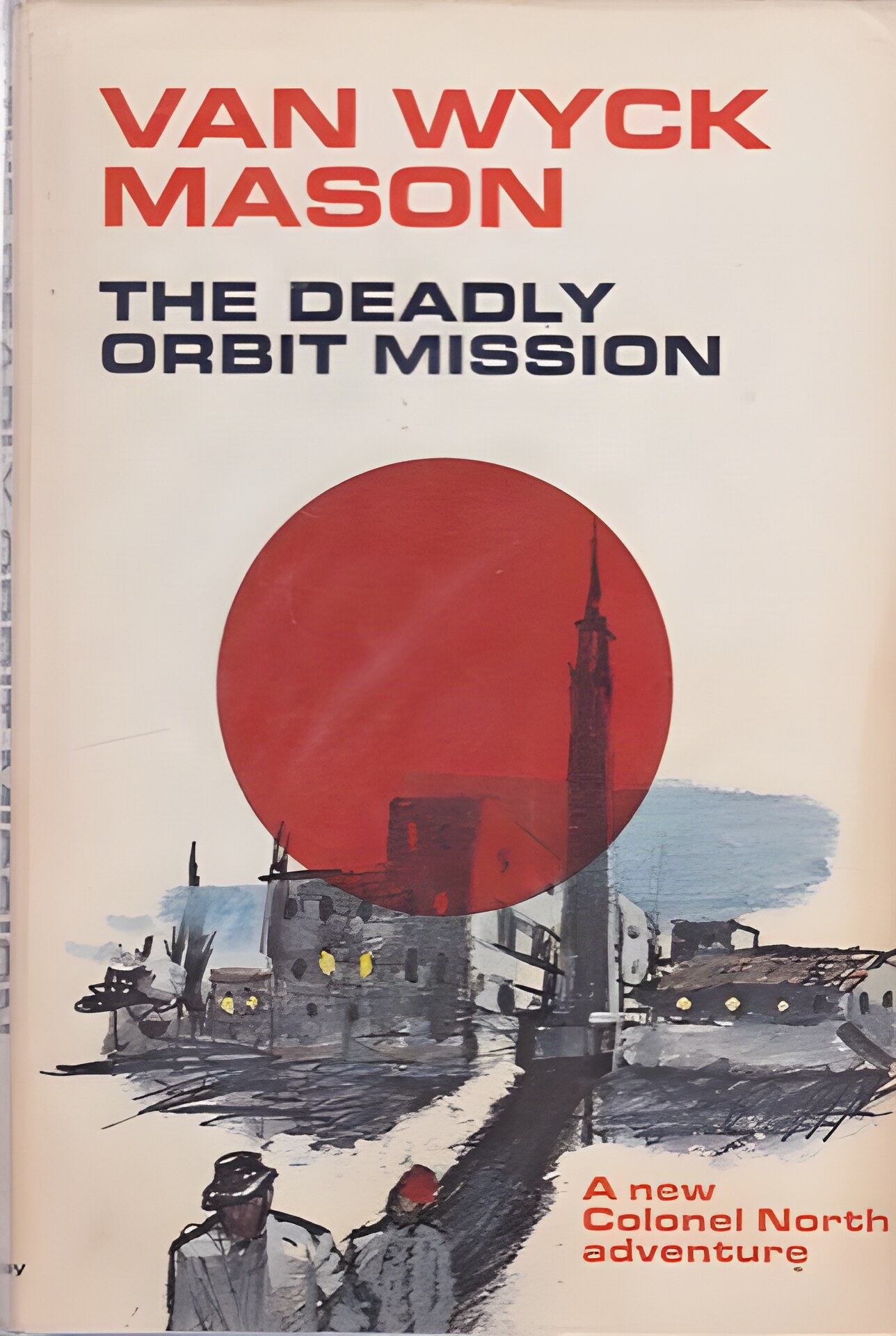
Hardcover. NY, Doubleday & Co., 1st, 1968, Book: Very Good, Dust Jacket: Very Good, Hardcover in a bright, unclipped dust jacket. The 29th and final book in Van Wyck Mason's long-running spy-thriller series featuring G-2's Colonel Hugh North, this time trying to secure a vital communications link in Tangiers on the "hot line" connecting Russia and the U.S. until a maverick, erratic sputnik with an illegal H-bomb warhead can be brought under control. Clean copy.
Hardcover. NY, WW Norton, 1wst, 2014, Book: Very Good, Dust Jacket: Very Good, Hardcover in a bright, unclipped dust jacket. A landmark collection, spanning ninety years of U.S. history, of the never-before-published diaries of George F. Kennan, America's most famous diplomat. Through it all, Kennan kept a diary. Spanning a staggering eighty-eight years and totaling over 8,000 pages, his journals brim with keen political and moral insights, philosophical ruminations, poetry, and vivid descriptions. In these pages, we see Kennan rambling through 1920s Europe as a college student, despairing for capitalism in the midst of the Depression, agonizing over the dilemmas of sex and marriage, becoming enchanted and then horrified by Soviet Russia, and developing into America's foremost Soviet analyst. But it is the second half of this near-century-long record--the blossoming of Kennan the gifted author, wise counselor, and biting critic of the Vietnam and Iraq wars--that showcases this remarkable man at the height of his singular analytic and expressive powers, before giving way, heartbreakingly, to some of his most human moments, as his energy, memory, and finally his ability to write fade away.
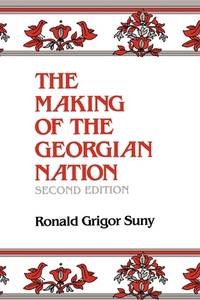
Softcover. Bloomington IN, Indiana University Press, 2nd Ed., 1994, Book: Very Good, Dust Jacket: None, Softcover, 418 pages. Like the other republics floating free after the demise of the Soviet empire, the independent republic of Georgia is reinventing its past, recovering what had been forgotten or distorted during the long years of Russian and Soviet rule. Whether Georgia can successfully be transformed from a society rent by conflict into a pluralistic democratic nation will depend on Georgians rethinking their history. This is the first comprehensive treatment of Georgian history, from the ethnogenesis of the Georgians in the first millennium B.C., through the period of Russian and Soviet rule in the nineteenth and twentieth centuries, to the emergence of an independent republic in 1991, the ethnic and civil warfare that has ensued, and perspectives for Georgia's future.
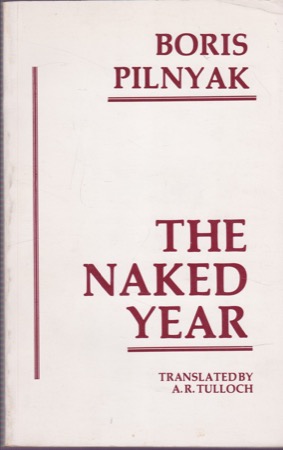
Softcover. Ann Arbor MI, Ardis, 1st US, 1975, Book: Very Good, Dust Jacket: None, Softcover, 204 pages. Translated by A.R. Tulloch. The novel 'The Naked Year' (1921) brought Pilnyak immediate fame. It contains a graphic description of the worst year of the Russian Civil War. Clean copy.

 "Peasant Russia Civil War: The Volga Countryside in Revolution 1917-1921by: Figes, Orlando")

 "Power of Pictures, The: Early Soviet Photography, Early Soviet Filmby: Goodman, Susan Tumarkin")
 "Power to the People: Early Soviet Propaganda Posters in The Israel Museum, Jerusalemby: Ward, Alex")
 "Pretenders and Popular Monarchism in Early Modern Russia - The False Tsars of the Time of Troublesby: Perrie, Maureen")


 "Roman Vishniac: Children of a Vanished Worldby: Mara Vishniac Kohn/Roman Vishniac")
 "Shadows of War: A German Soldier's Lost Photographs of World War IIby: Petra Bopp, Willi Rose , et al.")
 "Six Months in 1945: FDR, Stalin, Churchill, and Truman--from World War to Cold Warby: Michael Dobbs")
 "Stalingrad: City on Fireby: Isaev, Alexey")
 "Sunderby: Haley, Bruce")
 "Sunderby: Haley, Bruce")
 "The Constitution of Knowledge: A Defense of Truthby: Jonathan Rauch")
 "The Kennan Diariesby: George F Kennan and Frank Costigliola")