Hardcover. Chicago, Art Institute of Chicago, 1st, 2017, Book: Very Good, Hardcover,324 pages. Published on the centenary of the Russian Revolution, this landmark book gathers information from the forefront of current research in early Soviet art, providing a new understanding of where art was presented, who saw it, and how the images incorporated and conveyed Soviet values. More than 350 works are grouped into areas of critical importance for the production, reception, and circulation of early Soviet art: battlegrounds, schools, the press, theaters, homes and storefronts, factories, festivals, and exhibitions. Paintings by El Lissitzky and Liubov Popova are joined by sculptures, costumes and textiles, decorative arts, architectural models, books, magazines, films, and more. Also included are rare and important artifacts, among them a selection of illustrated children's notes by Joseph Stalin's daughter, Svetlana Allilueva, as well as reproductions of key exhibition spaces such as the legendary Obmokhu (Constructivist) exhibition in 1921; Aleksandr Rodchenko's 'Workers' Club in 1925; and a Radio-Orator kiosk for live, projected, and printed propaganda designed by Gustav Klutsis in 1922. Bountifully illustrated, this book offers an unprecedented, cross-disciplinary analysis of two momentous decades of Soviet visual culture.
Hardcover. Stanford CA, Stanford University Press, 1st, 1992, Book: Good, Dust Jacket: Very Good, Hardcover, 443 pages. This book contains UNDERLINING which is mainly confined to chapter 7. Otherwise a bright, tight copy in an unclipped dust jacket.
Hardcover. Amherst MA, University of Massachusetts Press, 1st, 1999, Book: Very Good, Dust Jacket: Very Good, Hardcover in a bright dust jacket, 334 pages, b&w illustrations. Relying on original historical materials, an illustrated biography traces the lives of an influential pair of American socialists--he a wealthy journalist-activist, she an aspiring novelist. When they fell in love amid the tumult of the 1905 Russian revolution, they believed they were destiny's match: William English Walling, a wealthy American journalist-activist from the Midwest, an Anna Strunsky, an aspiring novelist from San Francisco. Vowing to dedicate themselves to socialist ideals, they soon became celebrities who moved in an elite circle of writers, journalist, and reformers. ultimately, both their marriage and their political commitment faltered, but not before they had participated in some of the most urgent social causes of their day. Drawing on archival sources and family materials, James Boylan creates engaging portraits of two striking figures. He reveals the details of Strunsky's intesnse involvement with Jack London and their troubled literary collaboration. He describes the creation of Walling's "revolutionary news bureau" in Russia under scrutiny of the czarist police, and Strunsky's harrowing journey to report on a pogrom. He also recounts the couple's dash to cover a race riot in Illinois, Walling's pivotal role in creating the NAACP and the disasterous schism between Strunksky's pacifism and Walling's bellicosity during World War I. Clean copy.
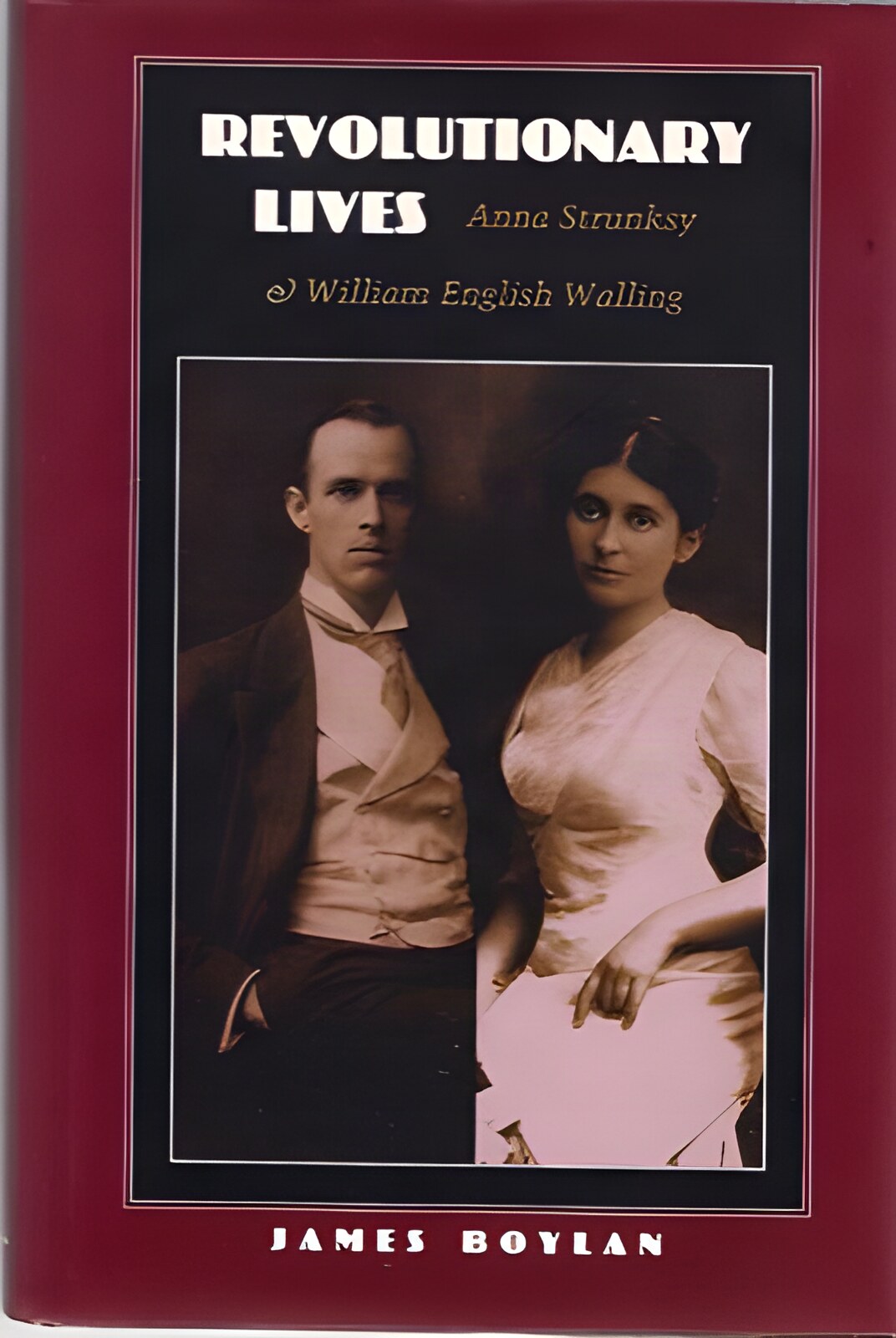
Hardcover. Milwaukee WI, Amadeus, 1st, 2016, Book: Very Good, Dust Jacket: Very Good, Hardcover in a bright dust jacket, 406 pages, illustrations. INSCRIBED by co-editor Malcolm Crocker. A rare, revealing look at the composer, written by his granddaughter Tatiana. Featuring a wealth of correspondence and photographs from his family's archives, this book provides new, fascinating details about the composer's life, work, and relations with close friends and colleagues, including Borodin, Mussorgsky, and Tchaikovsky. It also sheds new light on his wife, Nadezhda Purgold, an accomplished composer and pianist who helped her husband with his own compositions. Many letters involve Rimsky-Korsakov's other family members and important figures in art, history, literature, and music of the late 19th and early 20th centuries. Clean copy.
Hardcover. Toronto, Trafalgar Press, 1st, 1986 , Book: Very Good, Dust Jacket: Very Good, Hardcover in a bright "(Skillfully traces the causes of the Crimean War and sketches a vivid picture of an age which made possible 'the world's most curious and unneccesary struggle'. Troubetzkoy ingeniously weaves together the varied developments in diplomacy, trade, nationalistic expression and personality conflict in the decade which led to the hostilities. The armies of the belligerents are described (and the) reader is introduced to the principal personages of the drama - Napoleon III, Marshal St. Arnaud, Lord Raglan and the great Russian engineer, Todleben, who, apart from Florence Nightingale, was the only one to earn true distinction during the War. Vividly described are Nicholas I and the Russian Empire." Clean copy.
Hardcover. NY, Alfred A. Knopf, 1st, 1964, Book: Good, Dust Jacket: Very Good, Hardcover in a lightly worn, chipped dust jacket. A young English novelist's journey through the Soviet Union in the early sixties (author also wrote "The Loneliness of the Long-Distance Runner', "The General", and others. Name on front fly leaf otherwise clean copy.
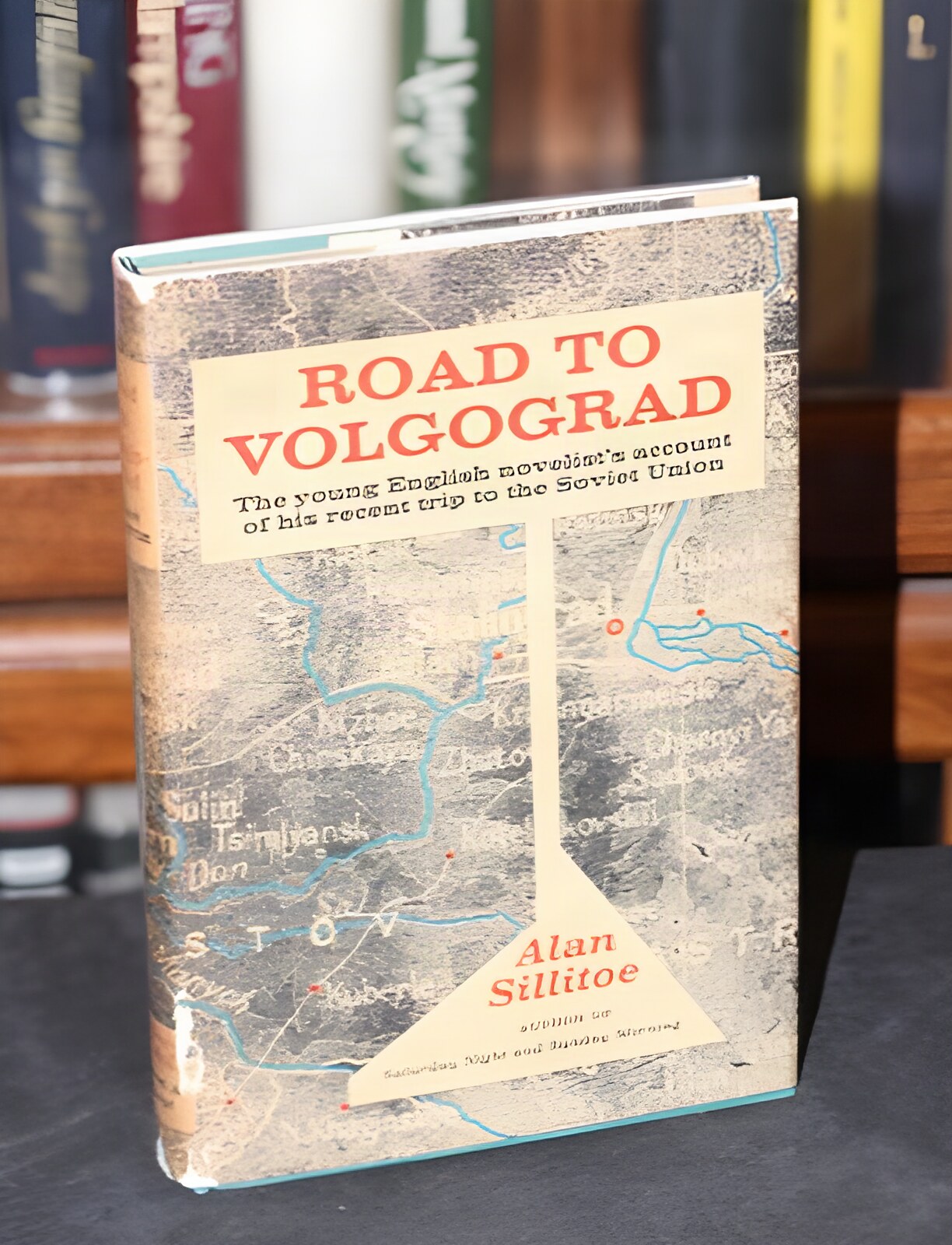
Hardcover. Pantheon, 1st, 1979, Book: Very Good, Dust Jacket: Very Good, Hardcover, 136 pages. Numerous black & white and sepia illustrations, a few in color. Details Rodchenko's art, photography and domestic design work in the context of a transformative period in Russian society.
Hardcover. Berkeley CA, University of California Press, 1st, 1999, Book: Very Good, Dust Jacket: Very Good, Hardcover, 156 pages. Between 1935 and 1938 the celebrated photographer Roman Vishniac explored the cities and villages of Eastern Europe, capturing life in the Jewish shtetlekh of Poland, Romania, Russia, and Hungary, communities that even then seemed threatened-not by destruction and extermination, which no one foresaw, but by change. Using a hidden camera and under difficult circumstances, Vishniac was able to take over sixteen thousand photographs; most were left with his father in a village in France for the duration of the war. With the publication of Children of a Vanished World, seventy of those photographs are available, thirty-six for the first time. The book is devoted to a subject Vishniac especially loved, and one whose mystery and spontaneity he captured with particular poignancy: children.
Hardcover. New York, Harper & Row, 1st, 1988, Book: Very Good, Dust Jacket: Very Good, Non-paginated. Hardcover in a bright dustjacket. Full color illustrations by Charles Mikolaycak. Clean, tight copy.
Hardcover. New York, Oxford University Press, 1st, 1990, Book: Very Good, Dust Jacket: Very Good, Hardcover, 239 pages. Minor edge wear to dust jacket. Else a very clean, tight copy. The dramatic events of the twentieth century have often led to the mass migration of intellectuals, professionals, writers, and artists. One of the first of these migrations occurred in the aftermath of the Russian Revolution, when more than a million Russians were forced into exile. With this book, Marc Raeff, one of the world's leading historians of Russia, offers the first comprehensive cultural history of the "Great Russian Emigration." He examines the social and institutional structure of the emigration and describes its rich cultural and intellectual life. He points out that what distinguishes this emigration from other such episodes in European history is the extent to which the emigres succeeded in reconstituting and preserving their cultural creativity in the West. The flourishing Russian communities of Paris, Berlin, Prague and Kharbin not only enriched Russian arts and letters, but also significantly influenced the culture of their Western hosts, and Raeff concludes with an assessment of their impact on the development of modern Western and Soviet culture.
Hardcover. NY, Henry Holt and Company, 1st, 1899, Book: Good, Dust Jacket: None, 411 pages. Hardcover. Previous owners name on inside front cover. Green cloth with gilt title and decoration. Front and rear hinges cracked. Missing front endpaper. Heavy foxing to preliminary pages up to contents page, and last 5 pages at end of book; including map. Front fold-out map at title page and rear most map both badly damaged. Foxing to edges. Moderate wear to covers. Clean, unmarked text.
Hardcover. Moscow, Sovietsky Khudozhnik, 1st, 1990, Book: Very Good, Dust Jacket: Very Good, 359 pages. Hardcover with dust jacket. Russian text only. Profusely illustrated in full color and black & whiite. A survey of Russia's brief Art Nouveau movement in architecture. Bright, clean copy in a similar dust jacket. In a plain cardboard slipcase.
Softcover. Lanham, MD, Rowman & Littlefield Publishers, Inc., 1st, 1998, Book: Very Good, Dust Jacket: None, 245 pages. Crisp, clean, illustrated wraps. From the back cover: "An astute observer of the soviet Union, Robert Daniels collects here his observations of political change in the USSR over a twenty-five-year period." Tight binding, clean & unmarked pages throughout.
Hardcover. New York, Harper & Brothers, 1st, 1887, Book: Very Good, Dust Jacket: None, Hardcover, 310 pages. Brown cloth, gilt lettering to spine. Light wear and rubbing to covers and edges of spine. Clean, tight copy.
Hardcover. Princeton NJ, Princeton University Press, 1st, 1993, Book: Very Good, Dust Jacket: Very Good, Hardcover in a bright dust jacket, 236 pages. INSCRIBED BY THE AUTHOR on the front fly leaf. In the three decades following Stalin's death, major underground Russian writers have subverted Soviet ideology by using parody to draw attention to its basis in utopian thought. Referring to utopian writing as diverse as Defoe's Robinson Crusoe, Dostoevsky's Notes from Underground, and Orwell's Animal Farm, they have tested notions of truth, reality, and representation. They have gone beyond their precursors by experimenting with the tensions between ludic and didactic art. Edith Clowes explores these "meta-utopian" narratives, which address a wide range of attitudes toward utopia, to expose the challenge that literary play poses to dogmatism and to elucidate the sense of renewal it can bring to social imagination. Using both structural analysis and reception theory, she introduces readers outside Russia to a fascinating body of literature that includes Aleksandr Zinoviev's The Yawning Heights, Abram Terts's Liubimov, Vladimir Voinovich's Moscow 2042, and Liudmila Petrushevskaia's "The New Robinsons."
Hardcover. London, VIVAYS, 1st, 2012, Book: Very Good, Dust Jacket: Very Good, 200 pages. Hardcover with dust jacket. Like new in publisher's shrink-wrap. "This volume, based on rarely seen Russian archives, traces the history of the silent film poster in Russia, starting with a poster designed by Paul Assaturov ("Stenka Razin", 1908) in the style of ancient naive Russian imagery to the latest advertise- ment for a silent movie by Yuri Pimenov from 1934. Full-page reproductions of 161 Russian silent film posters are presented here in chronological order - from the very beginning of the 20th century until the 1930s.
Softcover. Los Angeles, Rare Bird Books, 1st US, 2024, Book: Very Good, Dust Jacket: None, Softcover, 122 pages. Advance Readers Copy. 'A great Russian novel in the grand Russian tradition' - LE FIGARO. Years after the death of their beloved son, there is a knock at the door of Nikolai and Vera's apartment. Introducing himself simply as 'Sergeant Bertrand', the unknown visitor triggers a precipitous journey into the depths of the human soul. Hailed as an early masterpiece of post-Soviet literature, Russian Gothic is now available in English for the first time. Three decades after it was written, its complex portrait of grief, misogyny, violence and love is as fresh, shocking and relevant as ever. Aleksandr Skorobogatov was born in Grodno in what is now Belorussia. He is one of the most original Russophone writers of the post-communist era. Clean copy.
Hardcover. NY, Aperture, 1st, 1991, Book: Very Good, Dust Jacket: Very Good, Hardcover in a bright dust jacket. An acclaimed photographer's images and the words of Russia's foremost writers combine in an intimate record of the contemporary Russian experience: an intractable culture in the throes of irrevocable change. 30 color and 70 black-and-white photographs. This handsome photo album with Morath's own foreword and captions depicts a world to which many Russians in the grip of post-Soviet nostalgia long to return. Morath's Russia is devoid of Soviet excresence: no ugly concrete apartment blocks, Stalinist skyscrapers, or exhortative banners appear. Landscapes and street scenes are poetic and largely deserted. Sidetrips to Armenia, Georgia, Kyrgyzstan, Lithuania, and Uzbekistan are subsumed under "Russian culture." The people shown are mainly artists and intellectuals, and portraits of embattled dissident writers (Nadezhda Mandelstam and Joseph Brodsky) testify to the moral support Morath and her husband Arthur Miller offered them in the 1960s. The album includes fond letters from Mandelstam and poet Andrei Voznesensky, as well as Olga Andreyev Carlisle's reminiscence of her 1967 trip to the Soviet Union with Morath. Clean copy.
Hardcover. Russia, Aurora Art Publishers, 1st, 1991, Book: Very Good, Dust Jacket: Very Good, 199 pages. Hardcover with dust jacket. Some foxing to textblock edges. Otherwise a very clean, unmarked copy with some minor dust jacket wear. Black & white and color illustrations throughout. A tight copy.
Hardcover. New York, Basic Books , 1st, 1984, Book: Good, Dust Jacket: Good, 239 pages. Red cloth. Light edgewear to dust jacket with one small closed tear to front cover. Spine slightly slanted. Clean, tight copy.
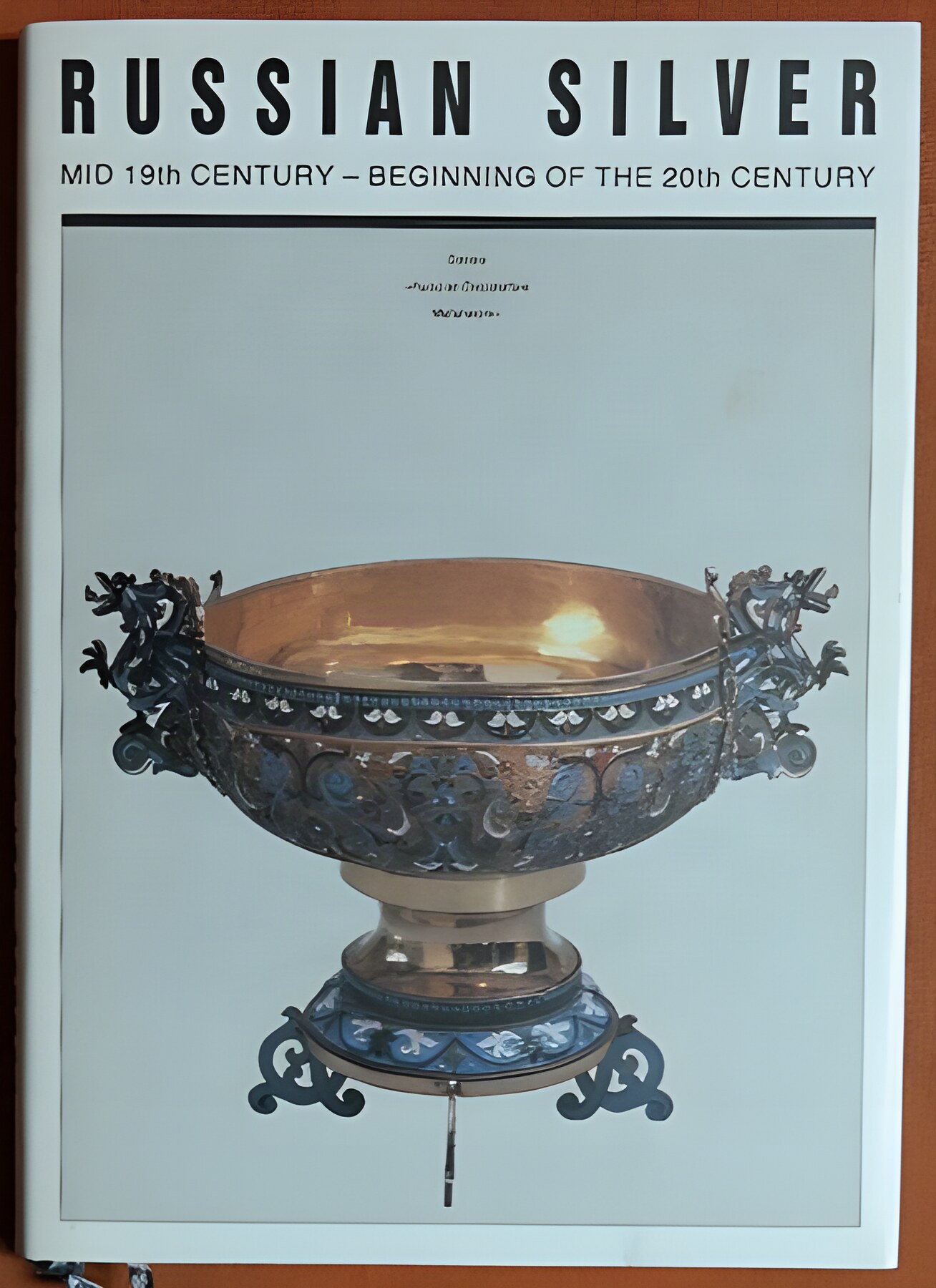
Hardcover. Moscow, Beresta, 1st, 1994, Book: Very Good, Dust Jacket: Very Good, Hardcover in a bright dust jacket, 171 pages, 122 illustrations in color. From the Russian Decorative Metalwork series. Text is in Russian and English. Silver gray cloth covered boards with blind and silver stamping to the spine and covers, and paper dustjacket. Clean copy.
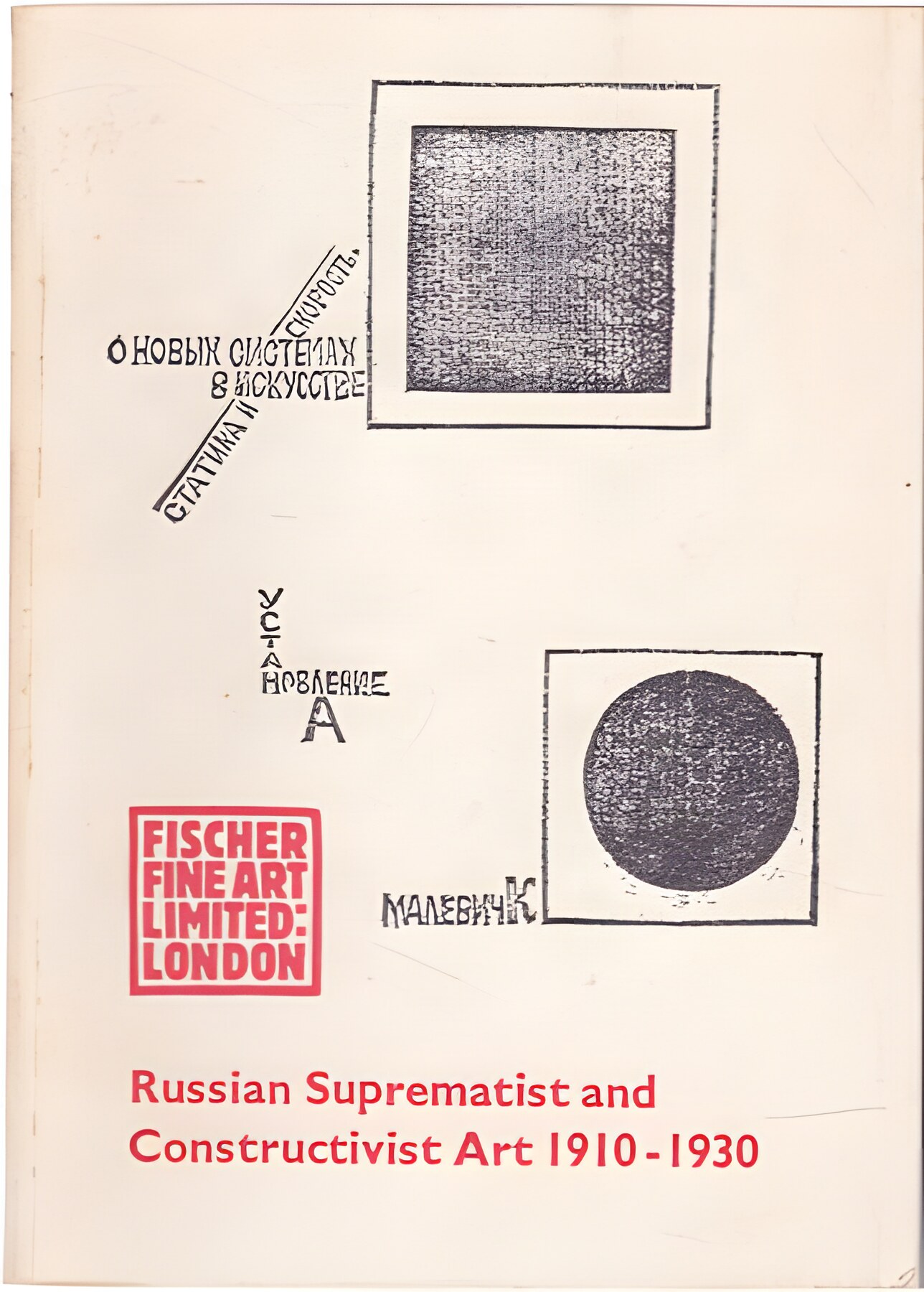
Softcover. London, Fischer Fine Art Limited, 1st, 1978, Book: Very Good, Dust Jacket: None, Small format softcover, 40 pages illustrated in b&w and color, one fold-out color plate. Clean copy.

 "Revoliutsiia! Demonstratsiia!: Soviet Art Put to the Testby: Matthew S. Witkovsky, Devin Fore, et al.")
 "Revolution of 1905 - Authority Restored, Theby: Ascher, Abraham")
 "Rimsky-Korsakov: Letters to His Family and Friends by: Tatiana Rimsky-Korsakov")

 "Rodchenko and the arts of revolutionary Russia by: Elliott, David")
 "Roman Vishniac: Children of a Vanished Worldby: Mara Vishniac Kohn/Roman Vishniac")
 "Rumor of Pavel and Paali, The: A Ukrainian Folktaleby: Kismaric, Carol/Charles Mikolaycak")
 "Russia Abroad: A Cultural History of the Russian Emigration, 1919-1939by: Raeff, Marc")
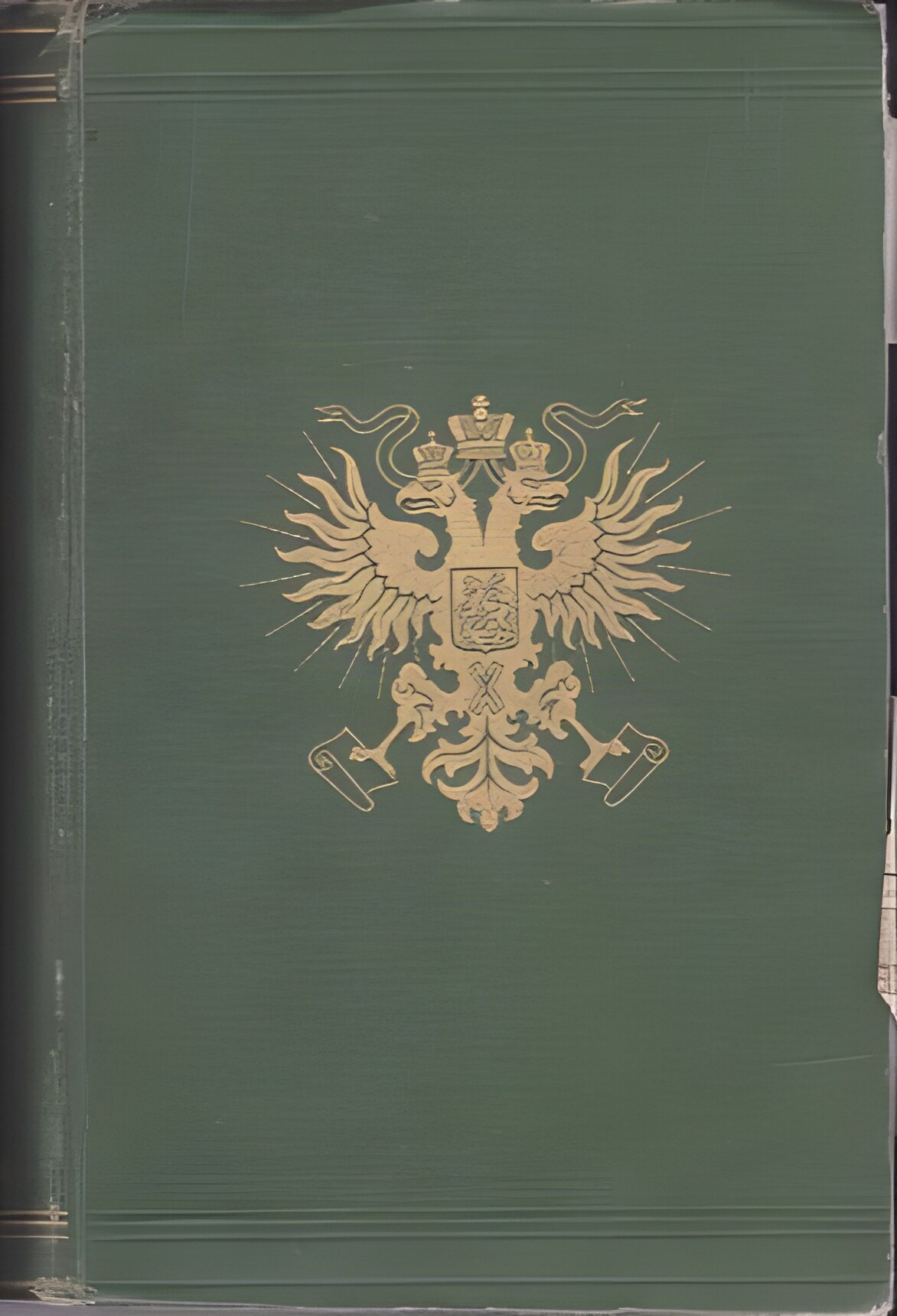
 "Russia's Art Nouveauby: Borisova, Elena and Grigory Sternin")
 "Russia's Transformation: Snapshots of a Crumbling Systemby: Daniels, Robert V.")
 "Russian and Soviet Collages : 1920s - 1990sby: Vasily Elkin/ et al")
 "Russian Church and Russian Dissent, The: Comprising Orthodoxy, Dissent, and Erratic Sectsby: Heard, Albert F.")
 "Russian Empire and Soviet Union - A Guide to Manuscripts and Archival Materials in the United States, Theby: Grant, Steven A./John H. Brown")
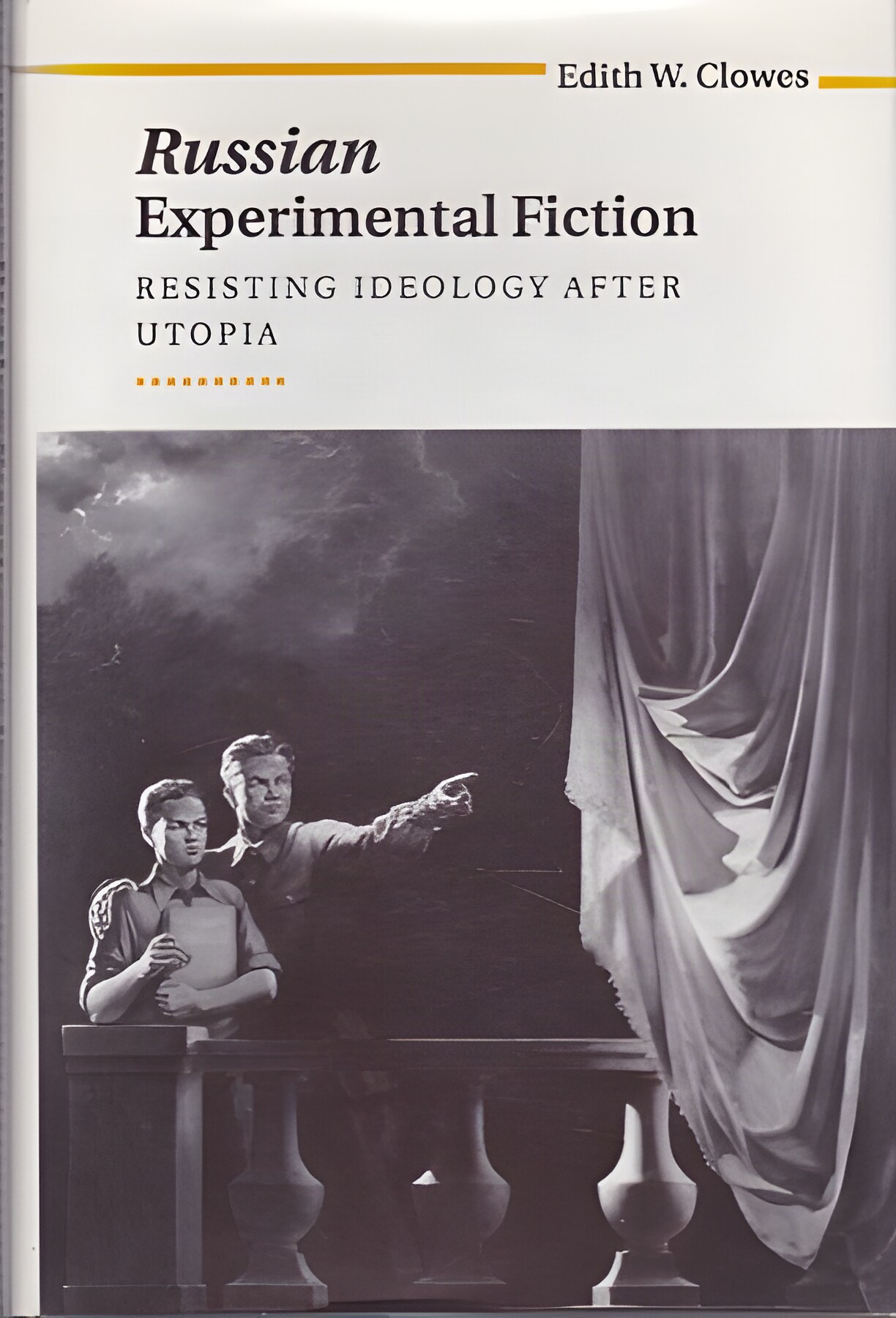
 "Russian Film Posters: 1900-1930by: Boerner, Maria-Christina")
 "Russian Gothic by: Aleksandr Skorobogatov")
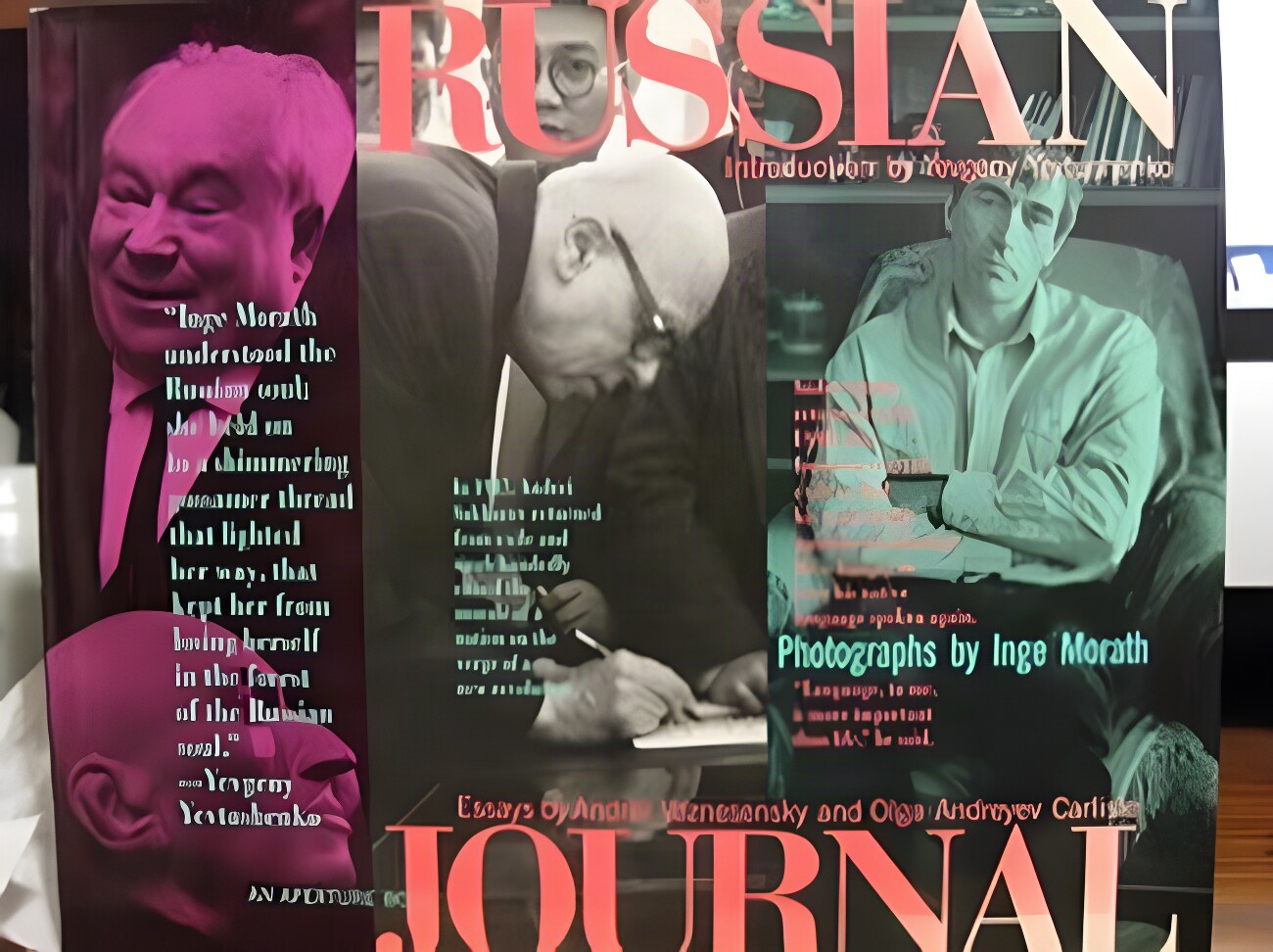
 "Russian Painted Shop Signs and Avant-Garde Artistsby: Povelikhina, A. V")
 "Russian Revolutions of 1917: The Origins of Modern Communismby: Schapiro, Leonard")