Softcover. Emeryville CA, Seal Press, 1st pbk, 2006, Softcover, 549 pages, b&w illustrations. Set amidst the political upheaval of the McCarthy trials, the Vietnam War, and the rise of the women's movement, Intimate Politics is a courageous and uncompromising account of one woman's personal and political transformation, and a fascinating portrayal of a key chapter in our nation's history. At eight years old, Bettina Aptheker watched her family's politics play out in countless living rooms across the country when her father, historian and U.S. Communist Party leader Herbert Aptheker, testified on television in front of the House on Un-American Activities Committee in 1953. Born into one of the most influential U.S. Communist families whose friends included W. E. B. Du Bois, Paul Robeson, and Elizabeth Gurley Flynn, Bettina lived her parents' politics witnessing first-hand one of the most dramatic upheavals in American history. She also lived with a terrible secret: incest at the hands of her famous father and a frightening and lonely life lived inside a home wrought with family tensions. Light marking to ten pages, otherwise a clean, bright copy.
Softcover. Baltimore, Johns Hopkins University, 1st, 1998, Book: Very Good, Dust Jacket: None, Softcover, 327 pages, b&w illustrations. At least three of director Jacques Tourneur's films--Cat People, I Walked with a Zombie and The Leopard Man--are recognized as horror classics. Yet his contributions to these films are often minimized by scholars, with most of the credit going to the films' producer, Val Lewton. A detailed examination of the director's full body of work reveals that those elements most evident in the Tourneur-Lewton collaborations--the lack of monsters and the stylized use of suggested violence--are equally apparent in Tourneur's films before and after his work with Lewton. Mystery and sensuality were hallmarks of his style, and he possessed a highly artistic visual and aural style. This insightful critical study examines each of Tourneur's films, as well as his extensive work on MGM shorts (1936-1942) and in television. What emerges is evidence of a highly coherent directorial style that runs throughout Tourneur's works. Clean copy.
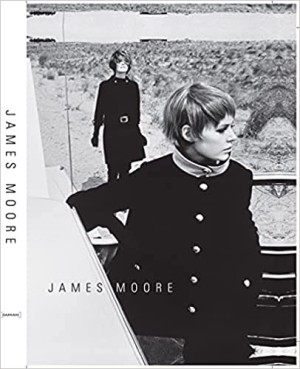
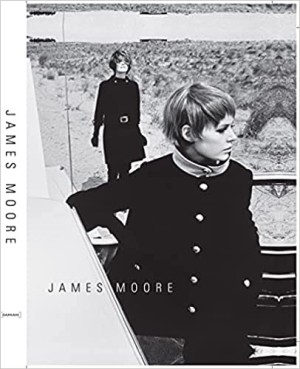
Bologna, Damiani, 1st, 2017, Book: Very Good, Dust Jacket: None, Hardcover, 280 pages. American fashion photographer James Moore (1936-2006) was an influential voice in mid-20th-century fashion photography, working for Harper's Bazaar during its 1960s heyday under the leadership of legendary editor Carmel Snow. Shooting languid mod gamines and luxe bohemians in arresting, often surreal or cinematic compositions, Moore helped shape the visual vocabulary of '60s fashion alongside better-known colleagues such as art director Alexey Brodovitch (under whom Moore studied). Moore also directed television commercials and contributed photographs to European magazines in the 1980s and 1990s, and taught photography at the School of Visual Arts, New York, and the Rochester Institute of Technology. Every Moore photograph is an intricate exploration of space and beauty, with an attention to detail that betrays the photographer's peerless eye. Something of a "photographer's photographer," Moore influenced the next generation of great fashion photographers but has been somewhat neglected in histories of 1960s fashion and culture--until now. James Moore: Photographs 1962-2006 collects a half century of extraordinary photographs by Moore, the first time his work has been collected in a single monograph. Including texts from the leading editors, models, photographers and designers of the day, this volume takes stock of James Moore's astounding career and an extraordinary cultural moment.
Bologna, Damiani, 1st, 2017, Book: Very Good, Dust Jacket: None, Hardcover, 280 pages. American fashion photographer James Moore (1936-2006) was an influential voice in mid-20th-century fashion photography, working for Harper's Bazaar during its 1960s heyday under the leadership of legendary editor Carmel Snow. Shooting languid mod gamines and luxe bohemians in arresting, often surreal or cinematic compositions, Moore helped shape the visual vocabulary of '60s fashion alongside better-known colleagues such as art director Alexey Brodovitch (under whom Moore studied). Moore also directed television commercials and contributed photographs to European magazines in the 1980s and 1990s, and taught photography at the School of Visual Arts, New York, and the Rochester Institute of Technology. Every Moore photograph is an intricate exploration of space and beauty, with an attention to detail that betrays the photographer's peerless eye. Something of a "photographer's photographer," Moore influenced the next generation of great fashion photographers but has been somewhat neglected in histories of 1960s fashion and culture--until now. James Moore: Photographs 1962-2006 collects a half century of extraordinary photographs by Moore, the first time his work has been collected in a single monograph. Including texts from the leading editors, models, photographers and designers of the day, this volume takes stock of James Moore's astounding career and an extraordinary cultural moment.
Hardcover. OH, Kent State University Press, 1st, 2004, Book: Very Good, Dust Jacket: Very Good, Hardcover, 96 pages. "In 1941 Frank Kessler, a young accountant in Canton, Ohio, was drafted, assigned to an Army Signal Corps unit, and went away to photograph the war in Europe. In 1945, home again with his wife and children, he stored hundreds of those images of blood and battle in his attic. There they stayed until after his death. "Then Lee Kessler, Frank's estranged younger brother, sorted through boxes seeking to better know a brother he'd never known very well. A flier who had been shot down and held in a German POW camp, Lee saw Frank's photographs as images of a different side of war, one he never experienced. He was moved by what he saw and recognized their importance. He preserved them for all of us, carefully ordering them into albums and typing the information Frank had written on the backs of the photos. "When I saw Frank Kessler's photographs I was struck by how different they were from the movie-camera views I see on television. No public relations pictures here, intended to glorify battle and rally support. These were up-close snapshots of the dirty, damp, and disheveled men in the rifle companies and tank units. It was the war as they endured it, as they struggled through it from the beaches of France to the streets of Berlin until they finally won it."
Softcover. Tokyo, Fuji Television Gallery, 1st, 1982, Book: Good, Dust Jacket: None, Softcover, staple-bound, 24 pages; in English and Japanese. Illustrated in b&w. Crease to top corner/pages of catalog, otherwise clean.
Hardcover. NY, Henry Holt, 1st, 2019, Book: Very Good, Dust Jacket: Very Good, Hardcover in a bright, unclipped dust jacket. An up close and personal portrait of a legendary filmmaker, theater director, and comedian, drawing on candid conversations with his closest friends in show business and the arts-from Dustin Hoffman and Meryl Streep to Natalie Portman and Lorne Michaels. The work of Mike Nichols pervades American cultural consciousness-from The Graduate and Who's Afraid of Virginia Woolf? to Angels in America, The Birdcage, Working Girl, and Primary Colors, not to mention his string of hit plays, including Barefoot in the Park and The Odd Couple. If that weren't enough, he was also one half of the timelessly funny duo Nichols & May, as well as a founding member of the original improv troupe. Over a career that spanned half a century, Mike Nichols changed Hollywood, Broadway, and comedy forever. Most fans, however, know very little of the person behind it all. Since he never wrote his memoirs, and seldom appeared on television, they have very little sense of his searching intellect or his devastating wit. They don't know that Nichols, the great American director, was born Mikail Igor Peschkowsky, in Berlin, and came to this country, speaking no English, to escape the Nazis. They don't know that Nichols was at one time a solitary psychology student, or that a childhood illness caused permanent, life-altering side effects. They don't know that he withdrew into a debilitating depression before he "finally got it right," in his words, by marrying Diane Sawyer. Remainder dot to bottom edge otherwise clean.
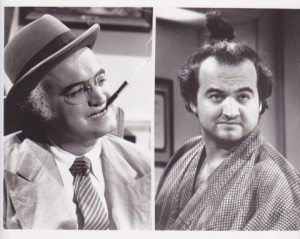
Hardcover. Boston, Little, Brown & Company, First Edition, 2002, Book: Very Good, Dust Jacket: Very Good, 594 pages. Hardcover. Black & white illustrations throughout. Dust jacket with light marginal wear. Features behind the scenes gossip & interviews with a wide variety of stars, writers & guests, too numerous to detail here. Clean, unmarked copy.
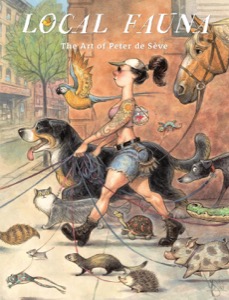
Hardcover. NY, Abrams, 1st, 2023, Book: Very Good, Dust Jacket: None, Hardcover in pictorial boards. Featuring beloved New Yorker covers, iconic animated characters, and more, Local Fauna is the definitive monograph by award-winning illustrator and character designer Peter de Seve. His work spans four decades and various media, from magazines, books, and television commercials, to Broadway posters and character designs for animated feature films. He is perhaps best recognized for his many covers for The New Yorker magazine and his character designs for the blockbuster Ice Age franchise (Scrat is a veritable international celebrity). De Seve has also contributed to such films as Finding Nemo, Robots, The Little Prince, and The Grinch, to name only a few. Local Fauna showcases de Seve's most iconic illustrations and designs alongside a plentiful selection of sketches and personal work that have become fan favorites across social media. This monograph opens a doorway into his visual universe, and it includes behind-the-scenes insight into his process, from a character or cover's first conception to the final product. Local Fauna also includes an introduction by writer, illustrator, and character designer Carter Goodrich and an in-depth interview with Bill Watterson, the legendary creator of Calvin & Hobbes, as well as essays by The New Yorker art director Francoise Mouly; Academy Award winning director and animator Glen Keane; comic artist and creator of Hellboy, Mike Mignola; and New York Times bestselling picture book author Randall de Seve.
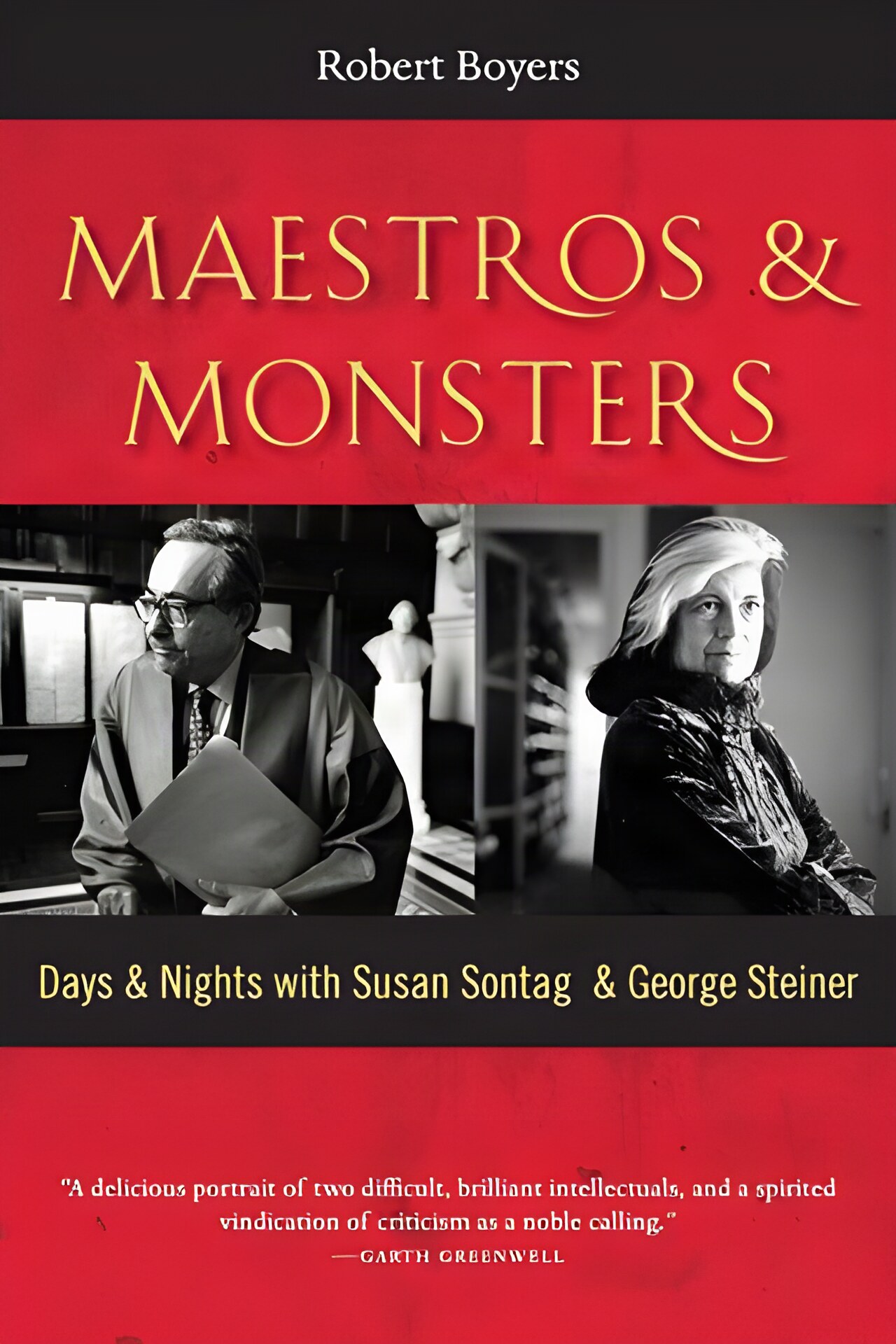
Softcover. Simsbury CT, Mandel Vilar Press, 1st, 2023, Book: Very Good, Dust Jacket: None, Softcover, 221 pages plus 16 pages of photos. This is a memoiristic book and a dual portrait, built around intense friendships with two leading public intellectuals who achieved celebrity status--Susan Sontag on a global scale, George Steiner principally in Europe, though also for a time in the US. For audiences at Woody Allen movies Sontag was the prime embodiment of the term "intellectual," whose famous 1965 essay "Notes on Camp" won her an enormous following. For viewers of French, German and British television over decades Steiner was the primary interview show talking head, igniting controversy on many fronts, while also commanding a loyal audience for thirty years as a book critic at The New Yorker. Maestros & Monsters is the work of a well-known public intellectual who was close to Sontag and Steiner over a half century, and who managed to bring them together on several occasions--the only times they ever met. Those encounters are among the most bizarre episodes in this narrative, which also features extended encounters with such literary figures as Arthur Koestler, Edward Said, Phillip Rieff, James Wood and others. Advance Reader's Copy. Clean.
Hardcover. New Brunswick NJ, Rutgers University Press,, 1st, 1997, Book: Very Good, Dust Jacket: Very Good, Hardcover, 243 pages, b&w photos. In a bright dust jacket. A much needed biography of the father of quality, live theatrical productions for television in the "golden age of television" in the 1950s is finally here. Fred Coe won multiple awards during his career, including the Emmy and Tony awards, among many others.
Softcover. NY, Random House, 1st US, 1986, Book: Very Good, Dust Jacket: None, Softcover, unpaginated. Color throughout. Max Headroom, as you may remember, is the hipper alter ego of Edison Carter (Matt Frewer) and his adventures in the future. Carter is a top notch tv reporter, the lovely Theora Ward, the controller, is played by the lovely Amanda Pays. The show gives you a dark smoky view of the future - and this book, the starting movie of the series, replicates that look It has the script from the movie, as well as action shots. Clean, bright copy.
Hardcover. NY, Taschen, reprint, 2023, Book: Very Good, Dust Jacket: None, Hardcover, pictorial boards, 190 pages. A smaller edition of the book published in 2019. Rewind back to the midcentury, before the age of Instagram and Snapchat, where people were using 35mm cameras loaded with color film to document both monumental and mundane moments in their lives. They took pictures of their loved ones, their vacations, their celebrations. They memorialized the births of babies; a child in a cowboy outfit; a new color television set; sightseeing in National Parks; fishing trips; lazing on the beach; weddings; office parties; family reunions; holding hands, kissing and dancing. Imagining these lives and the possible stories that lie behind the images is what makes The Anonymous Project such a compelling journey into our past. Clean copy.
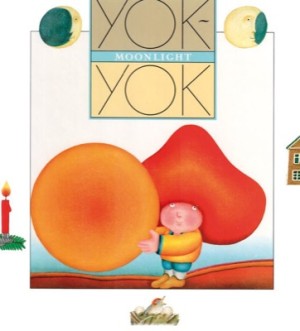
Hardcover. Mankato MN, Creative Education, 1st, 1993, Book: Very Good, Dust Jacket: None, Hardcover, pictorial glossy boards, 32 pages illustrated in color by Delessert. Includes four brief stories, each accompanied by a factual segment. Yok-Yok is a little boy and is based on a series of animated films created for television, Switzerland. Clean, bright copy.
NY, St. Martins, 1st, 2000, Book: Very Good, Dust Jacket: Very Good, Hardcover, black & white illustrations. 442 pages. The story of the popular Rocky and Bullwinkle show. The legendary Jay Ward and Bill Scott produced the gleeful wonder and cumulative joy that transcended the crude drawings and occasionally muddy sound. Jay Ward was the magnificent visionary, the outrageous showman, while Bill Scott was the genial, brilliant head writer, coproducer, and all-purpose creative whirlwind. With exclusive interviews, original scripts, artwork, story notes, letters and memos, Keith Scott has written the definitive history of Jay Ward Productions.
Hardcover. New York, Pantheon, 1st, 2001, Book: Very Good, Dust Jacket: Very Good, Hardcover in a bright dust jacket, 368 pages. SIGNED BY AUTHOR ON TITLE PAGE. Upper right corner of page 325 wrinkled - approx. 3". Clean, tight copy. In this rich, compulsively readable saga about the brave early years of television, "morning" means several things. It is the name of the first-ever morning show, pioneered by a visionary who believed television could reflect the lives of ordinary Americans; it refers to the 1950s, a time of innovation and energy in the vibrant New York City where much of the novel takes place; and finally, it suggests the dawning of a new relationship between a long-estranged father and son who must meet the new century with their fates intertwined.
Softcover. NY, Farrar, Straus and Giroux, pbk proof, 1999, Book: Very Good, Dust Jacket: None, Softcover, 420 pages. Publishers uncorrected proof with flyer promoting the title laid in. The first major biography of the great jazz pianist and singer, written with the full cooperation of his family. When he died in 1965, at age forty-five, Nat King Cole was already a musical legend. As famous as Frank Sinatra, he had sold more records than anyone but Bing Crosby. Written with the narrative pacing of a novel, this absorbing biography traces Cole's rise to fame, from boy-wonder jazz genius to megastar in a racist society. Daniel Mark Epstein brings Cole and his times to vivid life: his precocious entrance onto the vibrant jazz scene of his hometown, Chicago; the creation of his trio and their rise to fame; the crossover success of such songs as "Straighten Up and Fly Right"; and his years as a pop singer and television star, the first African American to have his own show. Epstein examines Cole's insistence on changing society through his art rather than political activism, the romantic love story of Cole and Maria Ellington, and Cole's famous and influential image of calm, poise, and elegance, which concealed the personal turmoil and anxiety that undermined his health.
Globe Pequot Press , 1ST, 1987, Book: Very Good, Dust Jacket: Very Good, Hardcover in a bright, price-clipped dust jacket. INSCRIBED BY AUTHOR on the front fly leaf. In a series of colorful vignettes, a veteran newspaperman recreates a madcap era during which more than a dozen newspapers lived and died in 'the Row' on Boston's Washington Street. This is a story of fierce circulation competition and the often-outrageous journalism it inspired. Clean copy.
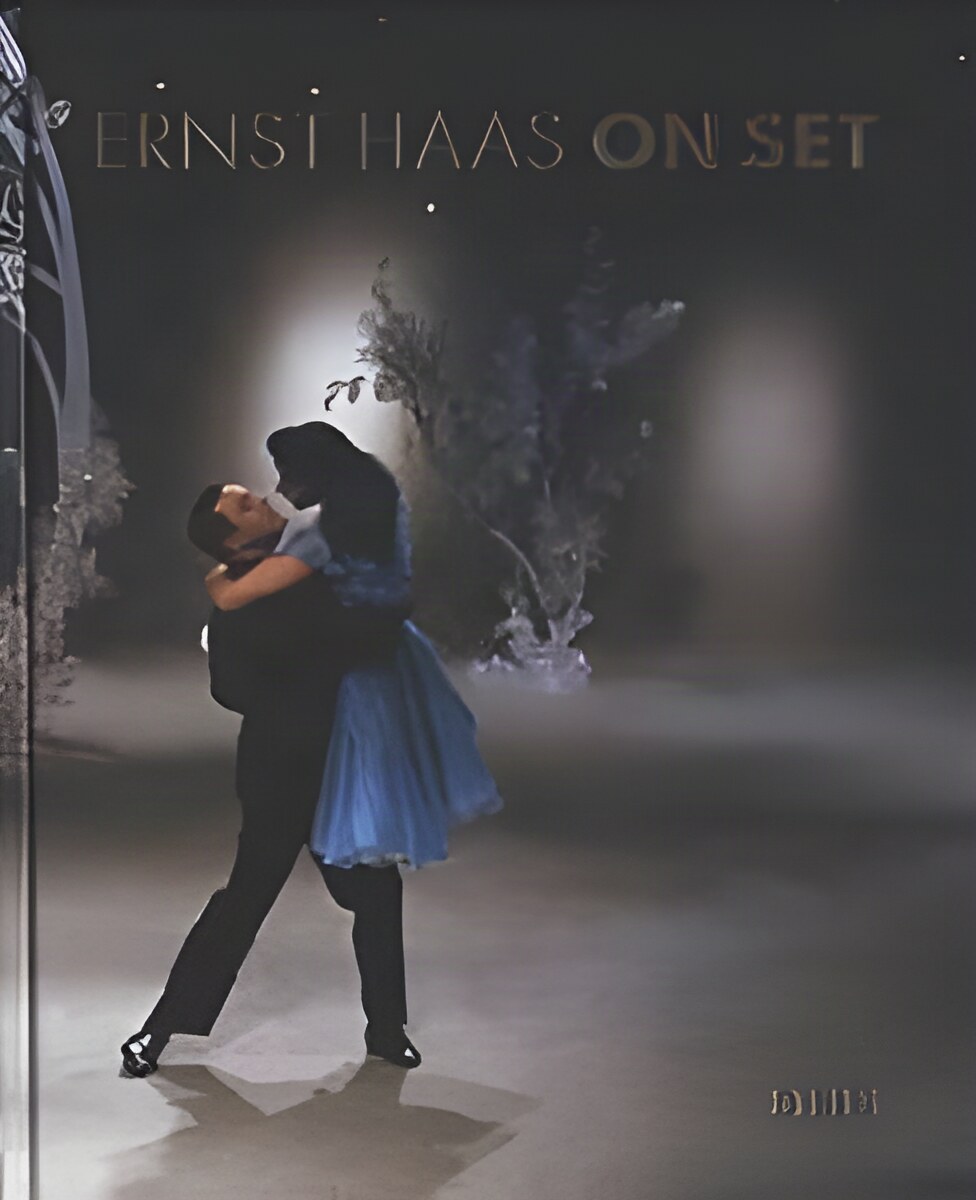
Hardcover. Canada, Steidl, 1st, 2013, Book: Very Good, Dust Jacket: None, Hardcover without dust jacket. Like new in publisher's shrink-wrap. This book considers the film stills of Ernst Haas (1921-86), one of the most accomplished photographers of the 20th century, transgressing the borders between still photography and the moving image. Haas worked with a variety of eminent directors--from Vittorio de Sica to John Huston, Gene Kelly and Michael Cimino--and depicted cinema genres from suspense (The Third Man, The Train) to the Western (The Oregon Trail, Little Big Man), and from comedy (Miracle in Milan, Love and Death) to musicals (West Side Story, Hello Dolly). Haas inscribed a temporal, filmic dimension into his stills which, when viewed in a sequence, generate movement and narrative. So accomplished was his mastery of color, light and motion that Haas was frequently asked to photograph large group actions--from the battle scenes of The Charge of the Light Brigade and the dances of West Side Story to the ski slopes of Downhill Racer. On Set elucidates a novel perspective on the sets and the stars Haas photographed, and reveals a little-known but crucial dimension of his oeuvre.
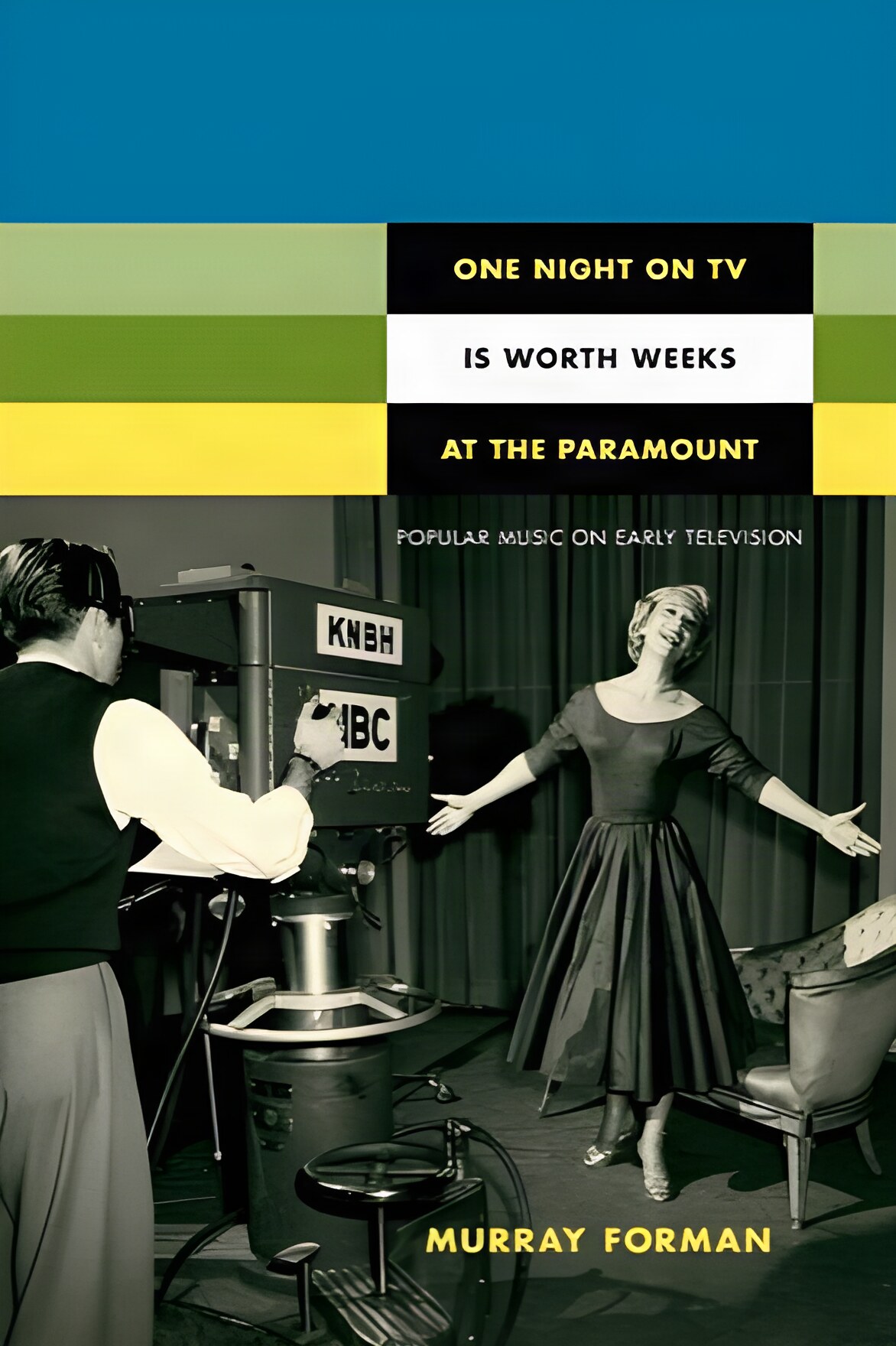
Softcover. Duke University Press, 1st, 2012, Book: Very Good, Dust Jacket: None, Softcover, 424 pages, 29 illustrations. Elvis Presley's television debut in January 1956 is often cited as the moment when popular music and television came together. Murray Forman challenges that contention, revealing popular music as crucial to television years before Presley's sensational small-screen performances. Drawing on trade and popular journalism, internal television and music industry documents, and records of audience feedback, Forman provides a detailed history of the incorporation of musical performances into TV programming during the medium's formative years, from 1948 to 1955. He examines how executives in the music and television industries understood and responded to the convergence of the two media; how celebrity musicians such as Vaughn Monroe, Frank Sinatra, and Fred Waring struggled to adjust to television; and how relative unknowns with an intuitive feel for the medium were sometimes catapulted to stardom. Forman argues that early television production influenced the aesthetics of musical performance in the 1940s and 1950s, particularly those of emerging musical styles such as rock and roll. At the same time, popular music helped to shape the nascent medium of television--its technologies, program formats, and industry structures. Popular music performances were essential to the allure and success of TV in its early years. Like new in publisher's shrinkwrap.
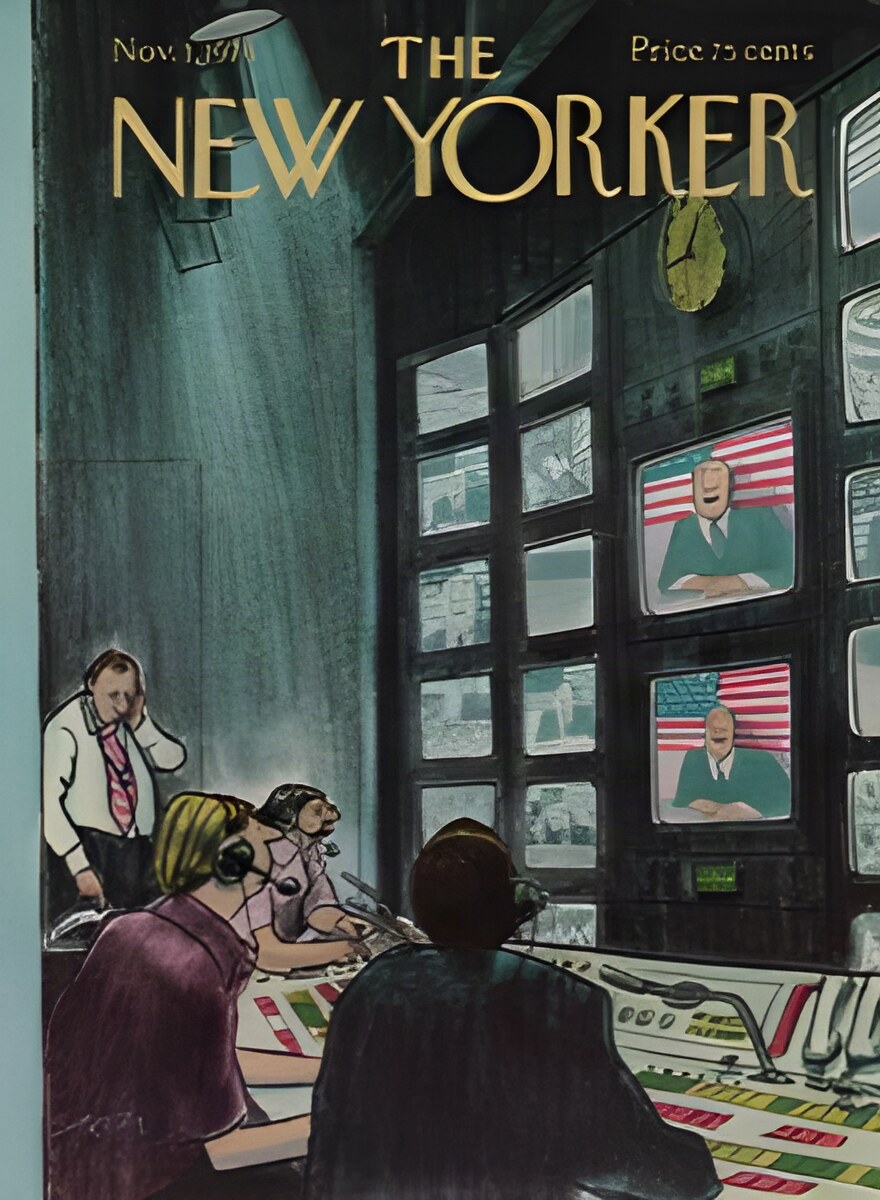
Television broadcast control room, cartoon art by Charles Saxon. 9 x 11", very good. PLEASE NOTE: The image shown is a scan of the actual product you are purchasing. What you see is what you get. The sheet may have some imperfections beyond the cropped area shown. You are buying THIS PAGE ONLY- not the entire magazine. Your order will be placed carefully between stiff paper and an acetate overlay, then packed in a rigid cardboard sleeve to prevent bending.
1970, Book: Very Good, Color cartoon of couple watching TV in a house shaped like a television. 8 3/4 X 12", very good. PLEASE NOTE: The image shown is a scan of the actual product you are purchasing. What you see is what you get. The sheet may have some imperfections beyond the cropped area shown. You are buying THE COVER ONLY- not the entire magazine. Your order will be placed carefully between stiff paper in clear plastic envelope, then packed in a rigid cardboard sleeve to prevent bending.








 "Live From New York - An Uncensored History of Saturday Night Liveby: Shales, Tom/James Andrew Miller")
 "Man in the Shadows, The: Fred Coe and the Golden Age of Televisionby: Krampner, Jon")


 "Midcentury Memories: The Anonymous Project by: Shulman, Lee (Ed.)")

 "Morning (SIGNED COPY)by: Wetherell, W. D.")