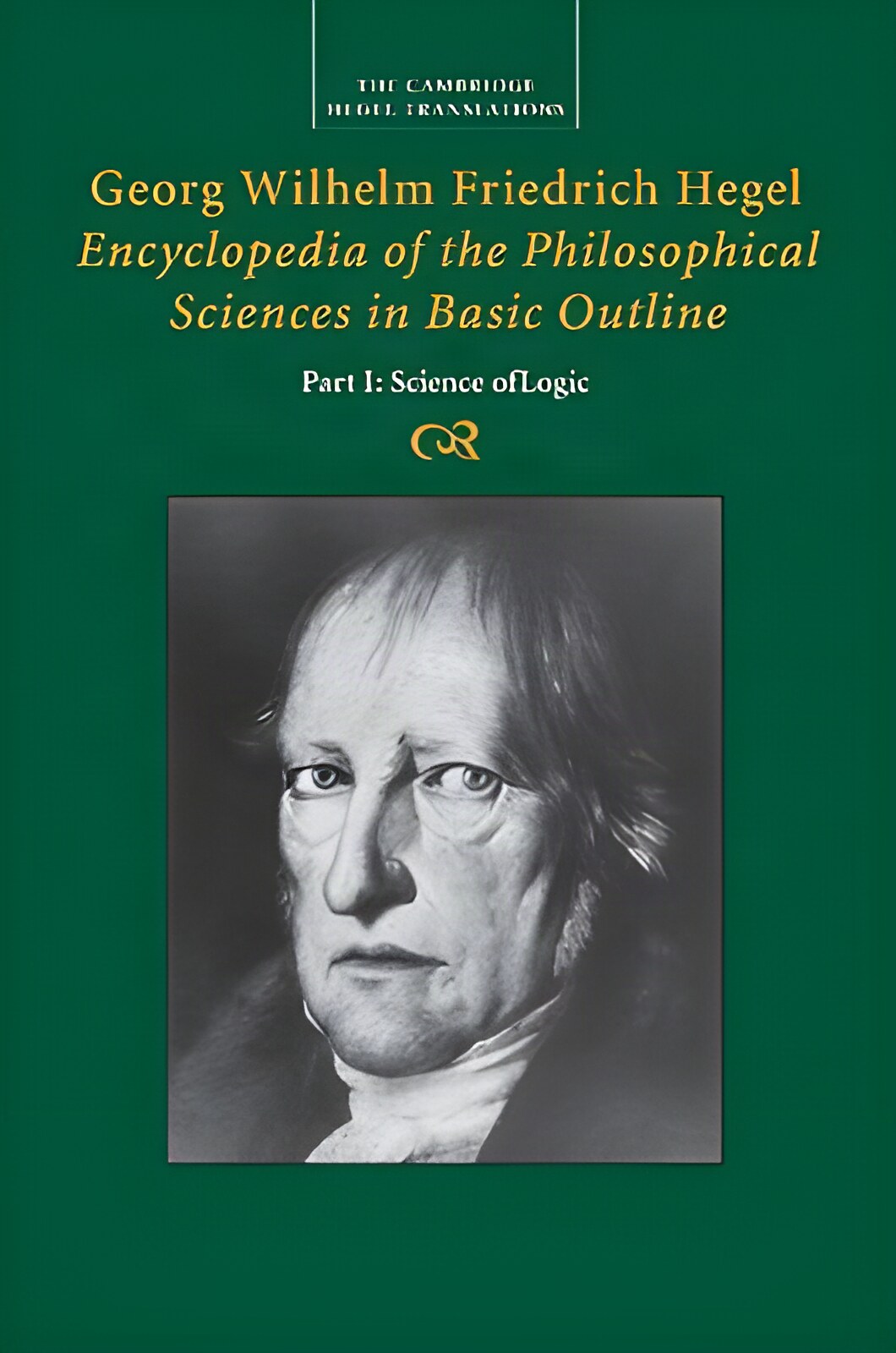
Softcover. UK, Cambridge University Press, reprint, 2015, Book: Very Good, Dust Jacket: None, Softcover, 358 pages. Science of Logic , first published between 1812 and 1816, is the work in which Georg Wilhelm Friedrich Hegel outlined his vision of logic. Hegel's logic is a system of dialectics, i.e., a dialectical metaphysics: It is a development of the principle that thought and being constitute a single and active unity. Science of Logic also incorporates the traditional Aristotelian syllogism: It is conceived as a phase of the "original unity of thought and being" rather than as a detached, formal instrument of inference.For Hegel, the most important achievement of German idealism, starting with Immanuel Kant and culminating in his own philosophy, was the argument that reality (being) is shaped through and through by thought and is, in a strong sense, identical to thought. Thus ultimately the structures of thought and being, subject and object, are identical. Since for Hegel the underlying structure of all of reality is ultimately rational, logic is not merely about reasoning or argument but rather is also the rational, structural core of all of reality and every dimension of it. Clean, like new.
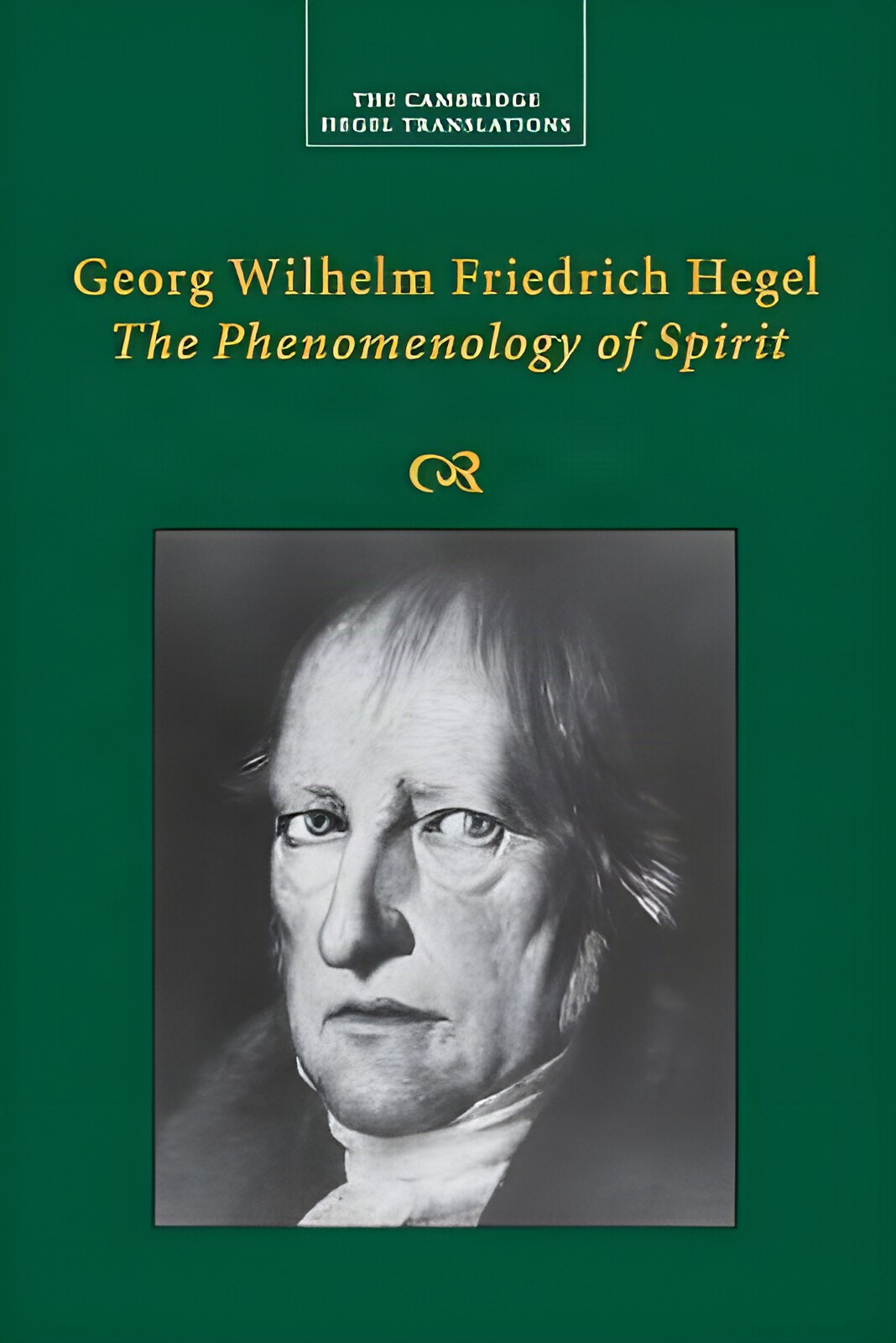
Softcover. Cambridge UK, Cambridge University Press, 1st pbk, 2018, Book: Very Good, Dust Jacket: None, Softcover, 492 pages. Hegel's The Phenomenology of Spirit (1807) is one of the most influential texts in the history of modern philosophy. In it, Hegel proposed an arresting and novel picture of the relation of mind to world and of people to each other. Like Kant before him, Hegel offered up a systematic account of the nature of knowledge, the influence of society and history on claims to knowledge, and the social character of human agency itself. A bold new understanding of what, after Hegel, came to be called 'subjectivity' arose from this work, and it was instrumental in the formation of later philosophies, such as existentialism, Marxism, and American pragmatism, each of which reacted to Hegel's radical claims in different ways. This edition offers a new translation, an introduction, and glossaries to assist readers' understanding of this central text, and will be essential for scholars and students of Hegel. Clean copy.
Softcover. Cambridge UK, Cambridge University Press, 1st pbk, 2018, Book: Very Good, Dust Jacket: None, Softcover, 492 pages. Hegel's The Phenomenology of Spirit (1807) is one of the most influential texts in the history of modern philosophy. In it, Hegel proposed an arresting and novel picture of the relation of mind to world and of people to each other. Like Kant before him, Hegel offered up a systematic account of the nature of knowledge, the influence of society and history on claims to knowledge, and the social character of human agency itself. A bold new understanding of what, after Hegel, came to be called 'subjectivity' arose from this work, and it was instrumental in the formation of later philosophies, such as existentialism, Marxism, and American pragmatism, each of which reacted to Hegel's radical claims in different ways. This edition offers a new translation, an introduction, and glossaries to assist readers' understanding of this central text, and will be essential for scholars and students of Hegel. Clean copy.
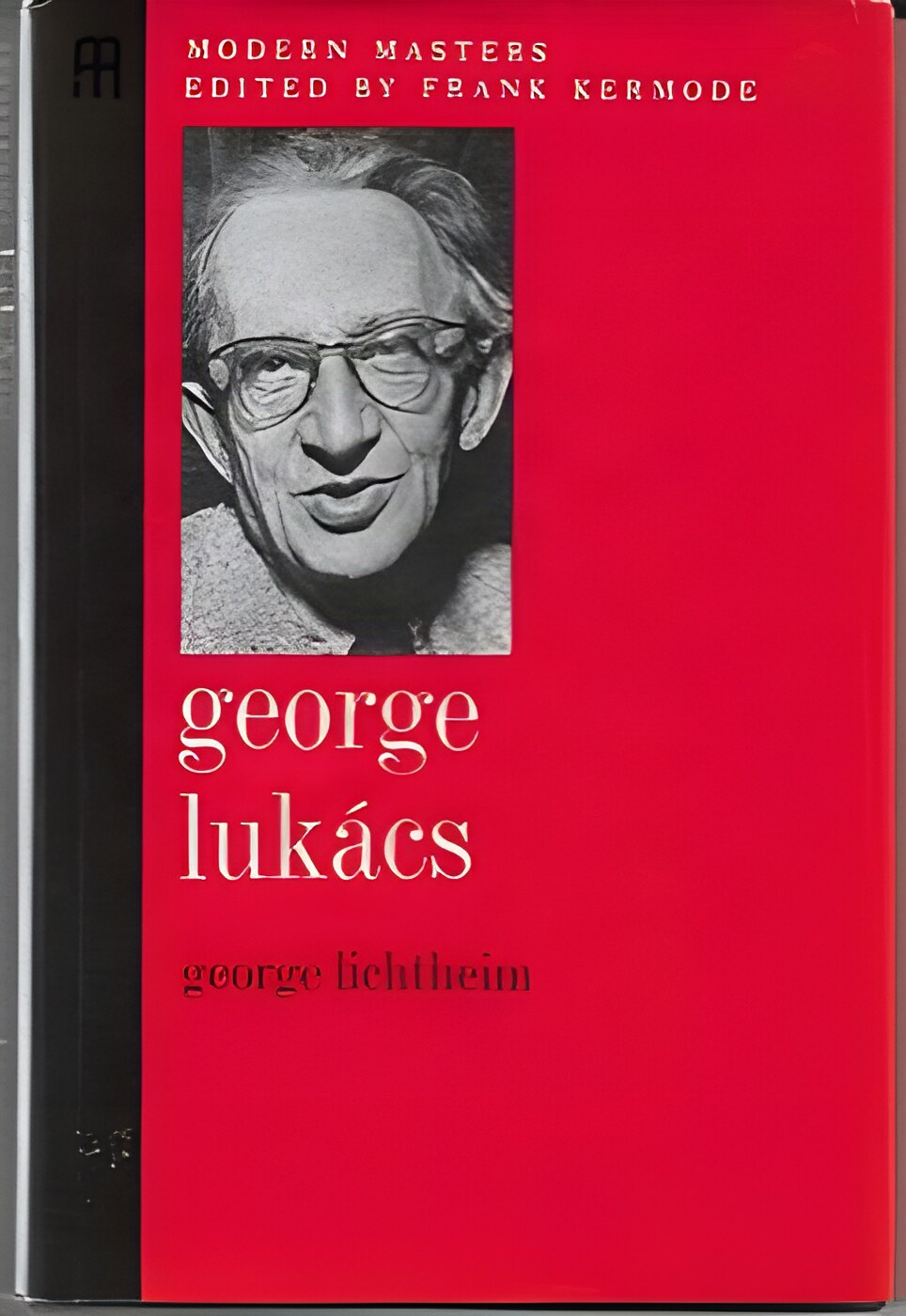
Hardcover. NY, Viking Press, 1st, 1970, Book: Very Good, Dust Jacket: Very Good, Hardcover in a bright dust jacket, 146 pages. Lukacs was a Hungarian Marxist philosopher, aesthetician, literary historian, and critic. He was one of the founders of Western Marxism, an interpretive tradition that departed from the Marxist ideological orthodoxy of the Soviet Union. He developed the theory of reification, and contributed to Marxist theory with developments of Karl Marx's theory of class consciousness. He was also a philosopher of Leninism. Clean copy.
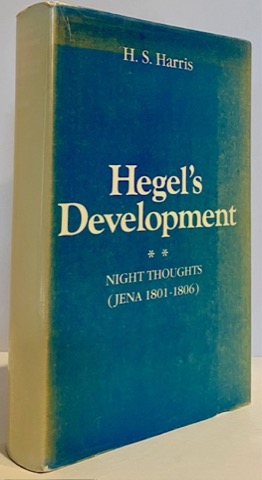
Hardcover. Oxford, England, Clarendon Press, 1st Edition, 1983, Book: Very Good, Dust Jacket: Very Good, 627 pages. Hardcover. Sequel to Hegel's Development: Toward the Sunlight 1770-1801(Clarendon Press, 1972). Black cover boards, gilt title and design on spine. Pages clean and bright. Binding tight. Spine straight. Dust jacket unclipped, faded (shelfwear), light agewear, glossy. Harris distinguishes three main phases in Hegel's development over this period: the period of callaboration with Schelling (1801-3); the appearance of a three-part 'phenomenological' system (1803-50; and the emergence of the mature system.
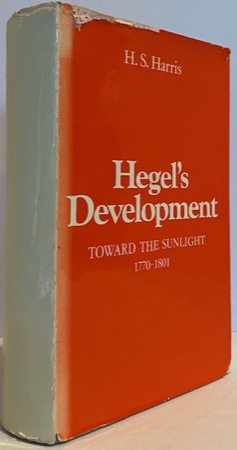
Hardcover. London, England, Oxford University Press, 1st, 1972, Book: Very Good, Dust Jacket: Fair, 574 pages. Hardcover. Previous owner's name on front flyleaf with small notations (pencil) throughout. Black cover boards (some light chipping), gilt title on spine. Spine slightly cocked, doesn't affect binding. Dust jacket unclipped, has agewear: chipping, fading, some small tears (see image). This book provides an intellectual biography of Hegel from the Gymnasium years until he went to his first academic post at Jena.
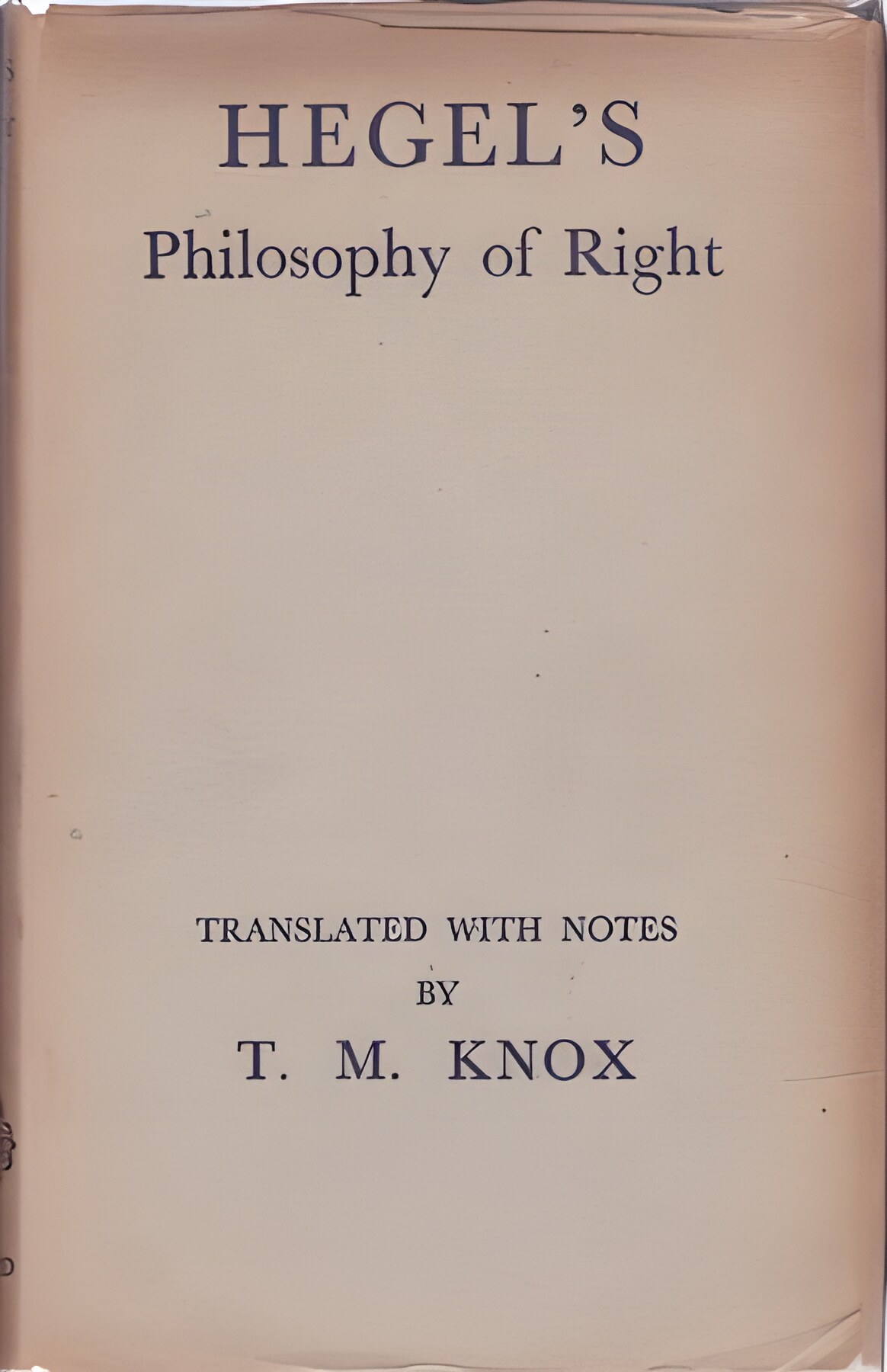
Hardcover. UK, Oxford University Press, 1st transl. thus, 1942, Book: Very Good, Dust Jacket: Good, Hardcover, blue cloth in a lightly worn dust jacket, 382 pages. Contains his mature views on such subjects as law, rights, morality, the family, economic life, and the state. First published in 1821. Dust jacket with tanning, otherwise clean.
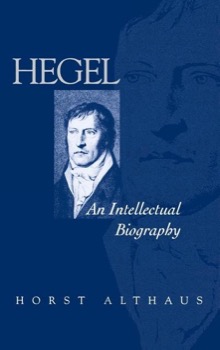
Hardcover. UK, Polity Press, 1st, 2000, Book: Very Good, Dust Jacket: None, Hardcover, blue pictorial boards, 292 pages. This accessible and highly readable book is the first full-length biography of Hegel to be published since the largely outdated treatments of the nineteenth century. Althaus draws on new historical material and scholarly sources about the life and times of this most enigmatic and influential of modern philosophers. He paints a living portrait of a thinker whose personality was more complex than is often imagined, and shows that Hegel's relation to his revolutionary times was also more ambiguous than is usually accepted. Clean copy.
Hardcover. New York, State University of New York Press, 1st, 1991, Book: Very Good, Dust Jacket: Very Good, 233 pages. Hardcover. Dust jacket with light wear. Clean unmarked text.
Softcover. Evanston, IL, Northwestern University Press, reprint, 2001, Book: Very Good, Dust Jacket: None, 355 pages. Softcover with light edgewear to paper wrappers. In this groundbreaking volume, Krzysztof Ziarek rethinks modern experience by bringing together philosophical critiques of modernity and avant-garde poetry. Ziarek explores, through selective readings of avant-garde poetry, the key aspects of the radical critique of experience: technology, everydayness, event, and sexual difference. To that extent, The Historicity of Experience is less a book about the avant-garde than a critique of experience through the avant-garde. Ziarek reads the avant-garde in dialogue with the work of some of the major critics of modernity (Martin Heidegger, Walter Benjamin, Jean-Francois Lyotard, and Luce Irigaray) to show how avant-garde experiments bear critically on the issue of modern experience and its technological organization. The four poets Ziarek considers--Gertrude Stein, Velimir Khlebnikov, Miron Biaoszewski, and Susan Howe--demonstrate the broad reach of and variety of forms taken by the avant-garde revision of experience and aesthetics.
Softcover. Evanston IL, Northwestern University Press, reprint, Book: Very Good, Dust Jacket: None, Softcover, 333 pages. A work about the problems in the philosophy of history by the French hermeneutic phenomenologist. Introduction by Charles A. Kelbley; Foreword by David M. Rasmussen. Clean copy.
Hardcover. London, England, Routledge & Kegan Paul Limited, 1st Editions, 1950, Book: Very Good, Dust Jacket: None, International Library of Sociology and Social Reconstruction. Two Volumes: Vol. 1: 352 pages. Vol. 2: 706 pages plus publisher ads. Previous owner's name on front flyleafs. Green cloth cover boards, gilt title on spine, fading to boards, especially to spines. Binding tight. Spines straight. Pages/edges have light tanning, otherwise clean. Appearing in isolation as they do, autobiographies demand for their description and appreciation, a comprehensive view of the development of the human mind. DOMESTIC SHIPPING ONLY.
Softcover. Cambridge MA, The MIT Press, 1st thus, 1995, Book: Very Good, Dust Jacket: None, 256 pages, b&w illustrations. Light edgewear and rubbing to wrappers with small hole to spine. Clean, tight copy.
Hardcover. NY/London, Oxford University Press, 1st, 2011, Book: Very Good, Dust Jacket: Very Good, Hardcover in a bright, unclipped dust jacket, 470 pages. This central volume in the Collected Essays brings together John Finnis's wide-ranging contribution to central issues in political philosophy. The volume begins by examining the general theory of political community and social justice. It includes the powerful and well-known Maccabaean Lecture on Bills of Rights -- a searching critique of Ronald Dworkin's moral-political arguments and conclusions, of the European Court of Human Rights' approach to fundamental rights, and of judicial review as a constitutional institution. It is followed by an equally searching analysis of Kant's thought on the intersection of law, right, and ethics. Other papers in the book's opening section include an early assessment of Rawls's A Theory of Justice, a radical re-interpretation of Aquinas on limited government and the significance of the private/public distinction, and a challenging paper on virtue and the constitution. The volume then focuses on central problems in modern political communities, including the achievement of justice in work and distribution; the practice of punishment; war and justice; the public control of euthanasia and abortion; and the nature of marriage and the common good. There are careful and vigorous critiques of Nietzsche on morality, Hart on punishment, Dworkin on the enforcement of morality and on euthanasia, Rawls on justice and law, Thomson on the woman's right to choose, Habermas on abortion, Nussbaum and Koppelman on same-sex relations, and Dummett and Weithman on open borders. The volume's previously unpublished papers include a foundational consideration of labor unions, a fresh statement of a new grounding for the morality of sex, a surprising reading of C.S. Lewis's Abolition of Man on contraception, and an introduction reviewing some of the remarkable changes in private and public morality over the past half-century.
Softcover. Urbana IL, University of Illinois Press, 1st pbk, 2006, Book: Very Good, Dust Jacket: None, Softcover, 83 pages. In Humanism of the Other, Emmanuel Levinas argues that it is not only possible but of the highest exigency to understand one's humanity through the humanity of others. In paperback for the first time, Levinas's work here is based in a new appreciation for ethics and takes new distances from phenomenology, idealism, and skepticism to rehabilitate humanism and restore its promises. Painfully aware of the long history of dehumanization that reached its apotheosis in Hitler and Nazism, Levinas does not underestimate the difficulty of reconciling oneself with another. The humanity of the human, Levinas argues, is not discoverable through mathematics, rational metaphysics, or introspection. Rather, it is found in the recognition that the other person comes first, that the suffering and mortality of others are the obligations and morality of the self. Clean copy.
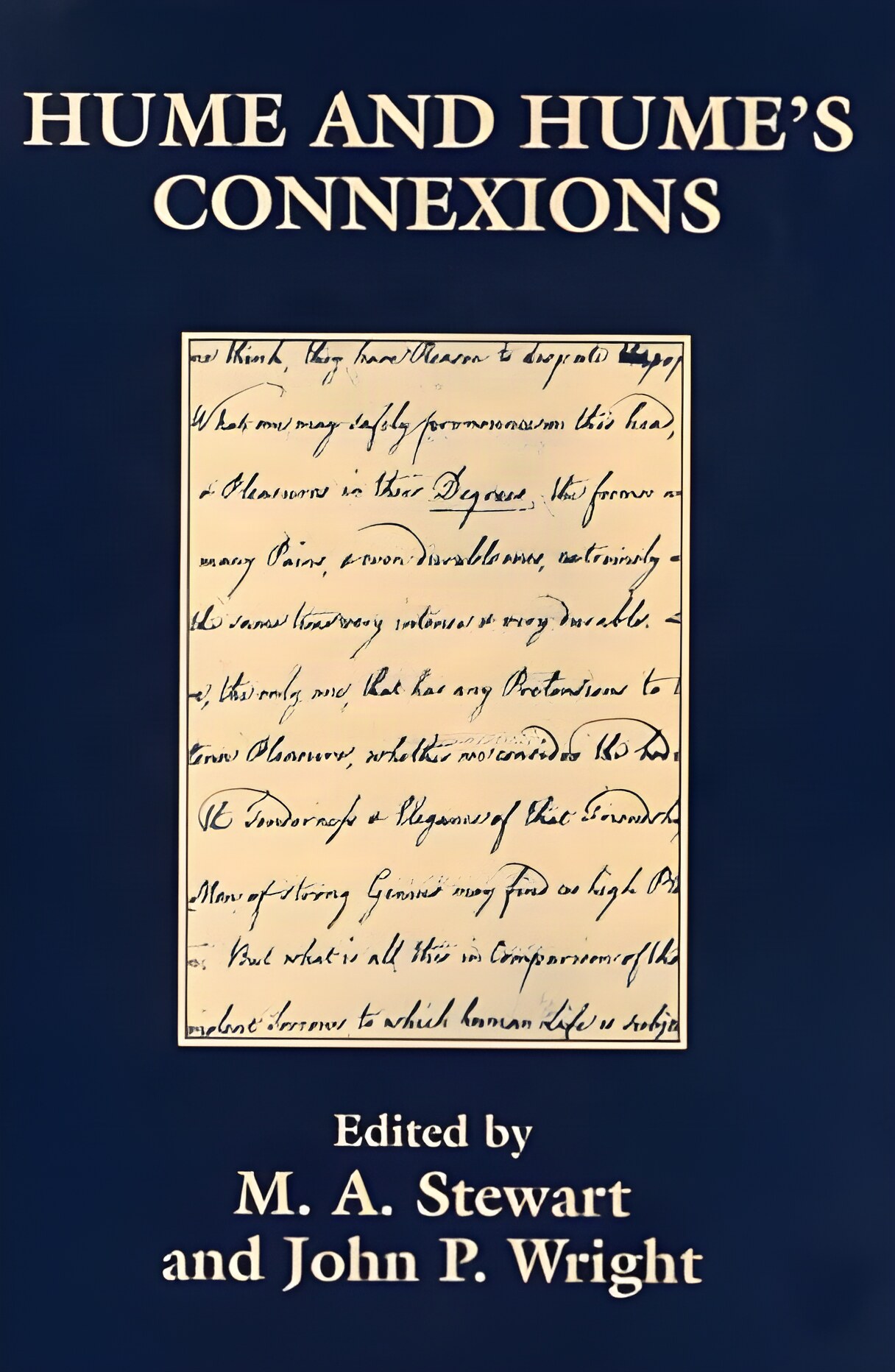
Hardcover. Edinburgh, Edinburgh University Press, 1st, 1994, Book: Very Good, Dust Jacket: Very Good, Hardcover in a bright dust jacket, 266 pages. Presenting new research on the moral and religious philosophy of David Hume, this volume tries to illustrate the importance of intellectual context in understanding the work and career of one of the most important thinkers of the 18th Century. The essays fall into three broad groups. The first looks at Hume's work as a moral philosopher, re-evaluating his place in the sceptical, utilitarian, and natural-law traditions. The second reassesses his work in moral psychology and the science of hte mind in the light of new research on 17th and 18th century sources. A final group, which examines Hume's critique of religion in its literary, historical, and philosophical aspects, includes an edited transcription of a new manuscript on the problem of evil. Clean copy.
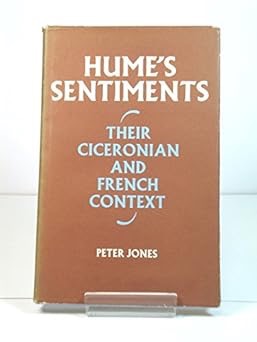
Hardcover. Edinburgh, Edinburgh University Press, 1st, 1982, Book: Very Good, Dust Jacket: Very Good, Hardcover in a dust jacket with fading to spine, 230 pages. The author substantially revises the view that Hume's main intellectual debts are to Newton and Hutcheson. The book traces the deep and pervasive influence of Cicero on Hume's thought and the impact of French philosophers such as Malebranche. Name on front fly leaf, otherwise clean.
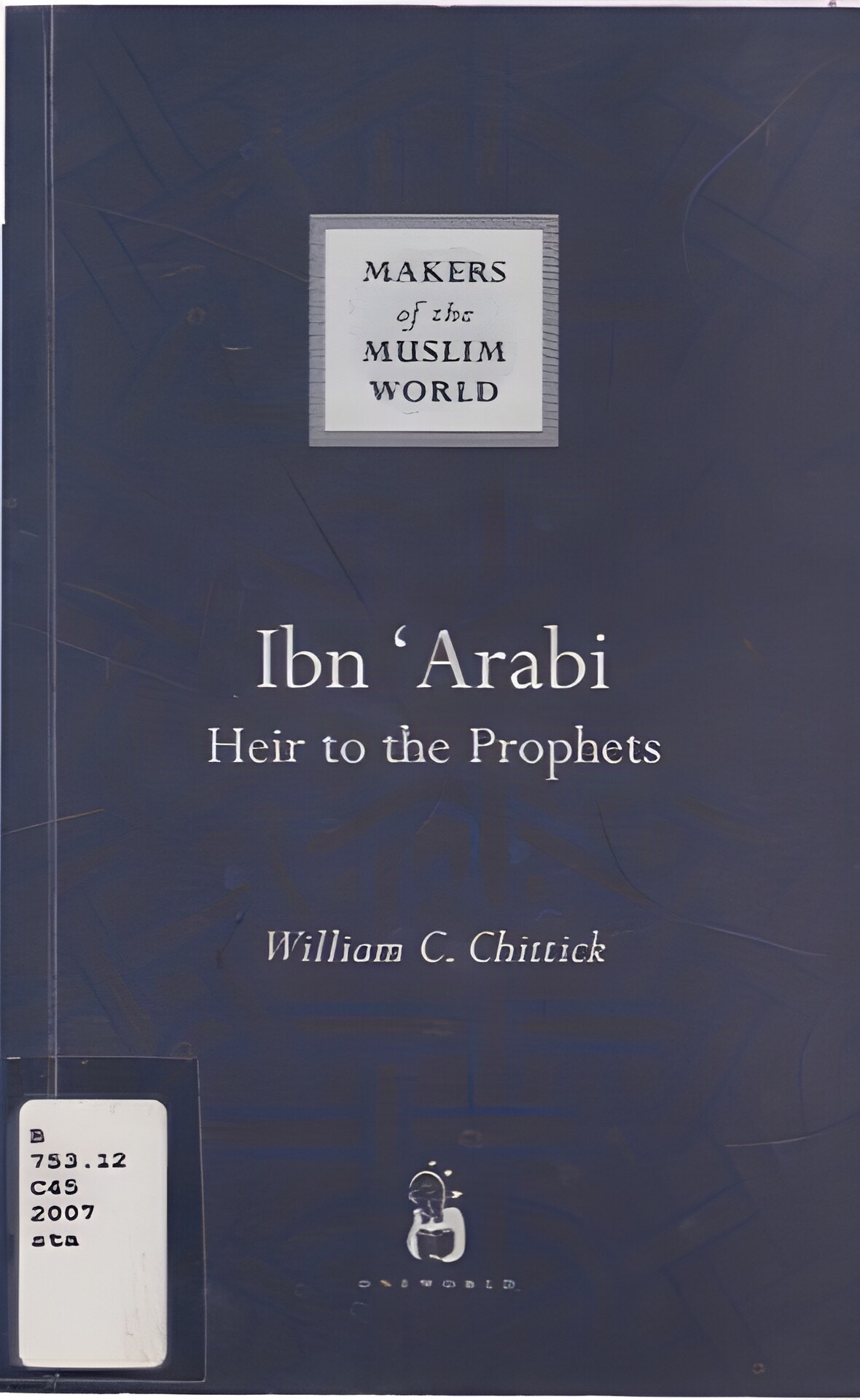
Softcover. Oxford UK, Oneworld, 1st, 2005, Book: Very Good, Dust Jacket: None, Softcover, 152 pages. Renowned expert William Chittick covers the life and works of this legendary Sufi writer. The importance of Muhyi al-Din Ibn al-Arabi (1165-1240) for Islamic mysticism lies in the fact that he was a speculative thinker of the highest order, albeit diffuse and difficult to understand. His central doctrine is the unity of all existence. In this text, William Chittick explores how, through the work of Ibn Al-Arabi, Sufism moves away from anguished and ascetic searchings of the heart also conscience and becomes a matter of speculative philosophy and theosophy. Ex-lib with stamping and stickers on front endpapers, cover, otherwise clean.
Hardcover. UK, Oxford University Press , 1st, 2017, Book: Very Good, Dust Jacket: Very Good, Hardcover in a bright dust jacket, 163 pages. INSCRIBED BY THE AUTHOR on the front fly leaf. We subject others and are ourselves subjected to risk all the time - risk permeates life. Despite the ubiquity of risk and its imposition, philosophers and legal scholars have devoted little of their attention to the difficult questions stimulated by the pervasiveness of risk. When we impose risk upon others, what is it that we are doing? What is risking's moral significance? What moral standards govern the imposition of risk? And how should the law respond to it? This book highlights these important but neglected questions and offers novel answers to them in a systematic way, constructing a normative framework of risk imposition that draws upon a wide range of insights from diverse sources within philosophy and legal theory. Clean copy.










 "History of Autobiography in Antiquity (Two Volumes)by: Misch, Georg, Dr. Karl Mannheim (Editor)")






 "Il Seicento e Descartes. Dibattiti Cartesianiby: Del Prete, Antonella")
