Hardcover. London, Lund Humphries, 1st, 1971, Book: Very Good, Dust Jacket: Very Good, Hardcover, 184 pages, b&w and some color illustrations. Dust jacket bright, unclipped.
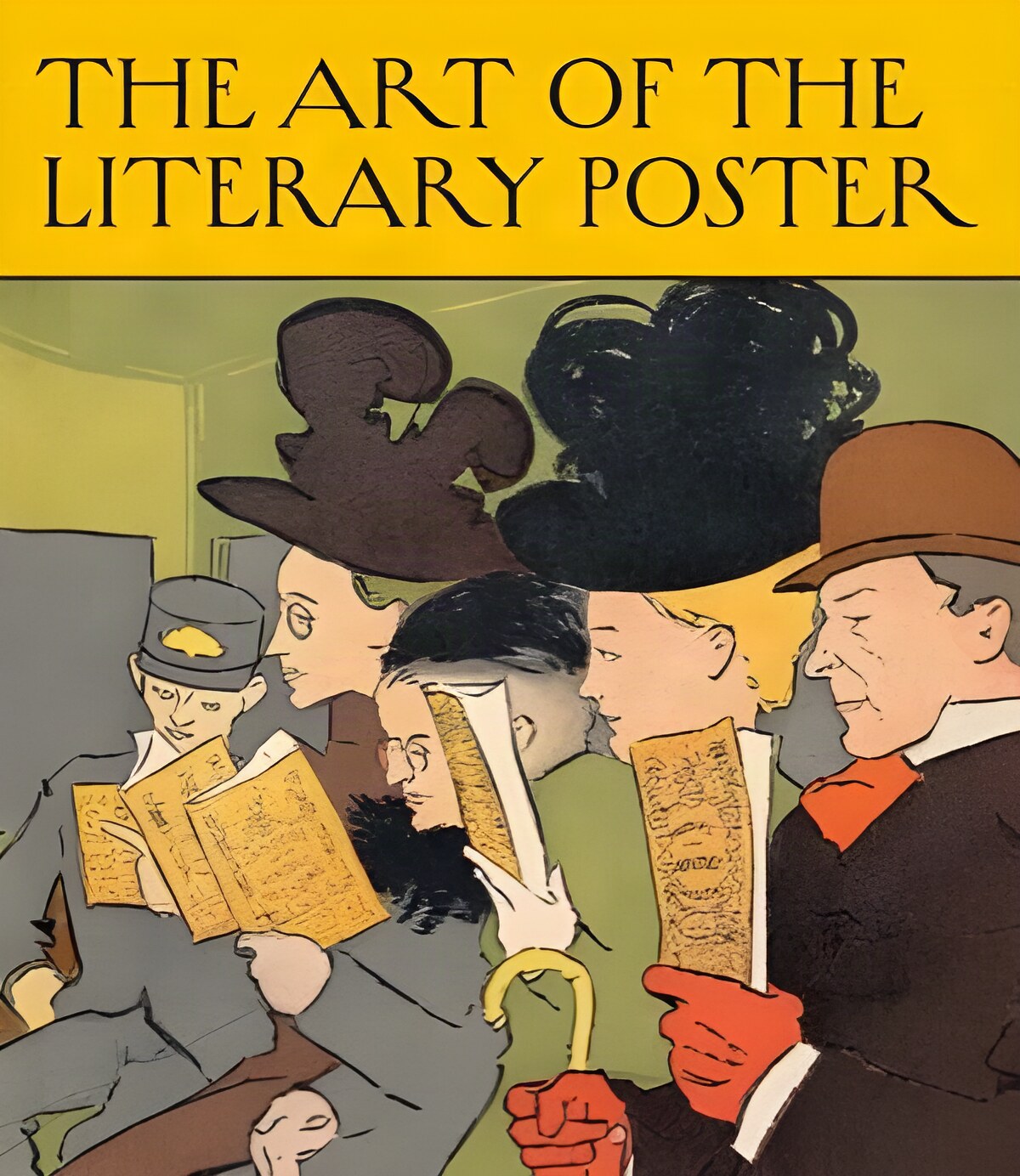
Hardcover. NY, Metropolitan Museum of Art, 1st, 2024, Hardcover in a bright dust jacket, 256 pages illustrated in color. An exploration of late nineteenth-century American literary posters. a vibrant genre at the vanguard of modern commercial art and graphic design spurred by innovations in printing technology, the modern poster emerged in the 1890s as a popular form of visual culture in the United States. Created by some of the best-known illustrators and graphic designers of the period including Will H. Bradley, Florence Lundborg, Edward Penfield, and Ethel Reed these advertisements for books and high-tone periodicals such as Harper's and Lippincott's went beyond the realm of commercial art, incorporating bold, stylized imagery and striking typography. This book, based on the renowned Leonard A. Lauder Collection, explores the craze for literary posters, which became sought after collectibles even in their day. It offers new scholarly perspectives that address the aesthetic sophistication and modernity of the literary poster; the impact of early experiments in the field of advertising psychology; the expanded opportunities for women artists, who played an important role in advancing the so-called poster style; and the printmaking techniques that artists employed in this novel art form. A lively survey of a little-known but highly influential period in graphic design,
Softcover. NY, Thames & Hudson, 1st, 2005, Book: Very Good, Dust Jacket: None, Softcover, 256 pages. Why did Frankie say "Relax"? Did anyone really want to hurt Boy George? And why didn't anybody walk in L.A.? This Ain't No Disco can't answer all these head-scratchers, but it does bring the New Wave era back with page after totally awesome page of 300 of the best album covers. This rad collection includes covers from the late 1970s to the mid-'80s and will have true believers of a certain generation totally spazzing. New Wave was defined as much by style, fashion, and graphic design as the music itself witness the ruffled cuffs and heavy makeup of the New Romantics, the skinny ties and peg-pants of the neo-Mods, and the unsettling robotic personae of Devo and Gary Numan. Bursting with wild hairstyles, futuristic typography, pastel shapes, and outlandish clothing, these are the album covers that defined an era and continue to influence music and fashion styles today. A nostalgic trek with a mental soundtrack, This Ain't No Disco will inspire readers to don those rubber bracelets once again and proclaim, "Let's dance this mess around!"
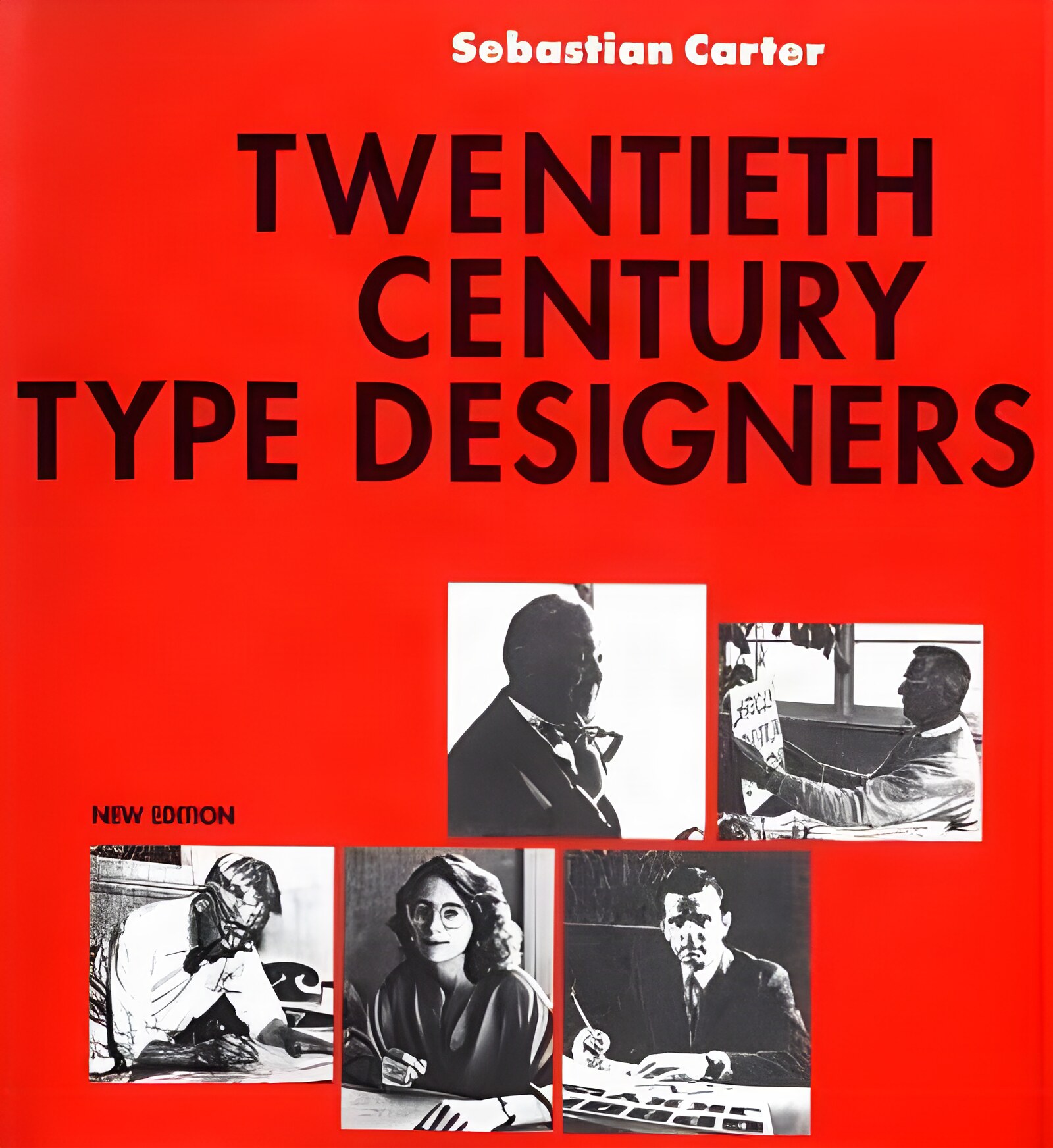
Hardcover. NY, W. W. Norton, 2nd Ed., 1995, Book: Very Good, Dust Jacket: Very Good, Hardcover in a bright dust jacket, 192 pages. Since its first publication in 1987, this book has become a standard reference work for typographers, designers and students alike. This new edition includes an examination of the latest technological developments in design and composition of type, and introduces the work of some of the more recent designers to have made their mark in the 20th century. Profiles of a new generation of typographers working in the latter half of the 20th century, such as Matthew Carter, Sumner Stone and others, bring the book up to date. Working with entirely different tools than their predecessors, they reflect the new typography in varying degrees. Filmsetting and digital typesetting have brought new opportunities - as well as new disciplines. Clean copy.
Hardcover. New York , Mark Batty Publisher, 1st, 2003, Book: Very Good, Dust Jacket: Very Good, Hardcover, 374 pages. This beautifully typeset and illustrated book offers a singular collection of 35 in-depth articles on typography and the printing arts, from the earliest type design techniques to the latest in digital typeface and design development. Originally printed in Matrix, the renowned and highly respected journal of the printing arts, the articles cover a number of individual typefaces, techniques of making type using both historical and contemporary means, and arguments for the continuing use of obsolete printing technologies. Here too are detailed examinations of book design, ornamentation, and mathematical and other non-Latin typography.
Hardcover. Gloucester MA, Rockport Publishers, 1st, 2000, Book: Very Good, Dust Jacket: Very Good, Hardcover, 192 pages, illustrated throughout in color. Light edgewear to dust jacket, else a clean, tight copy. Work from a diverse pantheon of internationally known designers captures the fluidity, the sensitivity and the art of designing with type. These stylists and practitioners of typographic virtuosity provide a range o work which has individuality, attitude and graphic flair. Collectively they demonstrate the power of type in contemporary design.
Softcover. Rutland VT, Charles E. Tuttle, 4th pr., 1971, Book: Very Good, Dust Jacket: None, Softcover, red wrappers with gilt stamping to front and back covers remains bright. Mild fading to red spine. Innovative Japanese binding and nicely designed two-color printing throughout. Book design and typography by Keiko Chiba. 59 pages. Paul Reps (1895 - 1990) was America's first haiku poet, over 20 years earlier than anyone else. His influential 1957 book, Zen Flesh, Zen Bones, introduced a generation of readers to Zen Buddhism. His work has steadily gained in popularity over the years. Previous owner's inscription on front fly leaf. Inscription on front fly leaf, otherwise clean.
Hardcover. Boston, Bulfinch, 1st, 2005, Book: Very Good, Dust Jacket: Very Good, Hardcover, 144 pages. Celebrates the artistry and graphic design that transformed Joseph Pulitzer's New York World at the turn of the twentieth century, presenting a wide array of cartoons, caricatures, typography, photography, drawings, maps, and other artwork from a variety of legendary illustrators.

 "Stanley Morison: His Typographic Achievementby: Moran, James")
 "This Ain't No Disco : New Wave Album Coversby: McKnight-Trontz, Jennifer")
 "Type & Typography: Highlights from Matrix--The Review for Printers & Bibliophilesby: Randle, John and John D. Barry")
 "Type Graphics: The Power of Type in Graphic Designby: Richardson, Margaret E.")
 "UnwrInkling Playsby: Reps, Paul")
 "World on Sunday, Theby: Baker, Nicholson and Margaret Brentano")