Softcover. NY, Aperture Books, 1st, 1987, Book: Very Good, Dust Jacket: None, Softcover, oblong format, 106 pages. "A testament o the regenerative power of the human spirit, Taking Refuge in L.A. explores the experiences of the Vietnamese Buddhist refugees in America. In the tradition of great documentary photographers, Don Farber shares an intimate view of the Vietnamese people and their spiritual way of life. Author Rick Fields illuminates the tragic and moving history of Vietnamese Buddhists, both before, during, and after the Vietnam War, focusing on their courageous attempt to sustain their rich cultural and spiritual heritage in America." Clean copy.
Hardcover. NY, HarperCollins, 1st, 2002, Book: Very Good, Dust Jacket: Very Good, Hardcover in a bright, unclipped dust jacket. SIGNED BY PARINI on the title page. When Alex Massolini's brother is killed in Vietnam, he drops out of Columbia University and leaves his conservative family behind for Capri to become secretary to Rupert Grant, a famous British novelist and poet who dominates the island like a latter-day Prospero. Alex soon finds himself ensnared in a web of love affairs, friendships, and rivalries within the eccentric community that inhabits the idyllic beauty of the isolated Italian island. Clean copy.
Hardcover. NY, HarperCollins, 1st, 2002, Book: Very Good, Dust Jacket: Very Good, Hardcover in a bright, unclipped dust jacket. When Alex Massolini's brother is killed in Vietnam, he drops out of Columbia University and leaves his conservative family behind for Capri to become secretary to Rupert Grant, a famous British novelist and poet who dominates the island like a latter-day Prospero. Alex soon finds himself ensnared in a web of love affairs, friendships, and rivalries within the eccentric community that inhabits the idyllic beauty of the isolated Italian island. Clean copy.
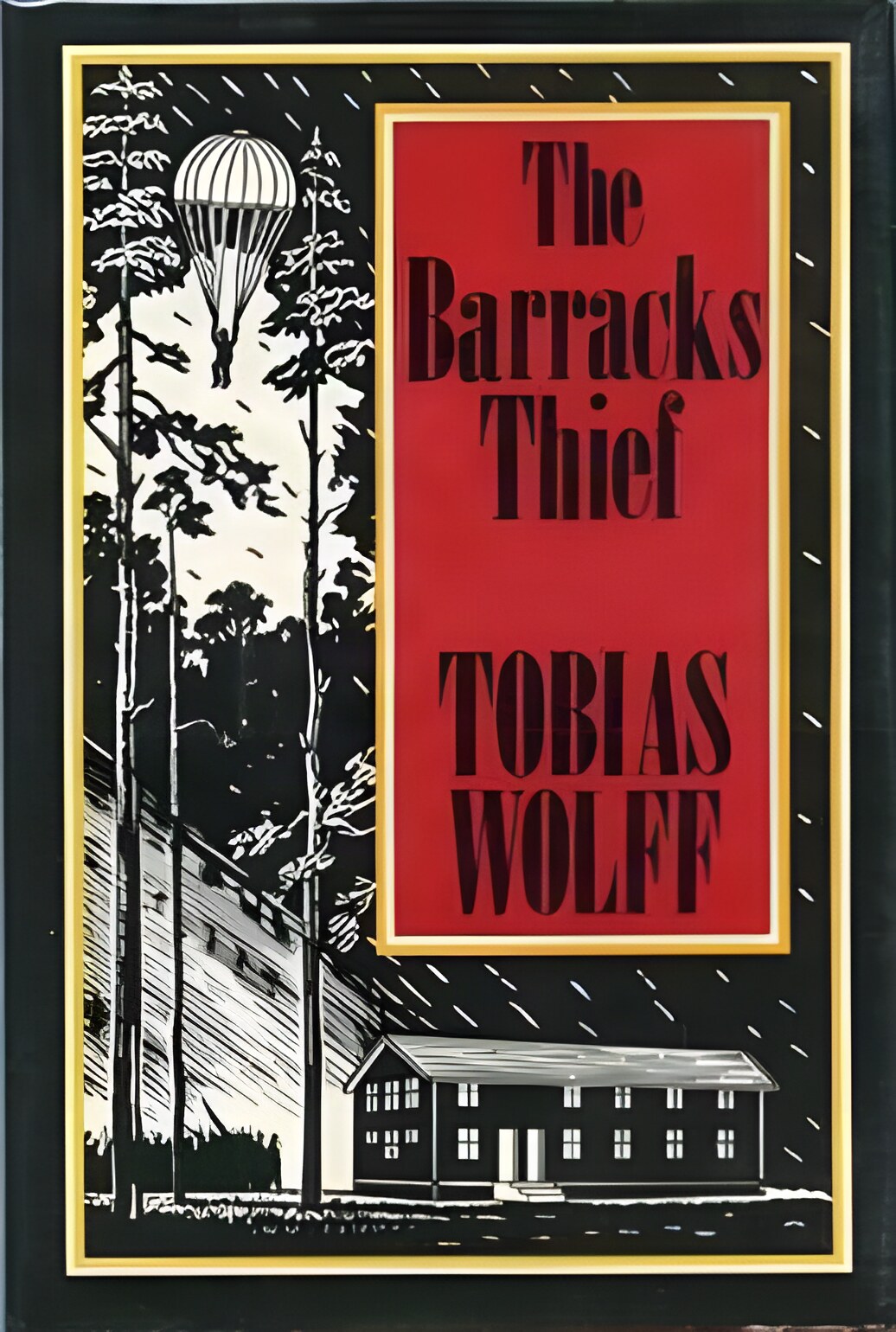
Hardcover. NY, Ecco Press, 1st, 1984, Book: Very Good, Dust Jacket: Very Good, Hardcover in a bright dust jacket, 101 pages. In Fort Bragg, North Carolina, three recent paratrooper training graduates are temporarily attached to an airborne infantry company as they await orders to report to Vietnam. Because most of the men in the company fought together in Vietnam, the three newcomers are treated as outsiders and ignored. When money and personal property are discovered missing from the barracks, suspicion falls on the three newcomers. The narrative structure of the book contains several shifts of tone and point of view as the story unfolds. Clean copy.
Hardcover. London, Hard Case Crime, 1st thus, 2012, Book: Very Good, Dust Jacket: None, Hardcover, colorful dust jacket with a retro-style illustration by Gregory Manchess. The year is 1977, and America is finally getting over the nightmares of Watergate and Vietnam and the national hangover that was the 1960s. But not everyone is ready to let it go. Not aging comedian Koo Davis, friend to generals and presidents and veteran of countless USO tours to buck up American troops in the field. And not the five remaining members of the self-proclaimed People's Revolutionary Army, who've decided that kidnapping Koo Davis would be the perfect way to bring their cause back to life. Like new.
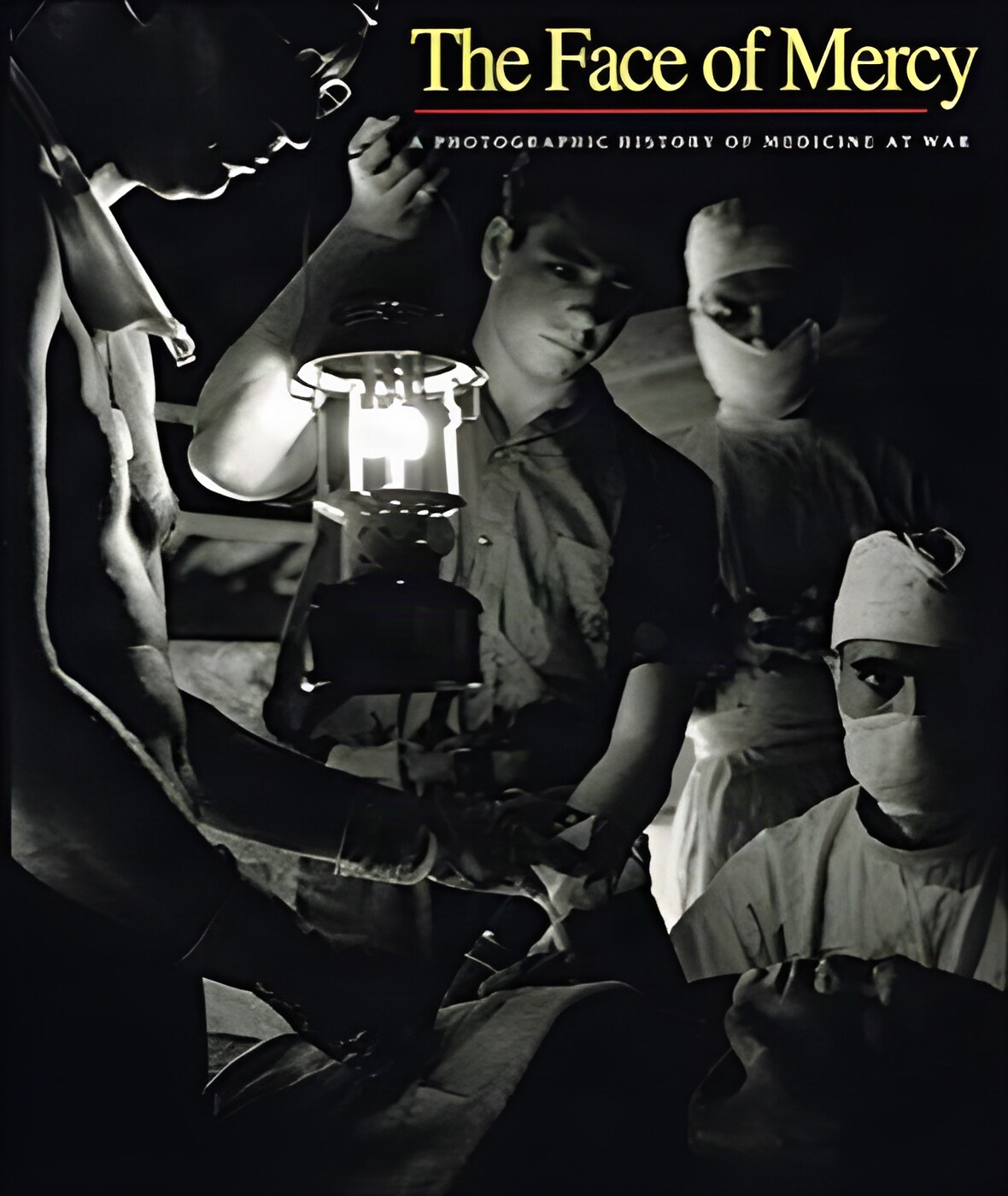
Hardcover. NY, Epicenter Communications / Random House, 1st, 1993, Book: Very Good, Dust Jacket: Very Good, Hardcover in a bright dust jacket, 272 pages. "contains over 230 of the most compelling photographs and images of healers in the battlefield, many of them in color, culled from over one hundred archives in more than a dozen countries... Beginning with Matthew Brady's photographs of surgery at Antietam during the Civil War... through two world wars, to Vietnam, the Gulf War, and regional struggles ongoing today." Clean copy. DOMESTIC SHIPPING ONLY.
Hardcover. NY, WW Norton, 1wst, 2014, Book: Very Good, Dust Jacket: Very Good, Hardcover in a bright, unclipped dust jacket. A landmark collection, spanning ninety years of U.S. history, of the never-before-published diaries of George F. Kennan, America's most famous diplomat. Through it all, Kennan kept a diary. Spanning a staggering eighty-eight years and totaling over 8,000 pages, his journals brim with keen political and moral insights, philosophical ruminations, poetry, and vivid descriptions. In these pages, we see Kennan rambling through 1920s Europe as a college student, despairing for capitalism in the midst of the Depression, agonizing over the dilemmas of sex and marriage, becoming enchanted and then horrified by Soviet Russia, and developing into America's foremost Soviet analyst. But it is the second half of this near-century-long record--the blossoming of Kennan the gifted author, wise counselor, and biting critic of the Vietnam and Iraq wars--that showcases this remarkable man at the height of his singular analytic and expressive powers, before giving way, heartbreakingly, to some of his most human moments, as his energy, memory, and finally his ability to write fade away.
Softcover. Stanford CA, Stanford University Press, reprint, 2004, Book: Very Good, Dust Jacket: None, Softcover, 837 pages. This volume presents the complete correspondence between two of the most important and influential American poets of the postwar period. The almost 500 letters range widely over the poetry scene and the issues that made the period so lively and productive. But what gives the exchange its special personal and literary resonance is the sense of spiritual affinity and shared conviction about the power of the visionary imagination. Duncan and Levertov explore these matters in rich detail until, under the stress of dealing with the Vietnam War in poetry, they discover deep-seated differences in the religious and ethical convictions underlying their politics and poetic stance. The issues that drew them together and those that drove them apart create a powerful personal drama with far-reaching historical and cultural significance. The editors have provided a critical Introduction, full notes, a chronology, and a glossary of names. Clean, bright copy.
Hardcover. New York, Thames & Hudson, 1st, 2001-12-01, Book: Very Good, Dust Jacket: Very Good, Hardcover. Like new in publishers shrink-wrap. Contains 136 illustrations, 126 in color. A collection of photographs of the ancient and spiritual lands of Indochina: Vietnam, Laos and Cambodia taken during a lifetime of traveling and living there by Tim Page. They provide an account of a deeply religious society whose age-old Buddhist principles have endured to this day. The book also represents a personal passage for Page himself, drawing a line beneath the loss of many friends and colleagues in the Vietnam War.
Hardcover. New York, Thames & Hudson, 1st, 2001-12-01, Book: Very Good, Dust Jacket: Very Good, Hardcover. Like new in publishers shrink-wrap. Contains 136 illustrations, 126 in color. A collection of photographs of the ancient and spiritual lands of Indochina: Vietnam, Laos and Cambodia taken during a lifetime of traveling and living there by Tim Page. They provide an account of a deeply religious society whose age-old Buddhist principles have endured to this day. The book also represents a personal passage for Page himself, drawing a line beneath the loss of many friends and colleagues in the Vietnam War.
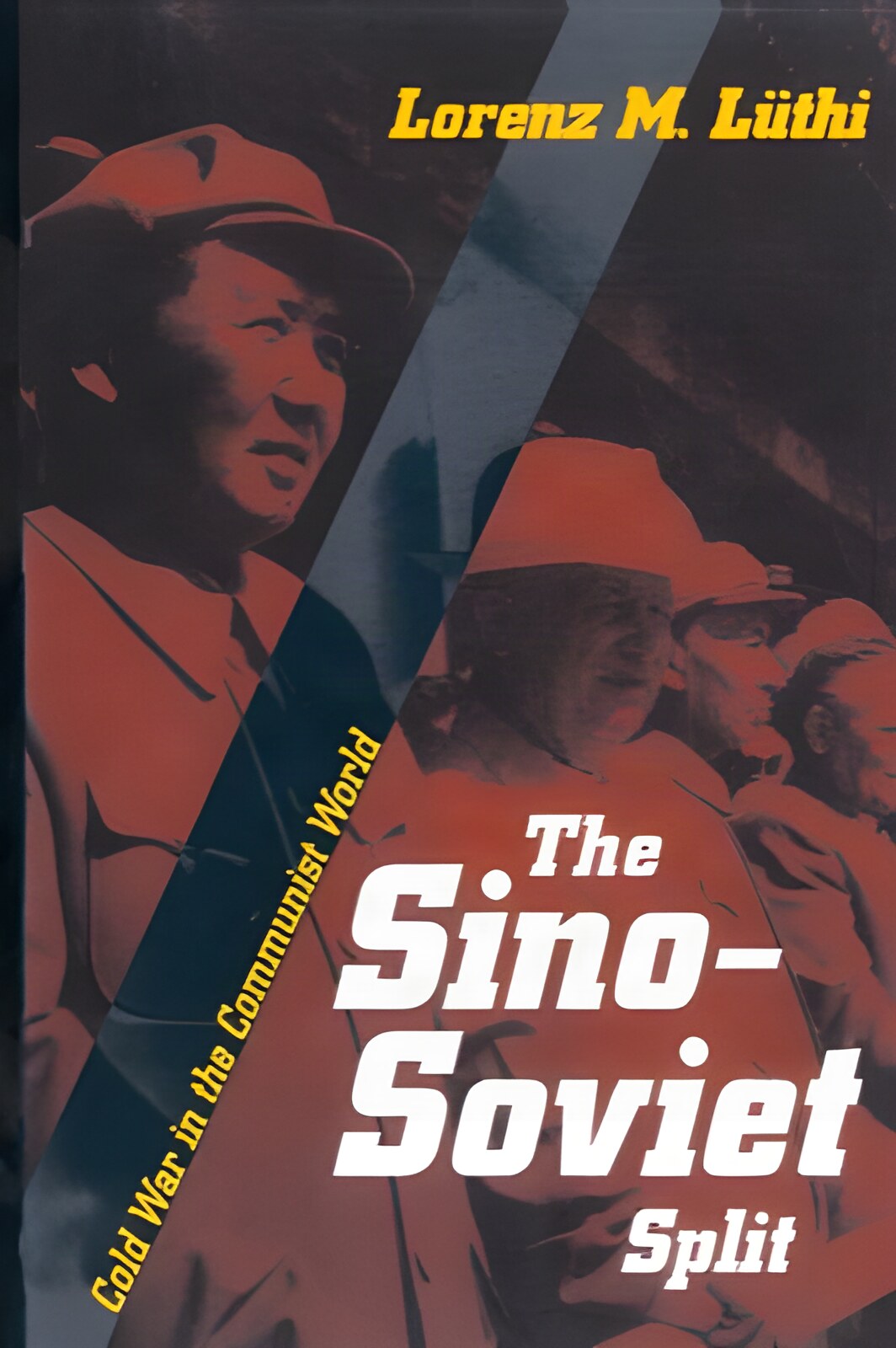
Softcover. Princeton NJ, Princeton University Press, 3rd pr., 2008, Book: Very Good, Dust Jacket: None, Softcover in pictorial wraps, 375 pages, maps. A decade after the Soviet Union and the People's Republic of China established their formidable alliance in 1950, escalating public disagreements between them broke the international communist movement apart. In The Sino-Soviet Split, Lorenz Luthi tells the story of this rupture, which became one of the defining events of the Cold War. Identifying the primary role of disputes over Marxist-Leninist ideology, Luthi traces their devastating impact in sowing conflict between the two nations in the areas of economic development, party relations, and foreign policy. The source of this estrangement was Mao Zedong's ideological radicalization at a time when Soviet leaders, mainly Nikita Khrushchev, became committed to more pragmatic domestic and foreign policies. Using a wide array of archival and documentary sources from three continents, Luthi presents a richly detailed account of Sino-Soviet political relations in the 1950s and 1960s. He explores how Sino-Soviet relations were linked to Chinese domestic politics and to Mao's struggles with internal political rivals. Furthermore, Luthi argues, the Sino-Soviet split had far-reaching consequences for the socialist camp and its connections to the nonaligned movement, the global Cold War, and the Vietnam War. Clean copy.
Hardcover. NY, Random House, 1st, 1999, Book: Very Good, Dust Jacket: Very Good, Hardcover, 240 pages. The Sixties is the product of a 30-year collaboration between photographer Richard Avedon and writer Doon Arbus, whose images and words combine in this volume to create a compelling portrait of one of the 20th century's most tumultuous decades. Avedon, the celebrated photographer whose portraits of some of the best-known personalities of our age have graced the pages of Harper's Bazaar, Vogue, and The New Yorker magazines since the early 1950s, was prolific during the '60s. Looked at together, his images from those years create a visual time capsule. This large book is filled with a cacophony of Yippies, Black Panthers, Weathermen, Hare Krishnas, Andy Warhol Factory Superstars, pop artists, rock musicians, astronauts, pacifists, politicians, electroshock therapists, media correspondents, civil rights lawyers, antiwar activists, and more--all shot against his signature white background. Arbus, a novelist and writer for magazines including Rolling Stone and The Nation (and the daughter of photographer Diane Arbus), conducted interviews with many of the subjects. Snippets of those conversations provide an intimate and unforgettable document of the tension, vulnerability, anger, recklessness, hope, and empowerment many people experienced during that era. Brief biographies of the portrait sitters, as well as a chronology that spans the first signs of the war in Vietnam in 1960 to its final conclusion in 1973, provide excellent context for the images.
Hardcover. NY, Random House, 1st, 1999, Book: Very Good, Dust Jacket: Very Good, Hardcover, 240 pages. The Sixties is the product of a 30-year collaboration between photographer Richard Avedon and writer Doon Arbus, whose images and words combine in this volume to create a compelling portrait of one of the 20th century's most tumultuous decades. Avedon, the celebrated photographer whose portraits of some of the best-known personalities of our age have graced the pages of Harper's Bazaar, Vogue, and The New Yorker magazines since the early 1950s, was prolific during the '60s. Looked at together, his images from those years create a visual time capsule. This large book is filled with a cacophony of Yippies, Black Panthers, Weathermen, Hare Krishnas, Andy Warhol Factory Superstars, pop artists, rock musicians, astronauts, pacifists, politicians, electroshock therapists, media correspondents, civil rights lawyers, antiwar activists, and more--all shot against his signature white background. Arbus, a novelist and writer for magazines including Rolling Stone and The Nation (and the daughter of photographer Diane Arbus), conducted interviews with many of the subjects. Snippets of those conversations provide an intimate and unforgettable document of the tension, vulnerability, anger, recklessness, hope, and empowerment many people experienced during that era. Brief biographies of the portrait sitters, as well as a chronology that spans the first signs of the war in Vietnam in 1960 to its final conclusion in 1973, provide excellent context for the images.
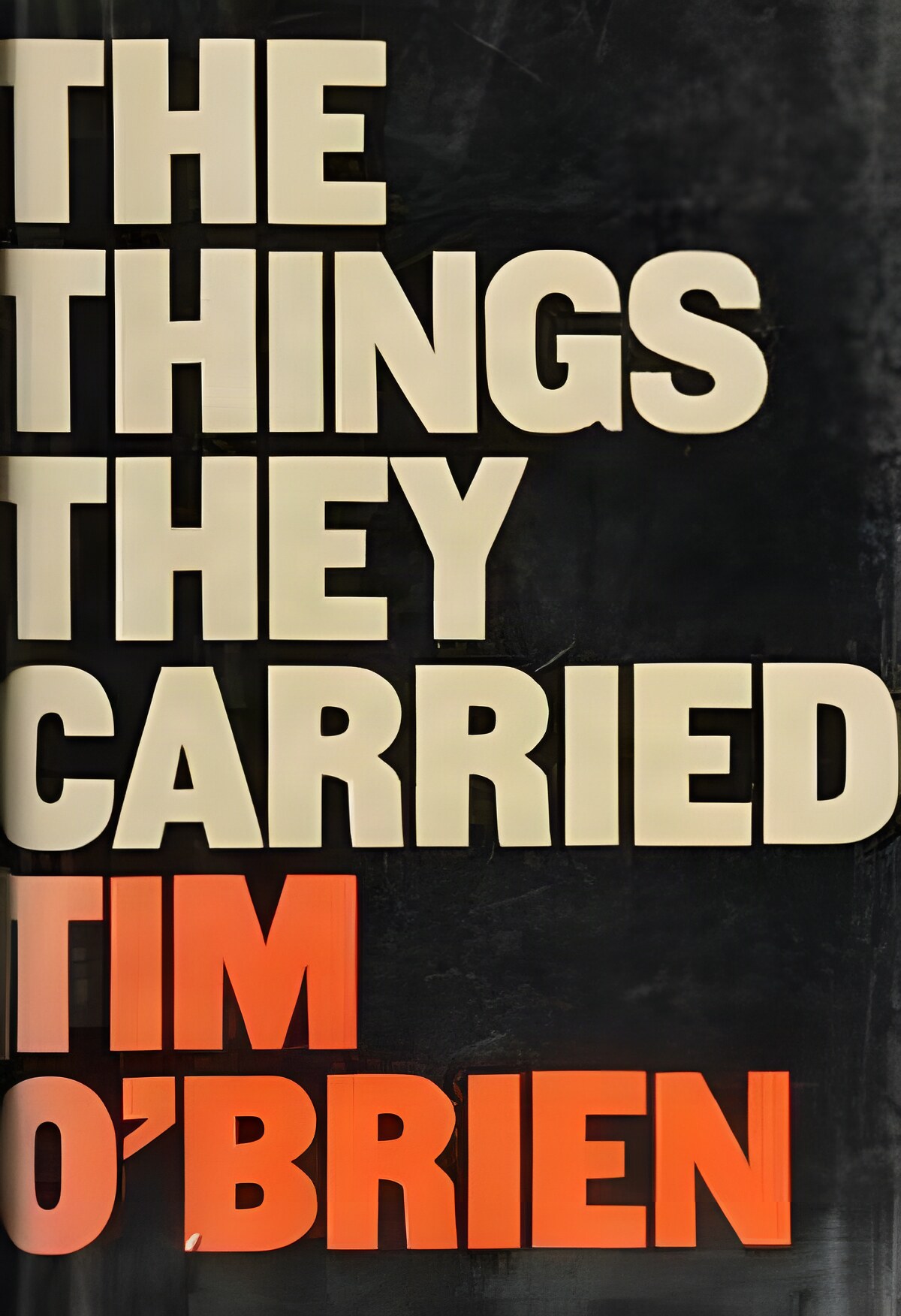
Hardcover. Boston, Houghton Mifflin, 1st, 1990, Book: Very Good, Dust Jacket: Very Good, Hardcover in an unclipped dust jacket with light fading to spine. Collection of stories about a platoon of soldiers in the Vietnam War. First trade edition with 1 in number row. Clean copy.
Hardcover. NY, Archipelago Books, 1st, 2004, Book: Very Good, Dust Jacket: Very Good, Hardcover in a bright dust jacket, 330 pages. In The Vanishing Moon, Joseph Coulson writes with insight and beauty about the American working-class, about the strength and strain of family bonds, and about tragic incidents that haunt the human psyche over a lifetime. Set in Cleveland and Detroit, the novel chronicles two generations of the Tollman family, opening at the start of the Great Depression and moving forward through five decades to the Vietnam War. The first narrator, Stephen Tollman, looks back on his early adventures with his older brother, as both boys try to shield their siblings from the confusion and vulnerability of financial ruin. Later, as World War II approaches, Katherine Lennox, musician and political activist, offers an outsider's view of the Tollmans, mesmerizing both Stephen and his brother with her energy and ambition. James Tollman comes of age in the 1960s, and as the youngest son in the family's second generation, he strives to understand his father and mother amidst a summer of assassinations and civil unrest. Stephen returns to finish the story, struggling to hold his own against the currents of memory and abandoned dreams. Told with the compression and intensity of a poem, The Vanishing Moon is a novel of desire, unyielding necessity, and the people and places that inevitably disappear from our lives. Clean copy.
Hardcover. Indianapolis, Bobbs-Merrill, 1st, 1972, Book: Very Good, Dust Jacket: Very Good, Hardcover in a bright, unclipped dust jacket. All about the motivation and planning for the Wars in Laos (1959-62), Vietnam (from 1954) and Cambodia. Peter Dale Scott examines the many ways in which war policy has been driven by "accidents" and other events in the field, in some cases despite moves toward peace that were directed by presidents. Name on front fly leaf, light rubbing to dj, otherwise clean.
Hardcover. London, Hard Case Crime, 1st thus, 2015, Book: Very Good, Dust Jacket: None, Hardcover, colorful dust jacket with a retro-style illustration by Glen Orbik. The year is 1977, and America is finally getting over the nightmares of Watergate and Vietnam and the national hangover that was the 1960s. But not everyone is ready to let it go. Not aging comedian Koo Davis, friend to generals and presidents and veteran of countless USO tours to buck up American troops in the field. And not the five remaining members of the self-proclaimed People's Revolutionary Army, who've decided that kidnapping Koo Davis would be the perfect way to bring their cause back to life. Remainder dot on bottom edge otherwise like new.
Softcover. NY, Knopf, 1st, 1983, Book: Very Good, Dust Jacket: None, Softcover, 117 pages. Introduction by William Shawcross. Text and photographs by Tim Page, a photo-journalist. Cover is a photograph of soldier with rifle in a rice paddy with yellow lettering. Rear cover is white with black lettering, states price of $14.95, and shows date of 3/83. Last page of book has list of photographs. Almost all photographs are in color. Book is square and tight.
Hardcover. NY, Knopf, 1st US, 1992, Book: Very Good, Dust Jacket: Very Good, Hardcover, 287 pages, b&w illustrations. From the construction of the Berlin Wall through every major conflict of his adult lifetime up to the Syrian Civil War, photographer Don McCullin has left a trail of iconic images. Unreasonable Behavior traces the life and career of one of the top photojournalists of the twentieth century and beyond. Born in London in 1935, McCullin worked as a photographer's assistant in the RAF during the Suez Crisis. His early association with a North London gang led to the first publication of his pictures. As an overseas correspondent for the Sunday Times Magazine beginning in 1966, McCullin soon became a new kind of hero, taking a generation of readers beyond the insularity of post-war domestic life through the lens of his Nikon camera. He captured the realities of war in Biafra, the Congo, Vietnam, Cambodia, and the human tragedy of famine and cholera on the Bangladesh border and later, the AIDs epidemic in Sub-Saharan Africa. McCullin now spends his days in a Somerset village, where he photographs the landscape and arranges still-lifes. Harrowing and poignant, Unreasonable Behavior is an extraordinary account of a witness who triumphed over the memories that could have destroyed him.
Softcover. Bethel CT, Apple Comics, 1st, 1989, Book: Very Good, Dust Jacket: None, Softcover, stapled comic book with color wraps, 28 pages illustrated in b&w by Lomax. Creator Don Lomax, a Vietnam War veteran, has entrenched his Vietnam Journal as one of the most realistic graphic representations of the Vietnam War. Recommended by The Military Book Club. Clean, bright copy.
Softcover. Bethel CT, Apple Comics, 1st, 1990, Book: Very Good, Dust Jacket: None, Softcover, stapled comic book with color wraps, 28 pages illustrated in b&w by Lomax. Creator Don Lomax, a Vietnam War veteran, has entrenched his Vietnam Journal as one of the most realistic graphic representations of the Vietnam War. Recommended by The Military Book Club. Clean, bright copy.
Softcover. Bethel CT, Apple Comics, 1st, 1990, Book: Very Good, Dust Jacket: None, Softcover, stapled comic book with color wraps, 28 pages illustrated in b&w by Lomax. Creator Don Lomax, a Vietnam War veteran, has entrenched his Vietnam Journal as one of the most realistic graphic representations of the Vietnam War. Recommended by The Military Book Club. Clean, bright copy.
Softcover. Bethel CT, Apple Comics, 1st, 1990, Book: Very Good, Dust Jacket: None, Softcover, stapled comic book with color wraps, 28 pages illustrated in b&w by Lomax. Creator Don Lomax, a Vietnam War veteran, has entrenched his Vietnam Journal as one of the most realistic graphic representations of the Vietnam War. Recommended by The Military Book Club. Clean, bright copy.


 "Ten Years After: Vietnamby: Tim Page")
 "The Apprentice Lover: A Novel (SIGNED COPY)by: Parini, Jay")
 "The Apprentice Lover: A Novel by: Parini, Jay")
 "THE COMEDY IS FINISHEDby: Donald E. Westlake")
 "The Kennan Diariesby: George F Kennan and Frank Costigliola")

 "The Mindful Momentby: Page, Tim")
 "The Mindful Momentby: Page, Tim")
 "The Sixtiesby: Avedon, Richard and Doon Arbus")
 "The Sixtiesby: Avedon, Richard and Doon Arbus")
 "The Vanishing Moonby: Joseph Coulson")

 "THIEVES FALL OUTby: Gore Vidal")
 "Tim Page's Namby: Tim Page; William Shawcross, introduction")
 "Unreasonable Behaviour: An Autobiographyby: McCullin with Lewis Chester, Don")
 "Vietnam Journal No. 10: The Plain of Reedsby: Lomax, Don")
 "Vietnam Journal No. 13: The Ballad of Luther Wolfeby: Lomax, Don")
 "Vietnam Journal No. 14: Cordon and Searchby: Lomax, Don")
 "Vietnam Journal No. 15: Coastal Pink and Almond Eyesby: Lomax, Don")