Hardcover. US, Steidl; Prima edizione , 1st, 2014, Book: Very Good, Dust Jacket: None, 95 pages. Hardcover with laminated boards. Like new in publisher's shrinkwrap.
Hardcover. Princeton NJ, Princeton University Press, 1st, 2011, Book: Very Good, Dust Jacket: Very Good, Hardcover in a bright dust jacket. Small ink notation on front fly leaf otherwise clean. 320 pages with extensive notes and index. This book tracks the dramatic outcomes of the federal government's growing involvement in higher education between World War I and the 1970s, and the conservative backlash against that involvement from the 1980s onward. Using cutting-edge analysis, Christopher Loss recovers higher education's central importance to the larger social and political history of the United States in the twentieth century, and chronicles its transformation into a key mediating institution between citizens and the state. Framed around the three major federal higher education policies of the twentieth century--the 1944 GI Bill, the 1958 National Defense Education Act, and the 1965 Higher Education Act--the book charts the federal government's various efforts to deploy education to ready citizens for the national, bureaucratized, and increasingly global world in which they lived. Loss details the myriad ways in which academic leaders and students shaped, and were shaped by, the state's shifting political agenda as it moved from a preoccupation with economic security during the Great Depression, to national security during World War II and the Cold War, to securing the rights of African Americans, women, and other previously marginalized groups during the 1960s and '70s. Along the way, Loss reappraises the origins of higher education's current-day diversity regime, the growth of identity group politics, and the privatization of citizenship at the close of the twentieth century. At a time when people's faith in government and higher education is being sorely tested, this book sheds new light on the close relations between American higher education and politics.
Hardcover. NY, Farrar, Straus and Giroux, 1st, 2000, Book: Very Good, Dust Jacket: Very Good, Hardcover in a bright dust jacket, 358 pages. A riveting historical mystery of Colonial America. In April, 1586, Queen Elizabeth I acquired a new and exotic title. A tribe of Native Americans, "savages," had made her their weroanza-a word that meant "big chief." The news was received with great joy, both by the Queen and by her favorite, Sir Walter Ralegh. His first American expedition had brought back a captive, Manteo, whose tattoed face and otter-skin cloak had caused a sensation in Elizabethan London. In 1857, Manteo was returned to his homeland as Lord and Governor, along with more than 100 English men, women and children.In 1590, a supply ship arrived at the colony to discover that the settlers had vanished. For almost twenty years the fate of Ralegh's colonists was to remain a mystery. When a new wave of settlers sailed to America to found Jamestown, their efforts to locate the lost colony were frustrated by the mighty chieftain, Powhatan, father of Pocahontas, who vowed to drive the English out of America. Only when it was too late did the settlers discover the incredible news that Ralegh's colonists had survived in the forests for almost two decades before being slaughtered in cold blood by Powhatan's henchmen. Clean copy.
Hardcover. Seattle, Fantagraphics Books, 1st, 2024, Hardcover, very large format-15 X 19", 176 pages. Bill Ward's glamour girls were the staples of countless men's and humor magazines, where they shared the pages with cult models like Bettie Page, Tina Louise, and Julie Newmar, and cartoons by fellow "good girl" artists such as Archie's Dan Decarlo and Playboy's Jack Cole. Imagine if you will, an innocent but stunning young woman boasting wildly exaggeratedly Barbie-like proportions poured into a wisp of lingerie or clingy cocktail dress and adorned in diamond necklaces and opera-length gloves, all perched on top of a pair of dangerously high stiletto heels, and you've got the recipe for the quintessential Bill Ward glamour girl. What set Ward apart-and above-his talented contemporaries in terms of sheer image-making was his use of the conte crayon. When drawn on simple newsprint stock, this potent combination created Ward's trademark gossamer sheen on his women's thigh-high stockings. This Fantagraphics Studio edition showcases the best of Ward's Humorama work and includes a healthy number of what became known as his "telephone girls." Tame by today's standards, Ward's telephone girls were always caught in candid moments when they just happened to be talking on the phone dressed in gossamer lingerie in innocently provocative poses. And did they ever talk on the phone when they weren't in bed? The majority of the images in this volume were drawn between 1955 and 1965 when Ward was at the height of his skill. They have been scanned in super high-solution from original art and reproduced to highlight every sheen and accentuate every curve to its fullest. The book not only reproduces more than 150 of Ward's most beautifully rendered illustrations, but also serves as a time capsule to a more innocent moment in pop culture when these images were shocking. The Fantagraphics Studio Edition also features an introduction by fashion/style icon and burlesque superstar Dita Von Teese. Like new. DOMESTIC SHIPPING ONLY.
Hardcover. Seattle, Fantagraphics Books, 1st, 2024, Book: Very Good, Dust Jacket: None, Hardcover, oversize format, pictorial boards. Vintage glamour girl artist extraordinaire Bill Ward gets the full Fantagraphics Studio Edition treatment featuring Ward's most polished, fully-realized pinups from the 1950s and 1960s. Bill Ward's glamour girls were the staples of countless men's and humor magazines, where they shared the pages with cult models like Bettie Page, Tina Louise, and Julie Newmar, and cartoons by fellow "good girl" artists such as Archie's Dan Decarlo and Playboy's Jack Cole. What set Ward apart-and above-his talented contemporaries in terms of sheer image-making was his use of the conte crayon. When drawn on simple newsprint stock, this potent combination created Ward's trademark gossamer sheen on his women's thigh-high stockings. This Fantagraphics Studio edition showcases the best of Ward's Humorama work and includes a healthy number of what became known as his "telephone girls." Tame by today's standards, Ward's telephone girls were always caught in candid moments when they just happened to be talking on the phone dressed in gossamer lingerie in innocently provocative poses. The majority of the images in this volume were drawn between 1955 and 1965 when Ward was at the height of his skill. They have been scanned in super high-resolution from original art and reproduced to highlight every sheen and accentuate every curve to its fullest. The book not only reproduces more than 150 of Ward's most beautifully rendered illustrations, but also serves as a time capsule to a more innocent moment in pop culture when these images were shocking. DOMESTIC SHIPPING ONLY.
Hardcover. NY, Atheneum, 3rd pr., 1999, Book: Very Good, Dust Jacket: Very Good, Hardcover in a bright, unclipped dust jacket. In a clear, straightforward style, Katz describes the settlement of the Ohio and Mississippi Valleys (covering Ohio, Indiana, Illinois, Michigan, Wisconsin, Minnesota, Iowa, Kansas, and Missouri) by African Americans seeking freedom, including biographical sketches of men and women who formed churches, started schools, or were politically active in their region. Some of these settlers were fugitive slaves; several set up stations on the Underground Railroad with the aid of the Quakers; others were farmers, poets, and soldiers. In several states, they helped form black regiments in the Civil War. Chronologically arranged, the book introduces many lesser-known personages not found in most collective biographies and places them in a broader context of U.S. history as a whole.
Hardcover. NY, Atheneum, 3rd pr., 1999, Book: Very Good, Dust Jacket: Very Good, Hardcover in a bright, unclipped dust jacket. In a clear, straightforward style, Katz describes the settlement of the Ohio and Mississippi Valleys (covering Ohio, Indiana, Illinois, Michigan, Wisconsin, Minnesota, Iowa, Kansas, and Missouri) by African Americans seeking freedom, including biographical sketches of men and women who formed churches, started schools, or were politically active in their region. Some of these settlers were fugitive slaves; several set up stations on the Underground Railroad with the aid of the Quakers; others were farmers, poets, and soldiers. In several states, they helped form black regiments in the Civil War. Chronologically arranged, the book introduces many lesser-known personages not found in most collective biographies and places them in a broader context of U.S. history as a whole.
Softcover. Hanover NH, Hood Museum of Art, Dartmouth College , 1st, 2008, Book: Very Good, Dust Jacket: None, Softcover, 374 pages illustrated in b&w and color. Issued in connection with an exhibition held March 8 to September 7, 2008, Hood Museum of Art, Dartmouth College. Black Womanhood examines an especially charged icon - the black female body - and contemporary artists' interventions upon historical images of black women as exotic Others, erotic fantasies, and supermaternal Mammies. This book presents icons of the black female body as seen from three separate but intersecting perspectives: the traditional African, the colonial, and the contemporary global. The display and contemplation of such iconic images addresses complex and often competing forces of self-presentation and the representation of others. Clean, like new. DOMESTIC SHIPPING ONLY.
Hardcover. New York, Coward, McCann & Geoghegan, Inc., 1st US, 1975, Book: Very Good, Dust Jacket: Good, Hardcover, 319 pages. Hardcover. Previous owners bookplate on preliminary pages. 16 pages of black & white illustrations. Foxing to top edge. Dust jacket with chipping along edges.
Softcover. Surrey UK, FAB Press, 1st, 2008, Book: Very Good, Dust Jacket: None, Softcover, 165 pages The Satanic Sluts are 666 of the world's most attitudinal, creative and original women, linked by a shared interest in all things dark, sexual and Satanic. Here, in a series of unique photographic portraits and personal statements, 50 elite members of the official Satanic Sluts open up their souls and their bodies to display their sexual fantasies, lusts and twisted ideologies for the first time.
Softcover. Surrey UK, FAB Press, 1st, 2008, Book: Very Good, Dust Jacket: None, Softcover, 165 pages The Satanic Sluts are 666 of the world's most attitudinal, creative and original women, linked by a shared interest in all things dark, sexual and Satanic. Here, in a series of unique photographic portraits and personal statements, 50 elite members of the official Satanic Sluts open up their souls and their bodies to display their sexual fantasies, lusts and twisted ideologies for the first time.
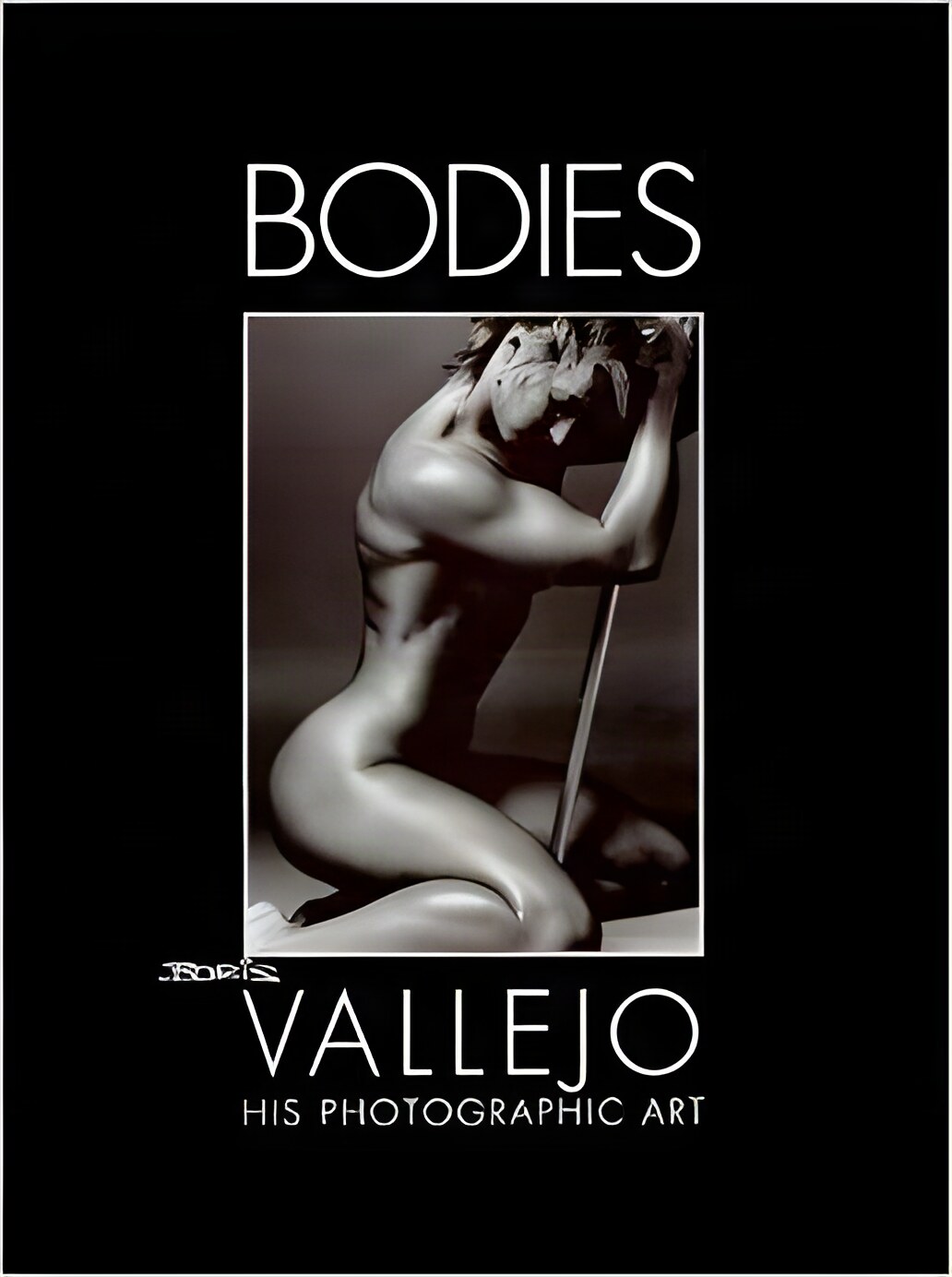
Hardcover. US, Thunder's Mouth Press, reprint, 1996, Book: Very Good, Dust Jacket: Very Good, Illustrated throughout with photos in color and b&w. Clean, tight copy. Erotic photographs of men and women (mostly women) in body builder poses. Color and black/white. Vallejo is famous for his fantasy illustrations specifically of "Conan the Barbarian."
Hardcover. NY, Alfred A. Knopf, 1st, 1966, Book: Very Good, Dust Jacket: None, Hardcover, dark blue cloth with gilt lettering on spine, 371 pages plus index. B&w illustrations. A study of the Civil War's effects on the "development" of women 1861-65 and how this led to further advances in the women's movement in later years. Name on front fly leaf, page 133 wrinkled. No dust jacket.
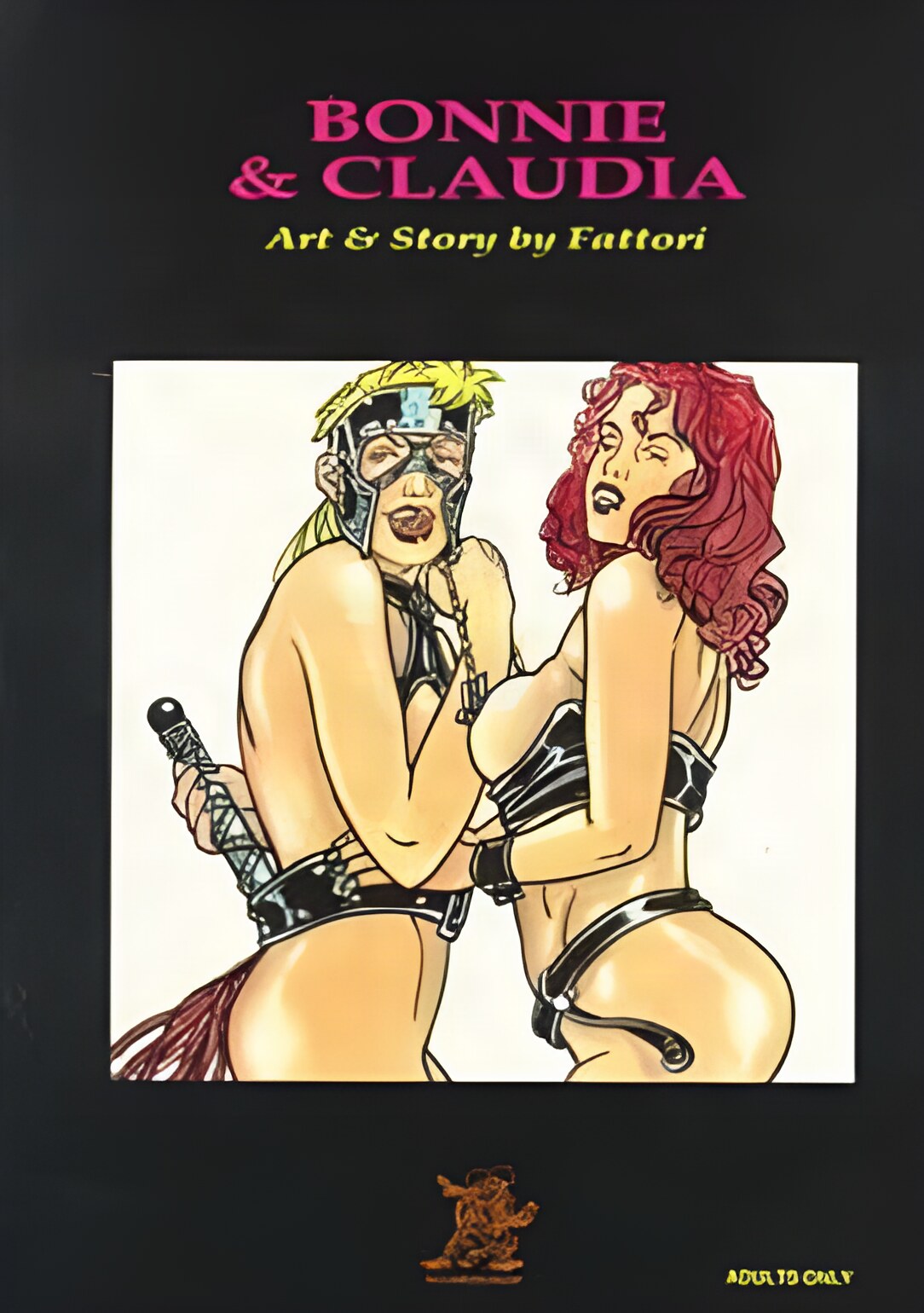
Softcover. Priaprism Press, 1st, 1998, Book: Very Good, Dust Jacket: None, Softcover, erotic graphic novel illustrated and written by Fattori. Two wild women catch a burglar and make him their love slaves and he enjoys every minute of it. And so on they lie, cheat, rob and copulate to the greatest delight of the readers.
Hardcover. Indianapolis, Bobbs-Merrill, 1st, 1908, Book: Very Good, Dust Jacket: None, Unpaginated, color decorations by Will Jenkins. This antique hardcover book is bound in olive-green cloth boards with a large color paste-down cover illustration of a woman by Will Grefe with gilt lettering. Features a variety of large color plates (about 12) from well-known illustrators of the day, many of which are suitable for framing, accompanied by verses of love. Bright, clean and tight.
Hardcover. New York, Scalo Verlag , 1st, 2001, Book: Very Good, Dust Jacket: Very Good, 144 pages. Hardcover with dust jacket. Very clean, unmarked copy still in publishers shrink-wrap. Thisbook contains a never-before published series of work from the early 1980s: Mikhailov photographed ''The Dancers'' in his hometown in the Ukraine during a period when the former Soviet Union was a reality, before the appearance of Gorbachov and "perestroika". We observe the open-air dancing scene with great astonishment; seeing older and younger people enjoy themselves in a way that might be contradictory to the images we might have about everyday life in the old Soviet Union. These cheerful images remind us how little women and men need to have a good time. An essay by Russian art critic Boris Groys and an exhaustive interview make this volume a must have for readers and libraries interested in contemporary art and photography. 65 duotone illustrations.
Hardcover. New York, Scalo Verlag , 1st, 2001, Book: Very Good, Dust Jacket: Very Good, 144 pages. Hardcover with dust jacket. Very clean, unmarked copy still in publishers shrink-wrap. This book contains a never-before published series of work from the early 1980s: Mikhailov photographed ''The Dancers'' in his hometown in the Ukraine during a period when the former Soviet Union was a reality, before the appearance of Gorbachov and "perestroika". We observe the open-air dancing scene with great astonishment; seeing older and younger people enjoy themselves in a way that might be contradictory to the images we might have about everyday life in the old Soviet Union. These cheerful images remind us how little women and men need to have a good time. An essay by Russian art critic Boris Groys and an exhaustive interview make this volume a must have for readers and libraries interested in contemporary art and photography. 65 duotone illustrations.
Softcover. University of Chicago Press, 2nd pr., 2011, Book: Very Good, Dust Jacket: None, Softcover, 219 pages. Both Hands Tied studies the working poor in the United States, focusing in particular on the relation between welfare and low-wage earnings among working mothers. Grounded in the experience of thirty-three women living in Milwaukee and Racine, Wisconsin, it tells the story of their struggle to balance child care and wage-earning in poorly paying and often state-funded jobs with inflexible schedules--and the moments when these jobs failed them and they turned to the state for additional aid. Clean copy.
Hardcover. Atglen PA, Schiffer Publishing, 1st, 1997, Book: Very Good, Dust Jacket: Very Good, Hardcover in a bright dust jacket, 133 pages plus bibliography and appendix. A thoroughly researched reference by an impassioned aficionado to a type of artwork that became popular around 1900 and lasted until roughly 1940. About 1,000 etchings and lithographs were created in France by some 100 engravers (Louis Icart was the pioneer); the pictures depict sensual, dreamy women lounging seductively in lingerie or various stages of undress a kind of softer-than-soft porn. Abundantly illustrated. 9.25x12.25". Like new, clean.
Hardcover. NY, Summit Books, 1st, 1982, Book: Very Good, Dust Jacket: Very Good, Hardcover in a bright dust jacket. Remainder mark on bottom edge, otherwise clean. Marge Piercy, whose earlier novels have chronicled the female experience in the turbulent '60s and 70s, now turns her considerable skill and passion to the 1950s in this portrait of women in transition from repression to freedom. Through the intense friendship between Jill and her cousin, Donna, we see and feel what it was like to grow up in Detroit in the '50s and go to college when the first seeds of freedom were sown. Through Jill's childhood friend Howie, and her relationships with Mike and Peter, we come to understand the danger that sex posed when abortions were illegal, making the outcome of a chance encounter of a night of love a matter of life and death. And, through Marge Piercy's brilliant, thought-provoking novel, our lives are illuminated.
Softcover. London, Hard Case Crime, 1st, 2014, Softcover, colorful wraps with a retro-style illustration by Glen Orbik The bagmen who transport money for organized crime live by a special set of rules: no relationships, no ties...no alcohol, no women...no talking...and never, ever look inside the bag you're carrying. For more than ten years, despite suffering from a rare brain disorder, Paul Page was the perfect bagman. But that ended the day he say a beautiful Mob wife become a Mob widow. Now Paul is going to break every one of the rules he's lived by to protect the woman he loves--even if it means he might be left holding the bag. Remainder dot to bottom edge otherwise like new.
Hardcover. Paris, Flammarion, 1st, 2011, Book: Very Good, Dust Jacket: Very Good, Hardcover in a lightly worn dust jacket, 167 pages, illustrated in color and b&w. A rare discovery of more than 150 previously unpublished photographs in black and white and in color, from a legendary photographer. Despite strong personal and professional ties in the U.S.--Henry Miller, Harper's Bazaar's Carmel Snow, and Edward Steichen, who featured Brassai's work in many MoMA exhibitions--Brassai remained reticent about travel to the U.S. until 1957 when Holiday magazine offered generous compensation (and artistic freedom) to photograph New York and Louisiana. From the first symbolic image of this voyage--the Statue of Liberty appearing over the ship's prow--Brassai came under the spell of America and his photographs innately captured his new perspective. In New York, he was captivated by the graphic skyscrapers and the rhythmic to-ing and fro-ing of the crowds. Unlike his static photographs of Paris--posing prostitutes, embracing lovers, sleeping street people--here he captured sequences of movement--children playing, fashionable women parading by, or the effects of light filtering through the urban architecture. In Louisiana, he continued to photograph more languorous sequences, but here he reveled in color--the copper skin of sunbathers, the pastel tones of prom dresses, the vibrant neon of amusement park attractions. The New Orleans music halls, nightlife, women, and exotic vegetation recall scenes from 1930s Paris. This exuberant study of 1950s America offers the reader unprecedented access to Brassai's work, including previously unpublished color photography. Front dj flap with mild wear otherwise a clean, bright copy.
Hardcover. Atlas, 1st, 2008, Book: Very Good, Dust Jacket: Very Good, Hardcover, 224 pages. In the spring and summer of 1961, several hundred Americans--blacks and whites, men and women--converged on Jackson, Mississippi, to challenge state segregation laws. The Freedom Riders, as they came to be known, were determined to open up the South to civil rights: it was illegal for bus and train stations to discriminate, but most did and were not interested in change. Over 300 people were arrested and convicted of the charge "breach of the peace." Collected here in a richly illustrated, large-format book featuring over seventy contemporary photographs, alongside the original mug shots, and exclusive interviews with former Freedom Riders, is that testament: a moving archive of a chapter in U.S. history that hasn't yet closed.
Hardcover. New York , Farrar, Straus and Giroux, 1st, 2013, Book: Very Good, Dust Jacket: Very Good, 260 pages, illustrations in color and b&w. Clean, unmarked copy with only minor wear to dust jacket. Lucian Freud's paintings are instantly recognizable: often shocking and disturbing, his portraits convey a profound yet compelling sense of discomfort. Freud was twice married and the father of at least a dozen children, and his numerous relationships with women were the subject of much gossip-but the man himself remained a mystery. An intensely private individual (during his lifetime he prevented two planned biographies from being published), Freud's life, as well as his art, invites questions that have had no answer-until now. In Breakfast with Lucian, Geordie Greig, one of a few close friends who regularly had breakfast with the painter during the last years of his life, tells an insider's account-accessible, engaging, revealing-of one of the twentieth century's most fascinating, enigmatic, and controversial artists. Greig, who has studied his subject's work at length, unravels the tangled thread of a life lived on Freud's own uncompromising terms. Based on private conversations in which Freud held forth on everything from first love to gambling debts to the paintings of Velazquez, and informed by interviews with friends, lovers, and some of the artist's children who have never before spoken publicly about their relationships with the painter, this is a deeply personal memoir that is illuminated by a keen appreciation of Freud's art.

 "Bettina Rheims: Bonkersby: Rheims, Bettina")
 "Between Citizens and the State: The Politics of American Higher Education in the 20th Centuryby: Christopher P. Loss")

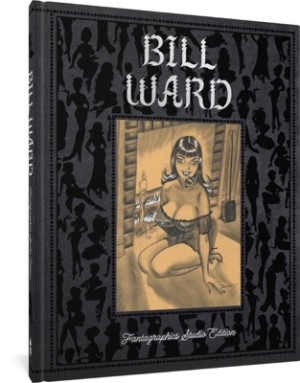
 "Bill Ward: The Fantagraphics Studio Editionby: Bill Ward/Alex Chun (Editor)")
 "Black Pioneers: An Untold Storyby: William Loren Katz")


 "Blanche of Castileby: Pernoud, Regine")
 "Blood & Dishonour: The Dark, Bloody and Perversely Erotic World of the Satanic Sluts...Satan's True Sirensby: Wingrove, Nigel (Editor)")
 "Blood & Dishonour: The Dark, Bloody and Perversely Erotic World of the Satanic Sluts...Satan's True Sirensby: Wingrove, Nigel (Editor)")

 "Book of Sweethearts - Pictures By Famous American Artists, Aby: various artists")
 "Boris Mikhailov: The Hasselblad Award 2000by: Knape, Gunilla")
 "Boris Mikhailov: The Hasselblad Award 2000by: Knape, Gunilla")

 "Boudoir Art: The Celebration of Life by: Clifford P. Catania")

 "BRAINQUAKEby: Samuel Fuller")


 "Breakfast with Lucian: The Astounding Life and Outrageous Times of Britain's Great Modern Painterby: Greig, Geordie")