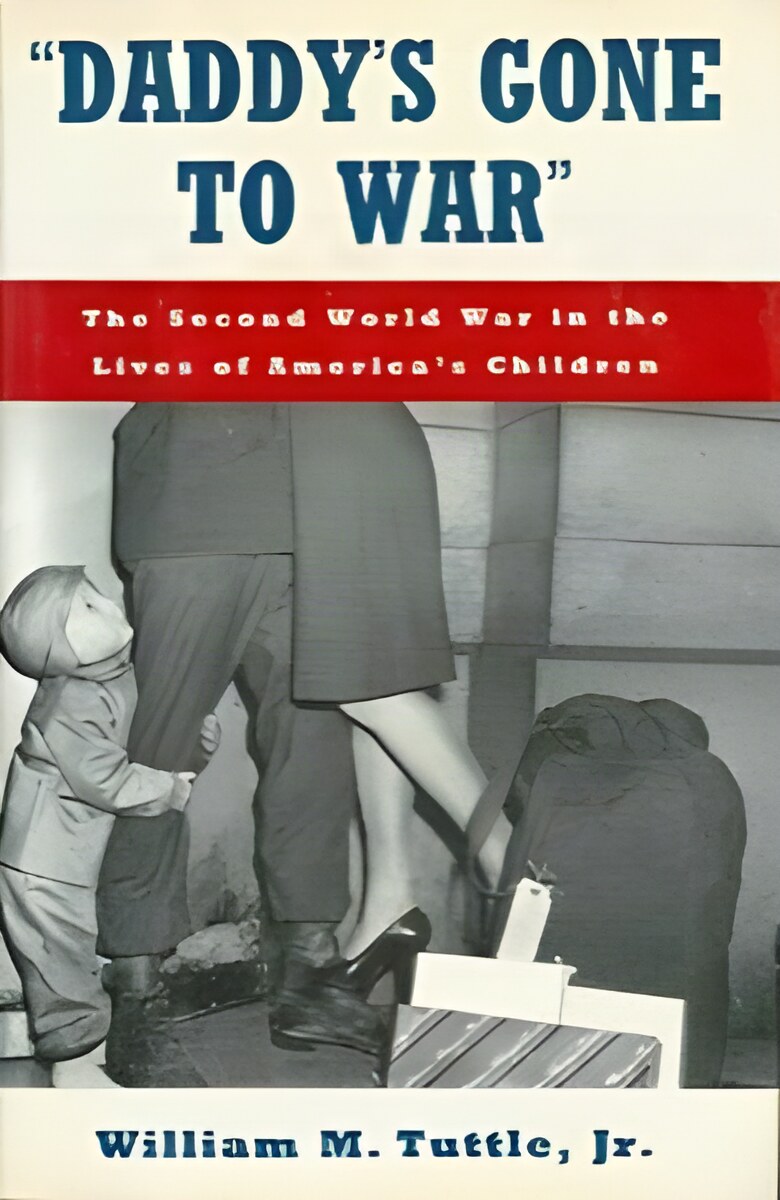
Hardcover. NY, Oxford University Press, 1st, 1993, Book: Very Good, Dust Jacket: Very Good, Hardcover in a bright dust jacket, 365 pages. A fascinating and poignant exploration of wartime America and of one generation's odyssey from childhood to middle age. The author views the experiences of ordinary children through the lens of developmental psychology and argues that WW II left an indelible imprint on the dreams and nightmares of an American generation, not only in childhood, but in adulthood as well. Clean copy.
Softcover. Burlington IA, Craftsman Press , 1st, 1995, Book: Very Good, Dust Jacket: None, Softcover, pictorial wraps, 190 pages, b&w illustrations. An infantryman's memoir of World War II in Europe's waning months. INSCRIBED BY BIED on half-title page. Clean copy.
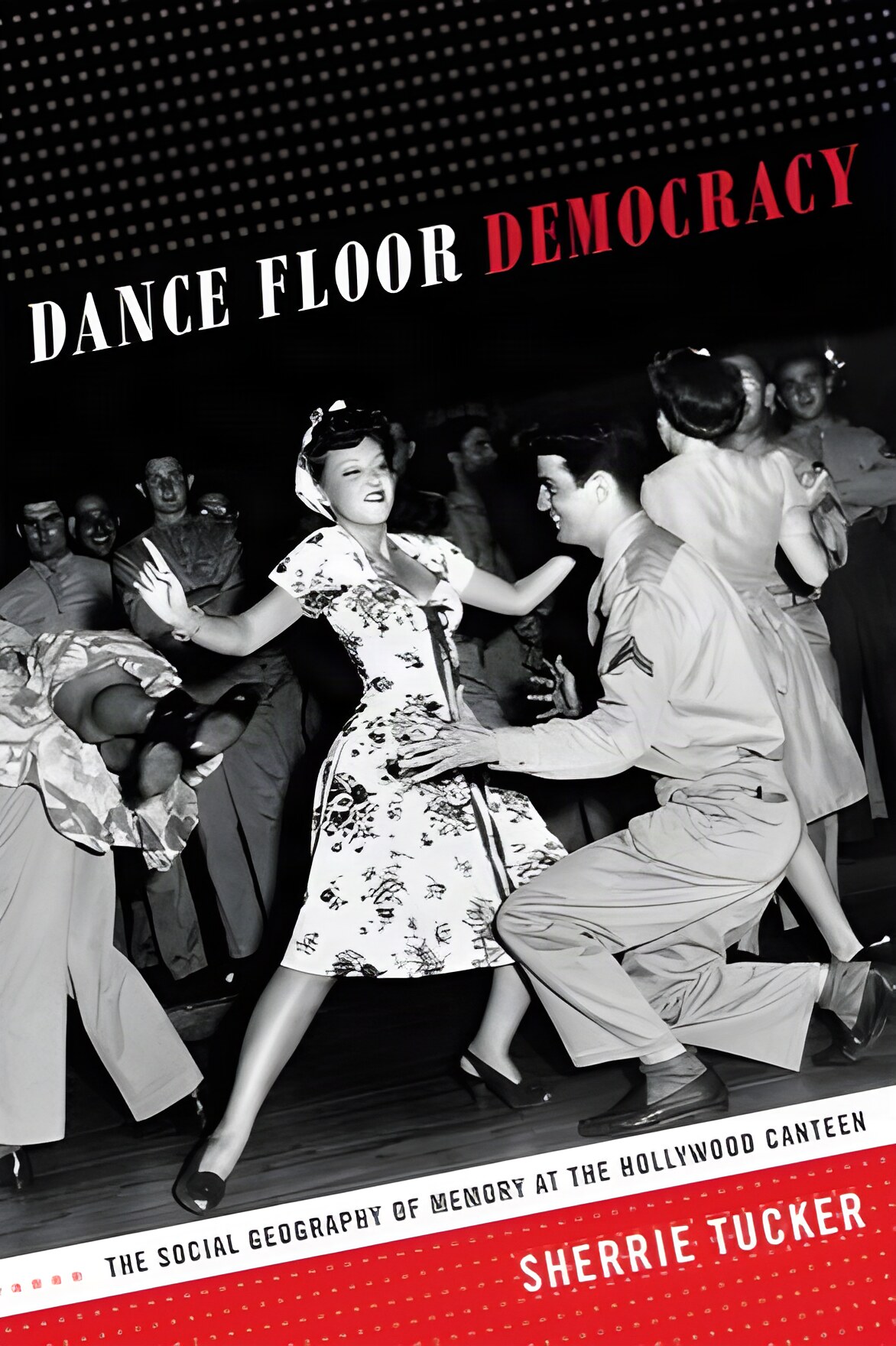
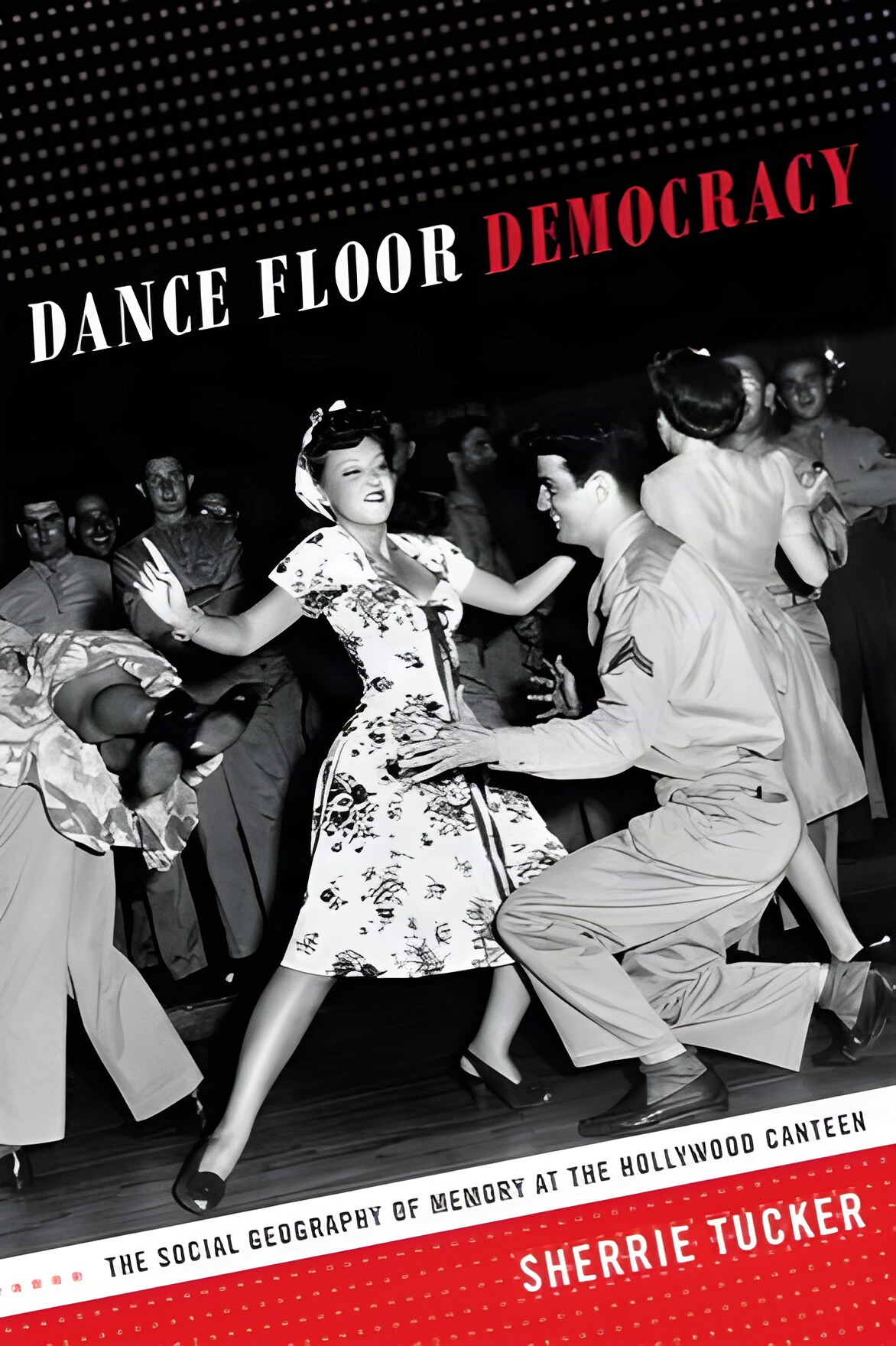
Softcover. Durham NC, Duke University Press, 1st, 2014, Book: Very Good, Dust Jacket: None, Softcover, 416 pages. Open from 1942 until 1945, the Hollywood Canteen was the most famous of the patriotic home front nightclubs where civilian hostesses jitterbugged with enlisted men of the Allied Nations. Since the opening night, when the crowds were so thick that Bette Davis had to enter through the bathroom window to give her welcome speech, the storied dance floor where movie stars danced with soldiers has been the subject of much U.S. nostalgia about the 'Greatest Generation.' Drawing from oral histories with civilian volunteers and military guests who danced at the wartime nightclub, Sherrie Tucker explores how jitterbugging swing culture has come to represent the war in U.S. national memory. Yet her interviewees' varied experiences and recollections belie the possibility of any singular historical narrative. Some recall racism, sexism, and inequality on the nightclub's dance floor and in Los Angeles neighborhoods, dynamics at odds with the U.S. democratic, egalitarian ideals associated with the Hollywood Canteen and the 'Good War' in popular culture narratives. Clean copy in publisher's shrinkwrap.
Softcover. Durham NC, Duke University Press, 1st, 2014, Book: Very Good, Dust Jacket: None, Softcover, 416 pages. Open from 1942 until 1945, the Hollywood Canteen was the most famous of the patriotic home front nightclubs where civilian hostesses jitterbugged with enlisted men of the Allied Nations. Since the opening night, when the crowds were so thick that Bette Davis had to enter through the bathroom window to give her welcome speech, the storied dance floor where movie stars danced with soldiers has been the subject of much U.S. nostalgia about the 'Greatest Generation.' Drawing from oral histories with civilian volunteers and military guests who danced at the wartime nightclub, Sherrie Tucker explores how jitterbugging swing culture has come to represent the war in U.S. national memory. Yet her interviewees' varied experiences and recollections belie the possibility of any singular historical narrative. Some recall racism, sexism, and inequality on the nightclub's dance floor and in Los Angeles neighborhoods, dynamics at odds with the U.S. democratic, egalitarian ideals associated with the Hollywood Canteen and the 'Good War' in popular culture narratives. Clean copy in publisher's shrinkwrap.
Hardcover. Munchen GR%, C. Bertelsmann, 1st, 1995, Book: Very Good, Dust Jacket: Very Good, Hardcover, 255 pages, profusely illustrated with b&w photographs. GERMAN TEXT.
Hardcover. NY, Dodd, Mead & Co., 1st, 1976, Book: Very Good, Dust Jacket: Very Good, Hardcover in a bright dust jacket, 466 pages, b&w illustrations. Name on front fly leaf, minor wear to dj. Otherwise a clean, tight copy.
Hardcover. NY, Harper & Brothers, 1st, 1941, Book: Very Good, Dust Jacket: Good, Previous owner's signature front paste-down. Color and black & white illustrations by Fritz Kredel. Dust jacket shows wear, chipping, tape repair. Hardbound.
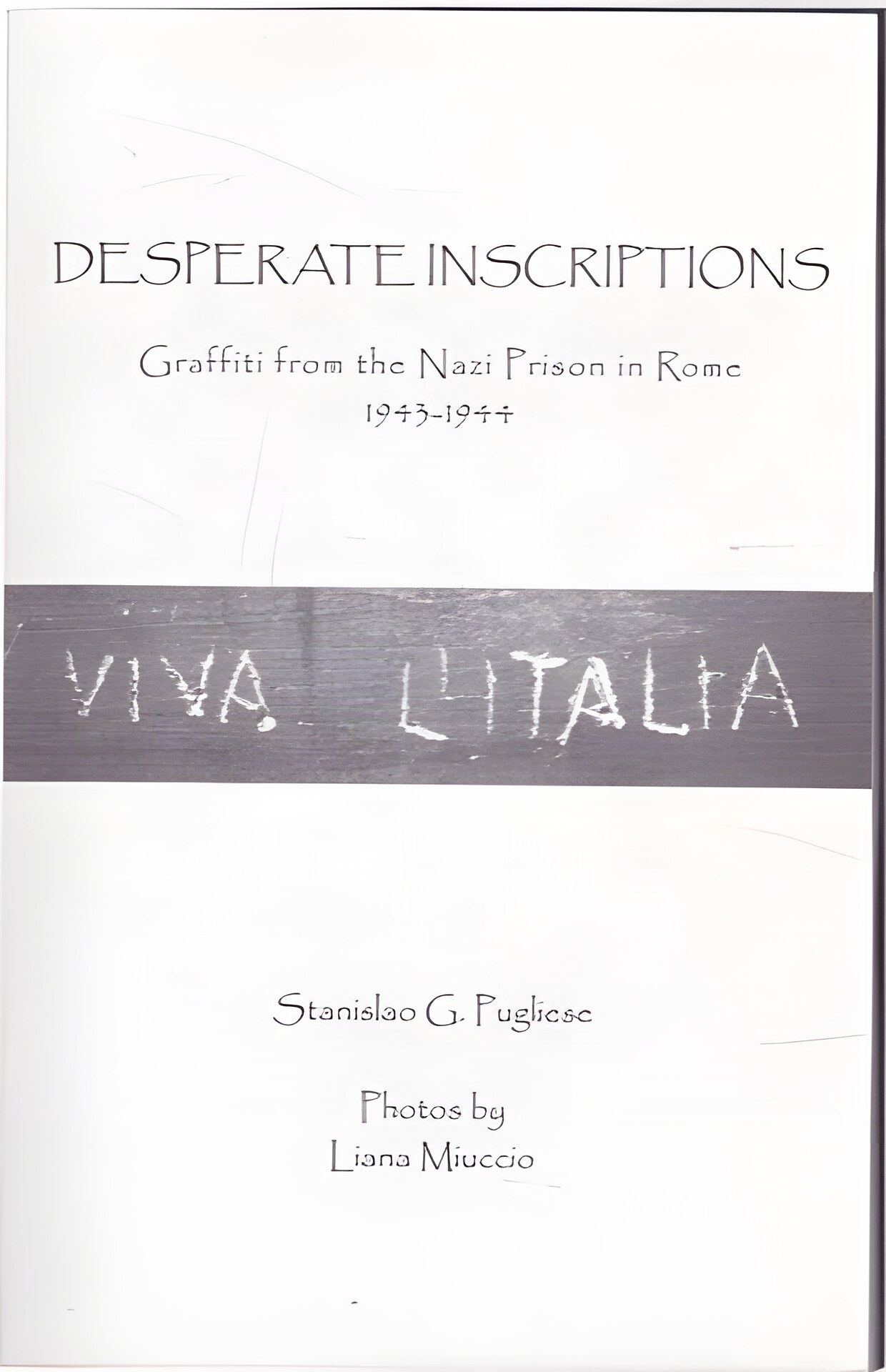
Softcover. Boca Raton FL, Bordighera Press , 1st, 2002, Book: Very Good, Dust Jacket: None, Softcover, b&w illustrations. Tucked away on Via Tasso in a middle-class district in the Eternal City--a stone's throw from the Basilica of St. John in Lateran--the former prison is now the Museo Storico della Liberazione di Roma, commemorating the liberation of Rome by Resistance fighters and Allied troops in June 1944. Within, anti-fascist partisans scrawled graffiti full of pathos and the romantic idealism that so permeated the Italian Resistance. A visitor today can still read the desperate inscriptions, collected in this volume along with recollections by inmates and narratives concerning the Via Tasso. Pugliese's thoughtful narrative, accompanied by black-and-white photos by Lianna Miuccio, documents the lives of such antifascist prisoners as Arrigo Paladini, who wrote on the wall as he was dying, "There is nothing that can give the joy of a beautiful death as the consciousness of having served the country until the last breath of life." This book examines the inscriptions on the walls, translates them, shows Miuccio's stark photos of them, and gives a historical context, timeline, and survivor and family interviews. Clean copy. Scarce.
Hardcover. Koln, Taschen, 1st, 2004, Book: Very Good, Dust Jacket: None, Hardcover, 460 pages, without dustjacket, as issued. Clean, bright copy with hundreds of nudes and scantily-clad women in color and b&w photographs and illustrations.
Hardcover. Baltimore, Johns Hopkins University Press, 1st, 1998, Book: Very Good, Dust Jacket: Very Good, Hardcover in a dust jacket with light fading to spine, 96 pages, 50 color photographs. Since the end of the Cold War, the U.S. government has been quietly focusing on how to utilize the vast tracks of land that were sequestered as munitions plants during WWII. In Joliet, Illinois, Terry Evans has photographed one such plant, and it's surrounding landscape, creating a gentle sense of irony in these beautiful color landscapes, many of which are low altitude aerial photographs. Part of the Center for American Places Series. Clean copy.
Hardcover. Taschen, 1st, 2008, Book: Very Good, Dust Jacket: Very Good, Hardcover, 580 pages. 1940-1949: Destruction and Reconstruction. This volume covers the 1940s, when fascism came to a climax and World War II led to the extensive destruction of Europe. But the second half of this decade was also a time of reconstruction, democratization, and the related search for new social values. Unlike in Nazi Germany, in fascist Italy Modernism was able to advance in architecture and design - as proved impressively by the buildings and designs by Carlo Mollino, Gian Luigi Banfi, Franco Albini, and Giuseppe Terragni that are documented herein. After the war, Organic Design emerged alongside the International style. This edition reflects upon the economic, social, and cultural problems of the time, but also shows how the force of the avant-garde continued to thrive in Italy, Switzerland, Scandinavia and the USA. Reports and features on modern industrial design and furniture, as well as domestic and business interiors stand side by side with articles about novel prefabricated houses. In publisher's shrink wrap. Due to size and weight, DOMESTIC SHIPPING ONLY.
Hardcover. NY, The New Press, 1st, 2009, Book: Very Good, Dust Jacket: Very Good, Hardcover in a bright, unclipped dust jacket, 280 pages. Dedicated readers and fans of Theodor Seuss Geisel, or Dr. Seuss, know of Seuss's fascinating, long-forgotten career as a political cartoonist for the New York daily newspaper PM during World War II. Dr. Seuss, however, was only one of a number of distinguished cartoonists whose work appeared in PM. In Dr. Seuss & Co. Go to War, we discover an astonishing treasure trove of over three hundred incisive political cartoons by Seuss as well as a cohort of other legendary cartoonists of the time, including Saul Steinberg, Al Hirschfeld, Arthur Szyk, Carl Rose, and Mischa Richter. These fascinating cartoons offer a totally different picture of the war, both at home and abroad. Sure to fascinate and surprise readers across the generations, Dr. Seuss & Co. Go to War lets readers ?time travel to a remarkable time when editorial cartoons really mattered". Clean copy.
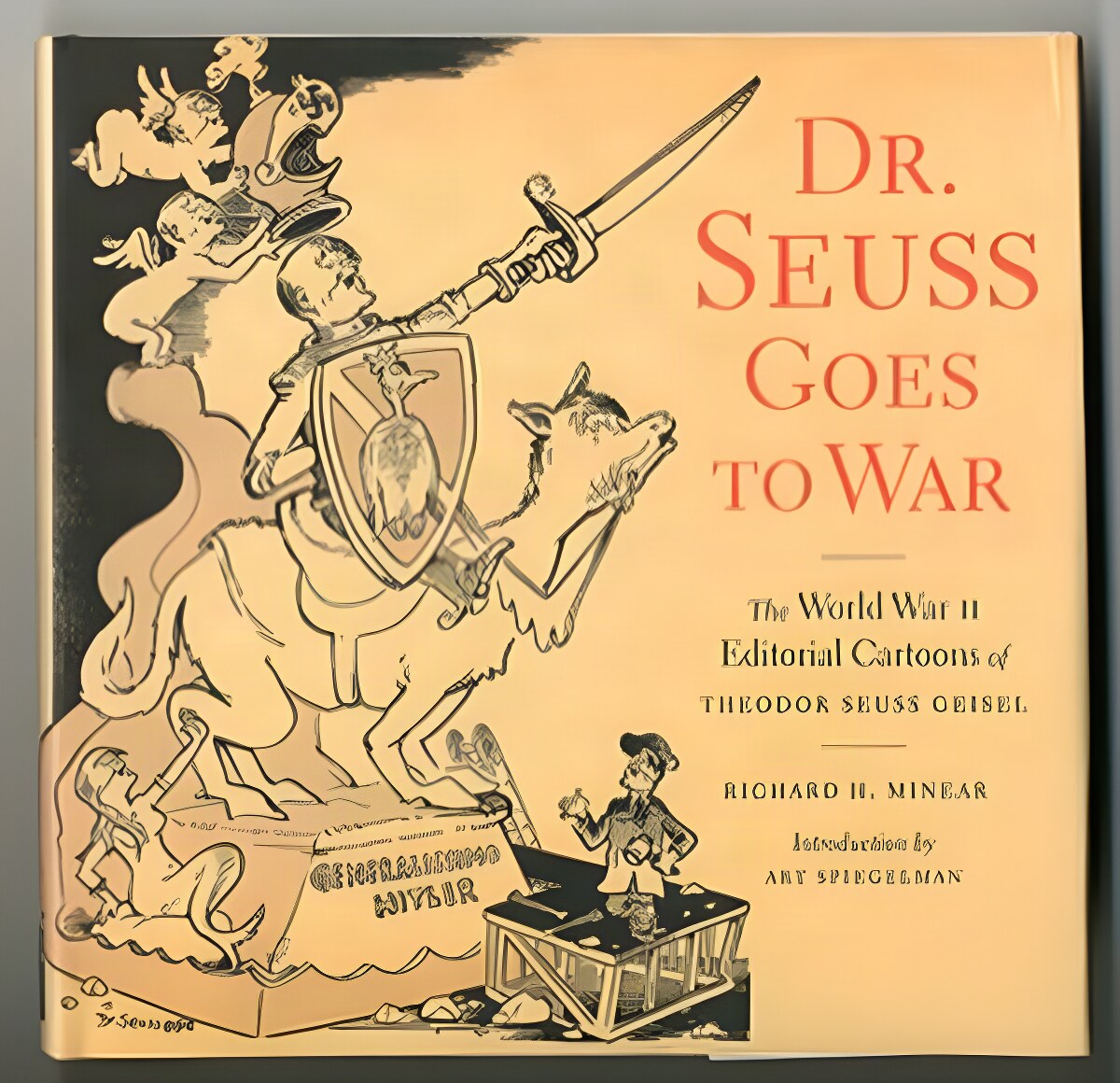
Hardcover. NY, New Press, 1st, 1999, Book: Very Good, Dust Jacket: Very Good, Hardcover, 272 pages, A collection of Dr. Seuss's political cartoons commenting on World War II. Featuring handsome, large-format reproductions of more than two hundred of Geisel's cartoons with commentary by Richard Minear.
Hardcover. NY, Scholastic Press, 1st, 2011, Book: Very Good, Dust Jacket: Very Good, Hardcover, 64 pages. Allen Say's own story of his path to becoming the renowned artist he is today. Shunned by his father, who didn't understand his son's artistic leanings, Allen was embraced by Noro Shinpei, Japan's leading cartoonist and the man he came to love as his "spiritual father." As WWII raged, Allen was further inspired to consider questions of his own heritage and the motivations of those around him. He worked hard in rigorous drawing classes, studied, trained--and ultimately came to understand who he really is. Part memoir, part graphic novel, part narrative history, DRAWING FROM MEMORY presents a complex look at the real-life relationship between a mentor and his student. With watercolor paintings, original cartoons, vintage photographs, and maps, Allen Say has created a book that will inspire the artist in all of us.
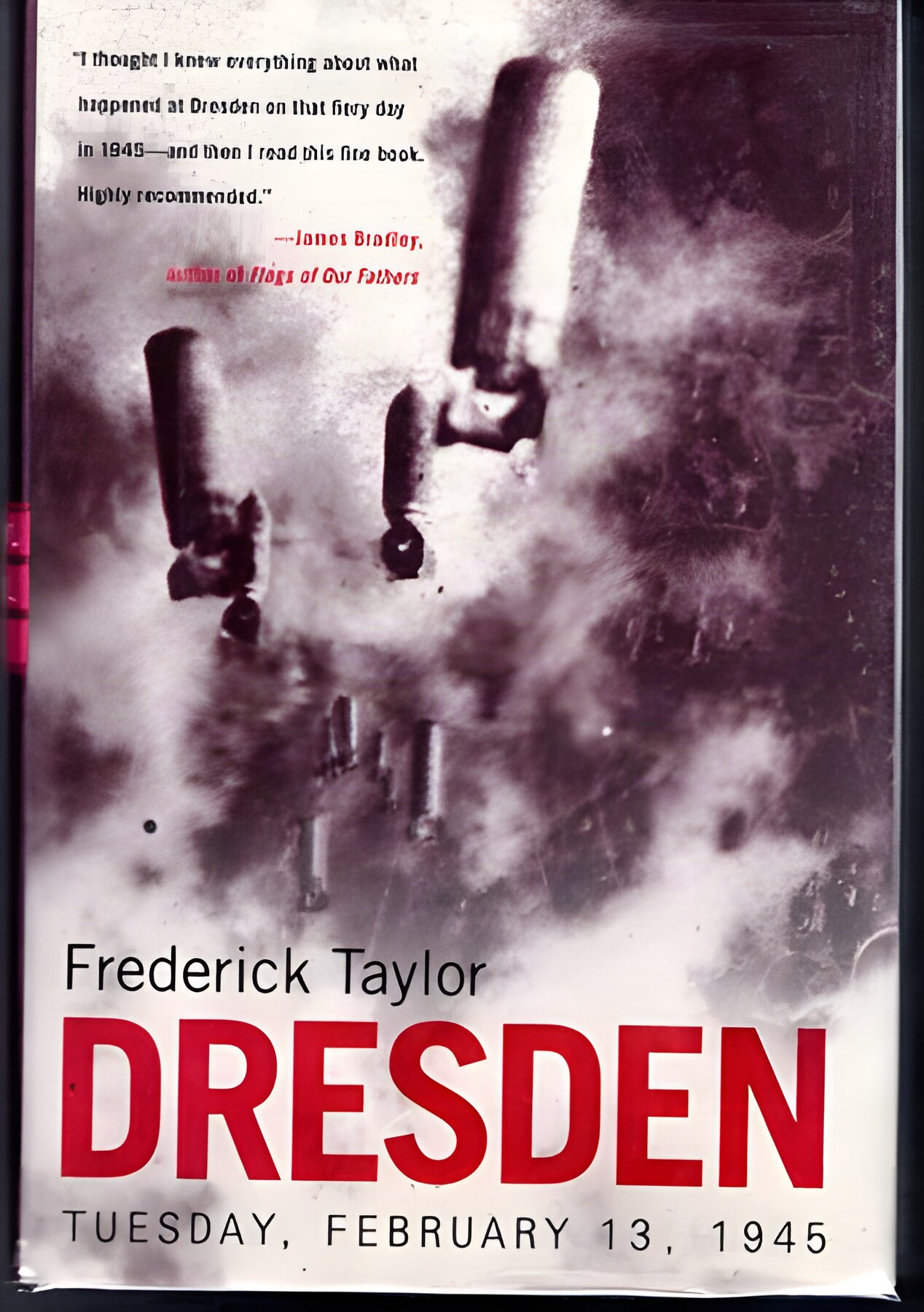
Hardcover. NY, HarperCollins, 1st, 2004, Book: Very Good, Dust Jacket: Very Good, Hardcover in a bright dust jacket, 518 pages with index. B&w illustrations. The allied bombing of Dresden created a massive fire that swept the city center, killing thousands of people and destroying its medieval heart. Debate began almost immediately: Was the destruction of this seemingly civilian city necessary militarily, or was it, some asked, equivalent to a war crime? Not just another in an endless parade of books on Dresden, Taylor's account may go a long way toward putting such questions to rest. It opens with the start, by British bombers, of the nighttime attack, and immediately turns to the past, meandering through several centuries of Dresden history, from its founding in the Middle Ages to the 20th century and the rise of the Nazis. Taylor, translator of The Goebbels Diaries, also covers the history of aerial bombardment and its international laws; gives glimpses of life under the Nazi regime; details the Allied bombing campaign against Germany; and, most excitingly, puts forth new information concerning Dresden's part in the German war effort, which turns out to be much greater than postwar information generally portrays. Clean copy.
Softcover. UK, Arundel Books, 1st, 2008, Book: Very Good, Dust Jacket: None, Softcover, 202 pages, b&w illustrations. Geoffrey Pidgeon (1926-2021) worked at Bletchley Park during the Second World War on wireless transmission and output. An account of the wartime activities of Edgar Harrison who was a senior colleague of Geoffrey Pidgeon in M16 (Section VIII) and had the most extraordinary adventures during the Second World War. Clean copy.
Hardcover. NY, Scribner, 1st, 2012, Book: Very Good, Dust Jacket: Very Good, Hardcover in a bright, unclipped dust jacket. SIGNED BY OTTO on the title page. This captivating novel opens in 1917 as Cymbeline Kelley surveys the charred remains of her photography studio, destroyed in a fire started by a woman hired to help take care of the house while Cymbeline pursued her photography career. This tension-- between wanting and needing to be two places at once; between domestic duty and ambition; between public and private life; between what's seen and what's hidden from view--echoes in the stories of the other seven women in the book. Among them: Amadora Allesbury, who creates a world of color and whimsy in an attempt to recapture the joy lost to WWI; Clara Argento, who finds her voice working alongside socialist revolutionaries in Mexico; Lenny Van Pelt, a gorgeous model who feels more comfortable photographing the deserted towns of the French countryside after WWII than she does at a couture fashion shoot; and Miri Marx, who has traveled the world taking pictures, but also loves her quiet life as a wife and mother in her New York apartment. Crisscrossing the world and a century, Eight Girls Taking Pictures is an affecting meditation on the conflicts women face and the choices they make. These memorable characters seek extraordinary lives through their work, yet they also find meaning and reward in the ordinary tasks of motherhood, marriage, and domesticity. Most of all, this novel is a vivid portrait of women in love--in love with men, other women, children, their careers, beauty, and freedom.
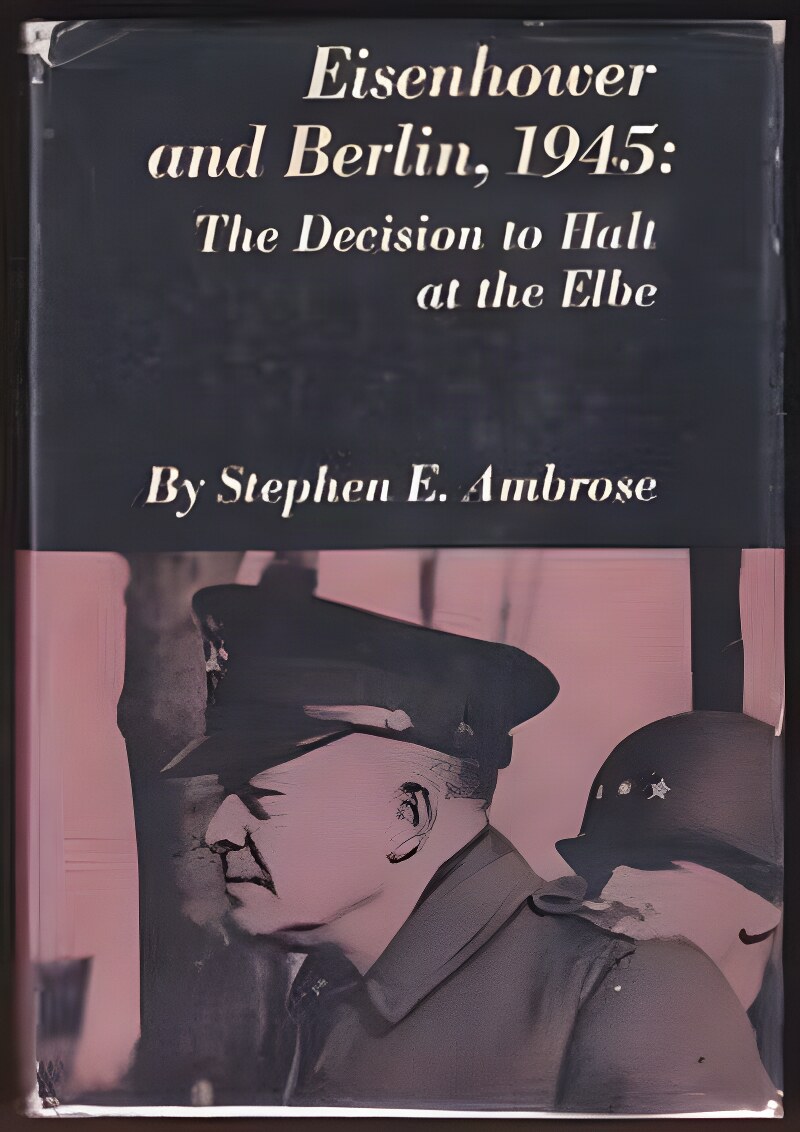
Hardcover. NY, W. W. Norton, 1st, 1967, Book: Very Good, Dust Jacket: Very Good, Hardcover in a worn, chipped dust jacket, 119 pages, maps, index. As WWII ground to a close, whose forces would be the first to reach Berlin? General Dwight David Eisenhower, supreme commander of the British and American armies, chose to halt at the Elbe River and leave Berlin to the Red Army. Could he have beaten the Russians to Berlin? If so, why didn't he? If he had, would the Berlin question have arisen? Would Germany have been divided as it was? Name on front fly leaf, otherwise clean.
Hardcover. NY, W. W. Norton , 2nd pr., 1970, Book: Very Good, Dust Jacket: Very Good, Hardcover in a lightly worn, price-clipped dust jacket, 209 pages. Many b&w photos, some color. The author and S. Oughterson and Shields Warren, as part of the United States Atomic Bomb Causality Commission, were sent immediately (September 1945) to survey Hiroshima and Nagasaki, Japan after the bombing and surrender of Japan to study the devastation and the subsequent irradiation sickness.
Hardcover. Munchen GR%, C. Bertelsmann, 1st, 1992, Book: Very Good, Dust Jacket: Very Good, Hardcover, 255 pages, profusely illustrated with b&w photographs, text illustrations., maps, bibliog., Foreword by Lew Kopelew. GERMAN TEXT. Highly pictorial account of the disastrous German campaign 1942-43. Cllean copy.
Hardcover. Chicago, Quadrangle Books, 1st, 1972, Book: Very Good, Dust Jacket: Good, Hardcover in a rubbed, worn dust jacket, 277 pages. Name on front fly leaf, otherwise clean.
Softcover. West Lafayette IN, Purdue University Press , 1st, 2020, Book: Very Good, Dust Jacket: None, Softcover, 529 pages, b&w illustrations. Eva and Otto is a true story about German opposition and resistance to Hitler as revealed through the early lives of Eva Lewinski Pfister (1910-1991) and Otto Pfister (1900-1985). It is an intimate and epic account of two Germans-Eva born Jewish, Otto born Catholic-who worked with a little-known German political group that resisted and fought against Hitler in Germany before 1933 and then in exile in Paris before the German invasion of France in May 1940. After their improbable escapes from separate internment and imprisonment in Europe, Eva obtained refuge in America in October 1940 where she worked to rescue other endangered political refugees, including Otto, with the help of Eleanor Roosevelt. As revealed in recently declassified records, Eva and Otto later engaged in different secret assignments with the US Office of Strategic Services (OSS) in support of the Allied war effort. Despite their vastly different backgrounds, Eva and Otto gave each other hope and strength as they acted upon what they understood to be an ethical duty to help others threatened by fascism. The book provides a sobering insight into the personal risks and costs of a commitment to that duty. Their unusually beautiful writing-directed to each other in diaries and correspondence during two long periods of wartime separation-also reveals an unlikely and inspiring love story.
Hardcover. NY, Reynal & Hitchcock, 1942, Book: Very Good, Dust Jacket: Fair, Hardcover, blue cloth covers with silver lettering, price-clipped dust jacket worn with large chunk gone from bottom 2" of spine and rear panel. The recollections of the author of a French photography sortie carried out a 33,000' in defiance of the German fighter planes during May 1940. Illustrated Bernard Lamotte. No indication of printing, illustrated endpapers. No date on title page, Copyright page states 1942. Clean copy.


 "Das Ende 1945 Der verdammte Kriegby: Guido Knopp")

 "Defending Americaby: Peet, Creighton")
 "Dian Hanson's : The History of Men's Magazines : Volume 1: 1900 to Post-WWIIby: Hanson, Dian")




 "Edgar Harrison-Soldier, Patriot and Ultra Wireless Operator to Winston Churchill by: Pidgeon, Geoffrey")
 "Eight Girls Taking Pictures: A Novelby: Whitney Otto")
 "Encounter with Disaster: a Medical Diary of Hiroshima 1945by: Liebow, Averill A.")
 "Entscheidung Stalingrad-Das Buch zur TV Reihe Der verdammte Krieg by: Guido Knopp")

 "Eva and Otto: Resistance, Refugees, and Love in the Time of Hitlerby: Pfister, Tom; Pfister, Kathy; Pfister, Peter")
 "Flame of Freedom - The German struggle against Hitler, Theby: Zeller, Eberhard")
 "Flight to Arrasby: Saint-Exupery, Antoine De")