Hardcover. NorthSouth Books, 3rd pr., 2022, Hardcover in a bright dust jacket, 32 pages illustrated in color by Hopman. All the famous ladies want a Givenchy dress--actresses, opera singers, princesses and the wife of a president. When Audrey Hepburn has to figure what to wear for her next movie, she approaches Givenchy, but he's too busy to design something just for her. When encourages her to try on clothing from within his collection, they're both stunned by what they discover. Philip Hopman brings us a stylish and compelling picture book about fashion and friendship that fits like a glove! Clean copy.
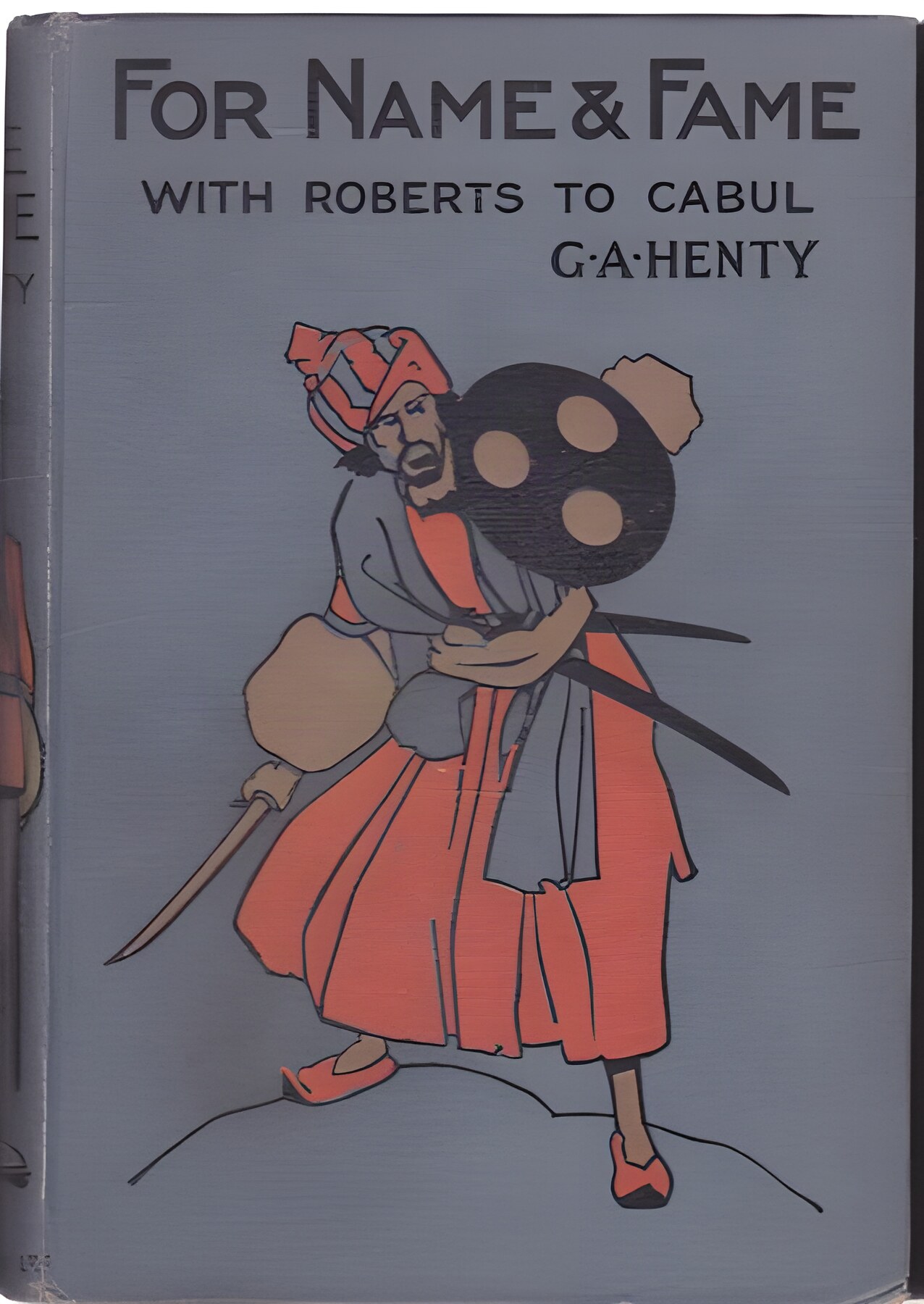
Hardcover. London, Blackie & Sons, reprint, nd, Book: Very Good, Dust Jacket: None, Hardcover, light blue cloth stamped in 3-colors, 352 pages. Color frontis and 4 b&w plates, illustrator not credited. The narrative follows the protagonist, William Gale, who embarks on a series of adventures during the tumultuous period of the last Afghan War. Clean copy.
Hardcover. San Francisco, Oceanic Publishing Company, 1st, 1920, Book: Very Good, Dust Jacket: None, Hardcover, dark blue cloth with white rules and lettering, 375 pages, b&w illustrations. Errata slip tipped-in. The book is a comprehensive reference guide for travelers interested in exploring the Pacific Ocean and its surrounding regions. The author shares his personal experiences and observations from his four decades of traveling the Pacific, including his encounters with the people, cultures, and landscapes of the various countries and islands he visited. In addition to providing practical travel advice, the book also offers a glimpse into the history, politics, and social customs of the Pacific region. With its vivid descriptions and engaging storytelling, a delightful read for armchair travelers. Clean copy.
Softcover. London, Financial Times/ Prentice Hall, 1st, 2000, Book: Very Good, Dust Jacket: None, Softcover, 319 pages. An exploration of the future of corporate enterprise. Asks questions about the phenomenon of giant transnational companies and networked newer players working side by side. Wonders at the economic patterns that have begun to emerge in world commerce. "Foundations of Corporate Empire sketches the history of international business from the emergence of ancient Assyria around 2000 BC through the Phoenician, Carthaginian and Grecian periods up to the time of the Roman Imperium under Augustus, and then on the medieval and modern eras ending with today's post-modern times." "The history of these civilizations has developed around different economic models, which have regularly re-emerged across time and are still present today." "Foundations of Corporate Empire looks at our past economic foundations to better understand where we are today and where we should be tomorrow." --Jacket. Clean copy.
Hardcover. Hartford CT, O.D. Case and Company, 1st, 1865, Book: Good, Dust Jacket: None, Hardcover, brown cloth covers with gilt title on spine faded. 450 pages, coated brown endpapers and pastedowns. Illustrated with a frontispiece and with eight plates (all in black and white). Completing the title page: "Including the author's capture at Vicksburg, May 3, 1863, while running the rebel batteries; his imprisonment at Vicksburg, Jackson, Atlanta, Richmond, and Salisbury; his escape and perilous journey of four hundred miles to the Union Lines at Knoxville." Light foxing throughout. No markings.
Hardcover. NY, Henry Holt and Co., 1st, 1936, Book: Very Good, Dust Jacket: Very Good, Hardcover in a bright dust jacket, 20 pages. Green cloth covers stamped in silver. Clean, sharp dust jacket. Uncommon collection of poetry, Frost's own selections, one for each month of the year. Facsimile of "Stopping by Woods" as a frontispiece. No price on dust jacket, rear flap notes Frost's Selected Poems/Third Edition for $2.50. Front fly leaf with short inscription dated 12/8/36. Super condition.
Softcover. Ithaca NY, Cornell University Press, 1st, 1987, Book: Very Good, Dust Jacket: None, Softcover, 390 pages. Since World War II, an important transformation has occurred in American society as wives and others have increasingly taken jobs outside the home. American women has always worked, however - first almost solely in the home and later also as wage earners outside the home. Anthropologist Louise Lamphere here provides an analysis of both kinds of work and shows how they have been interconnected in the lives of women in the industrial community of Central Falls, Rhode Island. The author offers a dynamic picture of working-class women, one that sees them not as passive victims but as active agents who draw upon a range of strategies and behaviors both to deal with their employment and to help their families cope with the industrial order. The book will be engaging reading for anthropologists, social and labor historians, sociologists, political economists, and students of women's studies. Clean copy.
Hardcover. New Brunswick NJ, Rutgers University Press, 1st, 1982, Book: Very Good, Dust Jacket: Very Good, Hardcover in a bright dust jacket, 178 pages. In this intimate and fascinating study, Fruzzetti paints a vivid picture of the activities and rituals governing life in Vishnupur, a large town in rural West Bengal. Drawing on four years of fieldwork during which she was both an observer and a participant in many of the rituals she describes, Fruzzetti, unlike most writers on India, gives primary attention to women, their daily activities, and their marriage rituals. These, she believes, are an important key to understanding Indian society as a whole. Small ownership stamp on front fly leaf, otherwise clean.
Hardcover. NY, Harcourt, Brace and Company, reprint, Book: Very Good, Dust Jacket: Very Good, Hardcover in a bright dust jacket, 250 pages with drawings by Estes. This is an early reprint issued after the author won the 1952 Newbery Medal for excellence with the foil sticker on the cover. $2.50 on dj flap, no other printing on copyright page. When the Pye family's puppy, Ginger, disappears on Thanksgiving Day, the children are convinced that he has been abducted by a stranger in a yellow hat. In lovely condition.
Hardcover. NY, Macmillan Co., 2nd pr., 1970, Hardcover, pictorial cloth, 36 pages illustrated in color by Keats. Peter has found a rare treasure, a pair of old, beat-up motorcycle goggles. He and his best friend Archie are on their way to Archie's front stoop with their prize when they run into a neighborhood gang that wants those goggles, too. What the bullies don't understand is how hard it is to catch two smart boys and one crafty dog. Ex-lib with light stamping, notation to endpapers. Clean internally.
Hardcover. NY, Henry Holt, 1st, 2003, Book: Very Good, Dust Jacket: Very Good, Hardcover in a bright dust jacket, 320 pages. Money has always been at the heart of the American experience. Paper money, invented in Boston in 1698, was a classic of American ingenuity-and American disregard for authority and tradition. With the wry and admiring eye of a modern Tocqueville, Jason Goodwin has written a biography of the dollar, giving us the story of its astonishing career through the wilds of American history. Clean copy.
Softcover. NY, Vanguard, 2nd pr., 2010, Book: Very Good, Dust Jacket: None, Softcover, 208 pages. The first comprehensive biography of Hal Foster (1892-1982). Brian Kane examines the 70-year career of one of the greatest illustrators of the 20th century. Included are more than 100 photographs of Foster, his family and friends, as well as a 16-page color section.
Hardcover. NY, Palgrave/Macmillan, 1st, 2003, Book: Very Good, Dust Jacket: Very Good, Hardcover in a bright dust jacket, 283 pages. Each chapter is devoted to a specific idea of, or a major influence on, Hayek. Foundational ideas incorporated into Hayek's thought are discussed (Darwinianism, German historicism, Austrian school economics) as are significant works that denoted major changes in his thought. Individual chapters deal with Mises, Keynes, Friedman and Popper, and another contrasts Hayek's thought with Marx, Mill, and Freud. Hayek's major economic thought is address in chapters devoted to both his early years and his later work. Ex-lib with stamp on top edge, residue on inside rear cover.
Hardcover. UK, Oxford University Press, 1st transl. thus, 1942, Book: Very Good, Dust Jacket: Good, Hardcover, blue cloth in a lightly worn dust jacket, 382 pages. Contains his mature views on such subjects as law, rights, morality, the family, economic life, and the state. First published in 1821. Dust jacket with tanning, otherwise clean.
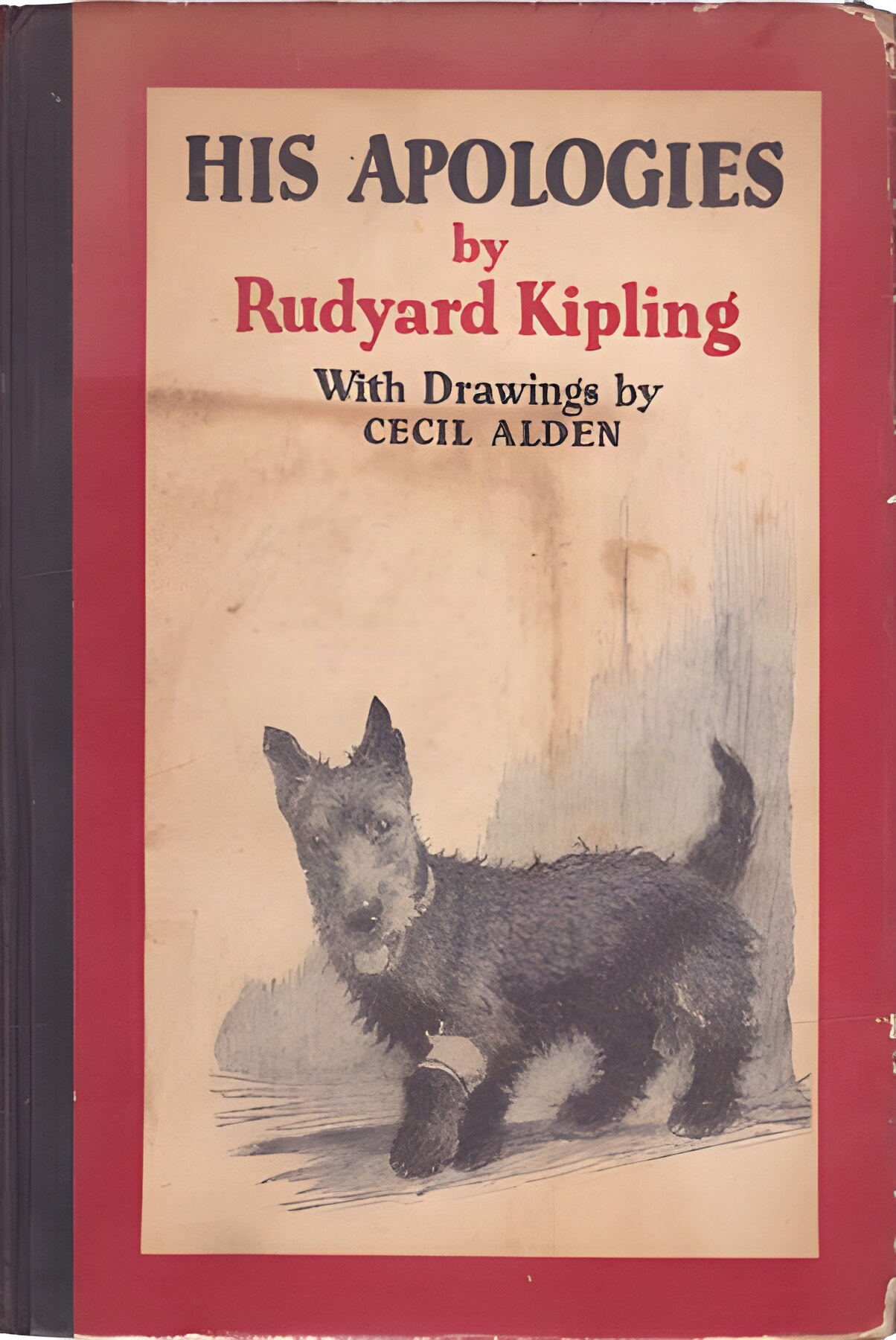
Hardcover. NY, Doubleday, Doran & Company, 1st US, 1932, Book: Good, Dust Jacket: None, Hardcover, pictorial boards with black cloth spine. Kipling's classic poetic tribute to his beloved Scottie. Seven black and white full page illustrations by Cecil Aldin, whose name is misspelled on the cover. There is tanning to the cover , light corner wear to boards. Previous owner's notation on front fly leaf. Aldin's charming drawings are clean and bright.
Hardcover. Santa Fe NM, Arena Editions, 1st, 2002, Book: Very Good, Dust Jacket: Very Good, Hardcover in a bright dust jacket. Paul Jasmin?s photographs are dreamy tableaux that underscore a fascination with youthful play and innocence. Included in this long-awaited collection are playful nudes, portraits of friends and colleagues from the entertainment and art worlds, fashion shoots, and restful travel images that recall 19th-century romanticism. An influence on numerous artists, Jasmin?s photographs are both rarefied and accessible; his photos regularly appear in leading fashion magazines such as L?Uomo Vogue, W, Arena, and Nylon. Preface by Sofia Coppola. Clean copy.
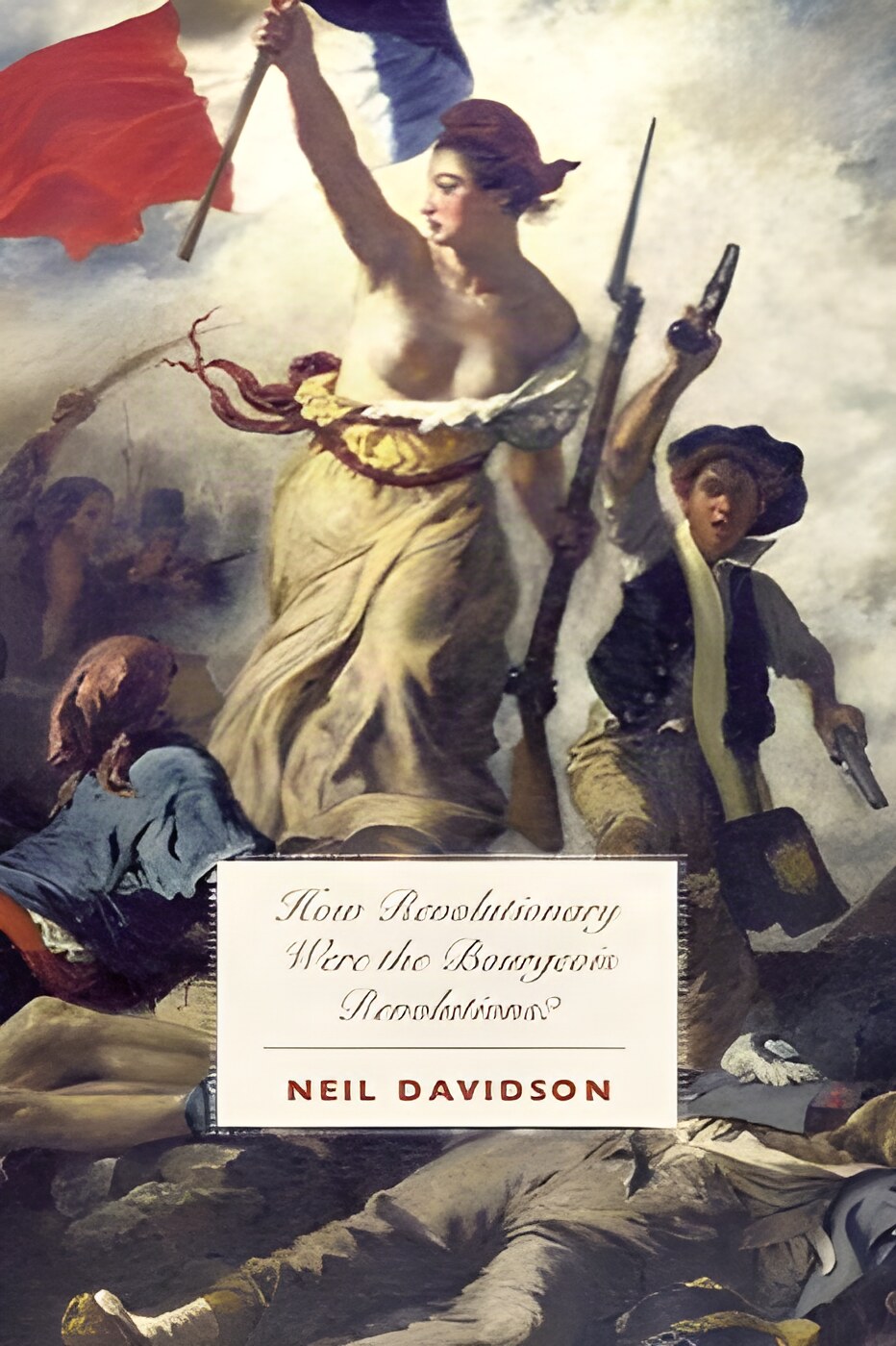
Softcover. Chicago, Haymarket Books, 1st, 2012, Book: Very Good, Dust Jacket: None, Softcover, 812 pages. Once of central importance to left historians and activists alike, the concept of the bourgeois revolution has recently come in for sustained criticism from both Marxists and conservatives. In this comprehensive rejoinder, Neil Davidson seeks to answer the question by systematically examining the approach taken by a wide range of thinkers to explain their causes, outcomes, and content across the historical period from the sixteenth-century Reformation to twentieth-century decolonization. Davidson's far-reaching research and comprehensive analysis shows that far from being a stale issue for the history books, understanding these struggles of the past can offer insightful lessons for today's radicals. Clean copy.
Hardcover. NY, Basic Books, 2nd pr., 1986, Book: Very Good, Dust Jacket: Very Good, Hardcover in a bright dust jacket, 416 pages. How did the West--Europe, Canada, and the United States--escape from immemorial poverty into sustained economic growth and material well-being when other societies remained trapped in an endless cycle of birth, hunger, hardship, and death? In this elegant synthesis of economic history, two scholars argue that it is the political pluralism and the flexibility of the West's institutions--not corporate organization and mass production technology--that explain its unparalleled wealth. Clean copy.
Hardcover. NY, Scribner, 1st, 2013, Book: Very Good, Dust Jacket: Very Good, Hardcover in a bright dust jacket, 364 pages, b&w illustrations. A fresh, meticulous, and entertaining account of Henry Ford, the Model-T, and the invention of the American car industry in the early twentieth century. Born the same year as the battle of Gettysburg, Ford died two years after the atomic bombs fell, and his life personified the tremendous technological changes achieved in that span. Clean copy.
Hardcover. London, Walter Scott Publishing, reprint, nd, Book: Very Good, Dust Jacket: None, Hardcover, red cloth covers with gilt lettering on spine, 348 pages plus publisher's ads in rear. Walter Savage Landor's most celebrated prose work. This collection features a series of dialogues that blend historical and fictional figures, spanning from antiquity to Landor's contemporary period. The conversations are structured in various formats, including classical dialogues, discussions between sovereigns, and exchanges among literary figures, showcasing Landor's classical influences and intellectual rigor. Spine color faded, name on front fly leaf otherwise clean.
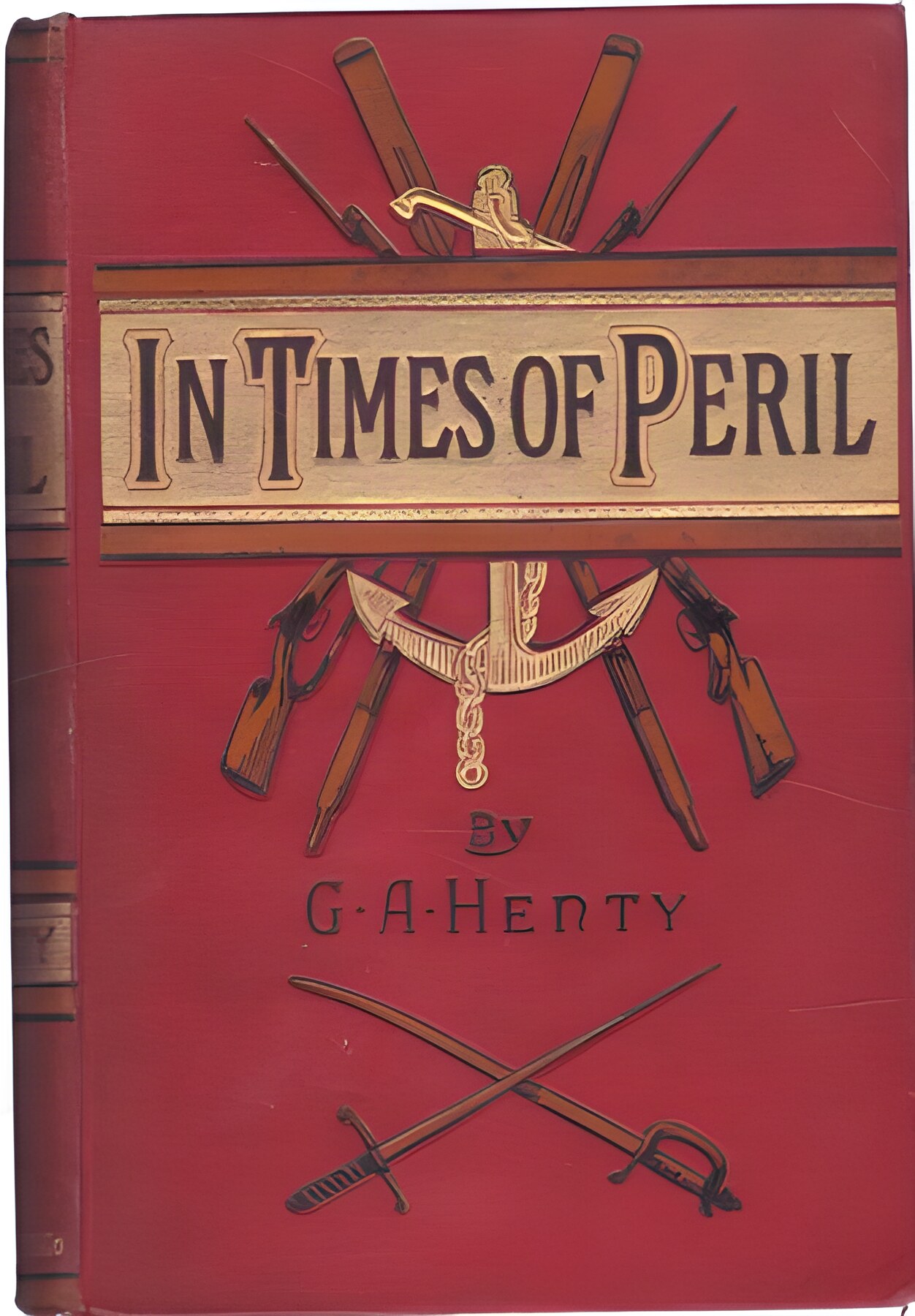
Hardcover. NY, Charles Scribner's Sons, 1st US, 1900, Book: Very Good, Dust Jacket: None, Hardcover, green cloth stamped in gilt and three colors, 384 pages plus publisher's ads in rear. 12 b&w illustrations by Charles Sheldon. Desmond Kennedy is a young Irish lad who left Ireland to join the Irish Brigade in the service of Louis XIV of France. In Paris he incurred the deadly hatred of a powerful courtier from whom he had rescued a young girl who had been kidnapped, and his perils are of absorbing interest. Captured in an attempted Jacobite invasion of Scotland, he escaped in a most extraordinary manner. As aid-de-camp to the Duke of Berwick he experienced thrilling adventures in Flanders. Transferred to the Army in Spain, he was nearly assassinated, but escaped to return, when peace was declared, to his native land, having received pardon and having recovered his estates. Previous owner's signature on a blank prelim page, otherwise clean.
Hardcover. London, Griffith Faqrran & Co., Book: Very Good, Dust Jacket: None, Hardcover, red cloth stamped in gilt and 2-colors, 343 pages. Illustrated with 19 b&w plates, illustrator uncredited. All edges gilt. Previous owner's inscription on inside front cover (dated 1895). A story set during the Indian Rebellion of 1857. The story follows two British brothers, Dick and Ned Warrender, who are the sons of an officer in the local garrison. Clean copy.
Hardcover. NY, Grove Press, 1st, 1965, Book: Very Good, Dust Jacket: Very Good, Hardcover in a bright dust jacket, b&w photos of stage performers, 115 pages. First printing. Name on front fly leaf otherwise clean.
Hardcover. Atglen PA, Schiffer, 1st, 2014, Book: Very Good, Dust Jacket: Very Good, Hardcover in a bright dust jacket, 144 pages illustrated in color. Hollywood's Golden Age was graced with thousands of breathtaking looks by a designer who was known simply as Irene. Based on unprecedented access to the records and remembrances of Irene's personal artist, Virginia Fisher, this insider's look tells the story of Irene's years at MGM studios. Marvelously illustrated with more than 150 original sketches and photography from the time period, Irene's exhilarating story, filled with memories that have a cloying edge and are, at times, chilling, comes to life in this thoroughly researched resource on her career and legacy. From her early years as a designer with a successful dress shop catering to Hollywood clientele to her ascendancy at MGM studios to the beginning of her own label, Irene, Inc., this volume captures Irene's struggles and triumphs surrounding her time at MGM. Complete with a filmography of Irene's designs and full of insightful cameos by stars like Judy Garland, Lana Turner, and others, this is the ideal book for film and costume historians, fashion designers, and fans of Hollywood's Golden Age. Clean copy.


 "Forty Years on the Pacific: The Lure of the Great Oceanby: Coffee, Frank")




 "From Snow to Snowby: Robert Frost")

 "Gift of a Virgin: Women, Marriage, and Ritual in a Bengali Societyby: Lina M. Fruzzetti")












 "I Invented the Modern Age: The Rise of Henry Fordby: Richard Snow")
 "Imaginary Conversationsby: Walter Savage Landor")