Softcover. New Haven CT, Yale University Press, 1st, 1992, Book: Very Good, Dust Jacket: None, Softcover, 375 pages. In this pathbreaking and richly illustrated book, Martin Kemp examines the major optically oriented examples of artistic theory and practice from Brunelleschi's invention of perspective and its exploitation by Leonardo and Durer to the beginnings of photography. In a discussion of color theory, Kemp traces two main traditions of color science: the Aristotelian tradition of primary colors and Newton's prismatic theory that influenced Runge, Turner, and Seurat. His monumental book not only adds to our understanding of a large group of individual works of art but also provides valuable information for all those interested in the interaction between science and art. "This beautifully made volume . . . shows us the unity of the visual study of nature-the exalted mutual task of Renaissance science and art."-Scientific American. Clean copy. NOTE: Due to weight, DOMESTIC SHIPPING ONLY.
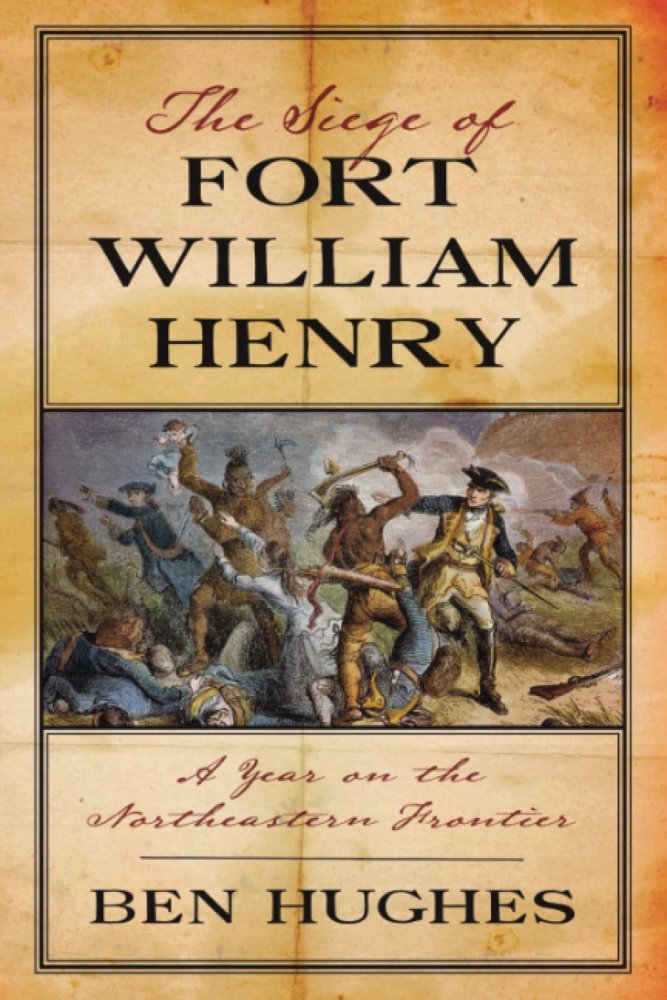
Hardcover. Yardley PA, Westholme Publishing, BC Ed., 2011, Book: Very Good, Dust Jacket: Very Good, Hardcover in a bright dust jacket, 337 pages. The opening years of the French and Indian War were disastrous for the British. In 1755 General Braddock's troops were routed at the Battle of Monongahela and by the middle of 1756 Fort Oswego on Lake Ontario had fallen. Hindered by quarrelsome provincial councils, incompetent generals, and the redcoats' inability to adapt to wilderness warfare, Britain was losing the war. In 1757 the 35th Regiment of Foot stepped into the breach. A poorly trained assortment of conscripts, old soldiers, and convicted criminals led by Lieutenant Colonel George Monro, the regiment was destined to take center stage in the most controversial event of the war. Fort William Henry on the southern shore of New York's Lake George was a key fortification supporting British interests along the frontier with French America. Clean copy.
Hardcover. NY, Harper and Row, BC Ed., 1988, Book: Very Good, Dust Jacket: Very Good, Hardcover in a bright dust jacket with light edgewear. The dramatic true story of one of the great adventures of our nation's earliest years - the Lewis and Clark expedition 1803-6 to explore the American continent to the Pacific and return. This book includes in-depth profiles of the expedition's members and recounts the varying reactions of the Indians, from helpful to hostile and even violent. It provides compelling accounts of each leg of the journey. An engrossing reexamination of the expedition written by a master of narrative history. 444 pages. Clean copy.
Hardcover. Schiffer Publishing, 1st, 1997, Book: Very Good, Dust Jacket: Very Good, Hardcover, pages. Much of early Americana has been destroyed and lost forever. But occasionally, and almost miraculously, some parts of its survive. So it is with the photographs in this book. Saved from an ignominious end in the city dump, they chronicle and enliven the cowboy's life on the range. The result is a beautiful volume of real-life images of western cattlemen. These unretouched photographs taken from the original 5" x 7" negatives give an unprecedented look at life on the ranch and trail. We are presented with real people seen on the job. We see the costumes, the work, the everyday necessities of the range. And as the cowboys stare back at the camera or work with one another, the reader will get the sense of knowing them and their way of living. This is an important volume of history that every student of the Old West will cherish.
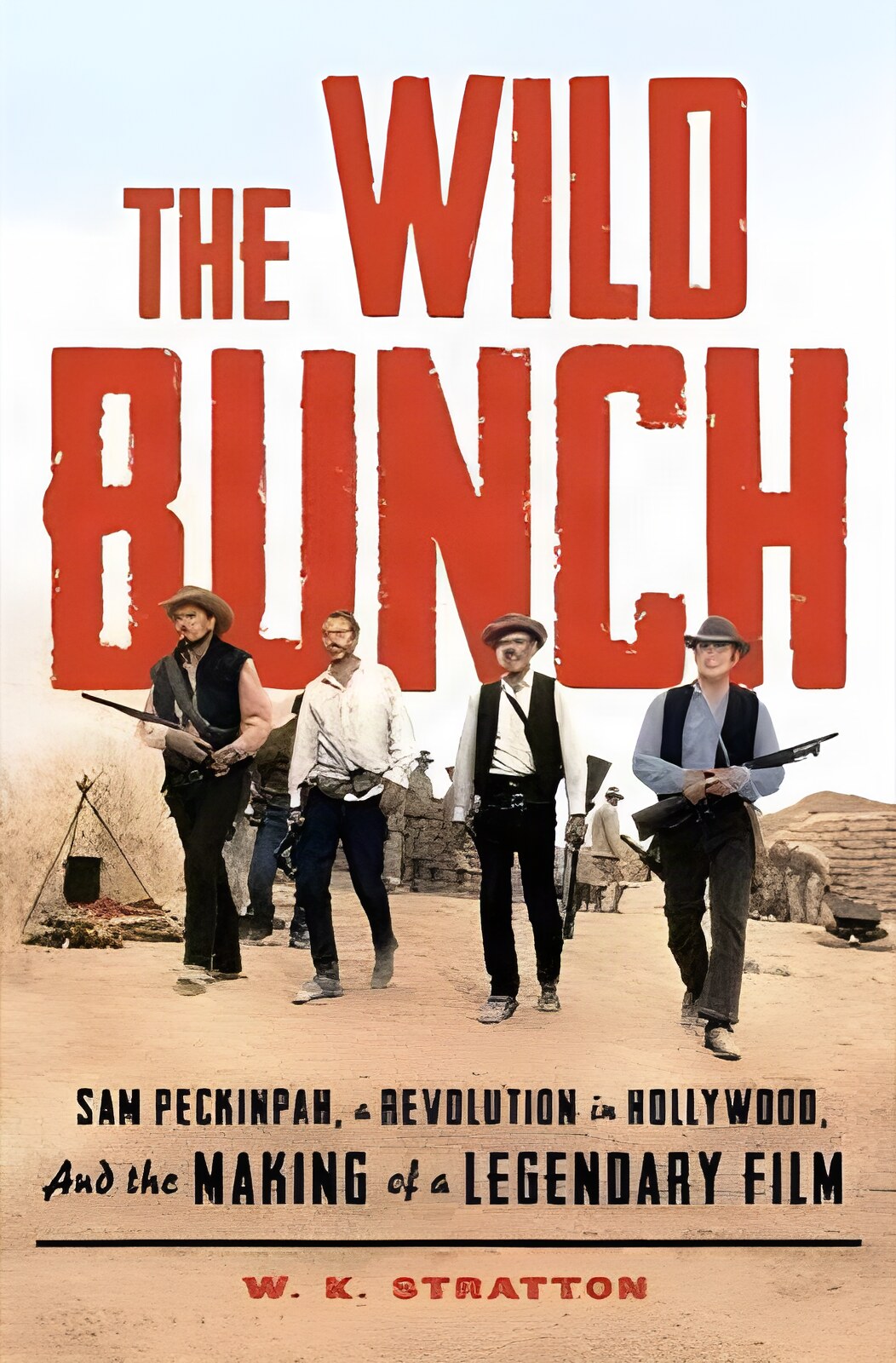
Hardcover. NY, Bloomsbury Publishing, 1st, 2019, Book: Very Good, Dust Jacket: Very Good, Hardcover in a bright dust jacket, 336 pages, b&w illustration. INSCRIBED BY STRATTON on the title page. For the fiftieth anniversary of the film, W.K. Stratton's definitive history of the making of The Wild Bunch, named one of the greatest Westerns of all time by the American Film Institute. Sam Peckinpah's film The Wild Bunch is the story of a gang of outlaws who are one big steal from retirement. When their attempted train robbery goes awry, the gang flees to Mexico and falls in with a brutal general of the Mexican Revolution, who offers them the job of a lifetime. Conceived by a stuntman, directed by a blacklisted director, and shot in the sand and heat of the Mexican desert, the movie seemed doomed. Instead, it became an instant classic with a dark, violent take on the Western movie tradition. In The Wild Bunch, W.K. Stratton tells the fascinating history of the making of the movie and documents for the first time the extraordinary contribution of Mexican and Mexican-American actors and crew members to the movie's success. Clean copy.
NY, Nation Books, 1st US, 2011, Book: Very Good, Dust Jacket: Very Good, Hardcover in a bright, unclipped dust jacket. A collection of Hedges essays originally published by Truthdig, the Webby award-winning progressive news website. Hedges lyrically and fearlessly dissects the most controversial issues of the day: America's wars of self-destruction in Iraq and Afghanistan, the decay of American empire (at home and abroad), Israel's ghettoization of Palestinians in the West Bank and Gaza, and the failure of American liberalism. Clean copy.
Hardcover. NY, Alfred A. Knopf, 4th pr., 1963, Book: Very Good, Dust Jacket: Very Good, Hardcover in a bright, unclipped dust jacket. 361 pages, color frontis, preface, list of b&w illustrations and maps, prologue, 1. Beaver and Mountain Men; 2. Jedediah Strong Smith: From the Big Lake to the Sea; 3. Kedediah Strong Smith: The End of the Long Trail; 4. To Santa Fe and Beyond; 5. Perils of the Wilderness: The Wanderings of James Ohio Pattie; 6. "Joaquin Yong" and the Men of Taos; 7. From Santa Fe to California; 8. Joseph Reddeford Walker: To the "Extreme End of the Great West; 9. Partisans versus Mountain Men; epilogue, bibliographical notes, index. Minor edgewear to dust jacket. Clean copy.
Softcover. Norman OK, University of Oklahoma Press, reprint, 1993, Book: Very Good, Dust Jacket: None, Softcover, 339 pages. Although he did not travel farther inland than the slopes of the Appalachians, Thomas Jefferson must take his place alongside Zebulon Pike, Kit Carson, Jim Bridger, and Lewis and Clark--the men who blazed the great western trails. Donald Jackson cogently recounts Jefferson's fundamental role in promoting and shaping the exploration, settlement, and development of the Trans-Mississippi West. Clean, bright copy.
Softcover. Berkeley CA, University of California Press, 1st pbk., 1990, Book: Very Good, Dust Jacket: None, Softcover, 273 pages, b&w illustrations. The first in-depth analysis of the rich spiritual and artistic traditions of the Carib-speaking Yekuana Indians of Venezuela, who live in the dense rain forest of the upper Orinoco. Within their homeland of Ihuruna, the Yekuana have succeeded in maintaining the integrity and unity of their culture, resisting the devastating effects of acculturation that have befallen so many neighboring groups. Yet their success must be attributed to more than natural barriers of rapids and waterfalls, to more than lack of "contact" with our "modern" world. The ethnographic history recounted here includes not only the Spanish discovery of the Yekuana but detailed indigenous accounts of the entire history of Yekuana contact with Western culture, revealing an adaptive technique of mythopoesis by which the symbols of a new and hostile European ideology have been consistently defused through their incorporation into traditional indigenous structures. Clean copy.
Hardcover. Westport CT, Greenwood Press, 1st, 2003, Book: Very Good, Dust Jacket: None, Hardcover, maroon cloth covers stamped in silver, 242 pages. Previous owner's inscription on front fly leaf, otherwise clean. Over the course of the American Occupation of Japan, the U.S. attitude toward the Japanese Communist Party (JCP) gradually shifted from one of friendly cooperation to one of mutual opposition. This new study examines the initial approach toward communism in Japan; internal and external factors that affected American attitudes; the various phases of the relationship; and how Japan ultimately became a democratic nation. Oinas-Kukkonen investigates American information gathering techniques used at the time to determine possible links with the Soviet Union. He also discusses the possibility that Nosaka Sanzo, one of the main leaders of the JCP, was an American spy. Using previously secret records of General MacArthur's intelligence staff and plentiful archival materials on the Occupation, this study explores how the United States originally sought to utilize the JCP to assist in the democratization process. It identifies the perceived threat of a revolution in March 1947 as a key turning point in U.S. attitudes. Involved in a delicate balancing act with multiple Japanese interests, some American officials feared that elements of the extreme left might even evolve into extreme right-wing terrorists. In this comprehensive account, Oinas-Kukkonen includes information on the indirect role of the Europeans in this affair, as well as the roles of outsider groups such as the outcaste burakumin and the Koreans residing in Japan.
Hardcover. NY, Columbia University, 1st, 1907, Book: Good, Dust Jacket: None, Hardcover, black cloth with gilt stamping, 126 pages. Ex-library with light markings and stamping. Much on the fur trade, early agriculture, gold dust and Civil War currency and trade in Oregon during the 1800s.
Softcover. NJ, Rutgers University Press, 1st, 2003, Book: Very Good, Dust Jacket: None, Softcover, 244 pages. The story of westering Americans in the late nineteenth and early twentieth centuries has been told most notably through photographs of American Indians. Unlike this vast archive, produced primarily by male photographers, which depicted American Indians as either vanishing or domesticated, the lesser-known images by the women featured in Trading Gazes provide new ways of seeing the intersecting histories of colonial expansion and indigenous resistance. Four unconventional women-Jane Gay, who documented land allotment to the Nez Perces; Kate Cory, an artist who lived for years in a Hopi community; Grace Nicholson, who purchased cultural items from the Karuk and other northern California tribes; and Mary Schaffer, who traveled among the Stoney and Metis of Alberta, Canada-used cameras to document their cross-cultural encounters. Trading Gazes reconstructs the rich biographical and historical contexts explaining these women's presence in different Native communities of the North American West. Their photographs not only record the unprecedented opportunities available for Euro-American women eager to shed gender restrictions, but also reveal how women's newfound mobility depended on the increasing restrictions placed on Native Americans in this era.
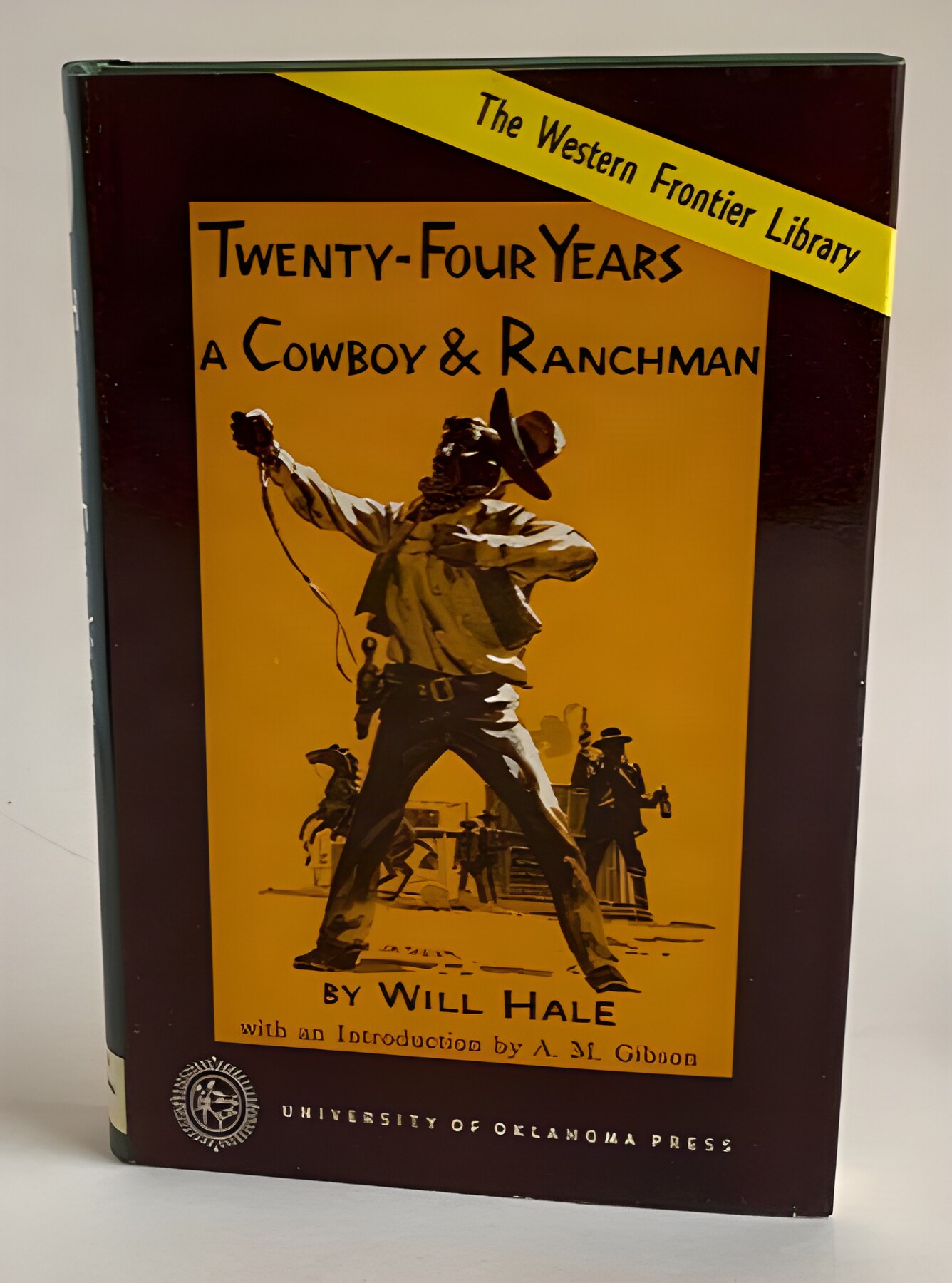
Hardcover. Norman OK, University of Oklahoma Press, 1st, 1959, Book: Very Good, Dust Jacket: Very Good, Hardcover in a bright dust jacket, 183 pages. The Western Frontier Library, Vol. 12. B&w illustrations. The timeframe extends from the Mexican War to the 1880's. Much on the Comanches in Texas, cattle raids and killings on both sides of the Rio Grande by both Mexican and American cowboys, the murder of a Pinkerton detective, the Lincoln County cattle war, and the pursuit of Billy the Kid. Clean copy.
Hardcover. NY, W. W. Norton & Company, 2nd pr., 2020, Book: Very Good, Dust Jacket: Very Good, Hardcover in a bright dust jacket, 926 pages, illustrations. In June 1944, the United States launched a crushing assault on the Japanese navy in the Battle of the Philippine Sea. The capture of the Mariana Islands and the accompanying ruin of Japanese carrier airpower marked a pivotal moment in the Pacific War. No tactical masterstroke or blunder could reverse the increasingly lopsided balance of power between the two combatants. The War in the Pacific had entered its endgame. Beginning with the Honolulu Conference, when President Franklin Delano Roosevelt met with his Pacific theater commanders to plan the last phase of the campaign against Japan, Twilight of the Gods brings to life the harrowing last year of World War II in the Pacific, when the U.S. Navy won the largest naval battle in history; Douglas MacArthur made good his pledge to return to the Philippines; waves of kamikazes attacked the Allied fleets; the Japanese fought to the last man on one island after another; B-29 bombers burned down Japanese cities; and Hiroshima and Nagasaki were vaporized in atomic blasts. Ian W. Tolls narratives of combat in the air, at sea, and on the beaches are as gripping as ever, but he also reconstructs the Japanese and American home fronts and takes the reader into the halls of power in Washington and Tokyo, where the great questions of strategy and diplomacy were decided. Clean copy.
Hardcover. Washington, Government Printing Office, 1st, 1892, Book: Good, Dust Jacket: None, 1000 pages. Black cloth cover, worn and soiled. Corners and edges of spine are bumped. Minor foxing on front endpaper. Front flyleaf has small tear, but no part of the page is missing. Pages untrimmed. Diverse topics include the history of sheep husbandry in the U. S. and a record of the sheep industry in Eastern and Western states. Inside is bright and clean, with 96 b&w plates depicting various sheep breeds and farms, also b&w statistic charts throughout. A nice copy.
Hardcover. San Diego, Harcourt Brace Jovanovich, 1st, 1989, Book: Very Good, Dust Jacket: Very Good, Hardcover, 244 pages. Illustrated with over 100 archival photos of religion on the American frontier. Three quarter brown paper over boards with rust cloth around spine and gilt text on spine; no defects. Illustrated dust jacket with maroon and black text on upper and mint green and maroon text on spine; no chips, tears or edge wear; no price clipped. Interior pages clean, remainder line on top edge, otherwise clean. Binding is tight.
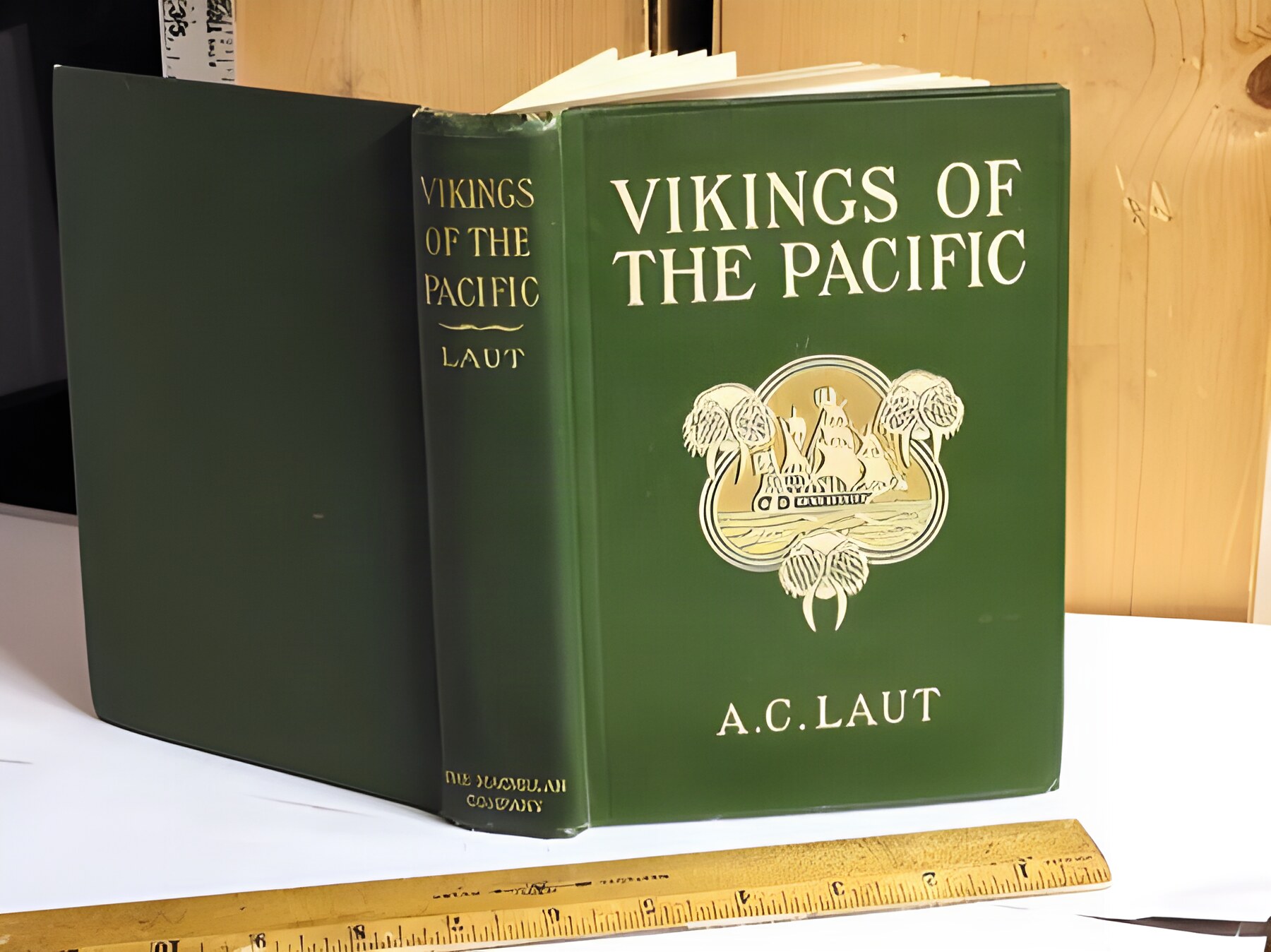
Hardcover. NY, Macmillan, 1st, 1905, Book: Very Good, Dust Jacket: None, Hardcover, green cloth stamped in white and gilt, 349 pages, b&w illustrations, top edge gilt. Chronicles the daring explorers who crossed oceans from the West to the far shores of the North Pacific. From the dawn of Russian and European ambitions to the first American and British voyages, the book weaves together the lives, motives, and trials of men who chased a sea of unknowns. It presents a vivid look at discovery, rivalry, and the costs of pushing beyond the maps. Drawing on primary sources, Laut illustrates the fierce competition for discovery and dominance in the fur trade among these intrepid adventurers. Previous owner's signature on front fly leaf, mild wear to top of spine, otherwise a clean, tight copy.
Hardcover. New York, Alfred A. Knopf, 1st, 1986, Book: Very Good, Dust Jacket: Very Good, 668 pages. Hardcover. B/w illustrations throughout. Gilt title on spine. Dust jacket unclipped. Front cover board slightly splayed. Dust jacket has a touch of agewear. In good shape for its age.
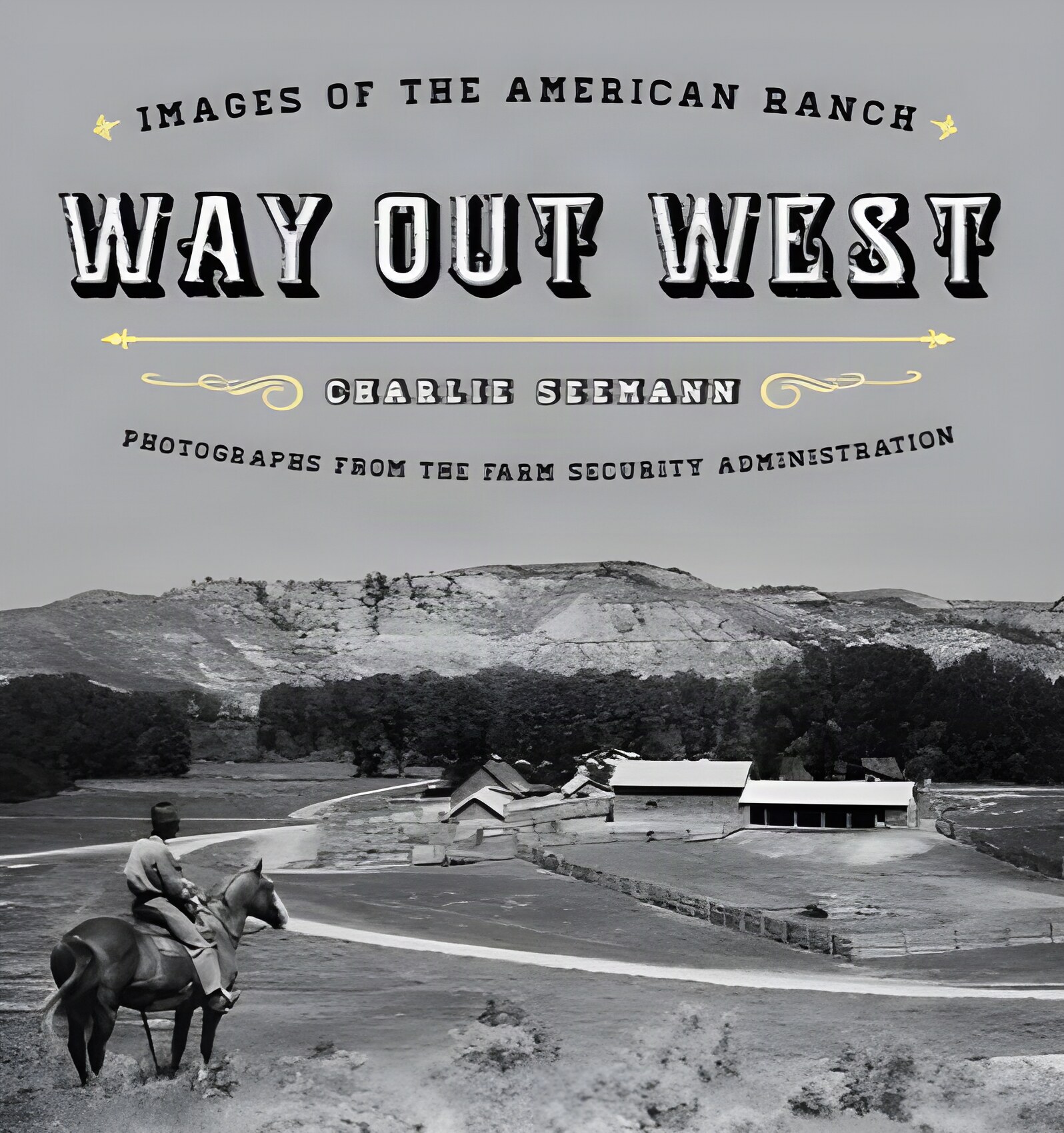
Hardcover. Guilford CT, TwoDot, 1st, Book: Very Good, Dust Jacket: None, Hardcover, pictorial boards, 159 pages, b&w photos throughout. Classic Photographs from the Farm Security Administration 1936-1943. Featuring images by such renowned photographers as Dorothea Lange, Arthur Rothstein, Russell Lee, and several others, this book documents ranching culture in western states during the Great Depression and leading up to World War II. This was a period of great change in the ranching West that included the introduction of the automobile, electricity, radio, the telephone, and other technologies that drastically transformed the lives and work of ranching people, and some of the best documentation exists in the powerful documentary photographs by this remarkable group of photographers. Clean copy.
Softcover. Logan UT, Utah State University Press, reprint, 1994, Book: Good, Dust Jacket: None, Softcover, pictorial wrappers, 328 pages, b&w illustrations. Two fold-out maps in a rear pocket. Three pages with yellow highlighting, otherwise clean.
Hardcover. NY, Viking Press , 1st, 1956, Book: Very Good, Dust Jacket: Very Good, 95 pages. Hardcover with dust jacket. Illustrated in 2-colors by Daugherty. In a bright, unclipped dust jacket.
Hardcover. New York, William Morrow and Company, 1st, 1963, Book: Very Good, Dust Jacket: Good, Hardcover, 208 pages, illustrated with 50 early photographs and sketches. Minor dust jacket edge wear and rubbing, otherwise, very clean and tight copy.
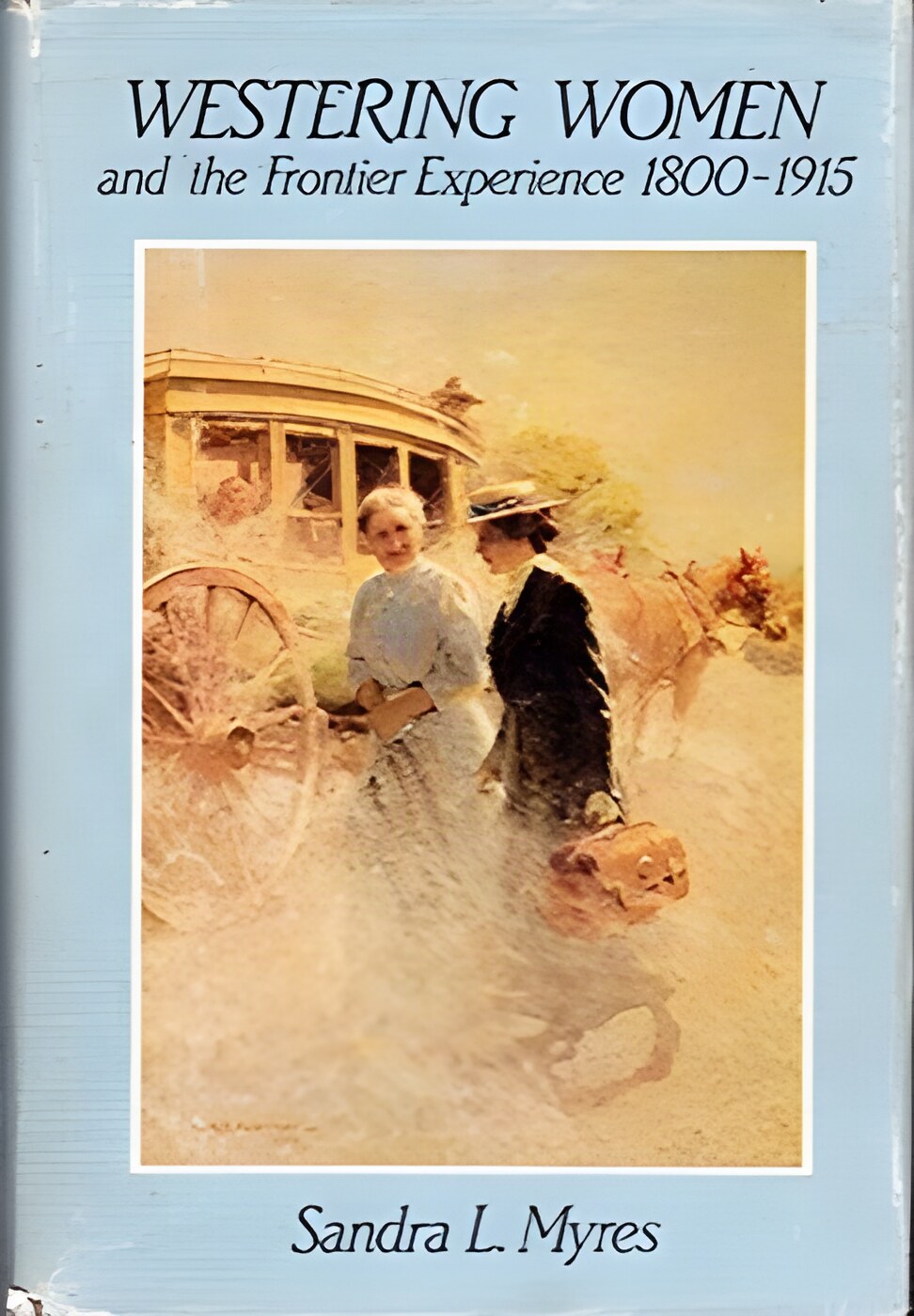
Softcover. Albuquerque NM, University of New Mexico Press, reprint, 1993, Book: Very Good, Dust Jacket: None, Softcover, 365 pages, b&w illustrations. Professor Myres gives frontier women a voice they never had. She uses extensive source material by and about women ( letters, journals, and reminiscences from over 400 collections ) to study the impact of the frontier on women's lives and the role of women in the West. She offers a major reinterpretation of the experience of pioneer women, including that of Indian, Mexican, French, black, and Anglo-American women. The account recreates in detail the frontier experience of all these women, beginning with their physical and intellectual responses to the trek West, and concluding with their struggle for political suffrage and economic opportunity. Clean copy.
Hardcover. Newtown CT, The Taunton Press, 1st, 2006, Book: Very Good, Dust Jacket: Very Good, Hardcover in a bright dust jacket, 266 pages. The past has left behind only scattered clues that, on their own, provide little insight into how the people of early America lived and the details of their daily lives. The photographs in this book, the deeply informed narrative that accompanies them, and the eyewitness accounts of daily life that the author weaves throughout, provide a fresh perspective on our early American ancestors and the places they called home. This book is about how their houses and their life in them, from the wealthy to the impoverished, from New York City to the small farms and plantations of the South, from coastal fishing towns to the Western frontier of Indiana and Kentucky. The stories focus on the remarkably vivid differences from one part of the country to the next, class and culture, and the realities of everyday life for American families. These stories twine around a wide selection of HABS photographs of early houses, covering the variety and evolutions of house styles -- not by labeling the style but by explaining the style in the context of everyday life. Richly illustrated with handsome black-and-white photography of old houses from the Library of Congress Historic American Building Survey (HABS) collection and supplemented with period woodcuts, engravings, drawings, paintings, artifacts, and maps, the book is printed on a 4-color press for a depth of tone. Sidebar excerpts from diaries, journals, and letters inject graphic eyewitness descriptions, adding an additional layer of insight. The book also includes sidebars called Still Standing that traces the history of specific houses, from their origins to the present and includes information on the original family, how the house has evolved over the centuries, and how it's used today.

 "The Science of Art: Optical Themes in Western Art from Brunelleschi to Seuratby: Kemp, Martin.")
 "The Way to the Western Sea: Lewis and Clark Across the Continent by: Lavender, David")
 "The West That Wasby: Eggen, John E.")
 "The World As It Is: Dispatches on the Myth of Human Progress by: Chris Hedges")

 "Thomas Jefferson and the Stony Mountains: Exploring the West from Monticelloby: Donald Jackson")

 "Tolerance, Suspicion, and Hostility: Changing U.S. Attitudes toward the Japanese Communist Movement, 1944-1947by: Oinas-Kukkonen, Henry")
 "Trade and Currency in Early Oregon. A Study in the Commercial and Monetary History of the Pacific Northwestby: James Henry Gilbert")

 "U. S. Department of Agriculture. Bureau of Animal Industry. Special Report on the History and Present Condition of the Sheep Industry of the United States.by: Carman,")
 "Under God's Spell: Frontier Evangelists 1772-1915by: Luchetti, Cathy")


 "Voyagers to the West: A Passage in the Peopling of America on the Eve of the Revolutionby: Bailyn, Bernard")
 "West From Fort Bridger: The Pioneering of Immigrant Trails Across Utah 1846 1850 by: Korns, J. Roderic & Dale L. Morgan, Revised and Updated By Will Bagley & Harold S")
 "West of Boston - Yankee Rhymes and Doggerelby: Daugherty, James")
 "West on the 49th Parallel: Red River to the Rockies, 1872-1876by: Parsons, John E.")