Hardcover. Boston, Little, Brown and Company, 1st, 1948, Book: Good, Dust Jacket: None, Hardcover, beige cloth hardcover book in good condition. McWilliams examines the growth of discrimination and persecution of Jews in America from 1877 to 1948 and the "myths with which the anti-semite surrounds his position." Light shelfwear, no dust jacket. Clean copy.
Hardcover. New York, G. K. Hall & Company, 1st, 1996, Book: Very Good, Dust Jacket: Very Good, 319 pages. Hardcover with dust jacket. Minor dust jacket edge wear, otherwise, spotless and tight copy.
Hardcover. Cambridge MA, Harvard University Press, 1st, 2007, Book: Very Good, Dust Jacket: Very Good, Hardcover in a bright, unclipped dust jacket. 457 pages, b&w illustrations. Few of us question the slips of green paper that come and go in our purses, pockets, and wallets. Yet confidence in the money supply is a recent phenomenon: prior to the Civil War, the United States did not have a single, national currency. Instead, countless banks issued paper money in a bewildering variety of denominations and designs - more than ten thousand different kinds by 1860. Counterfeiters flourished amid this anarchy, putting vast quantities of bogus bills into circulation. Their success, Stephen Mihm reveals, is more than an entertaining tale of criminal enterprise: it is the story of the rise of a country defined by a freewheeling brand of capitalism over which the federal government exercised little control. It was an era when responsibility for the country's currency remained in the hands of capitalists for whom "making money" was as much a literal as a figurative undertaking. Mihm's witty tale brims with colorful characters: shady bankers, corrupt cops, charismatic criminals, and brilliant engravers. Based on prodigious research, it ranges far and wide, from New York City's criminal underworld to the gold fields of California and the battlefields of the Civil War. Clean copy.
Hardcover. Boston, Faber and Faber, 1st, 1994, Book: Very Good, Dust Jacket: Very Good, Hardcover in a bright, unclipped dust jacket, pages. "I write of peoples and of a struggle." So begins A New World, an ambitious and extraordinary book that challenges conventional historical narrative by presenting episodes in North America's history through the eyes and voices of the Europeans who established the first colonial outposts here. Beginning with the swaggering John Smith at Jamestown and ending with the beleaguered Montcalm at Quebec, Arthur Quinn allows towering historical figures to emerge from an often beautiful, sometimes forbidding early American landscape and speak. An elderly William Bradford looks back with growing despair at the early promise of the Pilgrim colony at Plymouth. Governor John Winthrop tries to administer a dose of practicality to the Puritans of Massachusetts. Jesuit missionaries bring Christianity and disaster to the Huron Confederacy. A blustering Peter Stuyvesant watches Manhattan slip from Dutch grasp. William Penn's Holy Experiment in Pennsylvania goes increasingly awry. And, finally, the British and the French fight history's first world war for supremacy in the New World. Telling each story using the literary conventions of the day, Quinn casts North America's colonial beginnings as a multicultural epic, gripping the reader throughout with his uncanny eye and storytelling skill. Clean copy.
Softcover. NY/LA, Indochina Information Project, 1st, 1972, Book: Very Good, Dust Jacket: None, Softcover, stapled wraps, 44 pages including cover. Presumed first edition/first printing. Photos by Philip Jones Griffith and Marc Rimboud. This was written and researched by the Indochina Information Project whose members included: Jill Rodewald, Vicki Camilli, Terry Poxon, Kim Shanley, Drew Bonthius, Mike Picker, Mark Thompson, and Tom Hayden. Paper age-toned. A valuable document of the Peace Movement. Page 13 with short tear to margin, otherwise clean.
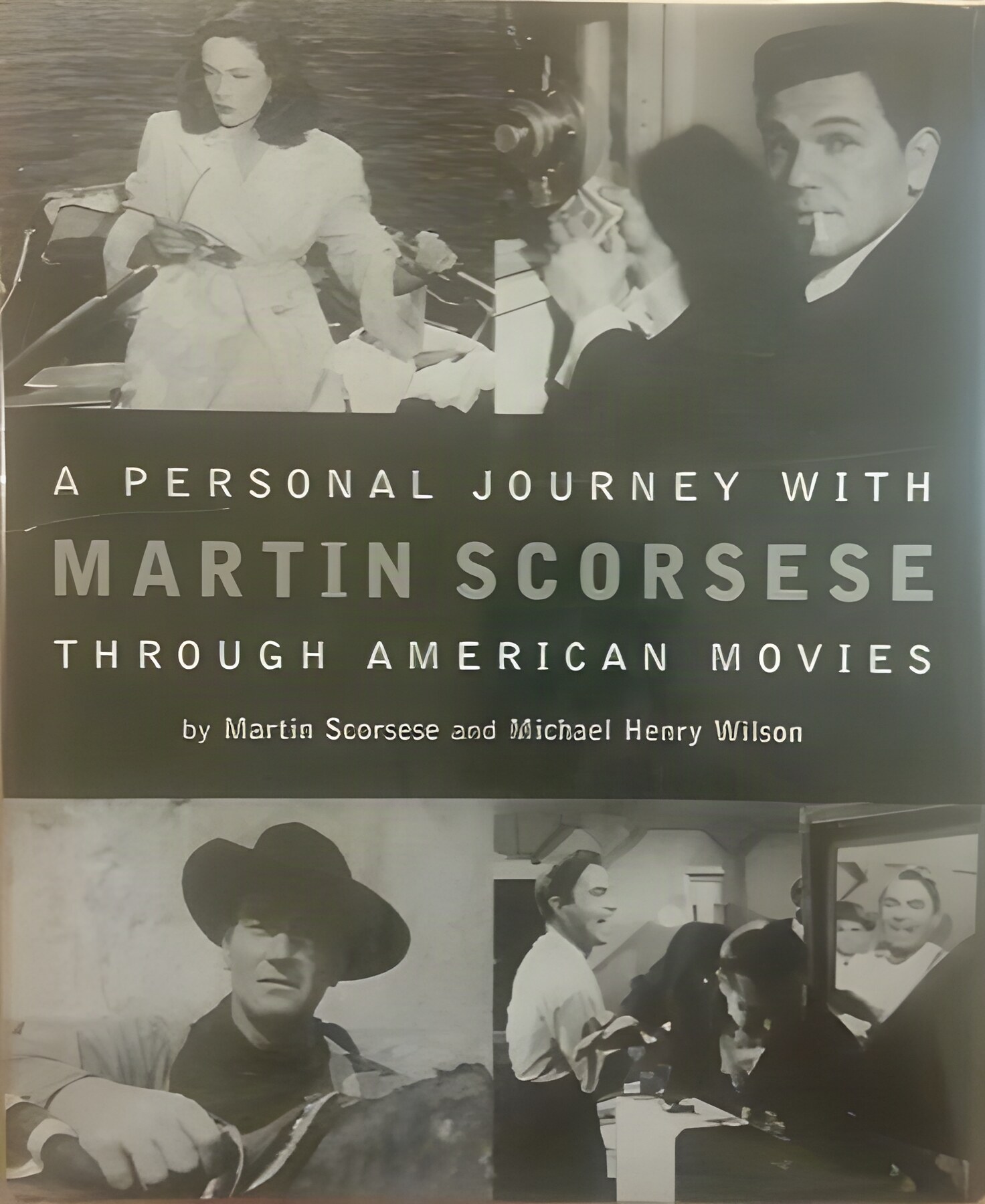
Hardcover. NY, Hyperion/Miramax, 1st, 1997, Book: Good, Dust Jacket: Very Good, Hardcover in a bright dust jacket, 191 pages, b&w illustrations. Light waviness to some pages, otherwise clean copy. In an expert guide to the history of American film, enhanced by many wonderful full-color and black-and-white photographs and film stills, the acclaimed director takes a look at many American movies while exploring them from a both a professional and personal perspective. An academically trained filmmaker (NYU film school) who is among today's most innovative directors, Scorsese presents an engrossing, idiosyncratic memoir of his experiences with motion pictures, including recollections of his first boyhood journeys to movie theaters and the impressions the films made on him. In analyzing American film since the silent era, he especially highlights Westerns, musicals, and gangster movies, genres that originated in America. No markings.
Hardcover. NY, Holiday House, 1st, 2009, Book: Very Good, Dust Jacket: Very Good, Hardcover in a bright dust jacket. Color illustrations by Ronald Himler. This picture-book biography focuses mainly on the War of 1812, but also mentions Madison's contributions to the Constitution and the creation of the three branches of government. Although this is a biography of the couple, there is more specific information on James Madison than on Dolley. Still, readers do learn some interesting facts about her, such as how she rescued a portrait of George Washington while the Executive Mansion burned. Adler's writing is clear yet not oversimplified, and is without fictionalization.
Hardcover. NY, G. P. Putnam's Sons, 1st, 1975, Book: Very Good, Dust Jacket: Very Good, Hardcover in a lightly worn dust jacket, 446 pages with index, b&w photos. Name on half-title page otherwise clean.
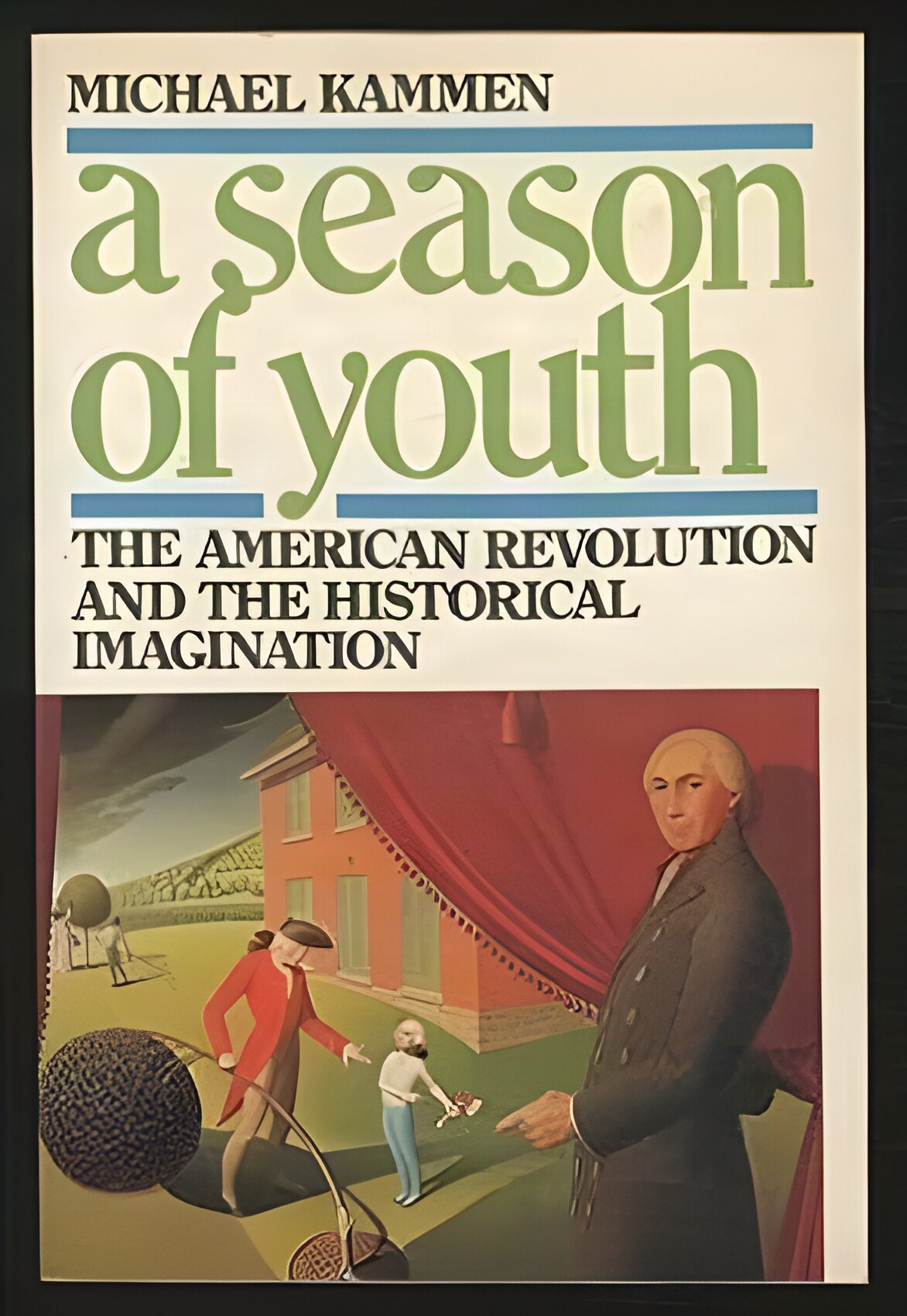
Softcover. NY, Oxford University Press, reprint, 1980, Book: Very Good, Dust Jacket: None, Softcover, 384 pages with index. In this major contribution to cultural history Kammen focuses on the American Revolution and it's impact on literature and art. Name on front fly leaf, otherwise clean.
Softcover. NY, Noonday Press, 1st, 1992, Book: Very Good, Dust Jacket: None, Softcover, full color as well as B&W illustrations. Detailed overview of American Black movies from 1915 to 1965. Introduction by Donald Bogle. Foreword by Spike Lee. A collection of movie posters featuring black actors, with brief comments on each plus a brief history of the black cinema. Pages are bright and clean (no writing, underlining, or highlighting). Binding is tight with no cracks or breaks.
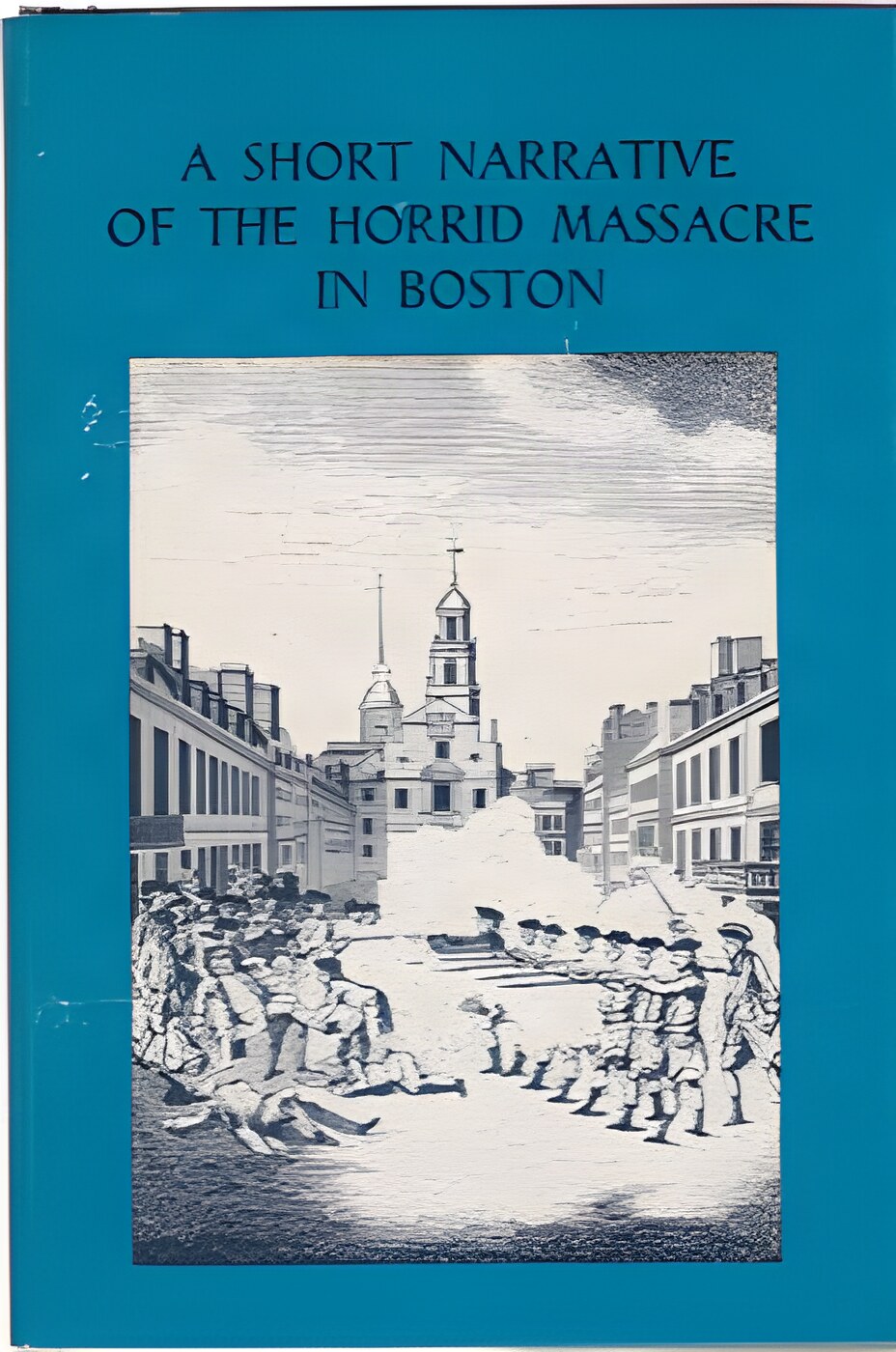
Hardcover. Williamstown MA, Corner House, reprint, 1973, Book: Very Good, Dust Jacket: Very Good, Hardcover in a bright dust jacket, 122 pages. An Official account of the Boston Massacre, March 5, 1770. This is an exact reprint from an original in the library of the New York Historical Society, containing the full appendix, certificates, and circular of the Committee. It also contains events of the few days preceding the massacre drawn up by the Hon. Alden Bradford; and the Report made by John Hancock, Samuel Adams, Joseph Warren and other, presented at the meeting of the citizens on the 12th of March plus explanatory notes by the author.
Hardcover. Kent OH, Kent State Univ Pr, 1st, 2003, Book: Very Good, Dust Jacket: Very Good, Hardcover, 180 pages, illustrated throughout in b&w. Clean, unmarked copy with only minor wear to dust jacket. Zoar, Ohio, a German-Christian utopian community founded in 1817, encouraged tourism and "gawkers." This has left a rich photographic record of the community, which includes tourists's photos and Zoarite-produced postcards. Fernandez uses many previously unpublished photos, captioned with the words of journalists, diarists, and other visitors.
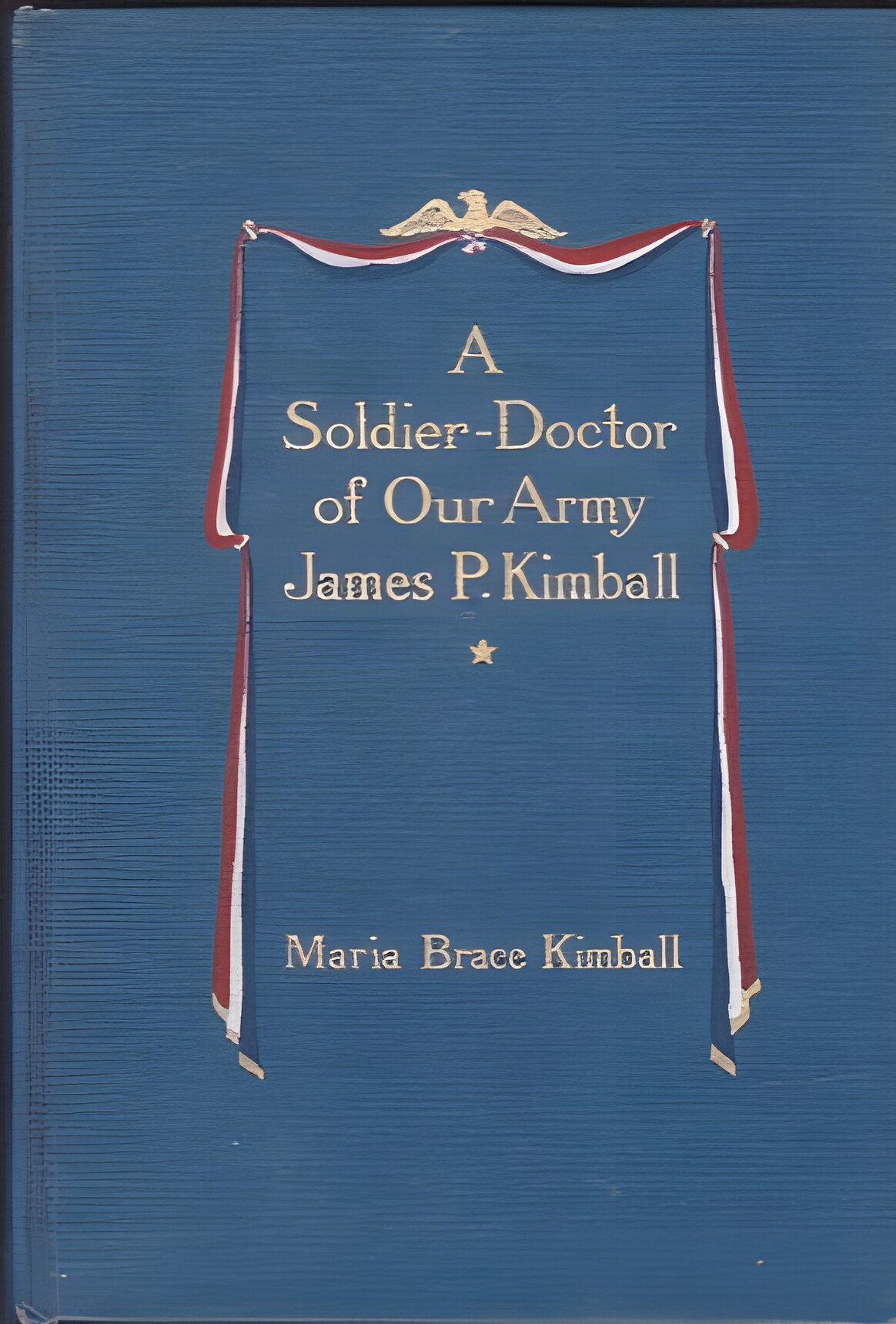
Hardcover. Boston, Houghton Mifflin, 1st, 1917, Book: Very Good, Dust Jacket: None, Hardcover, blue cloth with gilt and red, white and blue decoration to front cover, gilt lettering on spine. 192 pages including index, frontis. portrait plus b&w pales including onr fold-out. Dr. Kimball was on the Yellowstone Expedition of 1873 with Generals Stanley and Custer and became quite a good friend of Custer. It was Dr. Kimball who attended to Lieutenant Charles Braden and may have saved his life, after Braden was shot through the left leg by Indians on August 4, 1873. The Battle of the Little Big Horn is also covered. Bright, clean copy.
Hardcover. NY, Macmillan, reprint, 1921, Book: Very Good, Dust Jacket: None, Hardcover. Early reprint. Red cloth with title plate on spine and front board, 287 pages. A look at America's international political scene as of 1920, and the second in a series of three books, begun with the Pentecost of Calamity, and ending with Neighbors Henceforth. Clean copy.
Hardcover. NY, Knopf, 1st, 2024, Book: Very Good, Dust Jacket: None, Hardcover in a bright pictorial boards, 208 pages, color plates. The queen of American Jewish cooking (Houston Chronicle) revises her children's classic for a new generation. In Jewish tradition, holidays are a time for family and feasting, and for Joan Nathan, nothing embodies the holiday spirit more than cooking delicious festive favorites with friends and loved ones. When her own children were young, Nathan published the first version of this book, which covers nine Jewish holidays and includes step-by-step instructions for kids and their families to prepare accessible feasts. Now she updates a beloved go-to resource for her grand-children's generation (Out with the Pot Roast! In with the Tahini Shakes!) and adds a heaping helping of new recipes. Included are dishes old and new, traditional and novel, and mouthwatering recipes that everyone will enjoy, from Moroccan Apricot Chicken and Chicken Schnitzel Tenders to Mushroom Kreplach Dumplings and Veggie Quiche.Included are essays on the history of Jewish holidays, instructions for how to celebrate them, and craft activities such as making challah covers and candlesticks. Clean, bright copy.
Softcover. Waco TX, J. S. Hill & Co., 1st, 1901, Book: Fair, Dust Jacket: None, Softcover, brown paper wraps, stapled binding, 189 pages. Covers worn and chipped, last 50 pages with top corner chipped or chewed away, not affecting text. West served in Company E., 4th Texas Regiment. "A diary kept by West from April 12 to June 13, 1863, and February 28 to April 20, 1864." Subtitled on cover: A trip of a private soldier from Texas to Gettysburg and Chickamauga in 1863. Paper tanned and fragile.
Hardcover. NY, Knopf, 1st, 2002, Book: Very Good, Dust Jacket: Very Good, Hardcover in a bright, unclipped dust jacket, 592 pages, b&w illustrations. Samuel Fuller, independent director-producer extraordinaire, tells the story of his life, a life that spanned most of the twentieth century. His twenty-nine tough, gritty pictures made from 1949 to 1989 set out to capture the truth of war, racism, and human frailties, and incorporate some of his own experiences. He writes of his years in the newspaper business--selling papers as a boy on the streets of New York, working for Hearst's New York Journal American, first as a copyboy, then as personal runner for the famous Hearst editor in chief Arthur Brisbane. His film Park Row was inspired by his years as a reporter for the New York Evening Graphic, where his beat included murders, suicides, state executions, and race riots--he scooped every other New York paper with his coverage of the death by drug overdose of the legendary Jeanne Eagels. Fuller talks about directing his first picture (he also wrote the script), I Shot Jesse James . . . and how, as a result, he was sought after by every major studio, choosing to work for Darryl Zanuck of Twentieth Century Fox. We see him becoming one of the most prolific, independent-minded writer-directors, turning out seven pictures in six years, among them Pickup on South Street, House of Bamboo, and China Gate. He writes about making Underworld U.S.A., a movie that shows how gangsters in the 1960s were no longer seen as thugs but as "respected" tax-paying executives . . . about the making of the movie Shock Corridor--about a journalist trying to solve a murder in a lunatic asylum--which exposed the conditions in mental institutions . . . and about White Dog (written in collaboration with Curtis Hanson), a film so controversial that Paramount's then studio heads, Jeffrey Katzenberg and Michael Eisner, refused to release it. Clean copy.
Hardcover. Birmingham AL, The Legal Classics Library , reprint, 1987, Book: Very Good, Dust Jacket: None, Hardcover, dark green calf, decorative gilt stamping, raised bands, all edges gilt, marbled endpapers, ribbon marker, 775 pages. Facsimile reprint of the 1879 Little Brown edition. "One of the earliest American authorities still in general use. A good historical sketch of copyright and some early references to newspaper copyright." Clean, bright copy.
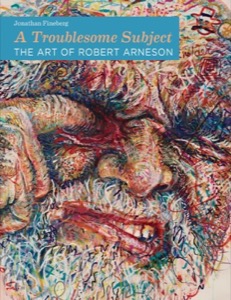
Hardcover. Berkeley/Los Angeles, University of California Press, 1st, 2013, Book: Very Good, Dust Jacket: None, Hardcover, pictorial boards, 270 pages in color and b&w. The first major book to consider the life and work of Robert Arneson, A Troublesome Subject tells the fascinating story of how a high school art teacher transformed himself into an artist of international stature and ambition. Representing the full scope of Arneson's career in a rich survey of color reproductions, this book is at once a study of the trajectory of contemporary culture, the work of Robert Arneson, and the relationship between the two. It shows how Arneson's work articulated the crisis of narcissism that has defined American culture since 1970. Jonathan Fineberg develops his ongoing work toward a psychosocial history of art as he proceeds through Arneson's career-chronicling his early life, the formation of a personal style, and finding a unique subject matter in his famous post-1970 turn to self-portraiture. Clean, bright copy.
Hardcover. Lexington, University Press of Kentucky, 1st, 2019, Book: Very Good, Dust Jacket: None, Hardcover, paper-covered boards, 172 pages. One of the most innovative films ever made, Sam Peckinpah's motion picture The Wild Bunch was released in 1969. From the outset, the film was considered controversial because of its powerful, graphic, and direct depiction of violence, but it was also praised for its lush photography, intricate camera work, and cutting-edge editing. Peckinpah's tale of an ill-fated, aging outlaw gang bound by a code of honor is often regarded as one of the most complex and impactful Westerns in American cinematic history. The issues dealt with in this groundbreaking film-violence, morality, friendship, and the legacy of American ambition and compromise-are just as relevant today as when the film first opened. To acknowledge the significance of The Wild Bunch, this collection brings together some of the leading Peckinpah scholars and critics to examine what many consider to be the director's greatest work. The book's nine essays cover an array of topics. Explored are the function of violence in the film and how its depiction is radically different from what is seen in other movies, the background of the film's production, the European response to the film's view of human nature, and the strong sense of the Texas/Mexico milieu surrounding the film's action. Clean copy.
Hardcover. Chicago, The Lakeside Press, 1st, 1919, Book: Very Good, Dust Jacket: None, Hardcover, dark green cloth stamped in gilt, top edge gilt, 137 pages. Tight, attractive copy of this early "Lakeside Classic," the annual keepsake presented by this printer/publisher to friends and clients starting in 1903. Illustrated with two portraits of the author. So many pioneer stories were written at the request of a child or grandchild. What makes Christiana Tillson's humorous memoir different was her background. Tillson's story records the reactions produced upon a refined New England woman by an environment at once predominantly southern and wholly frontier. Her youth in 1822 and her parting from all that she had known in the East were common of many later Western migrants. But when she and her husband went out to try their fortunes, the "West" was what we today call the Midwest. It was still a wild, dangerous, and uncertain place to try to make a future. Clean, bright copy.
Hardcover. NY, McGraw Hill, 1st, 1962, Book: Very Good, Dust Jacket: Very Good, Hardcover in a bright, unclipped dust jacket. "A Work of Giants tells one of the most stirring chapters in the nation's history, and with the rich anecdotes and legends that enliven his fine account, Mr. Griswold offers an unusually colorful excursion into a high order of Americana." 376 pages, b&w photos. Bookplate on inside front cover, otherwise clean.
New York, Scholastic Press, 1st, 1999, Book: Very Good, Dust Jacket: Very Good, Hardcover in a bright, unclipped dustjacket. Color illustrations by Ted Lewin. Unpaginated. Skinny as a beanpole and tall for his age, an awkward young boy learns that Abraham Lincoln was called "gorilla, baboob, backwards hick." Yet along with big feet and big hands, Lincoln had a big heart and the great ability to keep a nation together. And what the boy learns as he studies Lincoln opens his mind to great possibilities for his own future.
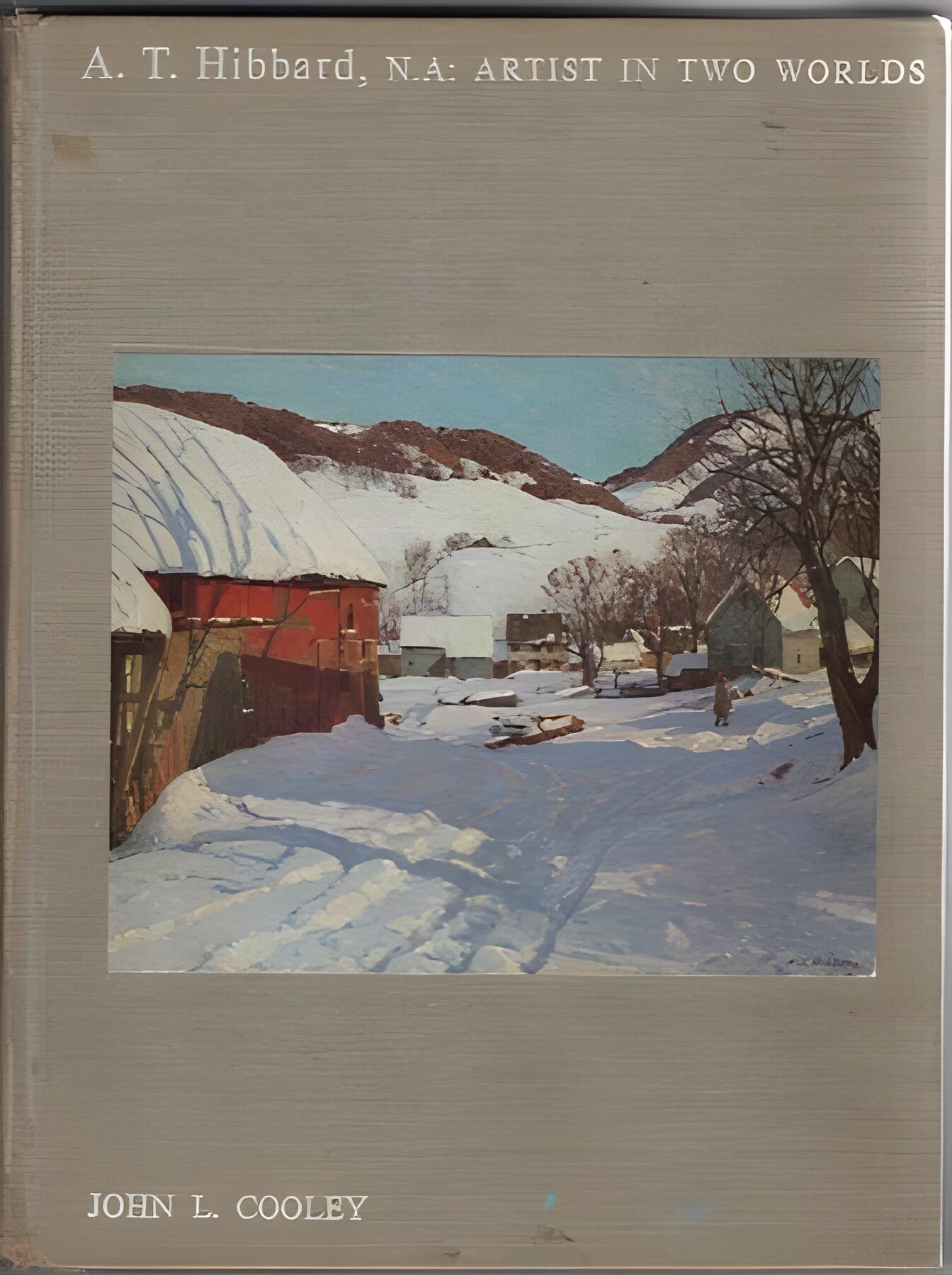
Hardcover. Concord MA, Rumford Press, 1st, 1968, Book: Very Good, Dust Jacket: None, Hardcover, light gray cloth with white lettering, color label on front cover, 175 pages, b&w and color illustrations. Commentary by Aldren A. Watson. This man of many seasons and interests went north each winter to his second home in East Jamaica, Vermont. There he painted glistening snowscapes, loggers and their oxen, rushing streams and mountain vistas. In Rockport, he painted granite quarries, the harbors, the sea and the town itself. As you look at Hibbard's paintings, you will find an ensemble, a legacy of a vanishing America. And it is important to remember that Aldro Hibbard was a leader among Cape Ann artists who evolved a style of painting known as The Rockport School of Painting which is universally recognized as an integral part of the history of American Art. Clean copy.













 "A. Lincoln and Meby: Borden/Ted Lewin, Louise")