Hardcover. New York, Harper & Brothers, 1st, 1880, Book: Good, Dust Jacket: None, 331 pages, with gilt top edge and titles. Minor corner and edge wear, light crack along spine but no loose pages, overall, clean and tight copy.
Hardcover. Florida, Brevard County Historical Commission, 1st, 1995, Book: Very Good, Dust Jacket: Good, Hardcover, 271 pages. Extensive b&w photography throughout. Gilt decoration on cover. Gilt titles on spine. Small tear to bottom corner of dust jacket repaired with tape. Light wear to dust jacket. Otherwise clean, tight copy.
Hardcover. London, Architectural Press, 1931, Book: Very Good, Dust Jacket: Good, Hardbound, 487 pages. Oversized book. Black & white photography of English architecture. Light spinewear. Dust jacket with soiling and chipping. Small chunk missing from top of spine.
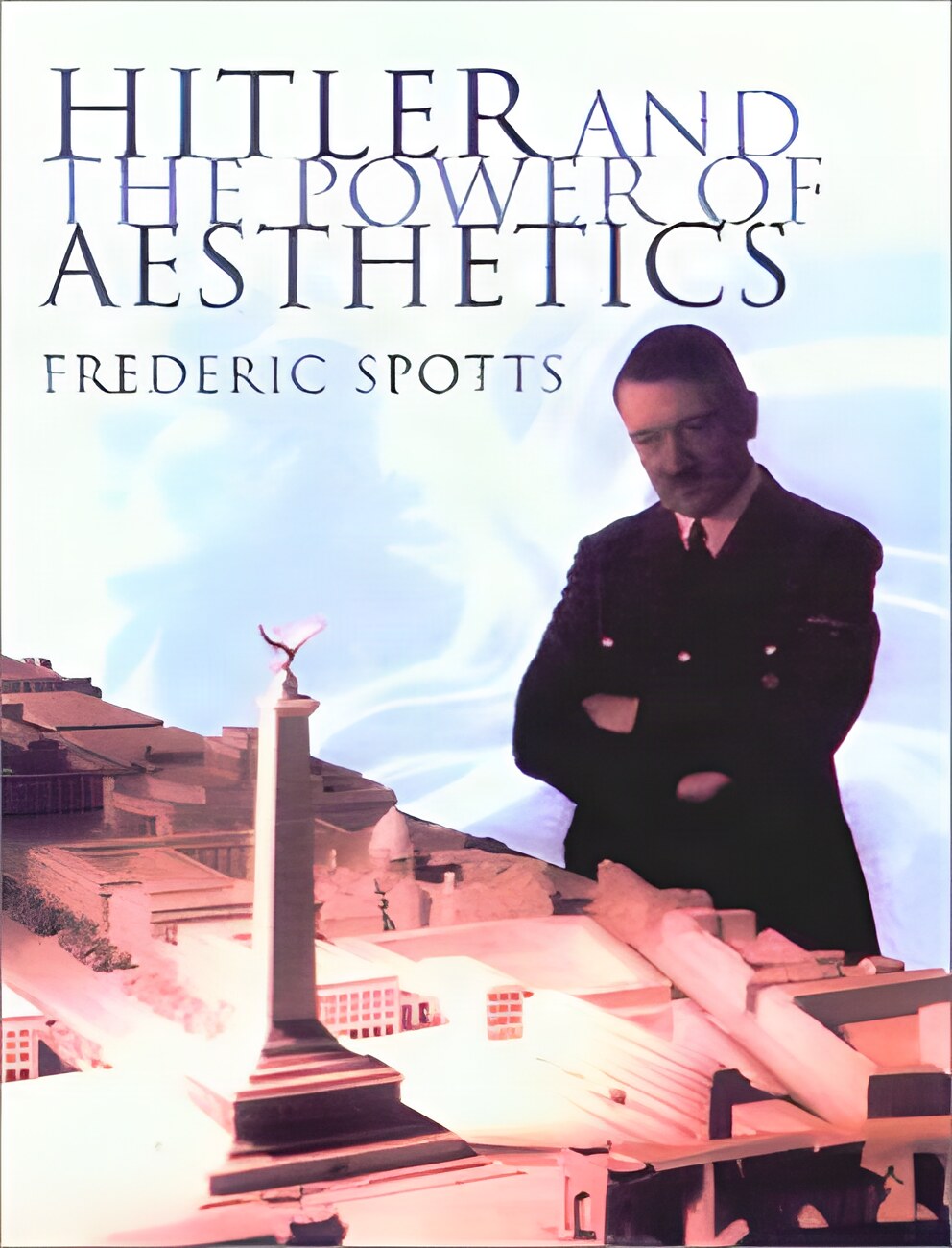
Hardcover. Woodstock NY, Overlook Press, 1st US, 2003, Book: Very Good, Dust Jacket: Very Good, Hardcover in a bright dust jacket, 456 pages with b&w and color illustrations. In Hitler and the Power of Aesthetics, acclaimed historian Frederic Spotts presents a startling reassessment of Hitler's aims and motivations. Spotts dismisses the traditional biographical view that Hitler was an "unperson," who had no life outside of politics, Spotts shows that Hitler's interest in the arts was as intense as his racism and his argument is punctuated with photographs and illustrations, including reproductions of Hitler's watercolors and drawings from his 1925 sketchbook. The book offers the first full analysis of Hitler's own work as a painter, as well as of his art collection. It also treats the entire range of his personal interests: from architecture, painting, symphony, opera, and sculpture, to the German autobahn system and the development of the Volkswagen. A riveting and highly original work, Hitler and the Power of Aesthetics provides a key to an understanding of the Third Reich which has, until now, been missing from biographies and studies of the arts in the Third Reich, as well as from political and military studies of Hitler. Clean copy.
Hardcover. Haarlem Holland, Jon. Enschede En Zonen, 1st, 1939, Book: Very Good, Dust Jacket: None, Hardcover, pictorial boards. A delightfully written and whimsically illustrated history of the Netherlands and its contributions to world history. Illustrated boards, 123 pages. Light rubbing to the edges and a little age-toning to the spine and tiny portion of the front cover, good hinges, sound text block, very clean pages free from names or other markings.
Hardcover. New York, Doubleday, Page, and Company, 1st, 1925, Book: Fair, Dust Jacket: None, Volume to accompany the American Wing of the Metropolitan Museum of Art in New York. 302 pp. Features 20 color plates in addition to 217 other black/white illustrations (mostly photographs). Covers beginnings of New England through the Early Days of the Republic. Development of Interior Architecture and House Decoration from craftsmen influenced by old world style and the evolution.Shows significant wear due to age and water damage. Discoloration throughout, though text still entirely legible and color still vivid in the plates. Edges show significant wear as well. Prior owner's name and date (1929) written in ink twice inside the cover.
Hardcover. New Haven CT, Yale University Press, 1st, 2008, Hardcover, 384 pages. When George Washington embarked on his presidential tours of 1789-91, the rudimentary inns and taverns of the day suddenly seemed dismally inadequate. But within a decade, Americans had built the first hotels--large and elegant structures that boasted private bedchambers and grand public ballrooms. This book recounts the enthralling history of the hotel in America--a saga in which politicians and prostitutes, tourists and tramps, conventioneers and confidence men, celebrities and salesmen all rub elbows. Hotel explores why the hotel was invented, how its architecture developed, and the many ways it influenced the course of United States history. The volume also presents a beautiful collection of more than 120 illustrations, many in full color, of hotel life in every era.
New Haven CT, Yale University Press, 1st, 2008, Book: Very Good, Dust Jacket: Very Good, Hardcover in a bright dust jacket. 375 pages including index, color and b&w illustrations. When George Washington embarked on his presidential tours of 1789?-91, the rudimentary inns and taverns of the day suddenly seemed dismally inadequate. But within a decade, Americans had built the first hotels?, large and elegant structures that boasted private bedchambers and grand public ballrooms. This book recounts the enthralling history of the hotel in America?a saga in which politicians and prostitutes, tourists and tramps, conventioneers and confidence men, celebrities and salesmen all rub elbows. Hotel explores why the hotel was invented, how its architecture developed, and the many ways it influenced the course of United States history. The volume also presents a beautiful collection of more than 120 illustrations, many in full color, of hotel life in every era. Clean, bright copy.
Hardcover. NY, D. Appleton-Century Co,, 1st, 1939, Book: Very Good, Dust Jacket: None, Hardcover, brown cloth with light blue lettering, 420 pages. Many b&w illustrations and photos. A resource for new home owners (circa 1930s) covering all aspects: financing, design, furnishings, improvements, household labor, etc. A nice visual resource for the time period. Name on front fly leaf otherwise clean.
Softcover. Yucatan, Mexico, Dante, 1st, 1997, Book: Very Good, Dust Jacket: None, 164 pages. Softcover with French flaps. B/w illustrations throughout. Touch of agewear to covers, a little foxing to top edge, otherwise clean inside. In very good condition.
Hardcover. Montpelier VT, Friends of the Vermont State House, 1st, 2015, Book: Very Good, Dust Jacket: Very Good, Hardcover in a bright, unclipped dust jacket. Intimate Grandeur is a 120-page celebration of the historic seat of Vermont state government. Illustrated with exquisite photographs and dozens of historic paintings and drawings. Clean copy.
Hardcover. Montpelier VT, Friends of the Vermont State House, 1st, 2015, Book: Very Good, Dust Jacket: Very Good, Hardcover in a bright, unclipped dust jacket. Intimate Grandeur is a 120-page celebration of the historic seat of Vermont state government. Illustrated with exquisite photographs and dozens of historic paintings and drawings. Clean copy.
Hardcover. London, Faber and Faber, Reprint, 1967, Book: Very Good, Dust Jacket: None, Hardcover. Orange cloth covers with gilt titles to spine. 93 pages of text followed by 613 monochrome plates, non-paginated. Frontis illustration, Tabriz, Tilework in the Courtyard of the So-called Blue Mosque, A. D. 1465, in full page, full color. Toning to edges. Clean, unmarked. A nice copy.
Hardcover. NY, The Museum of Modern Art, 1st, 1972, Book: Very Good, Dust Jacket: Very Good, Hardcover in a translucent dust jacket with 5 cut-outs enclosed (as called for), jacket with the usual darkening to edges and spine; The catalog for the 1972 major exhibition at MOMA, providing an excellent survey of modern Italian design and associated radical architectural movements. With articles on the history of modern Italian design by Portoghesi, Benevolo, and Gregotti, and articles on architecture by Celant and Tafuri. 430 pages with 520 photographic images and illustrations of which 124 are in color offering a kaleidescopic yet comprehensive vision of Italian design, objects and environments. Clean copy.
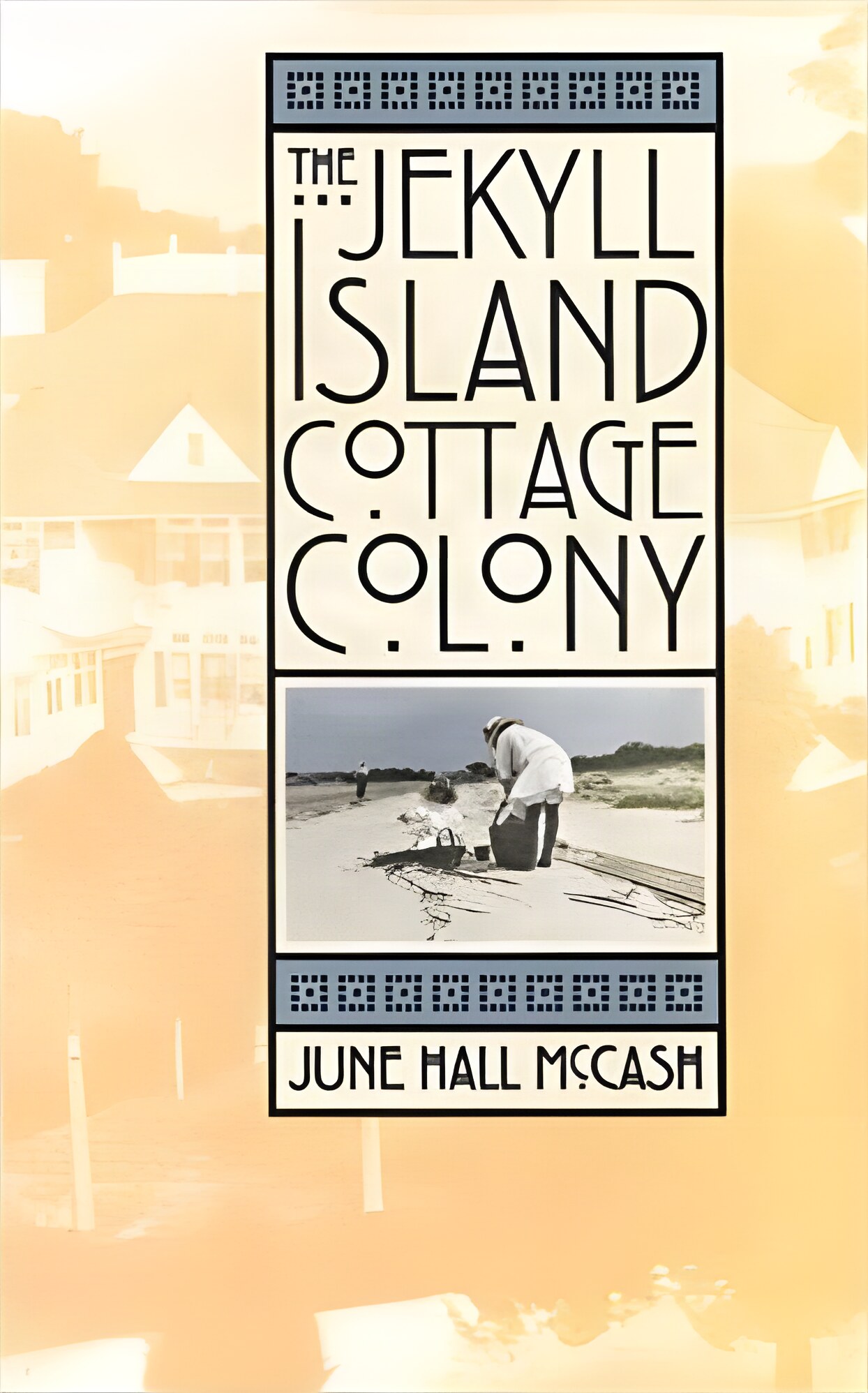
Hardcover. Athens, University of Georgia, 1st, 1998, Book: Very Good, Dust Jacket: Very Good, Hardcover, 316 pages, b&w photographs. Light rubbing to dust jacket, sticker residue on rear. Else a clean, tight copy. During the Gilded Age, Jekyll Island, Georgia, was one of the most exclusive resort destinations in the United States. Owned by the most elite and inaccessible social club in America, a group whose members included Rockefellers, Pulitzers, Vanderbilts, Goulds, and Morgans, this quiet refuge in the Golden Isles was the perfect winter getaway for the wealthy new industrial class of the snowbound North. In this delightful book, a companion volume to The Jekyll Island Club: Southern Haven for America's Millionaires, June Hall McCash focuses on the social club's members and the "cottages" they built near the clubhouse between 1888 and 1928. Illustrated with hundreds of never-before-published photographs from private family collections, The Jekyll Island Cottage Colony tells the stories of each home, the owners' connections with the island, and their interactions with one another.
Hardcover. Washington DC, Dumbarton Oaks Research Library, 1st, 1998, Book: Very Good, Dust Jacket: Very Good, Hardcover in a bright dust jacket, 310 pages. John Evelyn (1620-1706), an English virtuoso and writer, was a pivotal figure in seventeenth-century intellectual life in England. He left an immensely rich literary heritage, which is of great significance for scholars interested in garden history and the histories of intellectual life and architecture. Evelyn is perhaps best known for Sylva, a compilation of thoughts on practical estate management, gardening, and philosophy, and the first book published by the Royal Society in London. As one of the group of learned men who founded the Royal Society in 1660 to promote scientific research, discussion, and publications, John Evelyn was at the center of many of the vital intellectual currents of the time. "Elysium Britannicum," Evelyn's unpublished manuscript of almost a thousand pages of densely packed drafts, rewrites, and projects, was perhaps something of an enigma to his contemporaries, who nevertheless urged its publication. It remains for scholars today a treasure-trove of fascinating insights on Evelyn and his milieu. Clean copy.
Softcover. Amsterdam, Amsterdam Scheltema en Holkema's Boekhandel, First Edition, 1912, Book: Very Good, Dust Jacket: None, Hardcover, large folio size, in Dutch text. 40 pages text followed by 470 plates in black & white. Brown cloth covered boards with embossed illustration in black & gilt. Moderate rubbing, scuff marks to covers. Fraying to head & heel of spine. Gilt titles to cover & spine. Tender front board with crack to top quarter hinge. Toning to edges throughout. Striking, full page black & white illustrations detailing castles, gardens, mansions, intricate woodwork throughout. Previous owner's signature & stamp to front flyleaf. Otherwise clean & unmarked.
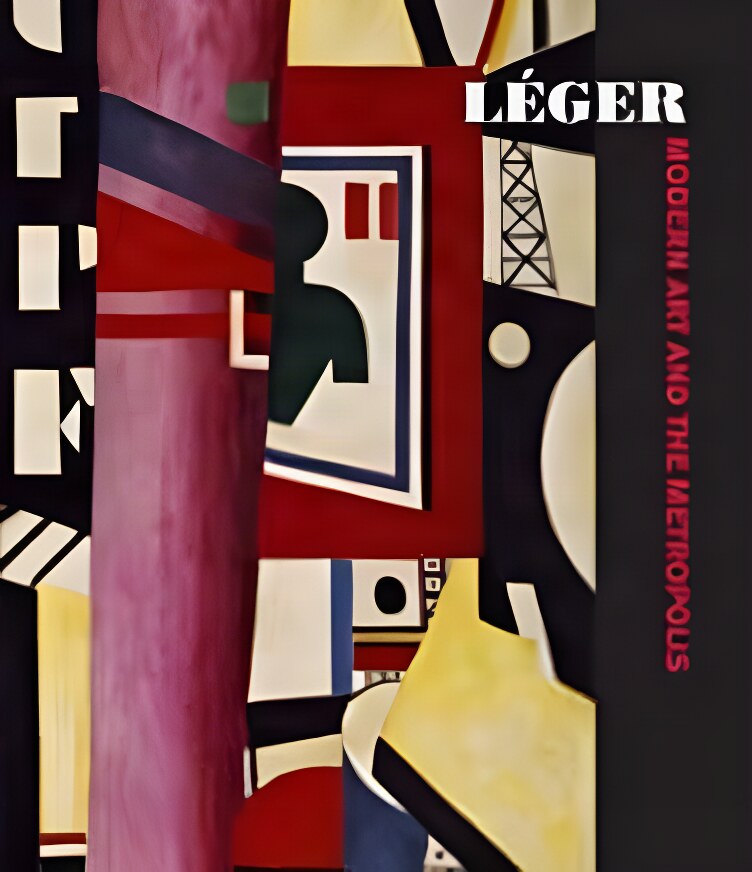
Hardcover. New Haven CT, Yale University Press, 1st, 2013, Book: Very Good, Dust Jacket: None, Hardcover, 292 pages. No dj issued. An insightful look at the dynamic relationship between modern art and modern urban life in 1920s Paris through the lens of Fernand Léger's masterpiece The City. With his landmark 1919 painting The City, Fernand Léger (1881-1955) inaugurated a vitally experimental decade during which he and others redefined the practice of painting in confrontation with the forms of cultural production that were central to urban life, ranging from graphic and advertising design to theater, dance, film, and architecture. This catalogue casts new light on the painting (reproducing all of its studies together for the first time), the avant-garde use of print media, and Léger's fascination with cinema and architecture, and contextualizes a network of international avant-gardes--including Blaise Cendrars, Le Corbusier, Jean Epstein, Piet Mondrian, Amédée Ozenfant, Francis Picabia, and Theo van Doesburg--in relation to Léger. Featuring nearly 250 images of paintings, architectural designs, models, posters, set designs, and film stills and an anthology of relevant historical texts not previously published in English, this handsome volume conveys the spirit of experimentation of the 1920s. Scholars in the fields of art, architecture, and film history offer a deeper understanding of the relationship between art and the modern urban experience that defined this significant chapter in the history of modern art.
Hardcover. San Francisco, CA, Chronicle Books, 1st, 1997, Book: Very Good, Dust Jacket: Very Good, 298 pages. Dark blue cloth covers, embossed titles to spine, dark blue dust jacket with photographic illustration, profusely illustrated with gorgeous color photographs. Light rubbing to dust jacket, small nick to dust jacket at mid-spine, pages crisp and unmarked, clean boards; a beautiful book in great condition. Author Harvey H. Kaiser spent ten years exploring the historic architecture of the Western National Parks, from the rain forrests of the Olympic Peninsular to the awesome wonder of the Grand Canyon, and from rough-hewn travelers' cabins to Yosemite's spectacular Ahwahnee Hotel and Mount Hood's Timberline Lodge. Organized by region and park, and rich with historic detail.
Softcover. London, Reaktion Books,, 1st, 2004, Book: Very Good, Dust Jacket: None, Softcover, 223 pages, 144 illistrations, most in color. An exploration of the cult and celebration of death, loss and memory. Tracing the history and design of burial places throughout Europe and the USA, Ken Worpole ranges from village churchyards to tightly packed cities of the dead, such as the Jewish Cemetery in Prague and Pere Lachaise in Paris.
Hardcover. Chicago, University of Chicago Press, 1st, 1987, Book: Very Good, Dust Jacket: Very Good, Hardcover, 200 pages. The City of Refuge complex--commissioned by the Salvation Army as part of its program to transform social outcasts into spiritually renewed workers--represents a significant confluence of design principles, technological experiments, and attitudes on reform. It also provides rare insights into the work of one of the twentieth century's greatest architects, Le Corbusier. Brian Brace Taylor draws on extensive archival research to reconstruct each step of the architect's attraction to the commission, his design process and technological innovations, the social and philosophical compatibility of the Salvation Army with Le Corbusier's own ideas for urban planning, and finally, the many modifications required, first to eliminate defects and later to accommodate changes in the services the building provided. Throughout, Taylor focuses on Le Corbusier's environmental, technological, and social intentions as opposed to his strictly formal intentions. He shows that the City of Refuge became primarily a laboratory for the architect's own research and not simply a conventional solution to residents' requirements or the Salvation Army's program.
Hardcover. Paris, Editions Albert Morance, 1st, 1953, Book: Very Good, Dust Jacket: Fair, 320 pages. Hardcover. Text in French. Illustrated with black & white photographs and drawings of decorative cast iron. Previous owners name and date written on front interior hinge flap. Dust jacket worn with tape repair, chipping along edges - jacket now protected with clear plastic cover. Clean, tight copy.
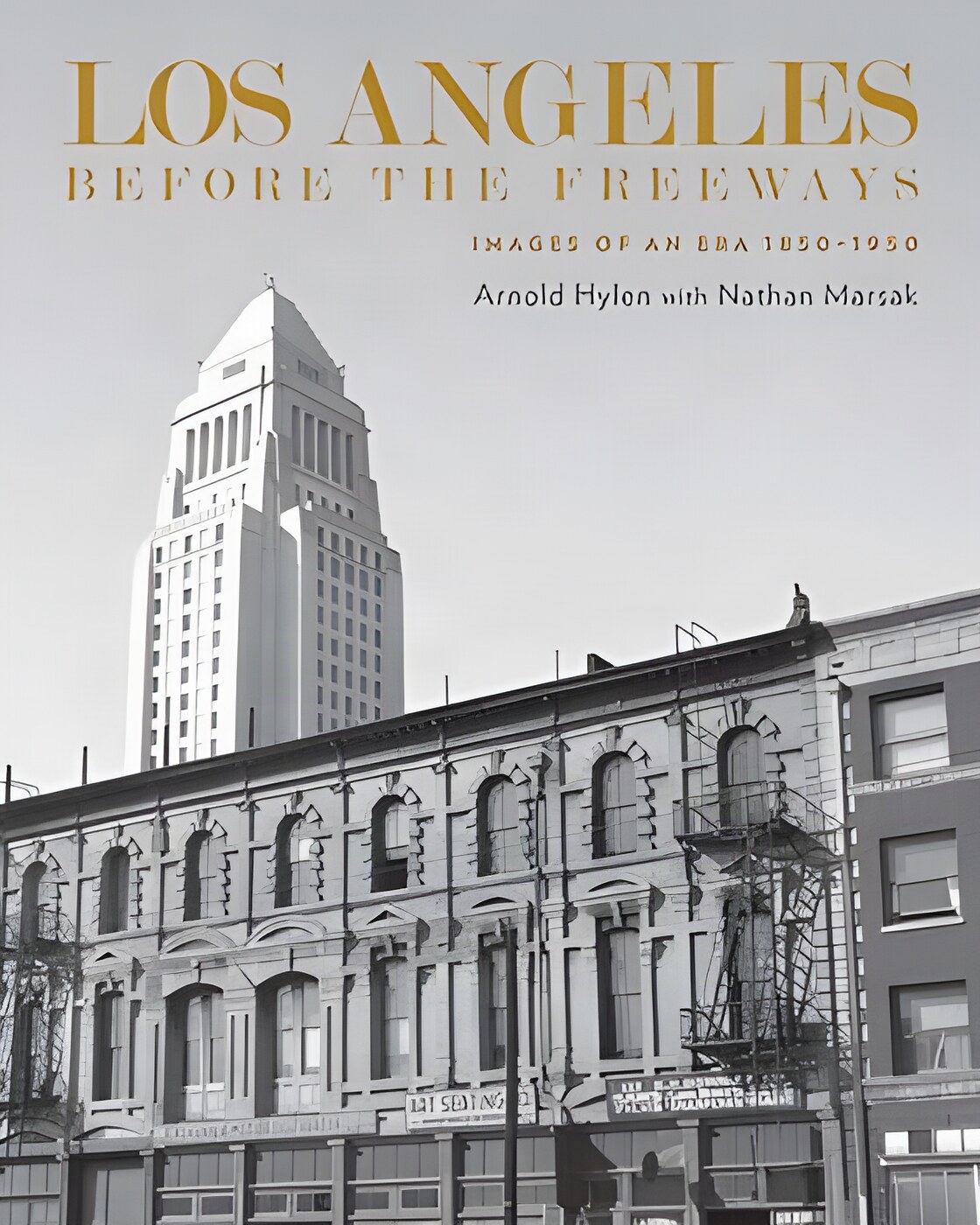
Hardcover. Santa Monica CA, Angel City Press, Book: Very Good, Dust Jacket: None, Hardcover, pictorial boards. Gives a lush, visual tour of a Los Angeles that no longer exists--one of elegant office buildings and stately mansions that were razed in the name of "progress" to build the city's famous freeways. Featuring stunning black-and-white photography from Arnold Hylen that captures a lost era, the book contains an original essay by the photographer that provides historical background and context for the time period. This new edition contains additional, never-before-seen photographs from Hylen and newly unearthed information from historian Nathan Marsak on these lost architectural treasures. Arnold Hylen (1908-1987) was a commercial and architectural photographer based in Los Angeles. Between the late 1940s and the late 1960s, Hylen traversed the streets of Los Angeles, photographing it's vanishing landscape. Still in publisher's shrinkwrap.
Hardcover. New York/Milano, Skira, 1st, 2003, Book: Very Good, Dust Jacket: Very Good, 224 pages, duotone photographs taken between 1904 and 1914 by a missionary working in China. In publisher's shrinkwrap. Leone Nani (1880-1935) lived in central China from 1904 to 1914. His missionary work took him to remote villages where he captured a world beyond the reach of other Westerners. Working in large format (mostly on glass plates he developed and printed himself in his mobile studio), Nani portrayed young couples, dignitaries, peasants and artisans. Equally gifted as an observer and reporter, he recorded everyday life scenes, religious ceremonies, architecture, and landscapes.

 "Historical Studies of Church-Building in the Middle Ages: Venice, Siena, Florenceby: Norton, Charles Eliot")
 "History of Brevard County, Vol. 1by: Shofner, Jerrell H")
 "History of the English House from Primitive Times to the Victorian Period, Aby: Lloyd, Nathaniel")
 "Holland's House: A Nation Building a Homeby: Bricklayer, Peter/Illustrated By Jo Spier")
 "Homes of Our Ancestors, Theby: Halsey & Tower, R. T. H. & Elizabeth")
 "Hotel: An American Historyby: Andrew K. Sandoval-Strausz")



 "Intimate Grandeur: Vermont's State Houseby: Graff, Nancy Price, Schutz, David")
 "Intimate Grandeur: Vermont's State Houseby: Graff, Nancy Price, Schutz, David")
 "Islamic Architecture and its Decoration - A. D. 800 - 1500by: Hill, Derek")



 "Kasteelen Buitenplaatsen Tuinen en Parken van Nederland (Dutch Text)by: Jongsma, H.")


 "Landmarks in the Landscapeby: Kaiser, Harvey H.")
 "Last Landscapes: The Architecture of the Cemetery in the West by: Worpole, Ken")
 "Le Corbusier: The City of Refuge, Paris 1929/33by: Taylor, Brian Brace")
 "Le Fer Forge - Documents Artistiques de Ferronnerie Ancienne - Du Moyen-Age a la Fin du XVIII Siecleby: Clouzot, Henri")
 "Lost China: The Photographs of Leone Naniby: Nani/ Clara Bulfoni (Author), Anna Pozzi (Author), Lina")