Softcover. London, Unicorn Press Ltd, 1st, 2015, Book: Very Good, Dust Jacket: None, 192 pages. Softcover. Very clean, unmarked copy with only minor edgewear. Over 100 drawings and paintings in black & white and color, many of which are published for the first time in this book.
Softcover. Northampton, Mass., Smith College Museum of Art, 1st, 1983, Book: Very Good, Dust Jacket: None, Softcover, 170 pages, b&w and color illustrations. Light edge wear, rubbing to wrappers. Else a clean, tight copy.
Softcover. Milwaukie OR, Dark Horse, 1st, 2005, Book: Very Good, Dust Jacket: None, 346 pages, trade paperback with french flaps. It would be hard to imagine any creators who have more greatly affected their chosen medium than Will Eisner and Frank Miller have influenced the world of comics and graphic novels. Often misunderstood, but enduringly enjoyed by people from all walks of life, the comic book has in recent years been recognized as a "legitimate" art form by cultural institutions ranging from Harvard University to the Smithsonian, from The New Yorker to the Art Institute of Chicago. Now, culture-curious readers and life-long fans of the comics medium are invited to read along as two of the medium's greatest contributors-legendary innovator and godfather of sequential art Will Eisner, and the modern master of cinematic comics storytelling, Frank Miller-discuss one on one in an intimate interview format, the ins-and-outs of this compelling and often controversial art form. Eisner/Miller is profusely illustrated and features rare, behind-the-scenes photos of Eisner, Miller, and other notable creators.
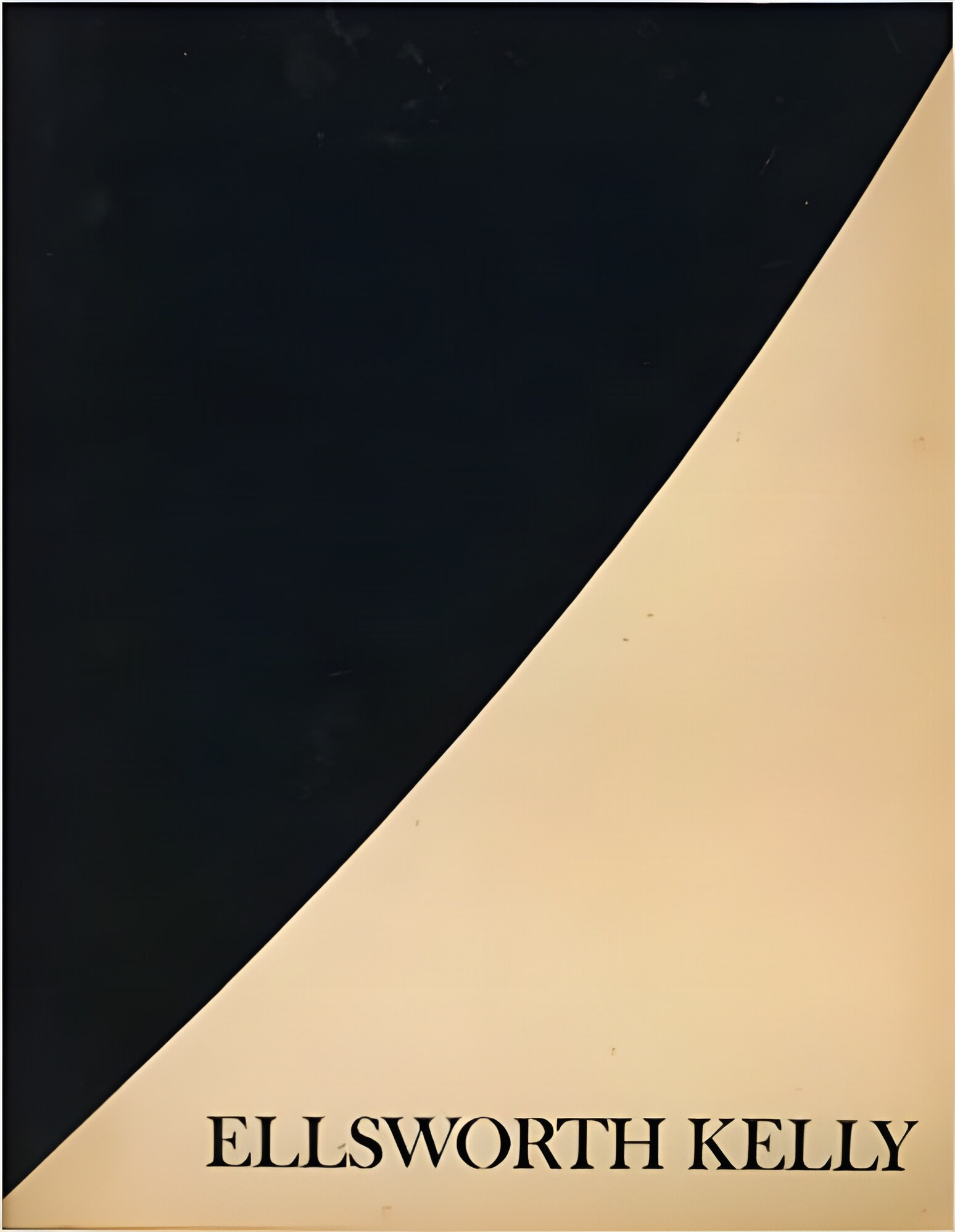
Softcover. New York, MOMA, 1st, 1973, Book: Very Good, Dust Jacket: None, Softcover, 127 pages, b&w and color illustrations. Light edge wear to wrappers; yellowing to spine. Else a clean, tight copy. Illustrated with eighty-four reproductions, eighteen of which are in color, as well as fifty-one reference illustrations. Bibliography. Index.
Softcover. New York, MOMA, 1st, 1973, Book: Very Good, Dust Jacket: None, Softcover, 127 pages, b&w and color illustrations. Light edge wear to wrappers; yellowing to spine. Else a clean, tight copy. Illustrated with eighty-four reproductions, eighteen of which are in color, as well as fifty-one reference illustrations. Bibliography. Index.
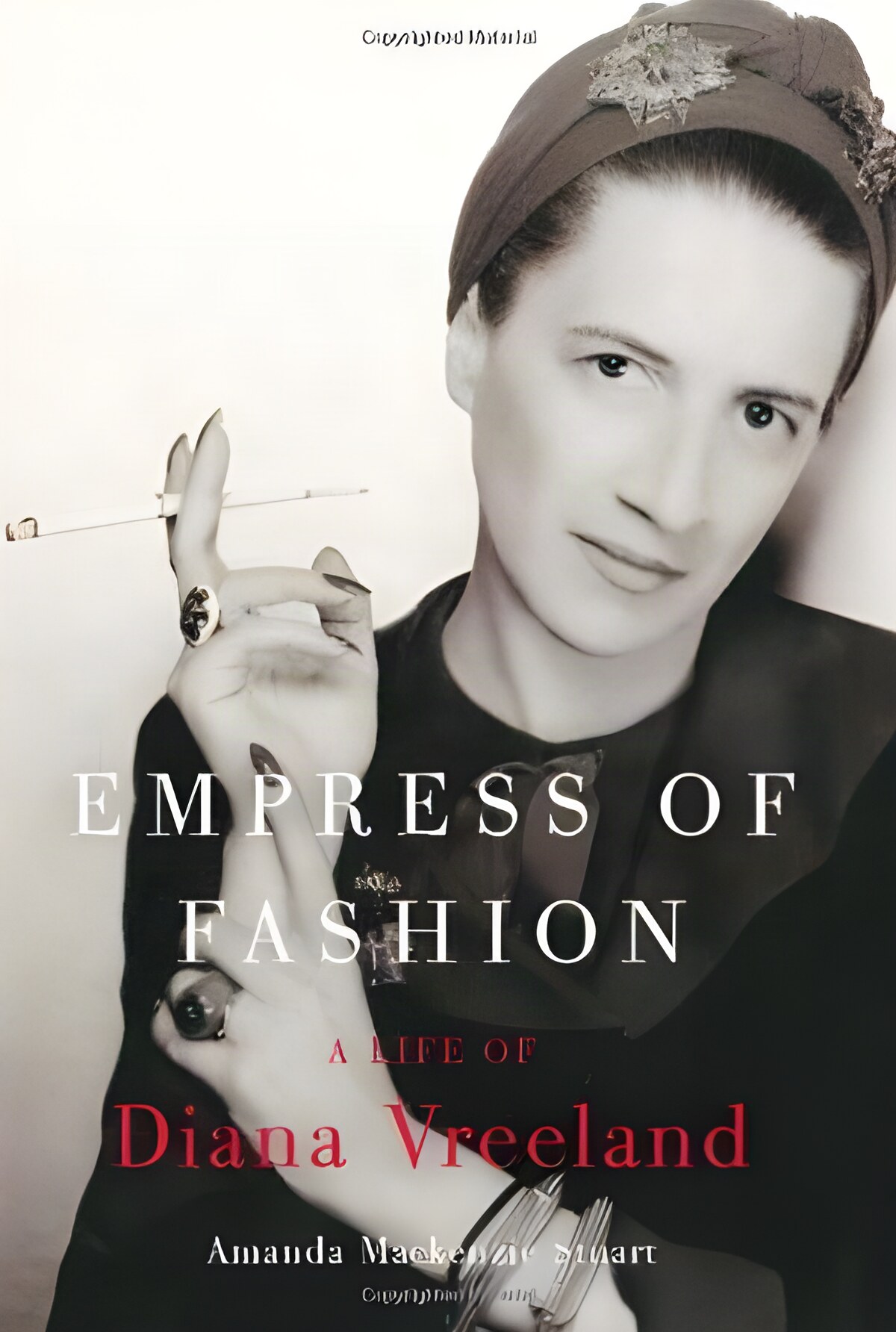
Hardcover. New York, Harper, 1st, 2012, Book: Very Good, Dust Jacket: Very Good, Hardcover, 419 pages, photos in color and b&w. Remainder mark to bottom edge, else a clean, unmarked copy in excellent condition.
Hardcover. US, Harper, 1st, 2012, Book: Very Good, Dust Jacket: Very Good, 419 pages, photos in color and b&w. Remainder mark to bottom edge, else a clean, tight copy.
Hardcover. NY, Harper, 1st, 2012, Book: Very Good, Dust Jacket: Very Good, Hardcover, 419 pages, photos in color and b&w. Remainder mark to bottom edge, else a clean, tight copy.
Softcover. Madrid, La Fabrica, 1st, 2013, Book: Very Good, Dust Jacket: None, 256 pages. Softcover. Very clean, unmarked copy with minor wear to wrapper edges. Over 250 full page black and white photographs. Includes photographs of iconic figures such as, John and Jackie Kennedy, Nikita Khrushchev, Martin Luther King Jr., Muhammed Ali, Alfred Hitchcock, Joan Baez, and Salvador Dali.
Hardcover. New York, Universe, 1st, 1981, Book: Good, Dust Jacket: Good, 304 pages. Hardcover with dust jacket. Previous owner's name on front fly leaf. Price clipped on front flap of dust jacket. Dust jacket with light soiling, edgewear.
Hardcover. New York, E. P. Dutton, 1st, 1989, Book: Very Good, Dust Jacket: Very Good, Hardcover, 240 pages illustrated throughout with 156 plates including 74 in full color. Remainder mark on bottom edge. Large folio. Light edgewear to dust jacket, else a clean, tight copy. Follows the artist from his birth in St. Petersburg, Russia in 1892, through the 1980's. Beautiful color plates include costume design, magazine covers (Harper's Bazar), sculpture, vases, mirrors, medallions, jewelry, labels, bottles, playing cards, watches.
Hardcover. Indianapolis, Indiana, Indianapolis Museum of Art, 1st, 2013, Book: Very Good, Dust Jacket: None, 160 pages. Hardcover no dust jacket. Color pictures throughout. Clean, unmarked copy with only minor wear to boards. Decoding Robert Indiana's work for a new generation, this revelatory book explores previously unknown autobiographical elements in the work of the Pop artist and printmaker. Famously proclaiming himself to be "an American painter of signs," Robert Indiana has created an enormous body of work, much of it boldly colored abstractions. In this incisive new examination of the artist, based on ongoing conversations with Indiana, art historian Martin Krause sifts through autobiographical clues within the artist's work and finds a wealth of affecting and affectionate references to Indiana's childhood, literary heroes, and the cultural icons of his generation. In addition, a penetrating essay by Pop art scholar John Wilmerding deconstructs Indiana's use of geometric shapes, making unexpected connections that enhance Krause's thesis. Accompanied by reproductions of more than 50 prints from the period 1960-2010--and focusing specifically on series such as Decade: Autoportraits, Vinalhaven Suite, and The Hartley Elegies as well as the "Love" and "Hope" images and studies of Marilyn Monroe, Picasso, and the Brooklyn Bridge--Krause's decryption of Indiana's visual language provides telling insight into the work of this quintessentially American artist.
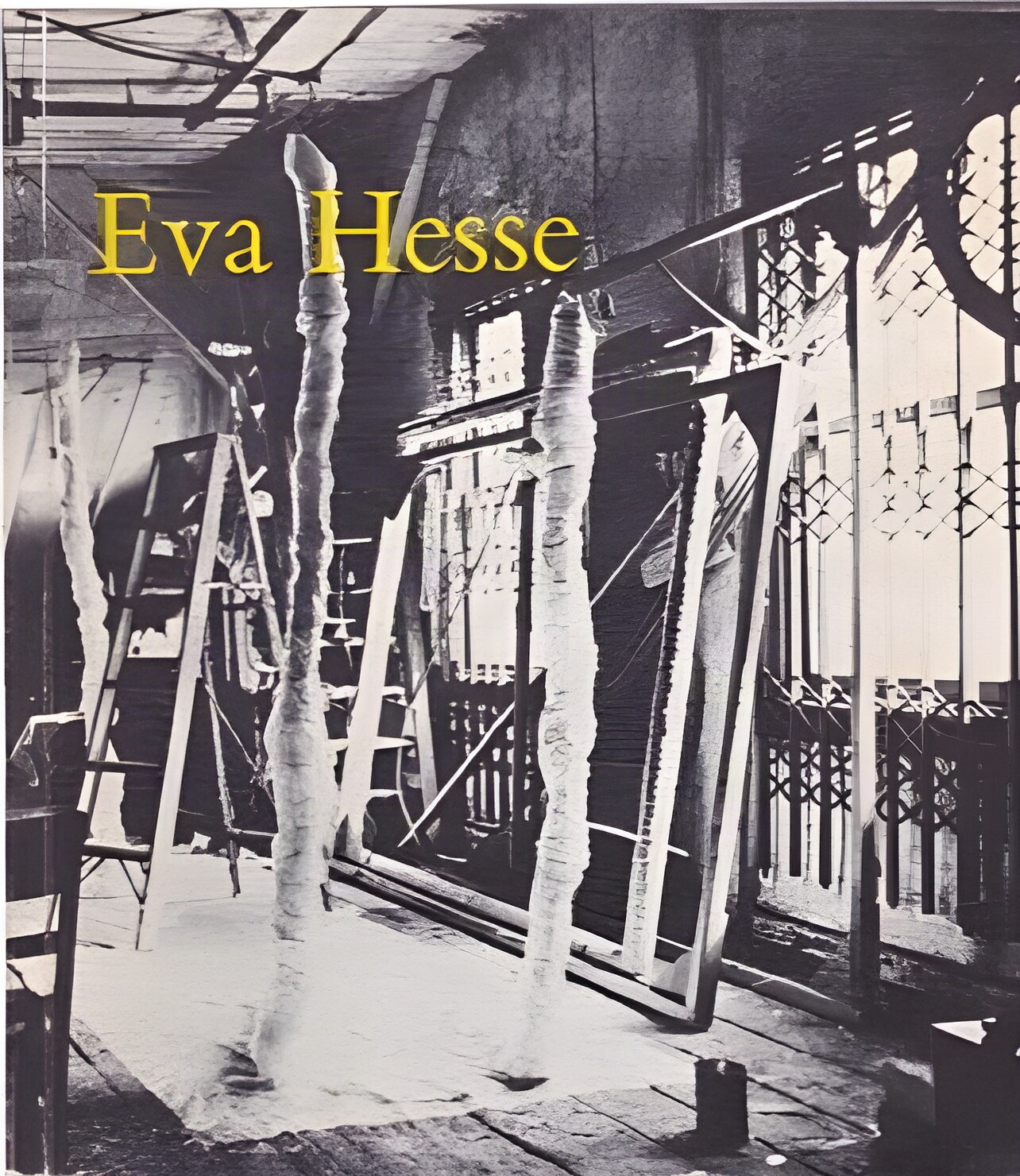
Softcover. NY, Solomon Guggenheim Museum, 1st, 1972, Book: Very Good, Dust Jacket: None, Softcover, 114 pages. This posthumous exhibition presents not only a deeper look into Eva Hesse's work but also undertakes an examination of her biography to discern her working practices and artistic motivations. The catalogue includes two essays. Critic Robert Pincus-Witten begins with an examination of Hesse's Post-Minimalist aesthetic, while curator Linda Shearer explores the last of Hesse's work before her untimely death. Both essays highlight excerpts from the artist's notes and personal writings on her art and process. The catalogue also includes a section of images depicting Hesse's works in color and black and white, a brief chronology of the artist's life, a bibliography, a list of works in the exhibition, and a list of past exhibitions.
Hardcover. NY, Prestel, 1st, 2015, Book: Very Good, Dust Jacket: None, Hardcover, 192 pages, color and b&w images. This first volume in a major new series of illustrated biographies of Magnum photographers traces the life and achievements of Eve Arnold, who captured an incredible array of subjects with remarkable clarity and compassion. Eve Arnold (1912-2012) was born to a poor immigrant family in Philadelphia and became a photographer by chance. In 1950 Arnold was a 38-year-old Long Island housewife when she enrolled in a six-week photography course that led to her groundbreaking photo essay on black fashion models in Harlem. She went on to become the first woman to join Magnum Photos and, eventually, one of the most accomplished photojournalists of her time. Filled with reproductions of Arnold's acclaimed photographs, shot in both color and black and white, as well as previously unseen archival images, this biography relates Arnold's bold images to the fascinating story of their making. Renowned for her intimate portraits of figures such as Marilyn Monroe, Malcolm X, and Queen Elizabeth, Arnold was equally comfortable documenting the lives of the poor and dispossessed. "I don't see anybody as either ordinary or extraordinary. I see them simply as people in front of my lens." To her images of migrant workers, disabled veterans, and protesters for civil rights in the US and against apartheid in South Africa, she brought an unflinching eye and a strong sense of social justice. This highly engrossing narrative tells a compelling story of an intrepid artist whose life's purpose was to report on the lives of others.
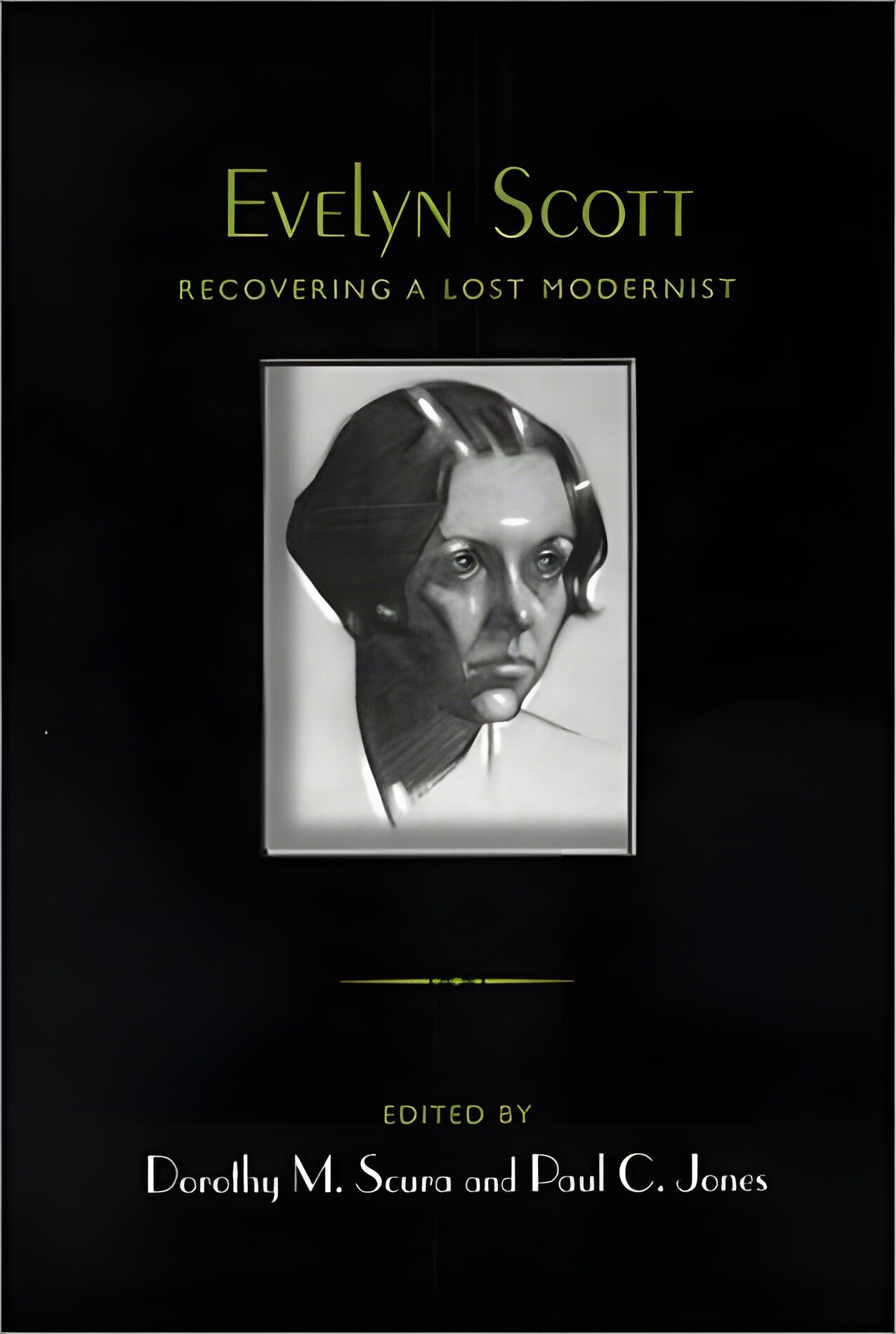
Hardcover. Knoxville TN, University of Tennessee Press, 1st, 2001, Book: Very Good, Dust Jacket: Very Good, Hardcover in a bright dust jacket, 235 pages. Evelyn Scott was a significant literary figure in American letters of the 1920s and 1930s, an important contributor in the experimental forms and techniques of the modernist movement. She wrote and published in many genres -- the novel, short fiction, poetry, memoir, criticism, and drama. Since that time, Scott's work has been forgotten by most readers and critics, and her reputation as an important writer of her day has been obscured. This collection, which features an introduction and thirteen critical essays, is the first volume to focus on Scott's work rather than her intriguing yet troubled life and initiates a long-needed examination of Scott's innovations in fiction, memoir, and other genres. The various essays take diverse critical approaches to Scott's canon, including her best-known works -- Escapade and The Wave -- and explore her views on topics such as women, politics, religion, art, and the South. Clean copy.
Hardcover. Clarkson N. Potter, inc, 1st, 1974, Book: Very Good, Dust Jacket: Good, Hardcover, 236 pages. b&w and color illustrations and photographs. Red cloth spine. Dust jacket edgewear, otherwise in good shape. Everett Shinn (1876 - 1953) was an American realist painter and member of the Ashcan School. He also exhibited with the short-lived group known as "The Eight," who protested the restrictive exhibition policies of the powerful, conservative National Academy of Design. He is best known for his robust paintings of urban life in New York and London, a hallmark of Ashcan art, and for his theater and residential murals and interior-design projects. His style varied considerably over the years, from gritty and realistic to decorative and rococo.
Softcover. NY, Berry-Hill Galleries, 1st, 2000, Book: Very Good, Dust Jacket: None, Softcover, 176 pages. 5 b&w, 55 color plates. Issued in conjunction with an exhibition featuring the work of Ashcan artist Everett Shinn (1876-1953). A tremendous presentation of text and richly printed color illustrations. Clean copy
Hardcover. NY, Ecco, 1st, 2022, Book: Very Good, Dust Jacket: Very Good, Hardcover in a bright, unclipped dust jacket. 454 pages, b&w, color illustrations. Los Angeles in the 1960s: riots in Watts and on the Sunset Strip, wild weekends in Malibu, late nights at The Daisy discotheque, openings at the Ferus Gallery, and the convergence of pop art, rock and roll, and the New Hollywood. At the center of it all, one inspired, improbable, and highly combustible couple--Dennis Hopper and Brooke Hayward--lived out the emblematic love story of '60s L.A. The home these two glamorous young actors created for themselves and their family at 1712 North Crescent Heights Boulevard in the Hollywood Hills became the era's unofficial living room, a kaleidoscopic realm--"furnished like an amusement park," Andy Warhol said--that made an impact on anyone who ever stepped into it. Hopper and Hayward, vanguard collectors of contemporary art, packed the place with pop masterpieces by the likes of Roy Lichtenstein, Ed Ruscha, and Warhol, and welcomed a who's who of visitors, from Jane Fonda to Jasper Johns, Joan Didion to Tina Turner, Hells Angels to Black Panthers. In this house, everything that defined the 1960s went down: the fun, the decadence, the radical politics, and, ultimately, the danger and instability that Hopper explored in the project that made his career, became the cinematic symbol of the period, and blew their union apart--Easy Rider.
Hardcover. NY, Ecco, 1st, 2022, Book: Very Good, Dust Jacket: Very Good, Hardcover in a bright, unclipped dust jacket. 454 pages, b&w, color illustrations. Los Angeles in the 1960s: riots in Watts and on the Sunset Strip, wild weekends in Malibu, late nights at The Daisy discotheque, openings at the Ferus Gallery, and the convergence of pop art, rock and roll, and the New Hollywood. At the center of it all, one inspired, improbable, and highly combustible couple--Dennis Hopper and Brooke Hayward--lived out the emblematic love story of '60s L.A. The home these two glamorous young actors created for themselves and their family at 1712 North Crescent Heights Boulevard in the Hollywood Hills became the era's unofficial living room, a kaleidoscopic realm--"furnished like an amusement park," Andy Warhol said--that made an impact on anyone who ever stepped into it. Hopper and Hayward, vanguard collectors of contemporary art, packed the place with pop masterpieces by the likes of Roy Lichtenstein, Ed Ruscha, and Warhol, and welcomed a who's who of visitors, from Jane Fonda to Jasper Johns, Joan Didion to Tina Turner, Hells Angels to Black Panthers. In this house, everything that defined the 1960s went down: the fun, the decadence, the radical politics, and, ultimately, the danger and instability that Hopper explored in the project that made his career, became the cinematic symbol of the period, and blew their union apart--Easy Rider.
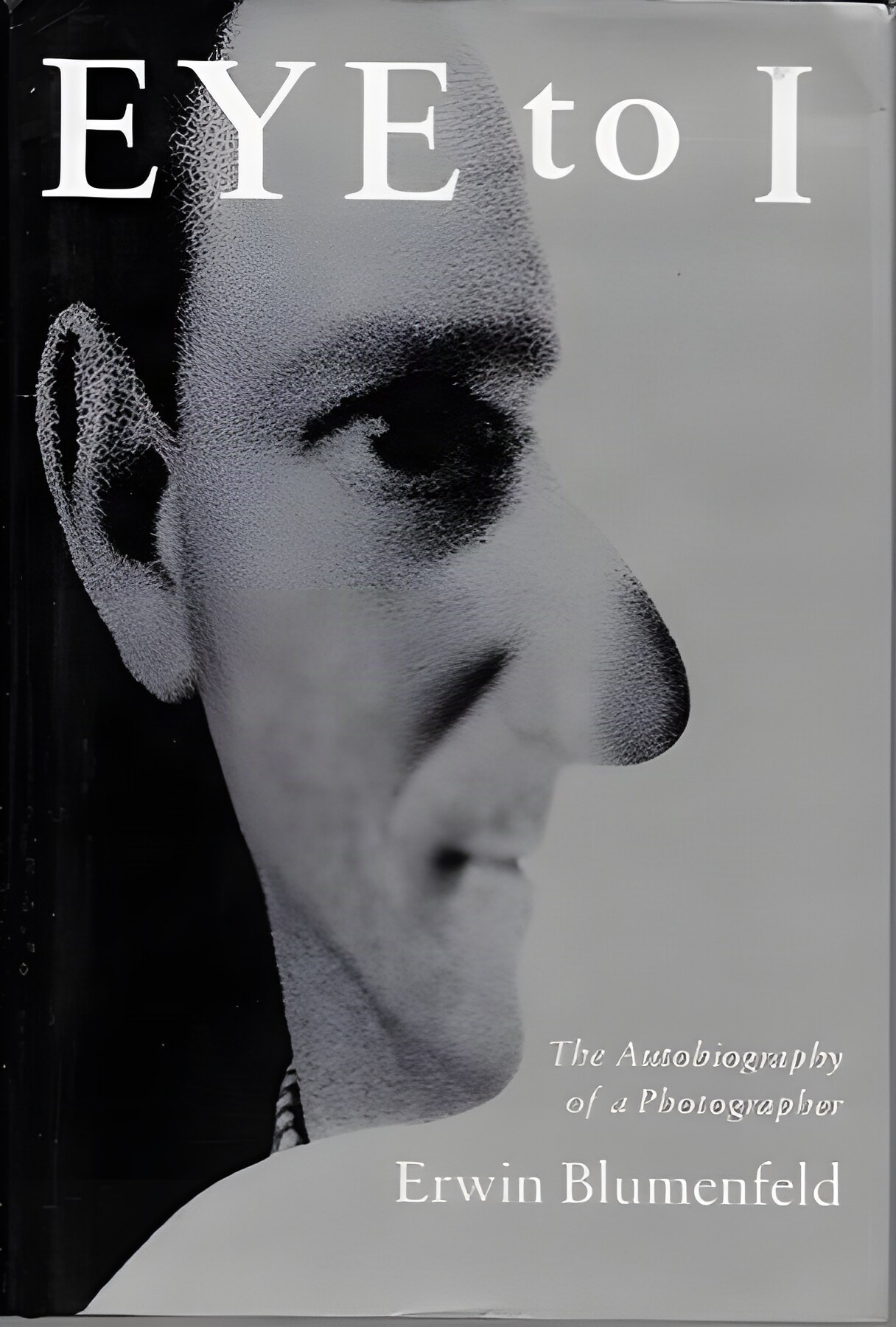
Hardcover. London, Thames and Hudson, 1st, 1999, Book: Very Good, Dust Jacket: Very Good, 384 pages. Hardcover with dust jacket. Clean, tight copy with black and white photographs throughout. Light wear ton dust jacket. The life of Erwin Blumenfeld, one of the century's best-known photographers, was by no means conventional. By turns acerbic, self-mocking, playful, even absurd, his autobiography is a compelling, virtuoso account of an extraordinary man. All his subjects--his Jewish family, the Germans, the Vichy French, his models, New York publishers--are dealt equal measures of wit, mockery, and merciless irony. He spares himself least of all. Born in turn-of-the-century Berlin, Blumenfeld was drafted to serve in the First World War, first as an ambulance driver (although he couldn't drive) and then as a bookkeeper in a field brothel, and he was awarded the Iron Cross for giving his sergeant French lessons. Between the wars he was part of an avant-garde circle that included such artists as Else Lasker-Schler, George Grosz, and members of the Dada movement. During the Second World War, Blumenfeld was interned in a series of French camps but eventually arrived in New York, where he found work with Vogue and Harper's Bazaar, producing many of their most memorable covers and becoming fashion's highest-paid photographer. From the creator of some of the most striking and influential photographs ever taken, Blumenfeld's autobiography--published here in English for the first time--is a biting and iconoclastic take on the century, and the insightful, gripping story of an exceptional life. Remainder line to bottom edge.
Hardcover. Leicestershire, England, Matador, 1st, 2013, Book: Very Good, Dust Jacket: Very Good, 262 Pages. Hardcover with dust jacket. Light edgewear to dust jacket. Previous owner's bookplate on front fly leaf, otherwise, clean, tight copy. Black and white pictures throughout.
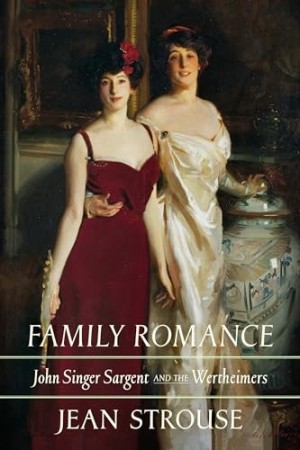
Hardcover. NY, Farrar, Straus and Giroux, 1st, 2024, Book: Very Good, Dust Jacket: Very Good, Hardcover in a bright, unclipped dust jacket, 311 pages, color illustrations. Jean Strouse captures the dramas, mysteries, intrigues, and tragedies surrounding John Singer Sargent's portraits of the Wertheimer family. Her account looks at twelve portraits of one English family painted by the expatriate American artist at the height of his career...and at the intersections of all these lives with the sparkle and strife of the Edwardian age. In commissioning this grand series of paintings, Asher Wertheimer, an eminent London art dealer of German-Jewish descent, became Sargent's greatest private patron and close friend. The Wertheimers worked with Rothschilds and royals, plutocrats and dukes--as did Sargent. Asher left most of his Sargent portraits to the National Gallery in London, a gift that elicited censure as well as praise: it was a new thing for a family of Jews to appear alongside the Anglo-Saxon aristocrats and dignitaries painted by earlier masters. Strouse's account, set primarily in England around the turn of the twentieth century, takes in the declining fortunes of the British aristocracy and the dramatic rise of new power and wealth on both sides of the Atlantic. Clean, bright copy.
Hardcover. New York, G. P. Putnam's Sons, 1st US, 1980, Book: Very Good, Dust Jacket: Good, Non-Paginated. Hardcover. Full color and black & white illustrations by Carl Larsson. Dust jacket with rubbing along edges, areas of darkening. Clean, tight copy. A beautiful book featuring the full color watercolor artwork by Carl Larsson of his family in Sweden.


 "Eisner/Miller: A One on One Interview conducted by Charles Brownsteinby: Eisner, Will and Frank Miller")
 "Ellsworth Kellyby: Goossen, E. C")


 "Erte: My Life, My Art - An Autobiographyby: Erte")