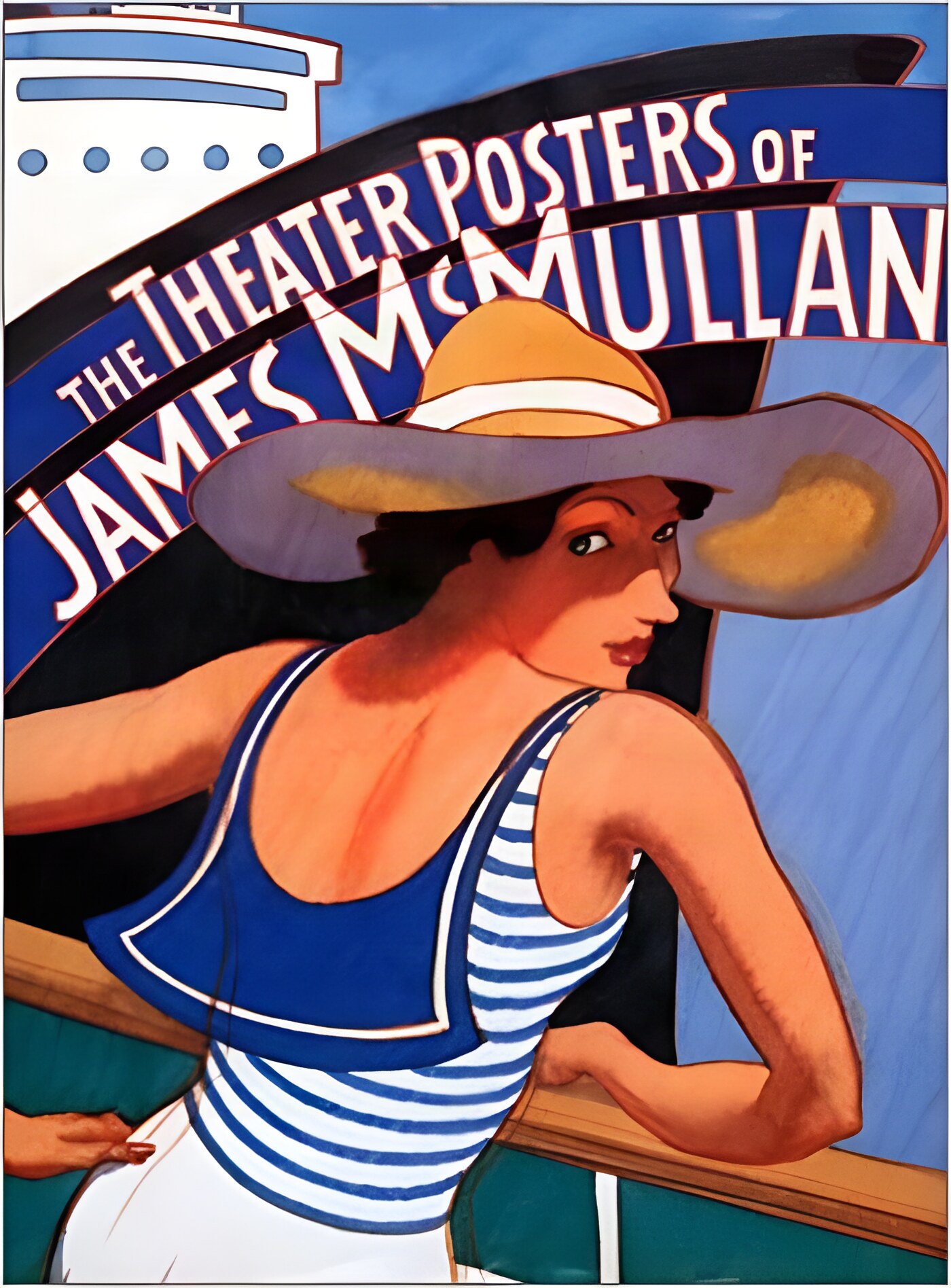
Softcover. New York, Viking Studio, 1st, 1998, Book: Very Good, Dust Jacket: None, 129 pages, color illustrations. Features 40 of the designers posters for the Lincoln Center. Large softcover, clean, bright copy.
Softcover. NY, Thames & Hudson, 1st, 2005, Book: Very Good, Dust Jacket: None, Softcover, 256 pages. Why did Frankie say "Relax"? Did anyone really want to hurt Boy George? And why didn't anybody walk in L.A.? This Ain't No Disco can't answer all these head-scratchers, but it does bring the New Wave era back with page after totally awesome page of 300 of the best album covers. This rad collection includes covers from the late 1970s to the mid-'80s and will have true believers of a certain generation totally spazzing. New Wave was defined as much by style, fashion, and graphic design as the music itself witness the ruffled cuffs and heavy makeup of the New Romantics, the skinny ties and peg-pants of the neo-Mods, and the unsettling robotic personae of Devo and Gary Numan. Bursting with wild hairstyles, futuristic typography, pastel shapes, and outlandish clothing, these are the album covers that defined an era and continue to influence music and fashion styles today. A nostalgic trek with a mental soundtrack, This Ain't No Disco will inspire readers to don those rubber bracelets once again and proclaim, "Let's dance this mess around!"
NY, ADC, 1st, 198, Book: Very Good, Dust Jacket: None, Hardcover in pictorial boards. No markings. Index, b/w & some color illustrations. DUE TO WEIGHT, DOMESTIC SHIPPING ONLY.
Hardcover. Ipswitch UK, Limited Editions Club, 1st thus, 1975, Book: Very Good, Dust Jacket: Very Good, Hardcover. Horizontal quarto (10-7/8" x 9") in a three-piece binding of linen sides printed in a pattern of scarlet, slate, and yellow vertical stripes with a shelfback of ochre buckram stamped in gold leaf; 224 pages. Introduction by Stella Gibbons. Designed by John Lewis and printed by W. S. Cowell Ltd. Illustrated by John Griffiths with 2 double-spread color drawings and numerous black-and-white part-page and marginal sketches. Copy #1370 of 2000 SIGNED by the artist on the colophon page. Clean, bright copy.
Hardcover. New York, Harry N. Abrams, 1st, 2003, Book: Very Good, Dust Jacket: Very Good, 271 pages. Hardcover. Extensive color photographs throughout. Illustrated end papers and paste downs. Gilt titles on spine. Minor shelf wear to dust jacket, otherwise clean, tight copy. A collection of 250 glamorous images chronicle the simultaneous evolution of fashion photography and fine jewelry, featuring extraordinary photographs that range from Richard Avedon's portrait of Elizabeth Taylor bedecked in cultured pearls to Scavullo's photograph of Paloma Picasso wearing her own jewelry designs.
Hardcover. New York, Harry N. Abrams, 1st, 2003, Book: Very Good, Dust Jacket: Good, 271 pages. Hardcover. Extensive color photographs throughout. Illustrated end papers and paste downs. Gilt titles on spine. Some shelf wear to dust jacket, otherwise clean, tight copy. A collection of 250 glamorous images chronicle the simultaneous evolution of fashion photography and fine jewelry, featuring extraordinary photographs that range from Richard Avedon's portrait of Elizabeth Taylor bedecked in cultured pearls to Scavullo's photograph of Paloma Picasso wearing her own jewelry designs.
Hardcover. New York, Harry N. Abrams, 1st, December 1, 2004, Book: Very Good, Dust Jacket: Very Good, 304 pages. Black cloth cover, embossed design, very little wear. Dust jacket has very slight wear to some edges. Die-cut slipcase has some edgewear. 343 illustrations, 333 are in full color. A bright and clean copy.
Softcover. London/NY, Thames & Hudson, 1st, 2019, Book: Very Good, Dust Jacket: None, Softcover, 348 pages including transparent gels, 238 plates. Photographer Tim Walker draws audiences close to reveal fantasy's other, darker side. Delving deep into the art and mind of one of the most exciting and original fashion photographers working today, Shoot for the Moon showcases the gamut of Walker's weird, wild Wonderlands. In images that demand to be read as art as much as fashion, his signature opulence and decadent eccentricity encroach ever further beyond the 'real', exploring the mysteries of imagination and inspiration, and where it is they come from. Dazzlingly designed to a lavish spec, with images featuring some of the biggest names in fashion and contemporary culture, and texts and commentary by a collection of noteworthy contributors as well as Walker himself, Shoot for the Moon is set to be an landmark addition to the lexicon of fashion photography. Renowned for his surreal fashion photography, Tim Walker's new book challenges convention to explore the very concept of photographic imagination. Still in publisher's shrinkwrap. DOMESTIC SHIPPING ONLY.
Hardcover. NY, E.P. Dutton , 1st, 1932, Book: Good, Dust Jacket: None, Hardcover, green cloth stamped in red, 235 pages. A masterpiece of humanism, Time Stood Still recounts Paul Cohen-Portheim's years of internment in England as an enemy alien during World War One. An artist and theatre designer, he at first viewed internment as a sort of holiday: 'Should I bring my bathing things and evening dress?' he asked the policeman taking him prisoner. Though confined in a 'gentleman's camp' near Wakefield, as Cohen-Portheim shows with grace, humor, and deep compassion, even under the best conditions, the simple act of being confined and placed in a sort of limbo is a form of torture: 'Where there is no aim, no object, no sense, there is no time.' Time Stood Still is a passionate but balanced argument against internment and its inherently dehumanizing effects. Paul Cohen-Portheim (1880-1932) was an Austrian artist, travel writer and linquist. When WWI broke out, he was painting in Devonshire, England and found himself interned for the length of the war. Flap copy pasted to front fly leaf, stamp to endpapers (Harvard Club of Boston), some light notations as well to endpapers.
Hardcover. NY, Parents Magazine Press, 1st, 1967, Book: Very Good, Dust Jacket: Very Good, Hardcover in a bright dust jacket. Wonderful introduction to different styles of architecture. Illustrated in color by Devlin. Related notes & articles to various landmark houses laid-in. Dust jacket price clipped. Clean copy.
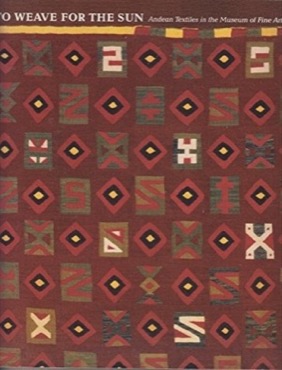
Softcover. Boston, Museum of Fine Arts, 1st, 1992, Book: Very Good, Dust Jacket: None, Softcover, 271 pages illustrated in color and b&w. Textiles were the Incas' most prized possessions. Their first gifts to European strangers were made not of gold and silver, but of camelid fibre and cotton. They believed that the highest form of weaving was created expressly for the sun, which they considered the greatest of the celestial powers. This book uses this image to symbolize Andean tradition as a whole and documents the collection of ancient and Colonial Andean textiles in the Museum of Fine Arts, Boston, which is among the most comprehensive of its kind in the world. Described and illustrated here, in many cases for the first time are the finest examples from the collection: weavings of astonishing virtuosity with striking geometric designs, elaborate carpets and covers, mantles, tunics, featherwork, woven shoes with metal decoration and intriguing figural sculptures with tapestry faces - representing the major cultures of the pre-Columbian period as well as the achievements of Spanish Colonial times. Mild wear to outer wraps, otherwise a clean, bright copy.
Hardcover. NY, Abbeville Press, 1st, 2023, Book: Very Good, Dust Jacket: None, Hardcover, pictorial boards, 222 pages in color and b&w. Tony Sarg (1880-1942), an American artist born in Guatemala to a diplomatic family, first achieved professional success as an illustrator in London and New York. But in the 1920s, he gained even greater renown for his touring puppet shows based on classic tales like Alice in Wonderland and Robinson Crusoe. Fusing the time-honored craft of traditional marionette shows with a playful modern sensibility, Sarg's productions were foundational to American puppetry: Jim Henson can be considered a direct artistic descendant. Yet this was only one facet of Sarg's varied accomplishments: he was also a pioneer in animated films and children's books, and, as a longtime designer for Macy's, he invented the gigantic balloons used in the firm's Thanksgiving Day Parade. (He also employed one of his parade balloons in the famous Nantucket Sea Serpent hoax of 1937.) This abundantly illustrated volume, published to coincide with a major exhibition organized by the Norman Rockwell Museum, is the first to survey Tony Sarg's protean career. It brings together imagery and artifacts from numerous public and private collections, and includes special sections on Sarg's long association with the island of Nantucket and his influence on American puppetry. Tony Sarg: Genius at Play will be essential reading for anyone with an interest in the history of popular culture. Claen copy.
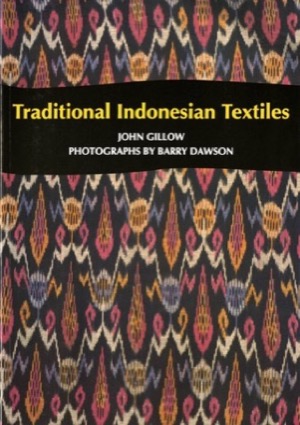
Softcover. NY, Thames & Hudson, reprint, 1995, Book: Very Good, Dust Jacket: None, Softcover, pictorial wrappers, 160 pages in color. The fabrics of Indonesia have long held an allure. They have now won universal popularity, so much so that local names for techniques of dying and weaving - batik, ikat, tritik - have been adopted internationally as generic terms. The reverence accorded to textile art on the islands is reflected in every area of production; precision of weave and exquisite patterning are testimony to superlative craftsmanship. Lying at the heart of a vast network of trading routes, Indonesia has absorbed a wealth of foreign influences that have spawned an eclectic culture uniquely mirrored in its textile art. Over 200 color plates. Clean copy.
Softcover. Salt Lake City, Gibbs Smith, 1st, 2002, Book: Very Good, Dust Jacket: None, Softcover, pictorial wrappers, 160 pages, illustrated in color and b&w. Trailer Travel showcases the rich visual history of America's enduring fascination with life on the road. Beautifully reproduced color and black-and-white images culled from public archives and the private collections of passionate trailerites vividly document the travel trailer?s storied past. This engaging volume offers a look at motor-camping trips in the early 1900s, the unparalleled innovations in trailer design during the thirties, rare and unique trailer models and interiors, and an extensive array of bold and graphic promotional material, literature, and postcards that illustrate the undeniable attraction of living on wheels.
Hardcover. Mark Batty, 1st, 2008, Book: Very Good, Dust Jacket: Very Good, Hardcover, 160 pages. A fresh perspective on movie posters, comparing posters from different countries that promote the same film. The emphasis is on famous movies: Citizen Kane, The Third Man, Sunset Boulevard, The 400 Blows, La Dolce Vita, The Birds, Dr. Strangelove, My Fair Lady, Chinatown, Annie Hall, etc. In the case of each film, posters are presented in brilliant color, or black and white as the case may be, from various countries showing the varying ways that artists sought to promote the film.
Hardcover. NY, American Studio Books/Watson-Guptill, 1st, 1947, Book: Very Good, Dust Jacket: Good, Hardcover, 128 pages, 268 illustrations (17 in color). A nice survey of American book illustration, covering such subjects as children's books, the growth of the American book publishing industry, and dust jackets, followed by illustrations by a wide number of artists in black and white and in color. Artists include Rockwell Kent, N. C. Wyeth, Marguerite de Angeli, the dAulaires, Lois Lenski, William Pene Du Bois, Salvador Dali, Margery Bianco, E. A. Abbey, Wanda Gag, Dorothy P. Lathrop, and numerous others. Bookplate on inside front cover, otherwise clean. In a chipped, edgeworn dust jacket.
Hardcover. New York, Harry N. Abrams, 1st, 1976, Book: Very Good, Dust Jacket: Very Good, Hardcover, 220 pages. 176 b&w and color plates, fold outs. Biography of Ernst Trova, self-taught painter and contemporary sculpture artist, known especially for his series entitled Falling Man. White cloth, gilt lettering to spine, gilt design on front, Very nice, clean and well preserved copy. Looks as good as new.
Hardcover. Taschen, 1st, 1013, Book: Very Good, Dust Jacket: Very Good, hardcover, 336 pages. At the height of the Jazz Age, when Prohibition was turning ordinary citizens into criminals and ordinary criminals into celebrities, America's true crime detective magazines were born. True Detective came first in 1924, and by 1934, when the Great Depression had produced colorful outlaws like Machine Gun Kelly, Bonnie and Clyde, Baby Face Nelson, and John Dillinger, the magazines were so popular cops and robbers alike vied to see themselves on the pages. Even FBI boss J. Edgar Hoover wrote regularly for what came to be called the "Dickbooks," referring to a popular slang term for a detective. As the decades rolled on, the magazines went through a curious metamorphosis, however. When liquor was once more legal, the Depression over and all the flashy criminals dead or imprisoned, the "detectives" turned to sin to make sales. Sexy bad girls in tight sweaters, slit skirts, and stiletto heels adorned every cover. Cover lines shouted "I Was a Girl Burglar-For Kicks," "Sex Habits of Women Killers," "Bride of Sin!," "She Played Me for a Sucker," and most succinctly, "Bad Woman."True Crime Detective Magazines follows the evolution and devolution of this distinctly American genre from 1924 to 1969. Hundreds of covers and interior images from dozens of magazine titles tell the story, not just of the "detectives," but also of America's attitudes towards sex, sin, crime, and punishment over five decades. With texts by magazine collector Eric Godtland, George Hagenauer, and True Detective editor Marc Gerald, True Crime Detective Magazines is an informative and entertaining look at one of the strangest publishing niches of all time.
Softcover. Los Angeles, Getty Conservation Institute, 1st, 2006, Book: Very Good, Dust Jacket: None, Softcover, 138 pages illustrated in color. As the Roman Empire expanded its African settlements in the early centuries of the common era, thousands of mosaic floor pavements were fashioned to adorn the townhouses and rural estates of the African upper classes. Between the second and sixth centuries, mosaic art blossomed, particularly in Africa Proconsularis, the region comprising modern Tunisia. In contrast to the official art of imperial Rome, mosaics generally expressed the worldviews of private citizens. These artworks are remarkable for the intricate beauty of their polychromatic geometric and floral designs, as well as for figural scenes depicting the interests and activities of the patrons who commissioned them--scenes of daily life, athletic contests, gladiator spectacles, and classical literature and mythology. Abundantly illustrated throughout, Tunisian Mosaics: Treasures from Roman Africa offers the general reader a lively introduction to this extraordinary ancient art. Initial chapters survey the historical background of Roman Africa and discuss the development of mosaic art in the Mediterranean. Subsequent chapters profile Tunisia's major mosaic sites and tour the collections of important museums. A final chapter surveys current initiatives to preserve this heritage for future generations. Clean copy.
Hardcover. New York, Reinhold, 1st, 1967, Book: Very Good, Dust Jacket: Very Good, 270 pages. Illustrated with full color and black & white examples of fine book design. Clean, tight copy.
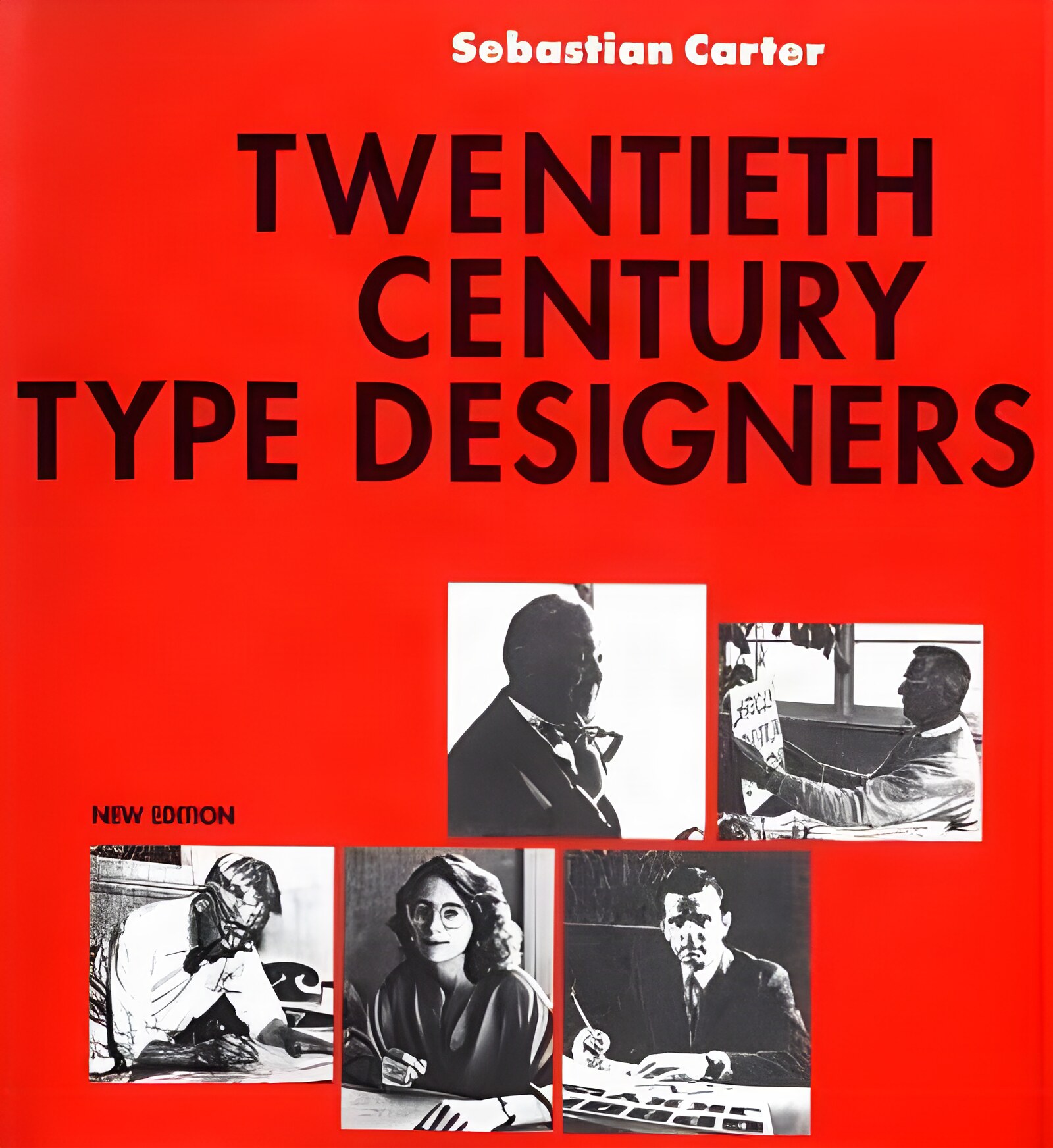
Hardcover. NY, W. W. Norton, 2nd Ed., 1995, Book: Very Good, Dust Jacket: Very Good, Hardcover in a bright dust jacket, 192 pages. Since its first publication in 1987, this book has become a standard reference work for typographers, designers and students alike. This new edition includes an examination of the latest technological developments in design and composition of type, and introduces the work of some of the more recent designers to have made their mark in the 20th century. Profiles of a new generation of typographers working in the latter half of the 20th century, such as Matthew Carter, Sumner Stone and others, bring the book up to date. Working with entirely different tools than their predecessors, they reflect the new typography in varying degrees. Filmsetting and digital typesetting have brought new opportunities - as well as new disciplines. Clean copy.
Hardcover. New York , Mark Batty Publisher, 1st, 2003, Book: Very Good, Dust Jacket: Very Good, Hardcover, 374 pages. This beautifully typeset and illustrated book offers a singular collection of 35 in-depth articles on typography and the printing arts, from the earliest type design techniques to the latest in digital typeface and design development. Originally printed in Matrix, the renowned and highly respected journal of the printing arts, the articles cover a number of individual typefaces, techniques of making type using both historical and contemporary means, and arguments for the continuing use of obsolete printing technologies. Here too are detailed examinations of book design, ornamentation, and mathematical and other non-Latin typography.
Hardcover. Gloucester MA, Rockport Publishers, 1st, 2000, Book: Very Good, Dust Jacket: Very Good, Hardcover, 192 pages, illustrated throughout in color. Light edgewear to dust jacket, else a clean, tight copy. Work from a diverse pantheon of internationally known designers captures the fluidity, the sensitivity and the art of designing with type. These stylists and practitioners of typographic virtuosity provide a range o work which has individuality, attitude and graphic flair. Collectively they demonstrate the power of type in contemporary design.
Hardcover. Gloucester MA, Rockport Publishers, 1st, 2000, Book: Very Good, Dust Jacket: Very Good, Hardcover, 192 pages, illustrated throughout in color. Light edgewear to dust jacket, else a clean, tight copy. Work from a diverse pantheon of internationally known designers captures the fluidity, the sensitivity and the art of designing with type. These stylists and practitioners of typographic virtuosity provide a range o work which has individuality, attitude and graphic flair. Collectively they demonstrate the power of type in contemporary design.

 "This Ain't No Disco : New Wave Album Coversby: McKnight-Trontz, Jennifer")

 "Three Men in a Boat (SIGNED BY ILLUSTRATOR)by: Jerome, Jerome K")

 "Tiffany in Fashionby: Loring, John")
 "Tiffany Timepiecesby: Loring, John")
 "Tim Walker: Shoot for the Moonby: Tim Walker")

 "To Grandfather's House We Go - A Roadside Tour of American Homesby: Harry Devlin")




 "Translating Hollywood: The World of Movie Postersby: Sam Sarowitz")
 "Treasury of American Book Illustration, Aby: Pitz, Henry C.")
 "Trovaby: Kultermann, Udo and Ernest Trova")


 "Twentieth Century Book - Its Illustration and Design, Theby: Lewis, John")
 "Type & Typography: Highlights from Matrix--The Review for Printers & Bibliophilesby: Randle, John and John D. Barry")
 "Type Graphics: The Power of Type in Graphic Designby: Richardson, Margaret E.")
 "Type Graphics: The Power of Type in Graphic Designby: Richardson, Margaret E.")