Hardcover. London, Edmund Spettigue, 1841, Book: Very Good, Dust Jacket: None, Hardcover, half leather with marbled boards, 460 pages. Ornate gilt design on spine with 4 raised bands. Copy block with marbled edges. A contemporary note on a blank prelim page suggests this copy was a gift from Hawker's daughter. A classic that received its unique name because it was originally published in small penny portions so as to be affordable to the poor. Each morning and evening portion contains between 150 and 600 words; the size of a newspaper article or bulletin. The lessons and thought offered are to-the-point, teaching about a given Bible phrase, psalm, or proverb. Every nugget of spiritual wisdom is prefaced with a Biblical quotation that directly pertains to the author's explanations and instruction. Clean, tight copy.
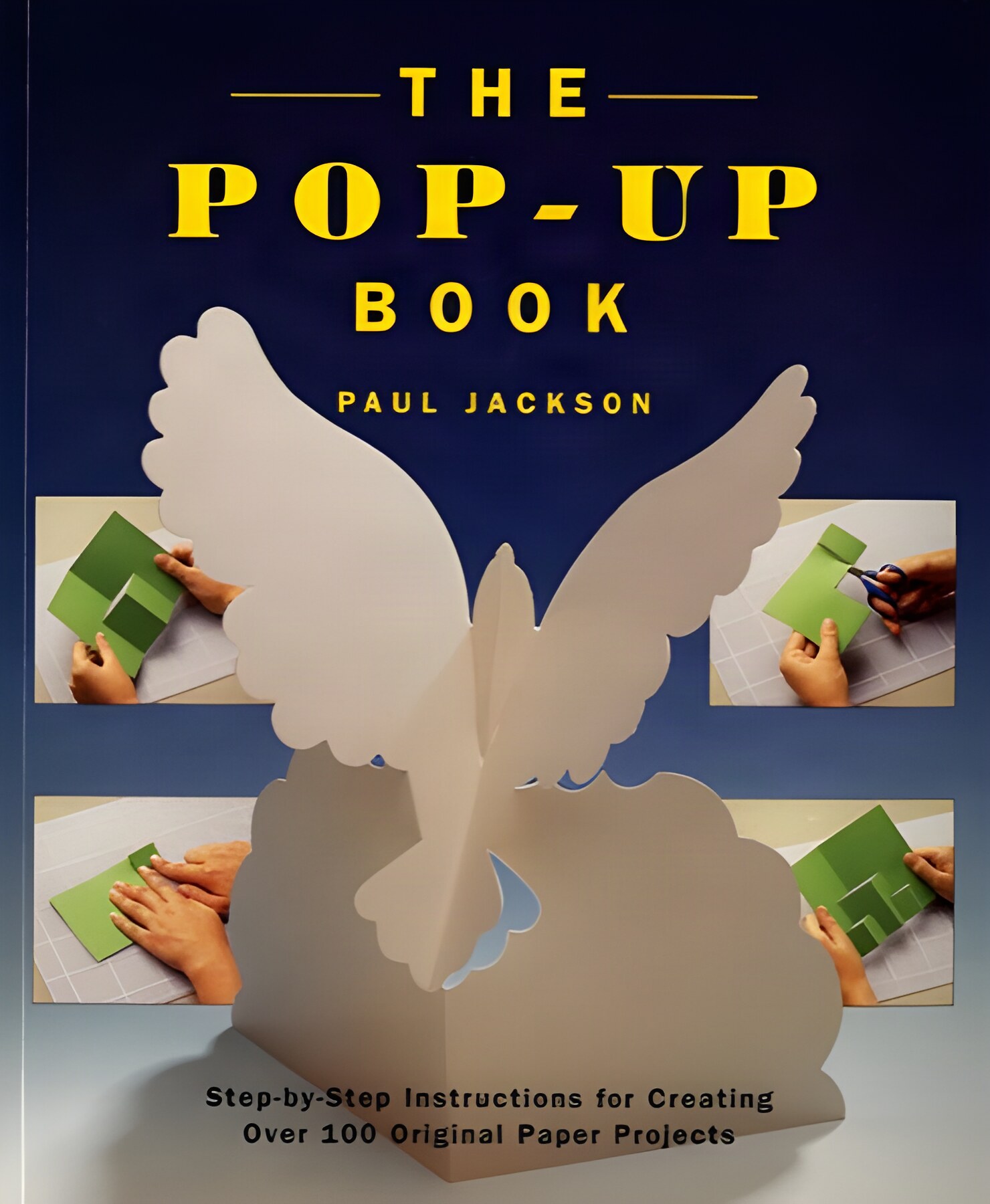
Softcover. NY, Owl/Henry Holt, 1st, 1993, Book: Very Good, Dust Jacket: None, Softcover, 160 pages, color illustrations. The magical qualities of three-dimensional and moving books have universal appeal. The Pop-Up Book offers a clear and practical guide to the pop-up papercrafts for all levels of artist, from home hobbyists to professional graphic designers and architects. Illustrated with specially commissioned photography, it includes specific projects with easy-to-follow steps, general techniques for greater personal experimentation and creativity, and a gallery of designs created by some of today's best pop-up artists for an inspirational finish. Clean copy.
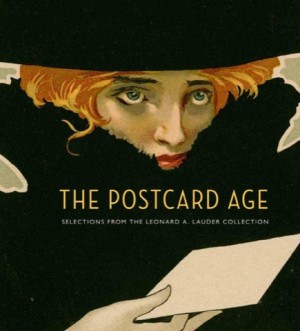
Hardcover. Boston, MFA Publications, 1st, 2012, Book: Very Good, Dust Jacket: None, Hardcover in a bright dust jacket. 295 pages in color. In the decades around 1900, a postcard craze swept the world, and billions of cards were bought, mailed and pasted into albums. Many famous artists turned to the new medium, but one of the great pleasures and enigmas of postcards is how some of the most beautiful and interesting examples were made by artists whose names we barely know. Drawing on the riches of the Leonard A. Lauder Postcard Collection (probably the finest and most comprehensive collection of its type), this gorgeous book traces the historical and cultural themes--enthralling, exciting, and sometimes disturbing--of the modern age. The first general publication on the postcard as an artistic medium since the mid-1970s, The Postcard Age is organized thematically, with chapters devoted to urban life, the changing role of women, sports, celebrity, new technologies, the stylish collectors' cards of Art Nouveau and World War I. The result is at once a vivid picture of the concerns and pastimes of the turn of the century and a sampler from the Lauder's vast archives. Still in publisher's shrink wrap.
Softcover. Boston, Shambhala, 1st, 1981, Softcover, 160 pages. The Power of Limits was inspired by those simple discoveries of harmony. The author went on to investigate and measure hundreds of patterns--ancient and modern, minute and vast. His discovery, vividly illustrated here, is that certain proportions occur over and over again in all these forms. Patterns are also repeated in how things grow and are made--by the dynamic union of opposites--as demonstrated by the spirals that move in opposite directions in the growth of a plant.
Hardcover. Hermes Press, 1st, 2015, Book: Very Good, Dust Jacket: Very Good, Hardcover, 192 pages. Music inspired, science fiction and fantasy combined in a way that revolutionized poster art of the Psychedelic 1960's-era. Famous for his rock posters, The Psychedelic Rock Art of Carl Lundgren, a Detroit, Michigan based artist, showcases his posters which were as important to the Detroit Music and Art history as were the music legends themselves; The Who, Jefferson Airplane and Pink Floyd to name a few. The book's forward is written by Mitch Ryder, who was lead vocalist of a Detroit 1960's rock group The Detroit Wheels. The introduction is by Russ Gibb, a former radio personality and rock promoter from Dearborn, Michigan, who played a major role in the late sixties/early seventies Motor City music scene.
Softcover. Washington DC, Smithsonian Books, reprint, 2004, Book: Very Good, Dust Jacket: None, Softcover, 368 pages. The editors bring together for the first time nearly seventy of Wilbur and Orville Wright's published writings into a single, annotated reference. Spanning the decades from the brothers' turn-of-the-century experiments with gliders until Orville's death in 1948, the articles describe the design of their aircraft, early test flights, and camp life at Kitty Hawk. As the airplane evolved, the brothers frequently commented on such subjects as the future of commercial aviation and air travel, sport flying, air safety, and military aviation. Because Wilber's sudden death in 1912 ended any hope that the Wrights would produce a book of their own, the articles collected in this volume are their only published words. Clean copy.
Softcover. NY, Penguin Books, 1st, 2012, Book: Very Good, Dust Jacket: None, Softcover, 512 pages. In The Sartorialist: Closer, Scott Schuman looks deeper and with great breadth at human style, and the way it is expressed across the world. Always reacting to an inspirational moment, the images in his new book continue to reflect Scott's unique sensibility and vision.
Hardcover. NY, Harry N. Abrams, 1st, 1998, Book: Very Good, Dust Jacket: Very Good, Hardcover in a bright dust jacket. 120 pages illustrated in color. Since the first report of cave art (at Altamira in 1879), attempts have been made to explain the purpose of the mysterious drawings. Art for art's sake; totemism; hunting, destructive, or fertility magic; and modern structuralist theories have all been proposed. Clottes and Lewis-Williams propose a new theory emphasizing the shamanic aspects of Paleolithic cave paintings. After an unavoidably technical chapter providing the basics of shamanism, the authors examine Paleolithic paintings from across France and Spain, noting the use of animal figures, composite figures combining both human and animal characteristics, and geometric designs that are all common elements of shamanism. The bulk of the book is both fascinating and thought-provoking, and while it is not likely to be the last word on the subject, it is an important contribution to the field. Clean, bright copy.
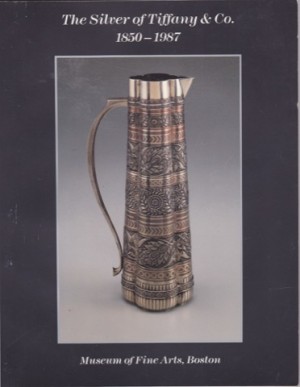
Softcover. Boston, Museum of Fine Arts, 1st, 1987, Book: Very Good, Dust Jacket: None, Softcover, 64 pages. 3 color, 28 bw plates. Issued in conjunction with a 1987 exhibition featuring examples of silver pieces crafted by Tiffany and Company. With an essay by Charles H. Carpenter Jr. INSCRIBED BY CARPENTER on the title page. The exhibition catalogue cites more than 70 pieces, and nearly half are pictured here. Clean copy.
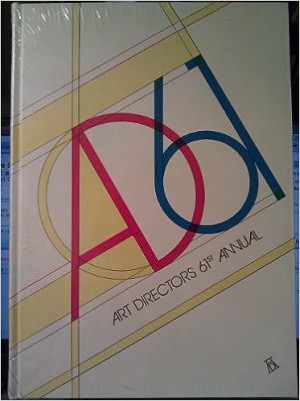
NY, ADC Publications, 1st, 1982, Book: Very Good, Dust Jacket: Very Good, Hardcover, pictorial boards. illustrated in b&w and color. Clean, bright copy. DUE TO WEIGHT, DOMESTIC SHIPPING ONLY.
Hardcover. Insight Editions, 1st, 2008, Book: Very Good, Dust Jacket: None, Hardcover, 16 pages. Born from shadow and mystery, Will Eisner's deathless hero returns in a recreation of The Spirit's final two issues. Coinciding with Frank Miller's upcoming Spirit movie, Will Eisner's The Spirit: A Pop-Up Graphic Novel spins a noir tale of blackmail, murder, and espionage innovatively crafted into seven full-color pop-up spreads. Reborn, The Spirit breaks out of the conventional comic book frame, animating the vigor and dynamism of Eisner's original vision. Designed by renowned paper engineer Bruce Foster (creator of The Pop-up Book of Celebrity Meltdowns and designer of the Caldecott nominated Little Red Riding Hood) Will Eisner's The Spirit: A Pop-Up Graphic Novel comes alive with expansive panoramic cityscapes, three-dimensional action sequence pop-outs, frame-by-frame expanding mini-booklets, and scene change pullouts. Re-colored and ingeniously renovated, the novel design animates the vigorous action of the Spirit's final exploits with an inventiveness merited by Eisner's original imagination. From the noir aficionado to the comic zealot, fans will celebrate this renaissance of Eisner's masterpiece, heralding the interactive ingenuity of a new format for sequential art.
Softcover. NY, Pocket Books, 1st, 1997, Book: Very Good, Dust Jacket: None, Softcover, 253 pages. Collects the sketches of the artists responsible for the costumes, sets, and aliens from the original Star Trek series, offering insight into the creative talents that contributed to the show's success and the time and budget constraints they overcame. Matt Jefferies created meticulous sketches of every aspect of the Starship Enterprise and the worlds she visited. The energetic illustrations of William Theiss depicted some of the most lavish costumes ever worn in this or any other galaxy. Fred Phillips designed makeup that actualized whole new races, with just humans underneath. Wah Chang created props and hardware that are still the basis of futurist design. Clean, bright copy.
Hardcover. NY, Viking, 1st, 1992, Book: Very Good, Dust Jacket: Very Good, Hardcover in a bright unclipped dust jacket. Color illustrations by Lane Smith. Unpaginated. With complete number line. A 1993 Caldecott honor book - delightfully illustrated parodies of children's fairy tales. The entire book, with its unconventional page arrangement and eclectic, frenetic mix of text and pictures, is a spoof on the art of book design and the art of the fairy tale. Clean copy.
Hardcover. NY, Viking, 1st, 1992, Book: Very Good, Dust Jacket: Very Good, Hardcover in a bright unclipped dust jacket. Color illustrations by Lane Smith. Unpaginated. With complete number line. A 1993 Caldecott honor book - delightfully illustrated parodies of children's fairy tales. The entire book, with its unconventional page arrangement and eclectic, frenetic mix of text and pictures, is a spoof on the art of book design and the art of the fairy tale. Clean copy.
Hardcover. NY, Viking, 1st, 1992, Book: Very Good, Dust Jacket: Very Good, Hardcover in a bright unclipped dust jacket. Color illustrations by Lane Smith. Unpaginated. With complete number line. A 1993 Caldecott honor book - delightfully illustrated parodies of children's fairy tales. The entire book, with its unconventional page arrangement and eclectic, frenetic mix of text and pictures, is a spoof on the art of book design and the art of the fairy tale. Clean copy.
Hardcover. NY, Charles Scribner's Sons, 1st illust thus, 1931, Book: Very Good, Dust Jacket: None, Hardcover, black cloth with pictorial paper label to front cover, gilt stamping to spine. Six color plates, title page design and 2-color endpapers art by Peter Hurd. 279 pages. Some fading tospine gilt, light shelf wear, clean copy.
Hardcover. London, The Art Union of London, 1st thus, 1851, Book: Good, Dust Jacket: None, Hardcover, half-leather, maroon calf over maroon boards with gllt rules, spine with gilt decorated raised bands and lettering. Portrait frontispiece by J[ohn] Gilbert after Sir Joshua Reynolds. 14 pages of Goldsmith's verse followed by 30 plates engraved on wood by J.Thompson, W.T.Green, J.W.Whymper, G.Dalziel, E.Dalziel, &c. after the designs of C.Stanfield, J.Leech, E.H.Corbould, W.L.Leitch, E.M.Ward & others. Some cloth fade to covers, front fly leaf gone, bookplate on inside front cover. Mild foxing.
Softcover. NY, Carroll & Graf, Softcover, 500 pages. A twentieth-century photographer, artist, writer and designer for more than fifty years, Cecil Beaton was at the center of the worlds of fashion, society, theater and film. This book brings together for the first time the never-before-published diaries from 1970 to 1980 and, unlike the six slim volumes of diaries published during his lifetime, these have been left uniquely unedited. Hugo Vickers, the executor of Beaton's estate and the author of his acclaimed biography, has added extensive notes that are as lively as the diary entries themselves. Here is the photographer for British and American Vogue, designer of the sets and costumes for the play and film My Fair Lady and the film Gigi, with a cast of characters from many worlds, at shooting parties in the English countryside, on yachts, at garden parties at Buckingham Palace, at costume balls in Venice, Paris or London. Clean copy.
Softcover. NY, Carroll & Graf, Softcover, 500 pages. A twentieth-century photographer, artist, writer and designer for more than fifty years, Cecil Beaton was at the center of the worlds of fashion, society, theater and film. This book brings together for the first time the never-before-published diaries from 1970 to 1980 and, unlike the six slim volumes of diaries published during his lifetime, these have been left uniquely unedited. Hugo Vickers, the executor of Beaton's estate and the author of his acclaimed biography, has added extensive notes that are as lively as the diary entries themselves. Here is the photographer for British and American Vogue, designer of the sets and costumes for the play and film My Fair Lady and the film Gigi, with a cast of characters from many worlds, at shooting parties in the English countryside, on yachts, at garden parties at Buckingham Palace, at costume balls in Venice, Paris or London. Clean copy.
Softcover. Lebanon NJ, Vanguard, 1st, 2001, Book: Very Good, Dust Jacket: None, Softcover, 112 pages, b&w illustrations throughout. A study of the art of cartoonist Wally Wood. It includes Wood's "Fireball XL-5" designs as well as production art for his unfinished collaboration with "Fritz the Cat", "Wizards", "Lord of the Rings", and "Cool World" film-maker Ralph Bakshi. There is an interview with Wood, along with insights from his closest colleagues; Mad Associate Publisher Joe Orlando; "Star Wars" and EC artist, Al Williamson; and more. Clean copy.
Hardcover. UK, Pi Global Publishing Limited, 1st, 2005, Book: Very Good, Dust Jacket: None, Hardcover, large format pictorial boards, Drawn from Opie''s unrivalled collection, this scrapbook illustrates song sheets, magazine covers, comic postcards, fashion and food, games, propaganda posters and a wealth of British wartime ephemera whose very survival is remarkable. Due to size (10 1/2 X 15"), DOMESTIC SHIPPING ONLY.
Hardcover. NY, Abrams Books, 1st, 2013, Book: Very Good, Dust Jacket: None, Hardcover with pictorial boards, 336 pages. This New York Times bestselling overview of Wes Anderson's filmography features previously unpublished behind-the-scenes photos, artwork, and ephemera, with an introduction by Michael Chabon. Writer/director Wes Anderson guides movie/television critic Matt Zoller Seitz through Anderson's life and career in a hardcover book-length conversation, woven together with original illustrations and production images from Bottle Rocket, Rushmore, The Royal Tenenbaums, The Life Aquatic with Steve Zissou, The Darjeeling Limited, Fantastic Mr. Fox, and Moonrise Kingdom. The result is a meticulously designed book that captures and reflects the spirit of Wes Anderson's movies: melancholy, playful, wise, and wonderfully unique.
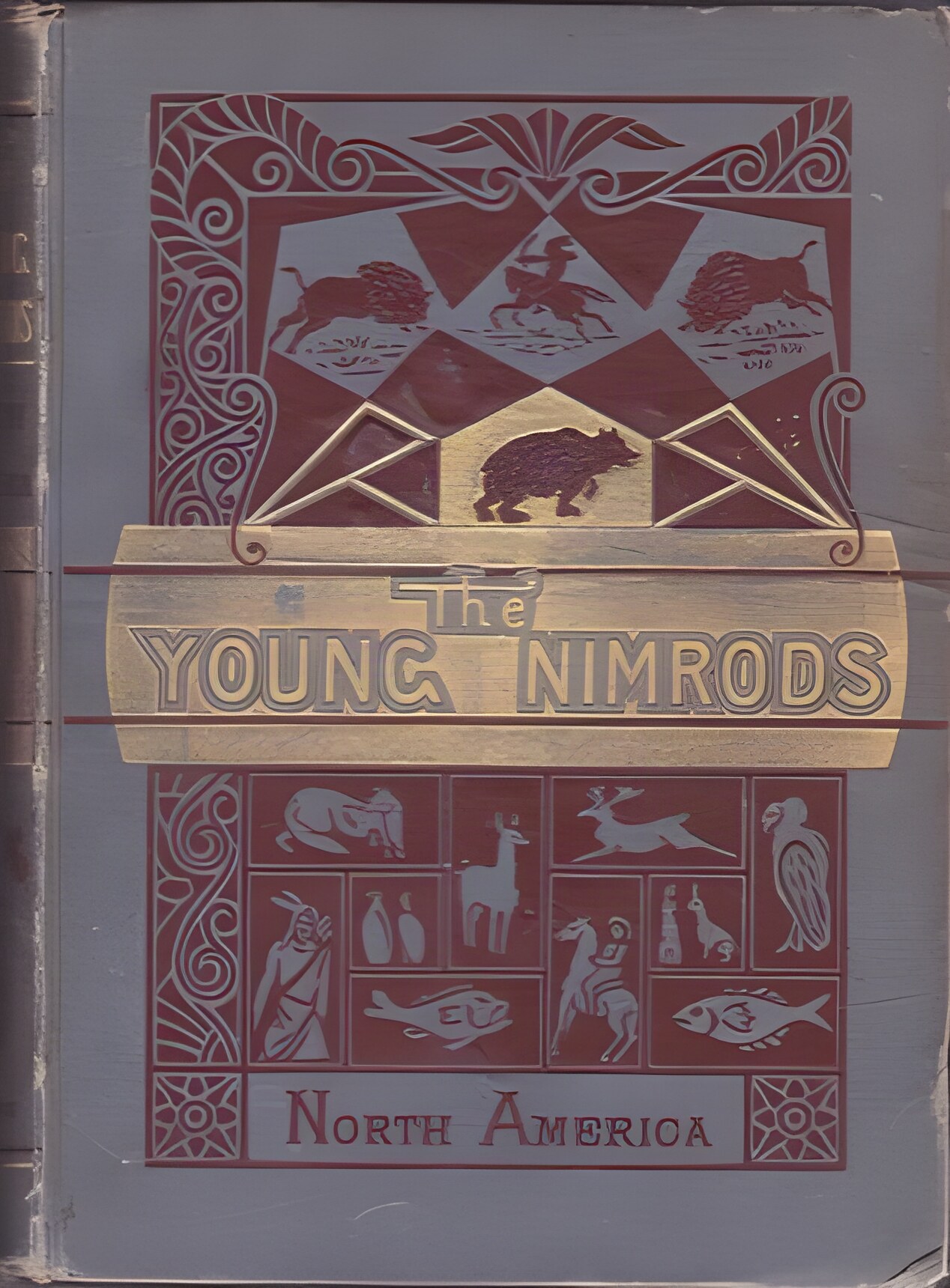
Hardcover. NY, Harper & Brothers, reprint, 1881, Book: Good, Dust Jacket: None, Hardcover, blue cloth stamped with a maroon and gilt design on cover and spine. Tales and studies of outdoor life, hunting, fishing, living in the wilderness, etc. Profusely illustrated with wonderful engravings by the Harper stable of artists: Shepard, W.A. Rogers, Rinehart, Abbey, others. No date on title page so assumed an early reprint. No markings but the rear cover is badly scuffed, light corner wear to corners. Rear endpapers soiled. The interior of the book is tight and clean.
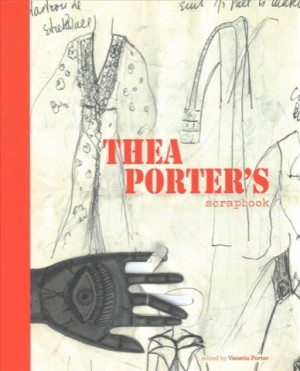
Hardcover. London, Unicorn Publishing Group, 1st, 2019, Book: Very Good, Dust Jacket: Very Good, Hardcover in a bright dust jacket. Starting in 1966, Thea Porter designed clothes for the rich and famous for nearly two decades. Her creations were made from sumptuous fabrics that drew inspiration from the Middle East, combining richly patterned silks with antique fabrics. Her clothes were a must for music and film stars such as Pink Floyd, Crystal Gayle, Elizabeth Taylor, and Barbra Streisand. Porter soon became a key member of an innovative group of British designers that included Ossie Clark, Zandra Rhodes, and Jean Muir, and her place in the history of British fashion was ensured when she was named Designer of the Year in 1972. Thea Porter's Scrapbook is her story in her own words, an unpublished autobiography she put together before her death in 2000. Edited by her daughter Venetia and with an essay by fashion historian Amy de la Haye, it reveals Porter's further talents as a keenly observant and descriptive writer. This book, which includes working drawings, sketches, snapshots, and manuscript notes, serves as a memoir of her early life and career, charting many memorable episodes, including the dramatic surge of American interest in her clothes and the opening of her shop in Paris as she pursued her ambition to create dresses "beyond trend and tat, that thirty years from today will still be beautiful."



 "The Power of Limits: Proportional Harmonies in Nature, Art, and Architectureby: Doczi, Gyorgy")
 "The Psychedelic Rock Art of Carl Lundgrenby: Lungren, Carl")
 "The Published Writings of Wilbur and Orville Wright by: Wilbur and Orville Wright / Jakab, Peter L. (Editor)/ Young, Rick (Editor)")


 "The Star Trek Sketchbookby: Herbert F. Solow/Yvonne Fern Solow")
 "The Stinky Cheese Man and Other Fairly Stupid Talesby: Scieszka, Jon and Lane Smith")
 "The Stinky Cheese Man and Other Fairly Stupid Talesby: Scieszka, Jon and Lane Smith")
 "The Stinky Cheese Man and Other Fairly Stupid Talesby: Scieszka, Jon and Lane Smith")
 "The Story of Siegfriedby: James Baldwin; Peter Hurd, illustrator")

 "The Unexpurgated Beaton: The Cecil Beaton Diaries As He Wrote Them, 1970-1980 by: Cecil Beaton/Vickers, Hugo(Editor)")
 "The Unexpurgated Beaton: The Cecil Beaton Diaries As He Wrote Them, 1970-1980 by: Cecil Beaton/Vickers, Hugo(Editor)")
 "The Wally Wood Sketchbookby: J. David Spurlock/Bill Pearson")
 "The Wartime Scrapbook: The Home Front 1939-1945by: Opie, Robert")
 "The Wes Anderson Collectionby: Matt Zoller Seitz")