Hardcover. New York, NY, Rizzoli International Publications, 1st, 2016, Book: Very Good, Dust Jacket: Very Good, 304 pages. Hardcover with no dust jacket. Very clean, like new in publishers shrink-wrap. Martine Sitbon has become an icon among designers and fashionistas, earning her praise from Karl Lagerfeld as being "the only living French designer." With never-before-seen sketches and photographs, this book allows readers to gain a better understanding of the designer's personal universe and inspirations that have until now been largely hidden from view.
Hardcover. University Park, Pennsylvania State Univ Press, 1st, 1984, Book: Very Good, Dust Jacket: Very Good, Two hardcover volumes in bright dust jackets. Professor Armi posits that the great third abbey at Cluny is the building where regional masons of different traditions first combined their talents to develop a new design, and that the artisans responsible for the masonry also created its sculpture. Volume I Text, 204 pages; Volume II contains 238 b/w Illustrations.
Hardcover. Flammarion, 1st, 2012, Book: Very Good, Dust Jacket: Very Good, Hardcover, 448 pages. This elegant, large-format volume presents twenty masters of photography via 300 extraordinary authorial photographs, providing a broad yet accessible overview of twentieth-century photography. From Man Ray's pioneering experimentations to the elegant and provocative fashion shots of Helmut Newton and Herb Ritts, the twenty master photographers featured in this handsome tome are masters of their craft across different photographic genres, from reportage and documentary to art and portraiture to fashion and glamour photography. A portfolio for each photographer features a selection of their legendary images, an introduction to the photographer's oeuvre, a brief biography, and commentary on each of the featured photographs. The volume features a striking, elegant design and large format, bringing these iconic photographs into sharp focus.Master Photographers features the work of Araki Nobuyoshi, Gabriele Basilico, Margaret Bourke-White, Robert Capa, Henri Cartier-Bresson, Robert Doisneau, Elliott Erwitt, Walker Evans, Mario Giacomelli, Mimmo Jodice, William Klein, Peter Lindbergh, Man Ray, Robert Mapplethorpe, James Nachtwey, Helmut Newton, Martin Parr, Herb Ritts, Sebastiao Salgado, and August Sander.
Hardcover. New York, NY, Collins Design, 1st, 2010, Book: Very Good, Dust Jacket: Very Good, 205 pages. Hardcover with dust jacket. Minor yellowing to dust jacket edges. Minor soiling to dust jacket rear and top edge of front. An otherwise clean, unmarked copy with only minor wear to dust jacket edges. Match Prints is a visual and editorial dialogue between two renowned photographers of music and film celebrities, Jim Marshall and Timothy White. Marshall, one of the foremost photographers of the rock music scene in the 1960s and 1970s, shot some of the most iconic images of the era, including Jimi Hendrix burning his guitar at Woodstock; White, one of the most in-demand music and Hollywood photographers working today, has built an equally impressive portfolio of photos in his 20 year career. Match Prints features images from the worlds of film and music, compares the work of the two photographers, and provides first-hand behind-the-scenes anecdotes. With an introduction by renowned music writer Anthony DeCurtis.
Hardcover. London, Royal Academy of Arts, 1st, 2004, Book: Very Good, Dust Jacket: Very Good, Hardcover in a bright dust jacket. 214 pages illustrated in color. "Matisse's relationship with the textiles that surrounded him from his earliest days is revealed here for the first time - the authors examine the ways in which Matisse used what he called his 'working library' of textiles to furnish, order and compose some of the twentieth century's most pioneering works of art". Exhibition catalog for a show at Le Cateau-Cambresis, France; London and New York, October 2004 to September 2005. Clean copy.
Softcover. NY, Guggenheim Museum, 1st, 2002, Book: Very Good, Dust Jacket: None, Softcover, color illustrated wraps, unpaginated, richly illustrated in mostly color. Published on the occasion of the exhibition Matthew Barney: The Cremaster Cycle. Never opened, still in original shrink wrap. First published in February 2002, concludes Matthew Barney's CREMASTER cycle that consists of five films. He began working on the cycle in 1994. The individual parts, however, were not produced in chronological order. Each of the five films is accompanied by a publication; this volume was uniquely designed as an artist's book by Matthew Barney and contains a multitude of photographs and film stills from Cremaster 3.
Hardcover. NY, Guggenheim Museum, 1st, 2002, Book: Very Good, Hardcover First Edition SIGNED on title page by Matthew Barney. With essays by Nancy Spector and Neville Wakefield. Text in English. Published on the occasion of the exhibitions in Cologne, Paris and New York, 2002 - 2003. Cremaster Cycle is the definitive guide for 'The Cremaster Cycle', the Matthew Barney's epic five-part film series. The book is filled with hundreds of Barney's fantastical images which use the biological model of sexual difference as its conceptual departure point. Three essays by Barney experts articulate the series' diverse themes and explore the artist's innovative aesthetic vocabulary; interviews with key collaborators, a composer, costume designer, make-up artist, technicians and actors reveal his working process. A trailblazing essay by Curator of Contemporary Art Nancy Spector charts Barney's work from the 1990s to the present and provides critical insights into the aesthetic vocabulary of his five 'Cremaster' films, while Neville Wakefield's 'Cremaster Glossary' illuminates the films most far-flung references with citations from sources as diverse as Freud's psychoanalytic studies, Mormon law and lore, and hardcore music fanzines. In addition to stills from the five films, the book features related sculptures, photographs, drawings and storyboards. Barney himself collaborated on all aspects of this extraordinary publication, including the selection of over 700 images, most of them never before published. 530 pages. 32,2x23,5x6,2 cm Hardcover with plastic dust jacket with green and black cover title . Clean, as new. DOMESTIC SHIPPING ONLY.
Hardcover. Edition Stemmle, 1st, 2001, Book: Very Good, Dust Jacket: Very Good, Hardcover, 136 pages. Bauhaus photography is well served by this first monograph on Max Baur, with many of the previously unpublished photographs also serving as a new source for Bauhaus studies. Working in Germany, at first providing images for postcards, Baur expanded his efforts to encompass landscape, portrait, and architectural images. In each of these genres, his work reflects the cool, objective approach of the Bauhaus style combined with the artist's elegant handling of light and perspective. In photos of stairways and colonnades, factories, and everyday objects, Baur was able to eliminate the extraneous and offer the essential nature of his subject. The book covers a period of vast changes in the world and in the life of the artist, but throughout there is a consistency of vision. An essay by William Ewing, director of the Mus e de l'Elys e (which specializes in photography), gives a brief description of the life and career of Baur with enthusiasm and warmth, while Edelmann-Pomplitz writes movingly about her experience as his student. In a letter to her, Baur expresses his credo most eloquently: "it is with light alone that we create images." This lovely work is a fine example of excellent printing and composition in harmony with content.
Hardcover. Somerville MA, Candlewick Press, 1st, 2021, Book: Very Good, Dust Jacket: Very Good, Hardcover in a bright, unclipped dust jacket. A trio of misbehaving, mango-loving monkeys have a close call as the author/artist gives readers a taste of vicarious adventure. Three little monkeys and their big monkey are sitting high on a branch in the forest canopy. "OK, monkeys! I'm off," says the big monkey. "Remember . . . Whatever you do, do NOT go down to the mango tree. There are tigers down there." Brilliantly designed storybook by the award-winning Haughton. Clean copy.
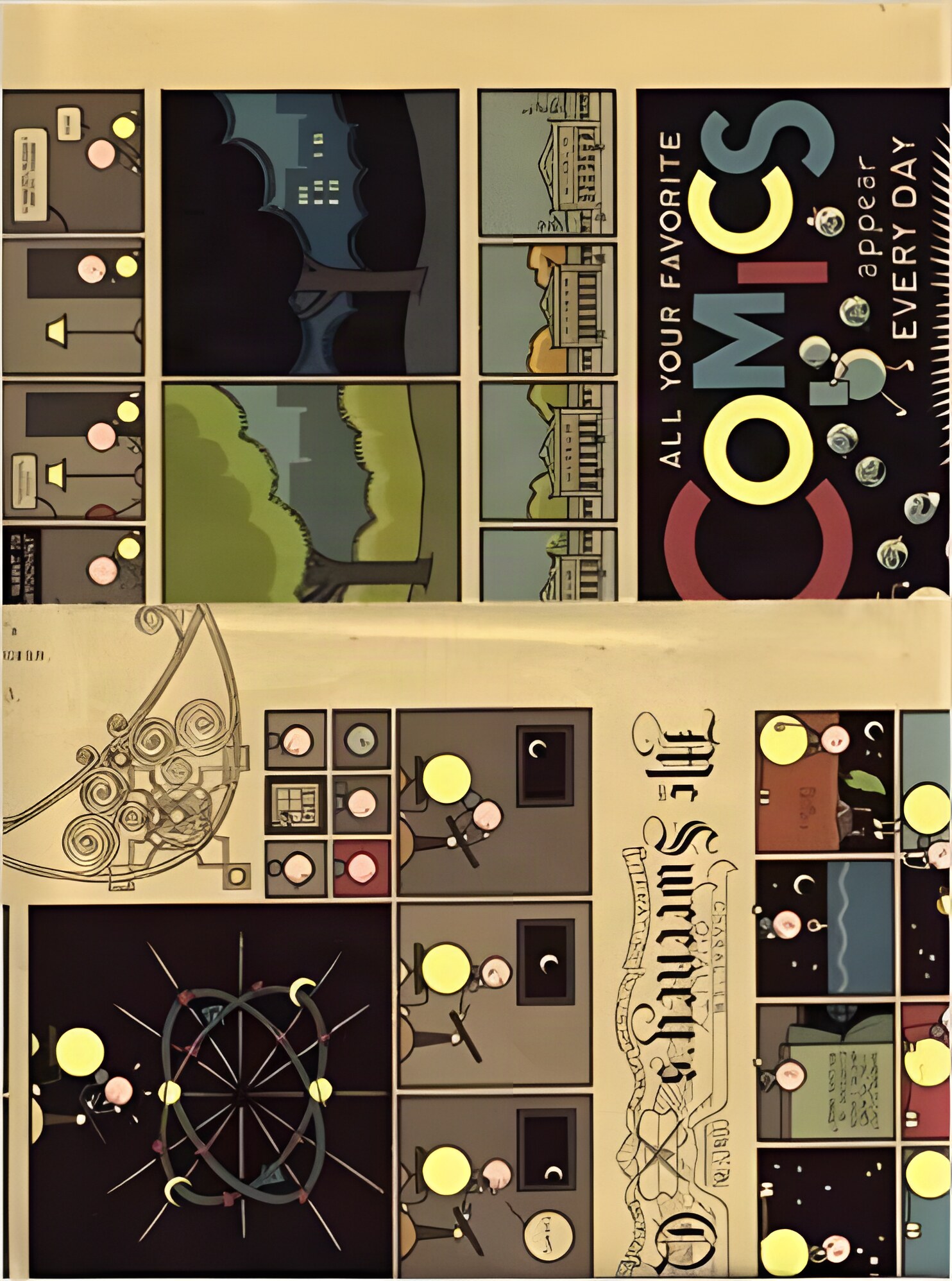
Hardcover. NY, McSweeney's, 1st, 2004, Book: Very Good, Dust Jacket: Very Good, Hardcover, 263 pages. Guest-editing Dave Eggers's literary journal, Jimmy Corrigan cartoonist Ware has assembled a beautifully designed anthology of contemporary art comics, with a few vintage treats thrown in, including an excerpt from "Obadiah Oldbuck"--an 1842 publication that's arguably the first American comic book--and a series of very rough sketches by Charles Schulz. A few pieces have recently been published elsewhere (including excerpts from Mark Beyer's loopy, design-heavy Amy and Jordan and Joe Sacco's comics essay on Sarajevo, The Fixer), but the book is a superb introduction to the best American cartoonists working today. Some of them, including Richard McGuire and Mark Newgarden, haven't published much since the heyday of RAW in the late 1980s and early '90s; others, like Lynda Barry and Jaime and Gilbert Hernandez, are prolific creators at the top of their form. As Ira Glass points out in his introduction, Ware seems to believe cartooning gets no respect at all, and his McSweeney's is a passionate defense of the medium. Ware has included work by artists with an impressively varied range of visual styles and narrative techniques. And Ware's own contribution is brilliant: the book's cover unfolds into a gigantic "comics supplement" of his bitter little cartoons, with extra, tiny comic books by Ron Rege Jr. and John Porcellino tucked into its folds.
Hardcover. Oxford UK, Bodleian Library, 1st, 2012, Book: Very Good, Dust Jacket: None, Hardcover. pictorial boards, 112 pages. This book celebrates the Bodleian Library's acquisition of Tom Phillips's archive of over 50,000 photographic postcards dating from the first half of the twentieth century, a period in which, thanks to the ever cheaper medium of photography, 'ordinary' people could afford to own their portraits. Each title in this series is thematically assembled and designed by the artist, the covers featuring a linked painting specially created for each title from Tom Phillips's signature work, A Humument. With an illuminating foreword by Eric Musgrave, 'Menswear' presents postcards of men in all manner of outfits, whether formal, practical or casual, dating from around 1900 up to c. 1949. Most of the subjects are posing for portraits, displaying both their individual style and an interpretation of the fashions of the time. The rich variety of accessories on display includes ties, gloves, pocket squares, walking sticks, canes, boutonnieres and spats. Clean copy.
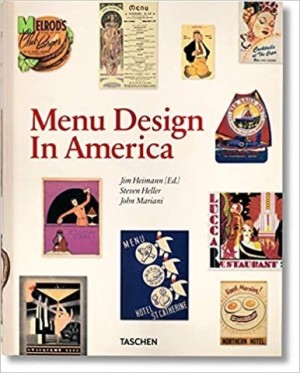
Hardcover. Taschen, 1st, 2011, Book: Very Good, Dust Jacket: None, Hardcover, 392 pages, 684 illustrations, 664 in color. Text in English, German and French. Large volume, pictorial covers, no dust jacket issued. Menu Design is an omnibus showcasing the best examples of this graphic art. With nearly 800 examples, illustrated in vibrant color, this deluxe volume not only showcases this extraordinary collection of paper ephemera but serves as a history of restaurants and dining out in America. An introduction on the history of menu design by graphic design writer Steven Heller and extended captions by culinary historian John Mariani accompany the menus throughout the book.
Hardcover. NY, Aperture , 1st, 1997, Book: Very Good, Dust Jacket: Very Good, Hardcover in a bright dust jacket with minor wear. 315 pages illustrated in color and b&w. Incorporates images of performances and rehearsals, along with candid photographs by many important photographers, including Imogen Cunningham, Arnold Eagle, Peter Hujar, James Klosty, Annie Leibovitz, Barbara Morgan, and Max Waldman. The book also features examples of Cunningham's choreographic notes, as well as scores, and set and costume designs by the artists with whom he has collaborated over the years. Top corner bumped, causing a mild crease to corner of pages. DOMESTIC SHIPPING ONLY.
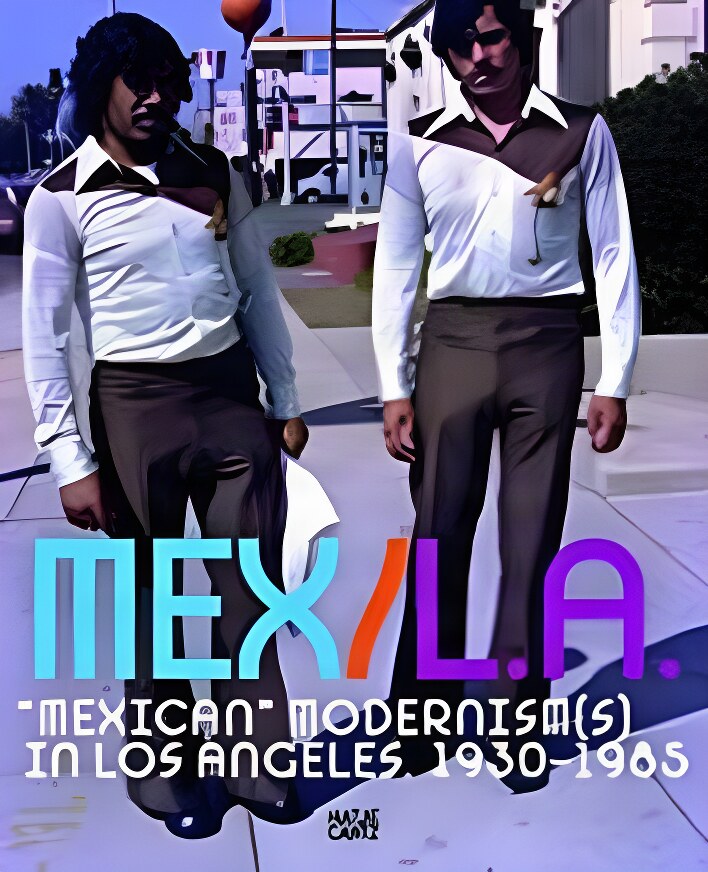
Hardcover. Hatje Cantz, 1st, 2011, Book: Very Good, Dust Jacket: Very Good, Hardcover, 224 pages. The years from 1945 to 1985 are often identified as the moment in which Los Angeles established itself as a leading cultural center in America. However, this conception of its history entirely excludes the very controversial presence of the Mexican muralists, as well as the work of other artists who were influenced by them and responded to their ideas. It is likewise often thought that Los Angeles' Mexican culture arrived full formed from outside it, when in fact that culture originated within the city--it was in Los Angeles and Southern California that Jose Vasconcelos, Ricardo Flores Magon, Octavio Paz and other intellectuals developed the iconography of modern Mexico, while Anglos and Chicanos were developing their own. David Alfaro Siqueiros, Clemente Orozco, Alfredo Ramos Martinez and Jean Charlot made some of their earliest murals in Los Angeles, influencing the Mexican, Mexican-American and Chicano artists of the 1970s and 80s. MEX/LA: Mexican Modernism(s) in Los Angeles 1930-1985 focuses on the construction of different notions of "Mexicanidad" within modernist and contemporary art created in Los Angeles. From the Olvera Street mural by Siqueiros, to the Golden Age of Mexican cinema and the Disney silver-screen productions, to the revitalization of the street mural, up to the performance art of Guillermo Gomez-Pena, MEX/LA explores the bi-national and hybrid forms of artistic practices, popular culture and mass-media arts that have so uniquely shaped Los Angeles' cultural panorama.
Softcover. New York, Monacelli Press, 1st, 2004, Book: Very Good, Dust Jacket: None, Softcover, 183 pages, illustrated in color and b&w.Since 1988, New York-based architect Michael Bell has created a series of projects and essays that explore architectural and urban design for California, New York, and Texas -- the three most populous regions of the United States and, coincidentally, the three states in which he has lived and practiced. The first monograph on the architect, Michael Bell: Space Replaces Us; Essays and Projects on the City, includes both design work and writings.Bell has organized and designed two important installations, both of which include his work: "Endspace: Michael Bell and Hans Hofmann," at the University Art Museum, Berkeley, and "16 Houses: Owning a House in the City," at DiverseWorks in Houston, which featured his seminal Glass House @ 2 Degrees. Other projects included are an urban renewal scheme for a huge site in Far Rockaway, New York, and a series of residential projects, including the Ghent House, a modernist glass house currently under construction in upstate New York. Complementing the design projects are three major essays: "Having Heard Mathematics: The Topologies of Boxing," "Eyes in the Heat: RSE," and "New York City."
Hardcover. NY, Back Stage Books, 1st, 2001, Book: Very Good, Dust Jacket: Very Good, Hardcover in a bright dust jacket, 320 pages. Foreword by Frank Rich. Henderson (curator of the White Barn Theater Museum in Westport, Connecticut, she's lectured and written extensively on theater), using the substantial archive of his writings, has assembled a suitable tribute to one of America's most influential creators of theater design. The book proceeds chronologically through Mielziner's life and long career, richly supplemented with photos and high quality color reproductions of the designer's watercolor and pencil drawings, and excerpts from his writings. He designed the original sets for A Streetcar Named Desire, Death of a Salesman, and Carousel and operas such as Don Giovanni. NOTE: While this book is bright and clean, it has a light musty odor.
Hardcover. New York , Rizzoli, 1st, 1999, Book: Very Good, Dust Jacket: Very Good, Full-color photo-illustrated paper over boards, backed in gilt-stamped cloth; clear plastic dust jacket with full-color illustrations on flaps; 4to; 112 pages, illustrated in full-color throughout. With contributions from Donna Karan, Calvin Klein, Etro, Todd Oldham, Carolina Herrera, John Galliano, Oscar de la Renta, Sonia Rykiel, Manolo Blahnik, Philip Treacy, and others. Clean, bright copy.
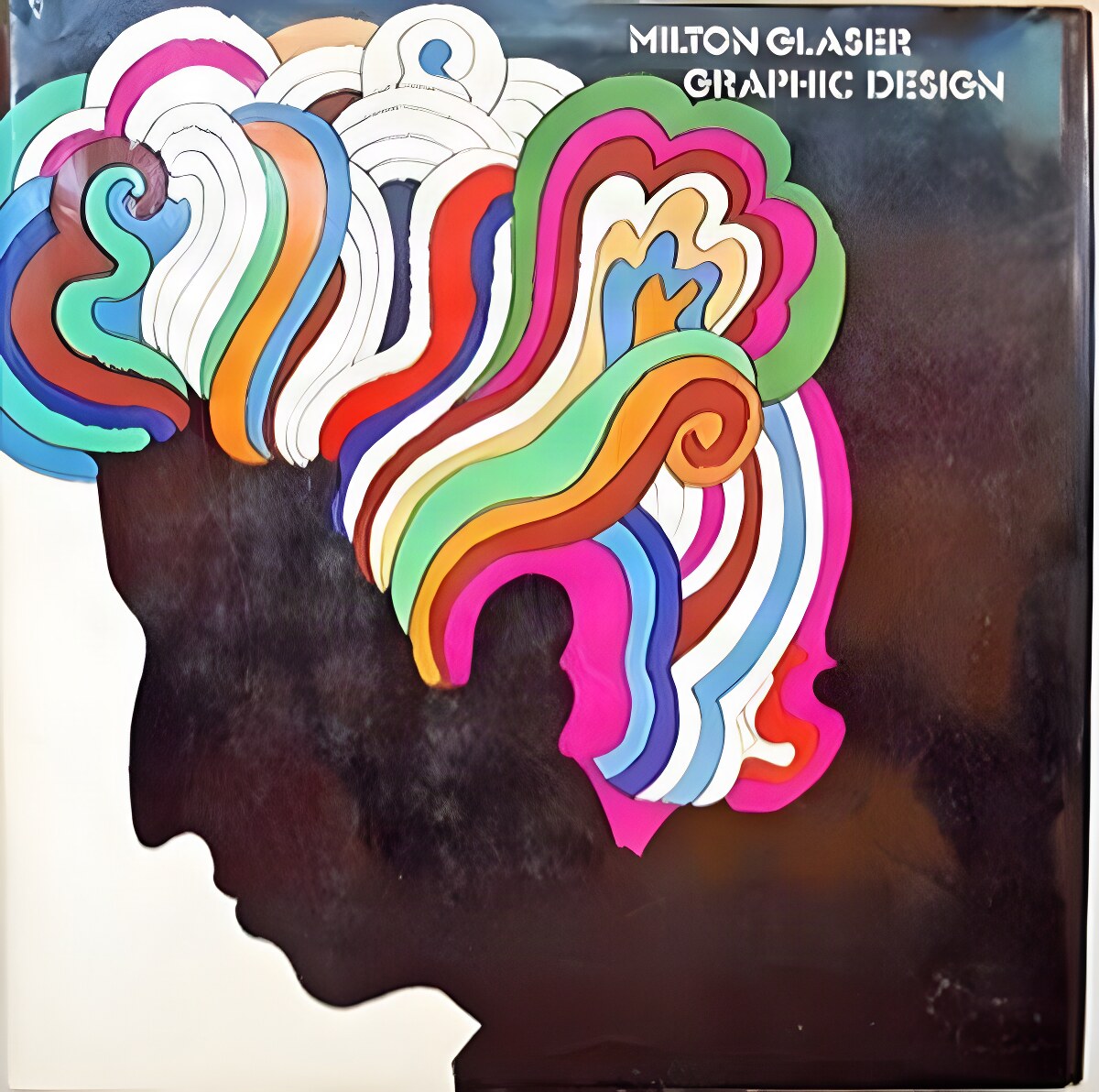
Hardcover. Woodstock NY, Overlook Press, 1st, 1973, Book: Very Good, Dust Jacket: Good, Hardcover in a lightly worn dust jacket with wear to extremities. 239 pages with 344 illustrations, 97 in color. This book explores the extraordinary achievement of America's pre-eminent graphic artist. Here Glaser undertakes not only a wide-ranging representation of his oeuvre but, in a personally revealing introduction, speaks of the influences on his work, the responsibilities of the artist, the hierarchies of the traditional art world, and the role of graphic design in the area of his creative growth. His work ranges from posters to book and record covers; from store and restaurant design to toy creations, magazine formats, and logotypes all of which define the look of the 1960s and 70s. Tape repair to reverse of dust jacket, no markings. DOMESTIC SHIPPING ONLY.
Hardcover. New York, Harper Design, 2nd printing, 2010-10-26, Book: Very Good, Dust Jacket: Very Good, 220 pages, hardcover illustrated throughout in color and b&w. Clean, unmarked copy with only minor wear to dust jacket. Examines the minimalist movement in fashion while addressing its confluence with and divergence from similar currents in art, architecture, and design. Organized by decade, the text explores the evolving relationships and influences between fine art and the art of sartorial minimalism.
Hardcover. NY, Hacker Art Books, 1st US, 1981, Book: Very Good, Dust Jacket: Good, Hardcover, 269 pages, illustrated throughout with 119 plates in color. Light edgewear and rubbing to dust jacket. Clean, tight copy.
Hardcover. San Francisco, Chronicle Books, 1st, 2019, Book: Very Good, Dust Jacket: None, Hardcover, 24 pages. Rich linocut artworks portray ten key chronological moments from the story in shadowbox-style pop-ups that reward time spent poring over the details and offer fresh perspectives on the classic. Each spread is accompanied by select quotations from the book, while brief page notes provide additional context for the depicted plot moments. Clean
Hardcover. London, Gingko Press, 1st, 2010, Book: Very Good, Dust Jacket: None, Hardcover, pictorial boards, 256 pages. Modart editors showcase some of the actions and events from the first decade of the new millennium. It features now iconic images, passionate writing and a veritable fount of great new art from around the world.
Hardcover. New York , Rizzoli, 1st, 2008-10-14, Book: Very Good, Dust Jacket: Very Good, Hardcover, 272 pages, profusely illustrated in color. Like new in publisher's shrink-wrap. In the current world of twentieth-century design collecting, the trend has shifted away from accessible, mass-manufactured modernist furniture and toward designs that were custom-made or produced in very limited editions, with emphasis on American studio design of the 1940s to the 1990s. In contrast to the mass-produced mid-century furniture by Knoll and Herman Miller, American studio designs of the same period focused on novel forms and exquisite craftsmanship. Ranging from the organic shapes of George Nakashima and Vladimir Kagan to metalworks by Paul Evans, these limited production designs were highly sought after in their days by original tastemakers and movie stars. In the last decade, a revival for these rare designs began with connoisseurs such as Tom Ford. Modern Americana is the first full survey of the designs of this prolific but forgotten period, bringing to life again the works of Samuel Marx, Billy Haines, Wendell Castle, T.H. Robsjohn-Gibbings, Karl Springer, James Mont, and many others -- including J.B. Blunk, Michael Coffey, Wharton Esherick, Arthur Espenet Carpenter, Sam Maloof, Jack Rogers Hopkins, Paul Evans & Philip Lloyd Powell, Vladimir Kagan, George Nakashima, Silas Seandel, Charles Hollis Jones, Philip & Kevin LaVerne, Tommi Parzinger, Harvey Probber, Edward Wormley, John Dickinson, Arthur Elrod, and Paul Laszlo.
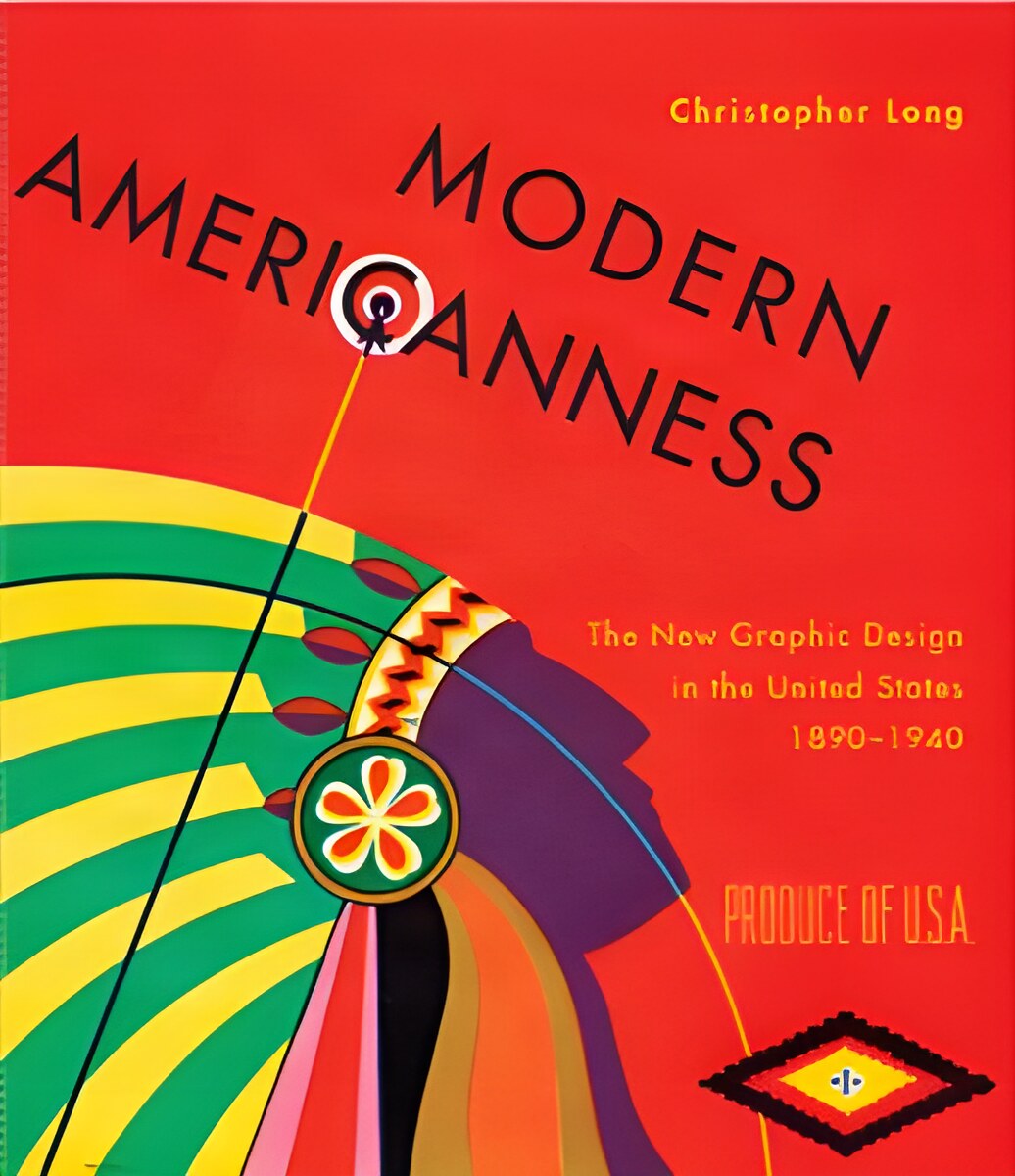
Hardcover. Czech Republic, Kant, 1st, 2025, Book: Very Good, Dust Jacket: None, Hardcover, pictorial boards, 264 pages. Venturing across five decades of American culture, this landmark book explores how modern graphic design emerged in the United States and how it became an intrinsic feature of the country's identity. Author and design professor Christopher Long tells this story in a wholly new way, exposing many long-forgotten figures and movements and resurrecting the debates and conceptions that were integral to the new art. In a series of deeply involving portraits of American artists and innovators who helped shape the very look of the modern age, Modern Americanness offers a sweeping story of the country's visual culture and its distinctiveness across a variety of designed objects: magazine covers, food labels, event posters, chapbooks, advertisements, propaganda and much more. Still in publisher's shrinkwrap.

 "Martine Sitbon: Alternative Visionby: Sitbon, Martine")
 "Masons and Sculptors in Romanesque Burgundy: The New Aesthetic of Cluny III (2 Volumes)by: Armi, C. Edson")
 "Master Photographersby: Roberto Koch , Laura Leonelli, et al.")
 "Match Printsby: Marshall, Jim")

 "Matthew Barney: Cremaster 3by: Barney, Matthew")
 "Matthew Barney: The Cremaster Cycle (SIGNED)by: Barney, Matthew; Spector, Nancy & Neville Wakefield")
 "Max Baur: In the Bauhaus Spirit: Photographs 1925-1960by: Stephan Steins")


 "Menswear: Vintage People on Photo Postcards Photo Postcards by: Tom Phillips")
 "Merce Cunningham: Fifty Years by: Vaughan David and Melissa Harris")
 "Michael Bell: Space Replaces Us - Essays and Projects on the Cityby: Bell, Michael")
 "Mielziner: Master of Modern Stage Designby: Henderson, Mary")


 "Millennium Mode: Fashion Forecasts from 40 Top Designers by: Schlachter, Trudy and others")
 "Minimalism and Fashion: Reduction in the Postmodern Eraby: Dimant, Elyssa")
 "Miro's Postersby: Corredor-Matheos, Jose")
 "Moby-Dick: A Pop-Up Book from the Novel by Herman Melville by: Jolivet Joelle Illustrator/ Lo Monaco Gerard Designer")
 "Modart No. 01: Forget Art: In Order to Feel It. The Best of Modart Magazine by: Harlan Levey/ Editor")
 "Modern Americana: Studio Furniture From High Craft to High Glamby: Iovine, Julie and Todd Merrill")