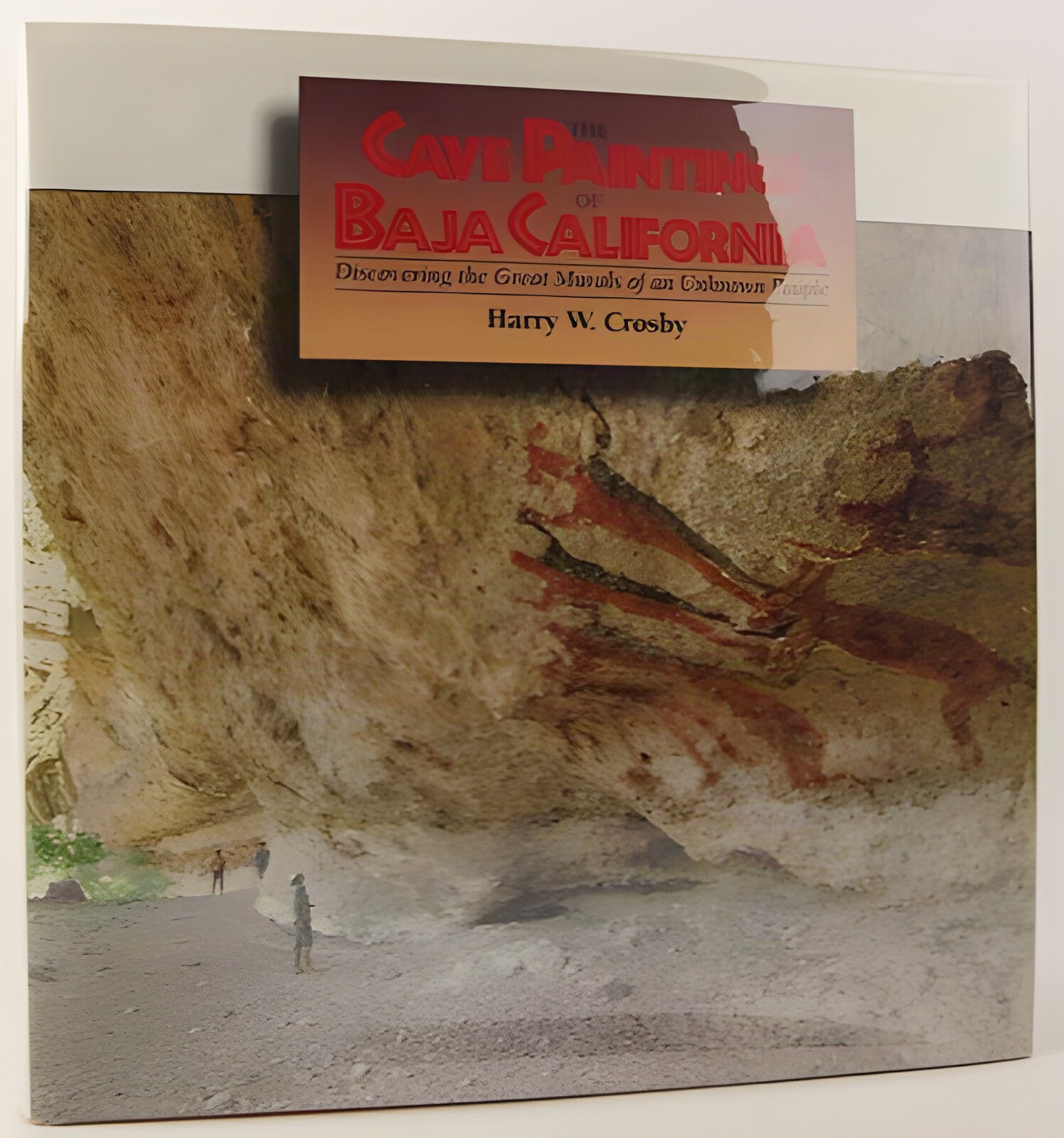
Hardcover. Los Angeles, CA, Getty Research Institute, 1st, 2009, Book: Very Good, Dust Jacket: None, 416 pages. Hardcover with no dust jacket. Very clean, unmarked copy still in publishers shrink-wrap. Art of the Defeat provides an unflinching look at the art scene in France during the German occupation. Black and white photographs throughout.
Hardcover. Cambridge MA, The MIT Press, 1sr, Book: Very Good, Dust Jacket: Very Good, Hardcover in a bright gold foil dust wrapper, 476 pages. The artist Francis Picabia -- notorious dandy, bon vivant, painter, poet, filmmaker, and polemicist -- has emerged as the Dadaist with postmodern appeal, and one of the most enigmatic forces behind the enigma that was Dada. In this first book in English to focus on Picabia's work in Paris during the Dada years, art historian and critic George Baker reimagines Dada through Picabia's eyes. Such reimagining involves a new account of the readymade -- Marcel Duchamp's anti-art invention, which opened fine art to mass culture and the commodity. But in Picabia's hands, Baker argues, the Dada readymade aimed to reinvent art rather than destroy it. Picabia's readymade opened art not just to the commodity, but to the larger world from which the commodity stems: the fluid sea of capital and money that transforms all objects and experiences in its wake. The book thus tells the story of a set of newly transformed artistic practices, claiming them for art history -- and naming them -- for the first time: Dada Drawing, Dada Painting, Dada Photography, Dada Abstraction, Dada Cinema, Dada Montage.Along the way, Baker describes a series of nearly forgotten objects and events, from the almost lunatic range of the Paris Dada "manifestations" to Picabia's polemical writings. Clean copy.
Hardcover. Charlottesville VA, University Press of Virginia, 1st, 1977, Book: Very Good, Dust Jacket: Very Good, Hardcover, 553 pages, 348 full-page portraits in b&w. Includes a catalogue of 3,800 silhouettes by the artist. Very good in a crisp, unclipped dust jacket. Auguste Edouart was the most prolific silhouettist ever to work in this country. Arriving from France in 1839, he traveled throughout the United States contracting enough projects in six years to fill over fifty albums; at the same time he created a biographical record of the most famous Americans of the period. This volume contains the most, and the best, of Edouard's silhouettes every to appear under a single cover.
Hardcover. Paris, Les Belles Lettres , 1st, 1996, Book: Very Good, Dust Jacket: Very Good, 211 pages. Hardcover with dust jacket. A very clean, unmarked copy with only minor wear to dust jacket edges. A tight copy. Color illustrations throughout. FRENCH TEXT.
Hardcover. NY, Hudson Hills Press, 1st, 1987, Book: Very Good, Dust Jacket: Very Good, Hardcover, 228 pages, 123 color plates. Morisot was a gutsy pioneer among the French impressionists. As a standard-bearer of the avant-garde, she created a scandal by helping to organize a public auction of their works, something very few artists had dared to do. Defying the advice of her parents and Manet, she remained in Paris when Prussian troops besieged the city. In her artistic technique she was no less daring. Around 1874, in pictures of tourists and yacht-filled rivers, she broke through to an abbreviated, shorthand style ahead of her contemporaries. Disregarding her own view that Monet had taken landscape painting to its farthest limits, her late oils of gardens are brilliant fireworks of color. This catalogue of a retrospective exhibition that is to tour the country stands on its own as a valuable study.
Hardcover. New York , Simon and Schuster, 1st, 1953, Book: Very Good, Dust Jacket: Very Good, 200 b&w cartoons. Preface by Philippe Halsman. In a bright, unclipped dust jacket.
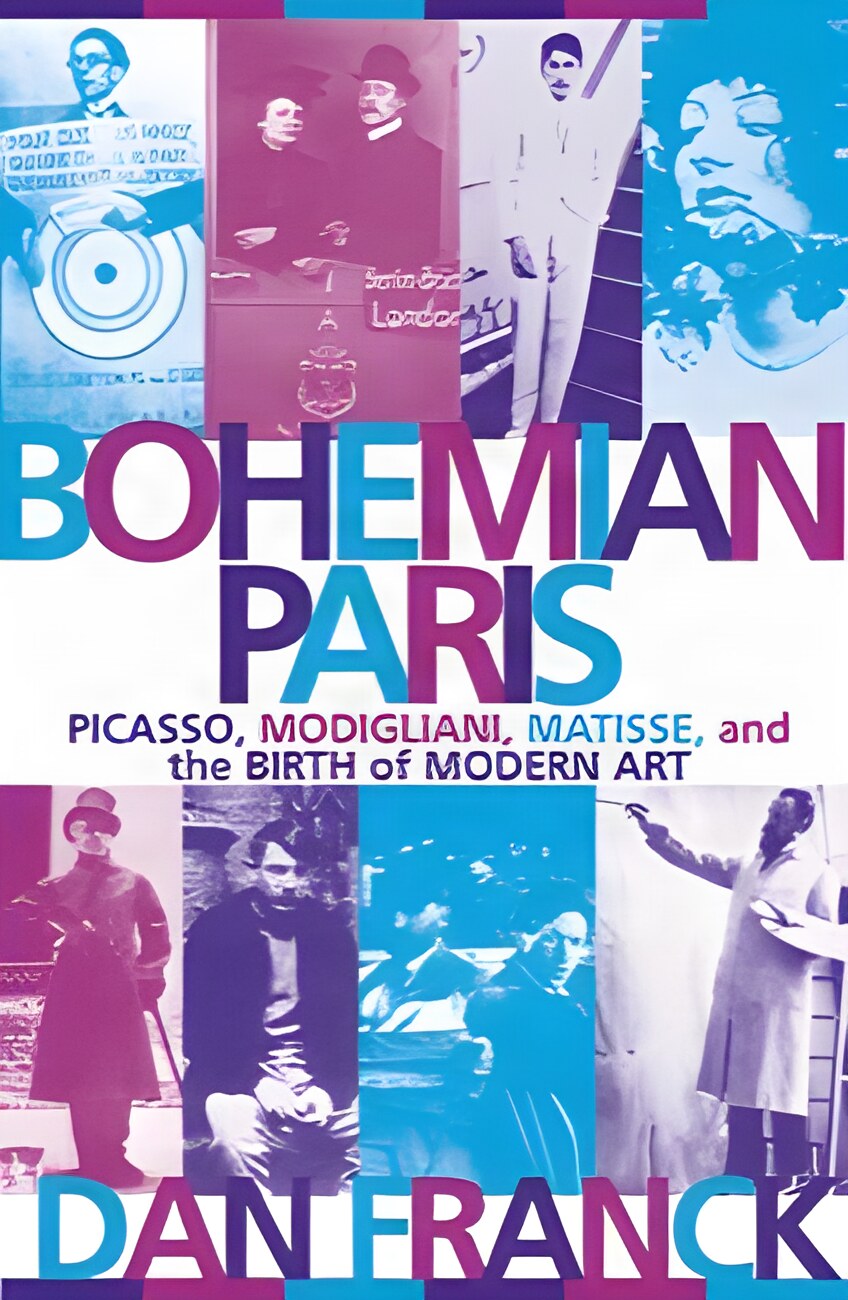
Softcover. NY, Grove Press, 1st pbk, 2003, Book: Very Good, Dust Jacket: None, Softcover, 430 pages, b&w illustrations. A legendary capital of the arts, Paris hosted some of the most legendary developments in world culture -- particularly at the beginning of the twentieth century, with the flowering of fauvism, cubism, dadaism, and surrealism. In Bohemian Paris, Dan Franck leads us on a vivid and magical tour of the Paris of 1900-1930, a hotbed of artistic creation where we encounter Apollinaire, Modigliani, Cocteau, Matisse, Picasso, Hemingway, and Fitzgerald, working, loving, and struggling to stay afloat. Clean, bright copy.
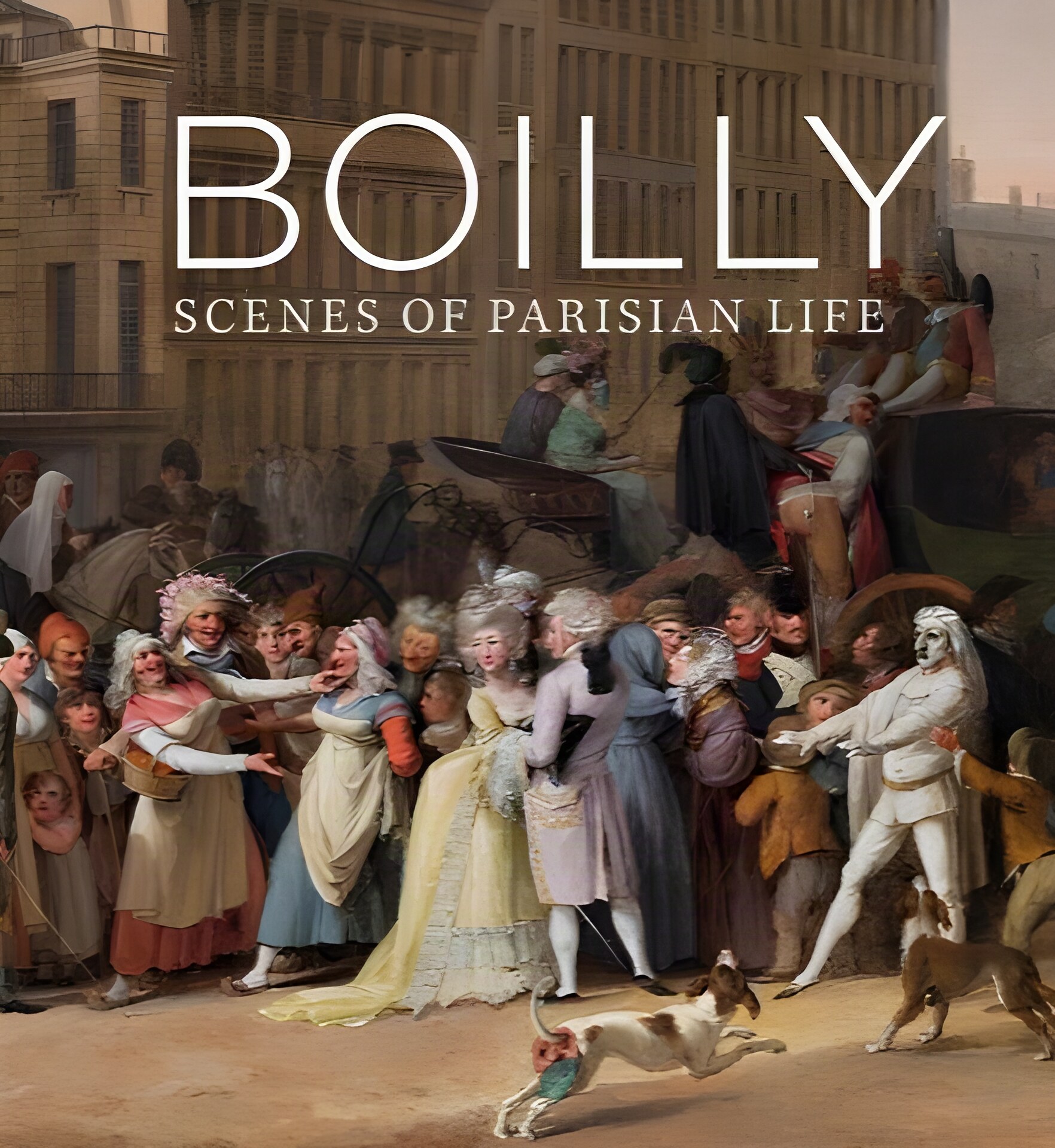
Hardcover. London, National Gallery, 1st, 2019, Book: Very Good, Dust Jacket: Very Good, Hardcover, 95 pages in color. In a long career that spanned the French Revolution, the rise and fall of Napoleon, and the Bourbon Restoration, Louis-Leopold Boilly (1761-1845) created innovative and daring paintings in the midst of the most turbulent times. Bringing together two dozen of Boilly's works--the majority of which have never before been published--this handsome volume includes portraiture, scenes of seduction, and groundbreaking representations of raucous Parisian street life. A master technician with acute powers of observation and a wry sense of humor, Boilly invented the term trompe l'oeil and popularized the genre through his stunningly realistic compositions. In this first English-language publication on Boilly in more than 20 years, Francesca Whitlum-Cooper vividly brings the artist and the period he lived in to life, shedding new light on Boilly's work and expanding our understanding of how art functioned within France's rapidly changing political environment.
Hardcover. New York, Pantheon Books, 1st US, 1988, Book: Very Good, Dust Jacket: Very Good, 127 pages, hardcover with dust jacket. Preface by Jean Leymarie. Translated from the French by Sebastian Wormell. Vivid recollections of life at La Cannet and descriptions of the house and garden, accompanied by reproductions of related drawings and paintings. With 130 illustrations, 77 in color. Including 14 photographs by Henri Cartier-Bresson. Previous owner's signature to front flyleaf. Light fading to dust jacket top edge and spine. Mild rubbing to dust jacket as well. A tight and clean copy.
Hardcover. NY, Rizzoli, 1st US, 1981, Book: Very Good, Dust Jacket: Very Good, Hardcover in a bright, price-clipped dust jacket. 351 pages, 60 color, 476 b&w plates. Gathers all of the French painter's posters, lithographs, and book illustrations and provides commentary on Bonnard's style and technique. Select bibliography, list of exhibitions of Bonnard's graphic works, and index. Introduction by Antoine Terrasse. Small stain to foredge of front fly leaf, otherwise bright and clean copy. DUE TO SIZE, DOMESTIC SHIPPING ONLY.
Hardcover. Atglen PA, Schiffer Publishing, 1st, 1997, Book: Very Good, Dust Jacket: Very Good, Hardcover in a bright dust jacket, 133 pages plus bibliography and appendix. A thoroughly researched reference by an impassioned aficionado to a type of artwork that became popular around 1900 and lasted until roughly 1940. About 1,000 etchings and lithographs were created in France by some 100 engravers (Louis Icart was the pioneer); the pictures depict sensual, dreamy women lounging seductively in lingerie or various stages of undress a kind of softer-than-soft porn. Abundantly illustrated. 9.25x12.25". Like new, clean.
Hardcover. Switzerland, A. Guichard, 1st, 1966, Book: Very Good, Dust Jacket: None, A very good hardcover copy, 126 pages with decorative burgundy boards and gilding on the spine and covers. A book of 164 facsimile tipped-in plates. Production by Edita S. A. Lausanne. Illustration by Imprimerie Centrale Lausanne S. A. Text by Offset Jean Genoud S. A. Lausanne. Engraving by Photogravure Dupuis & Cie Lausanne. Binding by Maurice Busenhart, Lausanne. At the age of seven, at the begining of the 20th century, Lartique received a camera as a gift from his father, and from then on, day after day, he would try to 'fix' scenes of his domestic life, having been allowed by the conditions of his life sufficient leisure to do so." Roger Therond. In this, Lartique's premier collection, presented in the form of an album of pasted-in pictures, we are treated to his madcap antics with flying machines and automobiles when they were still a novelty. With his cousins, we have pictures of their three-seater peddle racing machine of their own invention - gliders built and flown in the field, crashes included, an inflatable suit for drifting in the river without getting wet . These are photographs one would not see in a typical family album, rather, they are the record of a joyful and artistic youth. Clean copy.
Hardcover. Boston, Bulfinch, 1st, 2001, Book: Very Good, Dust Jacket: Very Good, Hardcover in a lightly worn dust jacket. Roaming Paris streets by night in the early 1930s, Brassai created arresting images of the city's dramatic nocturnal landscape. First published in French in 1932, this new edition brings one of Brassai's finest works back into print. The back alleys, metro stations, and bistros he photographed are at turns hauntingly empty or peopled by prostitutes, laborers, thugs, and lovers. "Paris by Night" is a stunning portrait of nighttime in the City of Light, as captured by its most articulate observer. 62 photos. Short closed tear to rear panel of dj, clean copy.
NY, Abrams, 1st, 1999, Book: Very Good, Dust Jacket: Very Good, Hardcover, 367 pages. Brassai: The Eye of Paris is both the catalog of an exhibition of Brassai's photographs organized by the Houston Fine Arts Museum and a valuable biography of the artist. In 1932, only three years after he purchased his first camera (a Leica), Brassai published a portfolio of 64 photos titled Paris by Night that caused an immediate sensation. His lively eye (seen in an enigmatic photograph at the beginning of the book) captured fresh, unique images of the city and its citizens. Fascinated by the underworld, he moved easily among gangsters and prostitutes in bars and bordellos; he was equally at home among the fashionable and wealthy, and just as devastating in his depiction of them. He used magnesium flares for low-contrast shadows, catching his subjects in natural poses at significant moments. The wide range of Brassai's work is suggested by his formal nudes, which have an affinity with Edward Weston's, and his informal portraits, which remind viewers of Diane Arbus, who admired his work. Brassai was a central figure in the intellectual and artistic circles of Montparnasse that made Paris the most exciting city in the world during the 1930s. In a long essay that includes lively anecdotes of the photographer's relationships with Picasso, Henry Miller, Kertesz, and many other luminaries, the author re-creates the aesthetic and philosophical ferment of the period. Brassai: The Eye of Paris recognizes the artist's talents in five different media--photography, filmmaking, sculpture, writing, and drawing--but focuses on what he is best known for: lyrical and penetrating photographs of the City of Light.
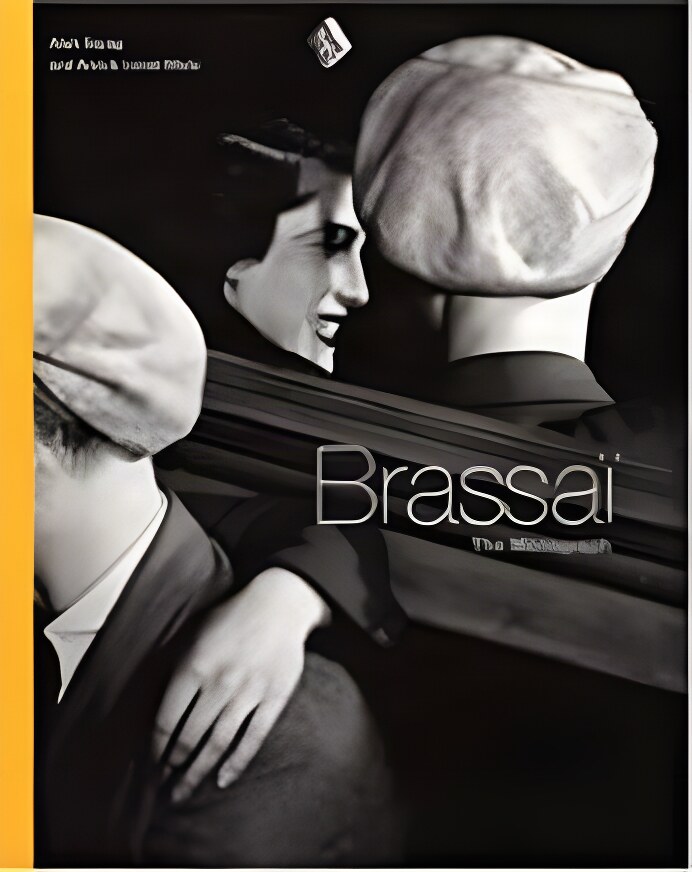
Hardcover. Boston, Bulfinch Press, 1st, 2000, Book: Very Good, Dust Jacket: Very Good, Hardcover in a bright, unclipped dust jacket, 319 pages, mostly b&w photographs (some color), essays by 7 contributors including Henry Miller. Preface by Jean-Jacques Aillagon. Text essays excerpted from the work of Brassai himself as well as contributions from his wife Mme. Gilberte Brassi and close friends Roger Grenier, Henry Miller, Jacques Prevert and Werner Spies. End-matter includes Biography, Bibliography, Exhibitions and List of Illustrations. Illustrated with 308 photographs, 14 of which are in color. Stated first American edition. A presentation of Brassi's art from his nude drawings and sculpture to his fascination with graffiti but principally featuring on his photographs of nocturnal Paris and the demimonde creatures which inhabited its streets. Remainder mark to top edge, otherwise clean. DOMESTIC SHIPPING ONLY.
Hardcover. London, Frances Lincoln, 1st, 2011, Book: Good, Dust Jacket: Very Good, Hardcover in a bright dust jacket. 255 pages, illustrated in color and b&w. Brenda Colvin (1897-1981) ranks with Sylvia Crowe and Geoffrey Jellicoe as a pioneer of twentieth-century landscape design in Britain. This first full account of her life and work demonstrates her importance. Early in her career Colvin visited the USA to see the new civic landscaping projects, especially the parkways. In England she transformed the landscapes of power stations, reservoirs, industrial sites, new towns and national parks and worked on private gardens. Her simple planting style and her ecological approach had enormous influence. NOTE: There is a very mild ripple/wave throughout the pages, otherwise a clean, bright copy. DOMESTIC SHIPPING ONLY.
Softcover. Athens/Paris, Ecole Francaise d'Athenes, 1st, 1967, Book: Very Good, Dust Jacket: None, Softcover, Volume Two: pages 371-900, followed by 16 b&w plates. Cream paper wraps. Glossy pages with many black and white photographs are uncut. Text in English and French.
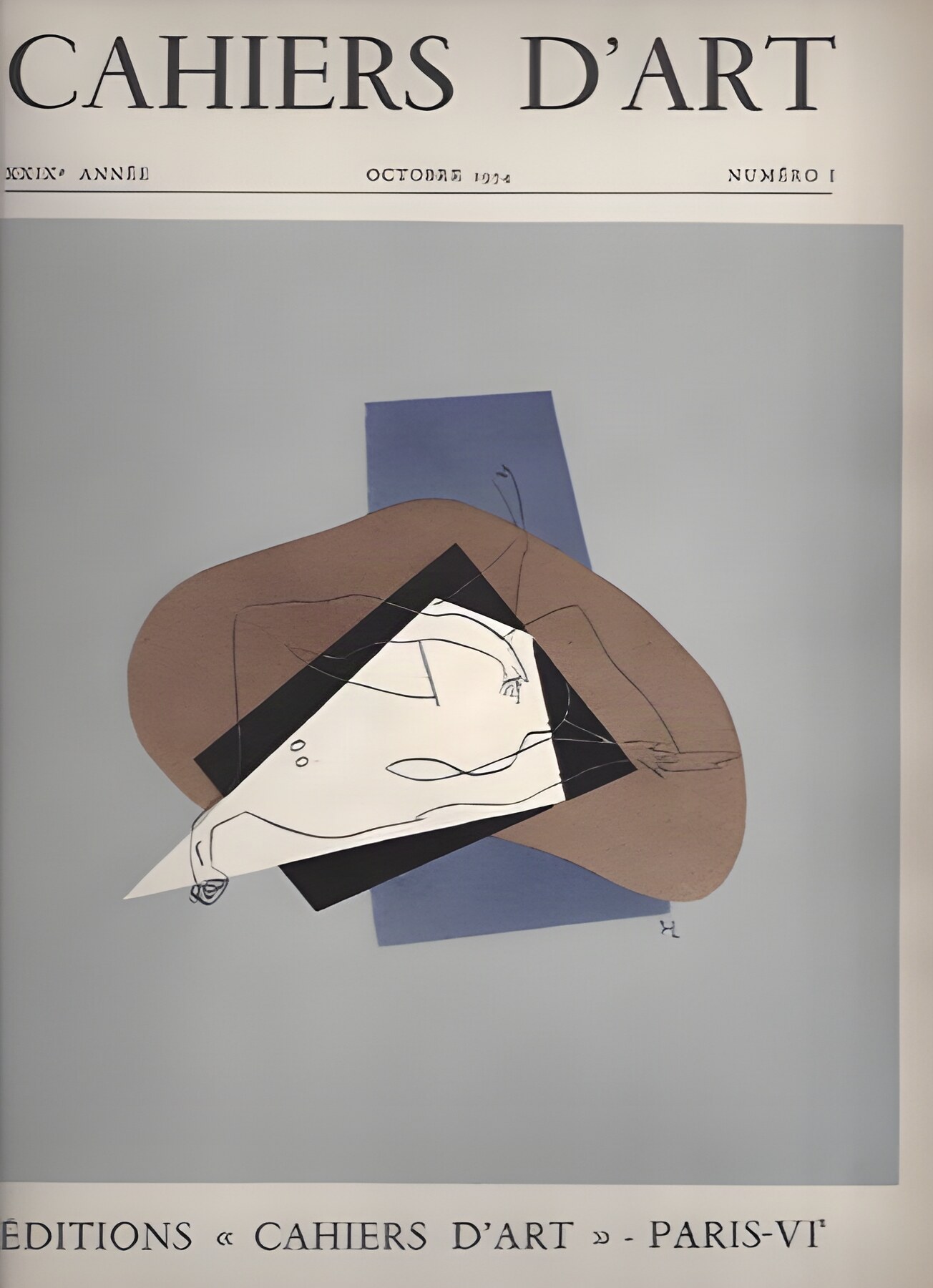
...and Ferdinando-Laude, Jean. Softcover. Paris, Cahiers d'Art, 1st, 1954, Book: Very Good, Dust Jacket: None. Softcover in pictorial wrappers, 123 pages. Many bw and some color illustrations. Sommaire: Christian Zervos, 'Jeune peinture et Critique' ; Dora Vallier, 'Braque, la Peinture et Nous' ; Antonio Frova, 'Peinture romaine en Bulgarie' ; Jacques Dupin, 'Giacometti sculpteur et peintre' ; Franco Russoli, 'La restauration de la Cene de Leonard' ; Christian Zervos 'Images de Picasso peintes cette annee' ; Germain Bazin, 'Variations museologiques' ; Ferdinando Reyna, 'Des origines du ballet' ; Dora Vallier, 'La XXVII Biennale de Venise' ; Christian Zervos, 'Expositions' ; Jean Laude, 'Livres d'art'. FRENCH TEXT. Minor wear to spine otherwise a clean, bright copy. DOMESTIC SHIPPING ONLY.
Hardcover. Los Angeles, J. Paul Getty Museum, 1st, 2010, Book: Very Good, Dust Jacket: Very Good, Hardcover, 160 pages, like new in dust jacket. This fascinating account of Silvy's life and photography is published to mark the centenary of his death. Combining research into exhibition prints, still lifes, and street scenes, as well as the intimate, beautifully lit and posed cartes-de-visite, the book demonstrates Silvy's extraordinary originality and his life as a man of both art and commerce. Color and b&w illustrations.
Hardcover. London, Thames and Hudson, 1st, 1970, Book: Very Good, Dust Jacket: Very Good, 287 pages. Hardcover with dust jacket. Black and white photographs throughout. Clean, tight copy.
Hardcover. San Diego, Sunbelt Publications, Revised Ed., 1998, Book: Very Good, Dust Jacket: Very Good, Hardcover, 246 pages, color photographs and illustrations throughout, illustrated end paper. The Great Murals of Mexico's Baja California are one of the five greatest sites in the world for primitive rock art. They rank with those of southern France, northern Spain, northwest Africa, and outback Australia. These Great Murals, created by an unknown people, are without doubt the most distinctive trove of rock art in the Western Hemisphere. The site was unveiled to the modern world in the 1960s by adventure/mystery writer Erle Stanley Gardner who brought in UCLA archaeologist Clement Meighan to validate the importance of his find. But it was not until the 1970s, when author/photographer Harry W. Crosby undertook a systematic search for the largely unknown works hidden in the mountains of central Baja that the scope and significance of the find became known. He documented his search and discovery of over 200 previously unreported rock art sites leading to the original publication of The Cave Paintings of Baja California by Copley Books in 1975 which first introduced this cave art to the general public. Since that time, Baja California's Great Murals have been designated a United Nations Heritage Site. This lavishly illustrated full-color account is greatly revised and expanded from the original edition and offers Crosby's unique perspective on the painted sites and painting styles found in different parts of the Great Mural area. Light edge wear to dust jacket. Else a very clean, tight copy.
Hardcover. New York, Harry N. Abrams, 1st, 1996, Book: Very Good, Dust Jacket: Very Good, Hardcover, 600 pages, illustrated throughout with 504 illustrations, including 242 plates in full color. Heavy oversized book. Light edgewear and faint tanning to dust jacket, else a clean, tight copy. A definitive survey of the life and work of the Paul Cezanne follows the evolution of his art from drawing school in the 1860s to his death in 1906, providing more than six hundred reproductions of drawings, watercolors, paintings, and sketchbook pages that demonstrate his masterful artistic style. DOMESTIC SHIPPING ONLY.
Hardcover. New York, Harry N. Abrams, 1st, 1996, Book: Very Good, Dust Jacket: Very Good, Hardcover, 600 pages, illustrated throughout with 504 illustrations, including 242 plates in full color. Large heavy book. Clean, unmarked copy with only minor wear to dust jacket. DUE TO WEIGHT, DOMESTIC SHIPPING ONLY.

 "Art of the Defeat, France 1940-1944by: Dorleac, Laurence")
 "Art of the French Illustrated Book, 1700-1914, The/Two Volumes Bound As Oneby: Gordon, N. Ray")
 "Artwork Caught by the Tail:Francis Picabia and Dada in Parisby: Baker, George")
 "Auguste Edouart's Silhouettes of Eminent Americans 1839-1844by: Oliver, Andrew")
 "Bacon - Portraits et autoportraits: Francis Bacon, le visage en viscEresby: Kundera, Milan")
 "Best Cartoons from France, Theby: Bennett (Ed.), Edna")
 "Bonnard at Le Cannetby: Terrasse, Michel")

 "Boudoir Art: The Celebration of Life by: Clifford P. Catania")
 "Boyhood Photos of J.H. Lartigue: The Family Album of a Gilded Ageby: Jacques-Henri Lartigue/ Ami Guichard")
 "Brassai: Paris by Night by: Brassai, Foreword by Paul Morand")
 "Brassai: The Eye of Parisby: Tucker, Anne W.")

 "Bulletin de Correspondance Hellenique XCI, 1967-IIby: Ecole Francaise d'Athenes")
 "Camille Silvy: Photograher of Modern Life by: Haworth-Booth, Mark")
 "Cartier-Bresson's Franceby: Nourissier, Francois")