Hardcover. Center for American Places, 1st, 2005, Book: Very Good, Dust Jacket: Very Good, Hardcover, 232 pages. The Mississippi River flows through American history and culture as a mythic waterway brimming with tragedy and hope, and awash in passionate ambitions and harsh realities. In 1953, a young Charles Dee Sharp traveled twice down the Mississippi (first by towboat and then by car along the renowned river road Highway 61) to make a documentary film of it, taking black-and-white photographs of the river, its communities, and its people. While Sharp's documentary never came to fruition, the striking images he captured survived as moving and evocative historical testaments to a lost era, now collected in his new book The Mississippi in 1953. These images create a vivid portrait of America's heartland a half century ago, and they are enriched with excerpts from Sharp's original trip journal, intriguing anecdotes from the people he encountered along his journey, and an engaging environmental history of the river by historian John O. Anfinson. The Mississippi in 1953 offers an original and poignant look at the living artery of the American landscape and how it molded the United States into the nation it is today.
Hardcover. University of Nebraska Press, 1st, 2016, Book: Very Good, Dust Jacket: Very Good, Hardcover, 512 pages. Historians, biographers, and scholars of John James Audubon and natural history have long been mystified by Audubon's 1843 Missouri River expedition, for his journals of the trip were thought to have been destroyed by his granddaughter Maria Rebecca Audubon. Daniel Patterson is the first scholar to locate and assemble three important fragments of the 1843 Missouri River journals, and here he offers a stunning transcription and critical edition of Audubon's last journey through the American West. Patterson's new edition of the journals--unknown to Audubon scholars and fans--offers a significantly different understanding of the very core of Audubon's life and work. Readers will be introduced to a more authentic Audubon, one who was concerned about the disappearance of America's wild animal species and yet also loved to hunt and display his prowess in the wilderness. This edition reveals that Audubon's famous late conversion to conservationism on this expedition was, in fact, a literary fiction. Maria Rebecca Audubon created this myth when she rewrote her grandfather's journals for publication to make him into a visionary conservationist. In reality the journals detail almost gratuitous hunting predations throughout the course of Audubon's last expedition.
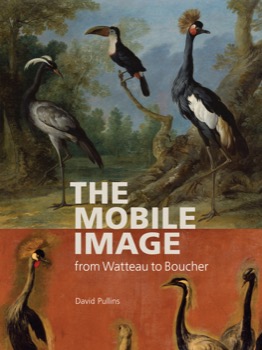
Softcover. Los Angeles, Getty Research Institute, 1st, 2024, Book: Very Good, Dust Jacket: None, Softcover, 199 pages illustrated in color. This book provides a new way of thinking about eighteenth-century French art and visual culture by prioritizing production over reception. Abandoning the ideologically driven discourse that distinguished fine from decorative art between the 1690s and 1770s, The Mobile Image reveals how the two have been inextricably bound from the earliest stages of artistic instruction through the daily life of painters' workshops. In this study, author David Pullins defines artisanal and artistic means of learning, seeing, and making through a system of "mobile images": motifs that were effectively engineered for mobility and designed never to be definitive, always awaiting replication and circulation. He examines the careers of Antoine Watteau, Jean-Baptiste Oudry, and Francois Boucher, situating them against a much broader cast of actors--such as printmakers, publishers, anonymous studio assistants, and architects, among others--to place eighteenth-century painting within a wider context of media and making. clean, bright copy.
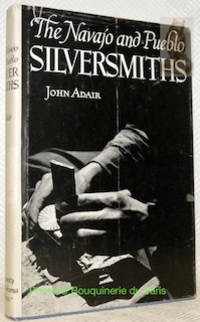
Hardcover. Norman OK, University of Oklahoma Press, 8th pr., 1970, Book: Very Good, Dust Jacket: Very Good, Hardcover in a lightly worn dust jacket, 220 pages with black & white illustrations. A thorough study of the art of the Indian silversmiths of the Southwest. Includes the history of the craft as well as names and localities of pioneer artisans. Bookplate on inside front cover, otherwise clean.
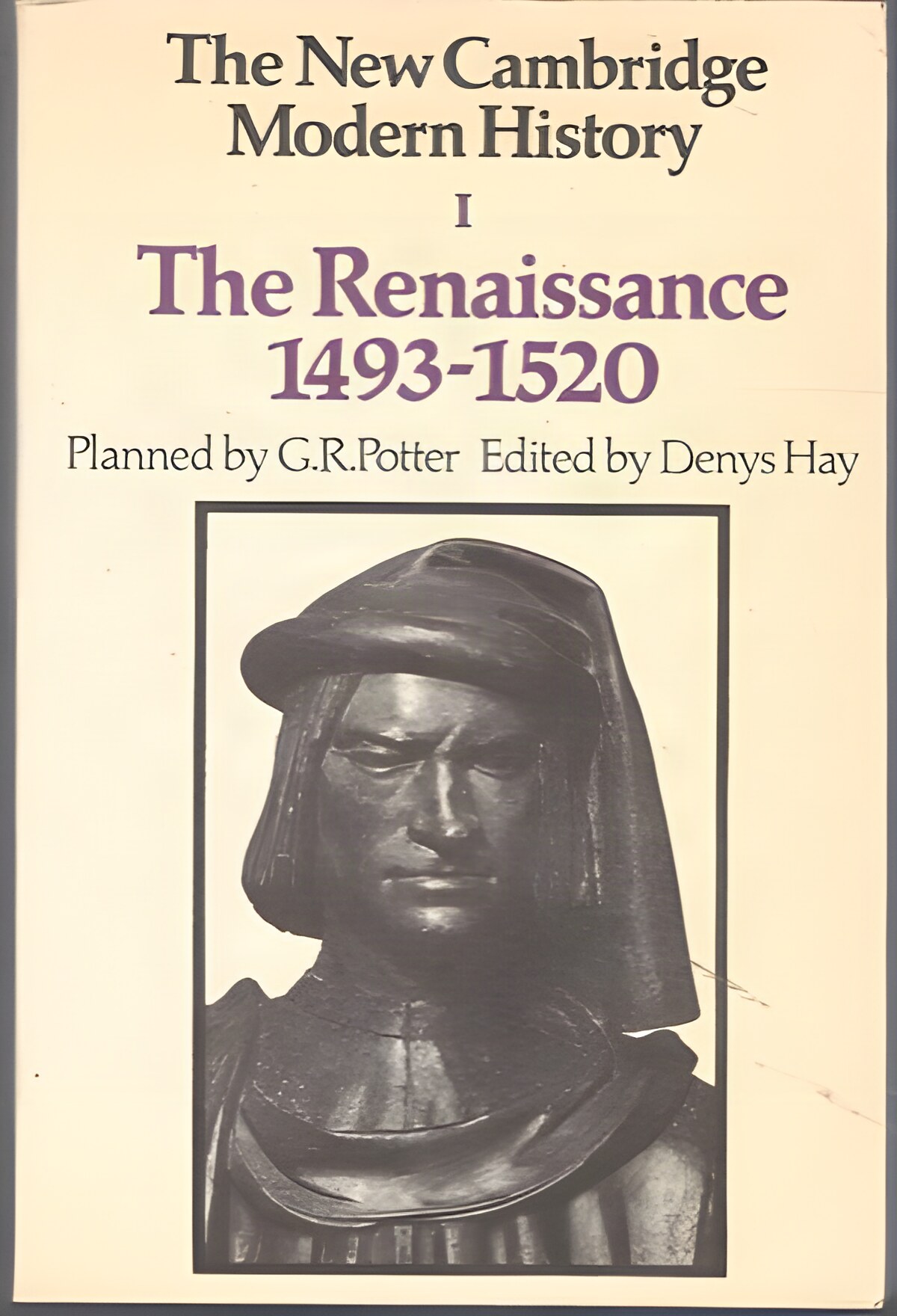
Softcover. Cambridge UK, Cambridge University Press, reprint, 1975, Book: Very Good, Dust Jacket: None, Softcover, 532 pages. In a preface written for this paperback edition, Professor Hay examines some of the changes in Renaissance scholarship since the first publication of this volume in 1957. Successive chapters examine the social and economic structure of a continent about to establish trade and colonies in the New World, the intellectual and artistic movements which made up the Renaissance, the position of the Church on the eve of the Reformation, the political inheritance of the Middle Ages, with its rising nation states, and the growth of the Ottoman Empire. Clean copy.
Hardcover. Chicago, University Of Chicago Press, 1st, 1990, Book: Very Good, Dust Jacket: Very Good, Hardcover in a bright dust jacket, 280 pages. This American art history book explores the early cultural development of the movement in Chicago, pulling from previously unpublished primary sources. 20 color reproductions along with black and white photographs and sketches and a timeline in the back. First study of Modernism in Chicago, examining the struggle between the "old guard's" ideals of traditional 19th century art versus an "avant garde" of painters, illustrators, photographers, and sculptors. Focuses on the cultural context in which art evolved. Clean copy.
Softcover. NY, Onassis Foundation, 1st, 2009, Book: Very Good, Dust Jacket: None, Softcover, 131 pages illustrated in color. The Origins of El Greco focuses on the evolution of the multifaceted relationship of Cretan painters with Western art during this rich period. The icon painters in the workshops on Crete in the 15th and 16th centuries-the setting in which El Greco was trained-were renowned for their skill in painting impeccable panels not only in the traditional Byzantine manner but also in a style inspired by Western models. The Origins of El Greco presents an extraordinary group of 15th and 16th century paintings, including works by El Greco. The color-illustrated catalogue features detailed descriptions of all 46 masterpieces included in the exhibition, some of them published for the first time, as well as 3 informative essays: Anastasia Drandaki, Curator, Byzantine Collection, Benaki Museum, Athens writes on "Between Byzantium and Venice: Icon Painting in Venetian Crete in the Fifteenth and Sixteenth Centuries", Olga Gratziou, Professor of Byzantine Art and Archaeology, University of Crete writes on "Cretan Architecture and Sculpture in the Venetian Period" and Nicos Hadjinicolaou, Professor Emeritus in Art History, University of Crete, and Honorary Fellow of the Institute for Mediterranean Studies, writes on "Early and Late El Greco". Clean, bright copy.
Hardcover. New Haven CT, Yale University Press, 1st, 2007, Book: Very Good, Dust Jacket: Very Good, Hardcover, 288 pages. The meaning of a painted portrait and even its subject may be far more complex than expected, Tamar Garb reveals in this book. She charts for the first time the history of French female portraiture from its heyday in the early nineteenth century to its demise in the early twentieth century, showing how these paintings illuminate evolving social attitudes and aesthetic concerns in France over the course of the century.
Hardcover. NY, Columbia University Press, 1st, 1994, Book: Very Good, Dust Jacket: Very Good, Hardcover in a bright dust jacket with a small closed tear to front panel. 187 pages, 117 b.w. photos, index, bibliography, 187p., notes. A scholarly monograph, addressing our image of the Chinese artist, the painters' livelihood, studio & hand. A grand essay, giving us the kind of insights to really appreciate the full art of Chinese painters & paintings.
Softcover. New Haven, New Haven Colony Historical Society, 1st, 1971, Book: Very Good, Dust Jacket: None, Softcover, 100 pages in color illustrated wrappers. 45 b&w illustrations from a catalogue of 227 works in the collection. Preface by Robert R. MacDonald. Clean, tight copy
Hardcover. NY, John Wiley & Sons , 1st, 2003, Book: Very Good, Dust Jacket: Very Good, Hardcover in a bright dust jacket, 170 pages, color illustrations. n The Passionate Collector: Eighty Years in the World of Art, you'll follow this fascinating financial figure and great patron of the arts from the streets of 1920s Paris to the museums of New York as he develops the eye of a connoisseur and begins to collect great contemporary art. Vivid detail puts you in the center of the action as Neuberger collects the brilliant artists of his time-Milton Avery, Jackson Pollock, Ben Shahn, Edward Hopper; works with legendary art dealers Paul Rosenberg, Betty Parsons, Sidney Janis, and Leo Castelli; and befriends avid collectors, including the incomparable Duncan Phillips. You'll follow Neuberger as he strives to further the cause of contemporary American artists by exhibiting, lending, and donating from his growing collection, and becoming an activist for the Metropolitan Museum of Art, the Museum of Modern Art, and the Whitney. You'll also see how the Neuberger Museum of Art was created at the urging of Governor Nelson Rockefeller, and how it continues to fascinate art enthusiasts today. Clean copy.
Hardcover. Malden MA, Blackwell , 1st, 2005, Book: Very Good, Dust Jacket: Very Good, Hardcover in a bright dust jacket, 311 pages, b&w illustrations. A succinct narrative of Iranian history from the time of Cyrus the Great in 558 BC to the present day. The book traces events from the rise of the Persian empire, through competition with Rome and conquest by the Arabs, through to the re-establishment of a Persian state in the sixteenth century, and finally the Islamic Revolution of 1979 and the establishment of the current Islamic Republic. For each period, the author utilizes the most recent scholarship in order to examine Iran's political, social, and cultural history. He presents this history within an analytical framework which focuses on rulership as the central theme of identity for Iranians. He also considers the part played in Iranian identity by land, political culture, religion, and the arts. Clean copy.
Softcover. NY, Berkeley Boulevard Books, 1st thus, 1998, Book: Very Good, Dust Jacket: None, Softcover, 325 pages, b&w illustrations. Brimming with concert information, the histories of their songs, profiles of band members, tour highlights, Phish-filled anecdotes, articles by fans and editors, and more, this book is the ultimate guide to this popular band. Clean, bright copy. Like new.
Softcover. NY, Museum of Modern Art, reprint, 2007, Book: Very Good, Dust Jacket: None, Softcover in pictorial wrappers, 156 pages. Based on a landmark exhibition at The Museum of Modern Art in 1964, and originally published in 1966, the book has long been out of print. It is now available again to a new generation of photographers and lovers of photography in this duotone printing that closely follows the original. Szarkowski's compact text eloquently complements skillfully selected and sequenced groupings of 172 photographs drawn from the entire history and range of the medium. Celebrated works by such masters as Cartier-Bresson, Evans, Steichen, Strand, and Weston are juxtaposed with vernacular documents and even amateur snapshots to analyze the fundamental challenges and opportunities that all photographers have faced. Clean copy.
Softcover. NY, Museum of Modern Art, reprint, 2007, Book: Very Good, Dust Jacket: None, Softcover, 156 pages. A guide to the mediums visual language through works by such early masters as Atget, Cartier-Bresson, Evans, Strand and Weston. It contains 172 illustrations that reveal the range of the photograph from the early days of the mediums development to the mid-1960s.
Hardcover. Princeton University Press, reprint, 2000, Book: Very Good, Dust Jacket: Very Good, Hardcover, 264 pages. William Henry Fox Talbot (1800-1877) is best remembered as the scientist who invented photography. Others had tried recording the images projected by a lens, but Talbot was the first to grasp the physical basis for realizing this dream and to conceive of a practical means for fixing these ephemeral images permanently onto a sheet of paper. But Talbot's considerable technical achievements have often overshadowed his growth as an artist. Larry Schaaf examines this artistic growth by bringing together for the first time high quality reproductions of one hundred photographs representing the full sweep of Talbot's work. These beautiful images are not only records of scientific triumphs, but also the evidence of the first steps in shaping a totally new type of vision. The one hundred plates are reproduced in the actual size of the originals and in all the subtle colors that comprised Talbot's early work. They range from Talbot's Lilliputian pre-1839 negatives (made in "mousetrap" cameras) through botanical photograms to mid-1840s calotypes that demonstrate a sure command of the new art. Each plate is discussed in detail, drawing on important new research conducted by the author.
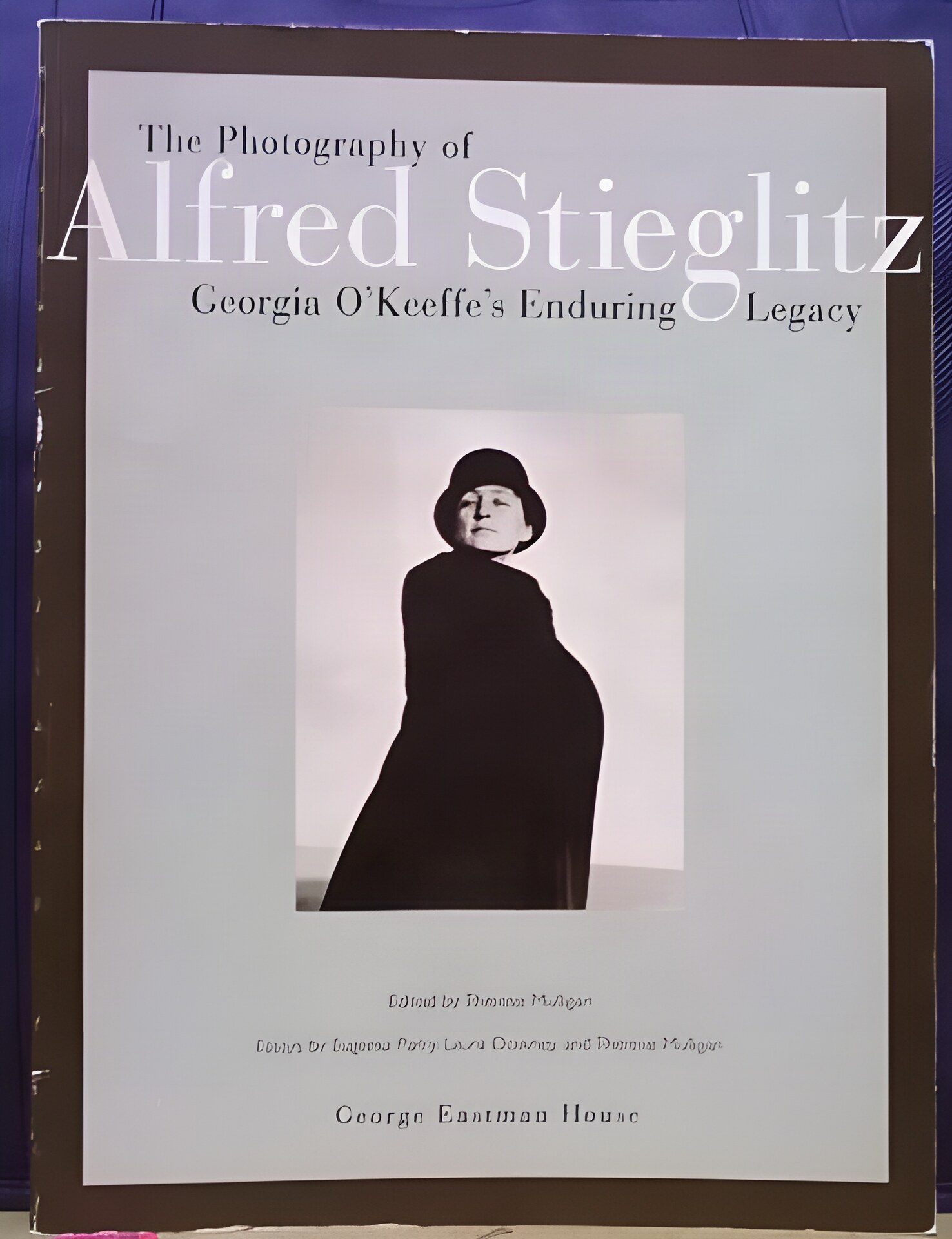
Softcover. Rochester NY, George Eastman House, 1st, 2000, Book: Very Good, Dust Jacket: None, Softcover, 127 page book with 40 black & white and color images by Stieglitz. Essays by Eugenia Parry, Laura Downey and Therese Mulligan. A complete illustrated catalog in rear of the collection O'Keeffe left to George Eastman House in 1951.
Hardcover. Chicago, University of Chicago Press, 1st, 1988, Book: Very Good, Dust Jacket: Very Good, Hardcover in a bright dust jacket, 178 pages. The drama is the most social of the arts, depending upon physical space, audience, and social factors for its existence. It is no surprise, therefore, that the most successful criticism approaches theater the way Barber and Mullaney do: as historical artifact. Barber is the better known, having authored the classic Shakespeare's Festive Comedy (1959); the present volume is based on his papers and examines three early Elizabethan tragedies"Tamburlaine" and "Dr. Faustus" by Marlowe and "The Spanish Tragedy" by Kyd. Particularly interested in locating these plays in the unstable religious atmosphere of the late 16th century, Barber ably demonstrates his understanding of the social, historical, and economic factors that defined the era. Mullaney takes the novel approach of examining the theater in light of London topography; the title thus refers to the physical location of the playhouses as well as the social importance of the theater. Mullaney points out that the prejudice that forced the great theaters of the age to operate outside the city walls encouraged a drama that was radical and iconoclastichence its greatness. Mullaney's argument is fascinating and thought-provoking, convincingly presented. Clean copy.
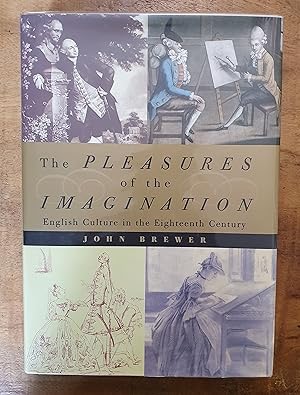
Hardcover. NY, Farrar, Straus and Giroux, 1st, 1997, Book: Very Good, Dust Jacket: Very Good, Hardcover in a bright, unclipped dust jacket. 721 pages, many b&w illustrations, come color. John Brewster's landmark book shows us how British artists, amateurs, entrepeneurs, and audiences created a culture that is still celebrated for its wit and brilliance. Light notations to five pages, otherwise clean.
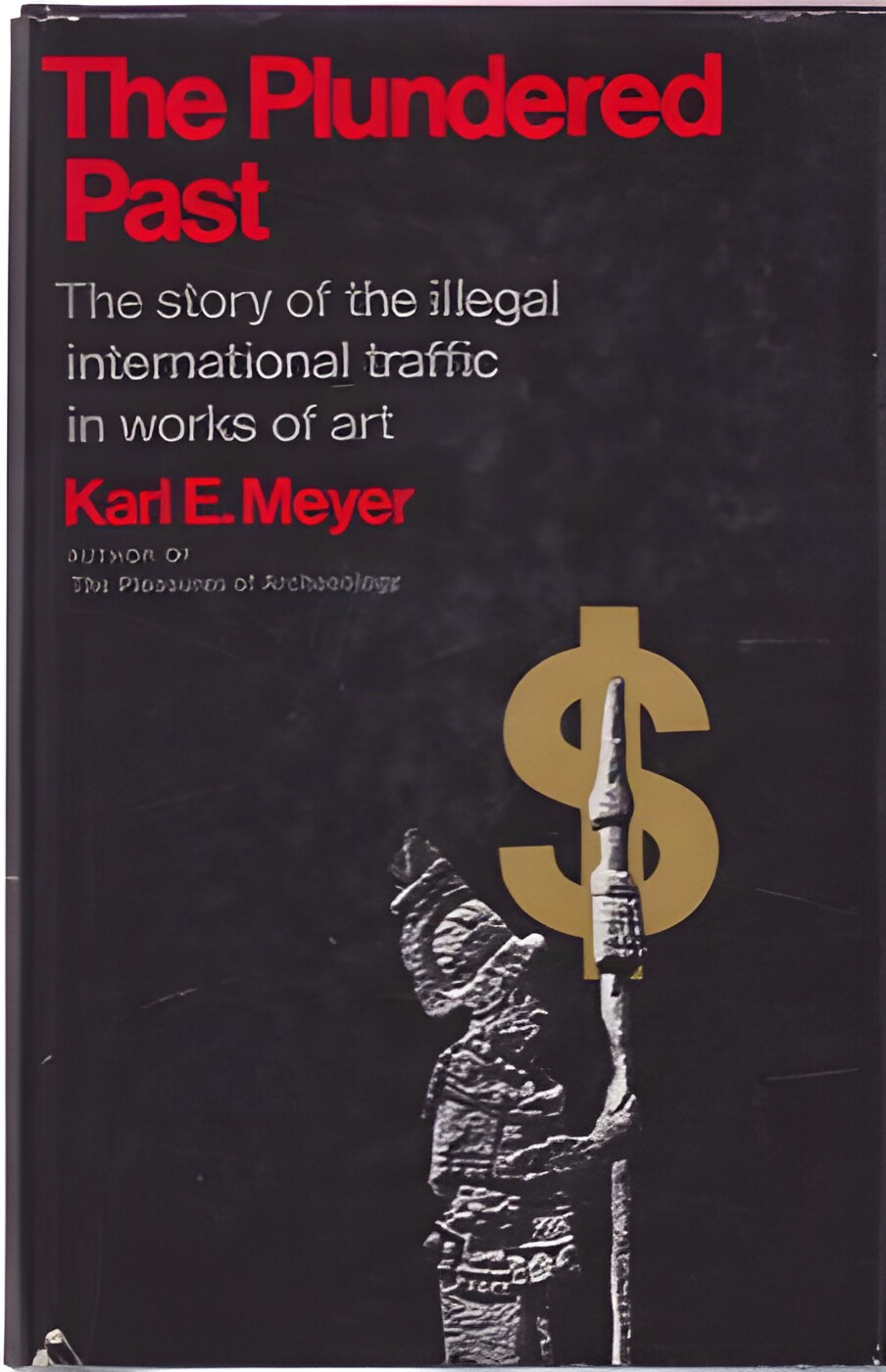
Hardcover. NY, Atheneum, 1st, 1973, Book: Very Good, Dust Jacket: Very Good, Hardcover in a bright dust jacket, 353 pages. This is the first book-length survey of the international illicit trade in antiquities, and of the worldwide destruction of what is left of our civilized past. Museums, dealers, tomb-robbers, police, and scholars form the cast of a story that moves from tropical jungles to Madison Avenue galleries, from a rifled temple to a collector's private museum. A centerpiece of the book is a detailed consideration of the Metropolitan Museum of Art's acquisition of the beautiful calyx krater by Euphronios, which the Italian authorities are claiming was taken illicitly from an Etruscan tomb in 1971. 24-page b/w photo section. Index. Extensive, 23 page Bibliography. Clean copy.
Softcover. Ithaca NY, Cornell University Press, 1st pbk, 1996, Book: Very Good, Dust Jacket: None, Softcover, 324 pages. An illustrated history of the theory and practice of perspective, looking at key texts from the Renaissance to the present. Fifty-six b&w plates. Appendix: Mathematics and Perspective. References. Index. Crease to front cover, Clean copy.
Hardcover. Giles , 1st, 2019, Book: Very Good, Dust Jacket: None, Hardcover, red cloth with a color illustration label, 64 pages. Marking the 350th anniversary of the death of Rembrandt van Rijn, this fourth volume in the Frick Diptych series offers fresh insight into one of the artist's most romantic and enigmatic portraits-The Polish Rider. This painting has been on view at The Frick Collection since the museum opened to the public in December 1935, and has inspired countless theories about its subject, meaning and history. An illuminating essay by Xavier F. Salomon, the Frick's Peter Jay Sharp Chief Curator, addresses the many questions of provenance, attribution, and historical and artistic context. In a creative, vibrant piece, New York based author and illustrator Maira Kalman, captures the elusive nature of the painting; an imaginary musing about Rembrandt, being Polish, a traveller, and her enduring fascination with the Frick. Still in publisher's shrinkwrap.
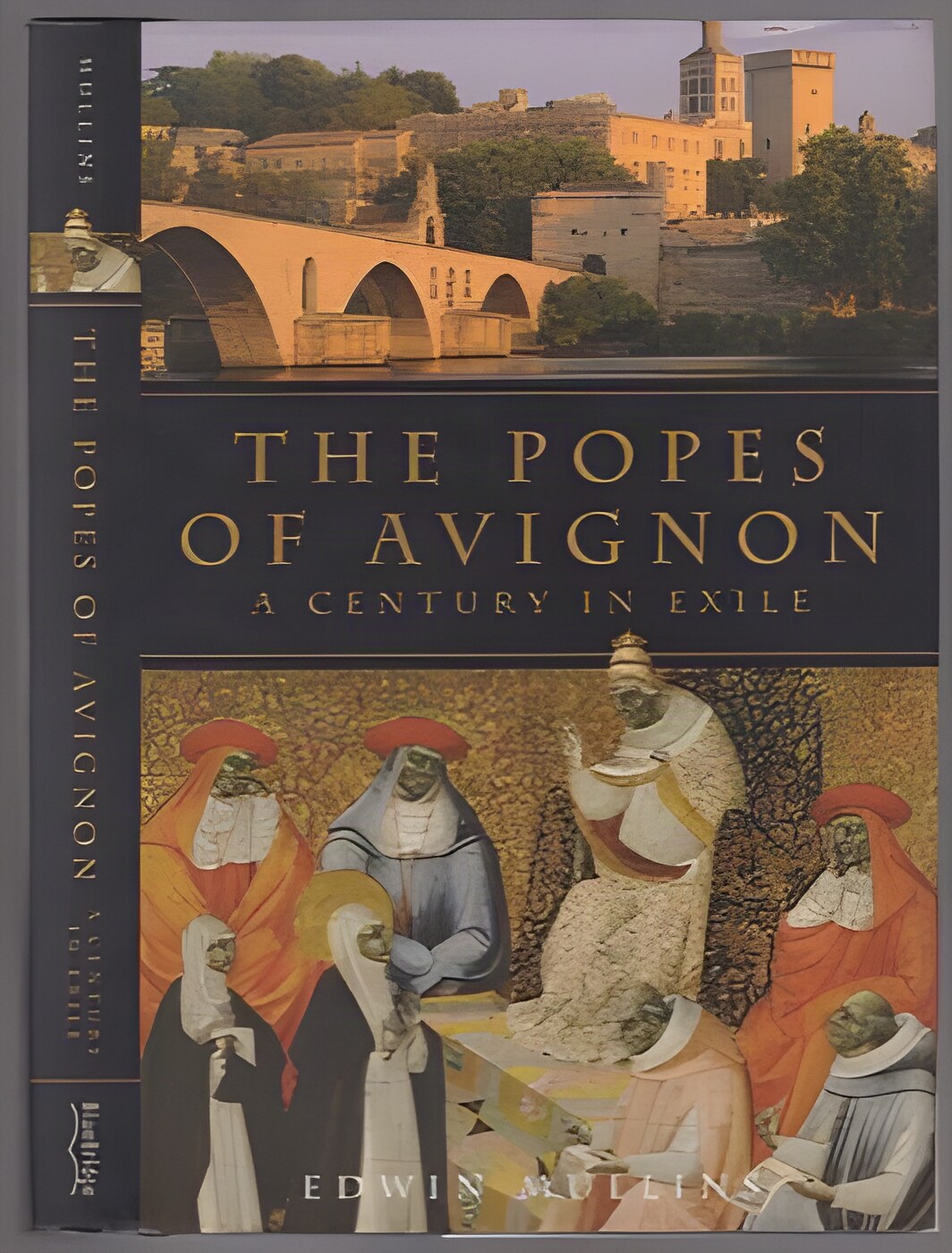
Hardcover. NY, BlueBridge, 1st US, 2008, Book: Very Good, Dust Jacket: Very Good, Hardcover in a bright dust jacket, 246 pages. This narrative history masterfully weaves together the sweeping events surrounding what has become known as the "Babylonian captivity" of the popes into the broader story of 14th-Century Europe?one of the most turbulent times in the continent's history. It was a time of fear, ferocity, and religious agony, which saw the suppression of the Knights Templar and the Cathars, the first onslaught of the plague, and the beginning of the Hundred Years' War. The century also produced some of the greatest writers and artists in the western tradition, including Giotto, Boccaccio, Petrarch, and Chaucer. Central to this period was the movement of the papal seat from Rome to Avignon in the south of France, where seven successive popes held power from 1309 to 1377. The drama, intrigue, and tumult associated with the papacy in exile forms the perfect lens through which to clearly see a Europe making the transition from the Middle Ages to the Renaissance. Clean copy.
Hardcover. NY, Pantheon Books, 1st, 1966, Book: Very Good, Dust Jacket: Good, Hardcover, 12th volume of the A.W. Mellon lectures in the fine arts. The Bollingen Series XXXV. Profusely illustrated with b/w plates. Arntzen calls this book `a good critical treatment of the development of the Renaissance portrait.' Light edgewear to dust jacket.

 "The Mississippi River in 1953: A Photographic Journey from the Headwaters to the Deltaby: Sharp, Charles Dee")
 "The Missouri River Journals of John James Audubonby: John James Audubon and Daniel Patterson")



 "The Painted Face: Portraits of Women in France, 1814-1914by: Tamar Garb")
 "The Painter")
 "The Passionate Collector: Eighty Years in the World of Artby: Neuberger, Roy/with Alfred and Roma Connable")


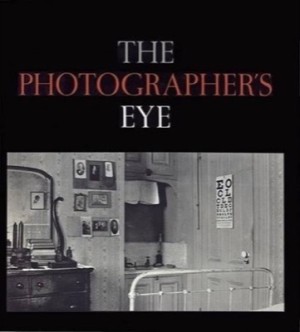
 "The Photographer's Eyeby: John Szarkowski")

 "The Place of the Stage: License, Play, and Power in Renaissance Englandby: Mullaney, Steven")