Softcover. NY, Princeton Architectural Press , 1st, 2010, Softcover, 224 pages. color illustrations throughout. It's a situation we are all acquainted with: planning to visit friends in an unfamiliar part of the city, you draw yourself arudimentary map with detailed directions. In March 2008, graphic designer Kris Harzinski founded the Hand Drawn Map Association in order to collect just such drawings of the everyday. Fascinated by these accidental records of a moment in time, he soon amassed a wide variety of maps, ranging from simple directions to fictional maps, to maps of unusual places, including examples drawn by well-known historical figures such as Abraham Lincoln, Ernest Shackleton, and Alexander Calder. From Here to There celebrates these ephemeral documents usually forgotten or tossed aside after having served their purpose giving them their due as artifacts representing stories from people's lives around the world. There is the young woman suffering from juvenile rheumatoid arthritis who created maps of the Humira injections on her stomach and thighs to help her remember the sites, and give them time to heal. Or the young boy who imagined a whole country for ants and put it to paper. Lucas from Australia drew an obsessively detailed map of his local traffic island, and a teenage girl contributed a map of her high school locker. Two American tourists got lost in the Bulgarian mountains following the hand drawn map of a local, and Britanny from Denmark drew directions to an animal rights protest in Copenhagen. The maps featured in From Here to There are as varied and touching as the stories they tell.
Softcover. San Francisco, COLOR, Chronicle Books, 1st, 1999, Book: Very Good, Dust Jacket: None, 173 pages. Softcover with light edge wear to paper wrappers. Color illustrations. Tight copy.
Softcover. San Francisco, COLOR, Chronicle Books, 1st, 1999, Book: Very Good, Dust Jacket: None, 173 pages. Softcover with light edge wear to paper wrappers. Color illustrations. Tight copy.
Softcover. NY, The Monacelli Press , 1st, 1997, Book: Very Good, Dust Jacket: Very Good, Softcover with plain white card covers covered in a pictorial dust jacket on heavy paper stock, 224 pages, b/w & color illustratios, large distinctive paperback with internal spire spine. Part experimental laboratory, part alternative institution, the Southern California Institute of Architecture (SCI-Arc) is one of the world's most vital and innovative schools. Known for its cutting-edge working methods and pioneering use of materials, SCI-Arc continues to revolutionize architecture, urbanism, design, research, and teaching through its remarkable work. This inventively designed and beautifully produced book brings together for the first time both built and theoretical projects -- previously unpublished recent work -- by SCI-Arc's celebrated faculty. Its members are a dynamic mix of architects, designers, theoreticians, and critics, echoing the rich environmental and cultural diversity of the surrounding Southern California region. Reflecting SCI-Arc's rigorous dedication to a working methodology, each project presented here reveals the ever-evolving design process itself. This analytical visual vocabulary combines sketches, study models, paintings, computer renderings, prototypes, and construction documents with explanatory illustrated texts by past and present faculty members. Mild wear to top of dj spine. Clean copy. DOMESTIC SHIPPING ONLY.
Softcover. London, Mitchell Beazley, reprint, 2004, Book: Very Good, Dust Jacket: None, Softcover, 144 pages, illustrated in color with almost 300 book jackets. In this revealing and highly entertaining look at the great book jackets of the 20th century from around the world, author Alan Powers tells the story of the book jacket from its early days, via the advent of the paperback, to the most eye-catching covers produced today. With over 300 illustrations, including first editions by famous artists, jackets by key designers and artists, groundbreaking series from major publishing houses, and classic pulp-fiction jackets, this unique and fascinating insight into the world of the front cover will appeal to anyone with a passion for books and graphic design.
Hardcover. NY, Wellfleet, 1st, 1990, Book: Very Good, Dust Jacket: Very Good, Hardcover, 144 pages. Offers a collection of fruit label art with a brief history of the industry and the lithographers who created the labels, and discusses the age, rarity, and quality of popular examples that are still available.
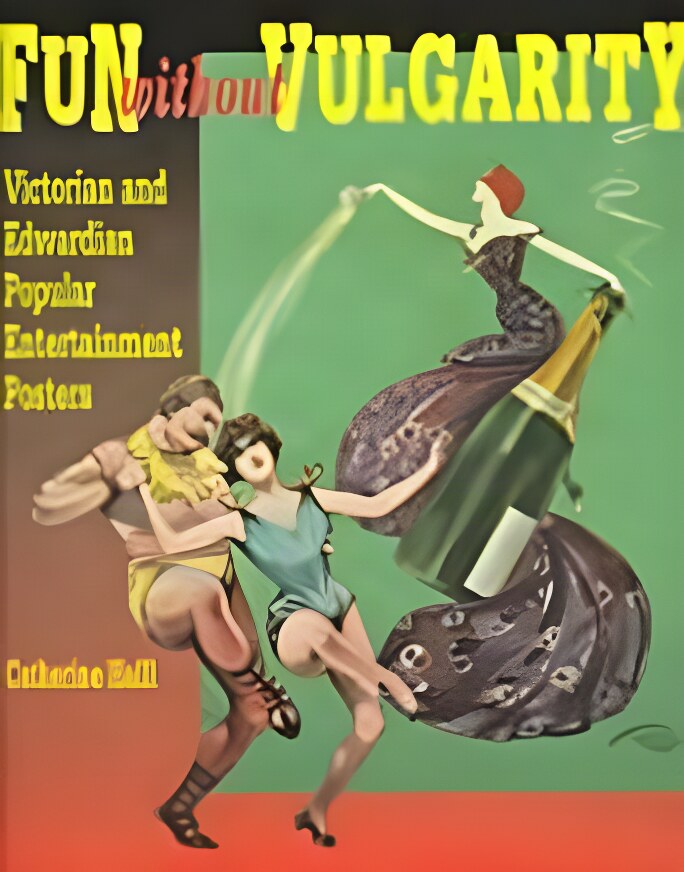
Softcover. London, Stationery Office, 1st, 1996, Book: Very Good, Dust Jacket: None, Softcover, unpaginated, 80 color pates of posters advertising theatre productions, circuses and sideshows, carnivals and vaudeville shows.
Softcover. US, PIE International, 1st, 2012, Book: Very Good, Dust Jacket: None, Softcover, Clean, unmarked copy with only minor wear to wrappers. Most of text in English and Japanese with portions in Japanese only. 256 pp. ; 200 color illustrations.
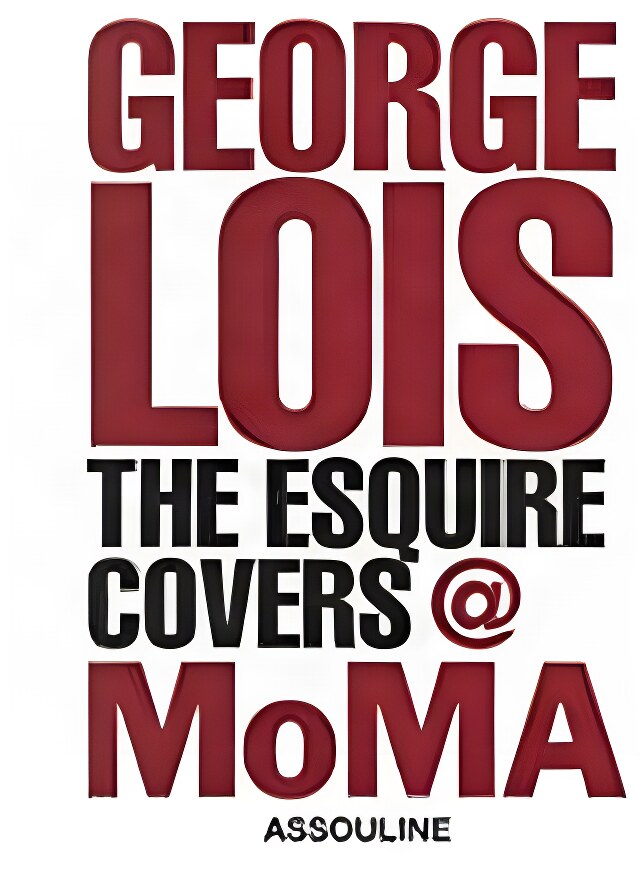
Hardcover. NY, Assouline Publishing , 1st, 2010, Book: Very Good, Dust Jacket: Very Good, Hardcover, 200 pages. In 2008, the Museum of Modern Art acquired a wide range of George Lois's groundbreaking Esquire magazine covers and put them on display for a full year. The Esquire Covers at MoMA collects the entirety of that exhibit, many more covers, and unseen images from Lois's private collection, including personal photographs of the designer at work and outtakes of a shoot with Andy Warhol. George Lois, who led advertising's creative revolution in the 1960s, was hand-picked by the legendary editor Harold Hayes to convey visually that Esquire--a leading proponent of another creative revolution of the time, New Journalism--was on the cutting edge of profound changes in American culture. With images of JFK, RFK, and Martin Luther King, Jr. watching over Arlington National Cemetery; of Richard Nixon under the makeup-artist's powder-puff; and of Muhammad Ali as the martyred Saint Sebastian, he did just that.
Hardcover. New York , Assouline Publishing, 1st, 2010, Book: Very Good, Dust Jacket: None, 200 pages, color illustrations. At the forefront of American advertising's creative revolution in the 1960s, George Lois was hand-picked by magazine editor Harold Hayes to visually convey that Esquire--a proponent of that era's New Journalism--was on the cutting edge of American culture. In 2008, New York City's Museum of Modern Art acquired a wide range of George Lois's groundbreaking, often controversial Esquire covers for its permanent collection. This fascinating catalogue presents the original exhibit, with additional covers and images from Lois's private collection, including photos of the designer at work and out-takes of the shoot that resulted in Andy Warhol "drowning" in one of his own tomato soup cans. Like new in publisher's shrink-wrap.
Hardcover. NY, Aperture, 1st, 2007, Book: Very Good, Dust Jacket: Very Good, Two hardcover volumes, 1200 pages. Gilbert & George are among the foremost artists of their generation. A collaborative team, they were early to explore performance as an art form, and early to explore the idea that every aspect of daily life could be classed as such. They were early to mingle photography and graphics in a style reminiscent of advertising, and early to address sexual identity in that work. In fact, they were early to do much that viewers now take for granted. Their work has been exhibited worldwide since the beginning of the 1970s, and is either unusually accessible or completely unpalatable, depending on the viewer's mindset. It has attracted both fierce controversy and enormous acclaim, including the 1986 Turner Prize and the U.K.'s slot at the 2005 Venice Biennale. At last, on the fortieth anniversary of their meeting (September 25, 1967, Saint Martin's, London) and on the eve of a major retrospective that will tour six venues around the world-including Tate Modern, the Brooklyn Museum, the Milwaukee Art Museum and the de Young Museum in San Francisco-here is a book that does justice to the scale, depth and ambition of their artistic achievement. Or rather, here are two books: designed and produced by the artists, this luxurious two-volume hardback set, which comes in a customized carrying case with handles, documents every picture the pair has created over the course of their 35-year career.With details and installation views of many significant pieces, it includes 1500 color illustrations. The Complete Pictures will be the most thorough and extensive publication on the artists' work ever assembled. Copublished with Tate Publishing, London.
Hardcover. NY, Workman Publishing, 1st, 2013, Book: Very Good, Dust Jacket: None, Pictorial boards, 150 pages illustrated in color. Design is all around you. And whether you realize it or not, you are already a designer. In Go, renowned graphic designer Chip Kidd explains not just the elements of design, including form, line, color, scale, typography, and more, but most important, how to use those elements in creative ways. Like putting the word "go" on a stop sign, Go is all about shaking things up. Kidd writes about scale: When a picture looks good small, don't stop there--see how it looks when it's really small. Or really big. He explains the difference between vertical lines and horizontal lines. The effect of cropping a picture to make it beautiful--or, cropping it even more to make it mysterious and compelling. How different colors signify different moods. The art of typography, including serifs and sans serifs, kerning and leading. The book ends with ten hands-on design projects for kids. Clean copy.
Softcover. Chicago, Good Taste Products, 2nd pr., 1993, Book: Very Good, Dust Jacket: None, 87 pages, softcover with color illustrated wrappers. B&w comic art by O'Connell. Attention cocktail crowd! Looking at Mitch O'Connell's illustrations is like appreciating a dry martini: clean, crisp, retro. And you can almost smell the hair spray from all those beehive hairdos in this book. Good Taste Gone Bad is a collection of the best O'Connell illustrations, designs and comics. Be hip. Buy this book.
Hardcover. NY, McGraw-Hill, 1st, 1970, Book: Very Good, Dust Jacket: None, Hardcover, 127 pages. Gold, red, green and black (old Lucky Strike colors) boards, no dust jacket. A history of cigarette smoking. Great photos of smoking in films, antique ads and packages, etc. Laid in are publicity photos of author and designer. Clean, bright copy.
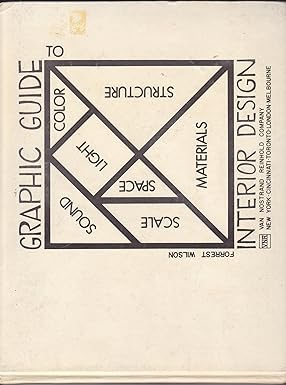
Softcover. Van Nostrand Reinhold , 1st, 1977, Book: Very Good, Dust Jacket: None, Softcover, oblong format, 128 pages, b&w illustrations. A instructive handbook that divides interior design into seven parts: space, scale, structure, materials, sound, light and color. Clean copy.
Hardcover. Atglen, PA, Schiffer Publishing, Ltd., 1st, 2001, Book: Very Good, Dust Jacket: Very Good, 160 pages. Hardcover with dust jacket. A very clean, unmarked copy with only minor wear to dust jacket edges. Color illustrations throughout. Herman Miller, the leader in modern twentieth-century furniture manufacture, was a totally design-oriented company. Known best for Eames and Nelson furniture designs, showrooms, and interiors, they also produced outstanding graphic design. Mid-century and later advertisements, drawings, brochures, catalogs, posters, and wall panels are shown in this visually exciting new book. Photos of award-winning and other graphic designs are all from the Herman Miller Archives. This beautiful book is a must for anyone with an interest in modern furniture, graphics, or twentieth century design in general.
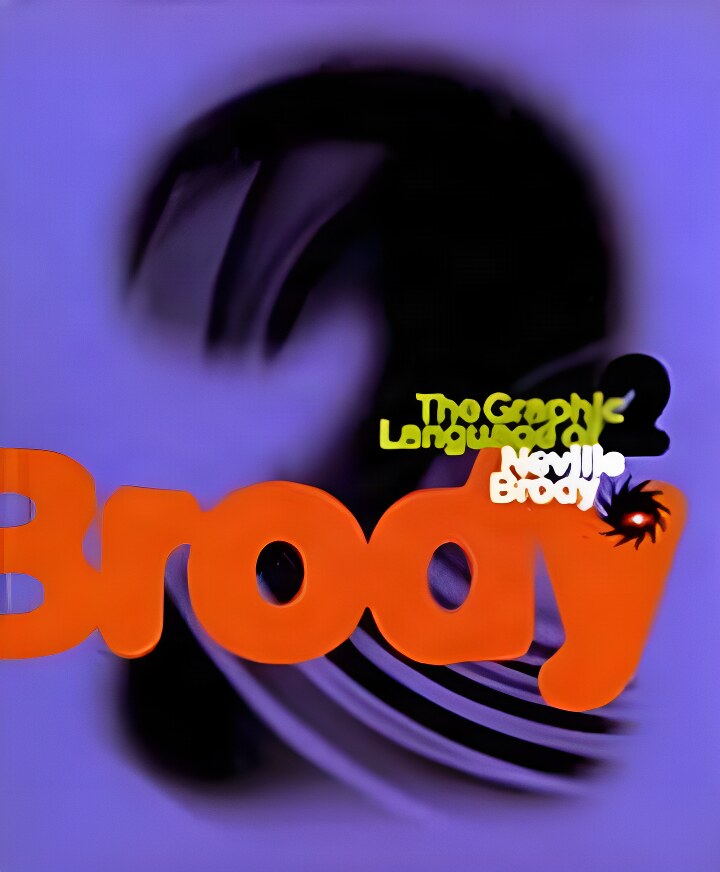
Softcover. New York, Universe, 1st pbk, July 15, 1996, Book: Very Good, Dust Jacket: None, Softcover, 175 pages, color illustrations. Light rubbing to wrappers. Else a very clean, tight copy. In this second collection of Brody's work, it presents to us his use of the computer and its influence on his design. While his older work was more conservative, yet still radical for its time, his recent work truly embraces the digital age.
Hardcover. University Park PA, Penn State University Press, 1st, 2015, Book: Very Good, Dust Jacket: Very Good, Hardcover, 272 pages. Graphic Passion recounts the publication history of nearly fifty books illustrated by Matisse, including masterworks such as Lettrew portugalises, Mallarme's Poisies and his own Jazz. A fantastic production executed with great care. Part of the Penn State series in the history of the book. From 1912 until his death in 1954, Matisse was involved in nearly fifty illustration projects, many of which rank among the greatest artists' books of the twentieth century. He directly participated in page layout, typography, lettering, ornament, cover design, and even the choice of text. Drawing on unpublished correspondence and business documents, this book pays scholarly attention to his illustration methods, typographic preferences, literary sensibilities, and opinions about the role of the artist in the publication process. Still in publisher's shrinkwrap.
Softcover. England, UK, FAB Press, 1st, 2015, Book: Very Good, Dust Jacket: None, 144 pages. Softcover. Very clean, unmarked copy with only minor edgwear to wrappers. Graphic Thrills Volume Two proudly assembles another stunning selection of debauched and innuendo-packed theatrical film posters, with glorious unabashed sexuality dripping from every page. These joyous and colourful odes to sultry sin were designed to hang in the lobbies and front windows of the porno theaters and grindhouses of yesteryear.
Hardcover. Graphis Press, 1st, 2002, Book: Very Good, Dust Jacket: Very Good, 256 pages, 250 color plates featuring the best poster art of the year from all over the world. Like new in publisher's shrinkwrap. Outstanding creative works by world-renowned designers, selected from thousands of entries and reproduced in full-color, large format reproductions. As a contemporary reference and source of inspiration for successful promotional graphic design, Poster Annual 2002 is conveniently organized into a range of client categories ? from sports, film, architecture, and fashion, to festivals, museums, retail, public service, competitions, and corporate communications. This edition features extensive captions, detailed indexes, and informative credits, making it a valuable resource for designers, art directors, and clients.
Softcover. Zurich, Graphis Press, 1st, 1976, Book: Very Good, Dust Jacket: None, English, German and French text. B&w and color illustrations. Very good. Swiss Posters 1976. Kodak Colour Calender Contest, 1977. Fred Otnes. 1.international Animated Film Festival in Ottawa. Trends in Jewellery Design in Europe.
Softcover. Zurich, Graphis Press, 1st, 1986, Book: Very Good, Dust Jacket: None, 84 pages. English, German and French text. B&w and color illustrations. Very good. International graphic design magazine based out of Switzerland. No longer in print. Cover illustration by Andrzej Dudzinski. In Graphis magazine Issue 242, you'll find articles on: IBM--Design, Business & Education, by Steven Heller; Fourth Colorado International Invitational Poster Exhibition, by Philip E. Risbeck, Fort Collins, Colorado; Conception and Design of the USA Annual Reports 1983/84, by Richard A. Lewis, New York.
Hardcover. New York , Grove Press, 1st, 1992, Book: Very Good, Dust Jacket: Very Good, Hardcover, introduction by Stephen King and personal reminiscences by Forrest J. Ackerman, Clive Barker, Robert Bloch, Ray Bradbury, Harlan Ellison and Peter Straub. This volume contains over 500 of the finest vintage film posters of the genres covering a span of nearly 75 years. In a bright dust jacket.
Softcover. San Francisco, Ten Speed Press, 1st, 2007, Book: Very Good, Dust Jacket: None, Softcover, 224 pages. Early in the 20th century, as Americans climbed into their Model-Ts and took to the open road, American manufacturers and retailers discovered miles and miles of new advertising space, and the audaciously oversized billboard was born. For a century, billboards have recruited, congratulated, teased, sold, and seduced us, promoting everything under the sun, from hosiery to war bonds, presidential candidates to rock shows. GREAT AMERICAN BILLBOARDS not only offers a lively look back at changing styles, products, and tastes, but is also an important visual record of this largely unheralded yet ubiquitous American art form.

 "From Here to There: A Curious Collection from the Hand Drawn Map Associationby: Kris Harzinski")

 "From Mother Goose To Dr. Seuss - Children's Book Covers 1860-1960by: Darling, Harold")

 "Front Cover: Great Book Jackets and Cover Designby: Powers, Alan")
 "Fruit Crate Artby: Davidson, Joe")
 "George Barbier: Master of Art Deco: Fashion, Illustration and Graphic Design(English and Japanese Edition)by: Unno, Hiroshi")
 "George Lois: The Esquire Coversby: Lois, George")
 "Gilbert & George: The Complete Pictures, 1971--2005 (2 Volumes)by: Gilbert & George (Artist), Rudi Fuchs (Contributor)")


 "Good Taste Gone Bad: The Art of Mitch O'Connellby: O'Connell, Mitch")

 "Graphic Herman Millerby: Pina, Leslie")
 "Graphic Passion: Matisse and the Book Arts by: Bidwell, John")
 "Graphic Thrills Volume Two: American XXX Movie Posters 1970 to 1985by: Bougie, Robin")
 "Graphis Poster Annual 2002by: Porciello (Ed.), Michael")
 "Graphis, No. 188, Volume 32by: Herdeg, Walter (Ed.)")
 "Graphis, No. 242, Volume 42by: Herdeg, Walter (Ed.)")
 "Graven Images: The Best of Horror, Fantasy, and Science-Fiction Film Art from the Collection of Ronald V. Borstby: Burns, Keith (Author, Editor)")
 "Great American Billboards: 100 Years of History by the Side of the Road by: Basten, Fred E.")