Hardcover. Taschen, 2nd Ed., 2012, Book: Very Good, Dust Jacket: None, Two white folio volumes in a slipcase, 559 pages, b&w illustrations (chiefly color). Vol. 1: Interviews. Bob Ciano ; Fred Cohen ; Michael Cuscuna -- Record covers. A-K by artist -- v. 2: Interviews. Rudy Van Gelder ; Ashley Kahn ; Creed Taylor -- Record covers. L to Z by artist. Vinyl mania: Jazz LP covers from the 1940s to 1990s. This volume features a broad selection of jazz record covers, from the 1940s through the decline of LP production in the early 1990s. Each cover is accompanied by a fact sheet listing performer and album name, art director, photographer, illustrator, year, label, and more.
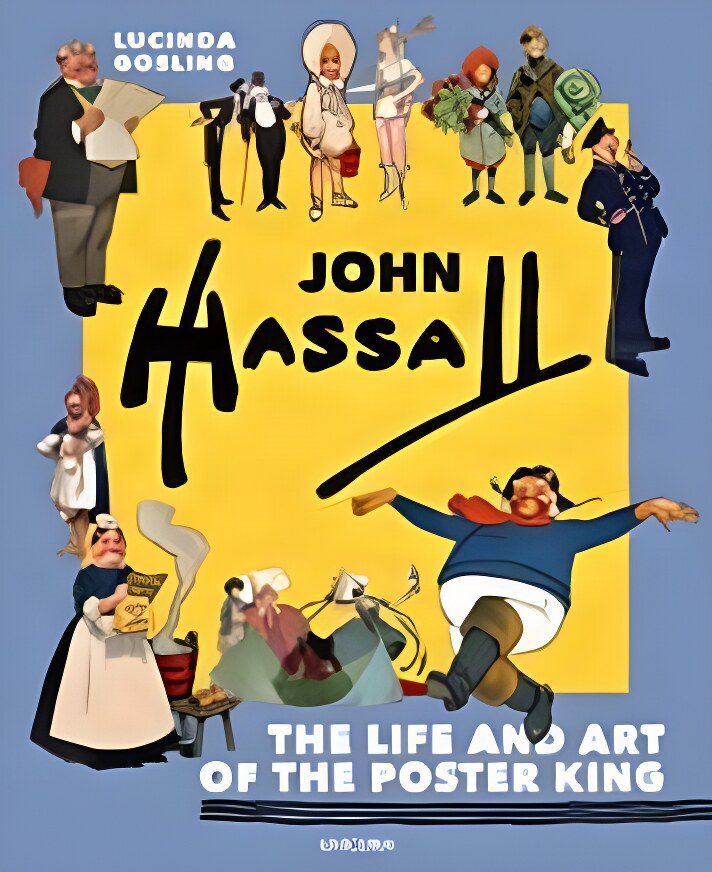
Hardcover. London, Unicorn Publishing Group , 1st, 2021, Book: Very Good, Dust Jacket: None, Hardcover, pictorial boards, 208 pages. A biography of British commercial illustrator John Hassall, "The Poster King," with one hundred color illustrations. In the early twentieth century, John Hassall (1868-1948) was one of Britain's best-known, highest-profile artists. Though he worked across a variety of disciplines, it was his commercial art for travel companies, political causes, and well-known brands that made him a household name. With bold lines, flat colors, and an engaging, cheery style, Hassall created some of the most famous and influential designs of the era. A century after his heyday, Lucinda Gosling presents an exploration of John Hassall's life, his art, and his legacy. Including photographs of his family and studio, the story behind his iconic "Jolly Fisherman" poster, and previously unpublished material from Hassall's archive at the University of Essex--including artwork, sketches, letters, diaries, and photographs--this is an unprecedented account of the artist's life and work.
Hardcover. New Haven, CT, Yale University Press, 1st, 2014, Book: Very Good, Dust Jacket: Very Good, 240 pages. Hardcover with dust jacket. Very clean, like new in publishers shrink-wrap. A tight copy. The American realist artist John Sloan is best known for his portrayals of daily life in early 20th-century New York and as a member of The Eight and the Ashcan School, alongside peers like Robert Henri, Everett Shinn, and George Luks. Sloan's artistic approach was shaped by his experience as a commercial illustrator, a type of work that inaugurated his professional career-at newspapers like the Philadelphia Press and later for mass-market magazines-and which he pursued even after he turned his focus to painting. In John Sloan: Drawing on Illustration, Michael Lobel explores the impact of Sloan's illustrating on his wider output, including his paintings, his drawings for the radical journal The Masses, and his response to the watershed 1913 Armory Show. Illuminating the interaction between art and popular culture, this book provides an important new framework for understanding the modern genre of illustration, and in so doing touches on major 20th-century currents, including the rise and expansion of the mass media and the visual legacy of European modernism.
Hardcover. New Haven, CT, Yale University Press, 1st, 2014, Book: Very Good, Dust Jacket: Very Good, 240 pages. Hardcover with dust jacket. Very clean, like new in publishers shrink-wrap. A tight copy. The American realist artist John Sloan is best known for his portrayals of daily life in early 20th-century New York and as a member of The Eight and the Ashcan School, alongside peers like Robert Henri, Everett Shinn, and George Luks. Sloan's artistic approach was shaped by his experience as a commercial illustrator, a type of work that inaugurated his professional career-at newspapers like the Philadelphia Press and later for mass-market magazines-and which he pursued even after he turned his focus to painting. In John Sloan: Drawing on Illustration, Michael Lobel explores the impact of Sloan's illustrating on his wider output, including his paintings, his drawings for the radical journal The Masses, and his response to the watershed 1913 Armory Show. Illuminating the interaction between art and popular culture, this book provides an important new framework for understanding the modern genre of illustration, and in so doing touches on major 20th-century currents, including the rise and expansion of the mass media and the visual legacy of European modernism.
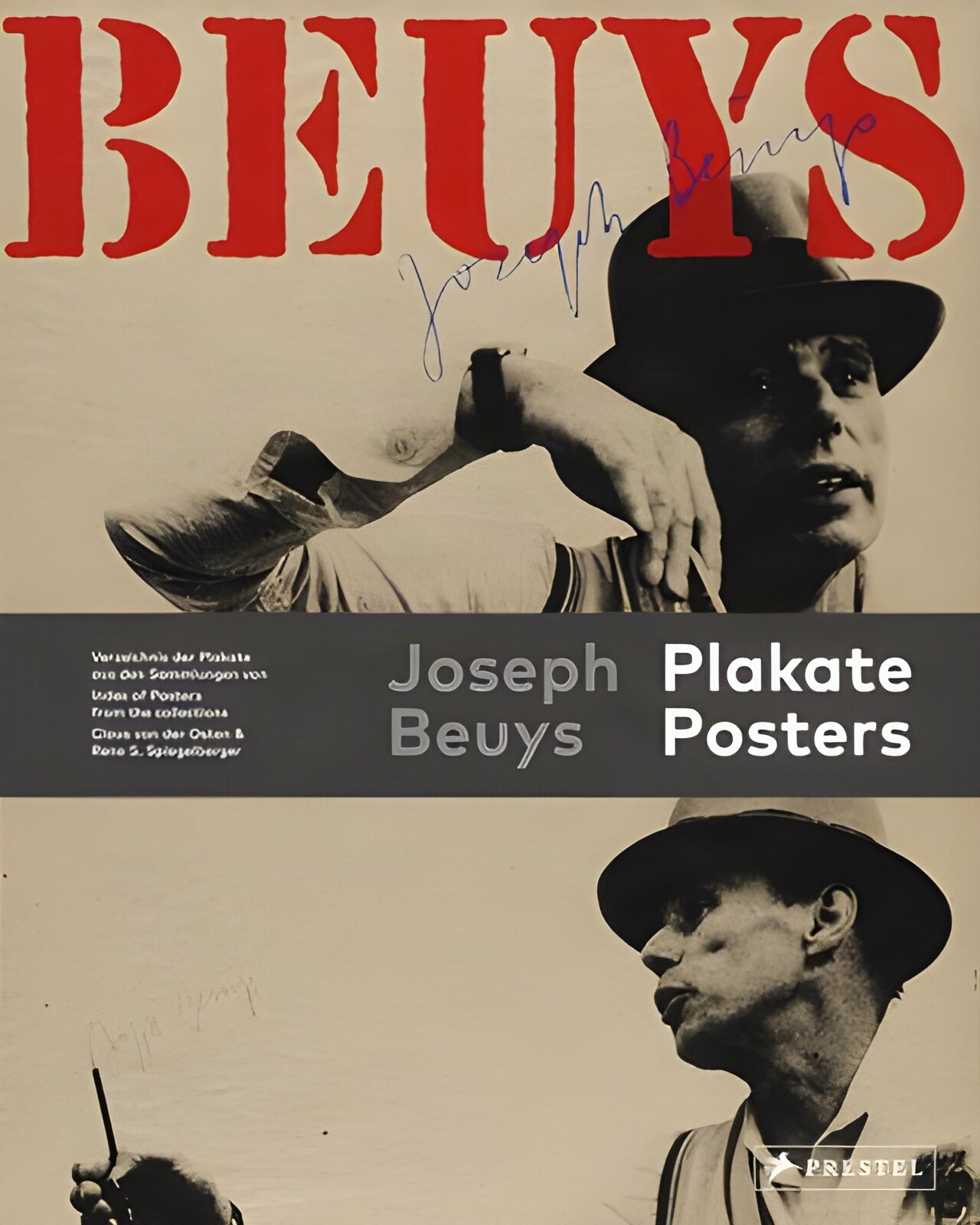
Hardcover. Munich/NJ, Prestel, 1st, 2021, Book: Very Good, Dust Jacket: Very Good, Hardcover in a bright dust jacket, 256 pages. One of the most important German postwar artists, Joseph Beuys is known for his drawings, performance art, activism, and teaching, influencing a generation of younger artists and expanding the concept of what art is. He had an ambitious goal for his art: to transform western culture into a more peaceful, democratic, and creative place. He also considered everyone to be an artist and that art and life should not be viewed separately. This book pulls together all of the avant-garde artist's posters from his entire oeuvre. His earliest posters often announced exhibitions of his own performance art, while later posters expressed his philosophical and political opinions, such as those for Germany's Green Party, which he was a founding member of. This book includes full page illustrations of Beuys' most important posters, essays about Beuys' influence, an extensive biography of the artist and a complete catalogue of all posters created under his guidance. Text in English and German. Still in publisher's shrinkwrap.
Softcover. New York , Abrams, 1st, 1998, Book: Very Good, Dust Jacket: None, Large softcover, 64 pages. 45 large color illustrations, very good+ paperback & cover This facsimile reproduces the look & feel of Cloin's art deco lithographs along with Georges Thenon's (aka Rip's) preface & Baker's own handwritten commentary. Clean, sharp copy.
Softcover. NY, Judge Publishing Co., 1928, Book: Good, Softcover, 32 pages. Color cover art by Jefferson Machamer, "The Dummy". Color ads for Fatima and Marlboro cigarettes. B/w cartoons by Gardner Rea, Suess, others. Small tan spot to bottom edge.
Hardcover. London, SelfMadeHero, 1st, 2018, Book: Very Good, Dust Jacket: None, Hardcover, pictorial boards, 128 pages. In the mid-1970s, Klimowski's fearlessly original artwork caught the eye of leading Polish theatre and film companies, for whom he designed some of the period's most influential and iconic posters. The London-born artist, who moved to Poland at a time when many East Europeans dreamed of going West, went on to create posters for works by filmmakers and playwrights from Scorsese to Altman, Beckett to Brecht. Drawing on folk art, Polish Surrealism and the work of his mentor at the Warsaw Academy, Henryk Tomaszewski, Klimowski uses techniques including photomontage and linocut to create posters that are filled with metaphor, drama and originality. The Klimowski Poster Book compiles the best of his Polish work, while also tracing his career after his return to London, where he remains Emeritus Professor of Illustration at the Royal College of Art. Clean, bright copy.
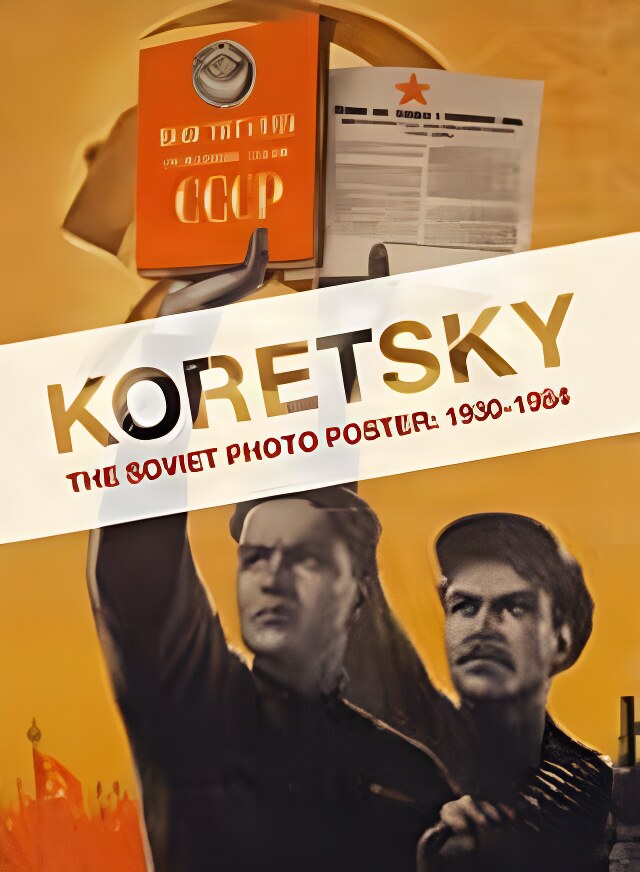
Hardcover. The New Press, 1st, 2012, Book: Very Good, Dust Jacket: Very Good, Hardcover, 448 pages. Viktor Koretsky (1909-1998) was a leading Soviet artist and the acknowledged master of the Soviet photographic poster. With a long and prolific career that spanned the early Stalin era through to the onset of Glasnost, Koretsky produced some of the most memorable images of World War II and the Cold War from the point of view of the USSR. The first comprehensive catalogue of Koretsky's work in any language, this stunning and richly illustrated album provides an essential introduction to the major examples of Koretsky's artistic output, including posters, original designs, and other political graphics. An introductory essay by noted art historian Erika Wolf provides a fascinating general overview of the Soviet political poster, situating Koretsky's work historically, politically, and artistically. The core of the volume is a series of two hundred full-color plates, each accompanied by a concise commentary that clarifies its significance; arranged chronologically, these works of political propaganda art brilliantly record the shifting political and artistic circumstances of the distinctive eras of their production&mdas;the first Five-Year Plan, World War II, Postwar Stalinism, the Thaw, the Brezhnev era, and the twilight of Soviet authoritarian culture. Richly annotated with related primary source quotations, a chronology, and a glossary of Soviet culture, Koretsky is a groundbreaking contribution to our understanding of this influential and little-understood artist.
Softcover. Seattle, WA, Fantagraphics, 1st, 2003, Book: Very Good, Dust Jacket: None, 120 pages. Light edgewear to wrappers. Color comics throughout. This volume finds Herriman flowering into the peak of his inventiveness, liberated at last from the constraints of his syndicate's chosen format. Gorgeous cartoons are augmented by rare bonus materials. This volume is one in a long-term plan to chronologically reprint the entirety of the 28-year run of Krazy Kat's breathtaking Sunday page, most of which has not seen print since originally running in newspapers 75 years ago. Each volume is painstakingly edited by the San Francisco Cartoon Art Museum's Bill Blackbeard, the world's foremost authority on early 20th Century American comic strips, and designed by Jimmy Corrigan author Chris Ware. In addition to the 104 full-page black-and-white Sunday strips from 1929 and 1930 (Herriman did not use color until 1935), the book includes an introduction by Blackbeard and reproductions of rare Herriman ephemera from Ware's own extensive collection, as well as annotations and other notes by Ware and Blackbeard.
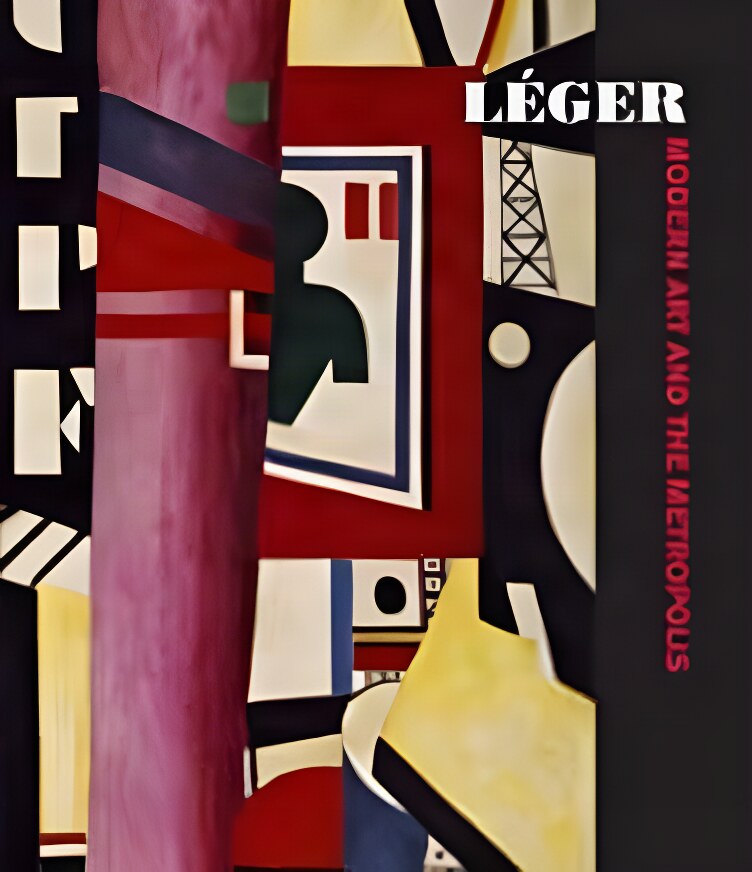
Hardcover. New Haven CT, Yale University Press, 1st, 2013, Book: Very Good, Dust Jacket: None, Hardcover, 292 pages. No dj issued. An insightful look at the dynamic relationship between modern art and modern urban life in 1920s Paris through the lens of Fernand Léger's masterpiece The City. With his landmark 1919 painting The City, Fernand Léger (1881-1955) inaugurated a vitally experimental decade during which he and others redefined the practice of painting in confrontation with the forms of cultural production that were central to urban life, ranging from graphic and advertising design to theater, dance, film, and architecture. This catalogue casts new light on the painting (reproducing all of its studies together for the first time), the avant-garde use of print media, and Léger's fascination with cinema and architecture, and contextualizes a network of international avant-gardes--including Blaise Cendrars, Le Corbusier, Jean Epstein, Piet Mondrian, Amédée Ozenfant, Francis Picabia, and Theo van Doesburg--in relation to Léger. Featuring nearly 250 images of paintings, architectural designs, models, posters, set designs, and film stills and an anthology of relevant historical texts not previously published in English, this handsome volume conveys the spirit of experimentation of the 1920s. Scholars in the fields of art, architecture, and film history offer a deeper understanding of the relationship between art and the modern urban experience that defined this significant chapter in the history of modern art.
Hardcover. New York, Calla Editions, 1st, 2018, Book: Very Good, Dust Jacket: Very Good, 208 pages. Hardcover with dust jacket. A very clean, unmarked copy with only minor wear to dust jacket edges. This deluxe large-format volume presents scores of sumptuous color illustrations from La Vie Parisienne's heyday, the years between 1917 and 1922. Consisting chiefly of cover designs and editorial cartoons, the images abound in chic young beauties in fanciful and occasionally risque tableaux. Many of these illustrations have not been readily available for nearly a century, making this compilation of particular interest and value to lovers of graphic art and Parisian culture.
Hardcover. East Petersburg PA, Fox Chapel Publishing, 1st, 2011, Book: Very Good, Dust Jacket: Very Good, Hardcover in a bright dust jacket. Cigar box labels in the late 19th and early 20th centuries were not only amusing and beautiful to admire, they were a testament to the printing process of chromolithography and an important precursor to today's methods of product advertising. Labeling America: Popular Culture on Cigar Box Labels showcases the unique collection of John Grossman which covers 90 years of cigar box labels and bands printed by four generations of George Schlegel Lithographers. What makes this archive unique is that the Schlegel Company kept meticulous sample albums and files showing an unbroken record of American graphic style evolution. The work of many other lithographers of that era either destroyed or irreversibly dispersed their work. Now housed at the Winterthur Museum in Delaware, the carefully cataloged Grossman collection gives a glimpse into life at the turn of the century, when over 5 billion cigars were being sold in the United States via boxes with colorful labels depicting everything from women, animals, and sports icons to actors, heroes, and political figures. This book takes these beautifully printed slices of American culture and combines them with the history of chromolithography into an interesting story of America's changing tastes. Clean, bright copy.
Hardcover. NY, W.W. Norton & Co., 1st, 1996, Book: Very Good, Dust Jacket: Very Good, Hardcover, 144 pages. Lester Beall, who died in 1969, was the first graphic designer to receive a one-man exhibit at the Museum of Modern Art (in 1937) and was awarded the 1993 Lifetime Achievement Award by the American Institute of Graphic Artists, a sign of his importance in American graphic design. In full color, this book documents the work of his pioneering 44-year career-advertising, corporate-identity programs, product styling, packaging, exhibits, murals, annual reports, posters, books, and magazines for a wide range of clients, including the U.S. government, the International Paper Company, Martin Marietta Corporation, and many others.
Softcover. San Francisco , Chronicle Books, 1st, 1992, Book: Very Good, Dust Jacket: None, 120 pages. Softcover. A very clean, unmarked copy with only minor edgewear. A history of American typography and graphic design throughout the industrial age. 200 color illustrations throughout.
Hardcover. New York, Van Nostrand Reinhold , 1st, 1969, Book: Very Good, Dust Jacket: Very Good, Hardcover, 174 pages. INSCRIBED BY AUTHOR ON TITLE PAGE. Yellow cloth covers, dark yellow dust jacket, 207 b&w illustrated figures. Light edgewear and rubbing to dust jacket, light edgewear to covers, pages crisp and unmarked, tight binding.
Hardcover. Springfield MA, The Linweave Association, 1st, 1934, Book: Good, Dust Jacket: None, Hardcover, light peach boards with a maroon cloth spine. A promotional piece for a paper company. Literary contributions by Dunsany, Masefield, Morley, Aiken and others. Color illustrations by T.M. Cleland, C.B. Falls, William Aylward, Richard Floethe, others. Boards with light soil, interior clean, bright.
Softcover. Burlington, VT, Lund Humphries , 1st, 2008, Book: Very Good, Dust Jacket: None, 240 pages. Softcover. A very clean, unmarked copy. Color illustrations throughout. London Transport Posters celebrates a century of outstanding graphic design commissioned by the Underground, London Transport, and its present-day successor, Transport for London. Drawing on newly researched sources in the archives of the London Transport Museum and Transport for London, the book discusses and illustrates the different styles and themes emerging from the posters over the last hundred years. It includes examples of over 250 posters from all periods and will be an invaluable reference book and visual resource for all those with an interest in 20th-century design.
Softcover. Berlin, Gestalten Verlag, 1st, 2006, Book: Very Good, Dust Jacket: None, Softcover, 208 pages. Like new in publishers shrink-wrap. This monograph features Jaybo's font designs, logos, record covers and examples of his work as the Art Director of the lifestyle magazine Style and the Family Tunes.
Softcover. Berlin, Gestalten Verlag, 1st, 2006, Book: Very Good, Dust Jacket: None, Softcover, 208 pages. Like new in publishers shrink-wrap. This monograph features Jaybo's font designs, logos, record covers and examples of his work as the Art Director of the lifestyle magazine Style and the Family Tunes.
Hardcover. Berkeley CA, University of California Press, 1st, 2008, Book: Very Good, Dust Jacket: None, Hardcover, 287 pages. Pictorial boards, no dust jacket issued. This beautifully illustrated book-the definitive volume on American sculptor Mark di Suvero-features more than two hundred images of his most important works, interspersed with short texts by the artist and by other writers who have inspired his art-making practice, plus a contribution by Francois Barre. Humanist in approach and populist in sensibility, di Suvero's sculpture is accessible, inviting, and inclusive. Praised in particular for his monumental assemblages incorporating steel and wood, di Suvero emerged as a superstar in the 1960s. He was the first living artist to show his sculpture at the Tuileries Gardens, Paris, and the first honored with three major exhibitions at Storm King Art Center. His distinctive, bold pieces can be found in museums and public collections all over the world, and he continues to be the subject of numerous exhibitions both in the United States and in Europe. Mark di Suvero: Dreambook is a celebration of his artistic oeuvre and of his long, distinguished career.
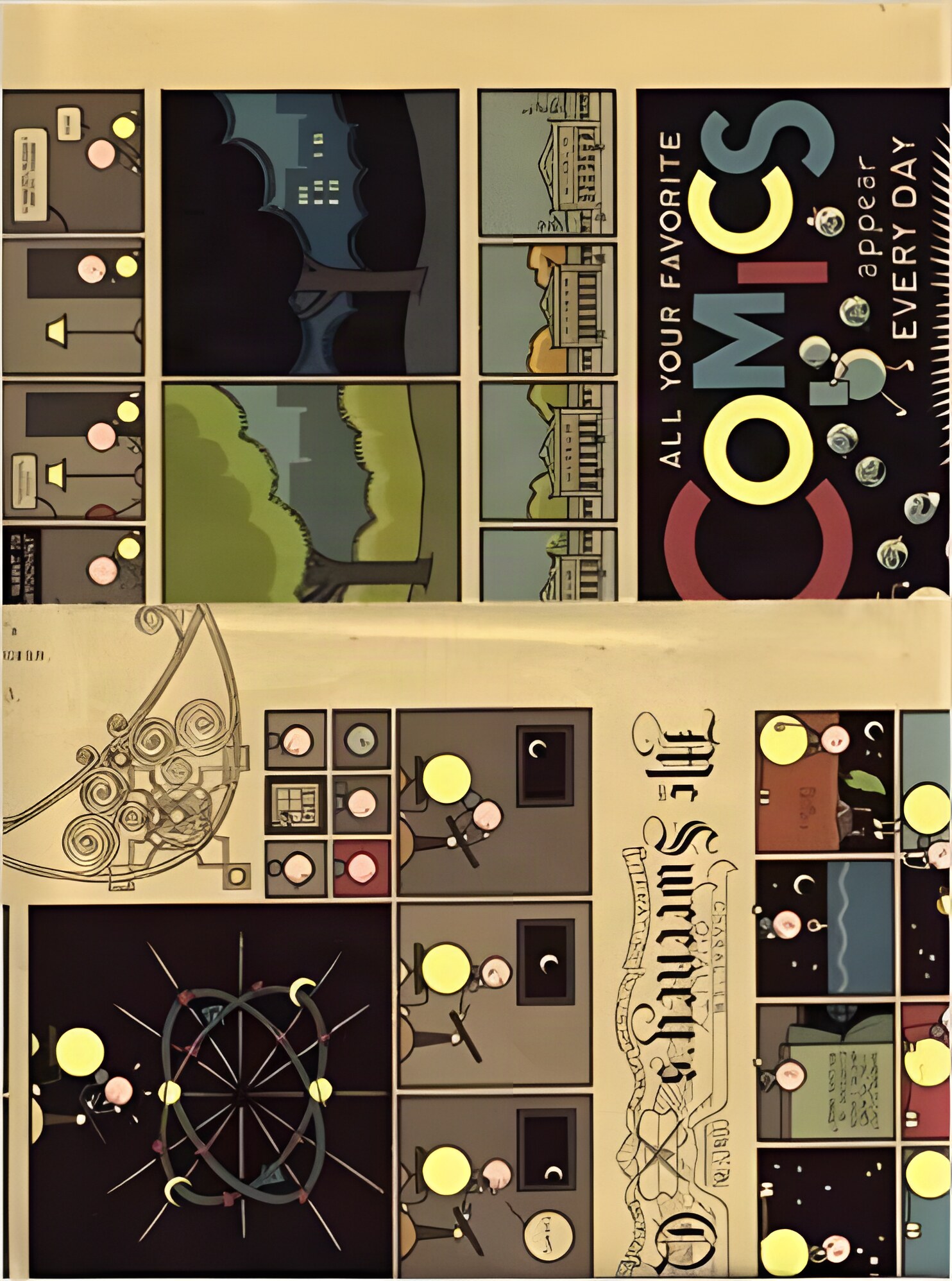
Hardcover. NY, McSweeney's, 1st, 2004, Book: Very Good, Dust Jacket: Very Good, Hardcover, 263 pages. Guest-editing Dave Eggers's literary journal, Jimmy Corrigan cartoonist Ware has assembled a beautifully designed anthology of contemporary art comics, with a few vintage treats thrown in, including an excerpt from "Obadiah Oldbuck"--an 1842 publication that's arguably the first American comic book--and a series of very rough sketches by Charles Schulz. A few pieces have recently been published elsewhere (including excerpts from Mark Beyer's loopy, design-heavy Amy and Jordan and Joe Sacco's comics essay on Sarajevo, The Fixer), but the book is a superb introduction to the best American cartoonists working today. Some of them, including Richard McGuire and Mark Newgarden, haven't published much since the heyday of RAW in the late 1980s and early '90s; others, like Lynda Barry and Jaime and Gilbert Hernandez, are prolific creators at the top of their form. As Ira Glass points out in his introduction, Ware seems to believe cartooning gets no respect at all, and his McSweeney's is a passionate defense of the medium. Ware has included work by artists with an impressively varied range of visual styles and narrative techniques. And Ware's own contribution is brilliant: the book's cover unfolds into a gigantic "comics supplement" of his bitter little cartoons, with extra, tiny comic books by Ron Rege Jr. and John Porcellino tucked into its folds.
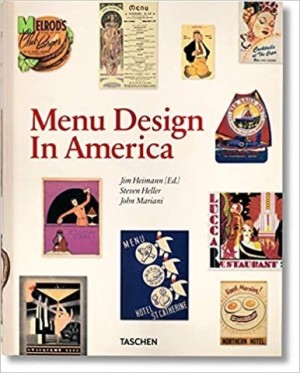
Hardcover. Taschen, 1st, 2011, Book: Very Good, Dust Jacket: None, Hardcover, 392 pages, 684 illustrations, 664 in color. Text in English, German and French. Large volume, pictorial covers, no dust jacket issued. Menu Design is an omnibus showcasing the best examples of this graphic art. With nearly 800 examples, illustrated in vibrant color, this deluxe volume not only showcases this extraordinary collection of paper ephemera but serves as a history of restaurants and dining out in America. An introduction on the history of menu design by graphic design writer Steven Heller and extended captions by culinary historian John Mariani accompany the menus throughout the book.
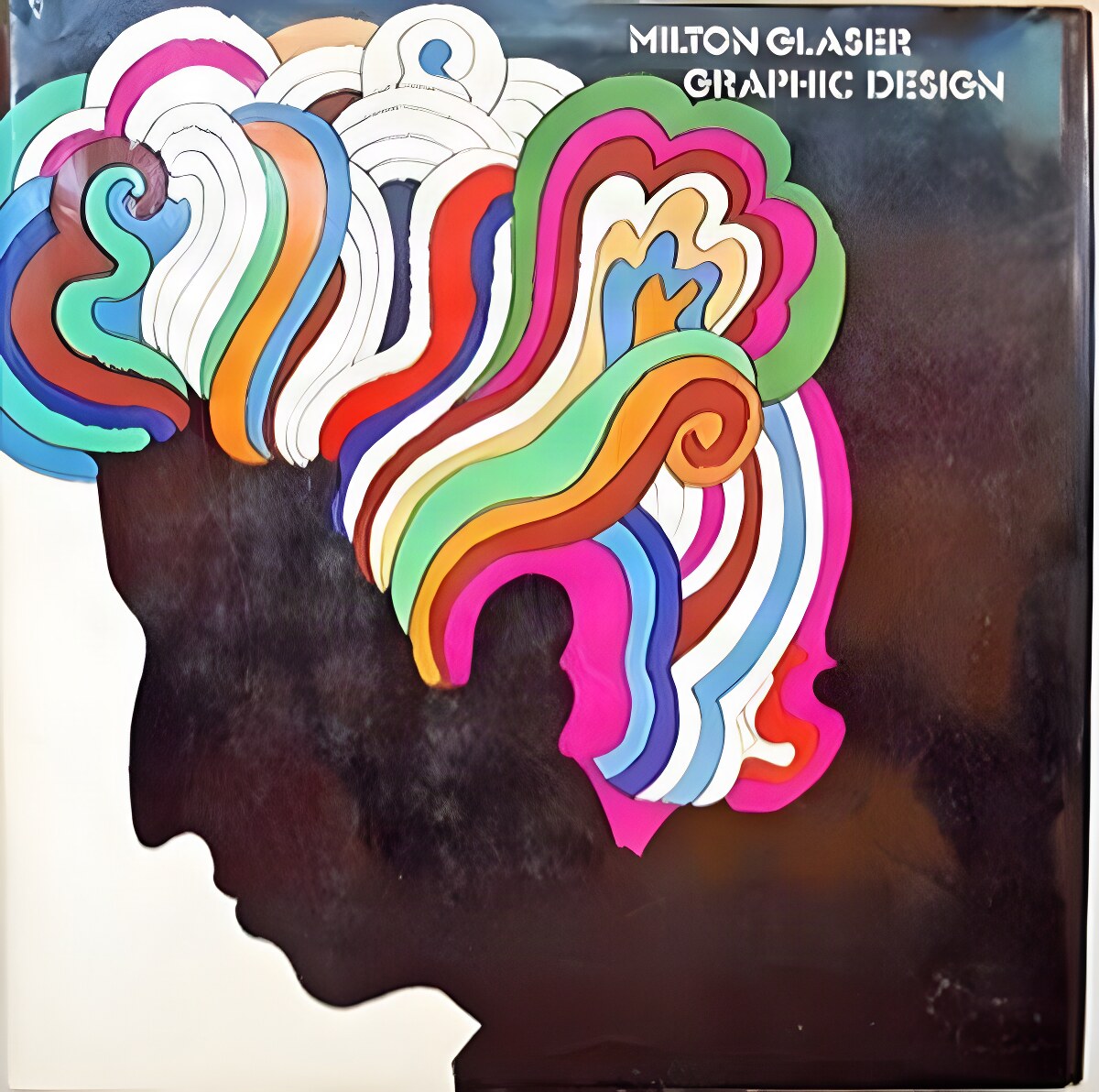
Hardcover. Woodstock NY, Overlook Press, 1st, 1973, Book: Very Good, Dust Jacket: Good, Hardcover in a lightly worn dust jacket with wear to extremities. 239 pages with 344 illustrations, 97 in color. This book explores the extraordinary achievement of America's pre-eminent graphic artist. Here Glaser undertakes not only a wide-ranging representation of his oeuvre but, in a personally revealing introduction, speaks of the influences on his work, the responsibilities of the artist, the hierarchies of the traditional art world, and the role of graphic design in the area of his creative growth. His work ranges from posters to book and record covers; from store and restaurant design to toy creations, magazine formats, and logotypes all of which define the look of the 1960s and 70s. Tape repair to reverse of dust jacket, no markings. DOMESTIC SHIPPING ONLY.

 "Jazz Coversby: Paulo, Joaquin and Julius Wiedemann (ed.)")
 "John Sloan: Drawing on Illustrationby: Lobel, Michael")
 "John Sloan: Drawing on Illustrationby: Lobel, Michael")


 "Josephine Baker And La Revue Negre: Paul Colin's Lithographs Of Le Tumulte Noir In Paris 1927 by: Colin Paul; Dalton Karen C. C.; Gates Henry Louis")
 "Judge Magazine: February 11 1928 - Bridge Numberby: N/A Jefferson Machamer (cover)")

 "Krazy & Ignatz 1929-1930: \"A Mice, A Brick, A Lovely Night\"by: Herriman, George/ Bill Blackbeard (Editor), Chris Ware (Cover Design)")
 "La Vie Parisienne: Covers and Cartoons, 1917-1922by: Herouard, Cheri")



 "Lester Beall: Trailblazer of American Graphic Designby: Remington, R. Roger")
 "Letterheads: 100 Years of Great Design 1850 - 1950by: Cabarga, Leslie")
 "Lettering (SIGNED COPY)by: Anderson, Charles R.")



 "London Transport Posters: A Century of Art and Design by: Bownes, David & Oliver Green")
![Lord of Mess: My Head Is a Visual Township [With CDROM]by: Jaybo](javascript:largeIMTop('https://www.browsingisarousing.com/shop/images/Lord-of-Mess-My-Head-Is-a-Visual-Township-With-CDROM_by_Jaybo350267-408234.jpg','https://www.browsingisarousing.com/shop/images/Lord-of-Mess-My-Head-Is-a-Visual-Township-With-CDROM_by_Jaybo350267-408234.jpg',0,'350267',0,'') "Lord of Mess: My Head Is a Visual Township [With CDROM]by: Jaybo")
![Lord of Mess: My Head Is a Visual Township [With CDROM]by: Jaybo](javascript:largeIMTop('https://www.browsingisarousing.com/shop/images/Lord-of-Mess-My-Head-Is-a-Visual-Township-With-CDROM_by_Jaybo350266-408233.jpg','https://www.browsingisarousing.com/shop/images/Lord-of-Mess-My-Head-Is-a-Visual-Township-With-CDROM_by_Jaybo350266-408233.jpg',0,'350266',0,'') "Lord of Mess: My Head Is a Visual Township [With CDROM]by: Jaybo")
 "Mark di Suvero: Dreambookby: Suvero/Francois Barr")