Hardcover. Hartford CT, Hartford Publishing Co., 1st, 1869, Book: Very Good, Dust Jacket: None, Hardcover, brown cloth with gilt lettering and design, embossed rules to covers. 524 pages. Detailed records of travel between the Mississippi River and the Pacific coast on the newly completed transcontinental railroad. Includes much information on the Mormons, Salt Lake City, Indians, gold mining, etc. 12 engraved plates and one map. Bookplate on inside front cover, light fading to spine gilt. Solid, clean copy.
Hardcover. New York, Rizzoli, 1st, 2006, Book: Very Good, Dust Jacket: Very Good, 275 pages, color illustrations throughout. In publisher's shrinkwrap. Owen Jones was, and still remains, a highly influential force in the world of architecture and design. His prolific and impressive work--captured here in its various stages through drawings, architectural plans, and photographs--is as current, imaginative, and important now as when it first emerged more than 125 years ago. Owen Jones: Design, Ornament, Architecture & Theory in an Age in Transition fills a serious gap in the history of Victorian design. In his early career Jones was recognized as an authority on Oriental design. In the 1850s he was commissioned to decorate the interior of Joseph Paxton's magnificent World's Fair Crystal Palace in London. Other signature projects include St. James' Hall, the Crystal Palace Bazaar, Osler's Glass Shop, and Eynsham Hall at Oxford. In 1856 he completed his monumental Grammar of Ornament, which remains one of the most influential works on design ever published and is a source for many artists and designers today. More than just an architect, Jones' skills were applied to designing interiors, books, textiles, furniture, and carpet. His philosophy can most accurately be expressed in his words, "Form without color is like a body without a soul."
Hardcover. New York, Rizzoli, 1st, 2006, Book: Very Good, Dust Jacket: Very Good, 275 pages, color illustrations throughout. In publisher's shrinkwrap. Owen Jones was, and still remains, a highly influential force in the world of architecture and design. His prolific and impressive work--captured here in its various stages through drawings, architectural plans, and photographs--is as current, imaginative, and important now as when it first emerged more than 125 years ago. Owen Jones: Design, Ornament, Architecture & Theory in an Age in Transition fills a serious gap in the history of Victorian design. In his early career Jones was recognized as an authority on Oriental design. In the 1850s he was commissioned to decorate the interior of Joseph Paxton's magnificent World's Fair Crystal Palace in London. Other signature projects include St. James' Hall, the Crystal Palace Bazaar, Osler's Glass Shop, and Eynsham Hall at Oxford. In 1856 he completed his monumental Grammar of Ornament, which remains one of the most influential works on design ever published and is a source for many artists and designers today. More than just an architect, Jones' skills were applied to designing interiors, books, textiles, furniture, and carpet. His philosophy can most accurately be expressed in his words, "Form without color is like a body without a soul."
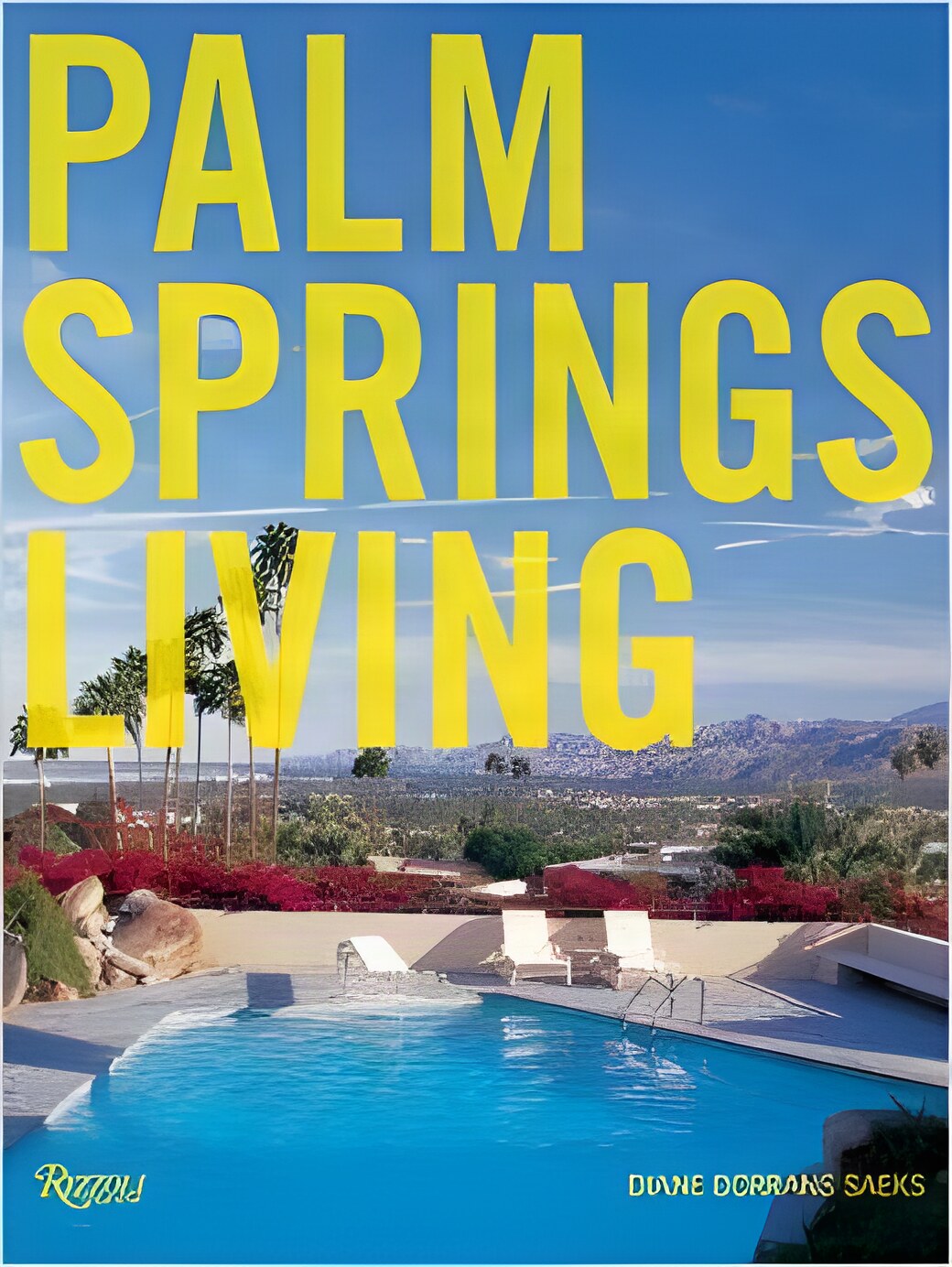
Hardcover. New York , Rizzoli, 1st, 2007, Book: Very Good, Dust Jacket: Very Good, Hardcover, 224 pages, color illustrations. Like new in publisher's shrink-wrap. Drawing from a rich and influential heritage that spans the 20th century, design in Palm Springs runs the gamut from Spanish hacienda-style architecture and interiors to classic mid-century constructions and contemporary experimentations. Its recent rediscovery by trend-setters like Tom Ford, Jonathan Adler, and Bruce Weber has made Palm Springs superhot again-as a destination and for design inspiration. This desert laboratory of avant-garde architecture, interior decorating, and freewheeling experimentation is now a focus for design and fashion fanatics around the world. Palm Springs Living showcases the inspiring, diverse range of exteriors and interiors in Palm Springs. Included are intimate peeks into the private homes of celebrity residents and brand-new photography of the legendary Modernist houses by Richard Neutra, Albert Frey, and many others.
Hardcover. London, B. T. Batsford Ltd., 1st, 1949, Book: Very Good, Dust Jacket: Good, 169 pages. Hardcover. Red cloth edition. Top edge stained red. Illustrated with 126 black & white photographs and a few in color. Previous owners name embossed at top of rear interior dust jacket flap. Dust jacket with darkening to spine, minor smudges at upper left corner - jacket now protected with clear plastic cover. Clean, tight copy.
Hardcover. NY, The Viking Press, 1st, 1936, Book: Good, Dust Jacket: None, Hardcover, bound in black cloth with design of a phoenix on the front cover. No dust jacket. First edition with Published in October 1936 on copyright page and no additional printings noted. Fading to the spine. 852 pages. A complete collection of D H Lawrence's unpublished essays. Discoloration to black cloth along bottom of front cover and spine, Interior is bright and clean.
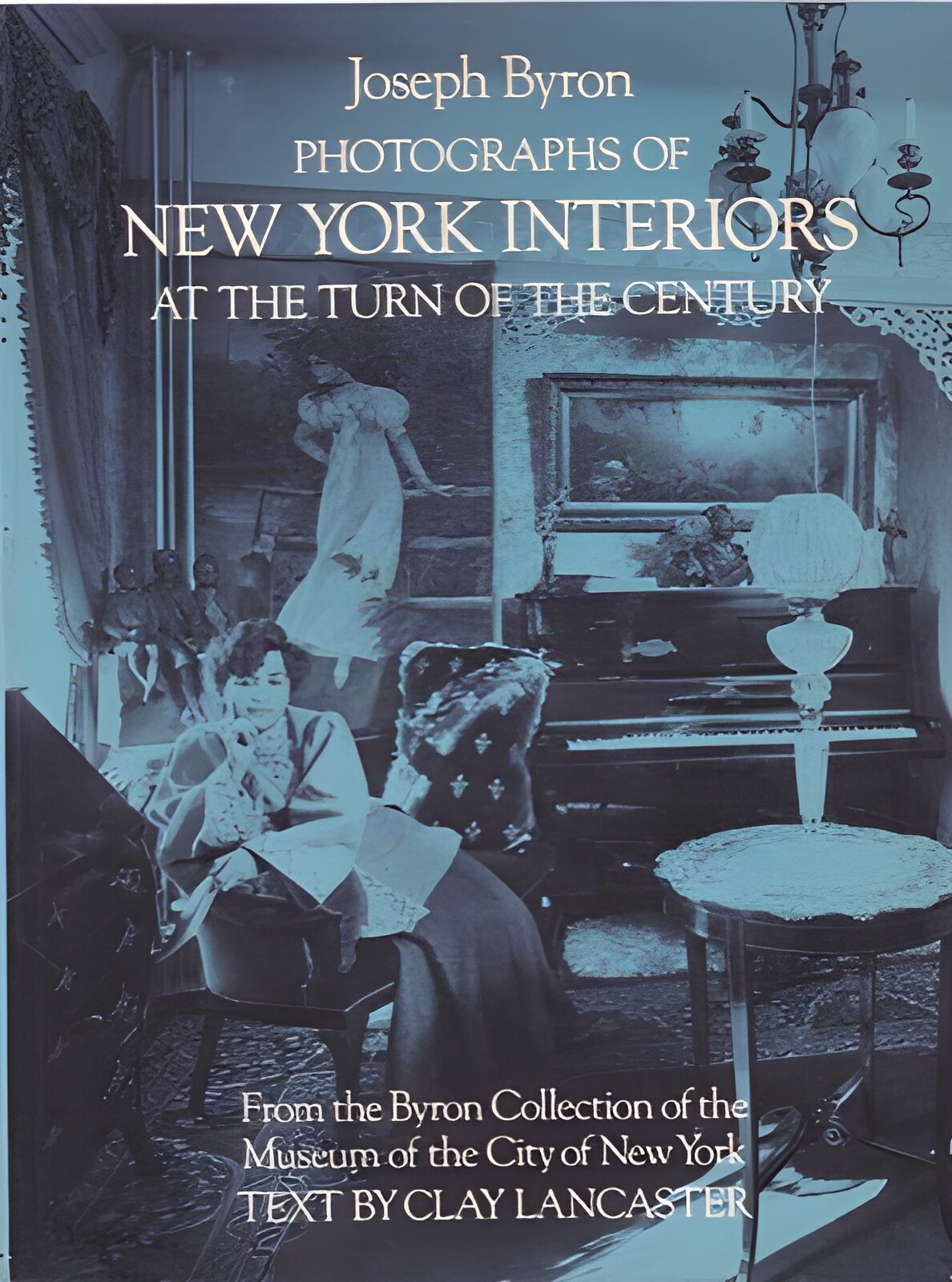
Softcover. NY, Dover, 1st, 1978, Book: Very Good, Dust Jacket: None, Softcover, 154 pages. 131 rare photographs capture some of the most remarkable Victorian-Edwardian interiors ever created. Extraordinary furnished drawing rooms, dining rooms, studies, libraries, bedrooms, music rooms, kitchens, and bathrooms in the homes of well-to-do New Yorkers recall turn-of-the-century charm. Text by Clay Lancaster. Clean copy.
Hardcover. Boston, James R. Osgood, 1st, 1882, Book: Good, Dust Jacket: None, Hardcover, 411 pages, illustrated with 192 line drawings. Original green cloth stamped in black and gilt. Cover design is bright, spine a little less so, with a touch of cardboard showing through cloth at bottom edge and corner. Front hinge partially cracked. Back cover with several small white spots. "Ladies Library Association #246" in ink on front fly leaf, contents page a little frayed on fore-edge. Interior pages clean, very good. This is the First Edition, second state. Copyright page states Franklin Press, corrected text on pages 124, 263 and 362.
Hardcover. NY, Assouline, 1st, 2005, Book: Very Good, Dust Jacket: Very Good, Hardcover, 189 pages. "Not only is Andree Putman a wizard of design; she is also a muse that inspires timelessness." Jack Lang, former French Minister of Culture. Andree Putman was first cut above the rest when, twenty years ago, she conceived the first boutique hotel, the Morgan. She was also the one to open a new path for modern design, reinstating the importance of such major designers as Eileen Gray, Robert Mallet Stevens, Mariano Fortuny, and Jean-Michel Frank, among informed professionals. Since then, Putman's eclecticism has led her to embrace projects as diverse as the Guggenheim Museum, the Azzedine Alaia boutique and Peter Greenaway movie sets. Today, the designer's elegant and bold style is known throughout the world, from Los Angeles to Shanghai, a city where she created numerous projects. Andree Putman Style is a journey into the world of an uncommon designer, one which acquaints the reader with the influences and taste that inspired this amazing woman.
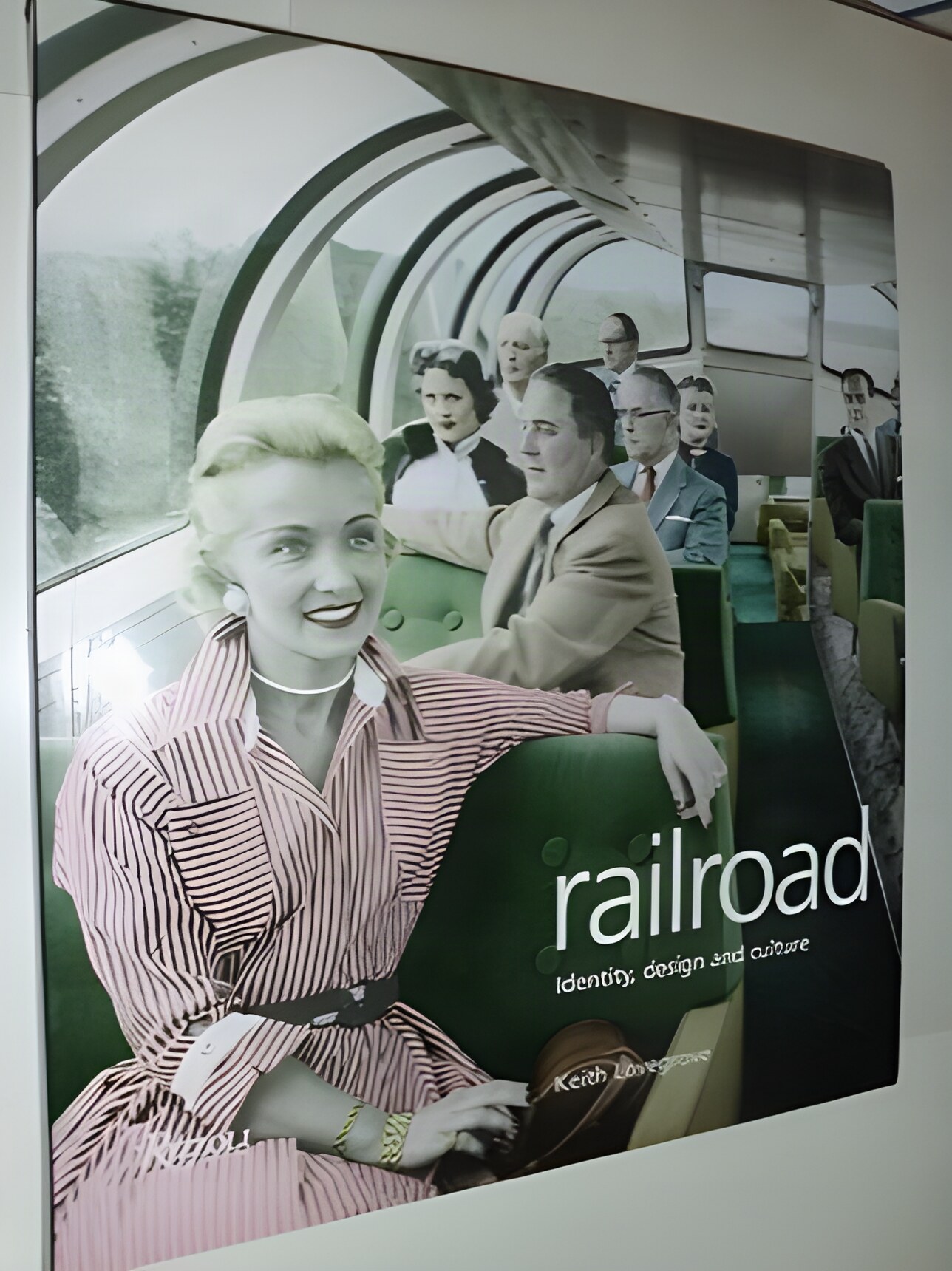
Softcover. NY, Rizzoli, 1st, 2005, Book: Very Good, Dust Jacket: None, Softcover, 160 pages, illustrated in color. Celebrating the culture and design of the railroad from its beginnings in the Industrial Revolution through its 20th-century heyday, Railroad is a loving tribute to the unique aesthetic of trains. With hundreds of archival and contemporary photographs, it examines the glamorous early days, when train travel meant sumptuous, luxurious interiors with formal black-tie dining cars and private sleeping-suite cabins, up to the present with the sleek, streamlined design and record-breaking speeds of modern trains around the globe. Touching on every aspect of railroad design, from the interiors and exteriors of the trains, to railroad stations, signage, and trestles and tunnels, Railroad also abounds in such train ephemera as tickets, conductor uniforms, timetables, and advertisements, and is sprinkled with trivia and anecdotes illuminating railroading's colorful history. As both harbinger of modern engineering and nostalgic symbol of an earlier age, the railroad continues to exert a fascination over all those interested in travel, engineering, and design. Clean, bright copy.
Hardcover. NY, Rizzoli, 1st, 2023, Book: Very Good, Dust Jacket: Very Good, Hardcover in a bright dust jacket. This special volume presents a visual timeline of Ralph Lauren's remarkable history as a lifestyle innovator. Lauren's unparalleled ability to seamlessly blend fashion and the home is illustrated with the groundbreaking designs and innovative use of materials that have distinguished the home collection since its inception in 1983: menswear-inspired Oxford Cloth bedding that required the creation of special looms and took two years to refine; the sleek RL-CF1 chair, crafted of carbon fiber and inspired by Lauren's McLaren F1 racecar; and an appreciation for a timeworn, weathered aesthetic, as exemplified in the iconic Writer's Chair with its hand-burnished leather and rich patina. Historic achievements such as the opening of his first New York City flagship on Madison Avenue - which invited guests to experience the complete World of Ralph Lauren in a residential environment - and his renowned restaurants that offer the epitome of gracious hospitality, demonstrate the magnitude of Ralph Lauren's influence on the worlds of lifestyle design and hospitality. The timeline is complete with quotes from distinguished members of the design world and prominent figures of our culture including Oprah Winfrey, Hillary Rodham Clinton, and architecture critic Paul Goldberger. Ralph Lauren's signature ability to create transportive environments begins with his private homes that inspire his iconic lifestyle collections. Ralph Lauren: A Way of Living offers an in-depth look at all the places Lauren calls home, from a sprawling ranch in Colorado and an island retreat in Jamaica, to a Fifth Avenue penthouse overlooking Manhattan's Central Park, a seaside home in Montauk and a country estate in Bedford. Lauren's homes are deeply personal expressions of his vision for living; captivating imagery is complemented by essays and descriptions written in his own words that intimately express the meaning of home and share inspiration and anecdotes for each residence. The photos of Lauren's captivating homes are followed by a celebration of Ralph Lauren Home's lifestyle collections - cinematic worlds that are brought to life with iconic imagery showcasing Lauren's pioneering lifestyle approach and all-encompassing home collection. DUE TO WEIGHT. DOMESTIC SHIPPING ONLY.
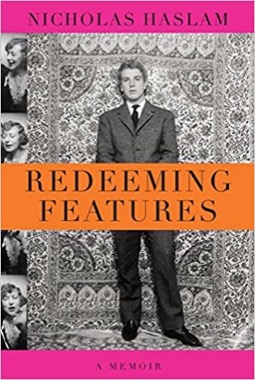
Hardcover. NY, Knopf, 1st, 2009, Book: Very Good, Dust Jacket: Very Good, Hardcover, 352 pages. In this chatty, self-absorbed memoir told with a hefty dose of name-dropping and a devout reverence for fame and fortune, British interior decorator Haslam proudly reveals his intimate connections with many members of British and American high society from the 1950s to the present, from his distant relation to Princess Diana to his brief but adoring encounters with Tallulah Bankhead, Mick Jagger, the Beatles, Joan Crawford, and many more. Indeed his busy social life started young; for most of the first hundred pages he is a fairly wide-eyed ingenue at Eton, followed by stints in London, New York, California, and back to London as a magazine editor, interior designer, and columnist. His has been a life where everyone and everything is darling and divine; in his world, elevator doors open to reveal Salvador Dali, and Andy Warhol is a frequent and amusing dinner companion. While claiming to be telling all, Haslam hides most of what makes many memoirs truly personal and affecting; in exchange readers get a chance to feel as if they are on a first-name basis with the stars. His superficial obsession with high society is, still, highly entertaining and refreshingly honest, and will delight those who travel in international circles of design and fashion.
Hardcover. NY, Flammarion, 1st, 2004, Book: Very Good, Dust Jacket: Very Good, Hardcover, 224 pages, color and b&w illustrations. Rene Herbst's enduring furniture designs provide fundamental lessons for today's interior designers. A staunch modernist, Herbst was a founding member and later president of the Union des artistes modernes (UAM) in France, which sought to make domestic comfort accessible to all, regardless of class. The diversity of his work is testament to his prolific and creative output, and his design is marked by its simplicity and functionality. The French architect turned designer was nicknamed the "man of steel" because he pioneered the use of the material for furniture years before mass production on a large scale was possible. In 1929 he created several versions of his celebrated Sandow Chair, which ignited his research into serial production and inaugurated the era of mass production. This book presents a selection of the best works from the Herbst Collection held by the library of the Musee des Arts decoratifs in Paris, and demonstrates how Herbst was the catalyst of a new style of living that spurred the birth of modernity.
Hardcover. London, Laurence King Publishers, 1st, 2008, Book: Very Good, Dust Jacket: None, Hardcover, 192 pages. A pictorial tour of unique loos of the world. No dj issued.
Hardcover. Hatje Cantz, 1st, 2019, Book: Very Good, Dust Jacket: None, Hardcover, pictorial boards, 304 pages illustrated in b&w and color. At the first mention of his name, one can easily picture them: light-flooded bungalows that are lavishly composed into nature and that characterize the architectural style of the American West Coast surrounding Los Angeles. But it is sometime overlooked that the career of Richard Neutra (1892-1970) began in Berlin-Zehlendorf. And yet these houses in Zehlendorf represent a fascinating phase in Neutra's work. With their complex color schemes and extravagant interior design, they reveal themselves to be more than just an experimental and radically innovative design. Indeed, these lesser-known aspects already hint at elements that will be taken up again in future projects. The present publication finally provides for a rightful appreciation of Neutra's early works and, alongside historical sources, it collects countless new and unpublished documents about the houses and their first residents. Clean, still in publisher's shrink wrap.
Hardcover. New York, Rizzoli, 1st, 2006, Book: Very Good, Dust Jacket: Very Good, 262 pages. Hardcover with dust jacket. Sunfading to spine. Minor soiling to dust jacket. An otherwise very clean, unmarked copy with only minor edgewear. Rooms celebrates some of the most luxurious and bold interiors around the globe and the creative sensibilities of the people who inspired them. Beautifully presented through the sumptuous photography of Derry Moore, the 12th Earl of Drogheda, who has photographed some of the world's most spectacular houses as well as some of the most notable personalities in their homes, this lavish publication captures the dramatic spirit of such vivid figures as famed early twentieth-century interior designer Elsie de Wolfe, contemporary design legend Renzo Mongiardino, and the legendary decorator Nancy Lancaster. Moore revolutionized interior photography with his technical acuity, his keen aesthetic eye and his impeccably good taste. This vision culminated in an inspired collaboration with Joseph Holtzman, founding editor in chief and art director of the celebrated and controversial magazine Nest, and one of the great tastemakers of our age. This long-awaited book features a remarkable array of spectacular interiors, ranging from Charleston, the famed haunt of the Bloomsbury group, to India's Falaknuma Palace, Pauline de Rothschild's London residence, and Chatsworth Hall, Derbyshire, the grandest of English country houses.
Hardcover. NY, John Wiley and Sons, 1st, 1908, Book: Very Good, Dust Jacket: None, Hardcover, dark blue cloth with gilt lettering on spine, 235 pages plus publisher's ads. Many b&w illustrations. A comprehensive guide to the design, construction, and maintenance of sewer systems. It covers a wide range of topics related to sewer construction, including the different types of sewers, materials used in construction, and the various methods of laying pipes. The book also provides detailed information on the planning and design of sewer systems, including the calculation of sewer capacity and the selection of appropriate materials. Additionally, Sewer Construction includes chapters on the construction of manholes, the installation of pumping stations, and the maintenance of sewer systems. The book is intended for engineers, contractors, and anyone involved in the construction or maintenance of sewer systems. Light shelf wear, previous owner's name on blank prelim page and fore-edge of text block. Interior clean, tight copy.
Hardcover. Cologne GR, Taschen, 1st, 2007, Book: Very Good, Dust Jacket: Very Good, Hardcover in a bright dust jacket, 245 pages, illustrated in color and b&w. An extensive collection of hand-illustrated shop window designs from 1938 to 1950. These spectacular, often grandiose plans for grocery stores, shoe shops, beauty salons, bakeries, and more are reminders of a time when stores were sacred shrines for the congregation of American shoppers - impressive and even slightly intimidating, just like the future itself.
Softcover. Switzerland, Parkett Verlag, 1st, 2010, Book: Very Good, Dust Jacket: Very Good, Heavy paper covers in a bright color dust jacket. 209 pages, color and b&w illustrations, bilingual text - German and English. Sigmar Polke (born 1941) recently completed a series of 12 windows for the Grossmunster cathedral in Zurich, setting new standards for the mutual relationship between art and church. One group of seven Romanesque windows shows luminous mosaics of thinly sliced agate, some of it artificially colored, to produce pulsating blocks of back-lit color. Says Marina Warner, "The interior of rocks opens not only on unexpected colors... on once imprisoned now scintillating rays and gleams, but it also tunnels into the past, into the distant past of geological and cosmological millennia." For the remaining five windows, Polke designed images of figures from the Old Testament, based on medieval illuminations, which have themselves undergone transformation in the course of their long journey through time. Polke's figures now appear as radiantly contemporary icons created in colored glass, using a variety of traditional and customized techniques devised especially for this project. Minor wear to dj, lacks blue wrap-around band with title, clean copy.
Hardcover. Hoboken NJ, John Wiley & Sons, 1st, 2007, Book: Very Good, Dust Jacket: None, Hardcover, glossy pictorial boards, 210 pages illustrated in color and b&w. Utilizing a cross-disciplinary approach that makes the information relevant to architects, interior designers, landscape architects, graphic designers, and industrial engineers alike, this book arms you with the skills needed to apply a standard, proven design process to large and small projects in an efficient and systematic manner. Clean copy.
Hardcover. New York, John S. Taylor, 2nd pr., 1837, Book: Good, Dust Jacket: None, Hardcover, leather bound with gilt design on front and rear covers, spine also with gilt design with the title Cabinet of Freedom (the series under which the publisher issued this narrative). 517 pages with an extra illustrated title page dated 1836, the regular title page dated 1837. All edges gilt. First published by John Shugert in Lewistown PA a year earlier. Written with the help of Isaac Fisher, a white Philadelphia lawyer, who declares in his preface that he has edited the oral narrative Ball had dictated to him to omit any beliefs or feelings Ball may have expressed about slavery. This declaration of significant editing has led scholars to debate the authenticity of Ball's narrative, but most agree that it represents a true story. Ball describes his experiences as a slave, including the uncertainty of slave life and the ways in which the slaves are forced to suffer harsh and inhumane conditions. In particular, he recounts the qualities of his various masters, and the ways in which his fortune depended on their temperament. The leather has separated from the spine of the book but appears to be very repairable. The first 3 pages loose (a blank leaf and the two title pages), there is a light stain to the illustrated one and light foxing. The interior of the book is clean, tight with minimal foxing throughout.
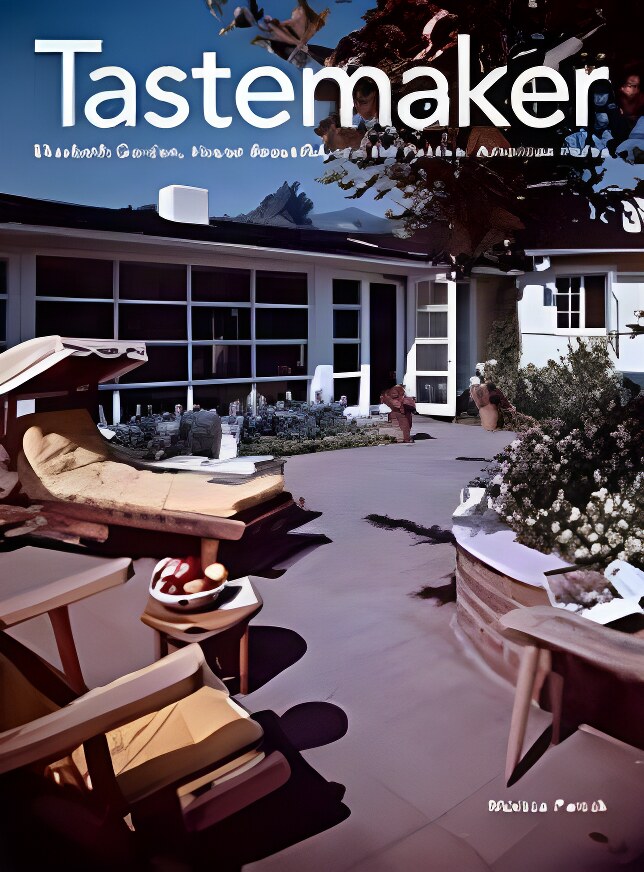
Hardcover. New Haven CT, Yale University Press, 1st, 2017, Book: Very Good, Dust Jacket: Very Good, Hardcover, 260 pages, in a bright, unclipped dust jacket. A riveting and superbly illustrated account of the enigmatic House Beautiful editor's profound influence on mid-century American taste From 1941 to 1964, House Beautiful magazine's crusading editor-in-chief Elizabeth Gordon introduced and promoted her vision of "good design" and "better living" to an extensive middle-class American readership. Her innovative magazine-sponsored initiatives, including House Beautiful's Pace Setter House Program and the Climate Control Project, popularized a "livable" and decidedly American version of postwar modern architecture. Gordon's devotion to what she called the American Style attracted the attention of Frank Lloyd Wright, who became her ally and collaborator. Gordon's editorial programs reshaped ideas about American living and, by extension, what consumers bought, what designers made, and what manufacturers brought to market. This incisive assessment of Gordon's influence as an editor, critic, and arbiter of domestic taste reflects more broadly on the cultures of consumption and identity in postwar America. Nearly 200 images are featured, including work by Ezra Stoller, Maynard Parker, and Julius Shulman. This important book champions an often-neglected source--the consumer magazine--as a key tool for deepening our understanding of mid-century architecture and design.
Hardcover. New York, D. Appleton, 1st, 1895, Book: Very Good, Dust Jacket: None, 2 Volumes. Elephant Folios. 3/4 leather. Raised bands on spines. Titles in gilt. Designed by Stanford White, a.e.g. with marbled end papers. Set is 16 5/8 inches tall. Profusely illustrated with textual illustrations with fifty photogravures in color on heavy stock. There are also one hundred and twenty full-page typogravures in black and white. One plate with chipped edges - E. L. Weeks - "Three Beggars of Cordova". Rubbing to corner covers and along spines. Interiors clean and unmarked. Both volumes Very Good. Combined volumes weigh approximately 30 lbs - please contact us concerning shipping costs.
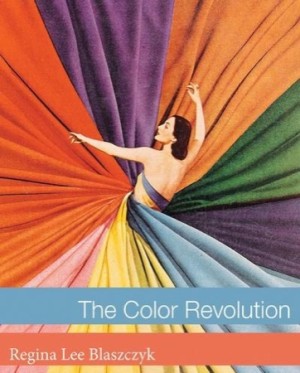
Hardcover. Cambridge MA, The MIT Press, 1st, 2012, Book: Very Good, Dust Jacket: Very Good, Hardcover in a bright dust jacket In this book, 380 pages, illustrated in color. The award-winning historian Regina Lee Blaszczyk traces the relationship of color and commerce, from haute couture to automobile showrooms to interior design, describing the often unrecognized role of the color profession in consumer culture. Blaszczyk examines the evolution of the color progression from 1850 to 1970, telling the stories of innovators who managed the color cornucopia that modern artificial dyes and pigments made possible. These color stylists, color forecasters, and color engineers helped corporations understand the art of illusion and the psychology of color. Clean copy.

 "Our New West. Records of Travel Between The Mississippi River and the Pacific Ocean. Over the Plains Over the Mountains Through the Great Interior Basin Over the Sierra Nevadas To and Up and Down the Pacific Coast... Including a full")
 "Owen Jones: Design, Ornament, Architecture, and Theory in an Age in Transitionby: Flores, Carol A. Hrvol")
 "Owen Jones: Design, Ornament, Architecture, and Theory in an Age in Transitionby: Flores, Carol A. Hrvol")
 "Peter Carl Faberge - Goldsmith and Jeweller to the Russian Imperial Court and the Principal Crowned Heads of Europe - An Illustrated Record and Review of his Life and Work, A.D. 1846-1920by:")

 "Putman Styleby: Gerschel, Stephane")

 "Rene Herbst: Pioneer of Modernismby: Guillemette Delaporte")


 "Restroom: Contemporary Designby: Hudson, Jennifer")

 "Roomsby: Moore, Derry")
![Shop America: Midcentury Storefront Design 1938-1950 by: Heimann, Jim [editor]; Heller, Steven [essay]](javascript:largeIMTop('https://www.browsingisarousing.com/shop/images/Shop-America-Midcentury-Storefront-Design-1938-1950_by_Heimann-Jim-editor-Heller-Steven-essay360856-415894.jpg','https://www.browsingisarousing.com/shop/images/Shop-America-Midcentury-Storefront-Design-1938-1950_by_Heimann-Jim-editor-Heller-Steven-essay360856-415894.jpg',0,'360856',0,'') "Shop America: Midcentury Storefront Design 1938-1950 by: Heimann, Jim [editor]; Heller, Steven [essay]")


 "Slavery in the United States: A Narrative of the Life and Adventures of Charles Ball, a Black Man, Who Lived Forty Years in Maryland, South Carolina and Georgia, as a Slave Under Various Masters, and was One Year in the Navy with Com")