Hardcover. London, Dewi Lewis Publishing, 1st, 2002, Book: Very Good, Dust Jacket: None, 96 pages, color illustrations. In publisher's shrinkwrap. No dust jacket issued. Leading photographer Martin Parr has put together another wonderful book from his personal collection. This time he shows us the American Christmas Card. These are a fascinating eye opener into American culture, as proud families everywhere (pets included) pose before the camera to send their Christmas Greetings across the nation. Magnum photographer Martin Parr's work features in newspapers and magazines worldwide and has been exhibited in every continent. A dedicated collector of cards, his books Boring Postcards and Boring Postcards USA have been major publishing successes.
Hardcover. London, Dewi Lewis Publishing, 1st, 2002, Book: Very Good, Dust Jacket: None, 96 pages, color illustrations. In publisher's shrinkwrap. No dust jacket issued. Leading photographer Martin Parr has put together another wonderful book from his personal collection. This time he shows us the American Christmas Card. These are a fascinating eye opener into American culture, as proud families everywhere (pets included) pose before the camera to send their Christmas Greetings across the nation. Magnum photographer Martin Parr's work features in newspapers and magazines worldwide and has been exhibited in every continent. A dedicated collector of cards, his books Boring Postcards and Boring Postcards USA have been major publishing successes.
Softcover. Nashua NH, White Mountain Freezer Co., 1st, 1893, Book: Very Good, Dust Jacket: None, 32 pages, small (4 3/8" X 5 3/4") stapled booklet, light gray paper wrappers. Faint dime size stain to bottom of front cover otherwise very good.
Softcover. Belfast IR, M'Caw, Stevenson & Orr , Six-panel brochure illustrating Glacier Window Decorations, a thin transparent material which imitates stained glass. The designs were manufactured in Belfast by McCaw, Stevenson & Orr, this piece from a distributor: Wm. B. Quaile of New York. Printed in color on both sides, Folded size 3 1/2 x 6", full size 20 1/2 x 6". Chipping, mild soil. No date appears, most likely 1890s.
Softcover. Los Angeles, CA, Wizard Promotions, 1st, 1980, Book: Very Good, Dust Jacket: None, 136 pages. Softcover with black and white photos. Minor wear to paper wrappers.
Softcover. Richmond VA, Central Publishing, reprint, 1920, Book: Good, Dust Jacket: None, Softcover, blue wrappers with rubbing, 128 pages, b&w illustrations. Originally published in 1914, this is the revised 1920 printing.
Softcover. Quebec, Frank Carrel/Daily Telegraph Office, unknown, 1907, Book: Very Good, Dust Jacket: None, 145 pages, b&w photographs, folding map in back. Illustrated wrappers with green design and photo of fort, shoreline. Cover title: Carrel's Illustrated Guide & Map of Quebec Showing Electric Railway Circuit. Price 25 Cents. Stapled, a little dusty with faint damp wrinkle to bottom of several pages. Overall, very good
Los Angeles, circa 1980, Book: Very Good, A valentine greeting drawn with pen and color markers on white paper stock and signed 'Bill M." Approx. Bill Melendez was a animator who started at the Disney Studios in the late 30s and later became famous for directing the Peanuts animated specials for TV in the 1970s. The recipient of the card, Flanzy Lewis, was a reporter for Rona Barrett's Hollywood Magazine who interviewed Melendez.
Softcover. Washington DC, United States Department of Agriculture, 1929, Book: Very Good, Dust Jacket: None, Softcover Original black and white stapled wrapper with black lettering and a black and white photograph on the front cover. 5 3/4 X 9 inches. 84 pages. Copy contains 65 black and white photographs. Contents in this issue, Hardy perennial plants, use of herbaceous perennials, arrangement, culture, propagation, kinds to use, regions with similar growing conditions, adaptability of different kinds of plants, index of common names.
Softcover. Toronto, Musson Book Company Limited, Revised Ed., 1931, Book: Very Good, Dust Jacket: None, Softcover, original cream paper cover with light green and black lettering and decoration, and color pastedown of a painting. Ad for Chateau Frontenac inside front cover, and one for McColl-Frontenac Oil Co. Limited inside back cover. Interior is clean and free of markings. The book describes historical places of interest in the Montreal area. 96 pages including Index. Size: 6 1/4 x 9 Inches. Mild edgewear to covers.
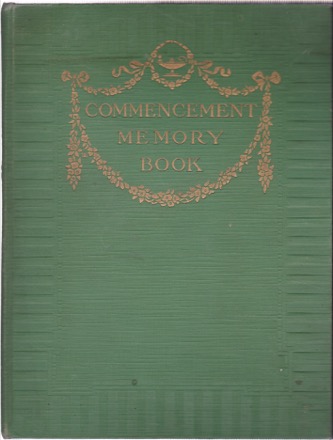
Hardcover. Proctor VT, 1916, Book: Very Good, Dust Jacket: None, A unique personal diary filled with written entries, ephemera and photographs, all related to the Class of 1918 at Proctor High School in Vermont. Inscriptions and messages from teachers and classmates. Dozens of photographs, programs, clippings, tickets, etc. The owner, Nina Eckley (1900-1989) is listed in a couple school play programs. The "Commencement Memory Book" was published by Dodd Mead in 1916. This item captures the spirit of the times better than any scholarly work.
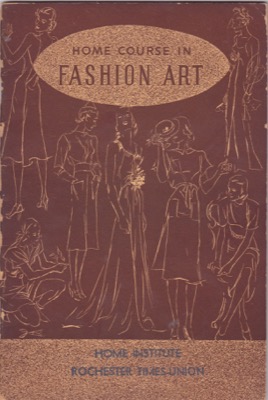
Softcover. Rochester, NY, Home Institute, 1939, Book: Very Good, Dust Jacket: None, Softcover, stapled 2-color wrappers, 40 page booklet, b&w illustrations throughout. Not credited but presumed the author. Nice period drawings.
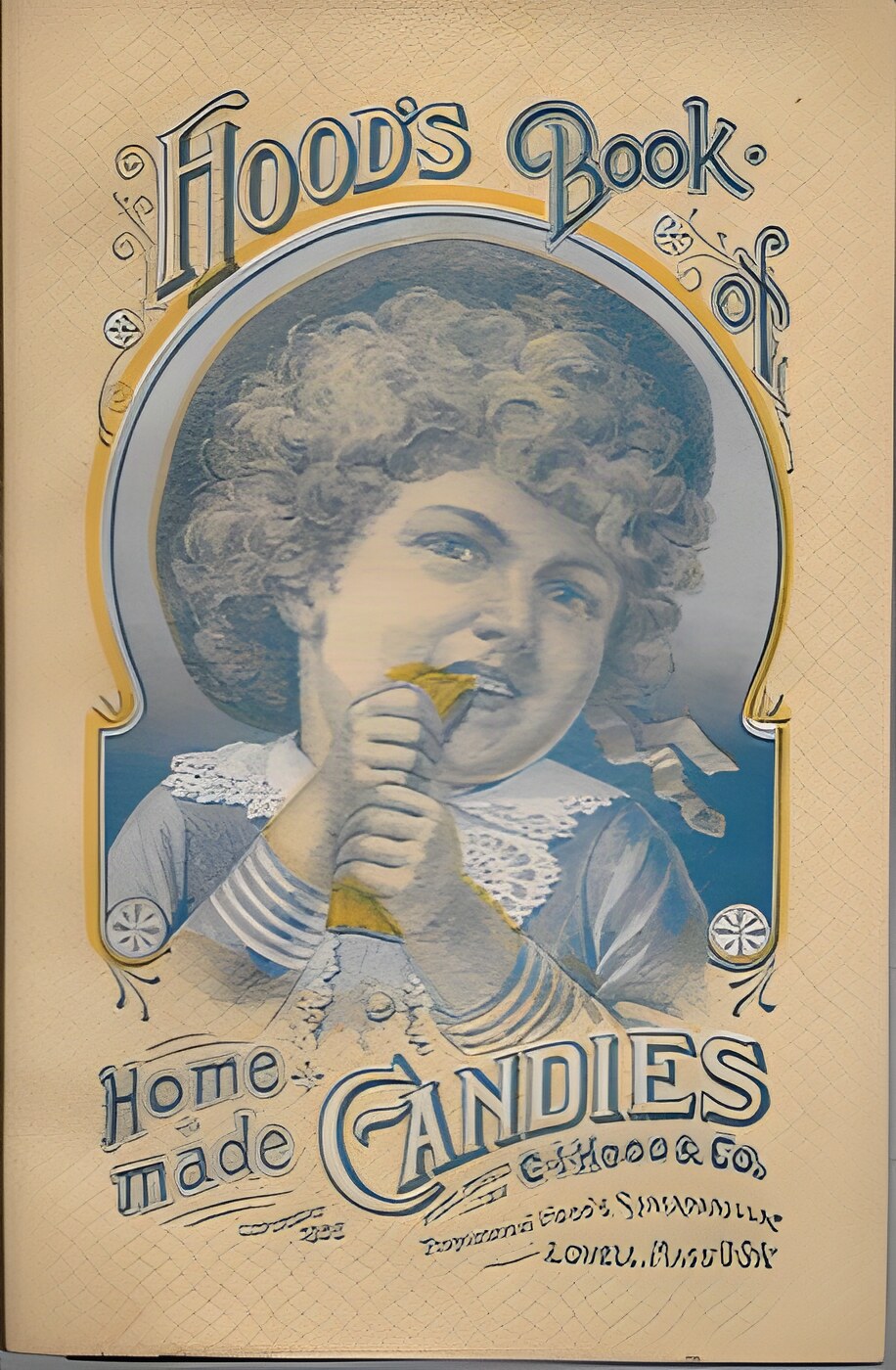
Softcover. Lowell MA, C.I. Hood and Co., 1st, 1888, Book: Very Good, Dust Jacket: None, 32 pages, wrappers printed in yellow and blue. Lots of Hoods ads for their medicinal pills interspersed throughout. NOTE: this booklet has 32 pages as opposed to others listing 16 pages from 1888.
Softcover. Providence RI, Rumford Chemical Works, n.d., Book: Very Good, Dust Jacket: None, 36 pages, small stapled booklet featuring recipes for all kinds of cakes, muffins, biscuits, puddings, etc. using Horsford's Baking Powder. Small punched hole in top corner with small red ribbon through it. Otherwise, clean, very good. No date, appears to be early 1900s.
Softcover. The MIT Press , reprint, 2005, Book: Very Good, Dust Jacket: None, Softcover, The first publication documenting the work of Brooks Stevens, one of America's most influential twentieth-century designers. A long overdue introduction to the work of visionary industrial designer Brooks Stevens (1911-1995). Believing that an industrial designer "should be a businessman, an engineer, and a stylist, in that order," Stevens created thousands of ingenious and beautiful designs for industrial and household products--including a clothes dryer with a window in the front, a wide-mouthed peanut butter jar, and the Oscar Mayer Wienermobile. ("There's nothing more aerodynamic than a wiener," he explained.) He invented a precursor to the SUV by turning a Jeep into a station wagon after World War II, and streamlined steam irons so that they resembled aircraft. It was Brooks Stevens who, in 1954, coined the phrase "planned obsolescence," defining it as "instilling in the buyer the desire to own something a little newer, a little better, a little sooner than is necessary." This concept has since been blamed for everything from toasters that stop working to today's throwaway culture, but Stevens was simply recognizing the intentionally ephemeral nature of a designer's work. Asked once to name his favorite design, he replied, "none, because every one would have to be restudied for the tastes of tomorrow." Clean copy still in publisher's shrinkwrap.
Softcover. Biella Italy, Ferrara, 2nd pr., 1929, Book: Very Good, Dust Jacket: None, Softcover, 34 pages, guide to the Alpine area of Italy, b&w photos in gravure, map in back. INSCRIBED BY WILME ROSAZZO on title page. Clean. ITALIAN TEXT.
Softcover. Bew Haven CT, Yale University Press, 1st, Book: Very Good, Dust Jacket: None, Softcover, 272 pages. Richly illustrated with images from Jan Tschichold's little-known private collection of design ephemera, this important book explores a legendary figure in the history of modern graphic design through the artists, ideas, and texts from the Bauhaus that most influenced him. Tschichold (1902-1974), a prolific designer, writer, and theorist, stood at the forefront of a revolution in visual culture that made printed material more elemental and dynamic. His designs were applied to everyday graphics, from billboard advertisements and business cards to book jackets and invoices. This handsome volume offers a new understanding of Tschichold's work, and of the underlying theories of the artistic movement he helped to form, by analyzing his collections. Clean copy. The book is still in the original publisher shrink wrap.
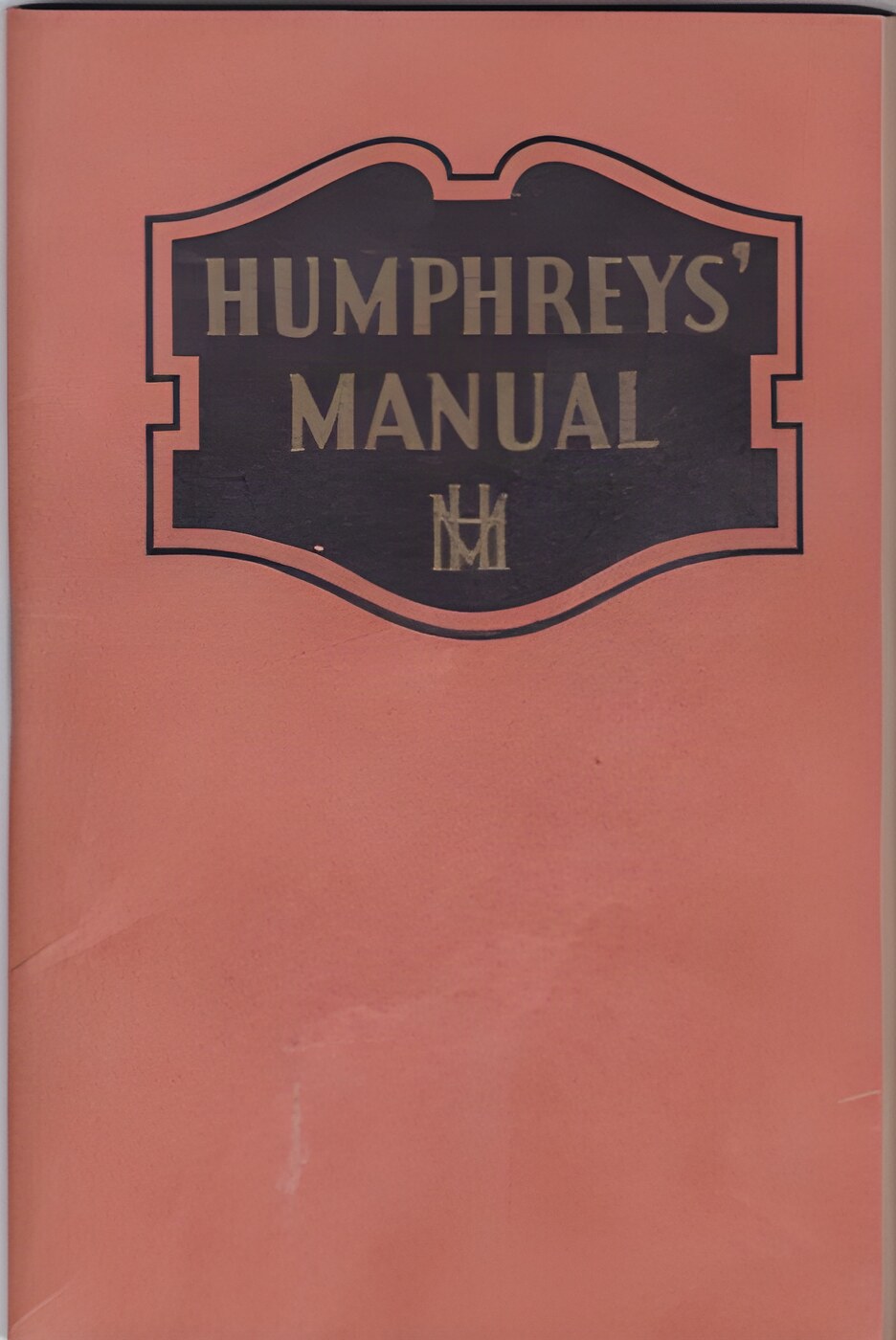
Hardcover. NY, Thames & Hudson, 1st, 2012, Book: Very Good, Dust Jacket: None, Hardcover, 152 pages. A fabulous facsimile of an almost unknown masterpiece by Joseph Cornell, presented in a box, along with a volume of essays and an interactive DVD One of Joseph Cornell's favorite pastimes was to meander through the used bookstalls of lower Manhattan, sorting through old books, magazines, postcards, photos, and other ephemera in search of items to spark his creative impulses. Sometime in the early 1930s he came upon the Journal d'Agriculture Practique (Volume 21, 1911), a voluminous handbook of advice for farmers. Though he was very much an urban creature, he adored French culture of that period, and the book was filled with charming black and white engraving and photographs of pigs, horses, vegetables, and farm machinery. Over time Cornell altered and reinvented many of the pages in the Journal. He inserted collages, photomontages, and occasional drawings; he crossed out words in the text and made French puns with others. Hand-colored engravings, cutouts, and lift-ups intricately transport the reader from page to page. The dazzling elegance of Cornell's work on the Journal has rarely been viewed. It was discovered in his basement studio soon after his death in 1972 and is now in the collection of the Philadelphia Museum of Art. Due to its fragility, the work is not well known, even among Cornell scholars. Now, in a unique venture, sixty of the most extraordinary pages have been re-created in virtual facsimile, with cutouts, glue-ons, and other unique handmade details. Included in a specially designed box are a DVD of the entire work, including pop-up commentaries, and a volume of illustrated essays on the Journal and Cornell's artistic practice. 103 illustrations
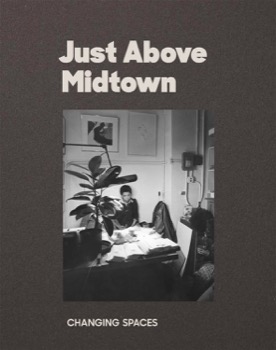
Softcover. NY, Museum of Modern Art, 1st, 2022, Book: Very Good, Dust Jacket: None, Softcover, 184 pages, illustrated in color and b&w. Just Above Midtown, or JAM, was an art gallery and self-described laboratory for experimentation led by Linda Goode Bryant that foregrounded African American artists and artists of color. Open from 1974 to 1986, it was a place where an expansive idea of contemporary art flourished and debate was cultivated. The gallery offered early opportunities for artists recognized as pivotal figures in late-20th-century art-including David Hammons, Butch Morris, Senga Nengudi, Lorraine O'Grady and Howardena Pindell-as well as a nonhierarchical approach to art that welcomed artists without stylistic proscription. Published in conjunction with the first museum exhibition to focus on this visionary gallery and its ongoing impact, Just Above Midtown: Changing Spaces showcases rarely seen material from JAM's history-artworks, ephemera and photographs-that collectively document the gallery's communal and programmatic activities. This richly illustrated, jacketed paperback catalog includes essays that contextualize JAM and consider its legacy, a conversation between Goode Bryant and Thelma Golden, Director and Chief Curator of the Studio Museum in Harlem, a complete exhibition chronology written by MoMA and Studio Museum staff with nearly 50 annotated entries, and excerpts from oral histories with JAM staff and artists conducted especially for this project. Clean copy.
Softcover. Seattle, WA, Fantagraphics, 1st, 2003, Book: Very Good, Dust Jacket: None, 120 pages. Light edgewear to wrappers. Color comics throughout. This volume finds Herriman flowering into the peak of his inventiveness, liberated at last from the constraints of his syndicate's chosen format. Gorgeous cartoons are augmented by rare bonus materials. This volume is one in a long-term plan to chronologically reprint the entirety of the 28-year run of Krazy Kat's breathtaking Sunday page, most of which has not seen print since originally running in newspapers 75 years ago. Each volume is painstakingly edited by the San Francisco Cartoon Art Museum's Bill Blackbeard, the world's foremost authority on early 20th Century American comic strips, and designed by Jimmy Corrigan author Chris Ware. In addition to the 104 full-page black-and-white Sunday strips from 1929 and 1930 (Herriman did not use color until 1935), the book includes an introduction by Blackbeard and reproductions of rare Herriman ephemera from Ware's own extensive collection, as well as annotations and other notes by Ware and Blackbeard.

 "From Our House to Your House: Celebrating the American Christmasby: Parr (Editor), Martin")
 "From Our House to Your House: Celebrating the American Christmasby: Parr (Editor), Martin")
 "Frozen Dainties: Fifty Choice Receipts(sic) for Ice Creams, Frozen Puddings, Frozen Fruits, Frozen Beverages, Sherbets and Water Icesby: Lincoln, Mrs. D. A.")
 "Geographia New Map of England & Wales, showing counties in colours. (ca. 101 x 75 cm) by: n/a")
 "Glacier Window Decoration Brochureby: N/A")


 "Granite: Artists and Their Workby: N/A")
 "Great Movie Memorabilia Auction II, Theby: n/a")
 "Guide Book to the City of Richmond 1920by: Louise Nurney Kernodle")
 "Guide to the City of Quebec; Descriptive and Illustrated with Mapby: Carrel, Frank")
 "Hand-Drawn Greeting Card (SIGNED)by: Bill Melendez")
 "HERBACEOUS PERENNIALS; U.S. Department of Agriculture, Farmers' Bulletin No 1381 by: Mulford, Furman Lloyd")
 "Here and There in Montreal and The Island of Montrealby: Stokes, Charles W.")


 "Horsford Bread and Pastry Cook, Theby: N/A")
 "Industrial Strength Design: How Brooks Stevens Shaped Your World by: Glenn Adamson / David Gordon (Preface)")
 "Itinerari Biellesi (Guide to Italian Alps)by: Mario Rosazza")

 "Joseph Cornell's Manual of Marvels: How Joseph Cornell reinvented a French agricultural manual to create an American masterpieceby: Dickran Tashjian and Analisa Leppa")


 "Krazy & Ignatz 1929-1930: \"A Mice, A Brick, A Lovely Night\"by: Herriman, George/ Bill Blackbeard (Editor), Chris Ware (Cover Design)")