Softcover. NY, Oxford University Press, 3rd pr., 2005, Book: Very Good, Dust Jacket: None, Softcover, 311 pages. Criminal punishment in America is harsh and degrading--more so than anywhere else in the liberal west. Executions and long prison terms are commonplace in America. Countries like France and Germany, by contrast, are systematically mild. European offenders are rarely sent to prison, and when they are, they serve far shorter terms than their American counterparts. Why is America so comparatively harsh? In this novel work of comparative legal history, James Whitman argues that the answer lies in America's triumphant embrace of a non-hierarchical social system and distrust of state power which have contributed to a law of punishment that is more willing to degrade offenders.
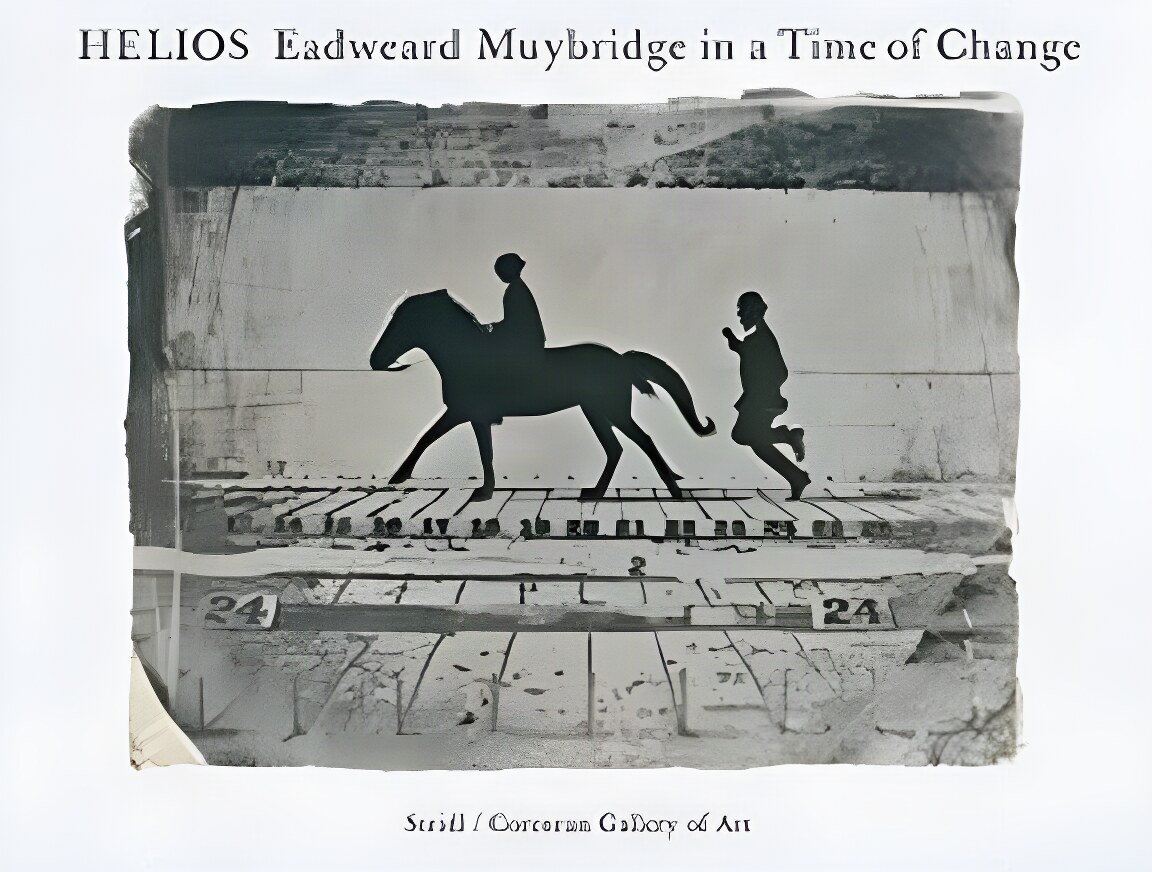
Hardcover. Steidl, 1st, 2010, Book: Very Good, Dust Jacket: Very Good, Hardcover, 360 pages. In 1878, the Photographic Times claimed that ten minutes provided sufficient exposure for photographing a landscape. Six years earlier, an English immigrant to the West Coast named Eadweard Muybridge, going by the commercial name of Helios, had already pushed photography far in the opposite direction: not to soak up time into pictures, but to divide time with the quickest exposures then imaginable. In 1872, the tycoon Leland Stanford had commissioned Muybridge to photograph his horse, Occident, to determine whether it ever lifted all four hooves off the ground at once. In proving that this was indeed the case, Muybridge achieved a five-hundredth-of-a-second exposure, and so began an anatomy of motion-in humans, horses, birds-that exploded the possibilities of photography and ultimately led to the development of the motion picture. Helios: Eadweard Muybridge in a Time of Change offers an opportunity to trace the life and art of the great photographer. In the wake of a wave of recent scholarship and renewed interest, it pitches his entire body of work against the backdrop of one of the most transformative periods of American and European history. Published to accompany a retrospective exhibition organized by the Corcoran Gallery of Art, Helios features essays by Philip Brookman, Marta Braun, Corey Keller and Rebecca Solnit that provide a variety of new approaches to Muybridge's art and influences.
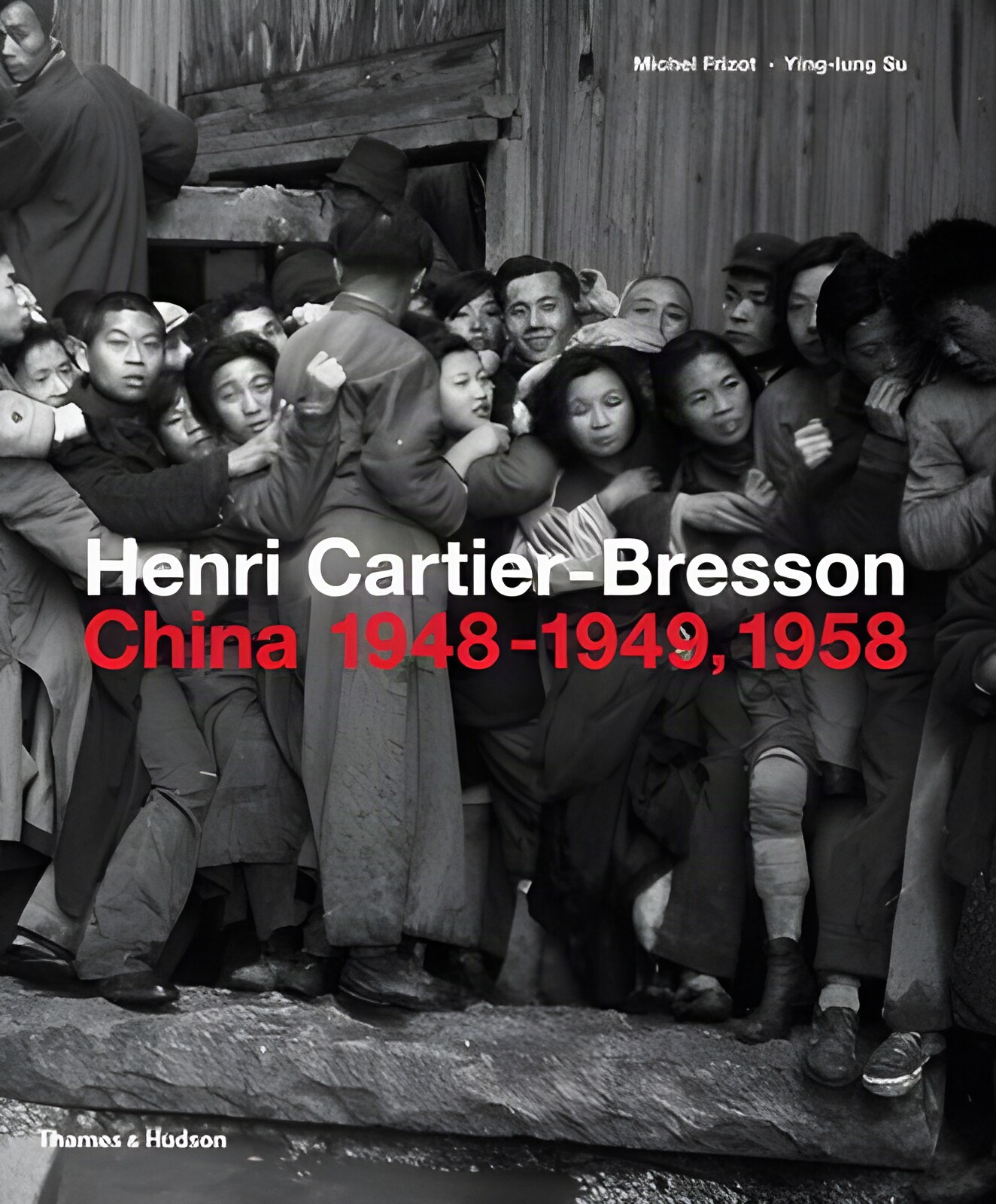
Hardcover. London/NY, Thames & Hudson, 1st, 2019, Book: Very Good, Dust Jacket: Very Good, Hardcover in a bright dust jacket The first visual chronicle of a little-known chapter in the career of Henri Cartier-Bresson--one of the great photographers of the twentieth century. In December 1948, Henri Cartier-Bresson traveled to China at the request of Life magazine. He wound up staying for ten months and captured some of the most spectacular moments in China's history: he photographed Beijing in "the last days of the Kuomintang," and then headed back to Shanghai, where he bore witness to the new regime's takeover. Moreover, in 1958, Henri Cartier-Bresson was one of the first Western photographers to go back to China to explore the changes that had occurred over the preceding decade. The "picture stories" he sent to Magnum and Life on a regular basis played a key role in Westerners' understanding of Chinese political events. Many of these images are among the best-known and most significant photographs in Cartier-Bresson's oeuvre; his empathy with the populace and sense of responsibility as a witness making them an important part of his legacy. This volume allows these photographs to be reexamined along with all of the documents that were preserved: the photographer's captions and comments, contact sheets, and abundant correspondence, as well as the published versions that appeared in both American and European magazines. Clean copy. DOMESTIC SHIPPING ONLY.
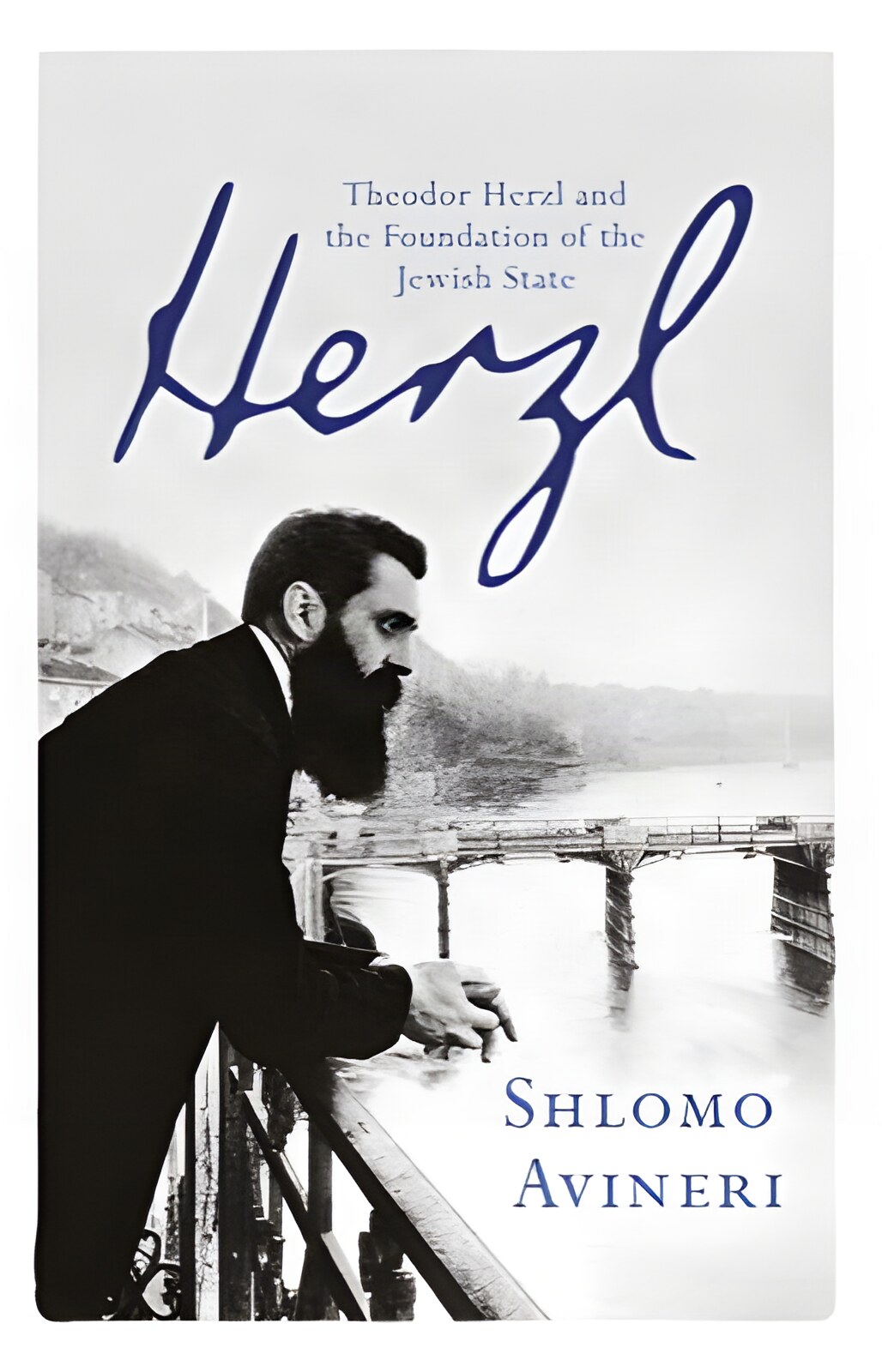
Hardcover. London, Weidenfeld & Nicolson, 1st UK, 2013, Book: Very Good, Dust Jacket: Very Good, Hardcover in a bright, unclipped dust jacket. Drawing extensively on his diaries as well as his published works, this intellectual biographical follows Herzl's transformation from a private person into the founder and leader of a political movement which made the quest for a Jewish state into a player in international politics. Contrary to the conventional view which saw the Dreyfus affair as the trigger for Herzl's loss of belief in the promise of Jewish emancipation, Avineri shows how it was the political crisis of the Austro-Hungarian Habsburg Empire, torn apart by contending national movements, which convinced Herzl of the need for a Jewish polity. In response to the wide resonance for his 1896 The Jewish State, Herzl convened the first Zionist Congress in Basel in 1897, which established the World Zionist Organization with its representative and elected institutions; this in turn became the foundation for Israel's democratic political system. In his efforts to gain international support for a Jewish state, Herzl met with the Ottoman Sultan, the German Emperor Wilhelm II, Pope Pius X, British, Russian and German ministers, as well as an enormous number of other government and public opinion leaders of most European countries. By the time of his early death in 1904 at the age of 44, Herzl succeeded in putting Zionism on the map of world politics, no longer an esoteric idea held by a small group of Jewish intellectuals in Eastern Europe. Clean copy.
Hardcover. Paris, Corbet Aine Libraire, 1st Thus, 1836, Book: Good, Dust Jacket: None, 2 leather bound volumes. FRENCH TEXT. Black & white illustrations, each volume with fold-out map in rear. Volume 1 with rubbing, chipping to leather covers. 1" piece of leather missing at bottom of spine. Marbled endpapers. Light foxing throughout. Volume 2 with rubbing, chipping to leather covers. Marbled endpapers. Light to moderate foxing throughout. Both volumes with clean, unmarked texts.
Hardcover. New York, Robert Carter & Brothers, Reprint, 1867, Book: Good, Dust Jacket: None, 184 pages. Previous owners name on front endpaper. Foxing to pages. Cloth covers rubbed along edges and corners. Chipping to cloth at top and bottom of spine.
Hardcover. Geneva, Edito-Service, 1st English Ed., 1968, Book: Very Good, Dust Jacket: None, Hardcover, pebbled red cloth with gilt decoration and color label on front cover. Good general overview of painting in Western Europe during the later Medieval period. Illustrated in color and b&w. Clean copy.
Hardcover. New York, Abbeville Press, 1st, 1992, Book: Very Good, Dust Jacket: Very Good, 496 pages. Hardcover with dust jacket in slipcase. A very clean, unmarked copy with only minor wear to slipcase edges. A tight copy. Color illustrations throughout.
Nafziger Collection , reprint, 2007, Book: Very Good, Dust Jacket: None, Softcover, 214 pages. Large size 28cm x 21cm in soft card covers. Clean and sound. History of the Polish Revolution of 1830 by Joseph Hordynski - Major of the Late Tenth Regiment of Lithuanian Lancers (Originally pub. in 1833) .
Hardcover. New York, Harper Brothers, 1st Edition, 1869, Book: Very Good, Dust Jacket: None, 2326 total pages. 4 volume set. Hardcovers. DOMESTIC SHIPPING ONLY. B/w illustrated fold-out map in volume 1. Decorated marbled edges. Decorated endpapers. Decorated cover boards with leather corners and quarter cloths. Leather spines with raised bands, gilt title and decorations. Spines straight. Light tanning from age to pages.
Hardcover. Boston, MFA Publications, Museum of Fine Arts, 1st, 2014, Book: Very Good, Dust Jacket: Very Good, Hardcover in a bright dust jacket, 256 pages, profusely illustrated. From the 1890s through the turn of the century, there was a flourishing of new, imaginative art and craft throughout Europe that we now know as Art Nouveau. The Netherlands experienced an inventive variant of this art and design phenomenon, but until now it has been largely overshadowed by its counterparts in other countries, especially France. This richly illustrated book is the first in English to celebrate the Dutch contribution to Art Nouveau through a tour of more than 100 works on paper--posters, decorative calendars and illustrated books, as well as prints and drawings. These innovative works of graphic design reveal the progressive Dutch artists' conscious reaction against the past, their inspiration in natural forms and exotic cultures, and their embrace of the principle that art should transform everyday life. They also show how the New Art--Nieuwe Kunst in Dutch--coexisted and sometimes intertwined in the Netherlands with other artistic strands, including persistent realist trends, Symbolism and the emergence of modernism. Included here are early drawings by well-known artists Vincent van Gogh and Bart van der Leck, as well as new discoveries from Jan Toorop, Theo Nieuwenhuis, Samuel Jessurun de Mesquita, Theo Hoytema, G. W. Dijsselhof and C. A. Lion Cachet. This beautifully illustrated book is the first in English to celebrate the Dutch contribution to Art Nouveau through a tour of over one hundred posters, decorative calendars, and illustrated books, as well as prints and drawings. With text by Clifford S. Ackley, one of the leading specialists on Dutch prints and drawings, Holland on Paper in the Age of Art Nouveau provides a fascinating and visually rewarding introduction to a rich and creative artistic era.
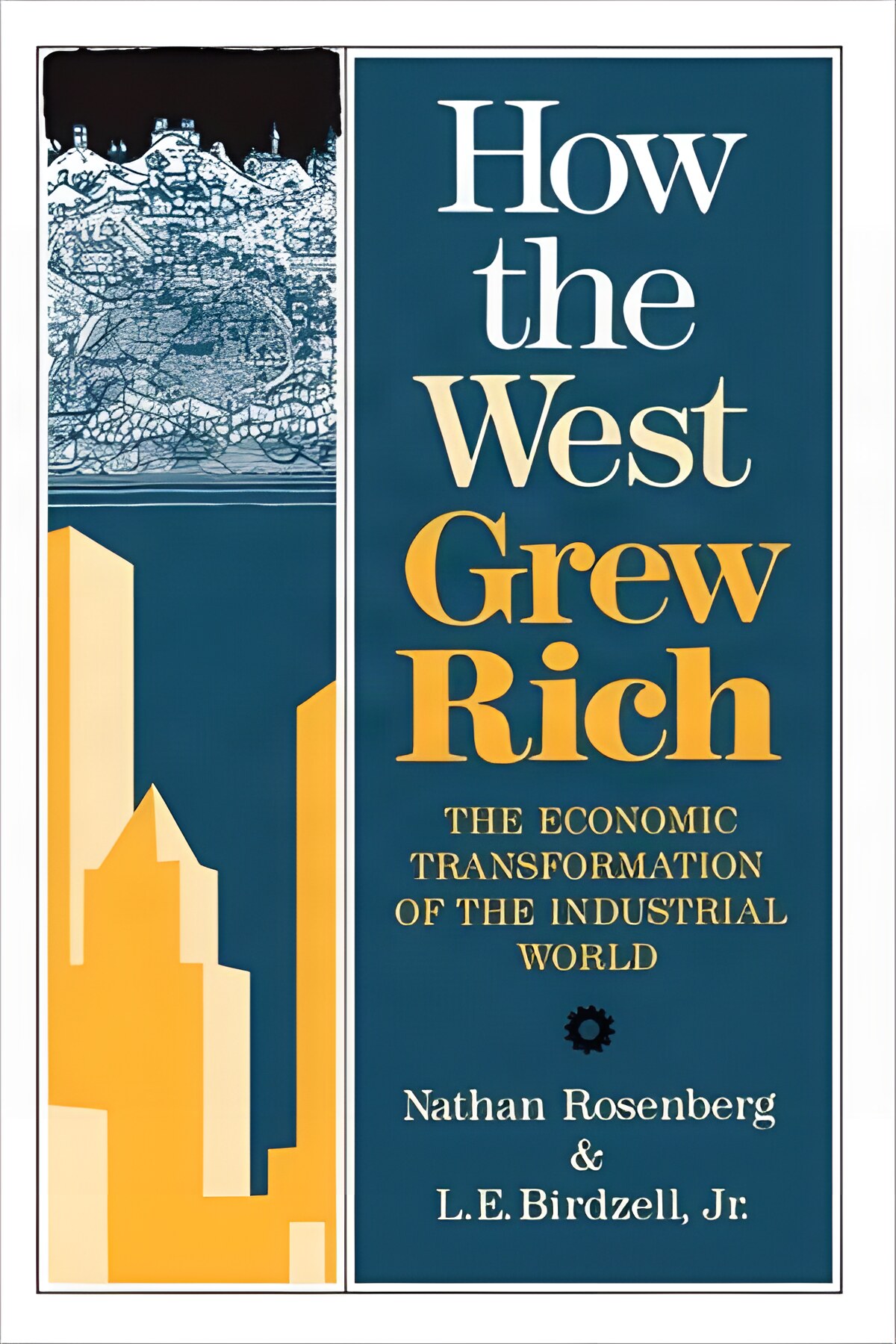
Hardcover. NY, Basic Books, 2nd pr., 1986, Book: Very Good, Dust Jacket: Very Good, Hardcover in a bright dust jacket, 416 pages. How did the West--Europe, Canada, and the United States--escape from immemorial poverty into sustained economic growth and material well-being when other societies remained trapped in an endless cycle of birth, hunger, hardship, and death? In this elegant synthesis of economic history, two scholars argue that it is the political pluralism and the flexibility of the West's institutions--not corporate organization and mass production technology--that explain its unparalleled wealth. Clean copy.
Softcover. Seattle, University of Washington Press, 1st, 2000, Book: Very Good, Dust Jacket: None, Softcover. Like new in publishers shrink-wrap. Chief Joseph's exhausted words of surrender, 'Hear me, my chiefs, I am tired; my heart is sick and sad. From where the sun now stands, I will fight no more forever', are the accepted end of the Nez Perce War of 1877, in which several bands of Nez Perce attempting to find a new home outside their diminished Idaho reservation clashed with the U.S. military (and occasionally other Indians) along the Clearwater and Big Hole Rivers, and finally at the foot of the Bear Paw Mountains. However, a number of Nez Perce escaped transportation to Indian Territory with Joseph and continued their flight to Canada, with perhaps a hundred eventually joining Sitting Bull's Lakota."I Will Tell of My War Story" reproduces, describes, and discusses a remarkable series of drawings by an anonymous Indian artist who fought with Chief Joseph and later reached Canada. The drawings, in red, blue, and black pencil, include portraits of principal participants in the war, battle scenes, and views of Nez Perce camp life and celebrations during the war and after. The drawings are preserved in a small pocket ledger labeled 'Cash Book' on the front, which was acquired by Indian Agent Charles D. Warner in the 1880s. It was willed by him to a family living in northern Idaho, and is now in the collection of the Idaho State Historical Society. Scott Thompson worked closely both with the owners and with members of the Nez Perce community in preparing his manuscript. Thompson's detective work and research methods to identify Nez Perce and other parties pictured in the Cash Book make fascinating reading. He is careful to point out what is speculation and what has been documented or attested to by experts on dress, weapons, ceremony, and other aspects of Native culture. The Cash Book drawings are unique in several ways. They are one of very few firsthand pictorial records of the Nez Perce War, representing an even scarcer record of this war as seen from the Indian viewpoint. They contain invaluable historical and ethnographic information not only explicit in the form of military and Native dress, regalia, and quite graphic battle scenes, but also implicit. The drawings reveal an important stage of cultural adaptation as shown by the mixture of white and Native goods combined in Nez Perce material culture during the 1870s and 1880s, and by the artist's assimilation of white/European drawing techniques such as texture and perspective. The artist combined these drawing techniques with Native art traditions to make exceptionally effective pictorial communications. Scott M. Thompson is an art teacher at Chase Middle School in Spokane, Washington.
Hardcover. London, Macmillan Co., 2nd pr., 1898, Book: Very Good, Dust Jacket: None, Hardcover, 604 pages, 3 fold-out color maps in rear of book. Red coth covers, hinges tender, spine with fading. An account of the landscape, vegetation and wildlife of southern Africa precedes an historical survey of the non-European inhabitants and the arrival and spread of the European settlers.
Hardcover. New York, Holt Rinehart Winston, 1st, 1971, Book: Very Good, Dust Jacket: Good, Hardcover, 535 pages. Black & white illustrations. Dust jacket has edgewear.
Softcover. Florence, Italy, Qua D'Arno, 1st, 1987, Book: Very Good, Dust Jacket: None, Softcover, 156 pages, bilingual texts in English and Spanish, b&w plates and text throughout. Illustrates and describes numerous torture devices including breast rippers, the ever popular rack and iron maiden, heretics fork and many more. Clean copy.
Hardcover. New York, Oceana Publications, 1st, 1953, Book: Very Good, Dust Jacket: None, 192 pages, salmon colored cloth, spine with light fading. One sentence in introduction with ink underlining, otherwise clean and tight.
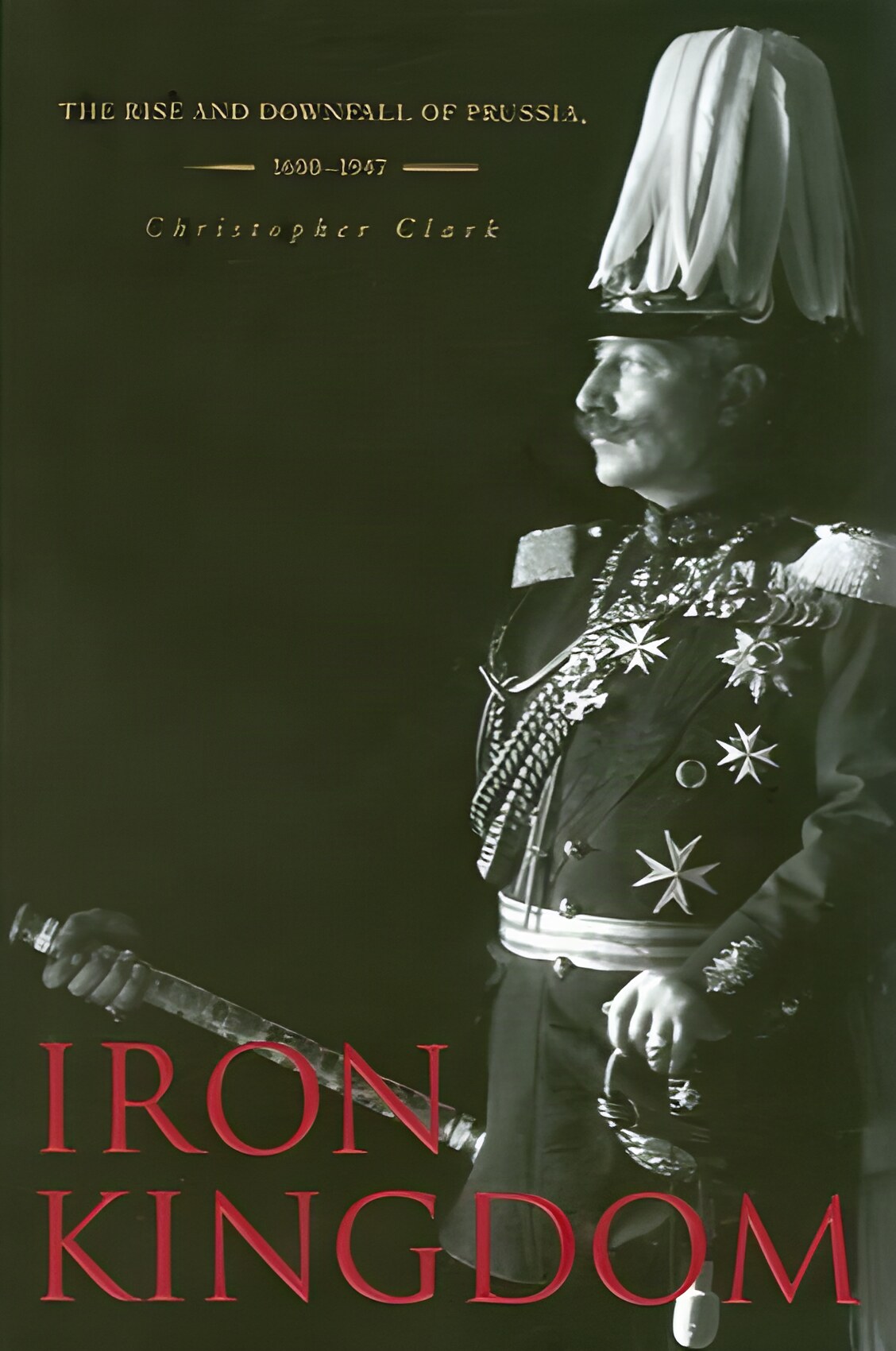
Softcover. Cambridge MA, Harvard University Press, reprint, 2008, Book: Very Good, Dust Jacket: None, Softcover, 776 pages. "Iron Kingdom, Christopher Clark's stately, authoritative history of Prussia from its humble beginnings to its ignominious end, presents a much more complicated and compelling picture of the German state, which is too often reduced to a caricature of spiked helmets and polished boots. Prussia and its army were inseparable, but Prussia was also renowned for its efficient, incorruptible civil service; its innovative system of social services; its religious tolerance; and its unrivaled education system, a model for the rest of Germany and the world. This too was Prussia-a tormented kingdom that, like a tragic hero, was brought down by the very qualities that raised it up. Mr. Clark, a senior lecturer in modern European history at Cambridge University, does an exemplary job. A lively writer, he organizes masses of material in orderly fashion, clearly establishing his main themes and pausing at crucial junctures to recapitulate and reconsider. Prussia, a self-invented artifact right down to its name, demands the kind of careful demythologizing that it receives from Mr. Clark, who gently but insistently exposes the flaws in most of the received wisdom about his subject. A result is an illuminating, profoundly satisfying work of history, brightened by vivid character sketches of the principals in his drama." Clean copy.
Hardcover. Leiden, The Netherlands, Brill, 1st edition, 2012, Book: Near Fine, Dust Jacket: None, 352 pages. Hardcover. Decorated cover boards, excellent. Very clean pages, edges. Biding tight. Spine straight. Like new. most remembered for his biblical criticism, Vossius played a central role in the early modern European world of learning.
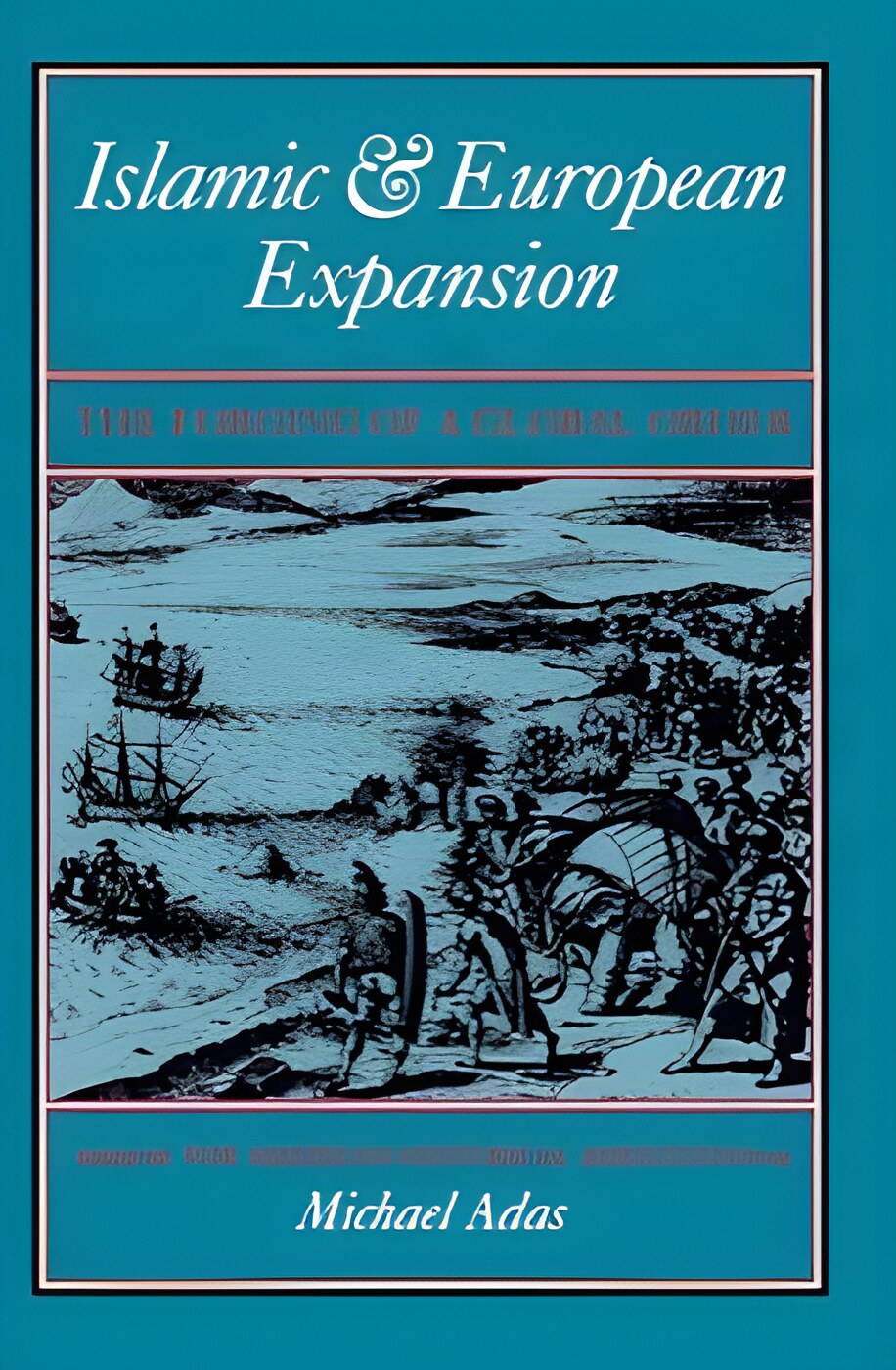
Softcover. Philadelphia, Temple University Press, 1st pbk, 1993, Book: Very Good, Dust Jacket: None, Softcover, 379 pages. A collection of ten essays covering topics ranging from the expansion of Islamic civilization to gender issues in the Industrial Revolution and European global expansion. Each essay provides an overview of the problems and themes relating to critical processes and periods in global history. Clean copy.
Hardcover. Boston, Little Brown, 1st, 1985, Book: Very Good, Dust Jacket: None, Hardcover, 287 pages, 442 b&w illustrations. The famous photojournalist presents, among other events, the abdication of Edward VIII; the Anschluss; the Warsaw ghetto, before and after its destruction; Tito's guerrilla war against the Nazis; and Isr'l's battle for independence. He recorded the fall of Hungary to the Communists; he was with Churchill at Teheran; and with Khrushchev at Belgrade. There are also exotic parties given by Cecil Beaton and Lady Juliet Duff. Portraits of the last glories of the English aristocracy and the old French Bourgeoisie; the industrialists and artists who made Italy's miraculous postwar recovery possible. In 60,000 words of text he captures the extraordinary adventures and bizarre characters that together made up the author's life. The combination of words and pictures provides a rich, powerful portrait of a fascinating career. Missing dust jacket.
Hardcover. East Lothian, Scotland, Tuckwell Press , reprint, 1998, Book: Very Good, Dust Jacket: Very Good, Hardcover in a bright dust jacket. 339 pages, 18 figures on 12 b/w plates, map, end notes, appendix, bibliography, index. James IV is the best-known of all the late medieval Scottish rulers. Widely praised by his contemporaries, he combined the qualities of successful medieval monarch with a wide interest in the arts and sciences, while remaining acutely conscious of the need to enhance the prestige of his dynasty throughout Europe. This excellent study examines all aspects of James IV's sovereignty, explains his popularity and his highly successful kingship and assesses reasons for the disastrous end to the reign when the king and a large population of the Scottish nobility were eliminated in a single afternoon in 1513 at Flodden. Clean copy.
Hardcover. Washington DC, Dumbarton Oaks Research Library, 1st, 1998, Book: Very Good, Dust Jacket: Very Good, Hardcover in a bright dust jacket, 310 pages. John Evelyn (1620-1706), an English virtuoso and writer, was a pivotal figure in seventeenth-century intellectual life in England. He left an immensely rich literary heritage, which is of great significance for scholars interested in garden history and the histories of intellectual life and architecture. Evelyn is perhaps best known for Sylva, a compilation of thoughts on practical estate management, gardening, and philosophy, and the first book published by the Royal Society in London. As one of the group of learned men who founded the Royal Society in 1660 to promote scientific research, discussion, and publications, John Evelyn was at the center of many of the vital intellectual currents of the time. "Elysium Britannicum," Evelyn's unpublished manuscript of almost a thousand pages of densely packed drafts, rewrites, and projects, was perhaps something of an enigma to his contemporaries, who nevertheless urged its publication. It remains for scholars today a treasure-trove of fascinating insights on Evelyn and his milieu. Clean copy.


 "Histoire de la decouverte de l'Amerique - traduite de l'allemand de Campe - 2 Volumesby: Piton, E. C.")
 "Historic Doubts Relative to Napolean Buonaparte, and Historic Certainties Respecting the Early History of Americaby: Whately, Richard")

 "History of Decorative Arts, The: Classicism and the Baroque in Europe by: Gruber, Alain (Editor)")
 "History of the Polish Revolution of 1830by: Hordynski, Joseph")
 "History of the United Netherlands: From the Death of William the Silent to the Twelve Years Truce - 1609 (4 vol. set)by: Motley, John Lothrop")


 "Holland on Paper: In the Age of Art Nouveauby: Clifford Ackley")


 "I Will Tell of My War Story: A Pictorial Account of the Nez Perce War (Samuel and Althea Stroum Book)by: Thompson, Scott M.")
 "Impressions of South Africaby: Bryce, James")
 "In the Twenties - The Diaries of Harry Kesslerby: Kessler, Harry")


 "Introduction to European Commercial Lawby: Wallach, Frederick")
 "Isaac Vossius (1618-1689): Between Science and Scholarshipby: Jorink, Eric (Editor), Dirk Van Miert (Editor)")

 "It Happened In Our Lifetime: A Memoir In Words and Pictures by: Phillips, John")
 "James IV (The Stewart Dynasty In Scotland)by: Macdougall, Norman")
