Hardcover. Lexington, University Press of Kentucky, 1st, 2019, Book: Very Good, Dust Jacket: None, Hardcover, paper-covered boards, 172 pages. One of the most innovative films ever made, Sam Peckinpah's motion picture The Wild Bunch was released in 1969. From the outset, the film was considered controversial because of its powerful, graphic, and direct depiction of violence, but it was also praised for its lush photography, intricate camera work, and cutting-edge editing. Peckinpah's tale of an ill-fated, aging outlaw gang bound by a code of honor is often regarded as one of the most complex and impactful Westerns in American cinematic history. The issues dealt with in this groundbreaking film-violence, morality, friendship, and the legacy of American ambition and compromise-are just as relevant today as when the film first opened. To acknowledge the significance of The Wild Bunch, this collection brings together some of the leading Peckinpah scholars and critics to examine what many consider to be the director's greatest work. The book's nine essays cover an array of topics. Explored are the function of violence in the film and how its depiction is radically different from what is seen in other movies, the background of the film's production, the European response to the film's view of human nature, and the strong sense of the Texas/Mexico milieu surrounding the film's action. Clean copy.
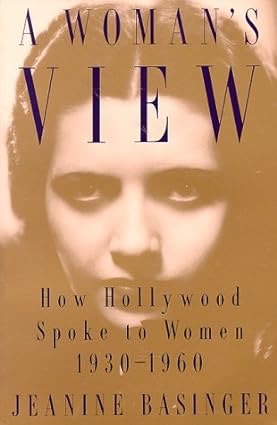
Softcover. Hanover NH, Wesleyan University Press, 1st, 1993, Book: Very Good, Dust Jacket: None, Softcover, 542 pages. Now, Voyager, Stella Dallas, Leaver Her to Heaven, Imitation of Life, Mildred Pierce, Gilda ...these are only a few of the hundreds of "women's films" that poured out of Hollywood during the thirties, forties, and fifties. The films were widely disparate in subject, sentiment, and technique, they nonetheless shared one dual to provide the audience (of women, primarily) with temporary liberation into a screen dream--of romance, sexuality, luxury, suffering, or even wickedness--and then send it home reminded of, reassured by, and resigned to the fact that no matter what else she might do, a woman's most important job was...to be a woman. Now, with boundless knowledge and infectious enthusiasm, Jeanine Basinger illuminates the various surprising and subversive ways in which women's films delivered their message. Basinger examines dozens of films, exploring the seemingly intractable contradictions at the convoluted heart of the woman's genre--among them, the dilemma of the strong and glamorous woman who cedes her power when she feels it threatening her personal happiness, and the self-abnegating woman whose selflessness is not always as "noble" as it appears. Basinger looks at the stars who played these women and helps us understand the qualities--the right off-screen personae, the right on-screen attitudes, the right faces--that made them personify the woman's film and equipped them to make believable drama or comedy out of the crackpot plots, the conflicting ideas, and the exaggerations of real behavior that characterize these movies.
Hardcover. NY, Mysterious Press , 1st, 1987, Book: Very Good, Dust Jacket: Very Good, Hardcover in a bright, unclipped dust jacket. This first American edition of collected true-crime pieces from the '50s and '60s by the master author of Epitaph for a Spy, Journey Into Fear, The Light of Day et al. belongs on every fan's bookshelves. Ambler's polite, leisurely stroll down memory lane is a delight. He deals with classic villains from England (Jack the Ripper), Scotland (William Burke and William Hare) and France (Marcel Petiot) along with more recent miscreants: England's James Hanratty (1961) and America's Raymond Finch and Carole Tregoff (1960). Ambler also turns his good-natured, sharp eye on film-writing and the pleasures of Maxim's, and there are lovely semifictional pieces on spies and spy-spotting. Especially delicious is the tale of "Annettee" in 1937 Tangier. There's nothing heavy here, and even Ambler's opposition to the death penalty is quietly posited. His new introduction has its share of graceful nuggets, too.
Softcover. Burbank CA, Mirage Productions, 1st, 1980, Book: Good, Dust Jacket: None, Softcover, 134 pages, printed on 3-hole punched paper and bound with one brass brad and reinforced with tape on the spine. Plain blue paper wraps with title hand-printed on front, on spine tape and bottom edge. No indicated draft but dated September 15, 1980. This was copy #16 distributed, as lettered on title page in corner. The 1981 film was directed by Sydney Pollack and starred Paul Newman and Sally Field. Luedtke won an Academy Award nomination for screenplay written directly for the screenplay.
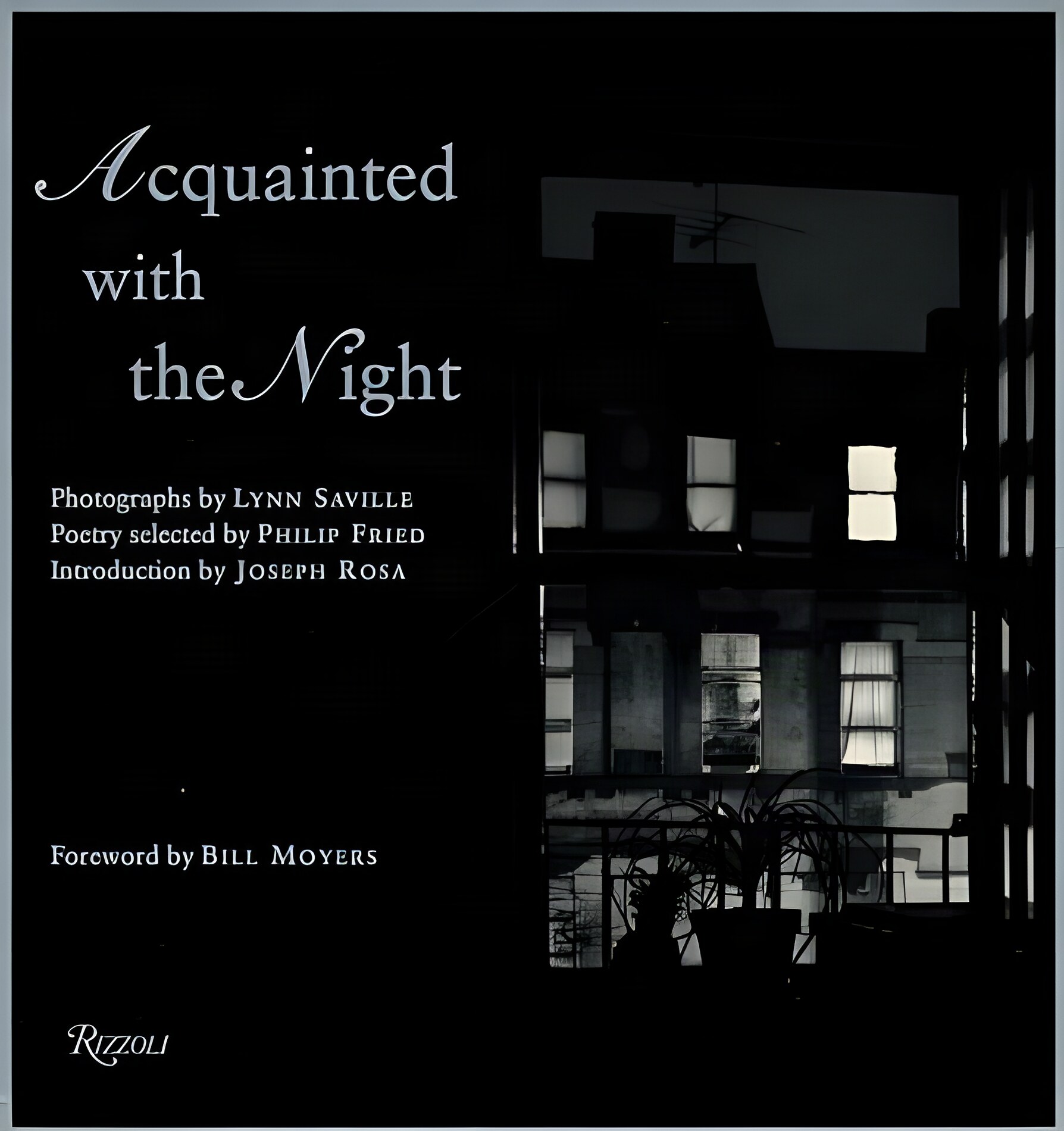
Softcover. NY, Rizzoli, 1st, 1997, Book: Very Good, Dust Jacket: None, Softcover, 160 pages. The mysterious, seductive essence of the night has long entranced the imagination of artists and writers, and now it is the focus of a unique book that pairs evocative black-and-white photography with classic and contemporary poetry. Lynn Saville's photographs, shot after dark in and around New York and at other urban and rural sites in the United States, Portugal, Greece, and India, reveal unusual aspects of familiar cities and monuments as well as the dusky allure of fringe areas such as Manhattan's industrial district and desolate waterfronts. Rich with light and shadow, the photographs suggest the suspenseful, provocative quality of film noir. Accompanying the photographs are 35 poems and poetic excerpts about the night, beginning with Robert Frost's "Acquainted with the Night," which inspired the book's title and mood. Selected here are works by Walt Whitman, Langston Hughes, Charles Simic, and Octavio Paz, among other award-winning poets, and citations from ancient verse such as the Rig Veda and The Epic of Gilgamesh. Clean copy.
Munich, Schirmer Mosel, 1st, 1993, Book: Very Good, Dust Jacket: Very Good, Hardcover in a bright dust jacket, 134 pages. Mostly b&w, some color photographs. It was Colette who discovered the too tall and too thin girl with expressive eyes, then a complete unknown, and made her the lead in the 1951 Broadway production of Gigi. Her film triumphs were all the more astonishing since she didn't match the usual Hollywood cliches. Petite, almost androgynous, and with a disarming naturalness, she had a worldwide impact on fashion and beauty trends and was enthusiastically welcomed as an alternative to the sex bombs and pin-up girls of the 50s. This book, with an essay by Klaus-Jurgen Sembach, is dedicated to Audrey Hepburn who died in 1993. It includes the best film stills, portraits, and private photographs by well-known and by unknown photographers from all over the world who have provided us with an immortal image of Hollywood's most endearing star. NOTE: There is a light smoke smell to this book.
Hardcover. East Sussex, Ammonite Press, 1st, 2009, Book: Very Good, Dust Jacket: Very Good, 300 pages, color and b&w photographs. Hardcover in a very good dust jacket, clean. As pointed out in the introduction by Elizabeth Roberts, this book isn't aiming to be a history of fashion of the past century. It explores the ideas behind it; the influences of clothing by society we live in, and to convey this the outstanding work of the Press Association is used. This book is a visual, eye-watering history that tells the story of how we've become today.The book is split into five chapters followed by a page-to-page picture index. 1. FILMSTARS, FULL SKIRTS AND FUR: POST-WAR GLAMOUR 2. ROMANCE AND REVOLUTION: 1960's 3. FROM THE QUEEN TO POSH: FASHION ICONS 4. ON THE STREETS AND IN THE SHOPS: WHAT WE REALLY WORE 5. FANTASY AND REALITY: LONDON FASHION WEEK 2008-2009
Hardcover. NY, Alfred A. Knopf, 1st, 1986, Book: Very Good, Dust Jacket: Very Good, Hardcover in a bright dust jacket, 240 pages, INSCRIBED BY AUTHOR HENG on front fly leaf. The authors (husband and wife) return to China after the Cultural Revolution, interviewing hundreds of Chinese and observing the signs of a surprising new China in the making. Among those interviewed are Peng Ming, now a composer and television executive; Chen Yizhi, head of the planners; and Wu Tianming, one of China's best-known filmmakers. 1986. Minor dust jacket edge wear and fade, otherwise, very clean and tight copy.
Hardcover. New York, McDowell, Obolensky, 1st, 1958, Book: Very Good, Dust Jacket: Good, Volume 1 - 432 pages. Illustrated with black & white photographs and drawings by Tomi Ungerer. Dust jacket worn with chipping and small tears along edges. Clean, tight copy. Volume 2 - 488 pages. Dust jacket with light rubbing and small closed tears along edges. Clean, tight copy.
Hardcover. NY, Harper Business/ Harper Collins , 1st, 1995, Book: Very Good, Dust Jacket: Very Good, Hardcover, 532 pages, b&w photos. In a bright, unclipped dust jacket. Notes and Sources. Bibliography. Index. This is a story of loyalty and betrayal, a multigenerational saga that culminates in the emergence of Michael Ovitz and his Creative Artists Agency as the dominant force in Hollywood. Good in very good dust jacket. Clean copy.
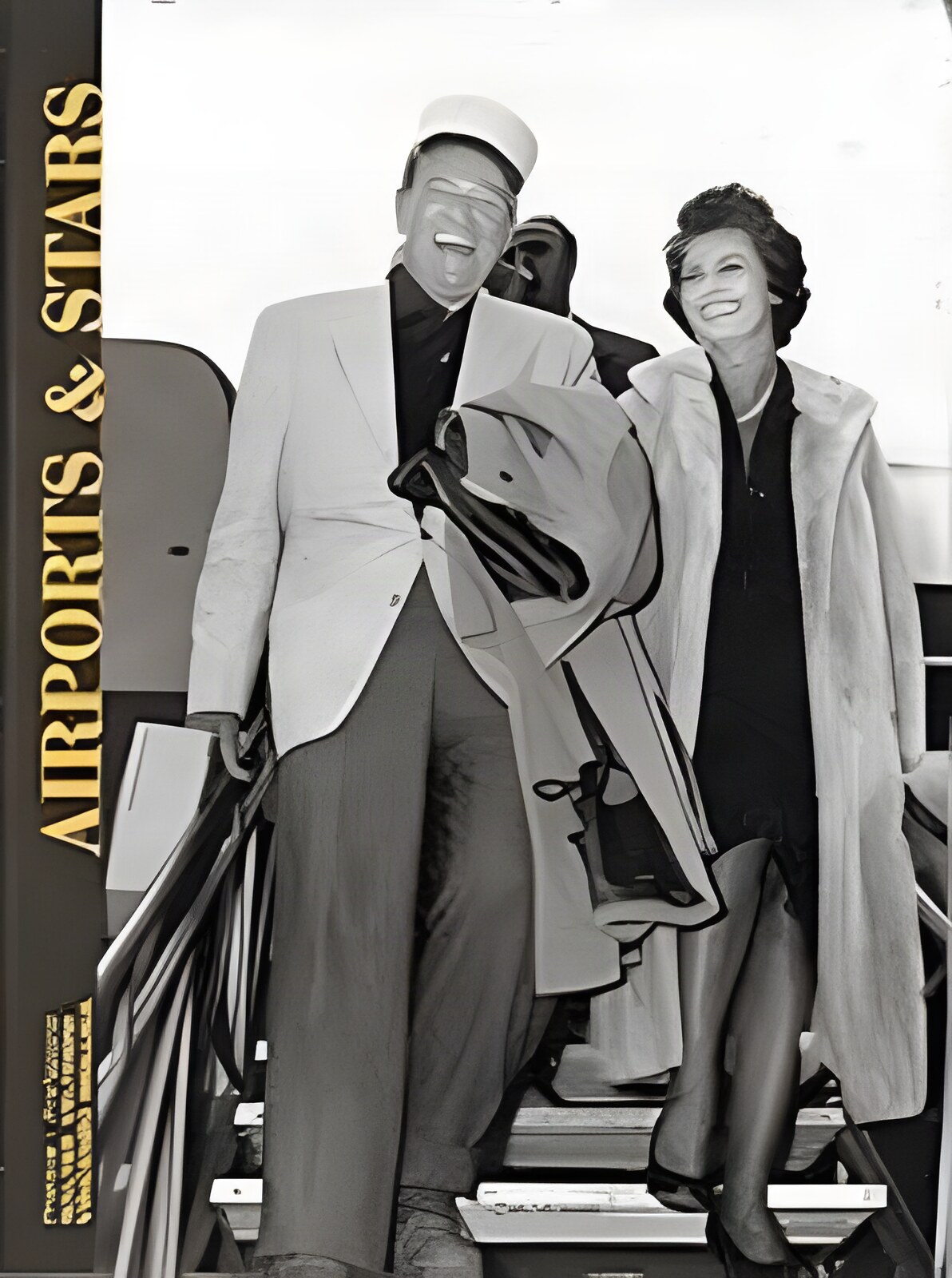
Softcover. Italy, Damiani, 1st, 2005, Book: Very Good, Dust Jacket: None, Softcover, 160 pages. A collection of photographs of Hollywood actors, royalty and other celebrities from the golden age of Italian film--the 1950s and 1960s--arriving in Rome, back when comings and goings were event enough to merit a flash, and when the photographers who are now known as paparazzi could walk right up to the airplane steps. Here those independent lensmen--a profession and a genre born in the era documented here, one on the forefront of new realism and photojournalism--capture the salutes and waves, flamboyant and discreet, of Rome's stars as they descended to earth, seizing the mythical something that they seemed to bring with them from the sky to terra firma. Clean copy.
Hardcover. New Haven CT, Yale University Press, 1st, 2009, Book: Very Good, Dust Jacket: Very Good, Hardcover, 148 pages. This book celebrates the achievements of Alice Guy Blache (1873-1968), the first woman motion picture director and producer. From 1896 to 1907, she created films for Gaumont in Paris. In 1907, she moved to the United States and established her own film company, Solax. From 1914 to 1920, Guy Blache was an independent director for a number of film companies. Despite her immensely productive and creative career, Guy Blache's indispensable contribution to film history has been overlooked. She entered the world of filmmaking at its nascent stage, when films were seen primarily as a medium in the service of science or as an adjunct to selling cameras. Working with Gaumont cameramen and cameras and the new technical advances for the projection of film, she became one of the film pioneers ushering in the new era of motion pictures as a narrative form. Written by cinema history experts and curators, this handsome volume brings to light a critical new mass of Guy Blache's film oeuvre in an effort to restore her to her rightful place in film history.
Hardcover. NY/London, Titan Books, 1st, 2019, Book: Very Good, Dust Jacket: None, Hardcover in pictorial boards. Technical drawings of all the major ships and vehicles from the Alien movies, presented in incredible detail. Includes iconic spacecraft like the Nostromo, the Sulaco and the Covenant. Alien: The Blueprints is a collection of brand new blueprints of all the major vehicles, ships and technology of the Alien movie universe. Artist Graham Langridge delves deep into the concept art, set designs and photography to recreate full and accurate blueprints of the drop ship, the Sulaco, the Nostromo and many more. Covering all the movies including Prometheus and Alien: Covenant, this is a must-have for any Alien fan. The blueprints are big, clear, and superbly detailed, taking full advantage of the huge page size. They actually look like hard-copy technical readouts that would exist in-universe, complete with peripheral formatting and specifications. Still in publisher's shrinkwrap.
Hardcover. London/NY, Frieze, London and Distributed Art Publishers, 1st, 1997, Book: Very Good, Dust Jacket: None, Hardcover, pictorial boards. Billy Name was the principal photographer of Andy Warhol's Factory. Now, All Tomorrow's Parties reproduces for the first time Billy Name's recently discovered photos of Warhol, his crowd, and the Factory years, images that give the era another dimensions. These color photos with their experimental use of weird color balances and diptych printing are uncannily contemporary. Together with Dave Hickey's essay and Collier Schorr's interview, Billy Name's photos reveal the Factory in all its intimate grunge and glamour. 135 photos, 122 in color. First 3 pages with mild wrinkling, otherwise very good.
Hardcover. New York, Harry N. Abrams, 1st, 2014, Book: Very Good, Dust Jacket: None, 336 pages. Hardcover with no dust jacket. Very clean, unmarked copy. Black & white and color images throughout. Tight copy. Introduction by Martin Scorsese.
Hardcover. New York, Harry N. Abrams, 1st, 2014, Book: Very Good, Dust Jacket: None, 333 pages. Hardcover with laminated boards. Clean, unmarked copy with only minor wear to edges. Color pictures throughout. Photographs and ephemera, many from private family albums, and personal recollections of the director. Complete visual, historical, and critical narrative of Altman?s films and his process. Introduction by Martin Scorsese.
Hardcover. New York, N.Y., Gotham, 1st, 2010, Book: Very Good, Dust Jacket: Very Good, Hardcover, 318 pages, b&w illustrations. Light edgewear to dust jacket. Overall, a tight clean copy. A highly entertaining exploration of the complicated science of quantum mechanics made easy to understand by way of pop culture. As a young science fiction fan, physicist James Kakalios marveled at the future predicted in the pulp magazines, comics, and films of the '50s and '60s. By 2010, he was sure we'd have flying cars and jetpacks. But what we ended up with-laptop computers, MRI machines, Blu-ray players, and dozens of other real-life marvels-are even more fantastic. In The Amazing Story of Quantum Mechanics, he explains why the development of quantum mechanics enabled our amazing present day.
Hardcover. North Hollywood CA, National Association of Theatre Owners, 1st, 1993, Book: Very Good, Dust Jacket: Very Good, Hardcover, 256 pages, color and b&w illustrations. Lavish and marvelous pictorial on movie theatres and how movies were presented including the publicity and all the hoopla that surrounded the movie going experience from the first nickelodeons to the majestic movie palaces and all the wonderful small neighborhood theatres. Loaded with 100's of b&w photos publicity material and more with many color photos.
Softcover. New York , Ballantine Books, 1st thus, 2003, Book: Very Good, Dust Jacket: None, Softcover, 320 pages, b&w art by R. Crumb, Kevin Brown, Gregory Budgett and others. Clean, bright paperback. The classic collection of the comics that inspired the movie "American "Splendor, winner of the Grand Jury Prize at the 2003 Sundance Film Festival "American Splendor is the world's first literary comic book. Cleveland native Harvey Pekar is a true American original. A V.A. hospital file clerk and comic book writer, Harvey chronicles the ordinary and mundane in stories both funny and touching. His dead-on eye for the frustrations and minutiae of the workaday world mix in a delicate balance with his insight into personal relationships. Pekar has been compared to Dreiser, Dostoevsky, and Lenny Bruce. But he is truly more than all of them--he is himself. "Mr. Pekar has . . . proven that comics can address the ambiguities of daily living, that like the finest fiction, they can hold a mirror up to life."
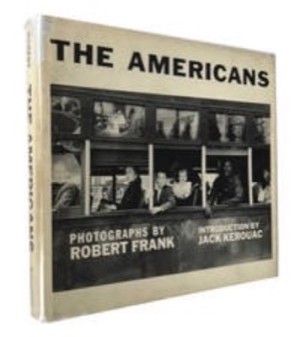
Hardcover. NY, Da Capo Press, 1st, 2017, Book: Very Good, Dust Jacket: Very Good, Hardcover, 352 pages. As well-known as Robert Frank the photographer is, few can say they really know Robert Frank the man. Born and raised in wartime Switzerland, Frank discovered the power and allure of photography at an early age and quickly learned that the art meant significantly more to him than the money, success, or fame. The art was all, and he intended to spend a lifetime pursuing it. American Witness is the first comprehensive look at the life of a man who's as mysterious and evasive as he is prolific and gifted. Leaving his rigid Switzerland for the more fluid United States in 1947, Frank found himself at the red-hot social center of bohemian New York in the '50s and '60s, becoming friends with everyone from Jack Kerouac, Allen Ginsberg, and Peter Orlovsky to photographer Walker Evans, actor Zero Mostel, painter Willem de Kooning, filmmaker Jonas Mekas, Bob Dylan, writer Rudy Wirlitzer, jazz musicians Ornette Coleman and Charles Mingus, and more. Frank roamed the country with his young family, taking roughly 27,000 photographs and collecting 83 of them into what is still his most famous work: The Americans. His was an America nobody had seen before, and if it was harshly criticized upon publication for its portrait of a divided country, the collection gradually grew to be recognized as a transformative American vision.
Hardcover. NY, Da Capo Press, 1st, 2017, Hardcover, 352 pages. As well-known as Robert Frank the photographer is, few can say they really know Robert Frank the man. Born and raised in wartime Switzerland, Frank discovered the power and allure of photography at an early age and quickly learned that the art meant significantly more to him than the money, success, or fame. The art was all, and he intended to spend a lifetime pursuing it. American Witness is the first comprehensive look at the life of a man who's as mysterious and evasive as he is prolific and gifted. Leaving his rigid Switzerland for the more fluid United States in 1947, Frank found himself at the red-hot social center of bohemian New York in the '50s and '60s, becoming friends with everyone from Jack Kerouac, Allen Ginsberg, and Peter Orlovsky to photographer Walker Evans, actor Zero Mostel, painter Willem de Kooning, filmmaker Jonas Mekas, Bob Dylan, writer Rudy Wirlitzer, jazz musicians Ornette Coleman and Charles Mingus, and more. Frank roamed the country with his young family, taking roughly 27,000 photographs and collecting 83 of them into what is still his most famous work: The Americans. His was an America nobody had seen before, and if it was harshly criticized upon publication for its portrait of a divided country, the collection gradually grew to be recognized as a transformative American vision.
Hardcover. NY, Grossman, 2nd Ed., 1969, Book: Very Good, Dust Jacket: Very Good, Hardcover, revised and enlarged, this is the 2nd American edition. A fine copy in a near fine dust wrapper. With stills from several of Frank's earliest films. With an introduction by Jack Kerouac.
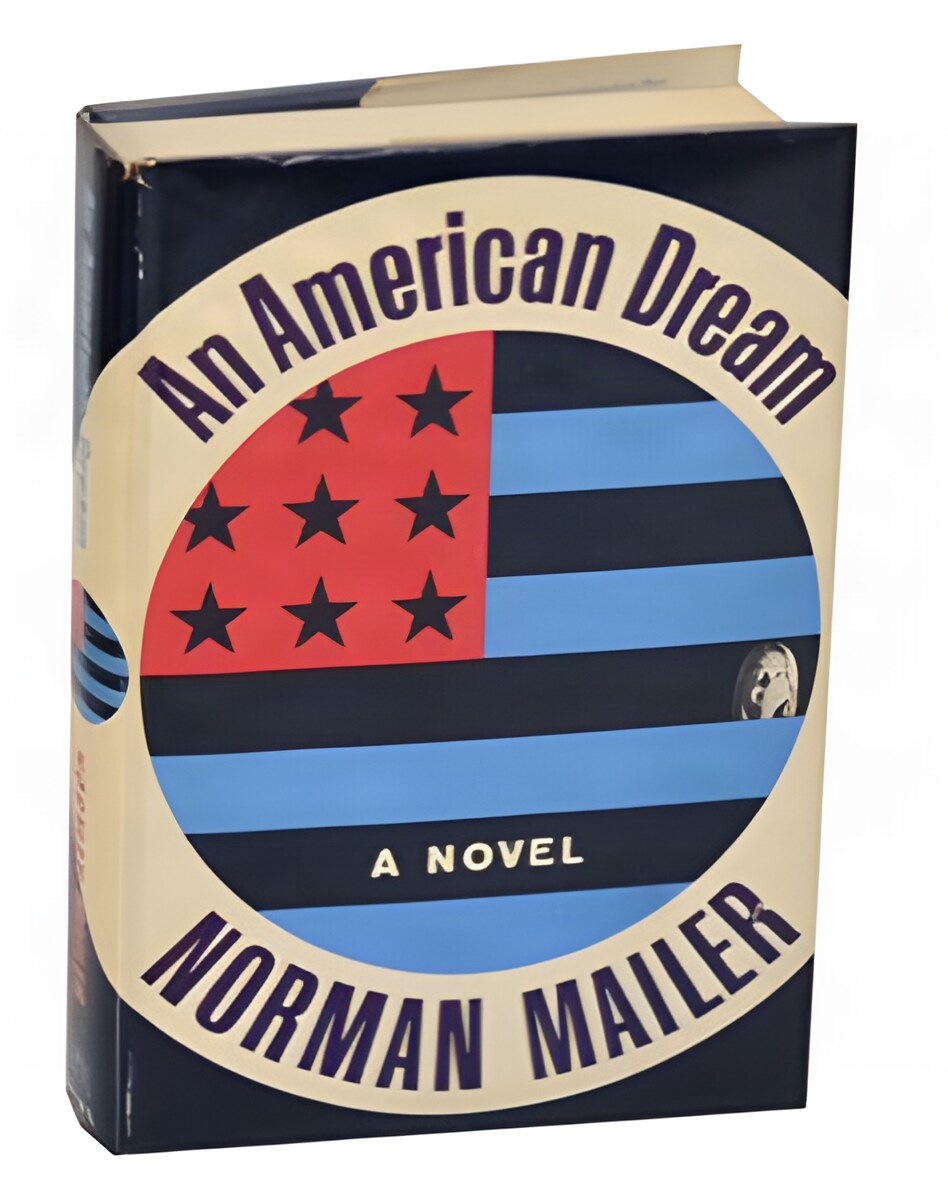
Hardcover. NY, The Dial Press, 1st, 1965, Book: Very Good, Dust Jacket: Very Good, Hardcover in a bright, unclipped dust jacket. Set in New York City, Mailer's first novel in 10 years explores the dark side of the American Dream over a 32-hour time period in the life of Stephen Richards Rojack--war hero/college professor/talk show host/husband--and murderer. Originally serialized in Esquire magazine in slightly different form in 1964, this is the First Edition in book form from 1965. The basis for a film starring Stuart Whitman and Janet Leigh. Name on first blank page, otherwise a clean copy.


 "Ability to Kill, The/ True Tales of Bloody Murderby: Ambler, Eric")
 "Adieu Audrey: Memories of Audrey Hepburnby: Klaus-Jurgen Sembach")


 "Agee on Film - 2 Volumesby: Agee, James")
 "Agency, The: William Morris and the Hidden History of Show Business by: Rose, Frank")



 "Altmanby: Altman, Kathryn Reed/ Vallan, Giulia D'Agnolo/ Scorsese, Martin (Introduction by)")


 "American Prince: A Memoirby: Curtis, Tony and Peter Golenbock")

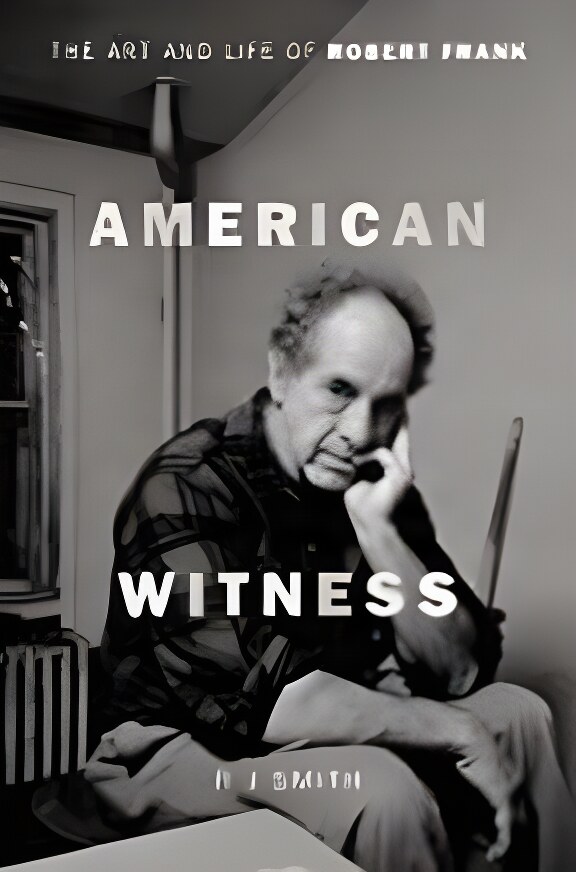
 "American Witness: The Art and Life of Robert Frankby: Smith, R. J.")