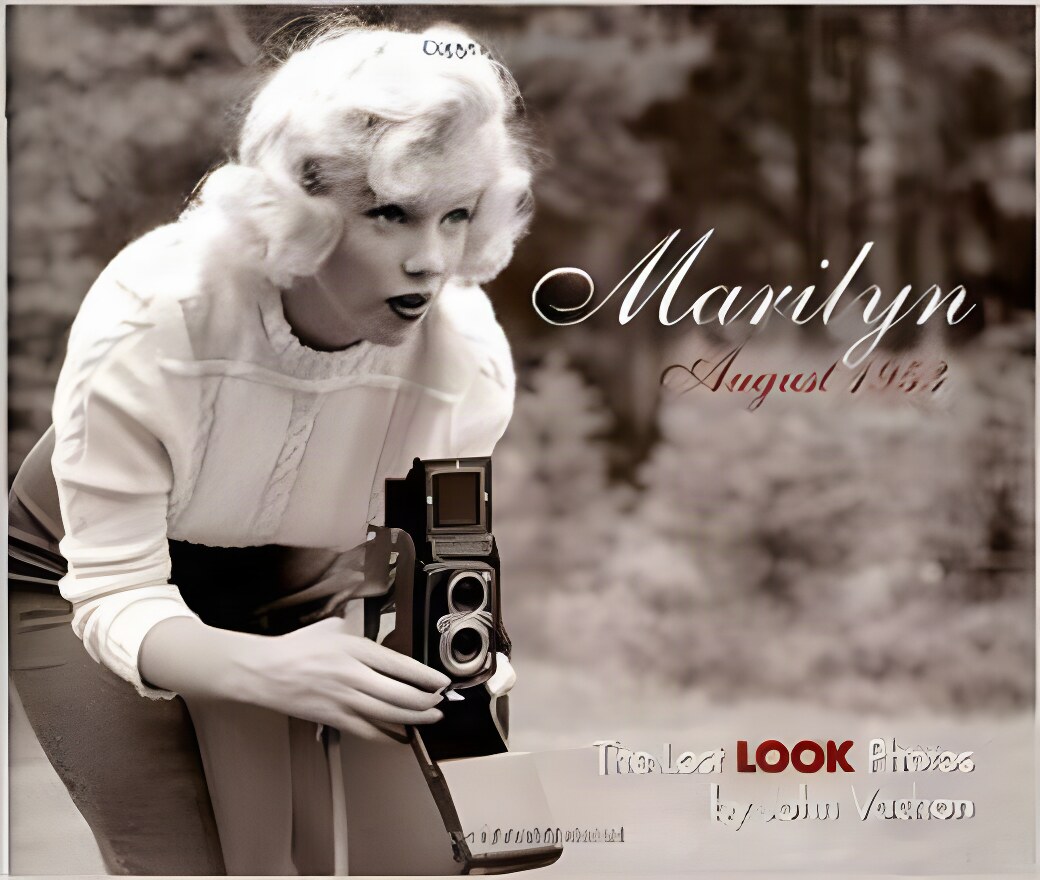
Hardcover. NY, Calla Editions, 1st thus, 2010, Book: Very Good, Dust Jacket: Very Good, 119 pages. Hardcover. Black and white illustrations. Clean, unmarked copy in excellent condition. Picture this: A master photographer shoots the most breathtaking movie star of her time high in the Canadian Rockies in the summer of 1953. And the negatives are filed away for nearly 60 years -- most never seen until now.It was yet another assignment for LOOK magazine staff photographer John Vachon. But when he arrived in Banff, Alberta, in mid-August of 1953 to shoot Marilyn Monroe on location making River of No Return, Vachon encountered an opportunity never afforded the many great photographers who took pictures of Marilyn during her short life. Due to an injured ankle that prevented her from filming, Vachon got access to Marilyn over a period of several days.Vachon's lens captured her in a variety of contexts and countenances. Here is Marilyn the way we want to remember her: luminous, sexually charismatic, smiling radiantly -- even on crutches. This extraordinary portfolio of revealing images ranges from her mugging poolside to riding high on a ski lift to nuzzling with her then-husband-to-be, the legendary Joe DiMaggio -- the only time that the two posed formally together for a photographer. In his ability to present her humanity without either idealization or guile, Vachon has given the legions of Marilyn fans worldwide a very rarely seen portrait of their idol. 102 duotone photos. Text by Brian Wallis
Hardcover. NY, Calla Editions, 1st, 2010, Book: Very Good, Dust Jacket: Very Good, Hardcover. 128 pages. Picture this: A master photographer shoots the most breathtaking movie star of her time high in the Canadian Rockies in the summer of 1953. And the negatives are filed away for nearly 60 years -- most never seen until now! It was yet another assignment for LOOK magazine staff photographer John Vachon. But when he arrived in Banff, Alberta, in mid-August of 1953 to shoot Marilyn Monroe on location making River of No Return, Vachon encountered an opportunity never afforded the many great photographers who took pictures of Marilyn during her short life. Due to an injured ankle that prevented her from filming, Vachon got access to Marilyn over a period of several days. Vachon's lens captured her in a variety of contexts and countenances. Here is Marilyn the way we want to remember her: luminous, sexually charismatic, smiling radiantly -- even on crutches. This extraordinary portfolio of revealing images ranges from her mugging poolside to riding high on a ski lift to nuzzling with her then-husband-to-be, the legendary Joe DiMaggio -- the only time that the two posed formally together for a photographer.
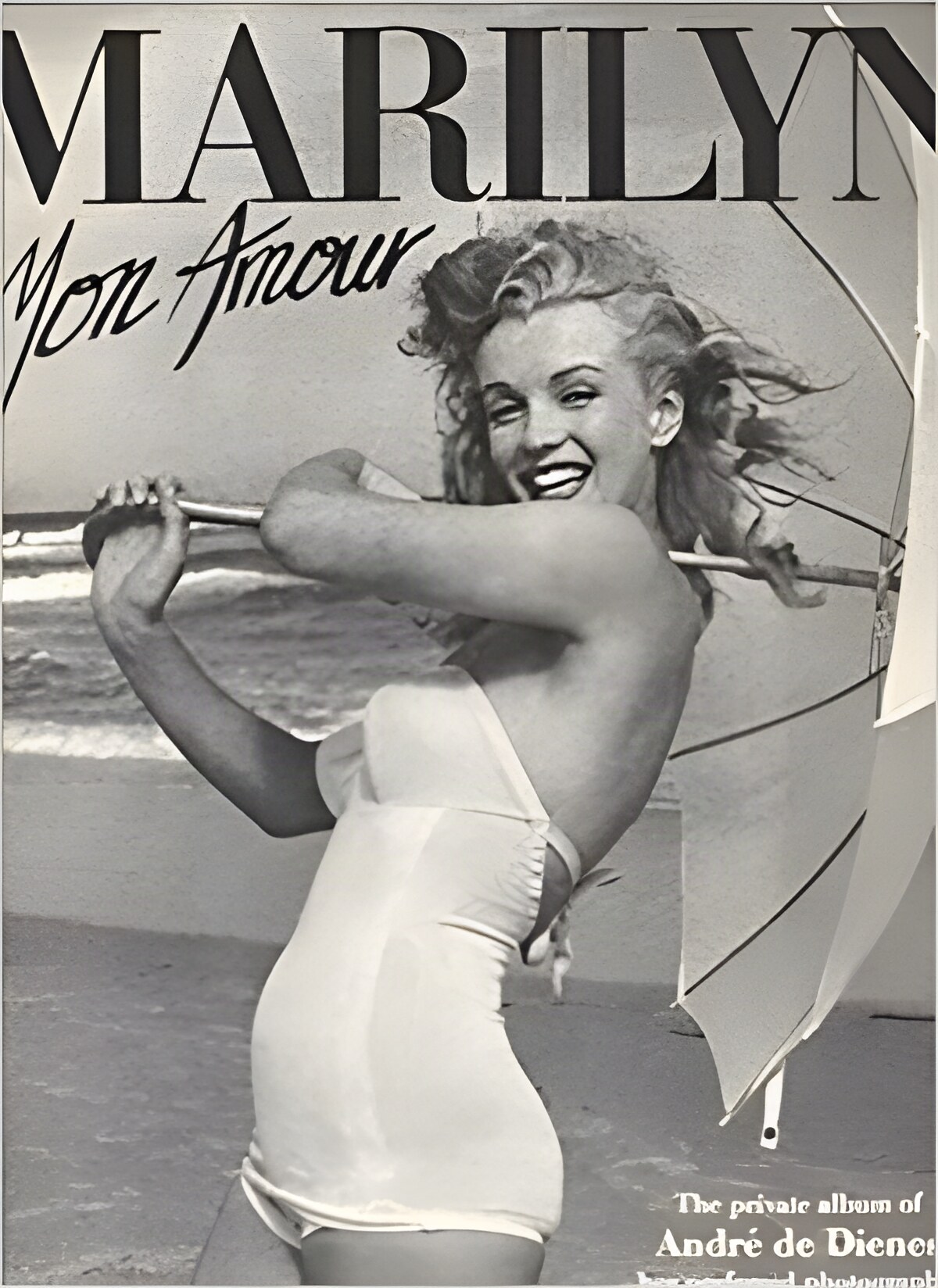
Hardcover. New York, St. Martin's Press, 2nd Printing, 1985, Book: Very Good, Dust Jacket: Very Good, Hardcover, 155 pages, large black & white photographs throughout. Minor dust jacket edge wear and fade, otherwise, very clean and tight copy.
Hardcover. US, Dey Street Books, 1st, 2015, Book: Very Good, Dust Jacket: Very Good, 256 pages. Hardcover with dust jacket. Clean, unmarked copy with only minor wear to dust jacket. Like new in publisher's shrink-wrap. A stunning collection of hundreds of rare and unseen photographs, behind-the-scenes notes, and interviews chronicling the media's lifelong love affair with Marilyn, created by the acclaimed curator and author of Marilyn Monroe: Metamorphosis. Drawing on unseen troves from dozens of photographers, archives, and collectors, acclaimed photography expert David Wills brings together an unprecedented array of press photos from throughout Marilyn's career--including hundreds of unpublished and rare photographs that have been beautifully restored; uncropped and unretouched outtakes; handwritten notations; period captions; clippings; and more. With a foreword by Robert J. Wagner and interviews from key press agents and others, this portfolio of images offers a fresh, indelible portrait of one of the most enduring icons in history and illuminates the special alliance she shared with the press as never before.
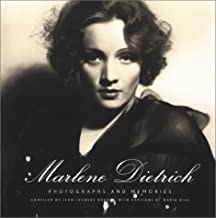
Hardcover. NY, Random House, 1st, 2001, Book: Very Good, Dust Jacket: Very Good, Hardcover, 304 pages, 289 photographs from her own collection. Legendary actress Marlene Dietrich is honored in this beautiful coffee-table book, which is introduced by brief recollections from director Josef von Sternberg, Orson Welles (who worked with her in Touch of Evil), Ernest Hemingway, and others. The Film Museum of Berlin contains 25,000 objects and 18,000 images related to Dietrich, and this book is like a museum exhibition held expressly for Dietrich lovers. It is divided into sections such as "Portraits," "Beads, Furs, and Feathers," and "Possessions" and displays her dresses and accessories in pristine condition, alongside excerpts from letters and diaries. Daughter Maria Riva (author of a 1994 biography, Marlene Dietrich) provides extended captions to the many photographs of the actress and her belongings. Also included are a filmography, theatography, concertography, discography, and collection inventory with exhibitions.
Hardcover. Munchen, Schirmer/Mosel., 1st US, 1984, Book: Very Good, Dust Jacket: Very Good, Hardcover in a bright dust jacket, 269 pages. "Here is a breathtaking visual celebration of this all-time movie goddess, with the world's greatest photographers contributing their most famous landmark portraits collected from the thirty-five years during which Marlene Dietrich reigned supreme in the history of motion pictures."
Hardcover. NY, Phaidon Press, 1st, 2013, Book: Very Good, Dust Jacket: Very Good, Hardcover in a bright dust jacket, 192 pages, illustrated in color and b&w. Marlon Brando (1924-2004) is an icon in the history of American cinema. When he passed away in 2004, The New York Times remember 'the rebellious prodigy who electrified a generation and forever transformed the art of screen acting... a truly revoluntionary presence.' From his beginnings in A Streetcar Named Desire (1951) to his mythic performances The Godfather (1972) and Apocalypse Now (1979), Brando, who worked with such famous film stars as Elizabeth Taylor and Al Pacino, and such leading directors as Elia Kazan, John Huston and Francis Ford Coppola, has become a benchmark for other actors. Clean copy.
Softcover. San Francisco, Chronicle Books, 1st, 2007, Book: Very Good, Dust Jacket: None, Softcover, 132 pages, color illustrations. Culling more than 150 of the most colorful and sometimes unbelievable posters from 1957-1990. Includes an illuminating bilingual essay discussing the posters' creation, the role of cinema in Mexican popular culture, and the ups and downs of its film industry.
Softcover. San Francisco, Chronicle Books, 1st, 2007, Book: Very Good, Dust Jacket: None, Softcover, 132 pages, color illustrations. Culling more than 150 of the most colorful and sometimes unbelievable posters from 1957-1990. Includes an illuminating bilingual essay discussing the posters' creation, the role of cinema in Mexican popular culture, and the ups and downs of its film industry.
Hardcover. Durham NC, Duke University Press, 1st, 2008, Book: Very Good, Dust Jacket: None, Hardcover, black cloth with magenta gilt lettering on spine, 269 pages, b&w illustrations. Masculine Singular is an original interpretation of French New Wave cinema by one of Frances leading feminist film scholars. While most criticism of the New Wave has concentrated on the filmmakers and their films, Genevive Sellier focuses on the social and cultural turbulence of the cinemas formative years, from 1957 to 1962. The New Wave filmmakers were members of a young generation emerging on the French cultural scene, eager to acquire sexual and economic freedom. Almost all of them were men, and they wrote in the masculine first-person singular, often using male protagonists as stand-ins for themselves. In their films, they explored relations between men and women, and they expressed ambivalence about the new liberated woman. Sellier argues that gender relations and the construction of sexual identities were the primary subject of New Wave cinema.Sellier draws on sociological surveys, box office data, and popular magazines of the period, as well as analyses of specific New Wave films. No dust jacket, Clean copy.
Softcover. New York , Watson-Guptill, 1st, 2001, Book: Very Good, Dust Jacket: None, Softcover, 208 pages, 75 color, b&w illustrations. Terrific book that covers nearly forty animators from the U.S. and around the world. Includes in-depth profiles of their careers and work including the early pioneers of animation. Also includes synopses of films and many full color images.
Hardcover. NY, Ballantine Books, 1st, 1988, Book: Very Good, Dust Jacket: Very Good, Hardcover, 287 pages. This beautifully printed volume belongs on your Hollywood shelf beside the works of Kobal, Trent & Lawton, Vieira, and anything else on or by George Hurrell. A brief 30-page recap of the history of still photography in the movie industry is followed by 255 pages showing examples of the work of 43 of the most notable stills men (including two women) who snapped the stars, scenes, and environment of the movies during their first 60 years. A brief chronology of the career of each photogher is included. All the photos are given their best reproduction on heavy enameled stock. Clean copy.
Hardcover. New York, NY, Collins Design, 1st, 2010, Book: Very Good, Dust Jacket: Very Good, 205 pages. Hardcover with dust jacket. Minor yellowing to dust jacket edges. Minor soiling to dust jacket rear and top edge of front. An otherwise clean, unmarked copy with only minor wear to dust jacket edges. Match Prints is a visual and editorial dialogue between two renowned photographers of music and film celebrities, Jim Marshall and Timothy White. Marshall, one of the foremost photographers of the rock music scene in the 1960s and 1970s, shot some of the most iconic images of the era, including Jimi Hendrix burning his guitar at Woodstock; White, one of the most in-demand music and Hollywood photographers working today, has built an equally impressive portfolio of photos in his 20 year career. Match Prints features images from the worlds of film and music, compares the work of the two photographers, and provides first-hand behind-the-scenes anecdotes. With an introduction by renowned music writer Anthony DeCurtis.
Softcover. NY, Guggenheim Museum, 1st, 2002, Book: Very Good, Dust Jacket: None, Softcover, color illustrated wraps, unpaginated, richly illustrated in mostly color. Published on the occasion of the exhibition Matthew Barney: The Cremaster Cycle. Never opened, still in original shrink wrap. First published in February 2002, concludes Matthew Barney's CREMASTER cycle that consists of five films. He began working on the cycle in 1994. The individual parts, however, were not produced in chronological order. Each of the five films is accompanied by a publication; this volume was uniquely designed as an artist's book by Matthew Barney and contains a multitude of photographs and film stills from Cremaster 3.
Hardcover. NY, Guggenheim Museum, 1st, 2002, Book: Very Good, Hardcover First Edition SIGNED on title page by Matthew Barney. With essays by Nancy Spector and Neville Wakefield. Text in English. Published on the occasion of the exhibitions in Cologne, Paris and New York, 2002 - 2003. Cremaster Cycle is the definitive guide for 'The Cremaster Cycle', the Matthew Barney's epic five-part film series. The book is filled with hundreds of Barney's fantastical images which use the biological model of sexual difference as its conceptual departure point. Three essays by Barney experts articulate the series' diverse themes and explore the artist's innovative aesthetic vocabulary; interviews with key collaborators, a composer, costume designer, make-up artist, technicians and actors reveal his working process. A trailblazing essay by Curator of Contemporary Art Nancy Spector charts Barney's work from the 1990s to the present and provides critical insights into the aesthetic vocabulary of his five 'Cremaster' films, while Neville Wakefield's 'Cremaster Glossary' illuminates the films most far-flung references with citations from sources as diverse as Freud's psychoanalytic studies, Mormon law and lore, and hardcore music fanzines. In addition to stills from the five films, the book features related sculptures, photographs, drawings and storyboards. Barney himself collaborated on all aspects of this extraordinary publication, including the selection of over 700 images, most of them never before published. 530 pages. 32,2x23,5x6,2 cm Hardcover with plastic dust jacket with green and black cover title . Clean, as new. DOMESTIC SHIPPING ONLY.
Softcover. NY, Random House, 1st US, 1986, Book: Very Good, Dust Jacket: None, Softcover, unpaginated. Color throughout. Max Headroom, as you may remember, is the hipper alter ego of Edison Carter (Matt Frewer) and his adventures in the future. Carter is a top notch tv reporter, the lovely Theora Ward, the controller, is played by the lovely Amanda Pays. The show gives you a dark smoky view of the future - and this book, the starting movie of the series, replicates that look It has the script from the movie, as well as action shots. Clean, bright copy.
Hardcover. NY, Abbeville, 1st, 1990, Book: Very Good, Dust Jacket: Very Good, Hardcover, 256 pages. Hank Ketcham, the self-styled "Merchant of Dennis," passed away in 2001 at the age of 81, but not before writing this engaging memoir. In this volume, the Dennis the Menace creator charmingly tells his own colorful story, starting when he was about "five-ana-half" and first picked up the "magic pencil." A child of the Great Depression from Seattle, Ketcham abandoned college for Hollywood, to pursue a dream of making drawings for Walt Disney films. Initially rebuffed at Disney, he persisted in huffing and puffing at the Mouse Factory door (all the while drawing "Andy Pandas, rabbits, squirrels, and monkeys" at Walter Lantz studio) until finally he was let inside to labor happily on Pinocchio, Bambi, Fantasia and a host of Donald Duck shorts. World War II intervened, but Photographer's Mate Ketcham was, nevertheless, able to resume his artistic career in the Navy, where, in Washington, D.C., he created cartoons for the War Bond program. Following the war, Ketcham developed into a successful freelancer, placing cartoons in The New Yorker, Saturday Evening Post and Collier's.Then one fateful day, his harried wife screamed at him that his son Dennis was a menace! That, of course, sparked an idea that subsequently was sold to a newspaper syndicate in the fall of 1950. Within a year, Dennis the Menace was up to a hundred daily subscribers-a figure that climbed steadily.The Merchant of Dennis the Menace not only traces the humorous adventures of Hank Ketcham-with copious illustrations of his artistic development from a kid with an early knack for copying cartoon characters to a mature and masterful artist of everyday life in the Mitchell and Wilson households-it also offers a special insight into the life and times of the half-pint "Menace." In one unique section, Ketcham takes us behind the scenes of Dennis and provides complete backgrounds for all the major characters, including their genealogies. We are also treated to official model sheets, in-depth analysis of each character's personality and motivations, and an exclusive peek at the private sketches that Ketcham referred to of rooms in the Wilson and Mitchell homes, their backyards, and the neighborhood. To top it all off, the book includes a dozen of Ketcham's hand-picked, all-time favorite strips.
Hardcover. NY, Simon & Schuster , 2nd pr., 1953, Book: Very Good, Dust Jacket: Very Good, Hardcover in a bright dustjacket, Illustrated wth 12 b/w cartoons by George Price. A wry and witty history of the American motion picture by a giant of the industry. Postcard of Brown Derby Restaurant laid-in.
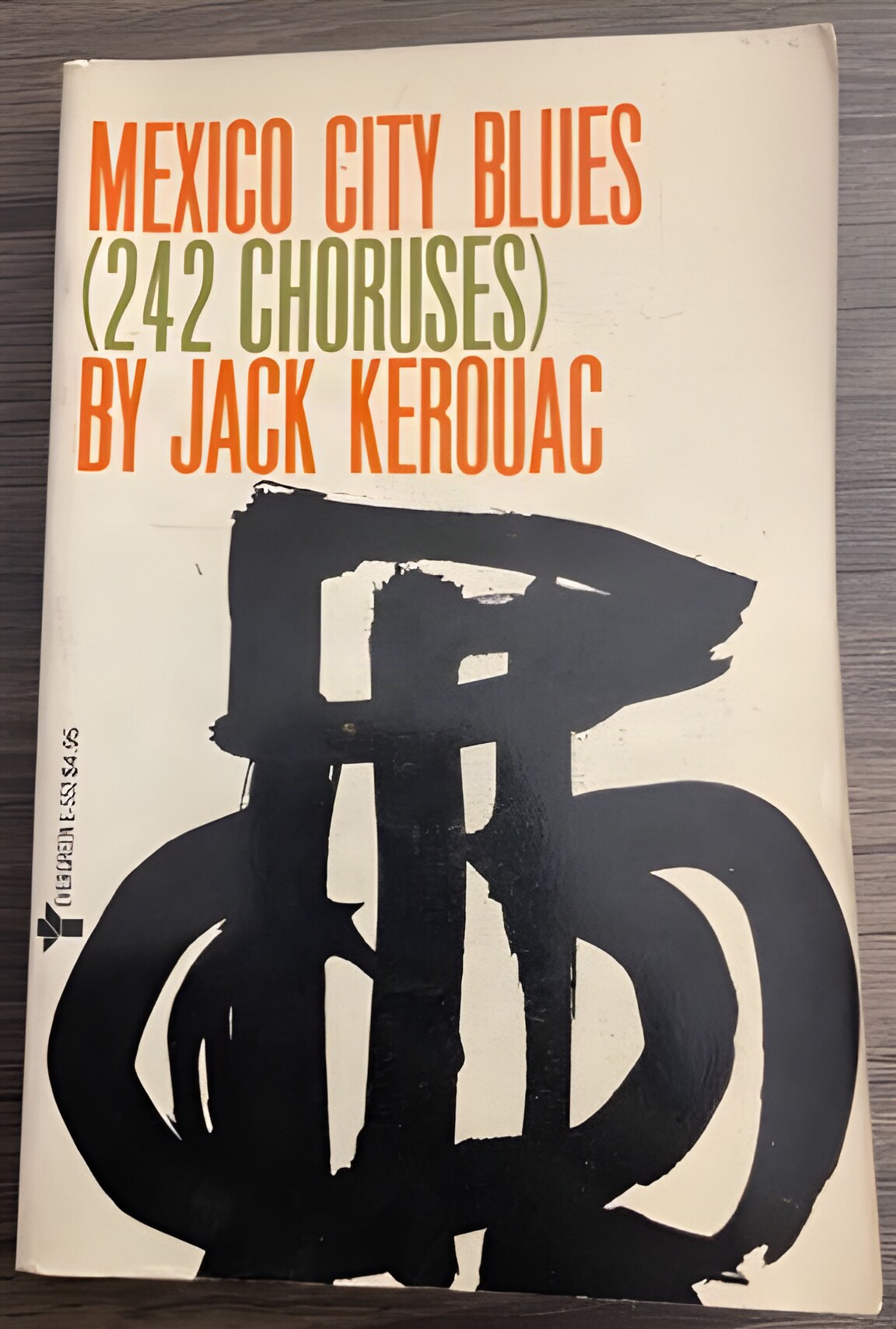
Softcover. NY, Grove Press , 3rd pr., Book: Very Good, Dust Jacket: None, Softcover, 214 pages. Cover price of $2.45, E-552, ISBN number on rear cover so post 1970. Clean copy. This is the 3rd printing of the original Mexico City Blues (242 Choruses) by Jack Kerouac, a long poem composed of 242 "choruses" or stanzas, which was first published in 1959. It has been the inspiration for multiple films and novels, and serves as a pillar of Kerouac's oeuvre.
Hardcover. New York, Whitney Museum of American Art/Steidl, 1st, 2002, Book: Very Good, Dust Jacket: None, Flexible boards, 264 pages. B/w and color illustrations throughout. Published to accompany exhibition at Whitney Museum of American Art in New York. Super clean. By repeatedly re-photographing her images, transferring them from video to film and back again, and manipulating them digitally, Michal Rovner creates photographic and video imagery that abstract familiar subjects like houses, animals, and people into ambiguous and iconic forms. Working with representation but against the traditions of narrative and documentary purpose, her artworks imply a tentative universe, one that is paradoxically peaceful and unsettled, vivid and shrouded, and completely counter-factual. If the changing nature of art has resulted in a general blurring of boundaries--between painting and photography, reality and memory, presence and absence--Rovner mines this haziness, refuses to respect borders, and exists completely in The Space Between.
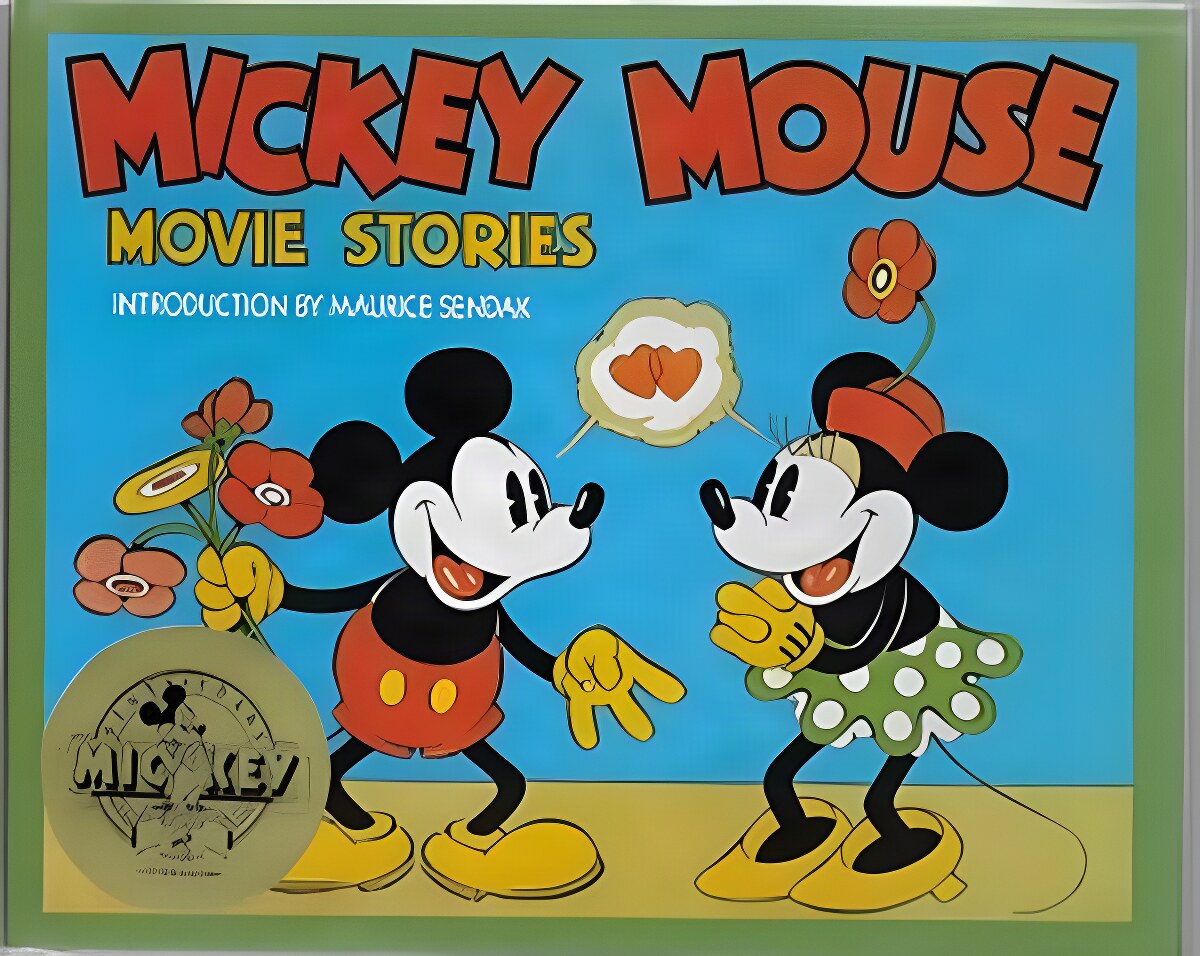
Hardcover. NY, Abrams, 1st, 1988, Book: Very Good, Dust Jacket: Very Good, Hardcover, 196 pages. Black & white illustrations. Dust jacket with Anniversary gold sticker on it. Introduction by Maurice Sendak. Presents several adventures of Mickey Mouse, Minnie Mouse, and Pluto illustrated with drawings from animated films made in the Disney Studios during the 1930"s.
Hardcover. NY, Harmony Books, 1st, 1977, Book: Very Good, Dust Jacket: Very Good, Hardcover, 255 pages. SIGNED BY CO-AUTHOR DAVID BAIN ON TITLE PAGE. Color and black & white illustrations by Walt Disney studio. Color and black & white photography. Dust jacket is protected by a mylar cover.
Hardcover. NY, Taschen, reprint, 2023, Book: Very Good, Dust Jacket: None, Hardcover, pictorial boards, 190 pages. A smaller edition of the book published in 2019. Rewind back to the midcentury, before the age of Instagram and Snapchat, where people were using 35mm cameras loaded with color film to document both monumental and mundane moments in their lives. They took pictures of their loved ones, their vacations, their celebrations. They memorialized the births of babies; a child in a cowboy outfit; a new color television set; sightseeing in National Parks; fishing trips; lazing on the beach; weddings; office parties; family reunions; holding hands, kissing and dancing. Imagining these lives and the possible stories that lie behind the images is what makes The Anonymous Project such a compelling journey into our past. Clean copy.

 "Marilyn: In the Flashby: Wills, David")
 "Marlene Dietrich: Portraits, 1926-1960 by: Wensinger, Arthur S.")

 "Mas! Cine Mexicano: Sensational Mexican Movie Posters 1957 - 1990by: Rogelio, Jr, Agrasanchez")




 "Matthew Barney: The Cremaster Cycle (SIGNED)by: Barney, Matthew; Spector, Nancy & Neville Wakefield")


 "Merely Colossal: The Story of the Movies from the Long Chase to the Chaise Longue by: Mayer, Arthur")
 "Michael Rovner: The Space Betweenby: Wolf, Sylvia")
 "Midcentury Memories: The Anonymous Project by: Shulman, Lee (Ed.)")