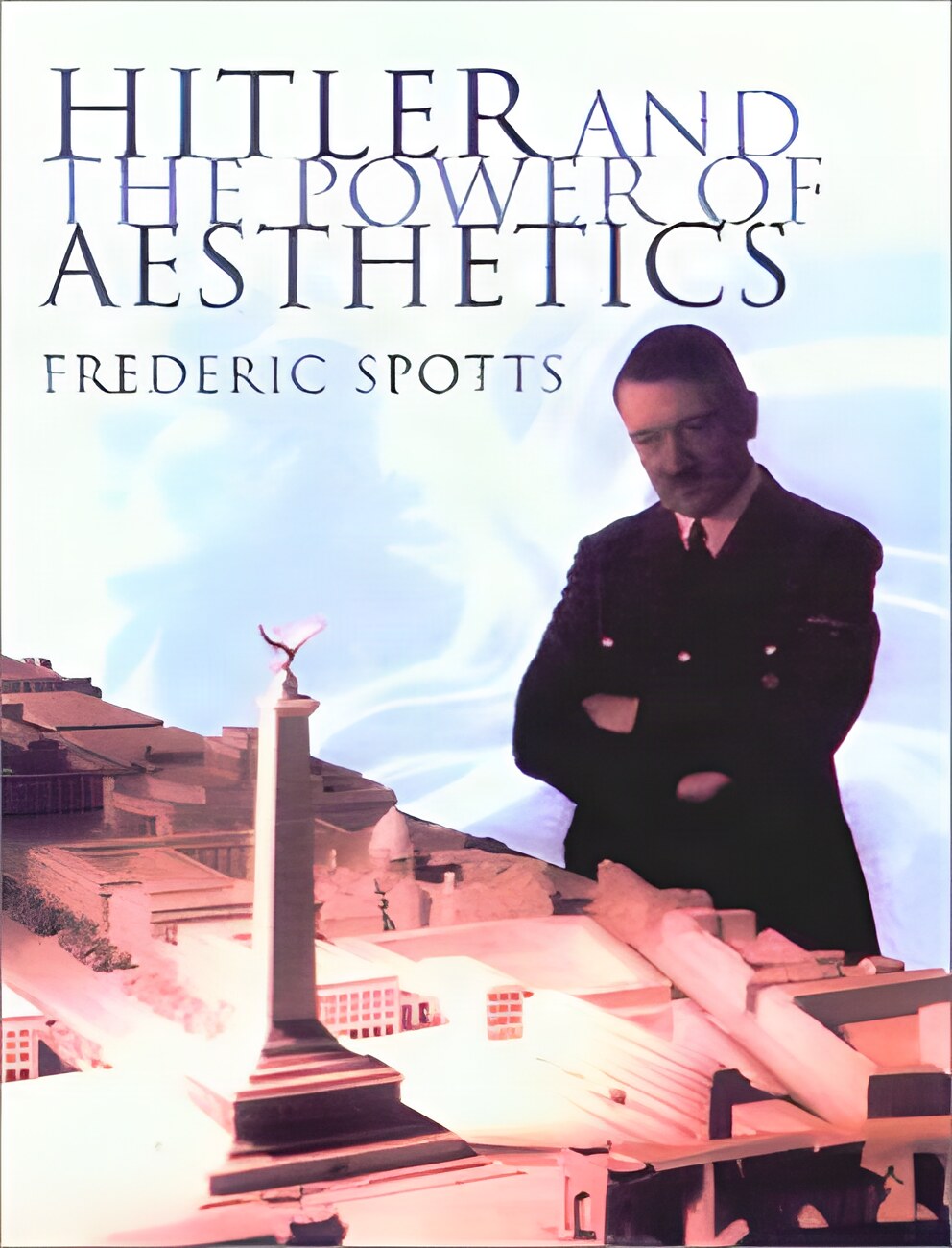
Hardcover. Woodstock NY, Overlook Press, 1st US, 2003, Book: Very Good, Dust Jacket: Very Good, Hardcover in a bright dust jacket, 456 pages with b&w and color illustrations. In Hitler and the Power of Aesthetics, acclaimed historian Frederic Spotts presents a startling reassessment of Hitler's aims and motivations. Spotts dismisses the traditional biographical view that Hitler was an "unperson," who had no life outside of politics, Spotts shows that Hitler's interest in the arts was as intense as his racism and his argument is punctuated with photographs and illustrations, including reproductions of Hitler's watercolors and drawings from his 1925 sketchbook. The book offers the first full analysis of Hitler's own work as a painter, as well as of his art collection. It also treats the entire range of his personal interests: from architecture, painting, symphony, opera, and sculpture, to the German autobahn system and the development of the Volkswagen. A riveting and highly original work, Hitler and the Power of Aesthetics provides a key to an understanding of the Third Reich which has, until now, been missing from biographies and studies of the arts in the Third Reich, as well as from political and military studies of Hitler. Clean copy.
Hardcover. NY, Viking, 1st, 1999, Book: Very Good, Dust Jacket: Very Good, Hardcover in a bright, unclipped dust jacket, 430 pages. In this book, backed by a wealth of new research, the author tells for the first time the story of the career of Eugenio Pacelli, the man who as Pius XII was Pope during the Second World War and arguably the most powerful churchman in modern history. Adding to the continuing debate about collective guilt and the Holocaust this is an extraordinary and explosive history. In the first decade of the century, as a brilliant young lawyer, Pacelli helped shape an ideology of unprecedented papal power; during the 1920s he employed cunning and moral blackmail to impose that power in Germany. In 1933 Hitler became his perfect negotiating partner and a concordat was established that granted religious and educational advantages to the Catholic Church in exchange for Catholic withdrawal from social and political action. This 'voluntary' abdication of political Catholicism imposed from Rome facilitated the rise of Nazism. Clean copy.
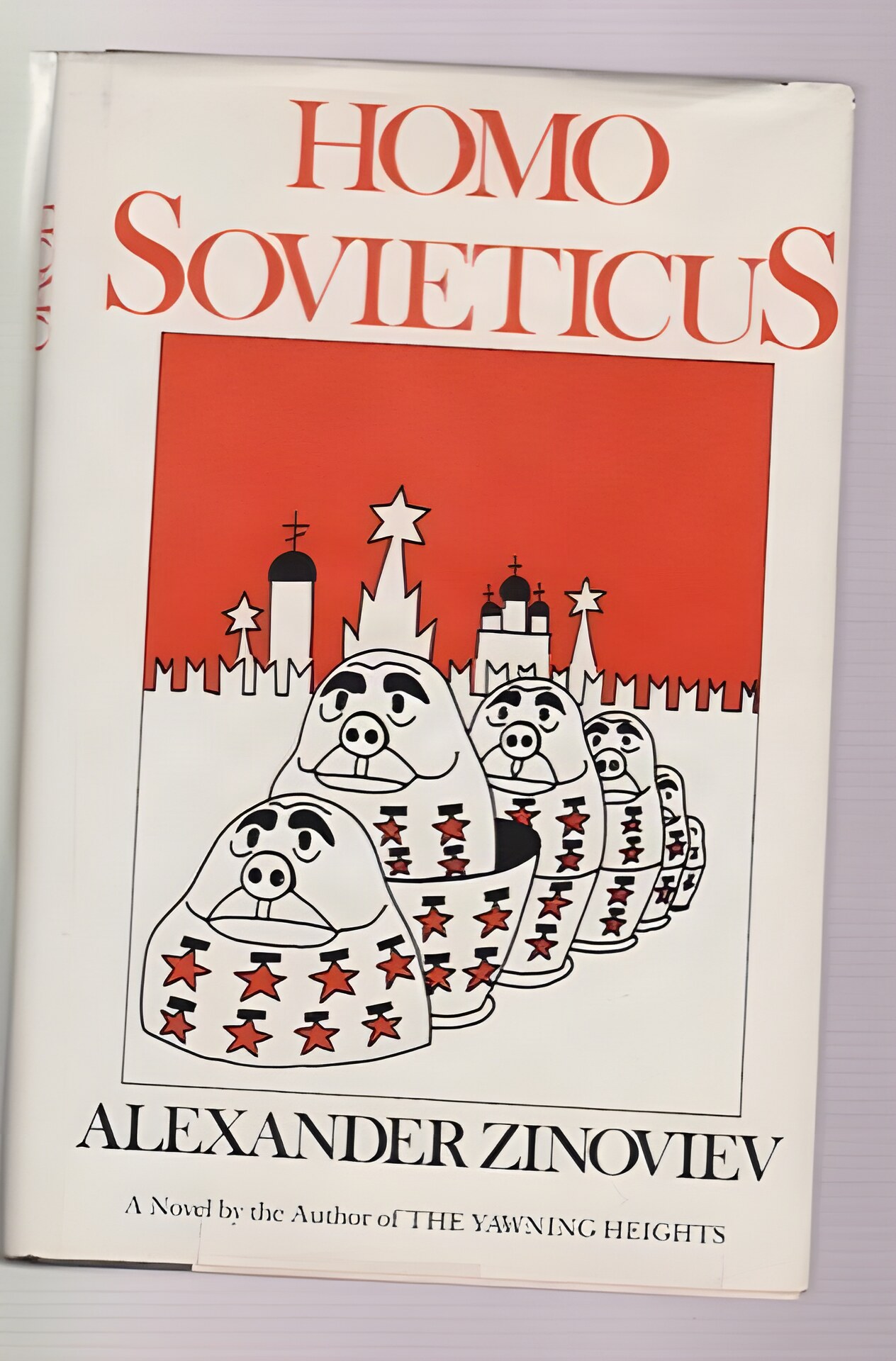
Hardcover. NY, Atlantic Monthly Press, 1st US, 1986, Book: Very Good, Dust Jacket: Very Good, Hardcover in a bright, unclipped dust jacket, 206 pages. Exploring the nature of a new people created by Soviet communal society, this novel centers on a group of Soviet emigres living in a boarding house in Germany, each seeking to establish a niche in the West. Dripping venom, the narrator ranges in systematic fashion through the actions of the communist regime from 1917 to the present, excoriating Soviet history. Seen through the cold eye of the observer, the System is duplicitous, corrupt, inefficient and boring, when it is not simply maddening. This furious, outraged, highly theatrical monologue documenting the emergence of the New Man, Homo sovieticus, will seem a definitive portrait to those familiar with the ways of the Kremlin. Clean copy.
Hardcover. New York, Harper & Brothers, 1st, 1888, Book: Very Good, Dust Jacket: None, 176 pages. Illustrated with drawings by R. F. Zogbaum celebrating military life in France, Germany, Great Britain, and United States. Title in gilt on cover with drum and rifle illustration. Cloth missing from top 3/8" of spine. Corners of front and back covers bumped and rubbed. Previous owners name on front endpaper. Clean, tight copy.
Hardcover. Wilby UK, Michael Russell Publishing, 1st UK, 1997, Book: Very Good, Dust Jacket: Very Good, Hardcover in a bright dust jacket. 391 pages, b&w illustrations, translated from the German by G.T. Waddington. An insider's account of the turbulent rise and fall of Hitler's "Thousand Year Reich". Clean copy.
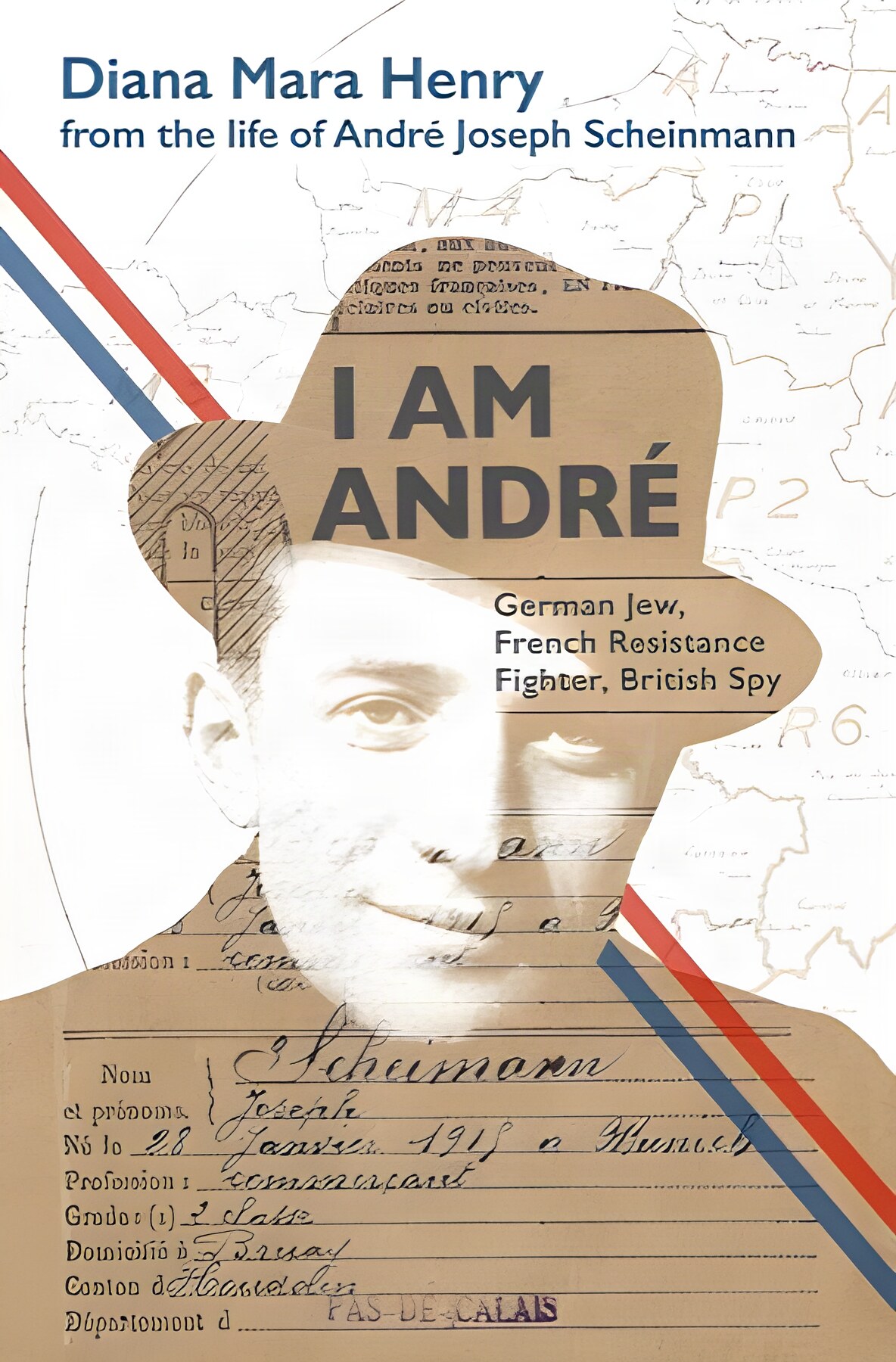
Hardcover. Chiselbury, 1st, 2024, Book: Very Good, Dust Jacket: None, Hardcover in glossy pictorial boards, 356 pages. An amazing real-life story of espionage, of courage and resistance, and of friendship and love. It pulls back the veil on the hidden history of the struggle for the identity of the Resistance in France. The life of 'André' Joseph Scheinmann is more intriguing and compelling than any work of fiction. His true-life story of derring-do starts as a Jewish youth in Munich, whose family moves to France in 1933 to escape the Nazi tide. He joins the French army at the outbreak of WW2 and escapes from a prisoner-of war camp after the bitterly brief fight for France in the summer of 1940. André becomes a spy and saboteur for the British and Free French whilst working undercover as translator and liaison with the German high command at the Brittany headquarters of the French National Railroads. Summoned by the British, he clandestinely crosses the Channel for initiation and training as an MI6 agent in England. His network betrayed during his absence, he is arrested on his return to France. André then begins an even more perilous journey with interrogation in Gestapo prisons and the little-known Natzweiler concentration camp in Alsace, before being transferred to Dachau and Allach, ahead of the advancing Allies. Illustrated with over 120 vintage and color photographs and letters. Clean copy.
Hardcover. Chicago, Henry Regnery Company, 1st, 1950, Book: Very Good, Dust Jacket: Fair, Hardcover in a worn, chipped dust jacket. Map endpapers, 176 pages, b&w photos. The first book by a German general published in America after the war, a German account of the D-Day & Normandy 'invasion' by Allied forces; the author was Rommel's Chief-of-Staff and therefore had an inside view of Rommel's efforts to get Hitler to negotiate a peace in the face of overwhelming Allied superiority. Speidel was a career military officer and trained historian; a German nationalist, he disagreed with racist Nazi policies, was involved in the 20 July plot to kill Hitler, and was important in rebuilding Germany's army after the war. Clean copy.
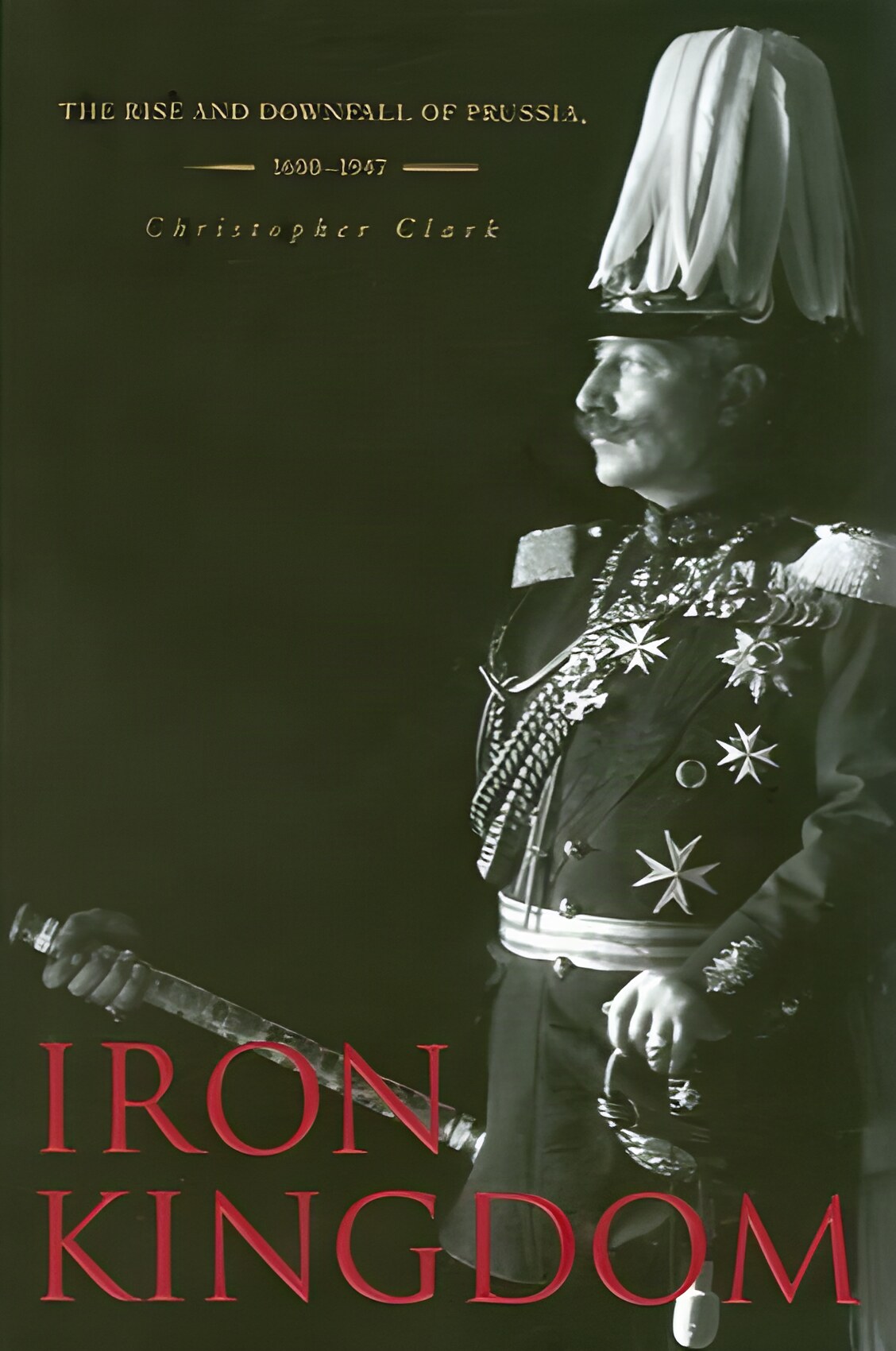
Softcover. Cambridge MA, Harvard University Press, reprint, 2008, Book: Very Good, Dust Jacket: None, Softcover, 776 pages. "Iron Kingdom, Christopher Clark's stately, authoritative history of Prussia from its humble beginnings to its ignominious end, presents a much more complicated and compelling picture of the German state, which is too often reduced to a caricature of spiked helmets and polished boots. Prussia and its army were inseparable, but Prussia was also renowned for its efficient, incorruptible civil service; its innovative system of social services; its religious tolerance; and its unrivaled education system, a model for the rest of Germany and the world. This too was Prussia-a tormented kingdom that, like a tragic hero, was brought down by the very qualities that raised it up. Mr. Clark, a senior lecturer in modern European history at Cambridge University, does an exemplary job. A lively writer, he organizes masses of material in orderly fashion, clearly establishing his main themes and pausing at crucial junctures to recapitulate and reconsider. Prussia, a self-invented artifact right down to its name, demands the kind of careful demythologizing that it receives from Mr. Clark, who gently but insistently exposes the flaws in most of the received wisdom about his subject. A result is an illuminating, profoundly satisfying work of history, brightened by vivid character sketches of the principals in his drama." Clean copy.
Hardcover. Germany, Hatje Cantz, 1st, 2006, Book: Very Good, Dust Jacket: None, Hardcover, 80 pages, photos in color. Minor shelf-wear to boards, else a clean, tight copy. This book documents the two most recent works by the critically acclaimed British artist and filmmaker, Isaac Julien, both of which continue his investigation of issues of race and global politics. True North, shot in the spectacular landscapes of Iceland and Northern Sweden, is conceived around the expedition writings of the African-American explorer Matthew Henson, one of the key members of Robert E. Peary's 1909 Arctic expedition, and arguably the first person to reach the North Pole. True North's diametric counterpart, Fantome Afrique, weaves cinematic and architectural references through the rich imagery of urban Ouagadougou, Africa's cinematic center, and the arid spaces of rural Burkina Faso. The film is punctuated by archival footage from early colonial expeditions and landmark moments in African history.
Hardcover. Germany, Hatje Cantz, 1st, 2006, Book: Very Good, Dust Jacket: None, Hardcover, 80 pages, photos in color. Minor shelf-wear to boards, else a clean, tight copy. This book documents the two most recent works by the critically acclaimed British artist and filmmaker, Isaac Julien, both of which continue his investigation of issues of race and global politics. True North, shot in the spectacular landscapes of Iceland and Northern Sweden, is conceived around the expedition writings of the African-American explorer Matthew Henson, one of the key members of Robert E. Peary's 1909 Arctic expedition, and arguably the first person to reach the North Pole. True North's diametric counterpart, Fantome Afrique, weaves cinematic and architectural references through the rich imagery of urban Ouagadougou, Africa's cinematic center, and the arid spaces of rural Burkina Faso. The film is punctuated by archival footage from early colonial expeditions and landmark moments in African history.
Softcover. San Francisco, Chronicle Books, 1st, 1993, Book: Very Good, Dust Jacket: None, Softcover, 133 pages illustrated in color. This lavishly illustrated volume offers a unique survey of Italian commercial graphic design during a period of both creative artistic vitality and extreme political turmoil. The first English-language book to showcase the bold typography and streamlined imagery of modern Italian design motifs on commercial products of the day, this fascinating and important resource for designers, history buffs, and collectors includes a discussion of the Futurist influence on the Italian Art Deco style and the success of such individualized expression despite a ruthless Fascist regime. Clean copy.
Hardcover. Chapel Hill, University of North Carolina Press., 1st, 1981, Book: Very Good, Dust Jacket: Very Good, Hardcover in a lightly worn dust jacket, 364 pages, b&w illustrations. As the most learned and eminent public lawyer in Germany, a busy administrator, and a prolific writer, Moser (1701-85) lived and breathed the political order. His correspondence, memoranda, and manuscript autobiography reflect the intricate day-to-day operations of the empire, and his fascinating life is a microcosm of the life and style of the empire itself. The biography provided a comprehensive picture of the empire between the Thirty Years War and the revolutionary era. Dust jacket spine faded otherwise very good, clean.
Hardcover. New Haven CT, Yale University Press;, 1st, 2009, Book: Very Good, Dust Jacket: Very Good, Hardcover, 180 pages. John Gutmann (1905-1998) was one of America's most distinctive photographers. Born in Germany where he trained as an artist and art teacher, he fled the Nazis in 1933 and settled in San Francisco, reinventing himself as a photo-reporter. Gutmann captured images of American culture, celebrating signs of a vibrant democracy, however imperfect. His own status as an outsider--a Jew in Germany, a naturalized citizen in the United States--informed his focus on individuals from the Asian-American, African-American, and gay communities, as well as his photography in India, Burma, and China during World War II. This handsome book acknowledges Gutmann's place in the history of photography. Drawing on his archive of photographs and papers at the Center for Creative Photography, it presents both unfamiliar works and little-known contexts for his imagery, linking his photography to his passionate interest in painting and filmmaking, his collections of non-Western art and artifacts, and his pedagogy. In addition to a major essay by Sally Stein, the volume includes an introduction by Douglas R. Nickel, and an overview of the Gutmann archive by Amy Rule.
Hardcover. New Haven CT, Yale University Press;, 1st, 2009, Book: Very Good, Dust Jacket: Very Good, Hardcover, 180 pages. John Gutmann (1905-1998) was one of America's most distinctive photographers. Born in Germany where he trained as an artist and art teacher, he fled the Nazis in 1933 and settled in San Francisco, reinventing himself as a photo-reporter. Gutmann captured images of American culture, celebrating signs of a vibrant democracy, however imperfect. His own status as an outsider--a Jew in Germany, a naturalized citizen in the United States--informed his focus on individuals from the Asian-American, African-American, and gay communities, as well as his photography in India, Burma, and China during World War II. This handsome book acknowledges Gutmann's place in the history of photography. Drawing on his archive of photographs and papers at the Center for Creative Photography, it presents both unfamiliar works and little-known contexts for his imagery, linking his photography to his passionate interest in painting and filmmaking, his collections of non-Western art and artifacts, and his pedagogy. In addition to a major essay by Sally Stein, the volume includes an introduction by Douglas R. Nickel, and an overview of the Gutmann archive by Amy Rule.
Hardcover. Germany, Daab, 1st, 2012, Book: Very Good, Dust Jacket: None, 320 pages. Hardcover no dust jacket. Like new in publisher's shrink-wrap.. The Label Book of Clothing Culture presents over 40 TOP labels within the fashion business which are among the very best in the world. Great names such as Barbour and Brioni stand next to numerous 'Hidden Champions' of clothing culture. But this extraordinary coffee-table book is about much more than mere fashion, it also presents craftsmanship and history, style and quality; it highlights those companies that have committed themselves to this tradition with heart and soul. The editor and enthusiastic art collector, Dr. Dr. Thomas Rusche, knows what he is talking about, since it is he that coined the term 'clothing culture.' He shares his knowledge of the true champions of the business and provides interesting background information about the companies presented here.
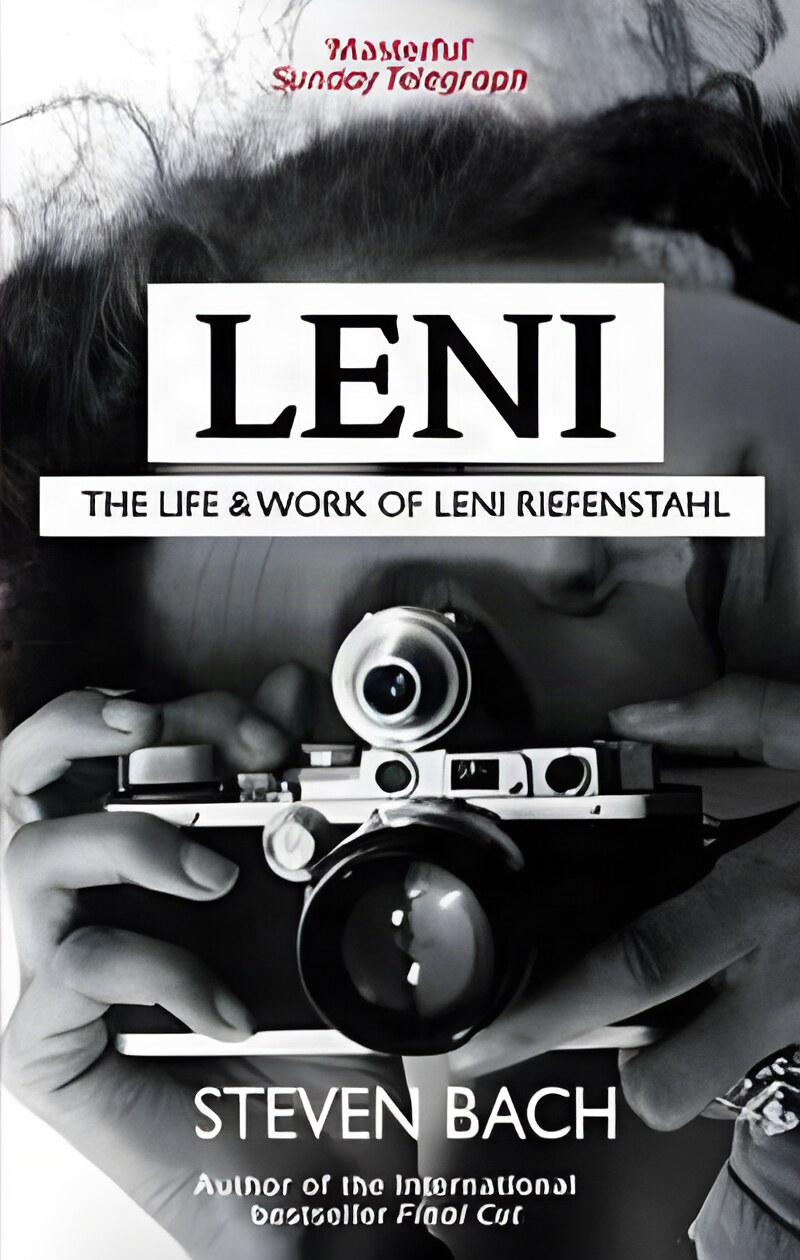
Hardcover. NY, Knopf, 1st, 2007, Book: Very Good, Dust Jacket: Very Good, Hardcover, 400 pages. The definitive biography of Leni Riefenstahl, the woman best known as "Hitler's filmmaker," one of the most fascinating and controversial personalities of the twentieth century. It is the story of huge talent and huger ambition, one that probes the sometimes blurred borders dividing art and beauty from truth and humanity. Relying on new sources--including interviews with her colleagues and intimate friends, as well as on previously unknown recordings of Riefenstahl herself--Bach gives us an exceptional work of historical investigation that untangles the past and is also an objective but unsparing appraisal of a woman of spectacular gifts corrupted by ruthless personal ambition.
Softcover. UK, Abacus, reprint, 2008, Book: Very Good, Dust Jacket: None, Softcover, 468 pages, b&w illustrations. Presents a revealing biography, based on primary sources, of the life and works of Riefenstahl and her role as photographer and filmmaker in Germany and during the Nazi regime. Bright, clean copy.
Hardcover. NY, Farrar, Straus and Giroux, 1st, 1971, Hardcover in a bright dust jacket, 378 pages. From dust jacket notes: "For most Americans, the Second World War started on December 7, 1941, and much of the fighting took place in strange, faraway places. For the British, the war started on September 3, 1939, and much of the action took place in the skies over England. In the spring of 1940, after months of uneasy calm, Germany invaded the Lowlands and conquered France within a few days, leaving England without her only meaningful ally on the Continent. A year would pass before the Soviet Union was drawn into the war, and eighteen months before the Japanese attacked Pearl Harbor. The United Kingdom, with a land area about the size of Wyoming, was alone, all alone, with only the Straits of Dover separating the island from Hitler's war machine. For six years Mollie Panter-Downes covered the war for The New Yorker magazine from her native England. Even at the height of the air war over London, when 'all that is best in the good life of civilized effort appears to be slowly and painfully keeling over,' she continued to file her fortnightly reports in an understated but dramatic fashion that reflected the fortitude of her fellow countrymen: 'The announcements of the first air-raid deaths are beginning to appear in the obituary columns of the morning papers. No mention is made of the cause of death, but the conventional phrase "very suddenly" is always used.' William Shawn, editor of The New Yorker, has assembled Miss Panter-Downes' 'Letter from London' columns into a consecutive, on-the-spot chronicle of the war in England."
Softcover. Zenith Press, reprint, 2004, Book: Very Good, Dust Jacket: None, Softcover, 574 pages, b&w illustrations. Originally published in Germany in 1955, and in England and the United States in 1958, this classic memoir of WWII by a man who was an acknowledged military genius and probably Germany's top WWII general, is now made available again. Field Marshal Erich von Manstein described his book as a personal narrative of a soldier, discussing only those matters that had direct bearing on events in the military field. The essential thing, as he wrote, is to "know how the main personalities thought and reacted to events." This is what he tells us in this book. His account is detailed, yet dispassionate and objective. Clean copy.
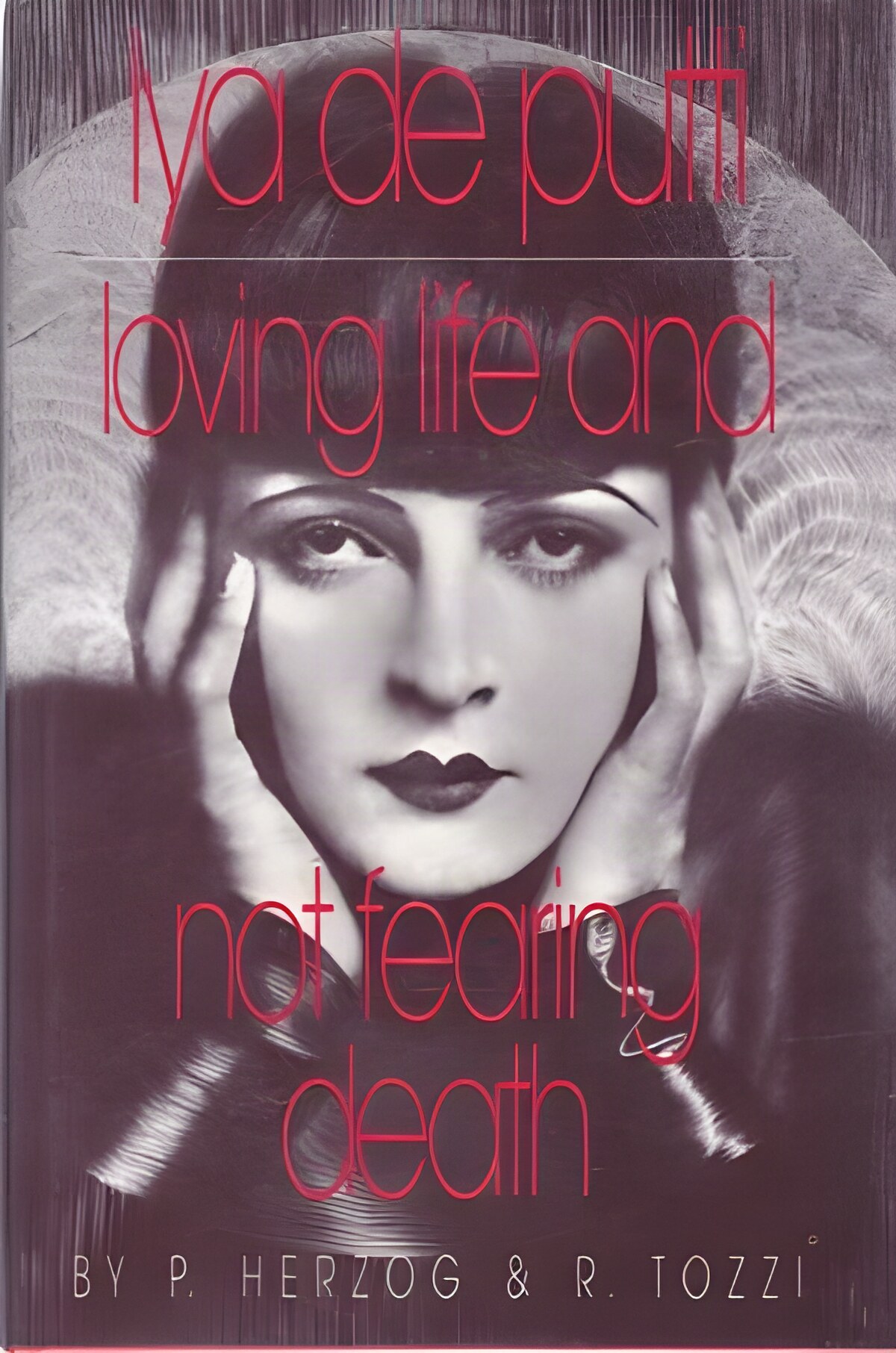
Hardcover. NY, Corvin, 1st, 1993, Book: Very Good, Dust Jacket: Very Good, Hardcover in a bright dust jacket, 121 pages. Includes a bibliography and filmography. Lya de Putti's star shone for such a short time. Her star-making role in Variety, with Emil Jannings, happened just six years prior to her death. There's not a lot of information available about her but the authors have put together what they were able to find in a well-written, interesting manner. The turmoil, the films and the foibles are all here for reading purposes. INSCRIBED BY HERZOG on title page. Clean copy.
Softcover. NY, Arco Publishing , reprint, 1964, Book: Very Good, Dust Jacket: None, Softcover, stapled booklet, 52 pages. Famous Aircraft Series. "This book contains: - . a history of airships - . a description of a typical "voyage" in the mighty "Hindenburg" - . 51 photographs - . 16 scale drawings - the actual Flight Handbook issued to German airship commanders". Small notation on copyright page, otherwise clean.
Hardcover. New York, D.A.P.//La Fabrica , 1st, 2013, Book: Very Good, Dust Jacket: Very Good, Hardcover, 192 pages. Like new in publisher's shrink-wrap. America's first female war correspondent, Margaret Bourke-White was also something of a media star, with the portrait of her decked out in flying gear, camera in hand, about to set off on a bombing raid, being a favorite pin-up among U.S. forces. Focusing on the work Bourke-White made in the 1930s and 40s in Czechoslovakia, Germany, Italy, the Soviet Union and the U.K., Moments in History presents 150 classic photographs alongside revelatory extracts from letters and publications in periodicals. Bourke-White traveled to the USSR when the first Five-Year Plan was being implemented; she documented the German invasion of the Soviet Union in 1941, and the Allied bombing of Germany. In the summer of 1945 she was commissioned by Life to make a photographic record of the destroyed German cities. She was present at the liberation of the Buchenwald concentration camp and the Leipzig-Thekla forced labor camp. She recorded the partition of India and the Korean War, and one of her most famous pictures of this period is "Gandhi," which shows the subject at his spinning wheel. Also included in the catalogue are some of the word-picture sequences Bourke-White did for Fortune and Life, as well as extracts from her correspondence with personalities from the worlds of politics and culture, such as Winston Churchill and Georgia O'Keeffe. Bourke-White wanted to be the "eyes of the age," and her pictures testify to (as she put it) her "unquenchable desire to be present when history is being made."
Hardcover. Ostfildern GR, Hatje Cantz, 1st, 2010, Book: Very Good, Dust Jacket: None, Like new in publishers shrink-wrap. Dutch documentary photographer Martin Roemers decided to track down the remains of deserted atom bomb shelters of the Cold War period. For over ten years he traveled through formerly hostile countries on both sides of the line: through eastern and western Germany, England, Belgium, the Netherlands, Poland, Ukraine, and other former East Bloc nations. Hardcover, 144 pages, 73 color plates, essays by Roemers, H.J.A. Hofland, and Nadine Barth.
Hardcover. Germany , Steidl, 1st, 2010, Book: Very Good, Dust Jacket: None, 156 pages. Hardcover with no dust jacket. Very clean, unmarked copy with only minor edgewear. Color photographs throughout. In the early 1970s, the workers at a steel smelting factory east of Havana wrote to Fidel Castro describing their housing needs. Out of this exchange a new city called Alamar was born, conceived by the same workers who would build it and live there. Today it is abandoned; Mauro D'Agati's photographs examine its eccentric spaces.


 "Horse, Foot, and Dragoons - Sketches of Army Life at Home and Abroadby: Zogbaum, Rufus Fairchild")


 "Isaac Julien: True North Fantome Afriqueby: Anthony Appiah, Eveline Bernasconi, Lisa Bloom, Mark Nash, Cristina Albu, Isaac Julien, Veit Gorner (Foreword)")
![Isaac Julien: True North Fantome Afriqueby: Appiah, Anthony; Bernasconi, Eveline; Bloom, Lisa; Nash, Mark; Albu, Cristina; Julien, Isaac; Gorner, Veit [Foreword]](javascript:largeIMTop('https://www.browsingisarousing.com/shop/images/Isaac-Julien-True-North-Fantome-Afrique_by_Appiah-Anthony-Bernasconi-Eveline-Bloom-Lisa-Nash-Mark-Al350324-408463.jpg','https://www.browsingisarousing.com/shop/images/Isaac-Julien-True-North-Fantome-Afrique_by_Appiah-Anthony-Bernasconi-Eveline-Bloom-Lisa-Nash-Mark-Al350324-408463.jpg',0,'350324',0,'') "Isaac Julien: True North Fantome Afriqueby: Appiah, Anthony; Bernasconi, Eveline; Bloom, Lisa; Nash, Mark; Albu, Cristina; Julien, Isaac; Gorner, Veit [Foreword]")
 "Italian Art Deco: Graphic Design between the Warsby: Heller, Steven / Fili, Louise")

 "John Gutmann: The Photographer at Workby: Sally Stein , Douglas R. Nickel, et al.")
 "John Gutmann: The Photographer at Workby: Sally Stein , Douglas R. Nickel, et al.")
 "Label Book of Clothing Culture, The: Tradition. Quality. Styleby: Rusche, Thomas")
 "Leni: The Life and Work of Leni Riefenstahlby: Bach, Steven")
 "London War Notes 1939-1945by: Mollie Panter Downes")
 "Lost Victories: War Memoirs of Hitlers Most Brilliant General by: Von Manstein, Field Marshal Erich")
 "LZ 129 Hindenburgby: Douglas Robinson")
 "Margaret Bourke- White: moments in historyby: Quimby, Sean")
 "Martin Roemers: Relics of the Cold Warby: Hofland, H.J.A.")
 "Mauro D'Agati: Alamarby: D'Agati, Mauro (Photographer)")