Hardcover. NY, Free Press, 1st, 1995, Book: Very Good, Dust Jacket: Very Good, Hardcover in a bright, unclipped dust jacket. 368 pages, b&w illustrations. Neufeld, the curator of World War II history at the National Air and Space Museum in Washington, D.C., provides a well-written, comprehensively researched analysis of Nazi Germany's missile program and its antecedents. The German army became interested in rocket technology during the 1930s at the urging of Karl Becker, an engineer who believed a radical new weapon could deliver a psychological blow to an enemy. The construction of Peenemunde in 1936-37 provided a focal point for research and development that made guided missiles a reality despite Germany's limited material and scientific resources. Neufeld shows that while the rocket program was not Nazi in origin, its leaders readily compromised themselves by accepting National Socialism, especially in agreeing to the widespread use of slave labor. A more ambiguous legacy of Peenemunde is its rocket technology, which decisively shaped the second half of the 20th century. Clean copy.
Hardcover. Princeton NJ, Princeton University Press, 1st, 2006, Book: Very Good, Dust Jacket: Very Good, Hardcover in a unclipped dust jacket with fading to spine, 260 pages. This fascinating and unusual book tells the story of an arguably catastrophic German habit - that of valuing cultural achievement above all else and envisioning it as a noble substitute for politics. Lepenies examines how this tendency has affected German history from the late eighteenth century to today. He argues that the German preference for art over politics is essential to understanding the peculiar nature of Nazism, including its aesthetic appeal to many Germans (and others) and the fact that Hitler and many in his circle were failed artists and intellectuals who seem to have practiced their politics as a substitute form of art. Clean copy.
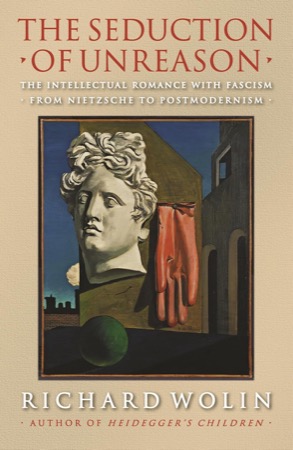
Hardcover. Princeton NJ, Princeton University Press, 1st, 2004, Book: Very Good, Dust Jacket: Very Good, Hardcover in a bright dust jacket, 375 pages. In probing chapters on C. G. Jung, Hans-Georg Gadamer, Georges Bataille, and Maurice Blanchot, Wolin discovers an unsettling commonality: during the 1930s, these thinkers leaned to the right and were tainted by a proverbial "fascination with fascism." Frustrated by democracy's shortcomings, they were seduced by fascism's grandiose promises of political regeneration. The dictatorships in Italy and Germany promised redemption from the uncertainties of political liberalism. But, from the beginning, there could be no doubting their brutal methods of racism, violence, and imperial conquest. Postmodernism's origins among the profascist literati of the 1930s reveal a dark political patrimony. The unspoken affinities between Counter-Enlightenment and postmodernism constitute the guiding thread of Wolin's suggestive narrative. In their mutual hostility toward reason and democracy, postmodernists and the advocates of Counter-Enlightenment betray a telltale strategic alliance--they cohabit the fraught terrain where far left and far right intersect. Clean copy.
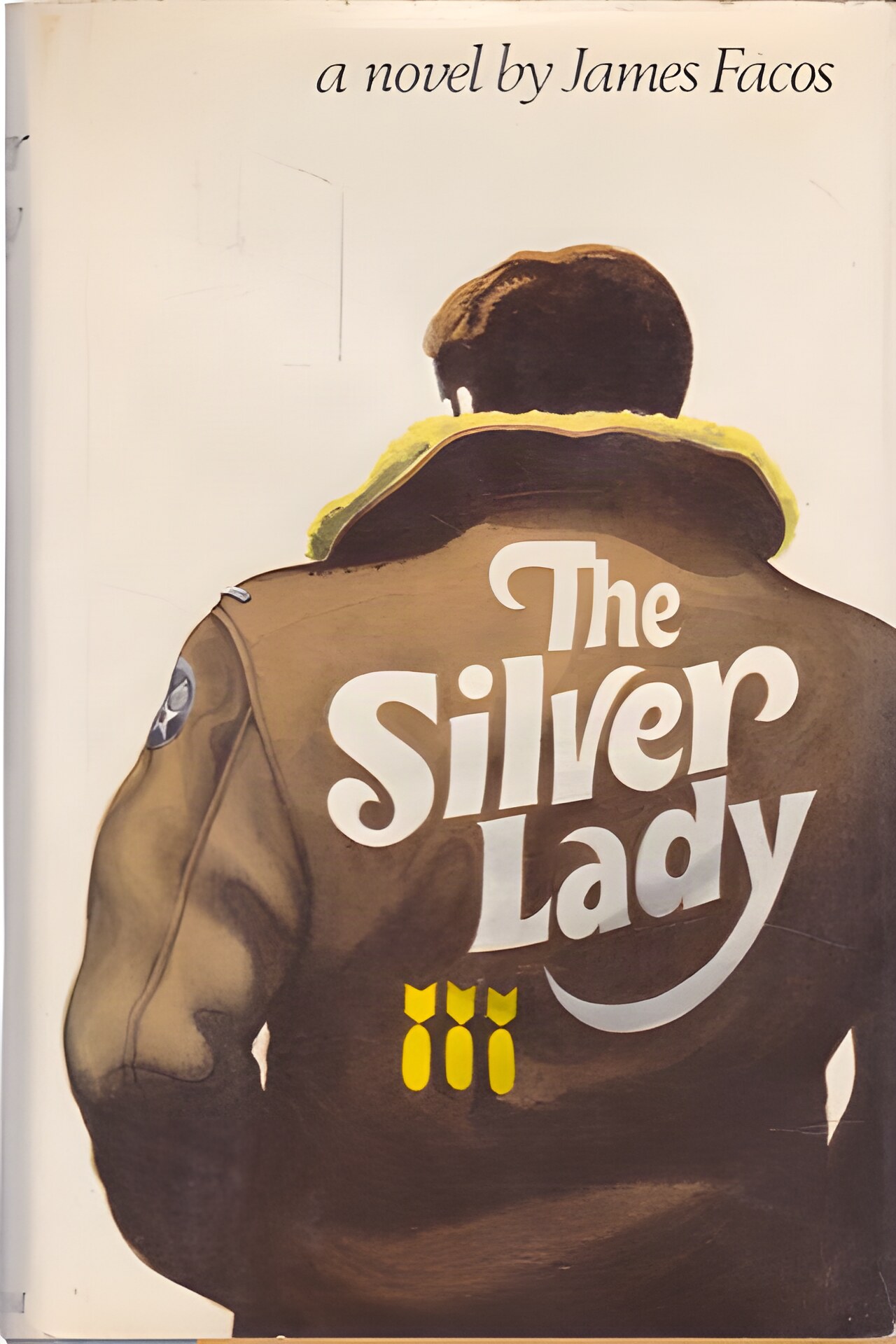
Hardcover. NY, Atheneum, 1st, 1972, Book: Very Good, Dust Jacket: Very Good, Hardcover in a bright, lightly worn dust jacket, 279 pages. James Facos evokes the tension, the triumph and the tragedy of an American bomber crew in England during the height of the war over Germany in 1944. Clean copy.
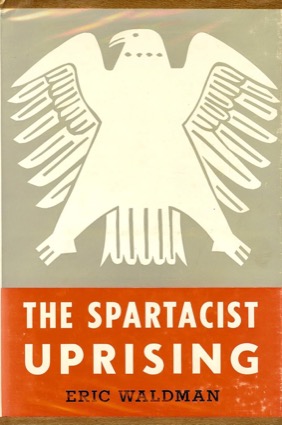
Hardcover. Milwaukee WI, Marquette University, 1st, 1958, Book: Very Good, Dust Jacket: Good, Hardcover in a bright dust jacket with a chip to the top front corner, 248 pages. This book explores the crisis of the German Socialist movement and its growth in intensity from the time of the open split of the Social Democratic Party during World War 1 until its climax in the bloody fighting between the radical left and the socialists during the so-called Spartacist Uprising of January 1919. Clean copy.
Hardcover. NY, Simon & Schuster, 1st, 2017, Book: Very Good, Dust Jacket: Very Good, Hardcover in a bright, unclipped dust jacket. In The Third Reich, Thomas Childers shows how the young Hitler became passionately political and anti-Semitic as he lived on the margins of society. Fueled by outrage at the punitive terms of the Versailles Treaty that ended the Great War, he found his voice and drew a following. As his views developed, Hitler attracted like-minded colleagues who formed the nucleus of the nascent Nazi party. The failed Munich putsch of 1923 and subsequent trial gave Hitler a platform for his views, which he skillfully exploited. Clean copy.
Softcover. Cambridge MA, Harvard University Press, reprint, 2011, Book: Very Good, Dust Jacket: None, Softcover, 997 pages, color and b&w illustrations. A deadly continental struggle, the Thirty Years War devastated seventeenth-century Europe, killing nearly a quarter of all Germans and laying waste to towns and countryside alike. Peter Wilson offers the first new history in a generation of a horrifying conflict that transformed the map of the modern world. When defiant Bohemians tossed the Habsburg emperor's envoys from the castle windows in Prague in 1618, the Holy Roman Empire struck back with a vengeance. Bohemia was ravaged by mercenary troops in the first battle of a conflagration that would engulf Europe from Spain to Sweden. The sweeping narrative encompasses dramatic events and unforgettable individuals-the sack of Magdeburg; the Dutch revolt; the Swedish militant king Gustavus Adolphus; the imperial generals, opportunistic Wallenstein and pious Tilly; and crafty diplomat Cardinal Richelieu. In a major reassessment, Wilson argues that religion was not the catalyst, but one element in a lethal stew of political, social, and dynastic forces that fed the conflict. By war's end a recognizably modern Europe had been created, but at what price? The Thirty Years War condemned the Germans to two centuries of internal division and international impotence and became a benchmark of brutality for centuries. As late as the 1960s, Germans placed it ahead of both world wars and the Black Death as their country's greatest disaster. Clean, bright copy.
Hardcover. NY, E. P. Dutton, reprint, 1977, Book: Very Good, Dust Jacket: Very Good, Hardcover in a bright dust jacket. David Irving's The Trail of the Fox is the best work on Rommel ever written. The circumstances around Rommel's involvement with the attempt on Hitler's life, which is the most speculated aspect of Rommel's life, and how the Gestapo came to believe Rommel was involved, have not been made clear in most of the historiography on Rommel. Irving pieces together what really happened most effectively. There are so many strengths of this book, of which the greatest is probably the fact Irving had access to Rommel's dairy and many of his letters, which he got permission from the family to view. Other items he found in collections in the United States, England, and Germany. Since he worked on this in the 1970's he also was able to interview a number of German officers who were still alive that knew and served with Rommel. The whole work is the way historical research should be done; totally reliant on primary source material, and ignores secondary sources that often use conjecture or just repeat incorrect narratives from earlier books. Every source is from people who fought the war; Germans, Italians, British, French and American officers who were in these campaigns and had either first hand observation of Rommel or were major participants like Eisenhower, Churchill, Goebbels, etc. Clean copy.
Hardcover. NY, Random House, 1st, 2013, Book: Very Good, Dust Jacket: Very Good, Hardcover in a bright, lightly worn dust jacket. 739 pages, index, b&w illustrations. The War That Ended Peace brings vividly to life the military leaders, politicians, diplomats, bankers, and the extended, interrelated family of crowned headsacross Europe who failed to stop the descent into war: in Germany, the mercurial Kaiser Wilhelm II and the chief of the German general staff, Von Moltke the Younger; in Austria-Hungary, Emperor Franz Joseph, a man who tried, through sheer hard work, to stave off the coming chaos in his empire; in Russia, Tsar Nicholas II and his wife; in Britain, King Edward VII, Prime Minister Herbert Asquith, and British admiral Jacky Fisher, the fierce advocate of naval reform who entered into the arms race with Germany that pushed the continent toward confrontation on land and sea. Clean copy.
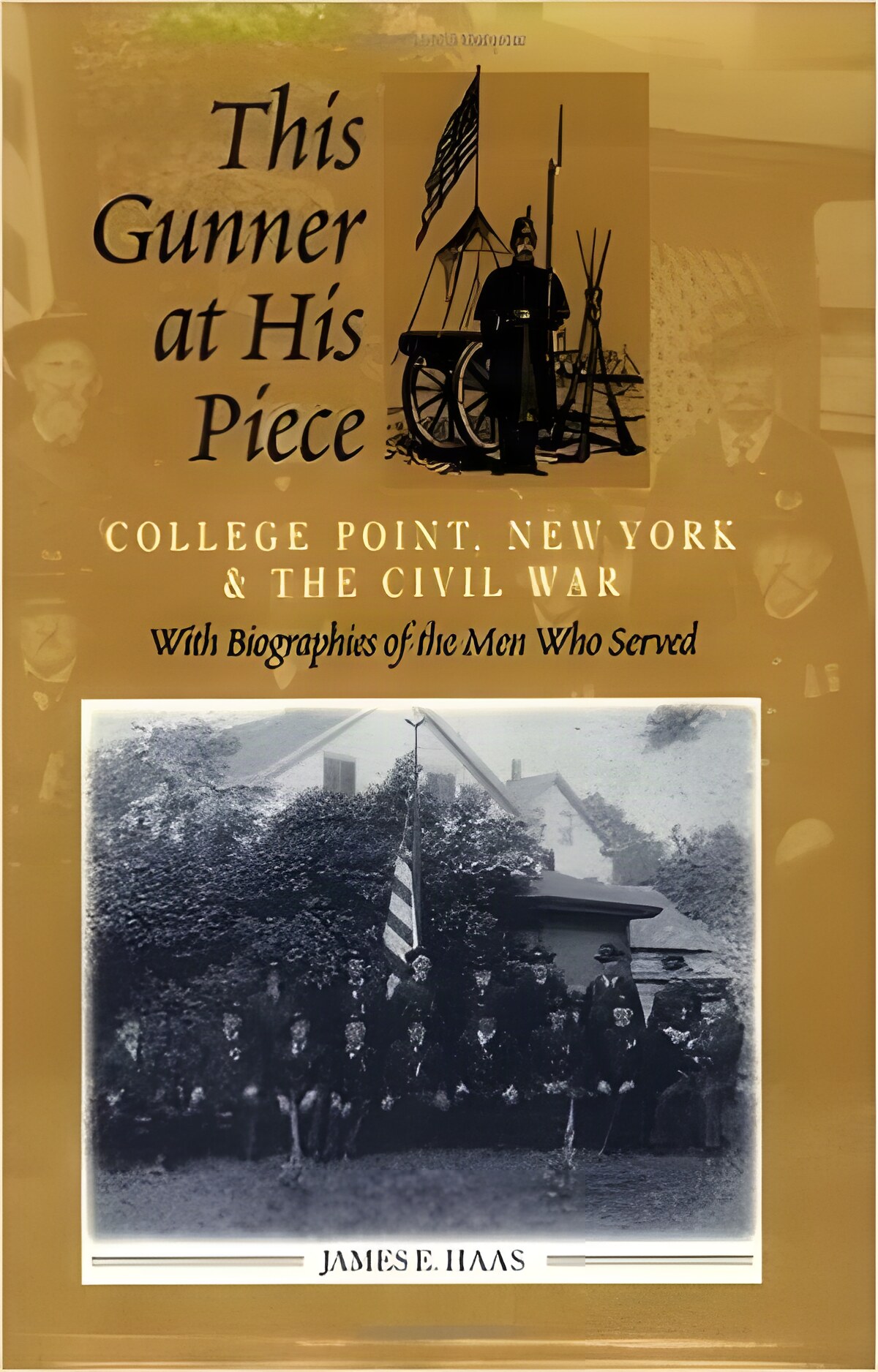
Softcover. Baltimore MD, Gateway Press, 1st, 2002, Book: Very Good, Dust Jacket: None, Softcover. 272 pages. INSCRIBED BY AUTHOR on the title page. 226 men with ties to College Point, New York took part in the Civil War. They served in 82 different Army units, and in the Navy, both on land and on sea. They were infantry men, engineers and artillerists, and one was a musician in the Marine Band. The majority claimed Germany as their country of birth, and 24 died in the service of their adopted homeland. This Gunner at His Piece tells their stories, before, during and after the American Civil War. Clean copy.
Hardcover. Gutersloh GR, C. Bertelsmann,, 1st, 1955, Book: Very Good, Dust Jacket: Good, Hardcover, 438 pages, chipped dust jacket. GERMAN TEXT. JULIA CHILD'S COPY with her signature, address and 1956 on the front fly leaf.
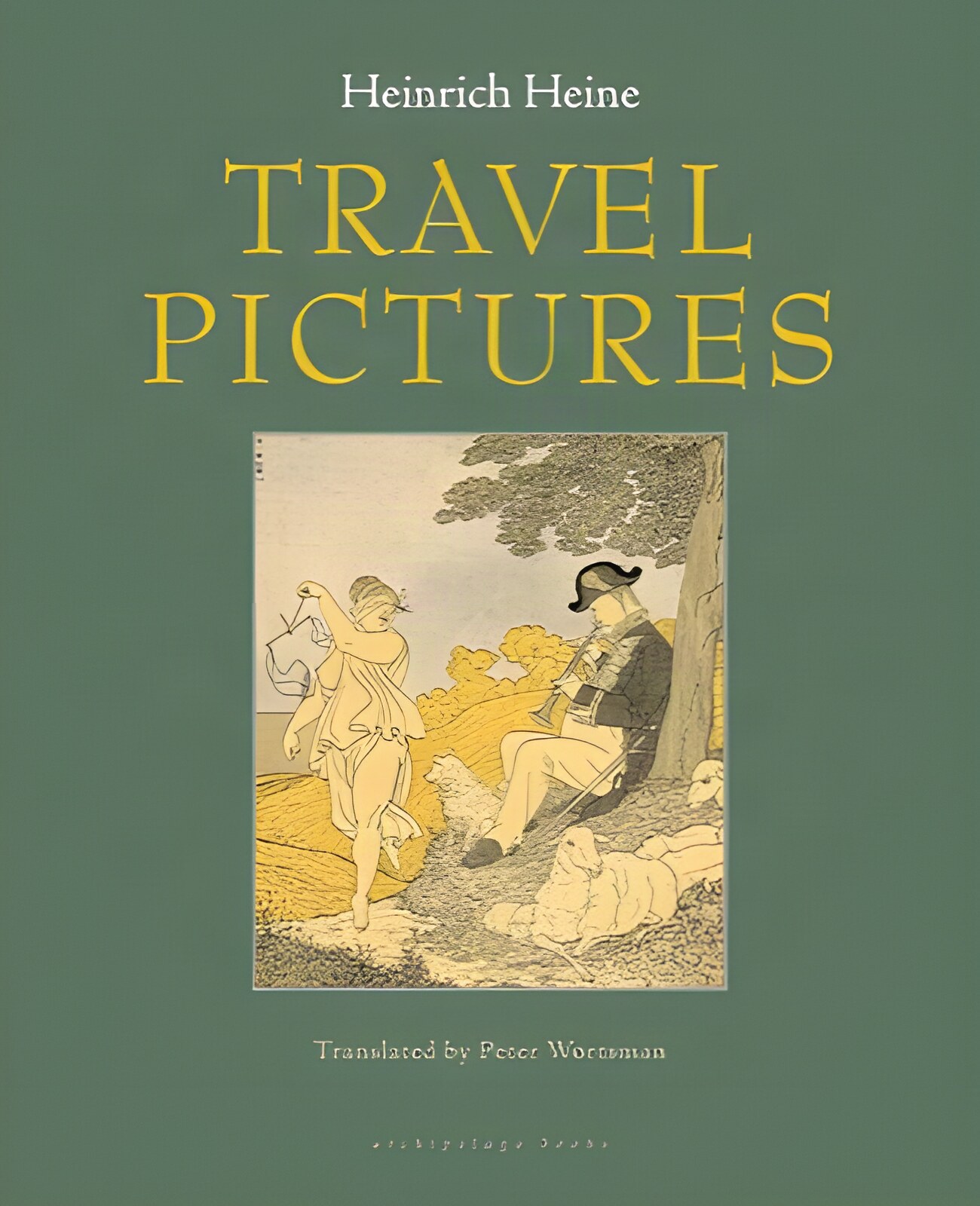
Softcover. NY, Archipelago Books , 1st, 2008, Book: Very Good, Dust Jacket: None, Softcover in pictorial wrappers, 223 pages. Heinrich Heine (1797-1856), one of Germany's most revered poets, is equally well-known for his idiosyncratic prose, the vibrant voice of which feels astonishingly modern in its familiar tone and thematic acrobatics. Travel Pictures comprises the accounts of four journeys taken at different times in his life. The opening "Harz Journey," a quirky chronicle of his walking tour in the Harz Mountains, is the text that first made him famous. But in all four accounts, Heine, seasoned by the skepticism of a born outsider, does more than climb mountains, ford streams and cross borders. In this remarkable book, Heine propels German letters into the Modern mindset. Freud cites a few of Travel Pictures' most humorous passages in Jokes and Their Relation to the Unconscious. Heine's incomparable lyric vision lifts the book into the transcendent realm of great journey literature. Clean, bright copy.
Hardcover. New York , Little Brown & Co, 1st, 1994, Book: Very Good, Dust Jacket: Very Good, Hardcover. Non-Paginated. Illustrations in full color by Moser. Light wear to pictoial dust jacket. Clean, tight copy.
Softcover. University of Chicago Press, reprint, 1965, Book: Very Good, Dust Jacket: None, Softcover, 555 pages. Traces the political fortunes of the Puritans from 1524, the year in which William Tyndale left London for Germany, to the Stuart Settlement at the beginning of the seventeenth century. The author then examines the social, cultural, and intellectual aspects of Puritanism which, he believes, represented a more genuine idealism than any rival religious movement during the Tudor period. Remainder mark to bottom edge, otherwise a clean copy.
Hardcover. Germany, Gottingen, 1st, 1894, Book: Good, Dust Jacket: None, 571 pages, reproduction of handwritten text in German by author. Black cloth covers with gilt lettering on spine, ex-library with usual stamping, residue to end papers, label on spine. Front and rear hinges cracked but interior, clean, very good. DOMESTIC SHIPPING ONLY.
Hardcover. Berlin, Argon, 1st, 1991, Book: Very Good, Dust Jacket: Very Good, Hardcover in a bright dust jacket, 136 pages, historical images of Linden, Germany. Many from the late 1800s, mostly landmarks and buildings. Endpapers map of the city. Essay by Dieter Hildebrandt, introduction by Hans-Werner Klunner. GERMAN TEXT.
Hardcover. GR, DZA Verlag fur Kultur und Wissenschaft, 1st, 1994, Book: Very Good, Dust Jacket: None, Hardcover, 161 pages, no dust jacket, pictorial boards. A collection of essays and photographs on the city of Dresden, ending in it's destruction at the end of WWII. Foreward by Herbert Wagner.
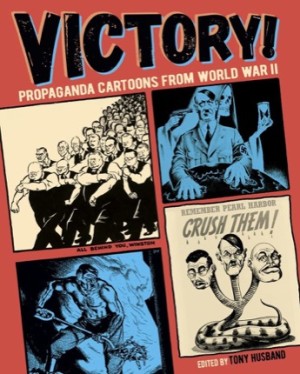
Softcover. London, Sirius, 1st, 2022, Book: Very Good, Dust Jacket: None, Softcover, 192 pages. Award-winning cartoonist Tony Husband tells the story of World War II through a selection of the era's finest political cartoons. Satire is one of the key weapons of war. Forget 'sticks and stones', each country uses cartoons to hit the enemy where it really hurts and to maintain morale on the home front. Each country brought their own unique style and this collection features work from Britain, the USA, Germany, Russia and Japan and features the work of some of World War II's greatest cartoonists including Bill Mauldin, Fougasse, Emett, David Low and Graham Laidler. Clean, bright copy.
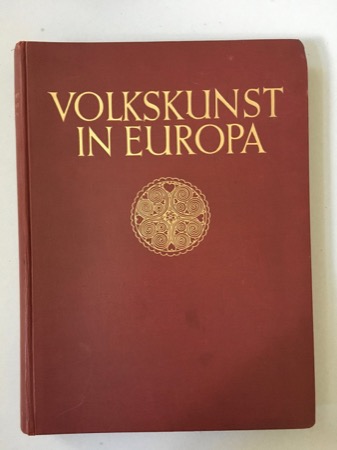
Hardcover. NY, E. Weyhe, 1st US, Book: Very Good, Dust Jacket: None, Hardcover, large folio, ( over 12" - 15" tall ), red cloth stamped in gilt. 56 pages of German text, comprising introduction and detailed catalogue of plates, the origins of objects (textiles, ceramics and wood) which demonstrate the origins and continued use of traditional design in the folk arts of Europe. Followed by 132 color plates of the objects mostly from Eastern Europe, most pasted in. First published in Germany in 1926, this appears to be the first US edition produced the same year. Architect Albert Kahn's copy with his ownership signature in pencil and date of 1926 on the front fly leaf. DOMESTIC SHIPPING ONLY.
Hardcover. NY, Thames and Huson, 1st, 2007, Book: Very Good, Dust Jacket: Very Good, Hardcover, 256 pages. Published to accompany an exhibition at London's Imperial War Museum, this book features more than 250 superb full-color illustrations of hard-hitting propaganda and groundbreaking graphic art. It encompasses iconic images such as Alfred Leete's "Your Country Needs You" as well as additional material drawn from the world of advertising and documentary photographs of posters in situ. Through posters, the author examines the social, political, ethnic, and cultural aspirations of America, Britain, Ireland, Germany, France, the Netherlands, Belgium, Russia, Austria, Hungary, and the Czech Republic. Covering topics as diverse as advertising in World War I, the Bolshevik Revolution, the Spanish Civil War, Germany and Occupied Europe in World War II, anti-nuclear campaigns, and Vietnam, the book is comprehensive and highly analytical, yet accessible. 300 illustrations, 250 in color.
Softcover. New York, Abbeville Press, 1st US, 1984, Book: Very Good, Dust Jacket: None, 160 pages, illustrated throughout in b&w. Previous owner's sticker on front end paper, light edgewear and soil to wrappers. Clean, tight copy. The pictures assembled here show how this artistic culture originated in the aftermath of the First World War and the unsettled early years of the Weimar Republic, uneasily balanced between revolutionary pretensions and the desire for order. The montage of images--photographs, paintings, drawings, collages, books, and film stills--evokes the period with shocking vividness.
Hardcover. Chicago, University Of Chicago Press, 1st, 2006, Book: Very Good, Dust Jacket: Very Good, Hardcover, pages. In When Buildings Speak,Anthony Alofsin explores the rich yet often overlooked architecture of the late Austro-Hungarian Empire and its successor states. He shows that several different styles emerged in this milieu during the late nineteenth and early twentieth centuries. Moreover, he contends that each of these styles communicates to us in a manner resembling language and its particular means of expression. Covering a wide range of buildings--from national theaters to crematoria, apartment buildings to warehouses, and sanatoria to postal savings banks--Alofsin proposes a new way of interpreting this language. He calls on viewers to read buildings in two ways: through their formal elements and through their political, social, and cultural contexts. By looking through Alofsin's eyes, readers can see how myriad nations sought to express their autonomy by tapping into the limitless possibilities of art and architectural styles. And such architecture can still speak very powerfully to us today about the contradictory issues affecting parts of the former Habsburg Empire.
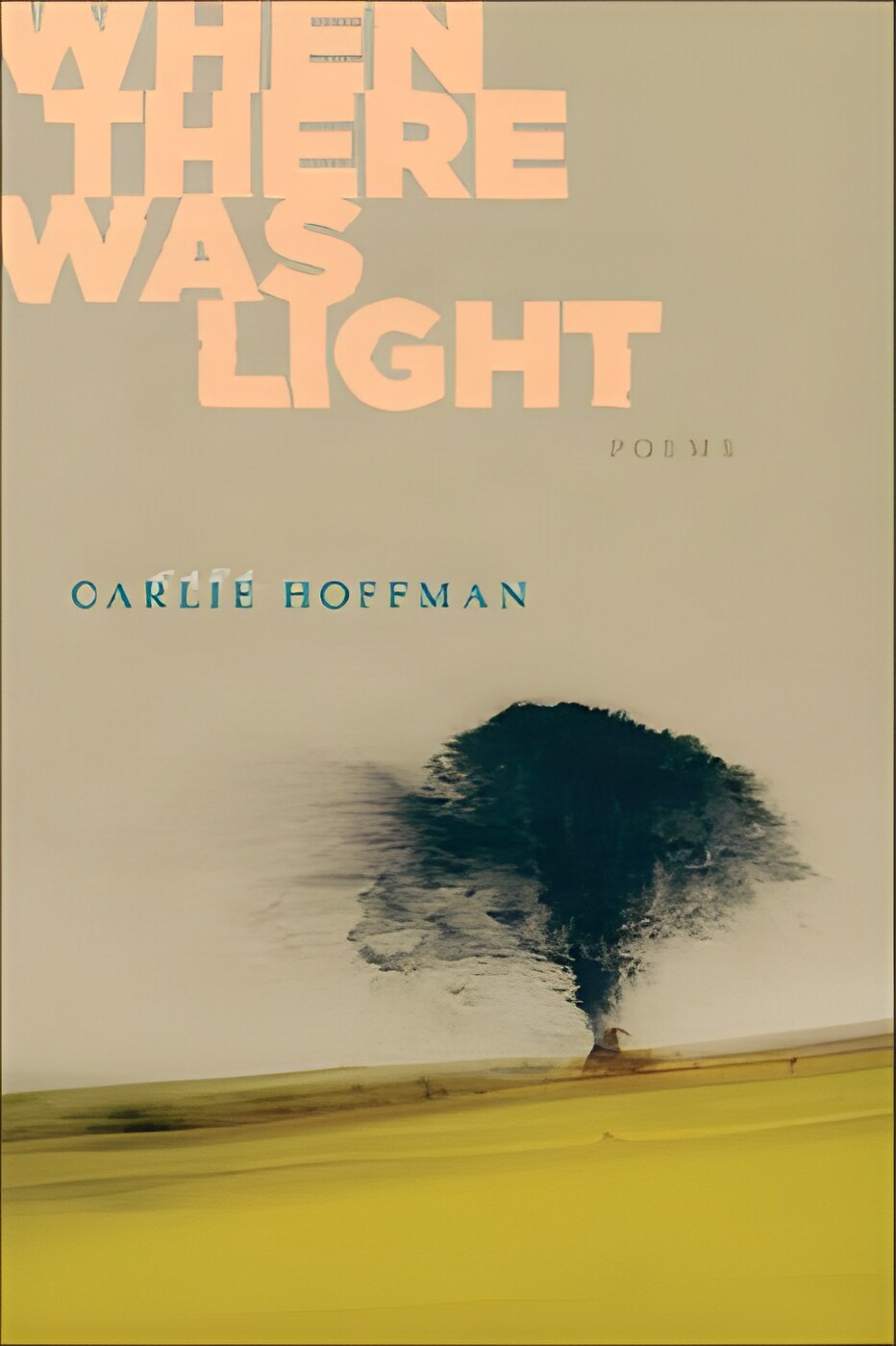
Softcover. NY, Four Way Books, 1st, 2023, Book: Very Good, Dust Jacket: None, Softcover, 66 pages. These poems map out a topography where global movements of diaspora and war live alongside personal reckonings: a house's foreclosure, parents' divorce, the indelible night spent drunk with a best friend "[lying] down inside a chronic row of corn." Here, her father's voice "is the stray dog barking / at the snow, believing the little strawberries grow wilder / against a field." In these pages, she points to Russia and Poland and Germany, saying, "It was / another time. My people / another time. The synagogues burn decades / of new snow." The brilliance of this collection illuminates the relationship between memory and language; "another time" means different, back then, gone and lost to us, and it means over and over, always, again. With this linguistic dexterity and lyrical tenderness, Hoffman's work bridges private and public histories, reminding us of the years cloaked in shadows and the years when there was light. Clean, bright copy.
Hardcover. Lawrence KS, University Press of Kansas , 1st, 2011, Book: Very Good, Dust Jacket: Very Good, Hardcover in a bright dust jacket, 386 pages, b&w illustrations. Inept leadership, inefficient campaigning, and enormous losses would seem to spell military disaster. Yet despite these factors, the Soviet Union won its war against Nazi Germany thanks to what Roger Reese calls its military effectiveness: its ability to put troops in the field even after previous forces had been decimated. Reese probes the human dimension of the Red Army in World War II through a close analysis of soldiers' experiences and attitudes concerning mobilization, motivation, and morale. In doing so, he illuminates the Soviets' remarkable ability to recruit and retain soldiers, revealing why so many were willing to fight in the service of a repressive regime--and how that service was crucial to the army's military effectiveness. He examines the various forms of voluntarism and motivations to serve-including the influences of patriotism and Soviet ideology-and shows that many fought simply out of loyalty to the idea of historic Russia and hatred for the invading Germans. He also considers the role of political officers within the ranks, the importance of commanders who could inspire their troops, the bonds of allegiance forged within small units, and persistent fears of Stalin's secret police. Clean copy.

 "The Rocket and the Reich: Peenemunde and the Coming of the Ballistic Missile Eraby: Michael J. Neufeld")
 "The Seduction of Culture in German Historyby: Lepenies, Wolf")
 "The Third Reich: A History of Nazi Germany by: Childers, Thomas")
 "The Thirty Years War: Europe")
 "The Trail of the Fox: The Search for the True Field Marshal Rommel by: David Irving")



 "Till Eulenspiegel (Julia Child's copy)by: Hauptmamm / Julia Child, Gerhart")
 "Tucker Pfeffercorn: An Old Story Retoldby: Moser, Barry")

 "Ueber die Hypergeometrische Function: Vorlesung Gehalten Im Wintersemester 1893/94by: Klein, F.")
 "Unter den Linden: Photographien (German Edition)by: Hildebrandt, Dieter")
 "Verbrannt bis zur Unkenntlichkeit - die Zerstorung Dresdens 1945 (German Edition)by: N/A")


 "War Posters: Weapons of Mass Communicationby: James Aulich")
 "Weimar Years, The : A Culture Cut Shortby: Willett, John")
 "When Buildings Speak: Architecture as Language in the Habsburg Empire and Its Aftermath, 1867-1933by: Alofsin, Anthony")
 "Why Stalin's Soldiers Fought: the Red Army's Military Effectiveness in World War IIby: Roger R. Reese")