Hardcover. Galerie Raeber, 1st, 1976, Book: Very Good, Dust Jacket: Very Good, Hardcover in a bright dust jacket. GERMAN TEXT. 190 pages plus a photo gallery showing 572 works in b&w in rear. The main section has a generous selection of paintings reproduced in color. Georges Einbeck was born in 1871 in the West Prussian town Golluschutz (Goluszyce). After several trips to Paris, Einbeck begins self-taught with painting in 1897, followed by studies at the Academy of Arts in Munich and at the Ecole des Beaux Arts as well as the Academie de la Grande Chaumiere in Paris. He also studied with Henri Matisse. In the 1920s, he lived in Switzerland for some time. His early works still show influences of Art Nouveau style, the later works, however, are influenced by Expressionism especially the Fauvism painting. He died in 1951. Book is clean and tight.
Hardcover. Kunsthalle Bremen & Verlag Fred Jahn, 1st, 1993, Book: Very Good, Dust Jacket: Very Good, Black cloth with dust jacket. Text in German by numerous contributors. illustrated checklist to the exhibition. 170 pages with 69 four-color plates and numerous b/w reference illustrations. GERMAN LANGUAGE.
Hardcover. New York, Museum of Modern Art, 3rd pr., 2003, Book: Very Good, Dust Jacket: Very Good, Hardcover, 303 illustrations 138 in color. Essay by Robert Storr and with an interview of Richter by Storr as well. Includes numerous color and black and white illustrations, artist chronology, list of previous exhibitions, and a selected bibliography. Published on the occasion of the exhibition from The Museum of Modern Art, New York NY February 14-May 21, 2002. In a bright, unclipped dust jacket.
Hardcover. NY, Museum of Modern Art/Abrams, 1st, 2000, Book: Very Good, Dust Jacket: None, Hardcover, black cloth with cover paste-down plate, white lettering. Gerhard Richter (b. 1932) is one of the most highly regarded of contemporary artists, and his series of 15 paintings known as October 18, 1977, is one of the 20th century's most famous works on a political theme. It commemorates the day on which three young German radicals, members of the militant Baader-Meinhof group, were found dead in a Stuttgart prison; they were pronounced suicides, but many people suspected that they had been murdered. Richter's paintings, created 11 years after this traumatic event, are among the most challenging works of the artist's career. These hauntingly powerful images, derived from newspaper and police photography, are now in the collection of the Museum of Modern Art, New York. Clean copy.
Hardcover. Atglen, PA, Schiffer Military History Book, 1st, 2008, Book: Very Good, Dust Jacket: Very Good, 256 pages. Hardcover with dust jacket. Profusely illustrated with b&w photos. Clean, tight copy.
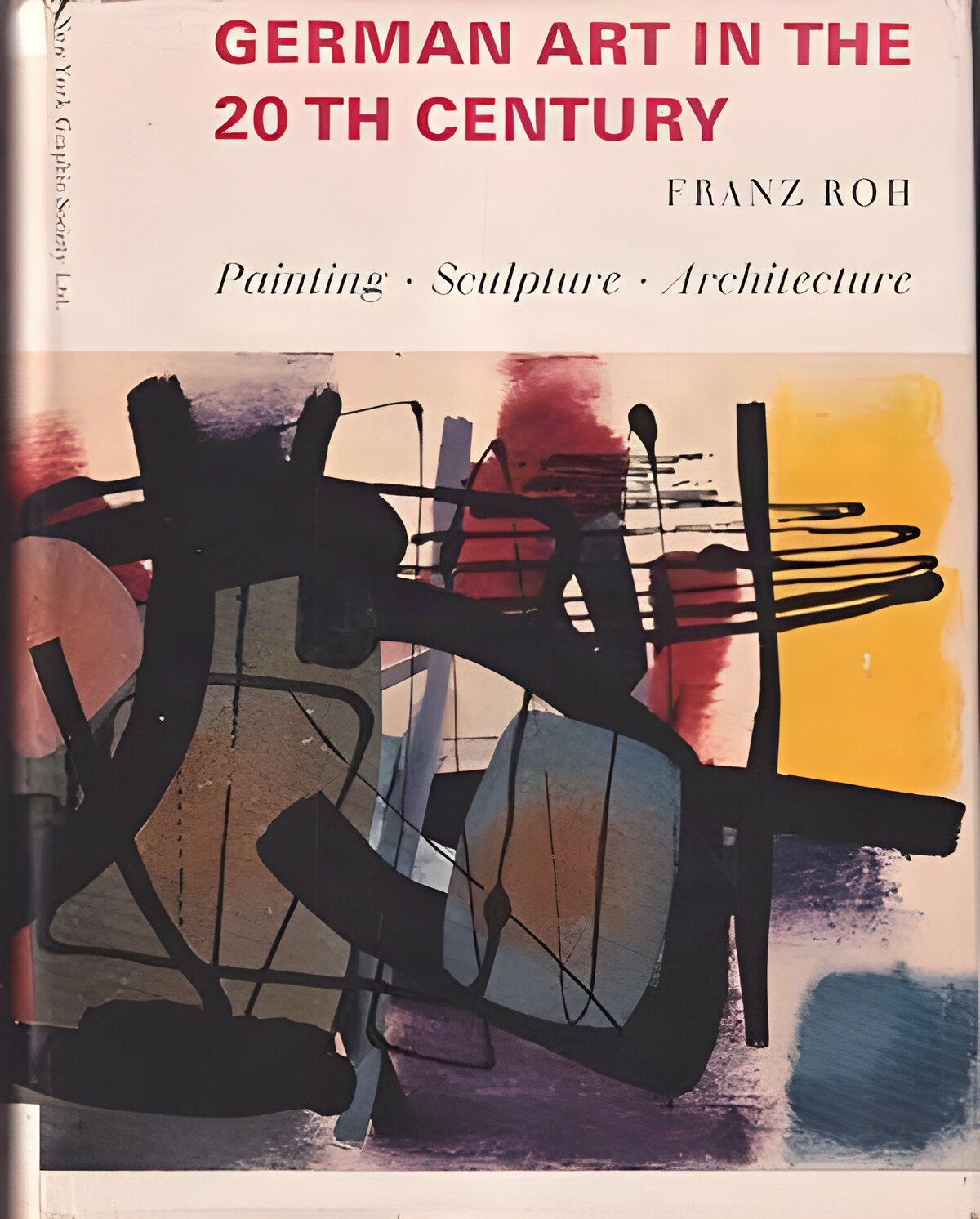
Hardcover. Greenwich CT, New York Graphic Society, 1st, 1968, Book: Very Good, Dust Jacket: Very Good, Hardcover in a lightly worn dust jacket with short, closed tears, 516 pages. 623 black and white illustrations, 42 color plates. "By 'German Art' we mean here 'Art in Germany,' the art that developed on German soil, even if it was created by a Swiss (Obrist), an Austrian (Kokoschka), a Russian (Kandinsky) or a Hungarian (Moholy). This definition should not be interpreted as nationalistic presumption, for cultural environment is more significant than the birth certificate." DOMESTIC SHIPPING ONLY.
Hardcover. New York, German Library of Information, 1st, 1940, Book: Good, Dust Jacket: None, 127 pages. Hardcover. B/w illustrations throughout. Former library book with labels/stamps/attachments expected. Photographs by the author. Decorated cover boards. Pages and covers have some tanning from age. This volume, intended for American students, interprets the social, economic, hygenic, aesthetic and ethical significance of the German forest, presenting not merely facts but also the philosophy of German Forestry.
Hardcover. New York , George H. Doran, unknown, ND, Book: Very Good, Dust Jacket: None, Hardcover, red cloth, 249 pages. Faint foxing to edges, Previous owner's inscription on front end paper, else a clean, tight copy.
Hardcover. London, Chatto and Windus, reprint, 1892, Book: Very Good, Dust Jacket: None, 335 pages. Introduction by John Ruskin. Green cloth covers, gilt titles to spine and front, all edges gilt, slip-on plastic protective covering to boards, numerous b&w illustrations by George Cruikshank. Slight foxing to endpapers, previous owner's inscription in pencil to half title page, pages crisp and unmarked, stiff binding, clean covers; a very clean, tight copy in great condition.
Hardcover. London, George Allen & Unwin, reprint, 1965, Book: Very Good, Dust Jacket: None, Hardcover, dark blue cloth, gilt lettering on spine. 184 pages, clean, bright copy. No dust jacket.
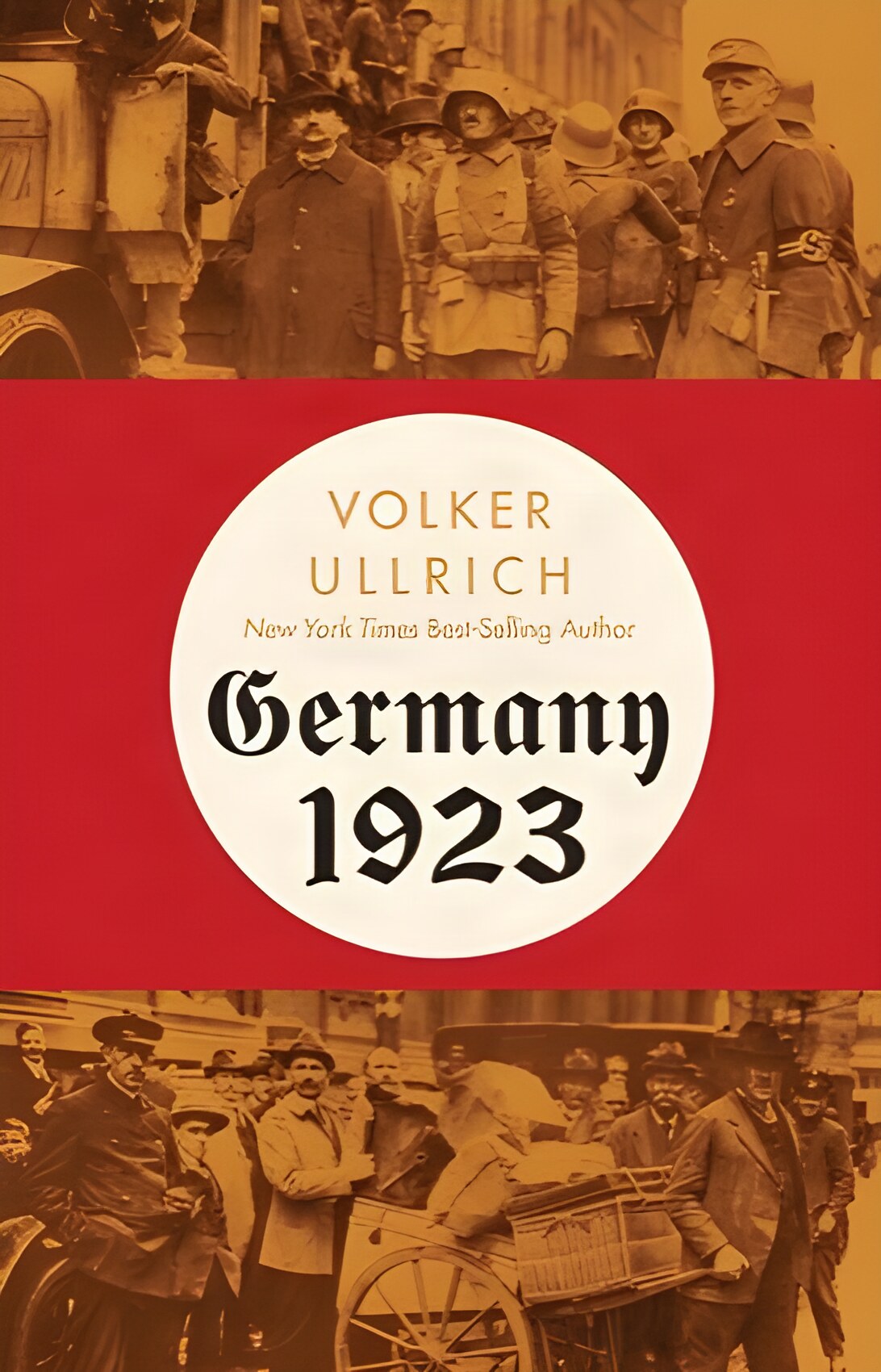
Hardcover. NY, Liveright, 1st, 2023, Book: Very Good, Dust Jacket: Very Good, Hardcover in a bright, unclipped dust jacket, 432 pages, b&w illustrations. As the great Austrian writer Stefan Zweig confided in his autobiography, written in exile, "I have a pretty thorough knowledge of history, but never, to my recollection, has it produced such madness in such gigantic proportions." He was referring to the situation in Germany in 1923. It was a "year of lunacy," defined by hyperinflation, a political system on the verge of collapse, and separatist movements that threatened Germany's territorial integrity. Most significantly, Adolf Hitler launched his infamous Beer Hall Putsch in Munich-a failed coup that nonetheless drew international attention and demonstrated the Nazis' ruthless determination to seize power. In Germany 1923, award-winning historian Volker Ullrich draws on letters, memoirs, newspaper articles, and other sources from the time to present a captivating new history of those explosive twelve months. Clean copy.
Hardcover. NY, Abrams, 1st, 1981, Book: Very Good, Dust Jacket: Very Good, Hardcover, 96 pages, in a bright dust jacket. Photographs taken by Alfred Eisenstaedt in Germany in the 1920s and 1930s and on a return trip to Germany in 1979.
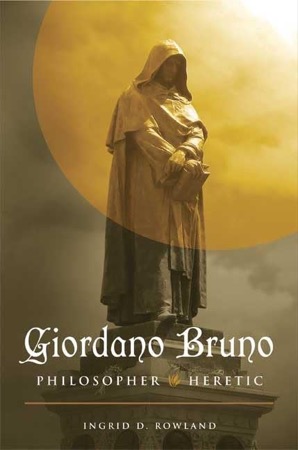
Hardcover. NY, Farrar, Straus and Giroux, 2nd pr., 2008, Book: Very Good, Dust Jacket: Very Good, Hardcover in a bright dust jacket, 335 pages. Giordano Bruno is one of the great figures of early modern Europe, and one of the least understood. Ingrid D. Rowland's pathbreaking life of Bruno establishes him once and for all as a peer of Erasmus, Shakespeare, and Galileo, a thinker whose vision of the world prefigures ours. By the time Bruno was burned at the stake as a heretic in 1600 on Rome's Campo dei Fiori, he had taught in Naples, Rome, Venice, Geneva, France, England, Germany, and the Prague of Emperor Rudolph II. His powers of memory and his provocative ideas about the infinity of the universe had attracted the attention of the pope, Queen Elizabeth and the Inquisition, which condemned him to death in Rome as part of a yearlong jubilee. Writing with great verve and sympathy for her protagonist, Rowland traces Bruno's wanderings through a sixteenth-century Europe where every certainty of religion and philosophy had been called into question and shows him valiantly defending his ideas (and his right to maintain them) to the very end. Clean copy.
Hardcover. Beach Lloyd Publishers, 2nd Ed., 2008, Book: Very Good, Dust Jacket: None, Hardcover. pictorial boards, 142 pages. SIGNED BY AUTHOR on the title page. I had all kinds of courage and guts; I don t know where that came from, says Fernande Keufgens Davis ( Freddie ) of the risks that she took as a teenager in the Belgian Resistance of World War II. After the shock of finding her formerly occupied village annexed as part of Germany, Davis was drafted to work in a German munitions factory. Determined not to aid the enemy, she jumped from the train and went underground. Clean copy.
Hardcover. London, Putnam, 1st, 1937, Book: Good, Dust Jacket: None, Hardcover, rust color cover with mild soil, gilt lettering on spine, 399 pages, b&w photographic plates, most taken by the author. Memoir of life as a writer, and the nature of the Devon countryside, which the author had lately left. A series of memories, reflections and previously unused sketches of West Country life, arranged in the form of a diary and including a lengthy account of the author's 1935 visit to Germany and the "Reichsparteitag am Nurnberg" at which he was present. Clean copy, mild musty smell.
Hardcover. Heidelberg, Germany, Kehrer Verlag, 1st, 2014, Book: Very Good, Dust Jacket: None, 112 pages. Hardcover with no dust jacket. Very clean, unmarked copy still in shrink wrap. Many color photographs of secret marijuana growing communities. Published under the pseudonym "H. Lee" to protect those whom she photographed.
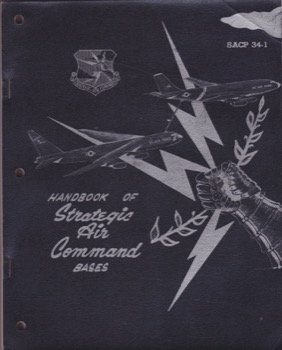
Softcover. Washington DC, United States Air Force, 1959, Book: Very Good, Dust Jacket: None, Softcover, unpaginated, approximately 300 stapled pages. A guide to the SAC's worldwide bases, circa 1959. 8 1/2 X 11", three hole punched. Profusely illustrated with b&w photos of airfields, barracks, NCO clubs, housing for airmen and other facilities covering bases in the states, England, Guam, Germany, etc. Also maps showing locations. Not classified in the early days of the Cold War. Front fly leaf with and introduction by Thomas Power, Commanding General.
Softcover. Princeton NJ, Princeton University Press, 2nd pr., 1997, Book: Very Good, Dust Jacket: None, Softcover in pictorial wrappers, 255 pages. Color and black and white illustrations throughout. Second paperback printing. Bright and clean. Hans Holbein the Younger (1497/8-1543), one of the most versatile and admired painters of the Northern Renaissance, trained under his father in Augsburg and then worked for leading patrons in Switzerland before settling in England as Court Painter to Henry VIII. To commemorate the five-hundredth anniversary of the artist's birth, Oskar Batschmann and Pascal Griener offer this richly illustrated book the first comprehensive monograph on the artist to appear in more than forty years which is a major advance in our understanding of Holbein's contribution to European art.
Softcover. NY, Oxford University Press, 3rd pr., 2005, Book: Very Good, Dust Jacket: None, Softcover, 311 pages. Criminal punishment in America is harsh and degrading--more so than anywhere else in the liberal west. Executions and long prison terms are commonplace in America. Countries like France and Germany, by contrast, are systematically mild. European offenders are rarely sent to prison, and when they are, they serve far shorter terms than their American counterparts. Why is America so comparatively harsh? In this novel work of comparative legal history, James Whitman argues that the answer lies in America's triumphant embrace of a non-hierarchical social system and distrust of state power which have contributed to a law of punishment that is more willing to degrade offenders.
Hardcover. New York, State University of New York Press, 1st, 1991, Book: Very Good, Dust Jacket: Very Good, 233 pages. Hardcover. Dust jacket with light wear. Clean unmarked text.
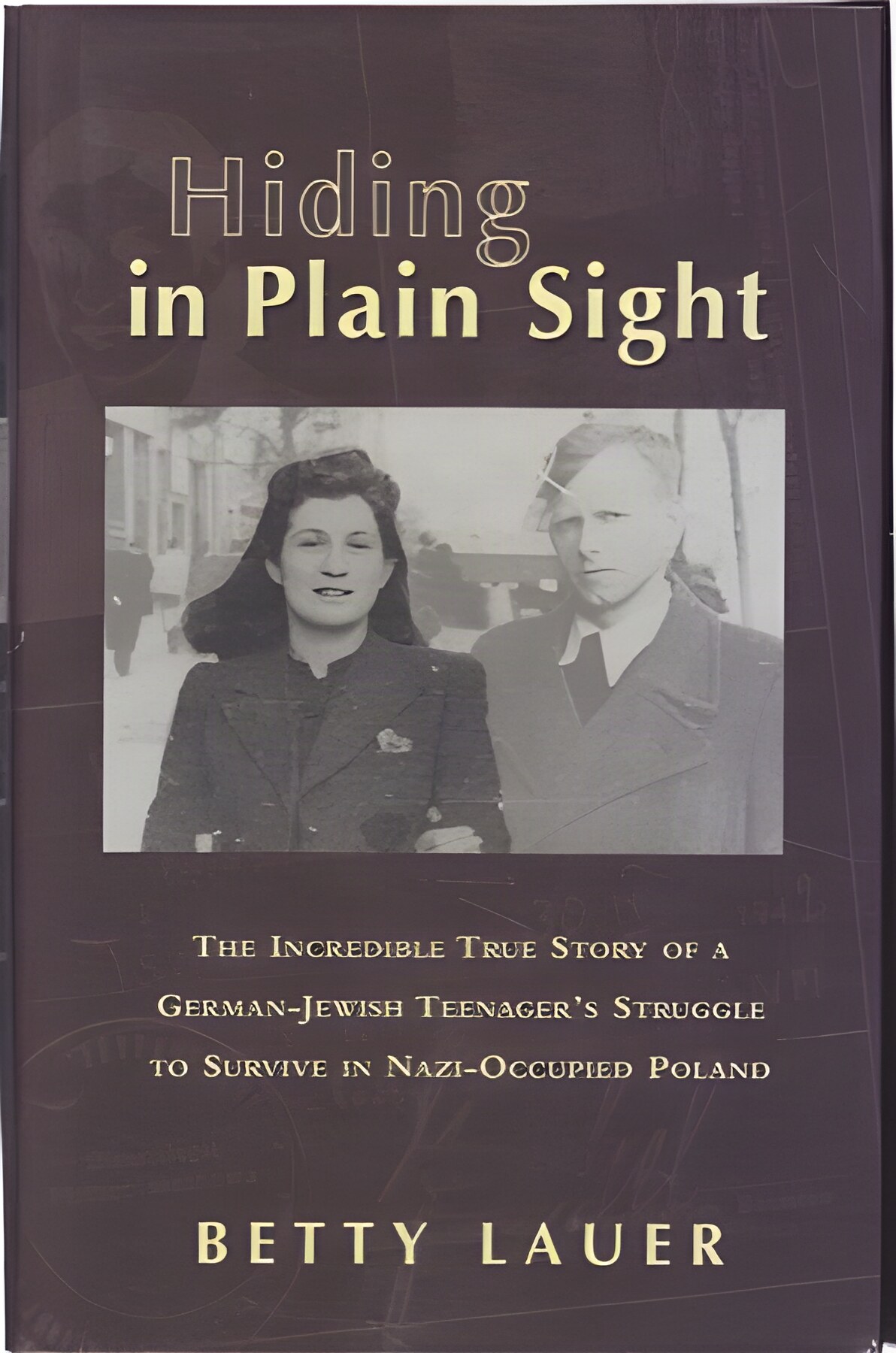
Hardcover. Hanover NH, Smith and Kraus, 1st, 2004, Book: Very Good, Dust Jacket: Very Good, Hardcover in a bright dust jacket, 561 pages, b&w illustrations. 12 year old Bertel, living in Hindenburg, Germany in 1938, was forced by the Nazis to leave Germany for Poland. Disguising herself as a young Polish woman, this is the story of Bertel's survival. INSCRIBED TWICE BY LAUER on the front fly leaf. Clean copy.
Hardcover. Germany, Steidl, 1st, 2012, Book: Very Good, Dust Jacket: None, 262 pages. Hardcover with no dust jacket. Very clean, unmarked copy still in publishers shrink-wrap. Photographs throughout. Tight copy. The High and Lonesome Sound combines Cohen's vintage photos, film and musical recordings as well as an anecdotal text into a multimedia tribute to this underappreciated legend of American music whose every performance was, in Cohen's words, "not just a rendition of music, but a test of something to be overcome."
Hardcover. Germany, Steidl, 1st, 2012, Book: Very Good, Dust Jacket: None, 262 pages. Hardcover with no dust jacket. Very clean, unmarked copy still in publishers shrink-wrap. Photographs throughout. Tight copy. The High and Lonesome Sound combines Cohen's vintage photos, film and musical recordings as well as an anecdotal text into a multimedia tribute to this underappreciated legend of American music whose every performance was, in Cohen's words, "not just a rendition of music, but a test of something to be overcome."
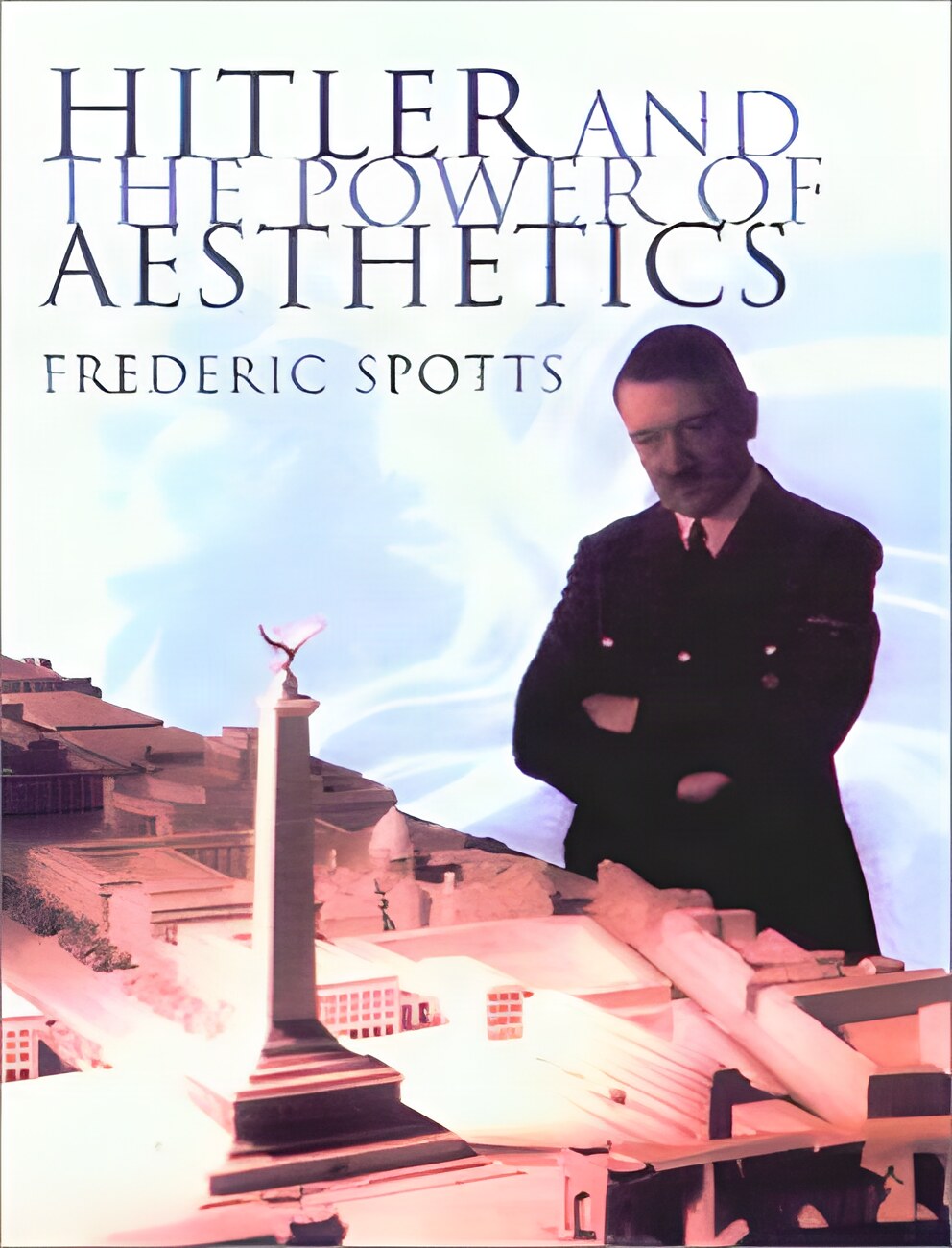
Hardcover. Woodstock NY, Overlook Press, 1st US, 2003, Book: Very Good, Dust Jacket: Very Good, Hardcover in a bright dust jacket, 456 pages with b&w and color illustrations. In Hitler and the Power of Aesthetics, acclaimed historian Frederic Spotts presents a startling reassessment of Hitler's aims and motivations. Spotts dismisses the traditional biographical view that Hitler was an "unperson," who had no life outside of politics, Spotts shows that Hitler's interest in the arts was as intense as his racism and his argument is punctuated with photographs and illustrations, including reproductions of Hitler's watercolors and drawings from his 1925 sketchbook. The book offers the first full analysis of Hitler's own work as a painter, as well as of his art collection. It also treats the entire range of his personal interests: from architecture, painting, symphony, opera, and sculpture, to the German autobahn system and the development of the Volkswagen. A riveting and highly original work, Hitler and the Power of Aesthetics provides a key to an understanding of the Third Reich which has, until now, been missing from biographies and studies of the arts in the Third Reich, as well as from political and military studies of Hitler. Clean copy.

 "Georges Einbeck (Malerei Text- und Bilddokumente Werkverzeichnis)by: Kneubuhler, Theo/Einbeck, Georges")
 "Gerhard Richter Editionen 1965-1993by: Butin, Hubertus")
 "Gerhard Richter: Forty Years of Painting by: Storr, Robert")



 "German Fury in Belgium, Theby: Mokveld, L.")
 "German Popular Storiesby: Ruskin (ed.), John")


 "Germanyby: Eisenstaedt, Alfred")
 "Girl in the Belgian Resistance: A Wakeful Eye in the Underground (SIGNED COPY)by: Fernande K. Davis")

 "Grasslandby: Lee, H.")



 "Heidegger and the Project of Fundamental Ontologyby: Taminiaux, Jacques")
 "High & Lonesome Sound, The: The Legacy of Roscoe Holcombby: Cohen, John (Photographer)")
 "High & Lonesome Sound, The: The Legacy of Roscoe Holcombby: Cohen, John (Photographer)")