Hardcover. New Haven, Yale University, 1st, 1938, Book: Very Good, Dust Jacket: None, 29 pages. Hardcover. INSCRIBED ON FRONT ENDPAPER BY AUTHOR. Portrait of Winthrop opposite title page. Darkening to title on spine, with chip missing at very top. Moderate rubbing with small section of abrasion at bottom right corner of front cover. Clean, unmarked copy.
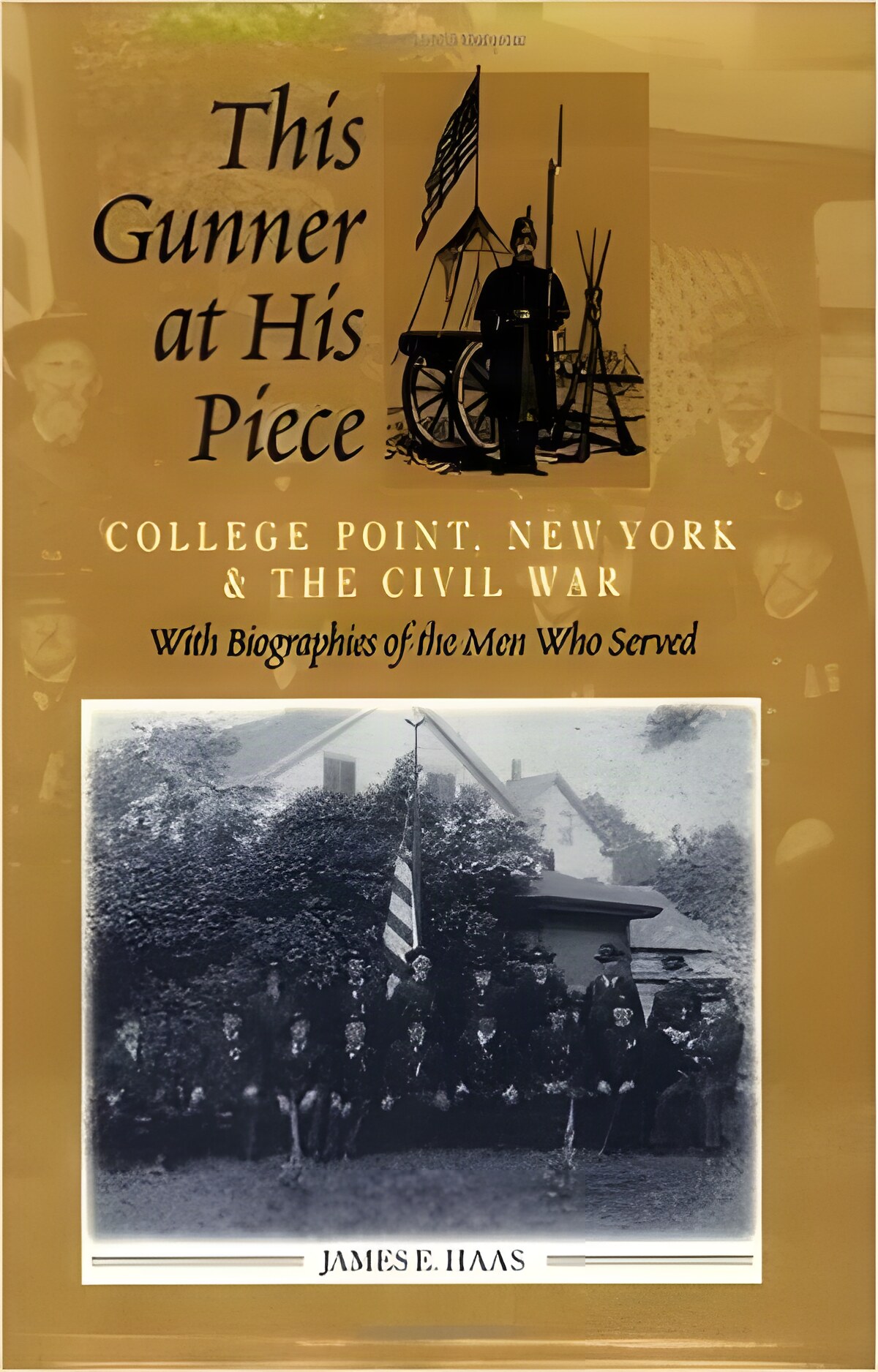
Softcover. Baltimore MD, Gateway Press, 1st, 2002, Book: Very Good, Dust Jacket: None, Softcover. 272 pages. INSCRIBED BY AUTHOR on the title page. 226 men with ties to College Point, New York took part in the Civil War. They served in 82 different Army units, and in the Navy, both on land and on sea. They were infantry men, engineers and artillerists, and one was a musician in the Marine Band. The majority claimed Germany as their country of birth, and 24 died in the service of their adopted homeland. This Gunner at His Piece tells their stories, before, during and after the American Civil War. Clean copy.
NY, Da Capo Press , 1st, 2019, Book: Very Good, Dust Jacket: Very Good, Hardcover in a bright, unclipped dust jacket. Thomas Paine's words were like no others in history: they leaped off the page, inspiring readers to change their lives, their governments, their kings, and even their gods. In an age when spoken and written words were the only forms of communication, Paine's aroused men to action like no one else. The most widely read political writer of his generation, he proved to be more than a century ahead of his time, conceiving and demanding unheard-of social reforms that are now integral elements of modern republican societies. Among them were government subsidies for the poor, universal housing and education, pre- and post-natal care for women, and universal social security. An Englishman who emigrated to the American colonies, he formed close friendships with Benjamin Franklin, Thomas Jefferson, and James Madison, and his ideas helped shape the Declaration of Independence and the Bill of Rights.
Hardcover. Glendale CA, Arthur H. Clark Co., 1st, 1951, Book: Very Good, Dust Jacket: None, Hardcover, dark blue cloth with gilt lettering on the spine, 340 pages. A biography of Thomas Pownall (1757 - 1760) who was governor of the Massachusetts Bay colony during the French and Indian War and later a member of Parliament (1767 - 1780). Pownall had sympathies for the colonial grievances and institutions. This biography is based on a study of widely scattered documentary materials and provides insight into a man of complex and contradictory ideas and actions during the pre-Revolutionary period. Includes bibliography and index. Stamping to endpapers, from an academic library.
Hardcover. NY, Time Life, reprint, 1984, Book: Very Good, Dust Jacket: None, 436 pages. Hardcover with no dust jacket. Dark blue leather bound with gilt titles to front cover and spine. Embossed decoration on front cover. Gilt text block edges, red ribbon marker. Clean, tight copy.
Hardcover. NY, E.P. Dutton , 1st, 1932, Book: Good, Dust Jacket: None, Hardcover, green cloth stamped in red, 235 pages. A masterpiece of humanism, Time Stood Still recounts Paul Cohen-Portheim's years of internment in England as an enemy alien during World War One. An artist and theatre designer, he at first viewed internment as a sort of holiday: 'Should I bring my bathing things and evening dress?' he asked the policeman taking him prisoner. Though confined in a 'gentleman's camp' near Wakefield, as Cohen-Portheim shows with grace, humor, and deep compassion, even under the best conditions, the simple act of being confined and placed in a sort of limbo is a form of torture: 'Where there is no aim, no object, no sense, there is no time.' Time Stood Still is a passionate but balanced argument against internment and its inherently dehumanizing effects. Paul Cohen-Portheim (1880-1932) was an Austrian artist, travel writer and linquist. When WWI broke out, he was painting in Devonshire, England and found himself interned for the length of the war. Flap copy pasted to front fly leaf, stamp to endpapers (Harvard Club of Boston), some light notations as well to endpapers.
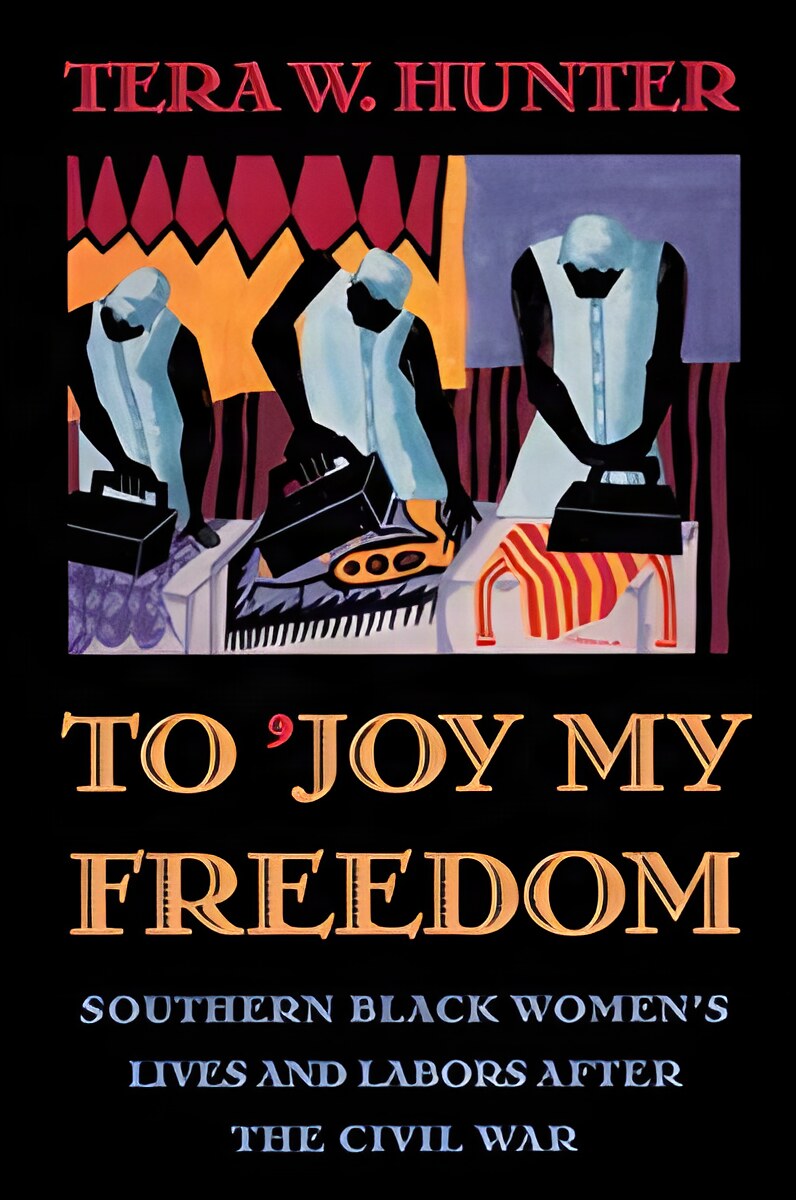
Softcover. Cambridge MA, Harvard University Press, reprint, 1998, Book: Very Good, Dust Jacket: None, Softcover, 311 pages. As the Civil War drew to a close, newly emancipated black women workers made their way to Atlanta-the economic hub of the newly emerging urban and industrial south-in order to build an independent and free life on the rubble of their enslaved past. In an original and dramatic work of scholarship, Tera Hunter traces their lives in the postbellum era and reveals the centrality of their labors to the African-American struggle for freedom and justice. Household laborers and washerwomen were constrained by their employers' domestic worlds but constructed their own world of work, play, negotiation, resistance, and community organization. Hunter follows African-American working women from their newfound optimism and hope at the end of the Civil War to their struggles as free domestic laborers in the homes of their former masters. We witness their drive as they build neighborhoods and networks and their energy as they enjoy leisure hours in dance halls and clubs. We learn of their militance and the way they resisted efforts to keep them economically depressed and medically victimized. Finally, we understand the despair and defeat provoked by Jim Crow laws and segregation and how they spurred large numbers of black laboring women to migrate north. Clean copy.
Hardcover. New York , Penguin Putnam Inc, 1st, 1993, Book: Very Good, Dust Jacket: Very Good, Hardcover, 158 pages, illustrated throughout with photos in b&w. Clean, unmarked copy with only minor wear to dust jacket. Elie Wiesel provides the preface to a master photographer's record of eastern Europe's Jewish communities in the years just before World War II with 160 photographs that capture the ordinary lives of Jews before the Holocaust.
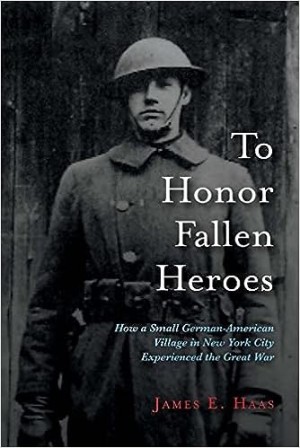
Softcover. self-published, 1st, 2017, Softcover, 238 pages, b&w illustrations. SIGNED BY AUTHOR on the title page. An historical and biographical study of the men from College Point, Queens, New York who rendered valuable service to their country in World War One. More than six hundred fifty served in the Army, the Navy, the Marine Corps and the Merchant Marine. Twenty-eight died. What gives the book its relatively unique character is that the hamlet was basically German in origin, primarily industrial, and in the late 19th and early 20th centuries, a destination place for large numbers of entertainment-seeking New Yorkers. The book includes an overview of these elements, illustrating how each played its role before, during and, to a limited extent, after the war. These subjects are woven into a detailed analysis of how College Point, and its people weathered movements and events; labor strife, anti-German sentiment, espionage, the influenza epidemic, and a host of other forces that impacted American culture in general, and their lives in particular. Also told in chronological order, and brief vignettes are the stories of the twenty-eight men who went willingly to war, and died. Clean copy.
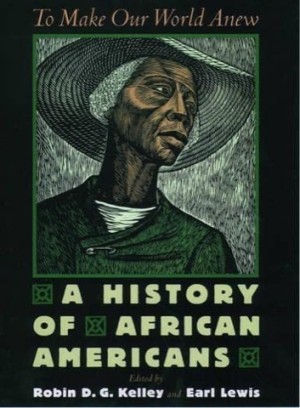
Hardcover. NY, Oxford University Press, 4th pr., 2000, Hardcover in a bright dust jacket. 670 pages, b&w illustrations. Written by the most prominent of the new generation of historians, this superb volume offers the most up-to-date and authoritative account available of African-American history, ranging from the first Africans brought as slaves into the Americas, to today's black filmmakers and politicians. Here is a panoramic view of African American life, rich in gripping first-person accounts and short character sketches that invite readers to relive history as African Americans experienced it. We begin in Africa, with the growth of the slave trade, and follow the forced migration of what is estimated to be between ten and twenty million people, witnessing the terrible human cost of slavery in the colonies of England and Spain. We read of the Haitian Revolution, which ended victoriously in 1804 with the birth of the first independent black nation in the New World, and of slave rebellions and resistance in the United States in the years leading up to the Civil War. There are vivid accounts of the Civil War and Reconstruction years, the backlash of notorious "Jim Crow" laws and mob lynchings, and the founding of key black educational institutions. The contributors also trace the migration of blacks to the major cities, the birth of the Harlem Renaissance, the hardships of the Great Depression and the service of African Americans in World War II, the struggle for Civil Rights in the 1950s and '60s, and the emergence of today's black middle class. From Harriet Tubman and Frederick Douglass to Martin Luther King, Jr., and Louis Farrakhan, To Make Our World Anew is an unforgettable portrait of a people. Clean copy.
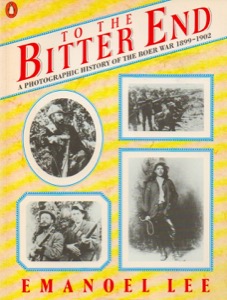
Softcover. UK, Penguin Books, 1st, 1986, Book: Very Good, Dust Jacket: None, Softcover, 226 pages, profusely illustrated in b&w. This book presents not only formal or professionally taken photos but also a fair amount of ordinary photos taken by soldiers and civilians. The history of the personal camera is tied up into the Boer War and the quality and candid nature of some of the photos are representatives of early personal use. A general pictorial overview of an ugly conflict in the waning days before WW1. Clean copy.
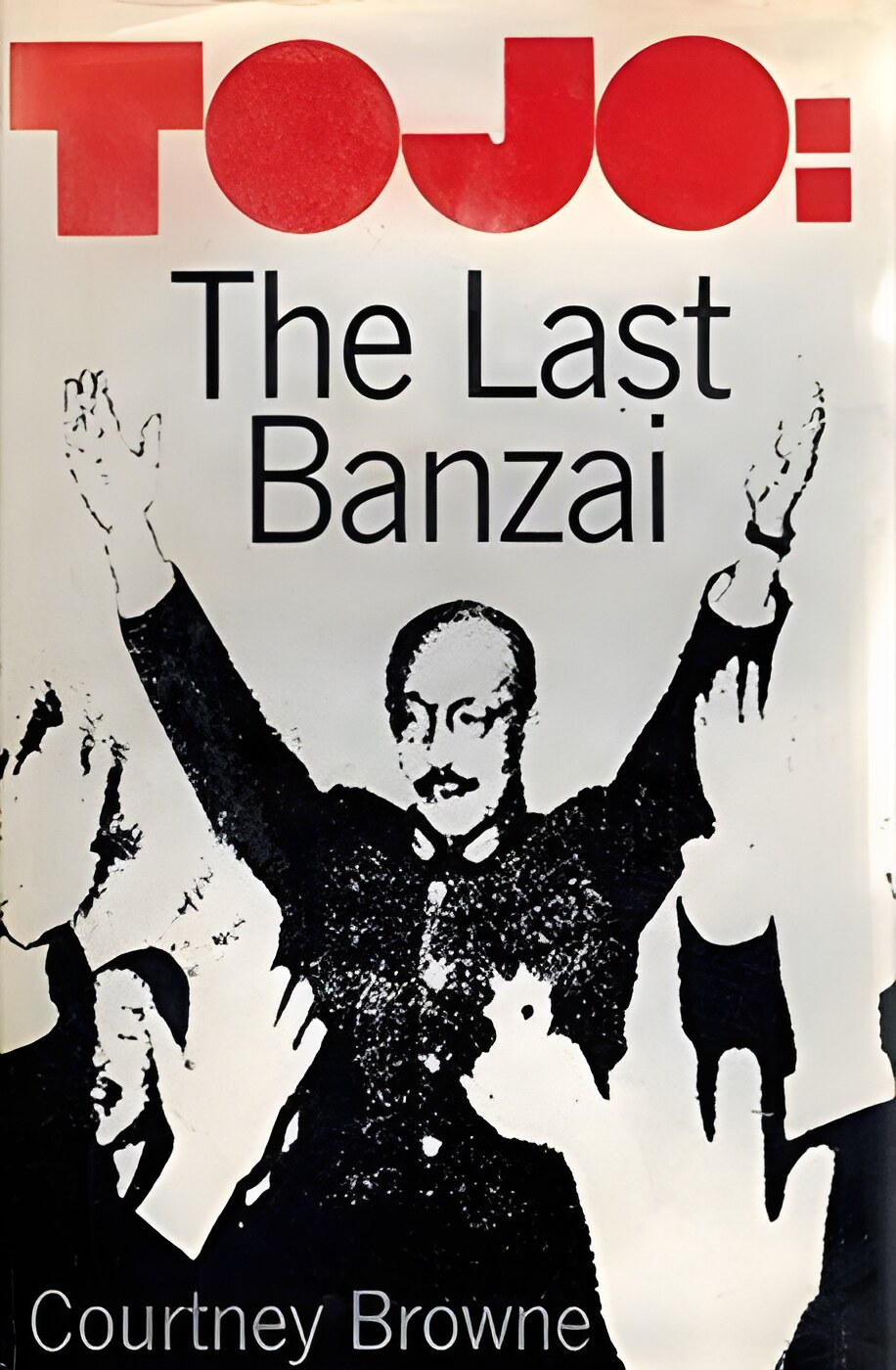
Hardcover. London, Angus and Robertson, 1st UK, 1967, Book: Very Good, Dust Jacket: Very Good, Hardcover in a lightly worn dust jacket. General, minister of war, prime minister, and unrepentant ultranationalist, Hideki Tojo was the most powerful leader in the Japanese government during World War II. This clear and compelling portrait of Tojo illuminates the spartan, single-minded, incorruptible personality of the man who chose war rather than succumb to U.S.-induced economic strangulation. 20 photos. 288 pages. Clean copy.
Hardcover. Princeton NJ, Princeton University Press, 1st, 1965, Book: Very Good, Dust Jacket: Very Good, Hardcover in a bright dust jacket, 463 pages with index. This study considers the subtle and frequently confused relationship of armed force and political control in the British Empire before the American Revolution. It also clarifies a number of points of controversy and uncertainty about the causes of the American Revolution. A crisp copy of the 1965 1st edition. Name on front fly leaf, price clipped otherwise clean.
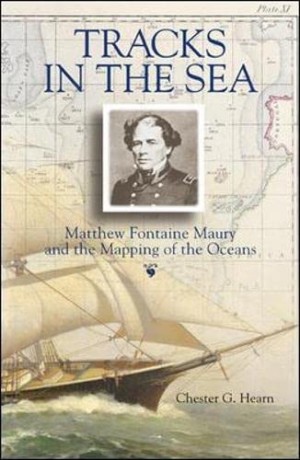
Hardcover. Camden NJ, International Marine, 1st, 2002, Book: Very Good, Dust Jacket: Very Good, Hardcover in a bright dust jacket. 278 pages, b&w illustrations. Navigation at sea was a matter of guesswork until well into the 19th century. Changing that became the obsession of Matthew Fontaine Maury. While others built railroads, Maury mapped highways of wind and current over the seas. Hearn uses Maury's career as a window on America's maritime development in the 19th century, including the clipper-ship era of the 1850s, the rise of steam and steel, and the Civil War. Clean copy.
Hardcover. NY, Columbia University, 1st, 1907, Book: Good, Dust Jacket: None, Hardcover, black cloth with gilt stamping, 126 pages. Ex-library with light markings and stamping. Much on the fur trade, early agriculture, gold dust and Civil War currency and trade in Oregon during the 1800s.
Hardcover. NY, Simon & Schuster, 1st, 2001, Book: Very Good, Dust Jacket: Very Good, Hardcover in a bright dust jacket with light sticker residue, 203 pages. The travel author and historian journeys to the beguiling city of Trieste, Italy, which has enchanted her for more than fifty years, to explore issues of patriotism, decency, wildness, and sex. In this love letter to Trieste a city she has grown to love over the years and never got tired of exploring Morris looks back on her life. She recalls first coming to Trieste as a soldier [male] in World War II and discusses the impact the city's way of life has had on her own philosophy of life. Each chapter begins with a philosophical quote stating its theme and setting the atmosphere. Morris is not only skilled at vividly describing townspeople and buildings in a way that brings Trieste to life, but she also successfully balances the personal with the historical by providing references to both history and literature. Clean copy.
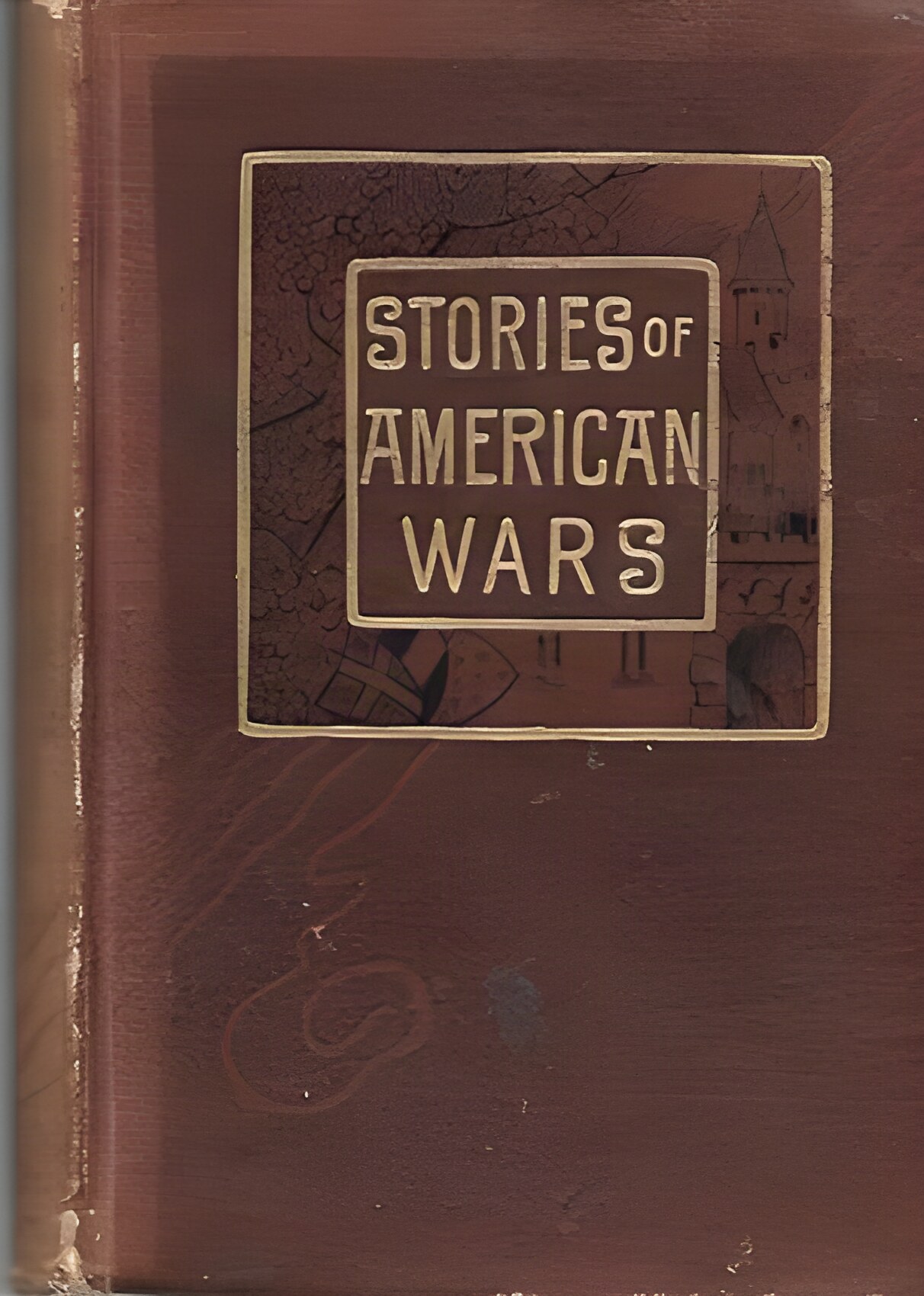
Hardcover. Boston, D. Lothrop and Co., 1st, 1887, Book: Very Good, Dust Jacket: None, Hardcover, brown cloth stamped in gilt and orange, 13 b&w plates. A dozen tales of incidents in American wars. Light pencil note on front fly leaf dated in 1887. Otherwise clean.
Hardcover. NY, Simon & Schuster, 1st, 2002, Book: Very Good, Dust Jacket: Very Good, Hardcover in a bright dust jacket, 352 pages. Alfred Lee Loomis (1887-1975) made his fortune in the 1920s by investing in public utilities, but science was his first love. In 1928, he established a premier research facility in Tuxedo Park, N.Y., that attracted such brilliant minds as Einstein, Bohr and Fermi and became instrumental in the Allies' WWII victory. Conant, a magazine writer, draws on studies, family papers and interviews with Loomis's friends, family and colleagues (she's a relative of two scientists who worked with Loomis) to trace the story of the tycoon's professional and social life (the latter fairly racy). At the Tuxedo Park lab, Loomis attracted top-flight scientists who experimented with sound, time measurement and brain waves. During WWII, he established a laboratory at MIT (the "rad lab") where radar was developed. He also served as a conduit between civilian scientists and Roosevelt's military establishment. Although he lost some of his top people to the Manhattan Project, the "rad lab" was a major contributor to the allies' defense. In his well-publicized personal life, Loomis angered family members by trying to have his emotionally unstable wife institutionalized while he pursued an affair with another woman. Through Conant's spare, unobtrusive prose and well-paced storytelling, Loomis emerges as a contradictory man who craved scientific accomplishment and influence, but rarely took credit for himself.
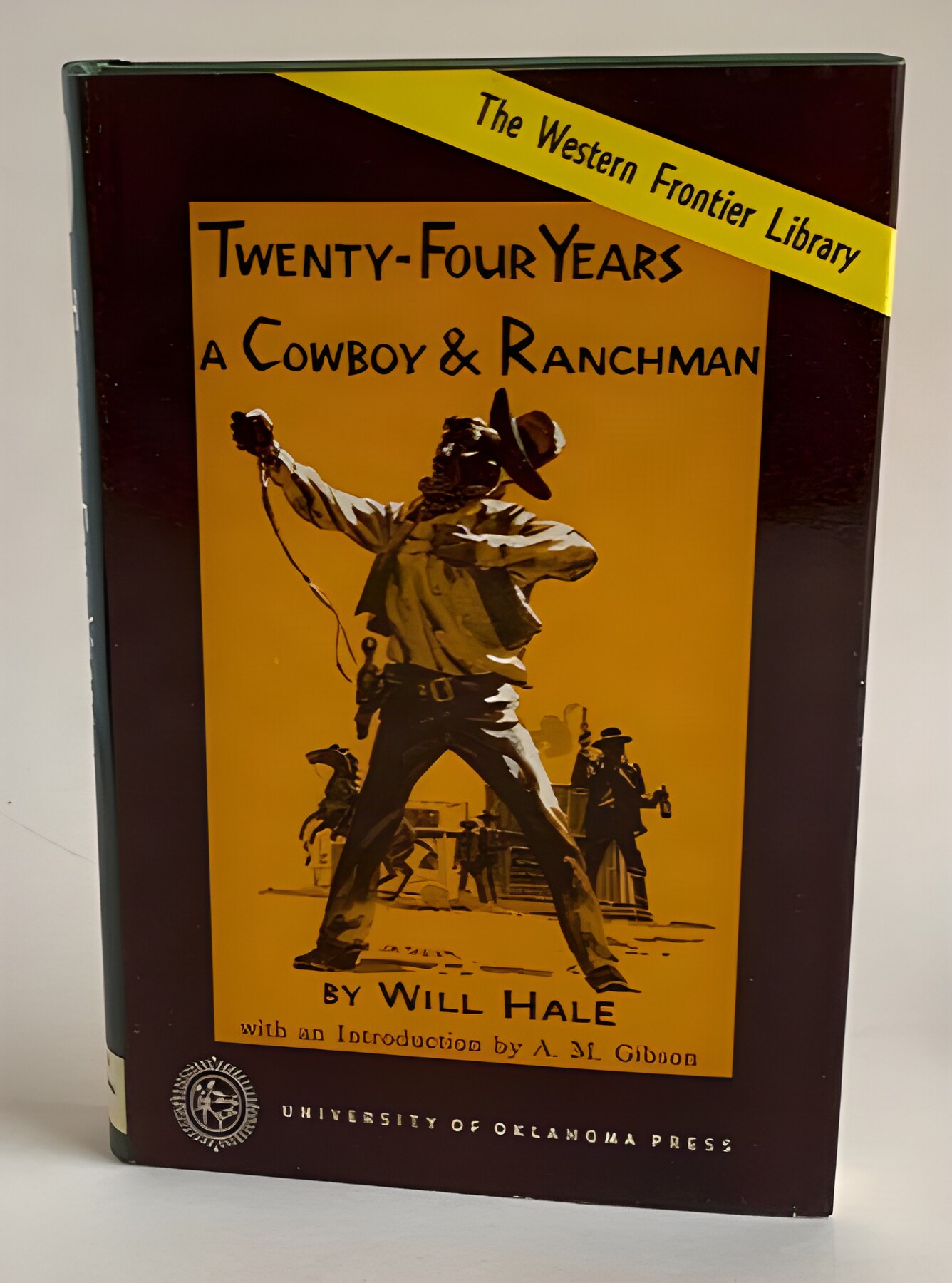
Hardcover. Norman OK, University of Oklahoma Press, 1st, 1959, Book: Very Good, Dust Jacket: Very Good, Hardcover in a bright dust jacket, 183 pages. The Western Frontier Library, Vol. 12. B&w illustrations. The timeframe extends from the Mexican War to the 1880's. Much on the Comanches in Texas, cattle raids and killings on both sides of the Rio Grande by both Mexican and American cowboys, the murder of a Pinkerton detective, the Lincoln County cattle war, and the pursuit of Billy the Kid. Clean copy.
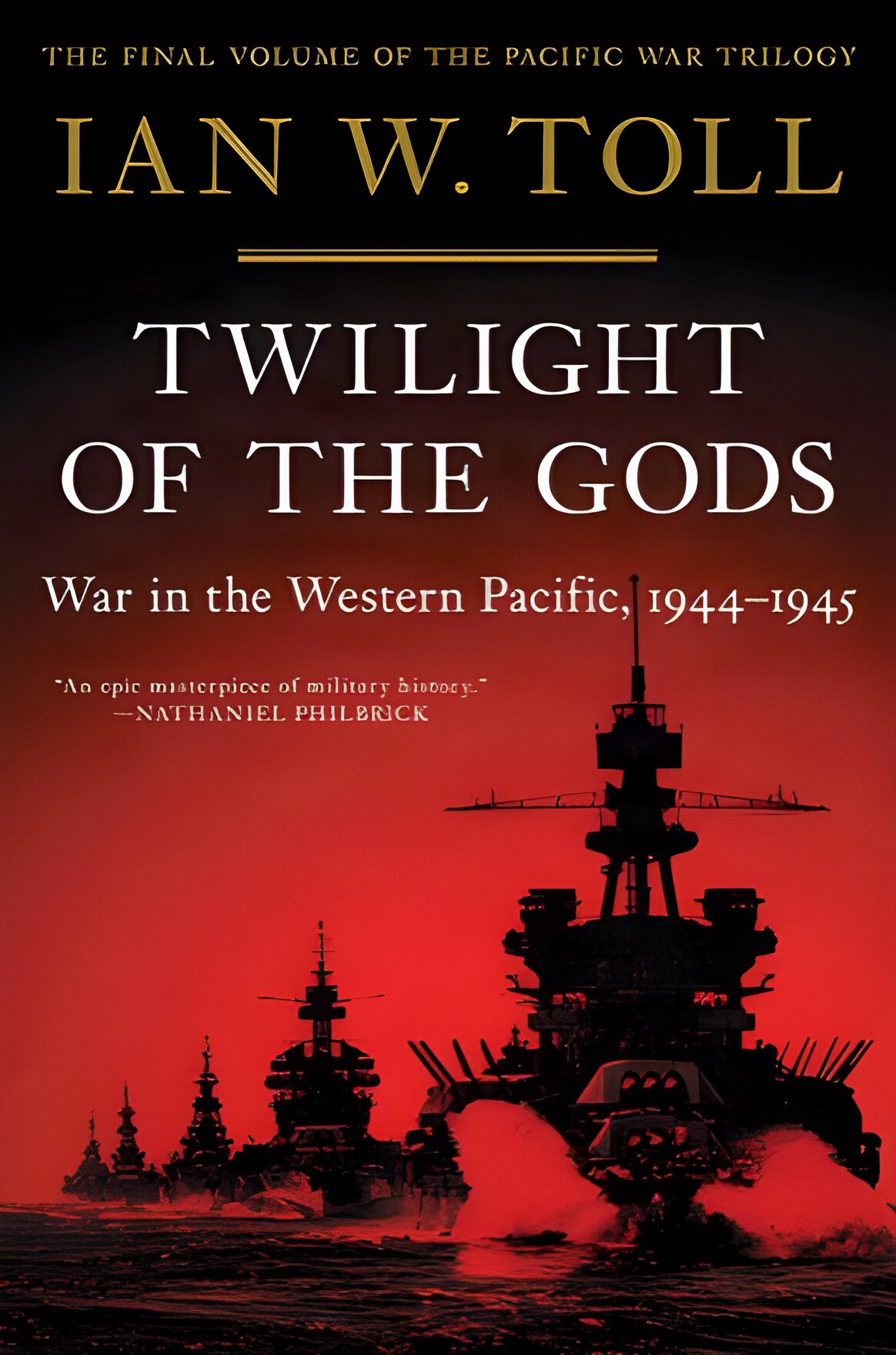
Hardcover. NY, W. W. Norton & Company, 2nd pr., 2020, Book: Very Good, Dust Jacket: Very Good, Hardcover in a bright dust jacket, 926 pages, illustrations. In June 1944, the United States launched a crushing assault on the Japanese navy in the Battle of the Philippine Sea. The capture of the Mariana Islands and the accompanying ruin of Japanese carrier airpower marked a pivotal moment in the Pacific War. No tactical masterstroke or blunder could reverse the increasingly lopsided balance of power between the two combatants. The War in the Pacific had entered its endgame. Beginning with the Honolulu Conference, when President Franklin Delano Roosevelt met with his Pacific theater commanders to plan the last phase of the campaign against Japan, Twilight of the Gods brings to life the harrowing last year of World War II in the Pacific, when the U.S. Navy won the largest naval battle in history; Douglas MacArthur made good his pledge to return to the Philippines; waves of kamikazes attacked the Allied fleets; the Japanese fought to the last man on one island after another; B-29 bombers burned down Japanese cities; and Hiroshima and Nagasaki were vaporized in atomic blasts. Ian W. Tolls narratives of combat in the air, at sea, and on the beaches are as gripping as ever, but he also reconstructs the Japanese and American home fronts and takes the reader into the halls of power in Washington and Tokyo, where the great questions of strategy and diplomacy were decided. Clean copy.
Hardcover. NY, Disney Editions, 1st, 2010, Book: Very Good, Dust Jacket: Very Good, Hardcover, 192 pages. One Joe was in his ninety-seventh year when he died in 2005; the other Joe died the same year at age forty-five. Both died before their time. This book explores the interplay between personal creativity and the craft of animation storytelling, as seen through the lives and art of two of its greatest practitioners: Joe Grant and Joe Ranft. Grant and Ranft were unique influences on storytelling at two major studios during important periods in the history of animation. Joe Grant, in fact, straddled two eras. A gifted newspaper caricaturist, he contributed ideas for Mickey Mouse and Silly Symphony shorts as well as classic masterworks like Snow White and the Seven Dwarfs; Pinocchio; Fantasia; and Dumbo. As Walt Disney's confidant, Grant played a leading role in defining Disney's pioneering animation legacy. He returned to the studio at eighty-one after a fortyyear hiatus, his creative spirit and abilities undiminished, and made significant contributions to Beauty and the Beast; Aladdin; Mulan; and The Lion King, among others. Joe Ranft built on the traditions of the past forged by Grant and others to become the top animation storyboard artist of his generation, working on Tim Burton's The Nightmare Before Christmas; The Brave Little Toaster; Who Framed Roger Rabbit; James and the Giant Peach; The Little Mermaid; and Beauty and the Beast, among other films. As one of Pixar's creative founders and a close friend of John Lasseter's, Ranft had a major influence on the studio's signature originality, warmth, and irreverent humor, through his contributions to Toy Story; Toy Story 2; A Bug's Life; Monsters, Inc.; and Cars.
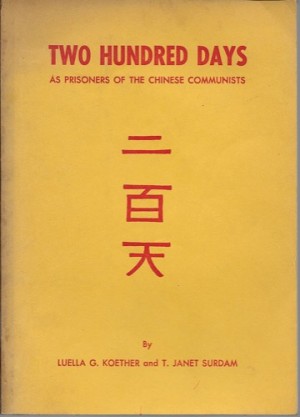
Softcover. Mason City, IA, Arrow Printing , 1st, 1956, Book: Very Good, Dust Jacket: None, 248 pages. 12mo. SIGNED BY BOTH AUTHORS on title page. Yellow wrappers wih red titles in English and Chinese. Age soil. The glue used by the printing company to attach the wrappers to the text was of poor quality; this has toned the wrappers spine to a darker yellow. Wear to top and bottom of spine.
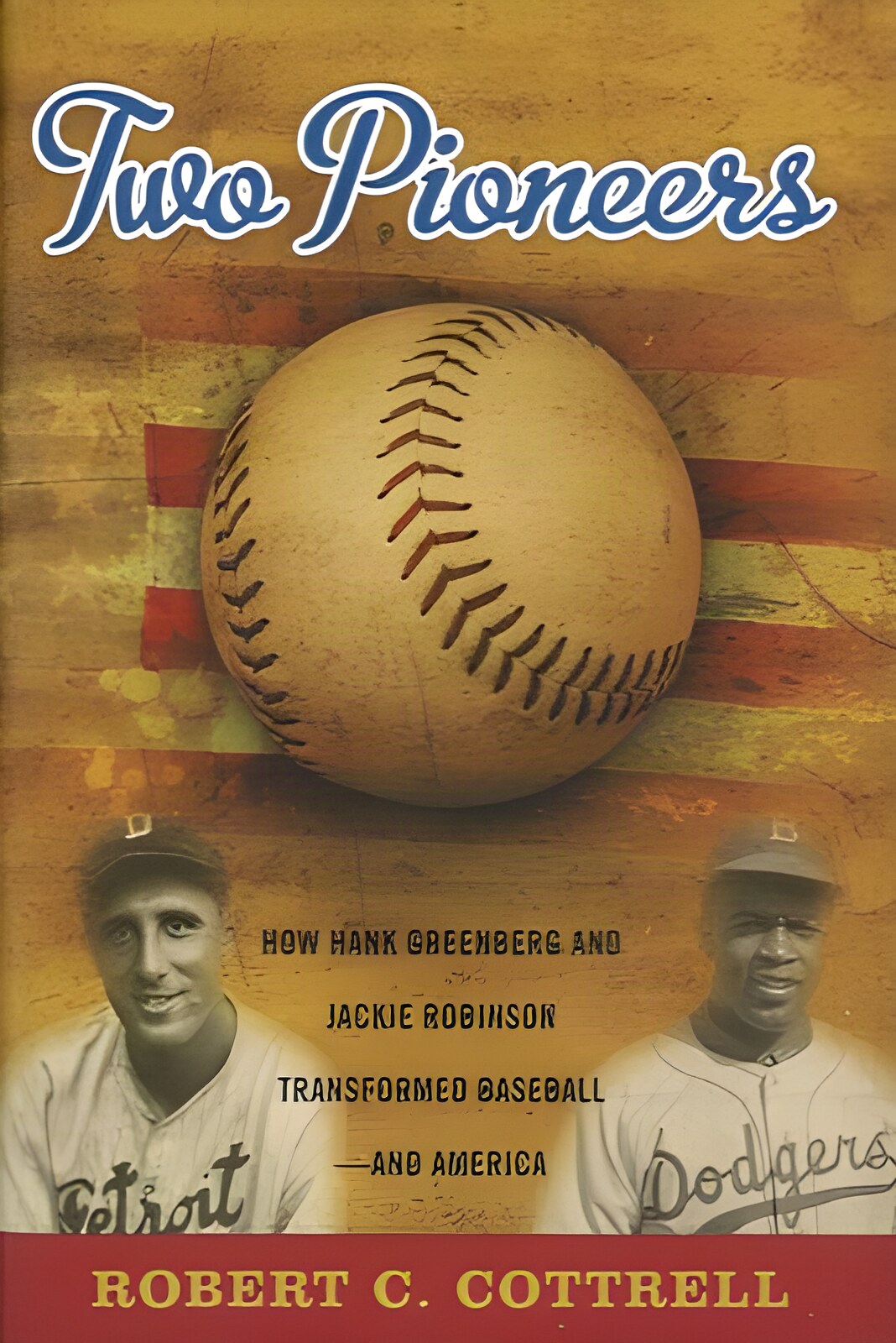
Hardcover. Washington DC, Potomac Books, 1st, 2012, Book: Very Good, Dust Jacket: Very Good, Hardcover in a bright dust jacket, 270 pages, b&w illustrations. As the first great Jewish player in the major leagues and the first African American to play major-league baseball during the twentieth century, respectively, Hank Greenberg and Jackie Robinson are forever linked because of the barriers they encountered, the discrimination they endured, the athletic gifts they exhibited, and especially the courage and dignity they displayed. Both suffered ridicule and abuse as they participated in the national pastime. Nevertheless, each excelled. Greenberg became one of the preeminent sluggers of the 1930s and 1940s who took a break from baseball to serve in the war. Robinson, from the mid-1940s into the following decade, helped bring back speed and a thinking man's approach to the game, both of which had largely been discarded for a generation. Two Pioneers presents these remarkable players' experiences while competing in a nation that was deeply divided on social issues such as anti-Semitism and racism. Both men earned nearly as much attention off the field as they did on it. Greenberg called into question the idea of a "master race" as Adolf Hitler rose to power and gained supporters all over the world. Likewise, Robinson contested racial notions regarding the supposed inferiority of people of African ancestry, even though segregationists proved determined to maintain social barriers separating blacks and whites. It is only fitting that when Robinson finally crossed baseball's color line, Greenberg was one of the first players to welcome him publicly. Robert Cottrell's well-researched work shows how two baseball superstars became important figures in the civil rights crusade to ensure that all Americans, no matter their religion or race, are given equal opportunity. Clean, bright copy.
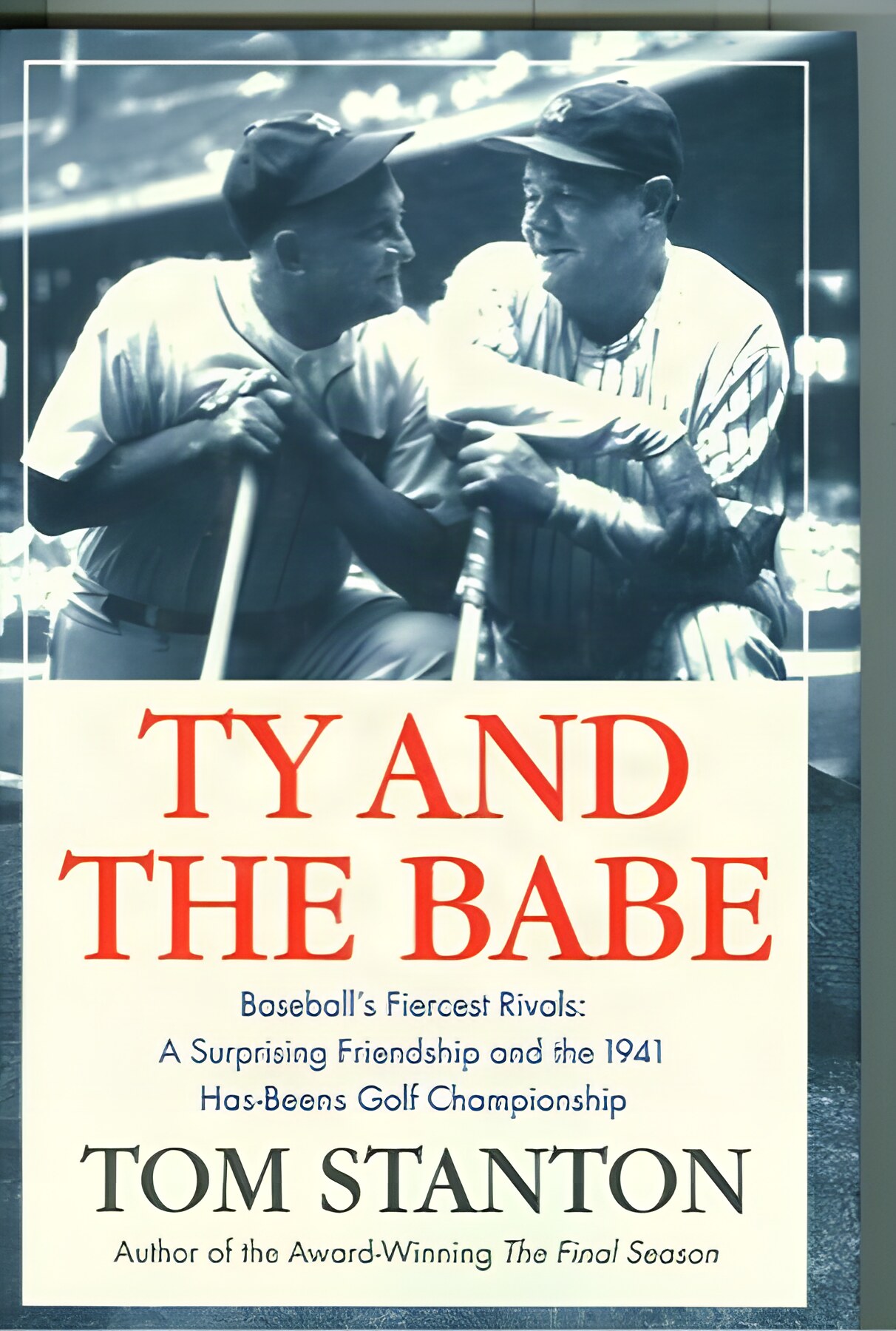
Hardcover. NY, Thomas Dunne/St. Martins, 1st, 2007, Book: Very Good, Dust Jacket: Very Good, Hardcover in a bright, price-clipped dust jacket, 290 pages, b&w illustrations. Early in the twentieth century, fate thrust a young Babe Ruth into the gleaming orbit of Ty Cobb. The resulting collision produced a dazzling explosion and a struggle of mythic magnitude. At stake was not just baseball dominance, but eternal glory and the very soul of a sport. For much of fourteen seasons, the Cobb-Ruth rivalry occupied both men and enthralled a generation of fans. Even their retirement from the ball diamond didn't extinguish it. On the cusp of America's entry into World War II, a quarter century after they first met at Navin Field, Cobb and Ruth rekindled their long-simmering feud--this time on the golf course. Ty and Babe battled on the fairways of Long Island, New York; Newton, Massachusetts; and Grosse Ile, Michigan; in a series of charity matches that spawned national headlines and catapulted them once more into the spotlight. Clean copy.

 "Theodore Winthrop (SIGNED COPY)by: Eliot, Jr., Ellsworth")


 "Three Years in the Sixth Corps: A Concise Narrative of Events in the Army of the Potomac, from 1861 to the Close of the Rebellion, April, 1865 (Collector's Library of the Civil War)by:")




 "Two Guys Named Joe: Master Animation Storytellers Joe Grant & Joe Ranftby: Canemaker, John")