Softcover. Bew Haven CT, Yale University Press, 1st, Book: Very Good, Dust Jacket: None, Softcover, 272 pages. Richly illustrated with images from Jan Tschichold's little-known private collection of design ephemera, this important book explores a legendary figure in the history of modern graphic design through the artists, ideas, and texts from the Bauhaus that most influenced him. Tschichold (1902-1974), a prolific designer, writer, and theorist, stood at the forefront of a revolution in visual culture that made printed material more elemental and dynamic. His designs were applied to everyday graphics, from billboard advertisements and business cards to book jackets and invoices. This handsome volume offers a new understanding of Tschichold's work, and of the underlying theories of the artistic movement he helped to form, by analyzing his collections. Clean copy. The book is still in the original publisher shrink wrap.
Hardcover. NY, Columbia University Press, 1st, 1984, Book: Very Good, Dust Jacket: Very Good, Hardcover in a bright dust jacket, 410 pages with index. Contains selected translations from Taiheiyo senso e no michi: kaisen gaiko shi. Name on front fly leaf, otherwise clean. The first volume in Morley's 4 volume set "Japan's Road to the Pacific War".
Hardcover. Stanford CA, Stanford University Press, reprint, 1980, Book: Very Good, Dust Jacket: None, Hardcover, black cloth with gilt lettering on spine, 306 pages. Records of 62 conferences held in Tokyo between March and December of 1941 provide direct access to the thinking and planning of Japan's highest leaders as they prepared for war. Indexed, with 12-page appendix. First published in 1967, no dust jacket. Name on front fly leaf otherwise clean.
Hardcover. Cambridge MA, MIT Press, 1st, 1974, Book: Very Good, Dust Jacket: Very Good, Hardcover in a price-clipped dust jacket, 162 pages. Japan's economy enjoyed unprecedented technological growth in the decades after World War II. At first stereotyped as an exported of shoddy goods, Japan enjoyed a worldwide reputation as an efficient manufacturer of high-quality products. This comprehensive analysis of Japanese management treats four related but distinct subject matters: the economic, social, cultural, and political environment pertinent to Japan's industrial and managerial system; the ideologies and background to the Japanese business elite structure and the relationship between government and business; and managerial practices (organizational structure, personnel practices, decision making). The book first describes the postwar technological environment in and outside Japan. It identifies the Schumpeterian characteristics of economic development and the particular set of relationships that Japan had with the United States and with developing nations in Asia that provided it with the incentive and the necessary mechanisms to advance technologically. Name on front fly leaf, otherwise clean.
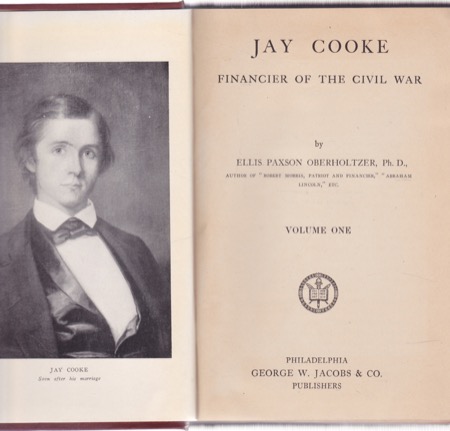
Hardcover. Philadelphia, George W. Jacobs & Co., 1907, Book: Very Good, Dust Jacket: None, Two matching hardcover volumes in maroon cloth with gilt-lettered spine titles. [1], xi, [1 blank], 658; [2], vi, 590 pages, as issued, with plates and folding maps. Jay Cooke was an American financier who helped finance the Union war effort during the American Civil War and the postwar development of railroads in the northwestern United States. He is generally acknowledged as the first major investment banker in the United States and creator of the first wire house firm. Over 75 illustrations, including foldouts. NOTE: Unlike most sets offered online, this one does not have blue cloth or top edge gilt. The copyright page states Published October, 1907. No other printings noted. No date on title page, so suspected reprint. Bookplate on inside front covers, otherwise clean and tight set.
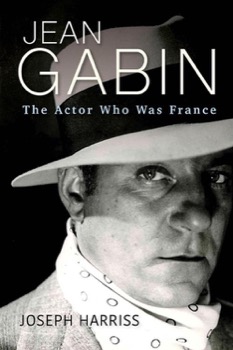
Hardcover. Lexington KY, University Press of Kentucky, 1st, 2023, Book: Very Good, Dust Jacket: Very Good, Hardcover in a bright dust jacket, 289 pages, b&w illustrations. The son of music hall performers, the Paris-born actor grew up in the entertainment business. His onscreen debut in the 1930's marked the beginning of many memorable roles in films such as La Grande Illusion (1937) and Emile Zola's La Bete Humaine (1938). His performances would earn him international recognition and establish his reputation as one of the greatest stars of film noir. Pausing his performances on screen, Gabin joined the Allied struggle of WWII. Serving under General Charles De Gaulle in the Free French Forces as a tank commander, Gabin was awarded several medals for his service. Upon his return to acting after the war, he became the embodiment of the uniquely French spirit a persona that would define his future roles. In Jean Gabin: The Actor Who Was France, Joseph Harriss tells the story of this French icon. This well-researched biography documents Gabin's life from his start as a reluctant singer and dancer in Parisian music halls to his rise to film superstardom. Clean copy.
Hardcover. NY, Harper & Row, 1st, 1987, Book: Very Good, Dust Jacket: Very Good, Hardcover in a bright dust jacket. 28 pages with color woodcuts by David Frampton. Through lilting poetic prose and glowing woodcuts, Kuskin and Frampton present a hommage to the holy city of Jerusalem, home of the three major religions. Four thousand years of the city's history are described, beginning with King David's conquest over Goliath, continuing through the Six Day War. In spite of all the battles, burnings, and rebuildings, the city stands majestically "shining still.'' It is to Kuskin's credit that she describes the city's 4000-year history in such a brief form, while still conveying a personal sense of the place. Clean copy.
Softcover. Amherst MA, Warring States Project, 1st, 2017, Book: Very Good, Dust Jacket: None, Softcover, 191 pages. This book is an overview of the history of Early Christianity. Each chapter is based on one selection from Jewish texts or from those produced by the Jesus sect of Judaism. It gives a sense of how things happened, from the words of certain ancient prophets, to Jesus' effort to bring about those prophecies, to the efforts of his followers to reshape their expectations after his death. It follows the movement as it came to regard Jesus himself as divine, a process which eventually led to the separation of the sect from the parent religion. It ends with a glimpse of a surviving early Christian church on the shores of the Black Sea, and how it appeared to the Roman administrator who was in charge of executing those who, like the Early Christians, refused Emperor worship. From the evidence of two deaconesses whom he tortured, which Pliny reported to Emperor Trajan, we too learn what were the regular practices of that church. Clean copy.
Hardcover. Chapel Hill, University of North Carolina Press., 1st, 1981, Book: Very Good, Dust Jacket: Very Good, Hardcover in a lightly worn dust jacket, 364 pages, b&w illustrations. As the most learned and eminent public lawyer in Germany, a busy administrator, and a prolific writer, Moser (1701-85) lived and breathed the political order. His correspondence, memoranda, and manuscript autobiography reflect the intricate day-to-day operations of the empire, and his fascinating life is a microcosm of the life and style of the empire itself. The biography provided a comprehensive picture of the empire between the Thirty Years War and the revolutionary era. Dust jacket spine faded otherwise very good, clean.
Hardcover. New Haven CT, Yale University Press;, 1st, 2009, Book: Very Good, Dust Jacket: Very Good, Hardcover, 180 pages. John Gutmann (1905-1998) was one of America's most distinctive photographers. Born in Germany where he trained as an artist and art teacher, he fled the Nazis in 1933 and settled in San Francisco, reinventing himself as a photo-reporter. Gutmann captured images of American culture, celebrating signs of a vibrant democracy, however imperfect. His own status as an outsider--a Jew in Germany, a naturalized citizen in the United States--informed his focus on individuals from the Asian-American, African-American, and gay communities, as well as his photography in India, Burma, and China during World War II. This handsome book acknowledges Gutmann's place in the history of photography. Drawing on his archive of photographs and papers at the Center for Creative Photography, it presents both unfamiliar works and little-known contexts for his imagery, linking his photography to his passionate interest in painting and filmmaking, his collections of non-Western art and artifacts, and his pedagogy. In addition to a major essay by Sally Stein, the volume includes an introduction by Douglas R. Nickel, and an overview of the Gutmann archive by Amy Rule.
Hardcover. New Haven CT, Yale University Press;, 1st, 2009, Book: Very Good, Dust Jacket: Very Good, Hardcover, 180 pages. John Gutmann (1905-1998) was one of America's most distinctive photographers. Born in Germany where he trained as an artist and art teacher, he fled the Nazis in 1933 and settled in San Francisco, reinventing himself as a photo-reporter. Gutmann captured images of American culture, celebrating signs of a vibrant democracy, however imperfect. His own status as an outsider--a Jew in Germany, a naturalized citizen in the United States--informed his focus on individuals from the Asian-American, African-American, and gay communities, as well as his photography in India, Burma, and China during World War II. This handsome book acknowledges Gutmann's place in the history of photography. Drawing on his archive of photographs and papers at the Center for Creative Photography, it presents both unfamiliar works and little-known contexts for his imagery, linking his photography to his passionate interest in painting and filmmaking, his collections of non-Western art and artifacts, and his pedagogy. In addition to a major essay by Sally Stein, the volume includes an introduction by Douglas R. Nickel, and an overview of the Gutmann archive by Amy Rule.
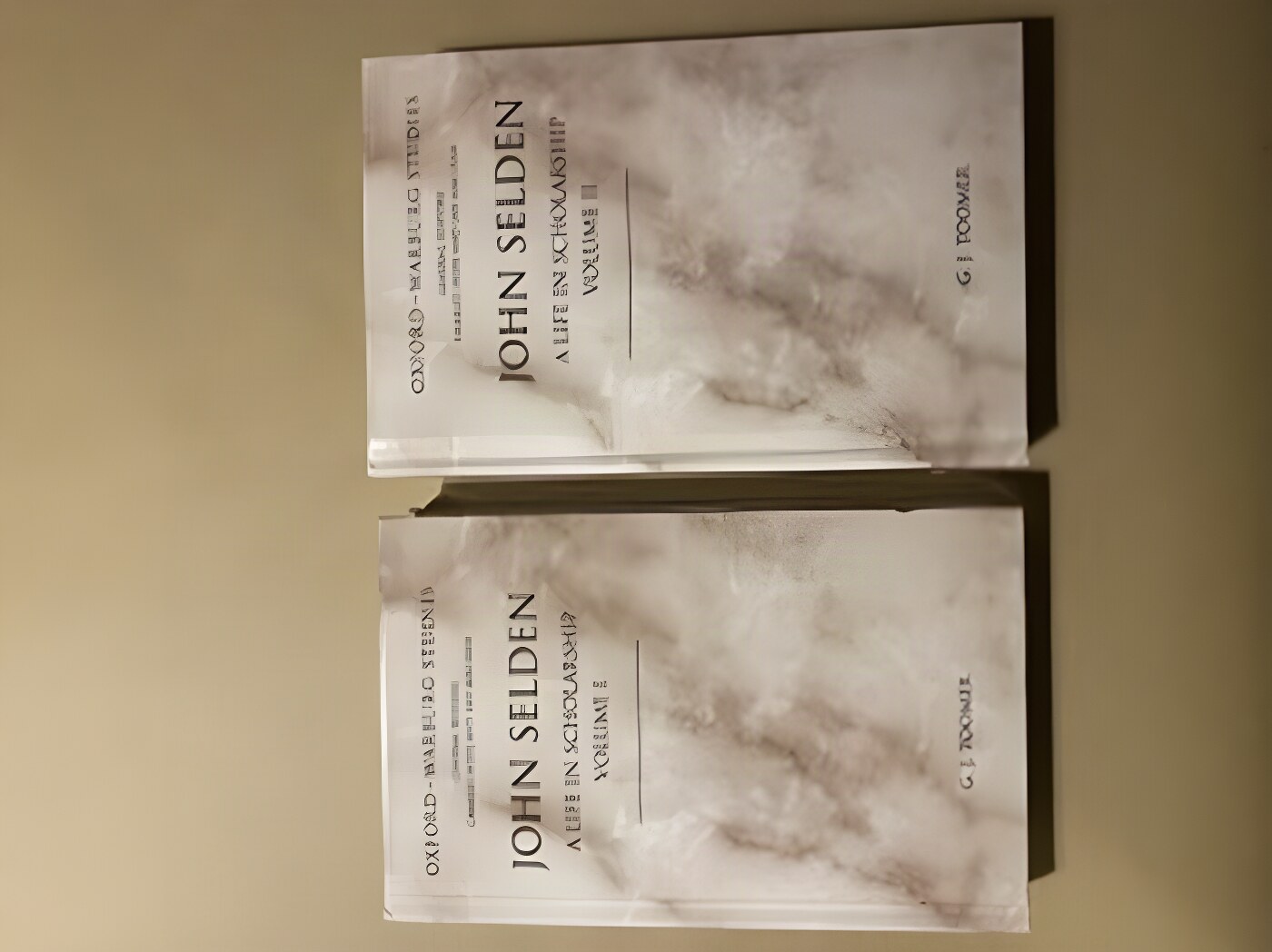
Hardcover. London, Oxford University Press, reprint, 2011, Book: Very Good, Dust Jacket: None, Two volume set complete, glossy boards, 977 pages in total. Professor Toomer's two-volume set is not only an indispensable reference work but also provides the first thorough treatment of the scholarship of John Selden, acknowledged as the most learned man of 17th-century England. All of his numerous published works, especially in the fields of history, law, and Hebraica, are critically examined and described in detail. The narrative also relates his writings to contemporary events, in the Civil War and the parliaments (including the Long Parliament) in which he played a prominent part, and to the work of other scholars in Europe (notably Scaliger and Grotius) and in Britain (including Camden and Ussher). Selden's involvement with the Universities, the support of libraries, and the promotion of scholarship is discussed. The work will be an essential resource, not only for the life of a major figure of his time, but also for the intellectual history of 17th-century England in general. No djs as issued, like new.
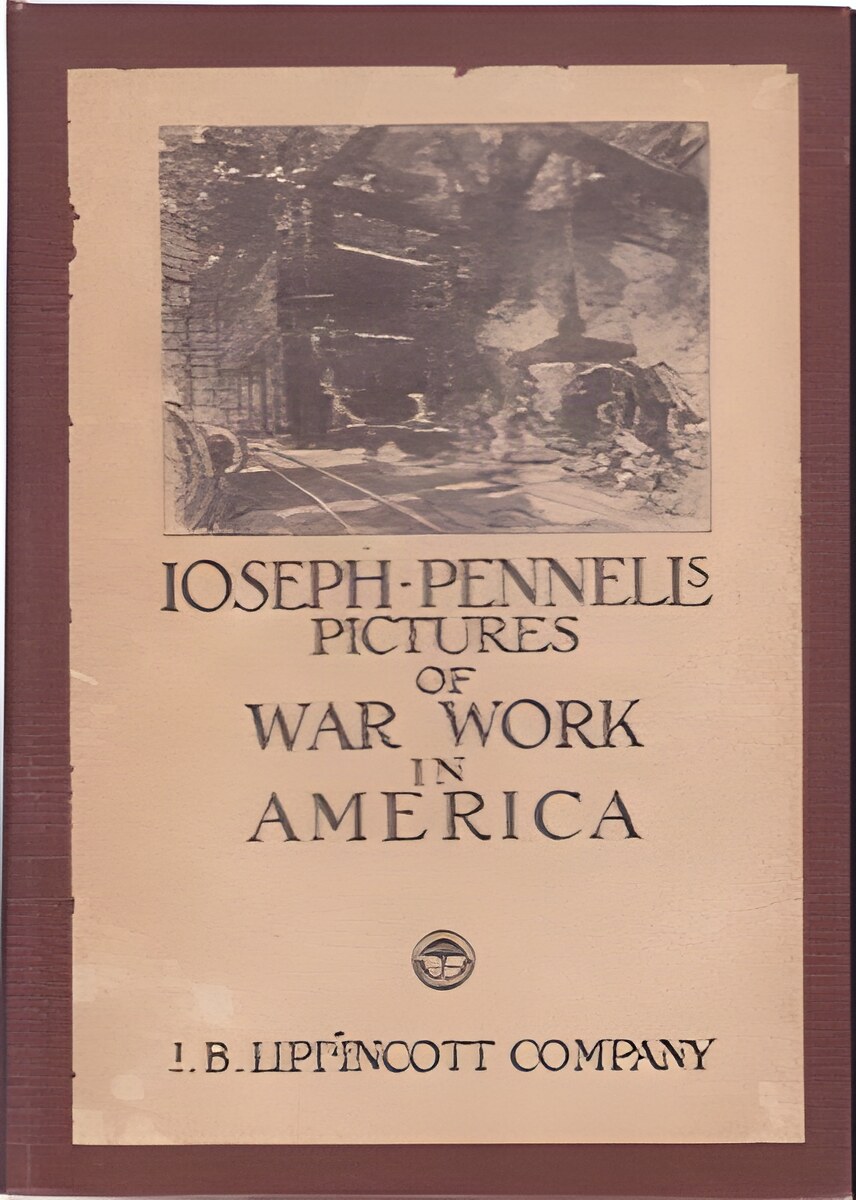
Hardcover. Philadelphia, J.B. Lippincott, 1st, 1918, Book: Very Good, Dust Jacket: None, Hardcover, brown cloth with a pastedown on front cover with title and illustration. Offers a powerful visual record of the United States' contribution to World War I. This collection of lithographs by renowned artist Joseph Pennell provides a unique glimpse into the nation's war effort, focusing on the crucial role of American industry. Previous owner's note on the front fly leaf, otherwise clean.
Hardcover. Urbana IL, University of Illinois Press, 1st, 1961, Book: Very Good, Dust Jacket: Very Good, Hardcover in alightly worn dust jacket, 260 pages. "In this first biography of Warren since 1865, John Cary re-establishes Warren's deserved reputation as an American patriot and leading figure of the American Revolution. He ranks Warren with Samuel Adams as the two most important figures in the Massachusetts revolutionary movement." Name on front fly leaf, otherwise clean.
Hardcover. New Haven CT, Yale University Press, 2nd pr., 1922, Book: Good, Dust Jacket: None, Hardcover, marbled boards with gray cloth spine, 333 pages plus index. Endpapers map. Janet Schaw, a supporter of the Crown, illustrates the extent to which the American Revolution had, by 1775, become a close, personal insurgency, pitting neighbor against neighbor. Schaw was a young, well-educated Scottish woman who traveled to North Carolina to visit her older brother Robert, the owner of a plantation on the Cape Fear River near Wilmington. She arrived in March of 1775 and while in North Carolina witnessed, among other things, land clearing through controlled burning and the killing of an alligator. More important, she observed a society that was splitting asunder under the stress of revolutionary politics. The decisions of the Wilmington Committee forced men and women along the Cape Fear to take sides. Worn covers with spine cloth coming loose. Binding is solid.
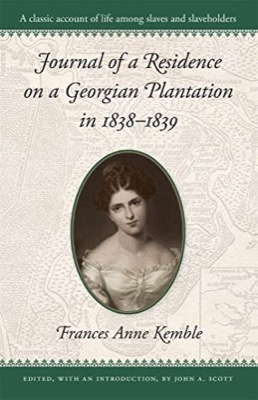
Softcover. Athens GA, University of Georgia Press, reprint, 2001, Softcover, clean, unmarked pages. 415 pages, followed by a short Index. Fanny Kemble offers a gripping, first-hand account of life on a Southern plantation before the Civil War. Combining a keen observational style with a candid narrative voice, Kemble lays bare the complexities of plantation life, including the stark realities of slavery and the socio-economic hierarchies of antebellum Georgia. The journal entries provide an intimate glimpse into the daily lives of both the enslaved and the plantation owners, reflecting her deep moral convictions and growing abolitionist sentiments against a backdrop of genteel Southern culture. Fanny Kemble, a British actress and writer, was thrust into the world of the Southern elite through her marriage to a plantation owner, which provided her with unprecedented access to the intricacies of plantation management and its social fabric.
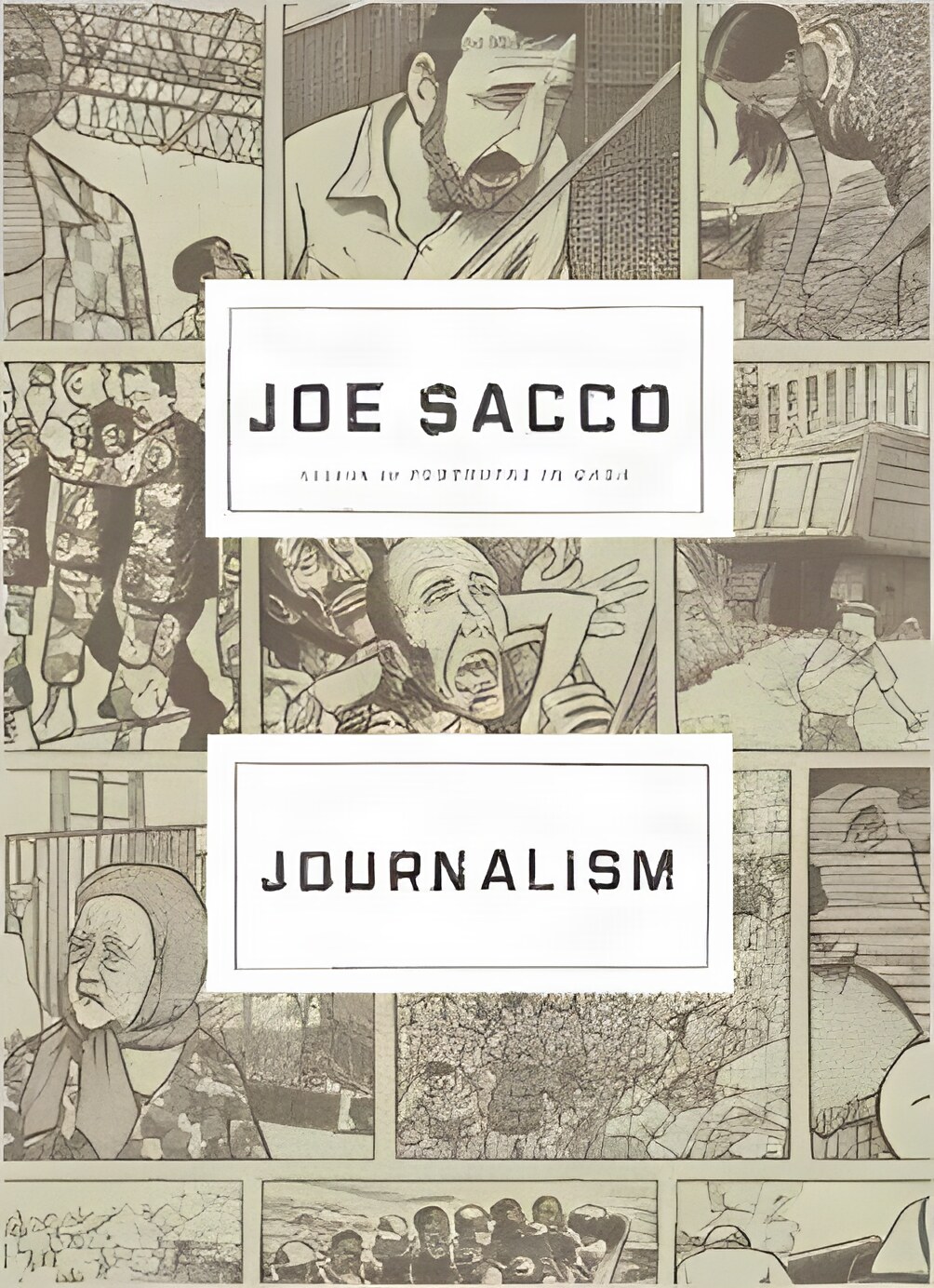
Hardcover. New York , Metropolitan Books, 1st US, 2012, Book: Very Good, Dust Jacket: None, Hardcover, 191 pages, illustrated throughout in color and b&w. Clean, unmarked copy in excellent condition. Over the past decade, Joe Sacco has increasingly turned to short-form comics journalism to report from conflict zones around the world. Collected here for the first time, Sacco's darkly funny, revealing reportage confirms his standing as one of the foremost war correspondents working today. Journalism takes readers from the smuggling tunnels of Gaza to war crimes trials in The Hague, from the lives of India's "untouchables" to the ordeal of Saharan refugees washed up on the shores of Malta. And in pieces never published before in the United States, Sacco confronts the misery and absurdity of the war in Iraq, including the darkest chapter in recent American history-the torture of detainees.
Hardcover. Auburn NY, Knapp, Peck and Thomson, 1st, 1887, Book: Fair, Dust Jacket: None, Hardcover, original red cloth, gilt titles and rules, blind-stamped double border. 581 pages including Errata leaf. Includes several fold-out maps, plus pockets inside the front and rear boards containing maps and plans. Engraved frontispiece of Sullivan, engraved portraits in text of Brigadier General James Clinton, Colonel Peter Gansevoort (from a portrait by Gilbert Stuart, famous for his portrait of George Washington), and Colonel Philip Van Cortlandt. John Sullivan was an American general in the Revolutionary War and a delegate in the Continental Congress. Sullivan served as a major general in the Continental Army and as Governor (or 'President') of New Hampshire. He is most famous for leading the Sullivan Expedition in 1779, a scorched earth campaign against the Iroquois towns that had taken up arms against the American revolutionaries. This volume contains journals by 27 officers present during the campaign, and has become the authoritative primary source of the event. Both front and rear hinges cracked with spine cloth loose, battlefield map at page 288 has a tear but no loss, front signature with title page loose but whole. All other maps present in envelopes and in very good condition. Covers worn.
Softcover. Lincoln NE, University Of Nebraska Press , 1st pbk, 1995, Book: Very Good, Dust Jacket: None, Softcover, 432 pages. Collects letters and essays that are published during the 1850s and 1860s. This title highlights the notorious 1850 article "Judaism in Music". It includes prose pieces such as "On the Performing of Tannhauser"; "On Musical Criticism"; and, "Music of the Future". It offers suggestions for the reform of opera houses in Vienna, Paris, and Zurich. Clean copy.
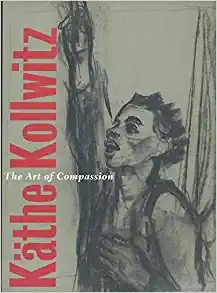
Softcover. Art Gallery of Ontario, 1st, 2003, Book: Very Good, Dust Jacket: None, Softcover, 72 pages, exhibition catalog. Essay by Jay Clarke. Kathe Kollwitz (1867-1945) was a leading 20th century German artist. Kollwitz's art was rooted in socialism and naturalism, and focused on the lives of the common people, usually working class women. Through her involvement in the sufferings of the poor in the slums of Berlin, her exposure to the horrors of two world wars, and the experience of living through several personal tragedies, she came to see herself as the "voice of suffering" and "an advocate" for the people. Among her preferred themes were motherhood, sacrifice, separation, oppression and death. She also created many moving self-portraits. Includes 45 reproductions (15 colour, and 30 b&w). Contents of the catalogue include: a brief history of the Stuttgart Kollwitz collection by the former curator Dr. Gunther Thiem.
Softcover. Norman OK, University of Oklahoma Press, reprint, 1997, Book: Very Good, Dust Jacket: None, Softcover, 351 pages. George Wilkins Kendall, who founded the New Orleans Picayune in 1837, was a restless, impatient, and colorful character in an exciting era. For thirty years he guided the Picayune and built it into a powerful force in behalf of America's westward expansion. Kendall's vigorous editorials championed the cause of the infant Republic of Texas. When the Texan Santa Fe Expedition was organized in 1841, for the purpose of occupying New Mexico (then still under Mexican rule), Kendall left his editorial chair to participate--and was marched off to Mexico as a captive for seven months when the expedition was overwhelmed at Santa Fe. A few years later, when Kendall accompanied American forces invading Mexico during the Mexican War, he became America's first war correspondent--reporting directly from the battlefront. His effective "courier expresses" brought the first news of each battle to an eager nation, including President Polk, who often read news of the war in Kendall's Picayune before hearing it from his field commanders. Clean copy.
Hardcover. Princeton NJ, Princeton University Press, 1st, 1982, Book: Very Good, Dust Jacket: Good, Hardcover in a lightly worn dust jacket with a hole on front fore-edge, 318 pages. Mutsu Munemitsu was the Foreign Minister of Japan during the time of the Sino-Japanese War from 1894 until the signing of the peace treaty on May 8, 1895. Mutsu was responsible for the secret documents on diplomatic matters in which he was involved, such as the Sino-Japanese War of 1894-1895 and the facts about the Triple Intervention. The phrase "kenken" means "serving the sovereign with a pained heart," thus showing his loyalty to serve the Emperor. The documents in this book are exceedingly important as they are virtually the only material mentioning the diplomatic situations in the days of the Sino-Japanese War of 1894-1895. Name on front fly leaf otherwise clean.
Hardcover. Princeton NJ, Princeton University Press, 1st, 2023, Book: Very Good, Dust Jacket: Very Good, Hardcover in a bright dust jacket, 624 pages, black and white illustrations. The diplomat and historian George F. Kennan (1904-2005) ranks as one of the most important figures in American foreign policy and one of its most complex. Drawing on many previously untapped sources, Frank Costigliola's authoritative biography offers a new picture of a man of extraordinary ability and ambition whose idea of containing the Soviet Union helped ignite the Cold War but who spent the next half century trying to extinguish it. Clean copy.
Hardcover. Nairobi, The English Press,, 1st, 1954, Book: Good, Dust Jacket: None, Hardcover, blue cloth with black title on front, 117 pages + postscript. The Mau Mau, the black challenge to white supremacy and the need for British rule to remain in Kenya. Name on front fly leaf, light marking to margins on some pages.


 "Japan Erupts: The London Naval Conference and the Manchurian Incident 1928-1932 (Studies of the East Asian Institute)by: Morley, James William (Editor)")

 "Japan's Technological Challenge to the West, 1950-1974:Motivation and Accomplishment by: Ozawa, Terutomo")






 "Journal of a Lady of Quality Being the Narrative of a Journey from Scotland to the West Indies North Carolina and Portugal in the Years 1774 to 1776by: Andrews, Evang")