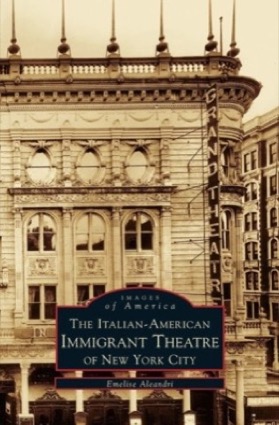
Softcover. Charleston SC, Arcadia Publishing, 1st, 1999, Book: Very Good, Dust Jacket: None, Softcover, 128 pages. INSCRIBED BY THE AUTHOR on the half-title page. Italian-American theatre sprang to life in New York City shortly after waves of Italian immigrants poured into this country in the 1870's. The mass migration brought both the performers and the audiences necessary for theatrical entertainment. Hungry for recognition, support, and social exchange, the men and women from Italy formed amateur theatrical clubs as one way of satisfying emotional needs. By 1900, the community had produced the major forces that created the Italian-American theatre of the ensuing decades. In The Italian-American Immigrant Theatre of New York City, author Emelise Aleandri regenerates the excitement of the stage through striking photographs, programs, and other memorabilia generously loaned by families of the theatre community. She follows the fortunes of the earliest nineteenth-century companies and introduces those that arose in the twentieth-century. Within these pages are scenes of comedy, tragedy, vaudeville, and radio, featuring stars such as Mimi Cecchini, Guglielmo Ricciardi, Concetta Arcamone, Antonio Maiori, Rita Berti, Farfariello, and Olga Barbato. Clean copy.
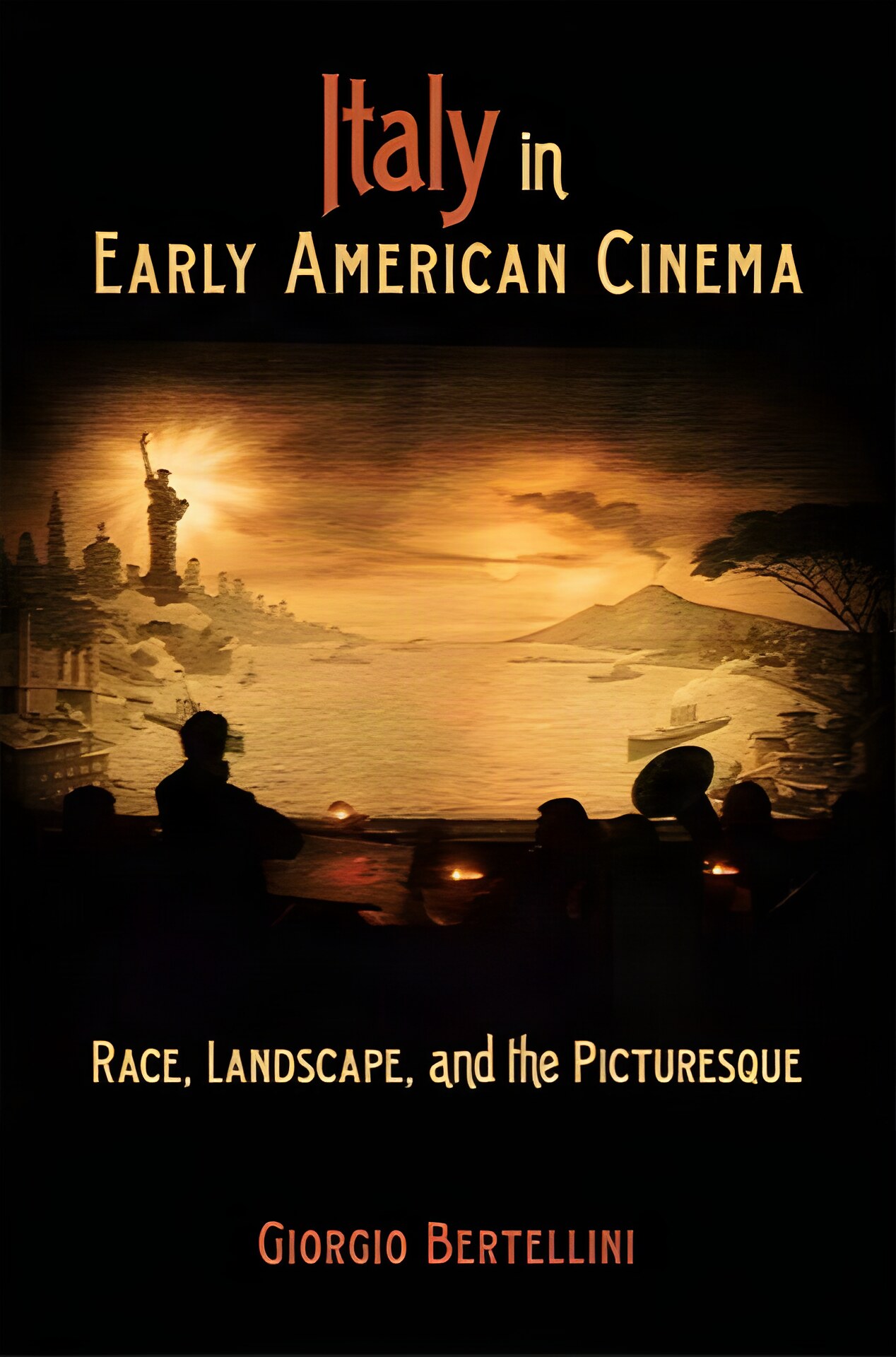
Softcover. Bloomington, Indiana University, 1st, 2010, Book: Very Good, Dust Jacket: None, Softcover, 443 pages, b&w illustrations, index. Traces the origins of American cinema's century-long fascination with Italy and Italian immigrants to the popularity of the pre-photographic aesthetic - the picturesque. "To read Bertellini's superb book is to enter into an intense, rich, and intricately layered experience of Italian immigrant culture in the New York of the 1900's and 1910's." Clean copy.
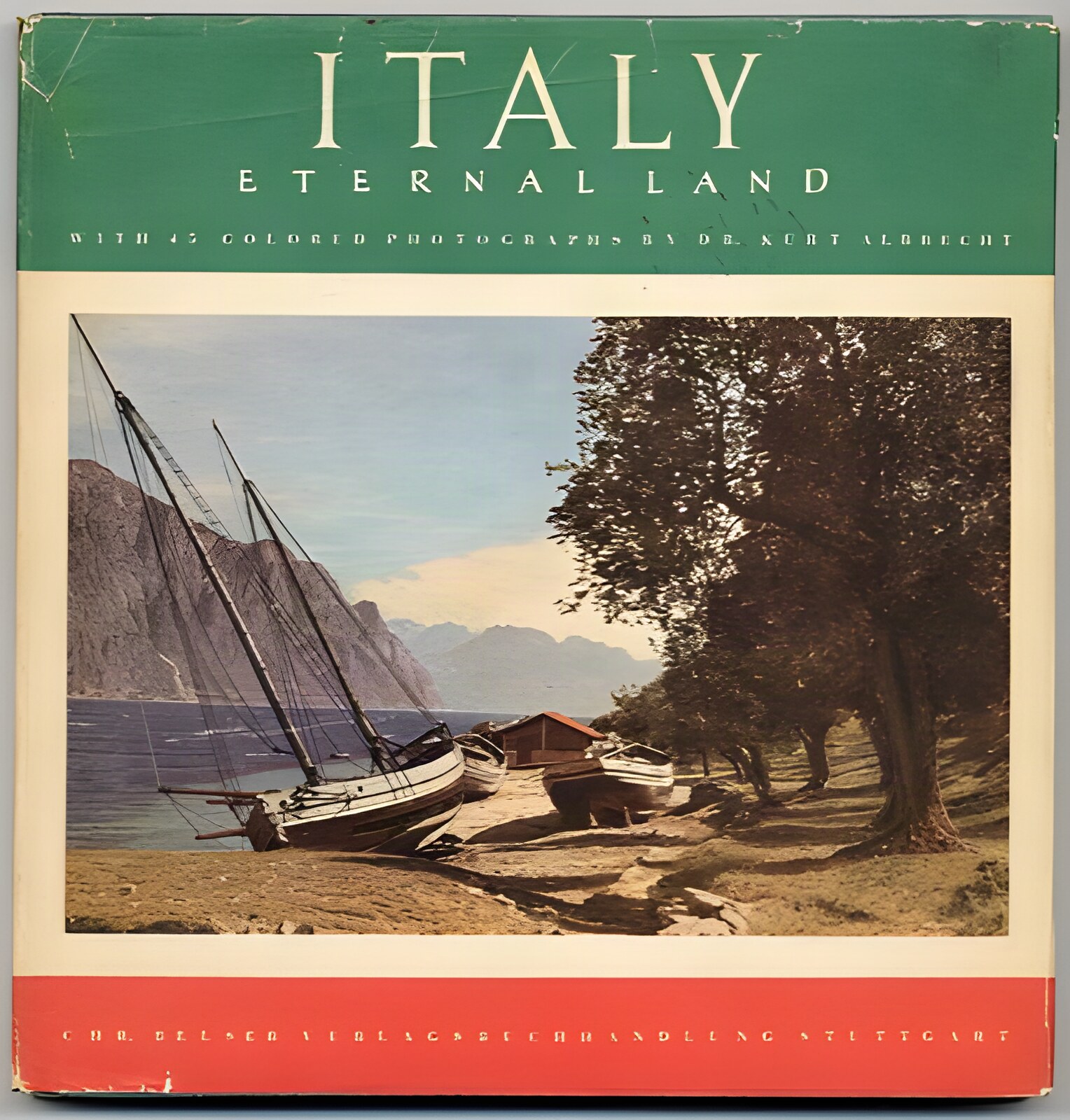
Hardcover. Stuttgart, Chr. Belser Verlag, 1st, 1957, Book: Very Good, Dust Jacket: Very Good, Hardcover in a lightly worn dust jacket, 100 pages. 45 color photographs with text, translated & edited for English Publication by Johannes Fuhr & William King Applebough. Classic approach, the images appear to have a painterly quality. Clean copy.
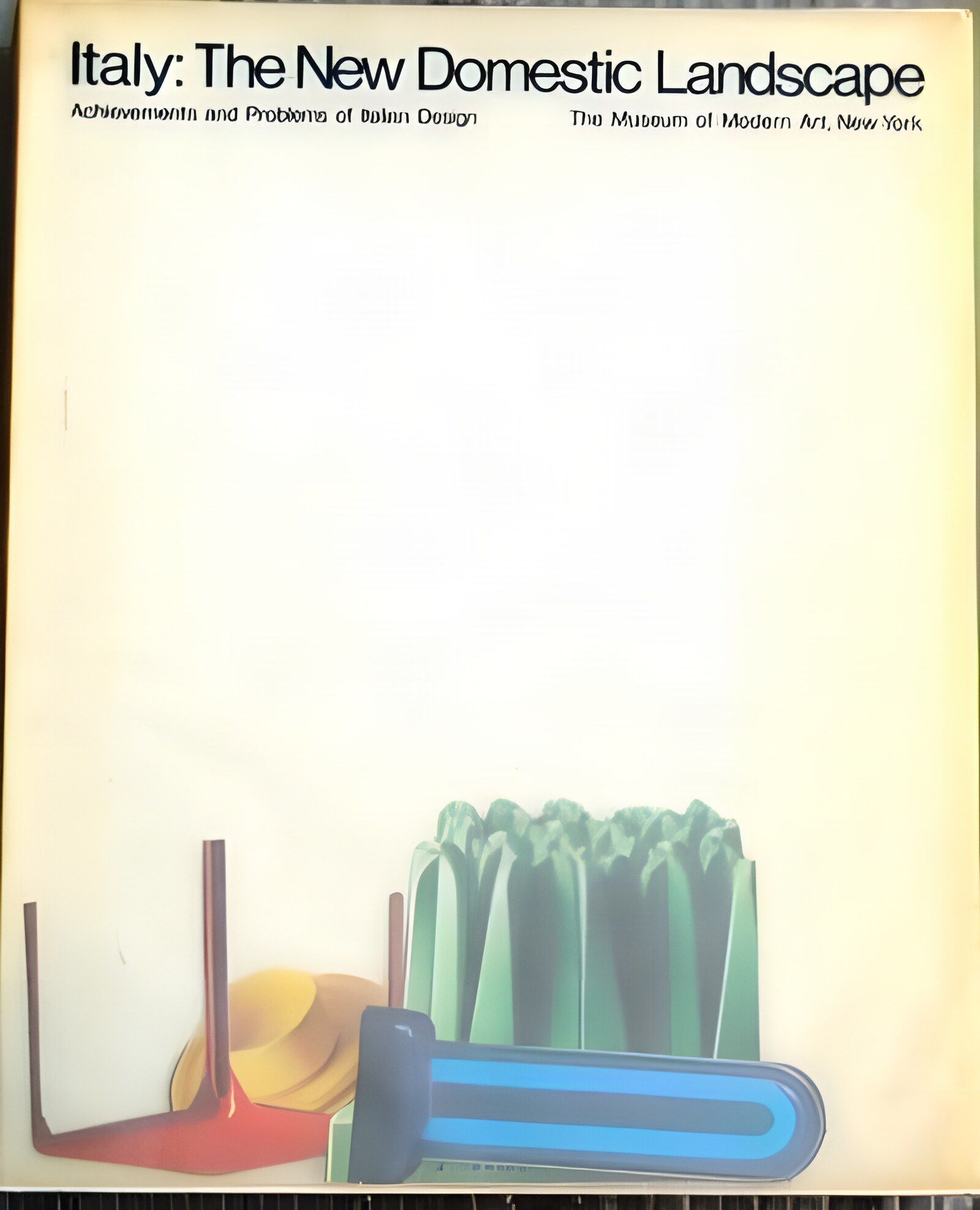
Hardcover. NY, The Museum of Modern Art, 1st, 1972, Book: Very Good, Dust Jacket: Very Good, Hardcover in a translucent dust jacket with 5 cut-outs enclosed (as called for), jacket with the usual darkening to edges and spine; The catalog for the 1972 major exhibition at MOMA, providing an excellent survey of modern Italian design and associated radical architectural movements. With articles on the history of modern Italian design by Portoghesi, Benevolo, and Gregotti, and articles on architecture by Celant and Tafuri. 430 pages with 520 photographic images and illustrations of which 124 are in color offering a kaleidescopic yet comprehensive vision of Italian design, objects and environments. Clean copy.
Softcover. Biella Italy, Ferrara, 2nd pr., 1929, Book: Very Good, Dust Jacket: None, Softcover, 34 pages, guide to the Alpine area of Italy, b&w photos in gravure, map in back. INSCRIBED BY WILME ROSAZZO on title page. Clean. ITALIAN TEXT.
Hardcover. New Haven, Yale University Press, 1st, 1973, Book: Very Good, Dust Jacket: Good, 146 pages of text followed by large section of black & white photographic illustrations. Hardcover. Previous owners name at top right corner of front endpaper. Dust jacket worn, with chipping along edges, fading to spine. Clean, tight copy.
Hardcover. New Haven CONNECTICUT, Yale University Press , 1st, 1995, Book: Near Fine, Dust Jacket: Near Fine, Hardcover, 239 pages, 134 pages of text, 135 b&w illustrations, 26 color plates. A catalogue of 533 items by this important American artist. Near fine in a slipcase, still in shrinkwrap. Sun fade to spine. John Smibert (1688-1751) was the first portrait painter of distinction to attempt to carve out an existence in colonial America. This book by Richard Saunders is both a catalogue raisonne of Smibert's work and a discussion of his life and career. Saunders explores Smibert's early Scottish and London training as well as his travels to Italy; his portrait practice in London; his arrival in America and his stylistic development; the creation of The Bermuda Group, Smibert's masterpiece; and, finally, the business of portrait painting in Boston.
Softcover. Modena Italy, Franco Cosimo Panini , 1st, 2005, Book: Very Good, Dust Jacket: None, Softcover, 268 pages. Color illustrated guide to all the historical and artistic attractions with critical commentary. 232 color plates, 200 schemes and diagrams. Clean copy.
Softcover. Torino IT, Claudiana, 1st, 1992, Book: Very Good, Dust Jacket: None, Softcover, laminated wrappers, 526 pages, b&w illustrations. ITALIAN TEXT. Labels inside covers, from university library but like new, never checked out.
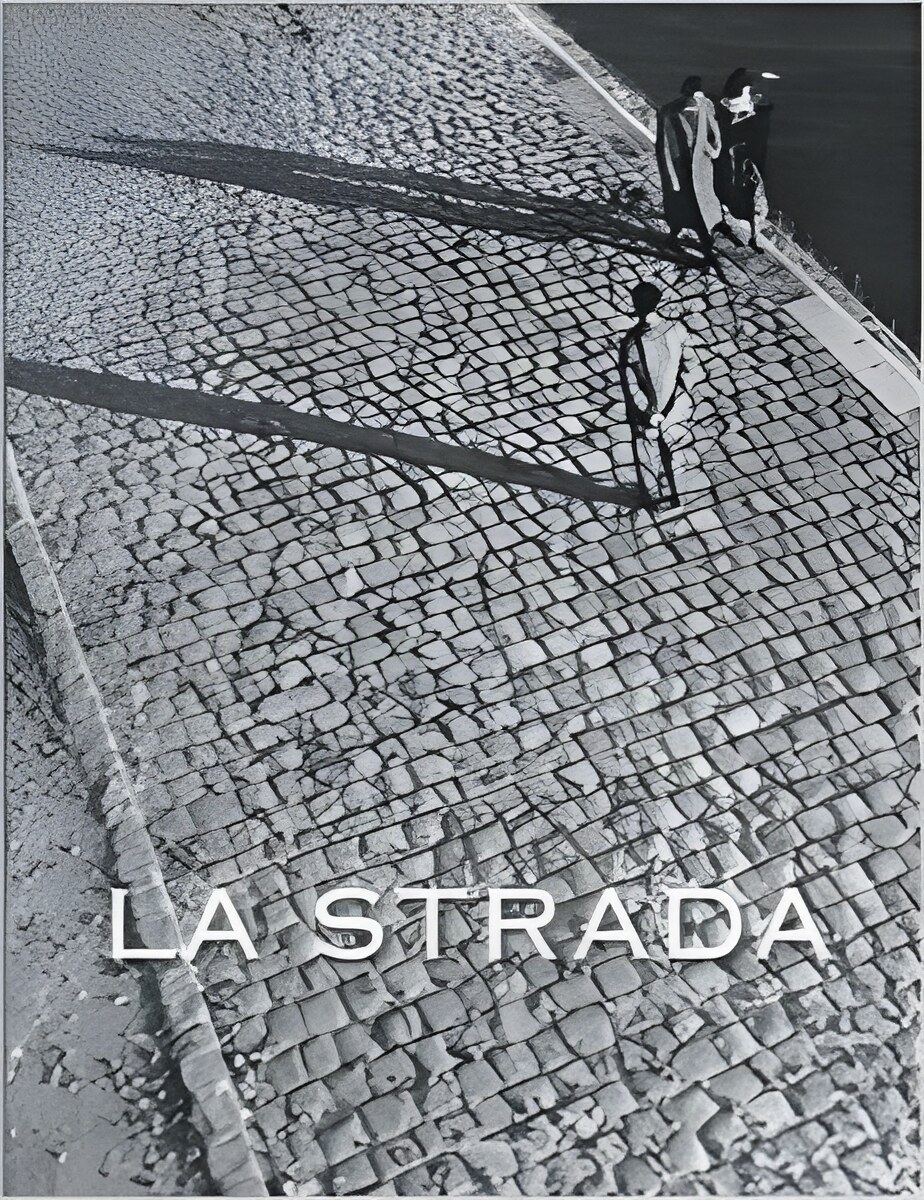
Hardcover. Damiani Publishing, 1st, 2006, Book: Very Good, Dust Jacket: None, Hardcover, pictorial boards, 189 pages. La Strada captures the life and drama of Italy's streets from World War II through the 1970s. Its exquisite photographs, made by some of the most deeply skilled artists of the mid-twentieth century, are imbued with the essence of Neo-Realism, the aesthetic that produced some of the most influential Italian film and literature of the same era. The American gallerist and curator Keith de Lellis's selection of more than 200 pictures, some previously unpublished, by more than 60 masters--including Mario Giacomelli, Nino Migliori, and Mario De Biasi--reveals the touching, the humorous, and the tragic in the day-to-day lives of the Italian people, liberated from the grips of Fascism. A treasure trove, and a case for the continuing recognition of this inspired group of picture-makers. Clean copy
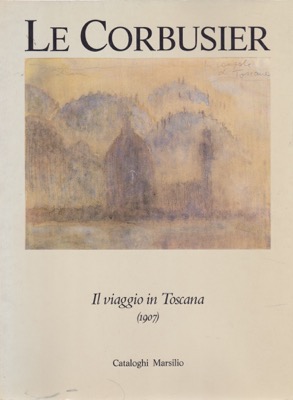
Softcover. Venice, Cataloghi Marsilio, 1st, 1987, Book: Very Good, Dust Jacket: None, Softcover, 140 pages. TEXT IN ITALIAN. A catalog of drawings and architectural watercolor sketches done by Le Corbusier on a trip to Italy in 1907. His career spanned five decades, with his buildings constructed throughout Europe, India, and America. He was a pioneer in studies of modern high design and was dedicated to providing better living conditions for the residents of crowded cities. (1907) - Catalogo della Mostra. Clean copy.
Hardcover. Monteal, Montreal Museum of Fine Art, 1st, 1987, Book: Very Good, Dust Jacket: Very Good, 345 pages plus 8 pages in rear. Large, hardcover exhibition catalog profusely illustrated with DaVinci's drawings. Some color fade to the dust jacket spine otherwise very good.
Hardcover. Chicago, University Of Chicago Press, 1st US, 2001, Book: Very Good, Dust Jacket: Very Good, 440 pages. Hardcover with dust jacket and slipcase. Full color and black & white illustrations. Beautiful copy with light sunning to dust jacket spine, Clean, tight copy. The technical problems with the Last Supper began as soon as Leonardo started to paint it. He jettisoned the traditional fresco technique of applying paint to wet plaster, a method unsuited to Leonardo's slow and thorough execution, and created the work instead with an experimental technique that involved painting directly on the dry plaster. With this renegade method, Leonardo rendered one of the most enduring painting techniques volatile and unstable. Added to this initial complication have been centuries of pollution, tourists, candle smoke, and the ravages of age, not to mention food fights in the refectory staged by Napoleonic soldiers and Allied bombs in 1943. By the middle of the twentieth century, the Last Supper was in desperate need of a complete restoration. Pinin Brambilla Barcilon was chosen to head this twenty-year project, and Leonardo, The Last Supper is the official record of her remarkable effort. It first documents the cleaning and removal of the overpainting performed in the other attempts at restoration and then turns to Barcilon's meticulous additions in watercolor, which were based on Leonardo's preparatory drawings, early copies of the painting, and contemporary textual descriptions. This book presents full-scale reproductions of details from the fresco that clearly display and distinguish Leonardo's hand from that of the restorer. With nearly 400 sumptuous color reproductions, the most comprehensive technical documentation of the project by Barcilon, and an introductory essay by art historian and project codirector Pietro C. Marani that focuses on the history of the fresco,
Hardcover. NY, Watson-Guptill, 1st, 2011, Book: Very Good, Dust Jacket: None, Hardcover in pictorial boards with a gray cloth spine. The practice of drawing distilled to its essential elements. The companion DVD enclosed inside, beautifully filmed in Florence, Italy, provides real-time drawing lessons so that any gaps in the learning process are filled in with live instruction. In this elegant and inspiring primer, master contemporary artist and author Juliette Aristides breaks down the drawing process into small, manageable lessons; introduces time-tested principles and techniques that are easily accessible; and shares the language and context necessary to understand the artistic process and create superior, well-crafted drawings. Clean copy.
Hardcover. NY, Viking, 1st, 1975, Book: Good, Hardcover in a bright dust jacket. Illustrated and designed by Don Bolognese and Elaine Raphael. Ex-library with light marking, residue to endpapers. An epistolary narrative of the musical prodigy's first year in Italy, composed from his detail-laden letters to his younger sister Nannerl. Although the letters themselves are fictional they are based on detailed research and on the hundreds of letters which Mozart and his father both wrote home during their trip. A map of the trip is also included as well as a little biography on some of the main characters.
Hardcover. New York, Grove/Atlantic, Inc., 1st, 2007, Book: Very Good, Dust Jacket: Very Good, 272 pages. Hardcover with dust jacket. SIGNED BY MICHAEL TUCKER AND JILL EIKENBERRY (Author dedicated book to wife, Jill) on title page. Clean, unmarked copy with only minor wear to dust jacket.
Softcover. Charleston SC, Arcadia Publishing, 1st, 2000, Book: Very Good, Dust Jacket: None, Softcover, 128 pages. In America "the streets were paved with gold." That was the mistaken notion of many an immigrant to the United States in the late 1800s and early 1900s. On Long Island, deluded sojourners from Italy were to find that in fact there were few streets and that they themselves were to be the ones to build them. A pictorial history covering more than a century of history, Long Island Italians depicts the transition of urban Italians as they moved increasingly from the city to the suburbs in Nassau and Suffolk Counties. Many photos, clean copy.
Hardcover. New York, Knopf, 1st us, 2012, Book: Very Good, Dust Jacket: Very Good, 368 pages. Hardcover with dust jacket. Small red dot remainder mark on bottom edge, otherwise, clean, unmarked copy with only minor wear to dust jacket. Color and Black and white pictures throughout.
Hardcover. NY, Harper & Row, 1st, 1972, Book: Very Good, Dust Jacket: Very Good, Hardcover, pages. This book celebrates, in words and 44 full-color photographs, the adventure of living in the world's most astonishing city. The author's Venice is at eye level, a labyrinth of impressions, a museum of delights for that vanishing man, the walker. "The mind-boggling gift of Venice," he assures us, "is that it has escaped the tyranny of wheels." Man walks, strolls and dawdles; he does not run for his life. Although only the experience of living in Venice will fully accustom the visitor to a fact so unique, Wright Morris combines words and photographs to recapture the essence of this experience, sharing with the reader impressions of a particular moment in a fabulous place.
Hardcover. NY, Harper & Row, 1st, 1967, Book: Very Good, Dust Jacket: Very Good, Hardcover in a bright dust jacket, price-clipped. B&w drawings by Emily Arnold McCully. Luigi, who lives on the streets in the French port of Marseilles, believes a gypsy has put a curse on his family. Against a vivid background of assorted characters, the author has created exciting and humorous story.
Hardcover. Boston, Massachusetts, Harry N. Abrams, 1st, 1992, Book: Very Good, Dust Jacket: Very Good, 470 pages. Brown cloth cover, color illustrated dust jacket, 113 color and 206 illustrations. Still in original shrink wrap; book in excellent condition. American artists have been inspired by Italy since the 1760s, when Benjamin West, the first American painter to travel there, was drawn to the ancient Roman ruins and magnificent Renaissance architecture, statuary, and frescoes. This intriguing, superbly illustrated book is the first to explore the fascination Italy held for the American artist from West's time to the eve of World War I.The unique sense of the past found in Italy, where tangible evidence exists of a continual civilization from antiquity to the present, lured countless American artists to its cities, towns, and countryside. Painters from West and Copley in the eighteenth century to Cole, Inness, Whistler, Sargent, and Prendergast in the nineteenth century were inspired to create many of their finest works in Italy, as were American sculptors such as Hiram Powers and Harriet Hosmer and writers from Washington Irving to Henry James. This in-depth study includes 319 illustrations, of which 113 are reproduced in full color, many of works that have not previously been published. Theodore E. Stebbins, Jr., John Moors Cabot Curator of American Paintings at the Museum of Fine Arts, Boston, and Professor of Art History at Boston University, provides a broad overview of the American perception of Italy and the unique role that Italy played in the formation of American art.
Hardcover. Boston, Massachusetts, Harry N. Abrams, 1st, 1992, Book: Very Good, Dust Jacket: Very Good, 470 pages. Brown cloth cover, color illustrated dust jacket, 113 color and 206 illustrations. Still in original shrink wrap; book in excellent condition. American artists have been inspired by Italy since the 1760s, when Benjamin West, the first American painter to travel there, was drawn to the ancient Roman ruins and magnificent Renaissance architecture, statuary, and frescoes. This intriguing, superbly illustrated book is the first to explore the fascination Italy held for the American artist from West's time to the eve of World War I.The unique sense of the past found in Italy, where tangible evidence exists of a continual civilization from antiquity to the present, lured countless American artists to its cities, towns, and countryside. Painters from West and Copley in the eighteenth century to Cole, Inness, Whistler, Sargent, and Prendergast in the nineteenth century were inspired to create many of their finest works in Italy, as were American sculptors such as Hiram Powers and Harriet Hosmer and writers from Washington Irving to Henry James. This in-depth study includes 319 illustrations, of which 113 are reproduced in full color, many of works that have not previously been published. Theodore E. Stebbins, Jr., John Moors Cabot Curator of American Paintings at the Museum of Fine Arts, Boston, and Professor of Art History at Boston University, provides a broad overview of the American perception of Italy and the unique role that Italy played in the formation of American art.

 "Italian Ways: On and Off the Rails from Milan to Palermoby: Parks, Tim")
 "Itinerari Biellesi (Guide to Italian Alps)by: Mario Rosazza")
 "Jacopo della Quercia - Sculptorby: Seymour, Jr., Charles")
 "John Smibert: Colonial America's First Portrait Painterby: Saunders, Richard H.")
 "La Basilica di San Francesco ad Assisi-The Basilica of St Francis in Assisiby: G. Malafarina")
 "La Riforma protestante nell'Italia del Cinquecento (Studi storici) (Italian Edition) by: Salvatore Caponetto")
 "Leonardo Da Vinci: Engineer and Architectby: Theberge, Pierre")
 "Leonardo: The Last Supperby: Barcilon, Pinin Brambilla/Pietro C. Marani")
 "Lessons in Classical Drawing: Essential Techniques from Inside the Atelier by: Aristides, Juliette")
 "Letters to Horseface: Wolfgang Amadeus Mozart's Journey to Italy 1769 1770 When He Was a Boy of Fourteenby: F. N. Monjo")
 "Lions and Foxes - Men and Ideas of the Italian Renaissanceby: Alexander, Sidney")
 "Living in a Foreign Language: A Memoir of Food, Wine, and Love in Italy (SIGNED COPY)by: Tucker, Michael")

 "Lost Battles: Leonardo, Michelangelo, and the Artistic Duel That Defined the Renaissanceby: Jones, Jonathan")
 "Love Affair: A Venetian Journal by: Morris, Wright")
 "Luigi Of The Streets by: Carlson, Natalie Savage")
 "Lure of Italy, The: American Artists and The Italian Experience, 1760 - 1914by: Stebbins, Theodore E. Et al.")
 "Lure of Italy, The: American Artists and The Italian Experience, 1760 - 1914by: Stebbins, Theodore E. Et al.")