Hardcover. NY, Prestel, 1st, 2017, Book: Very Good, Dust Jacket: Very Good, Hardcover in a bright dust jacket. 224 pages illustrated in color. A century's worth of the most breathtaking and significant landscape designs around the globe. Beginning with Filoli, the century-old, forward-looking estate situated just south of San Francisco, and closing with The Park, the first public garden ever created in Las Vegas, John Hill takes readers on a worldwide tour, one per year, of beautiful, inspiring, creatively designed, and historically significant landscapes. Clean copy.
Hardcover. Monacelli Press, 1st, 2009, Book: Very Good, Dust Jacket: Very Good, Hardcover, 216 pages. An artful photographic voyage documenting the impact of modern industry and consumerism on our planet, A Common Destiny presents a hauntingly beautiful vision of a world perched on the edge of an abyss. Juxtaposing images of pristine wilderness with photos of mines, abandoned nuclear reactors, large industrial farms, and spaces that exemplify artificiality and our increasing distance from nature--such as indoor ski slopes in Dubai, large-scale suburban housing development sites, and lavish casinos--Cedric Delsaux creates a powerful meditation on our ruthless hunger for mass production and energy.
Hardcover. NY, Random House, 1st, 2006, Book: Good, Dust Jacket: Good, Large heavy monograph illustrated throughout in color and b&w. Light edgewear and rubbing to dust jacket and boards. "I don't have two lives," Annie Leibovitz writes in the Introduction to this collection of her work from 1990--2005. "This is one life, and the personal pictures and the assignment work are all part of it." Portraits of well-known figures-Johnny Cash, Nicole Kidman, Mikhail Baryshnikov, Keith Richards, Michael Jordan, Joan Didion, R2-D2, Patti Smith, Nelson Mandela, Jack Nicholson, William Burroughs, George W. Bush with members of his Cabinet-appear alongside pictures of Leibovitz's family and friends, reportage from the siege of Sarajevo in the early Nineties, and landscapes made even more indelible through Leibovitz's discerning eye. The images form a narrative rich in contrasts and continuities: The photographer has a long relationship that ends with illness and death. She chronicles the celebrations and heartbreaks of her large and robust family. She has children of her own. All the while she is working, and the public work resonates with the themes of her life.
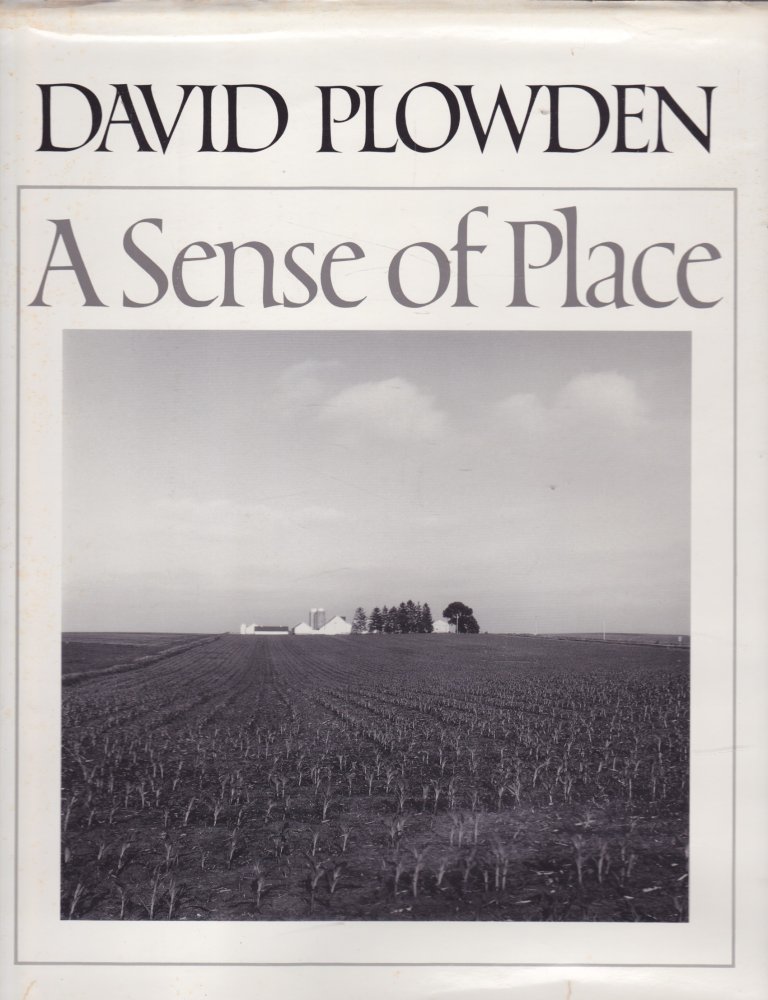
Hardcover. NY, W W Norton & Co., 1st, 1988, Book: Very Good, Dust Jacket: Good, Hardcover in a bright, price-clipped dust jacket with light edgewear, 158 pages. SIGNED BY PLOWDEN on the half title page. Midwestern rural America is captured in photographs of the farmhouses, furnishings, barns, and grain elevators, as well as the men and women who live and work in the region. Clean copy.
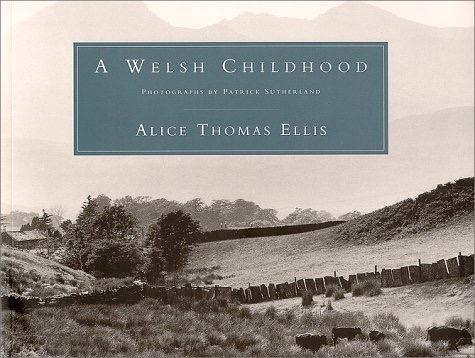
Hardcover. Moyer Bell, 1st thus, 1997, Book: Very Good, Dust Jacket: Very Good, Hardcover in a bright dust jacket, 186 pages. BOOKPLATE SIGNED BY ELLIS on front fly leaf. For Alice Thomas Ellis, Wales was a magical place of unrestricted freedom and exploration. Through her recollections, the acclaimed novelist evokes the stark beauty of the Welsh landscape along with its history, legends, and people. Patrick Sutherland's 90 black-and-white images complement the text and make this shared journey even more compelling. Clean copy.
Hardcover. Boston, Little Brown/Bulfinch, 1st, 1994, Book: Very Good, Dust Jacket: Very Good, Introduction by Judith Jamison. Beautifully clean, new-looking condition. Really nice black & white photos by Ritts. Remainder line bottom edge. Hardbound, dust jacket. Unpaginated, but about 140 pages with some leaves printed one side only. Oblong, 14-1/2 by 12-1/4 inches. Seventy-five duotone photograph reproductions of people, landscapes and animals of Africa. DUE TO WEIGHT, DOMESTIC SHIPPING ONLY.
Hardcover. New York , Quantuck Lane Press, 1st, 2003, Book: Very Good, Dust Jacket: Very Good, Hardcover, 120 pages in a dust jacket. Like new in publisher's shrink-wrap. 90 color portraits and landscapes celebrate the people and buildings of a struggling yet dynamic community. Sometimes haunting, sometimes ironic, always striking, these images form an eloquent visual testament to the Harlem we can see and remember.
Hardcover. NY, The Quantuck Lane Press, 1st, 2003, Book: Very Good, Dust Jacket: Very Good, Hardcover, 120 pages in a dust jacket. Like new in publisher's shrink-wrap. 90 color portraits and landscapes celebrate the people and buildings of a struggling yet dynamic community. Sometimes haunting, sometimes ironic, always striking, these images form an eloquent visual testament to the Harlem we can see and remember.
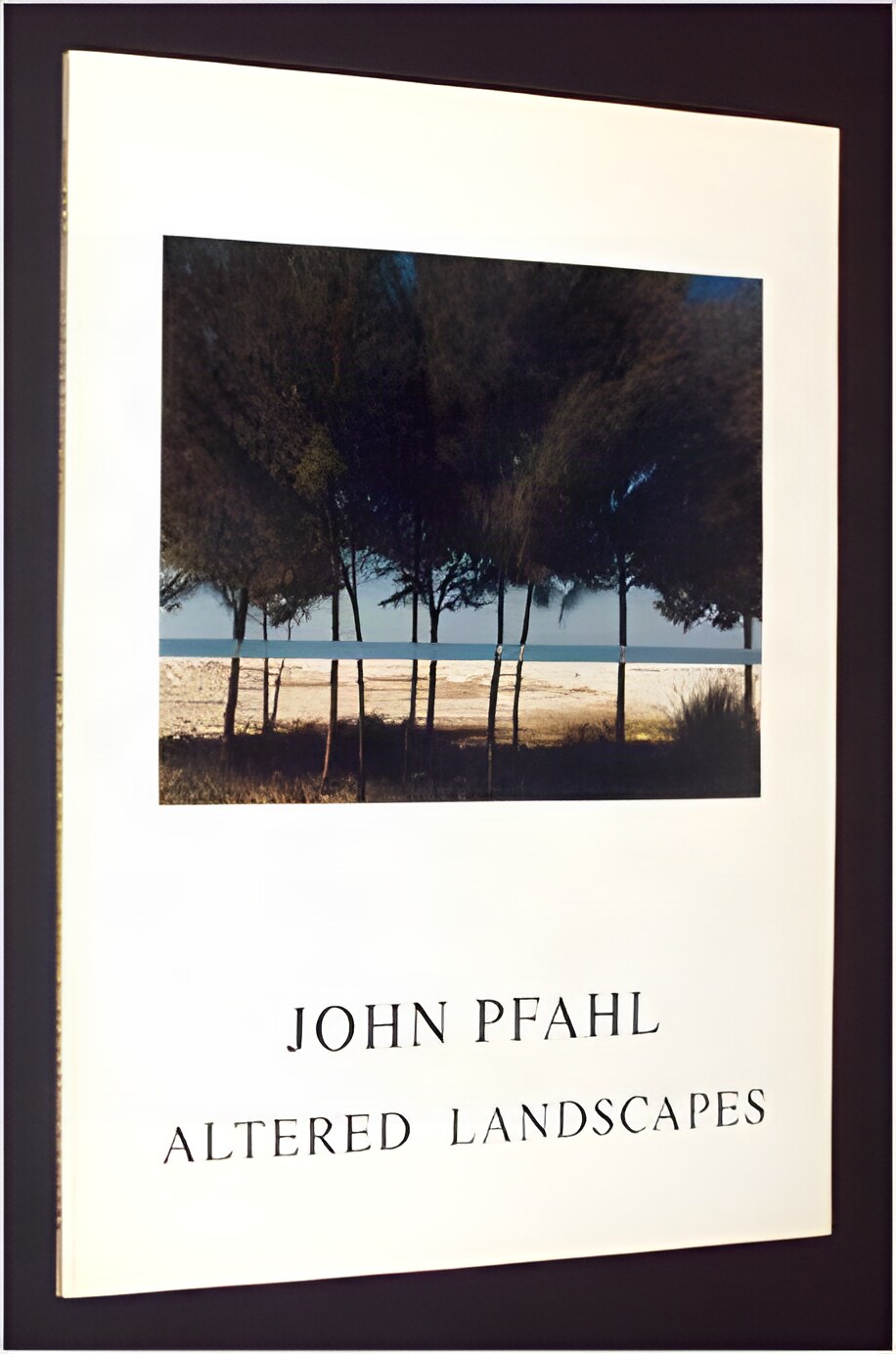
Hardcover. Reno ; Las Vegas, University of Nevada Press, 1st, 1999, Book: Very Good, Dust Jacket: Very Good, Hardcover, 143 pages, 69 BW and color plates, 36 figures. Essays by Patricia Nelson Limerick, Dave Hickey, and Thomas W. Southall. Includes work by John Pfhal, Terry Evans, Mark Klett and many others, with brief photographer biographies.Clean, unmarked copy with only minor shelf-wear to dust jacket.
Softcover. US, Friends of Photography / Robert Freidus Gallery, 1st, 1981-06-01, Book: Very Good, Dust Jacket: None, Clean, unmarked copy with only minor wear to wrappers. Small rip to wrapper on top spine. 56 pages.
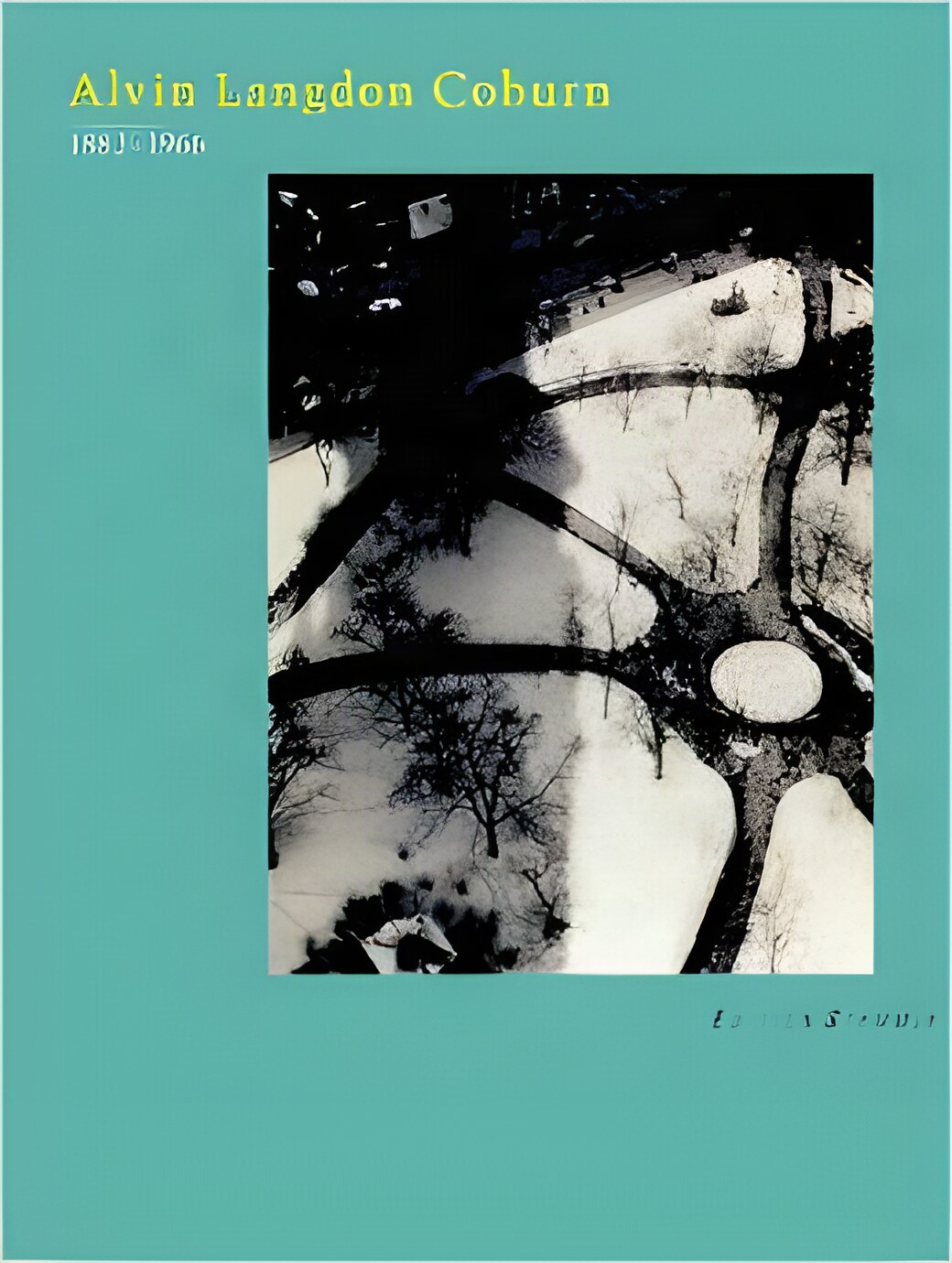
Hardcover. US, Edition Stemmle, 1st, 1998, Book: Very Good, Dust Jacket: Very Good, 208 pages, illustrated throughout in sepia. Light edgewear and tanning to dust jacket, else a clean, tight copy. Alvin Langdon Coburn (1882-1966) is remembered today as one of photography's early masters and great innovators. This monograph investigates the unconventional nature of his personal and artistic achievements. Coburn's landscapes, cityscapes, portraits, and Vortographs reflect his unprecedented steps towards the creation of a photography of symbol and abstraction.
Softcover. NY/London, Phaidon Press, 1st, 1997, Book: Very Good, Dust Jacket: None, Softcover, 80 pages, oblong format. Amandes Ameres (Bitter Almonds) is a portfolio of vivid color photographs that are characteristic of photographer and sculptor Jean-Marc Bustamante's photographic tableaux: intense yet contemplative cityscape images of the capital cities from around the globe, from Buenos Aires to Miami to Tel Aviv. A work of art in its own right, Amandes Ameres was launched in June 1997 at the international art event Documenta X in Kassel, Germany. The volume signifies a highly original distillation of Bustamante's subtle outlook, both in its presentation and in the selection of images designed to illustrate the strikingly sculptural, painterly and symphonic aspects of his innovative and sensitive use of the camera. The compilation is cutting-edge in the context of contemporary visual art and how it is presented, displaying a style that is carefully suited to the atmosphere evoked by Bustamante. Clean copy.
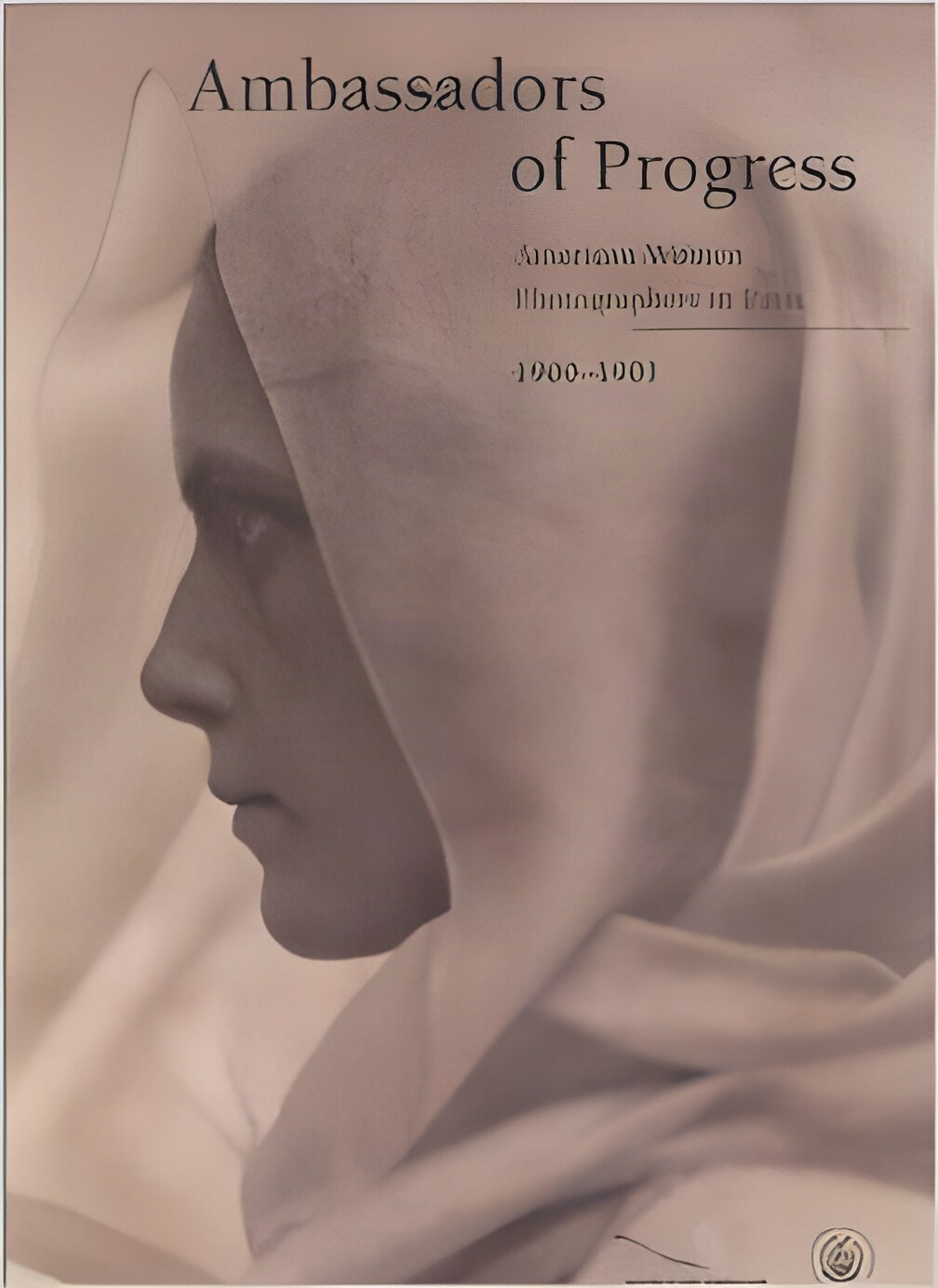
Hardcover. Giverney, France, Library of Congress/Musee d'Art Giverny, 1st, 2001, Book: Very Good, Dust Jacket: Very Good, Hardcover, 200 pages. Lovely copy. Minor wear to dust jacket, else like new. An exhibition held in Paris a century ago demonstrated the key role American women photographers played in the international pictorialist movement. Each of the 29 artists, including such well-known figures as Gertrude Kaesebier, Amelia van Buren and Zaida Ben-Yusuf, is represented in a selection of approximately 70 breathtaking color plates drawn from the Frances Benjamin Johnston Collection at the Library of Congress and the National Museum of American History. The photographs include landscapes, portraiture, genre scenes, and still-lifes, all of which are evocatively composed and delicately toned using a variety of photographic techniques.
Hardcover. US, Library of Congress/Musee d'Art Giverny, 1st, 2001, Book: Very Good, Dust Jacket: Very Good, Like new in publisher's shrink-wrap. Hardcover, 250 pages. An exhibition held in Paris a century ago demonstrated the key role American women photographers played in the international pictorialist movement. The accomplishment of these professional and amateur photographers clearly demonstrated a mastery of the medium and made a strong impression on those in attendance. Ambassadors of Progress explores this largely unknown event. Each of the 29 artists, including such well-known figures as Gertrude Kaesebier, Amelia van Buren and Zaida Ben-Yusuf, is represented in a selection of approximately 70 breathtaking color plates drawn from the Frances Benjamin Johnston Collection at the Library of Congress and the National Museum of American History. The photographs include landscapes, portraiture, genre scenes, and still-lifes, all of which are evocatively composed and delicately toned using a variety of photographic techniques. The book contains essays by Verna Curtis (Curator of Photography, Library of Congress -- on Frances Benjamin Johnston as photographer and curator), Michel Poivert (President, Societe Francaise de Photographie -- on the French critical reception), Derrick R. Cartwright (Director, Hood Museum of Art, Dartmouth College -- on the relationship of pictorialist photography to contemporary American painting), and Andrew Robb (Senior Photograph Conservator, Library of Congress -- on the conservation processes surrounding these works).
Hardcover. Bloomington, IN, Indiana University Press, 1st, 2014, Book: Very Good, Dust Jacket: None, 272 pages. Hardcover with no dust jacket. A very clean, unmarked copy with only minor edgewear. A tight copy. Christopher Felver has collected over 240 photographs from tours and encounters with musicians over the past 25 years. From Doc Watson to John Cage and Mavis Staples to Sonny Rollins, this collection celebrates the tapestry and diversity of musical styles that make up the American sonic landscape.
Hardcover. New Haven, Mercatorfonds, 1st, 2014, Book: Very Good, Dust Jacket: Very Good, Hardcover, 224 pages. Like new in publisher's shrink-wrap. The flourishing of photography as a medium in the mid-19th century coincided with a rise in curiosity about China on the part of the Western world. As the number of foreigners living and traveling in China increased, early photographs of China were taken by and for an international audience. Among the Celestials assembles 250 fascinating images of China in the second half of the 19th century and first half of the 20th, captured by the Western camera lens. The photographs portray the gritty side of the country as well as stunning views of palaces, temples, harbors, and gardens. This juxtaposition of the sordid and the serene provides a multidimensional picture of China's physical and social landscape before Mao Zedong's ascent to power changed the country forever. The photographs, many published here for the first time, are both beautiful and moving, and together offer a new understanding of a social and cultural history associated with a time of significant historical change.
Softcover. Museum of Fine Arts Houston , 1st, 2009, Book: Very Good, Dust Jacket: None, Softcover, 112 pages. Amy Blakemore (b. 1958) is renowned for her deceptively simple photographs of friends, family, and local landscapes. Her images, featured here for the first time in book form, evoke fleeting aspects of personality and memory and have been shown in numerous exhibitions, including the 2006 Whitney Biennial.
Hardcover. Kehrer, 1st, 2012, Book: Very Good, Dust Jacket: Very Good, Hardcover, 120 pages. All across the world a uniform, homogeneous model of development, inspired by Los Angeles style urban sprawl--consisting of massive freeways, parking lots, shopping malls, and large-scale master-planned communities with golf courses--is being stamped onto the earth's topography. This globalized model of architecture does not respect or adapt itself to the natural or cultural environment onto which it is implanted. German American photographer Robert Harding Pittman began working on this project in Los Angeles ten years ago. Since then he has been photographing the spread of "L.A. style development" in Las Vegas, Spain, France, Germany, Greece, Dubai, and South Korea.
Boston, N.Y. Graphic Society, BC Ed., 1988, Book: Very Good, Dust Jacket: Very Good, Hardcover. Black & white photos. 400 pages. Flap has price, (C) page with First Edition statement but actually Book Club edition. Edited by Mary Street Alinder & Andrea Gray Stillman. In his early years in Yosemite, Adams formed the habit of writing letters at every opportunity. His correspondence, therefore, virtually provides the full record of his life. Through the years, wherever he went, from the Southwest to Maine to Alaska, he wrote literally thousands of letters and postcards. Among the family, friends, fellow photographers, environmentalists, and politicians with whom he corresponded rank such eminent names as Alfred Stieglitz, Dorothea Lange, Paul Strand, jimmy Carter, Beaumont and Nancy Newhall, Garry Trudeau, and Edward Weston. Including both sides of continuing dialogues with these people and others, this book revels the growth of the artist and the whole man, as well as the development of the art of photography through the voices of the masters. A companion volume to his best-selling autobiography, ANSEL ADAMS: LETTERS AND IMAGES is illustrated with over 100 of his photographs from monumental landscapes to family snapshots. This combination of images with the highlights of a lifetime of letter writing creates a compelling portrait of one of the 20th century's greatest artists and conservationists and one of the most personable and memorable of men.
Hardcover. Boston, Little, Brown & Co., 1st, 2004, Book: Very Good, Dust Jacket: Very Good, Hardcover in a bright dust jacket with minor wear. 104 pages with 55 beautiful, luminous black & white plates, accompanied by selected texts from Adams, Emerson, and other poets and naturalists, chosen by the Editor, Janet Swan Bush. Clean copy.
Hardcover. Boston, N.Y. Graphic Society, 2nd pr., 1977, Book: Very Good, Dust Jacket: Very Good, Hardcover in a bright, unclipped dust jacket. 117 duotone photos. 1st pub. in 1972. This is the second printing. Edited by Liliane DeCock. Foreward by Minor White. Clean copy.
Hardcover. Yale University Press, 1st, 2014, Book: Very Good, Dust Jacket: None, Hardcover in pictorial boards, 143 pages. An unprecedented look at a moving photographic series that chronicles the gay communities of Los Angeles and San Francisco from 1969 to 1972. For more than forty years, American photographer Anthony Friedkin (b. 1949), creating full-frame black-and-white images, has documented people, cities, and landscapes primarily in his home state of California. During the culturally tumultuous years of 1969 and 1970, Friedkin made a series of photographs that together offer an eloquent and expressive visual chronicle of the gay communities of Los Angeles and San Francisco at the time. This is the first book to explore the series, titled The Gay Essay, in depth, within the broader historical context that gave rise to it. 1969 witnessed the Stonewall riots in New York City and was a turning point in the history of community building and organized political activism among homosexuals in the United States. The Gay Essay provides a singular, intimate record of this crucial moment. Friedkin's portraits, taken in streets, hotels, bars, and dancehalls, demonstrate a sensitivity and an understanding that has imbued the photographs with an enduring resonance. This handsome book features seventy-five full-page plates and is accompanied by engaging essays and a poem by Eileen Myles.
Hardcover. Yale University Press, 1st, 2014, Book: Very Good, Dust Jacket: None, Hardcover in pictorial boards, 143 pages. An unprecedented look at a moving photographic series that chronicles the gay communities of Los Angeles and San Francisco from 1969 to 1972. For more than forty years, American photographer Anthony Friedkin (b. 1949), creating full-frame black-and-white images, has documented people, cities, and landscapes primarily in his home state of California. During the culturally tumultuous years of 1969 and 1970, Friedkin made a series of photographs that together offer an eloquent and expressive visual chronicle of the gay communities of Los Angeles and San Francisco at the time. This is the first book to explore the series, titled The Gay Essay, in depth, within the broader historical context that gave rise to it. 1969 witnessed the Stonewall riots in New York City and was a turning point in the history of community building and organized political activism among homosexuals in the United States. The Gay Essay provides a singular, intimate record of this crucial moment. Friedkin's portraits, taken in streets, hotels, bars, and dancehalls, demonstrate a sensitivity and an understanding that has imbued the photographs with an enduring resonance. This handsome book features seventy-five full-page plates and is accompanied by engaging essays and a poem by Eileen Myles.
Hardcover. US, Smart Art Press, 1st, 2001, Book: Very Good, Dust Jacket: Very Good, 90 pages. Like new in publisher's shrink-wrap. ''Anthony Hernandez's "Pictures for Rome" (1998-99), made while he was a fellow at the American Academy, make no reference to any iconic images of that historic city and its famous edifices. Instead, these elegantly disturbing color photographs examine what could be considered a series of unofficial urban monuments composed from the distressed architectural elements and detritus found inside abandoned buildings..."Pictures for Rome" are pictures of haunted places. Whether they chronicle the bones and viscera of an aborted commercial structure or never-finished hospital, a vacant housing complex or long-deserted schoolhouse, these images engage the ghostly relic of urban renewal, the failed construction projects and real estate disasters that conjure modernism's less glamorous side. And they remind us that even in Rome, the mother city, everything is disposable... "Pictures for Rome" are not, in other words, the same thing as pictures "of" Rome. These images do not describe a specific city at all; instead, they chart concealed landscapes that exist in a world apart from the vitality and velocity of today's consumerist metropolis...A deep undersea silence seems to engulf the modern ruins that Hernandez photographs... Blurring the line dividing past and present, they leave our temporal compass spinning wildly.''--Ralph Rugoff


 "A Common Destiny: A Photographic Journey Through a Changing Worldby: Cedric Delsaux (Photographer), Bill McKibben (Introduction), James Lovelock (Contributor)")
 "A Photographer's Life: 1990-2005by: Leibovitz, Annie")
 "Africaby: Ritts, Herb")
 "Alice Attie: Harlem On the Vergeby: Attie, Alice (Photographer)")
 "Alice Attie: Harlem On the Vergeby: Attie, Alice (Photographer)")
 "Altered Landscape, The by: Pool, Peter E. (Editor)")
![Amandes Ameres: Bitter Almonds, Bittere Mandeln by: Bustamante, Jean-Marc [Photographer]](https://www.browsingisarousing.com/shop/images/399065.jpg "Amandes Ameres: Bitter Almonds, Bittere Mandeln by: Bustamante, Jean-Marc [Photographer]")
 "Ambassadors of Progress: American Women Photographers in Paris, 1900-1901by: Griffith, Bronwyn (Contributor)")
 "American Jukebox: A Photographic Journeyby: Felver, Christopher")
 "Among the Celestials: China in Early Photographs by: Bertholet, Ferdinand M.")
 "Amy Blakemore: Photographs 1988-2008by: Alison de Lima Greene, Anne Wilkes Tucker, et al.")
 "Anonymization: The Global Proliferation of Urban Sprawlby: Pittman, Alison Nordstrom, Bill McKibben, Robert Harding")
 "Ansel Adams - Letters and Images 1916-1984by: Adams, Ansel")
 "Ansel Adams: Trees by: Adams, Ansel / Janet Swan Bush (Ed)")
 "Ansel Adamsby: Adams/Liliane De Cock, Ansel")
 "Anthony Friedkin: The Gay Essayby: Julian Cox, Eileen Myles, et al.")
 "Anthony Friedkin: The Gay Essayby: Julian Cox, Eileen Myles, et al.")
 "Anthony Hernandez: Pictures for Romeby: Rugoff, Ralph")