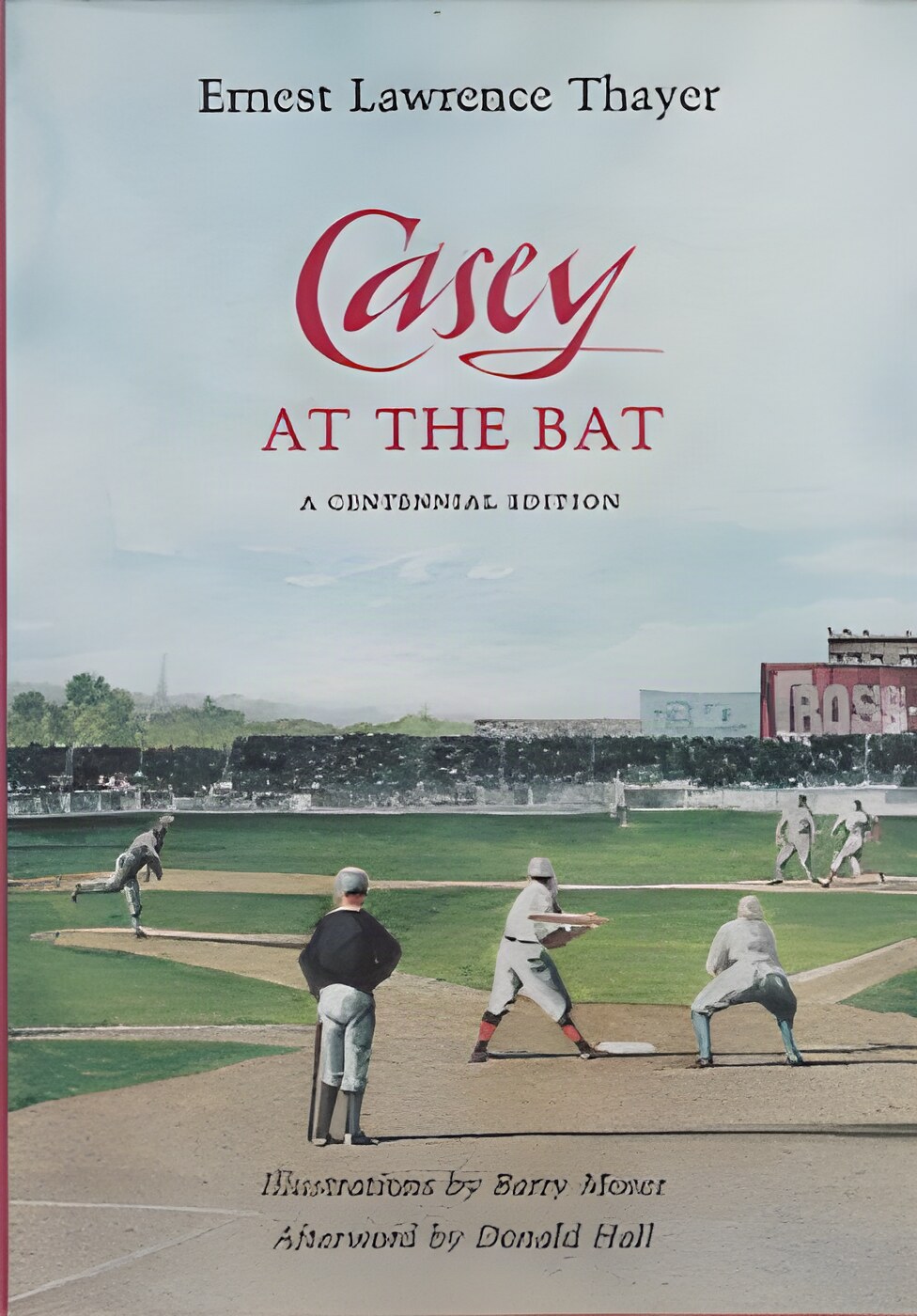
Hardcover. Boston, David R. Godine, 1st thus, 1988, Book: Very Good, Dust Jacket: Very Good, Hardcover in a bright, unclipped dust jacket, 32 pages illustrated in color by Barry Moser.
Hardcover. NY, Harper & Row, 1st, 1980, Book: Very Good, Dust Jacket: Very Good, Hardcover in a lightly worn, chipped dust jacket. 214 pages. An angry young man uses the powers of an ancient cat cult to possess the children of a lethargic English village. Clean copy.
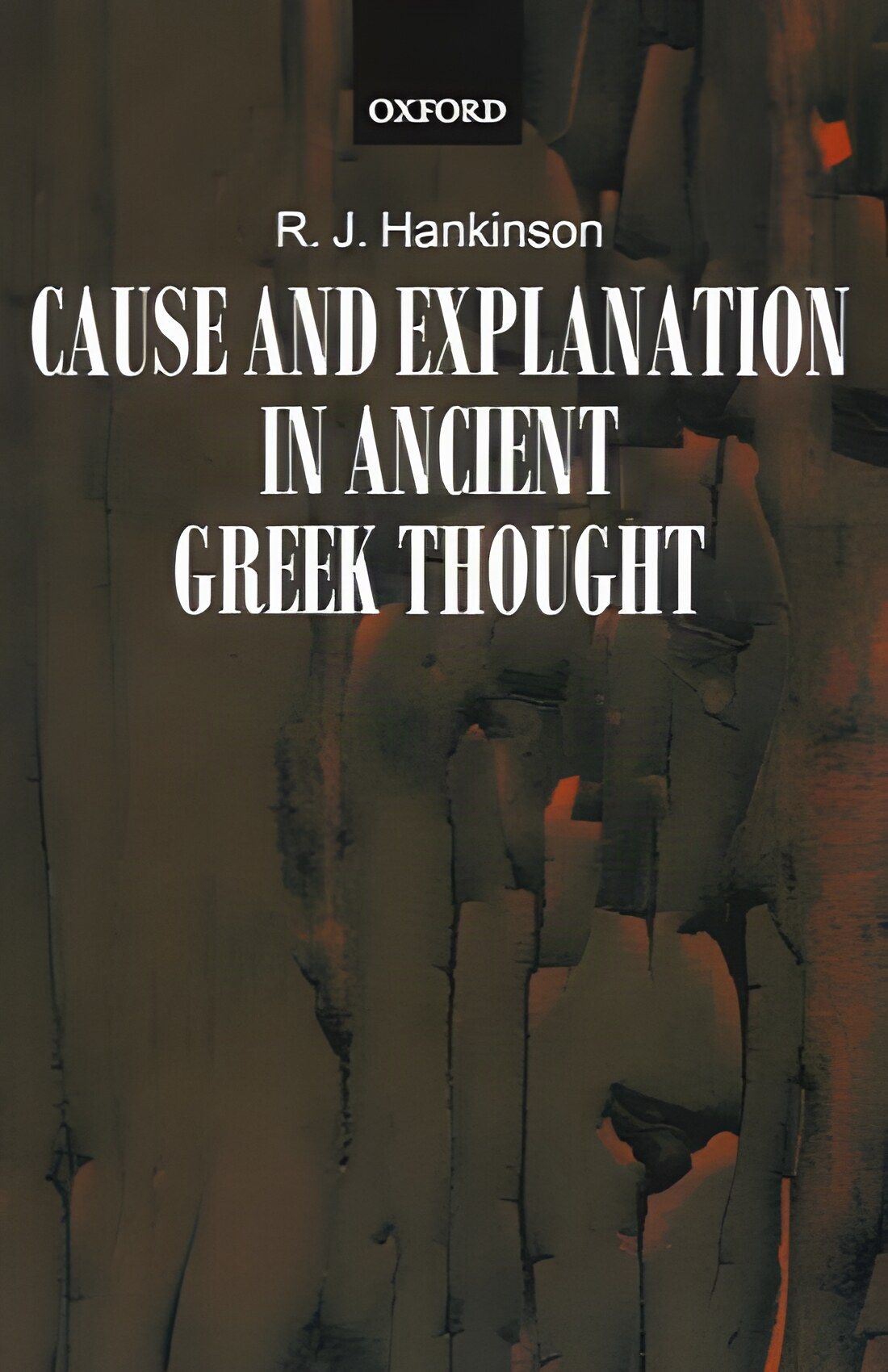
Softcover. UK, Clarendon Press, reprint, 2004, Book: Very Good, Dust Jacket: None, Softcover, 499 pages. R. J. Hankinson traces the history of ancient Greek thinking about causation and explanation, from its earliest beginnings through more than a thousand years to the middle of the first millennium of the Christian era. He examines ways in which the Ancient Greeks dealt with questions about how and why things happen as and when they do, about the basic constitution and structure of things, about function and purpose, laws of nature, chance, coincidence, and responsibility. Clean copy.
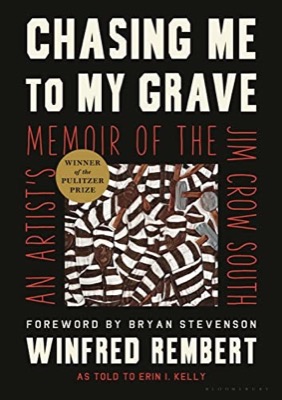
Hardcover. NY, Bloomsbury, 1st, 2021, Book: Very Good, Dust Jacket: Very Good, Hardcover in a lightly worn dust jacket, 284 pages, color illustrations. Winfred Rembert grew up in a family of Georgia field laborers and joined the Civil Rights Movement as a teenager. He was arrested after fleeing a demonstration, survived a near-lynching at the hands of law enforcement, and spent seven years on chain gangs. During that time he met the undaunted Patsy, who would become his wife. Years later, at the age of fifty-one and with Patsys encouragement, he started drawing and painting scenes from his youth using leather tooling skills he learned in prison. Chasing Me to My Grave presents Remberts breathtaking body of work alongside his story, as told to Tufts Philosopher Erin I. Kelly. Rembert calls forth vibrant scenes of Black life on Cuthbert, Georgias Hamilton Avenue, where he first glimpsed the possibility of a life outside the cotton field. Pulitzer Prize sticker on dj. Foreword by Bryan Stevenson. Clean copy.
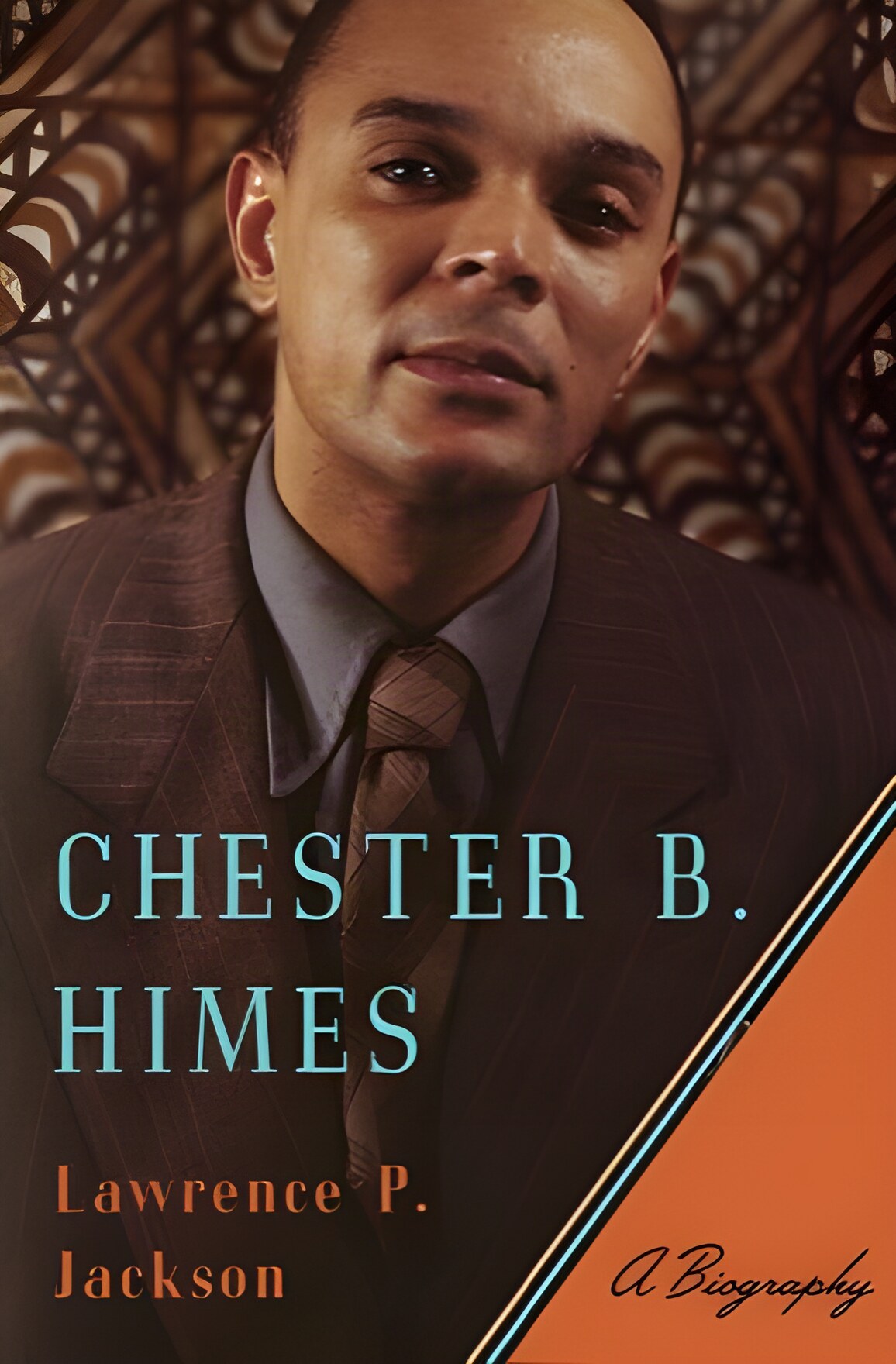
Hardcover. NY, W. W. Norton & Company, 1st, 2017, Book: Very Good, Dust Jacket: Very Good, Hardcover in a bright dust jacket, 606 pages. In this definitive biography of Chester B. Himes (1909-1984), Lawrence P. Jackson uses exclusive interviews and unrestricted access to Himes's full archives to portray a controversial American writer whose novels unflinchingly confront sex, racism, and black identity. Himes brutally rendered racial politics in the best-selling novel If He Hollers Let Him Go, but he became famous for his Harlem detective series, including Cotton Comes to Harlem. A serious literary tastemaker in his day, Himes had friendships-sometimes uneasy-with such luminaries as Ralph Ellison, Carl Van Vechten, and Richard Wright. Jackson's scholarship and astute commentary illuminates Himes's improbable life-his middle-class origins, his eight years in prison, his painful odyssey as a black World War II-era artist, and his escape to Europe for success. More than ten years in the writing, Jackson's biography restores the legacy of a fascinating maverick caught between his aspirations for commercial success and his disturbing, vivid portraits of the United States. Clean copy.
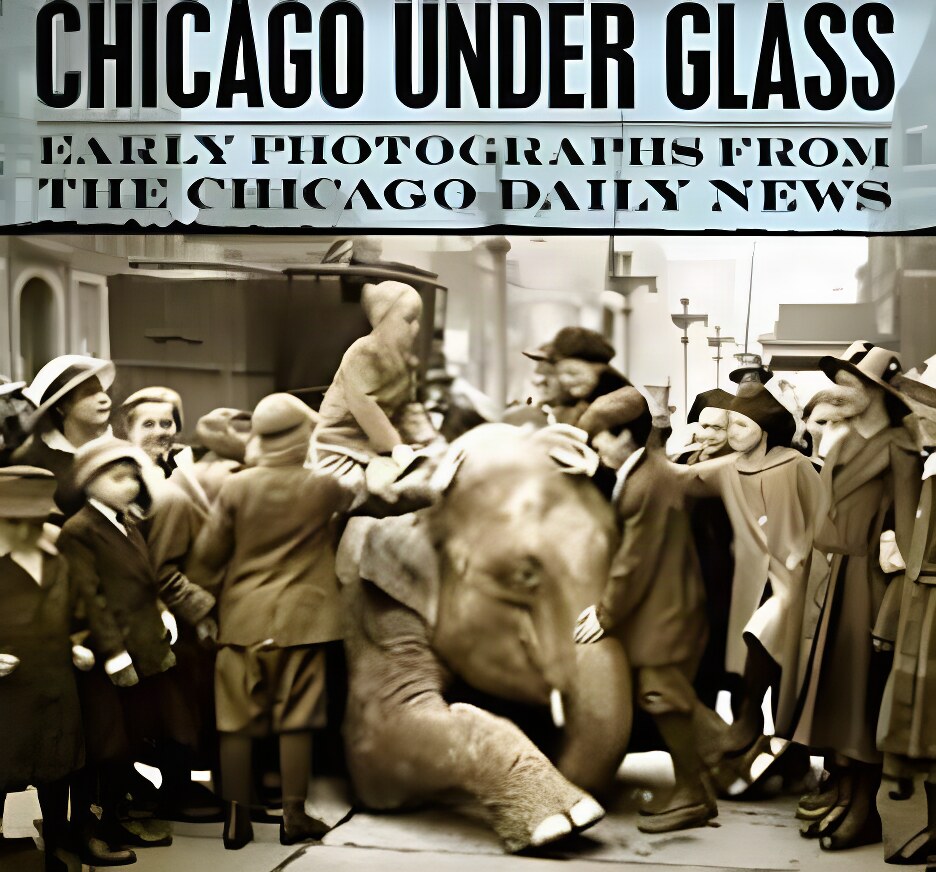
Hardcover. Chicago IL, University of Chicago Press, 1st, 2007, Book: Very Good, Dust Jacket: Very Good, Hardcover, 263 pages. When the Chicago Daily News closed its doors in March 1978 after over a century of publication, the city mourned the loss of an American original. The Daily News boasted the inventive, aggressive writing of such luminaries as Carl Sandburg and Ben Hecht. It was also one of the first newspapers in the country to feature black-and-white photography. In 1900, staffers from the paper's art department began lugging bulky cameras, heavy glass plates, and explosive flash powder throughout the city. A labor strike, a boxing match, or a crime scene--it was all in a day's work for the Daily News photographer. These cameramen helped sell papers, but, as Mark Jacob and Richard Cahan reveal, they also made art. Chicago under Glass: Early Photographs from the Chicago Daily News is the first collection of images from the photo staff's early years, 1901 to 1930. Jacob and Cahan, seasoned journalists themselves, have selected more than 250 images--many of which have never before been published--from the nearly 57,000 glass negatives housed at the Chicago History Museum. They include rare photographs of a young Buster Keaton with his wife and child, waiting to board a train and the notorious Al Capone outside a courtroom, smoking a cigar and consulting with his lawyer. Each thematic section begins with a fascinating introduction by the authors, and each image is accompanied by insightful historical commentary.
Softcover. Washington, Smithsonian Institution, 1st, 1973, Book: Very Good, Dust Jacket: None, 236 pages. Paperback with faded paper wrappers. Black and white and colored pictures throughout. Tight copy
Hardcover. New York, Harry N. Abrams, Inc., 1st, 1969, Book: Near Fine, Dust Jacket: Near Fine, Exhibition catalogue for Bulgarian artist Christo. Illustrated with 71 reproductions of his often large-scale work, 3 of which are in shown in full color. Cloth bound book and dust jacket are in near fine condition; dust jacket has very slight wear some corners, book is very clean and new-looking.
Hardcover. NY, Henry Holt, 1st, 2007, Book: Very Good, Dust Jacket: Very Good, Hardcover in a bright, unclipped dust jacket. 16 plates, 13 text maps, bibliography, index; An insightful history of Churchill's lifelong commitment-both public and private-to the Jews and Zionism, and of his outspoken opposition to anti-SemitismWinston Churchill's commitment to Jewish rights, to Zionism, and ultimately to the State of Israel never wavered. In 1922, he established on the bedrock of international law the right of Jews to emigrate to Palestine. During his meeting with David Ben-Gurion in 1960, Churchill presented the Israeli prime minister with an article he had written about Moses, praising the patriarch. In between these events he fought harder and more effectively for the Jewish people than the world has ever realized.
Softcover. UK, Oxford University Press, reprint, 2006, Book: Very Good, Dust Jacket: None, Softcover, 435 pages. Cicero's Topica is one of the canonical texts on ancient rhetorical theory. This is the first full-scale commentary on this work, and the first critical edition of the work that is informed by a full analysis of its translation. Marcus Tullius Cicero was a Roman philosopher, politician, lawyer, orator, political theorist, consul, and constitutionalist. He came from a wealthy municipal family of the Roman equestrian order, and was one of Rome's greatest orators and prose stylists. Name on front fly leaf otherwise clean.
Hardcover. NY, Time Life, reprint, 1983, Book: Very Good, Dust Jacket: None, 401 pages. Hardcover with no dust jacket. Dark blue leather bound with gilt titles to front cover and spine. Embossed decoration on front cover. Gilt text block edges, red ribbon marker. Clean, tight copy. This is one of the more impressive (and unfortunately little known) records of the American Civil War. John Beatty was a lawyer from Ohio who joined the Union Army when the South seceded. He started his service in western Virginia under General George B. McClellan. Although McClellan would later become one of the most well-known generals of the war, it was here that he first achieved the prominence that would lead to Lincoln promoting him to head Union forces on two separate occasions. Beatty, however, was clearly not enamored of McClellan. His journal opens with a description of arriving in one of the local railroad communities and subsequent entries describe the minutiae of camp life. Beatty is relatively unique among memoirists in that his book is largely a transcription of his original diary. As a result, his recollections are of recent events and have a degree of candor not present in many post-bellum narratives.
Softcover. Los Angeles, J. Paul Getty Museum, 1st, 2004, Book: Very Good, Dust Jacket: None, Softcover, 118 pages. Like new in publishers shrink-wrap. A Siamese cat beneath a clothes line, three women with linked arms standing on the front lawn, a man drying his hands on a dish towel in front of the kitchen stove. These scenes are part of Close to Home and the accompanying the Getty Museum exhibition held from October 12, 2004 to January 16, 2005, which celebrate snapshots--"found" photographs by anonymous photographers--that capture everyday life in all of its joy, banality, and mystery. Taken between 1930 and the mid-1960s, these photographs, most of them in black-and-white, create an unpretentious portrait of suburban American life by untrained photographers whose images can be unexpectedly lyrical and moving.
Softcover. Los Angeles, J. Paul Getty Museum, 1st, 2004, Book: Very Good, Dust Jacket: None, Softcover, 118 pages. Like new in publishers shrink-wrap. A Siamese cat beneath a clothes line, three women with linked arms standing on the front lawn, a man drying his hands on a dish towel in front of the kitchen stove. These scenes are part of Close to Home and the accompanying the Getty Museum exhibition held from October 12, 2004 to January 16, 2005, which celebrate snapshots--"found" photographs by anonymous photographers--that capture everyday life in all of its joy, banality, and mystery. Taken between 1930 and the mid-1960s, these photographs, most of them in black-and-white, create an unpretentious portrait of suburban American life by untrained photographers whose images can be unexpectedly lyrical and moving.
Softcover. Rochester VT, Park Street Press, 1st, 2018, Book: Very Good, Dust Jacket: None, Softcover, 246 pages. A lavishly illustrated history of coca wine and the revolutionary advertising methods that made it a world-wide success. Follows 19th-century pharmacist Angelo Mariani's interest in coca from medical uses to the development and healing effects of his world-famous coca wine, Vin Mariani. In this full-color illustrated history of coca wine, the first of its kind, author Aymon de Lestrange follows Mariani's interest in coca from its medicinal applications to the creation of the tonic wine. The author explores the botany of coca, how it differs from cocaine, its traditional use in pre-Columbian America, and scientific studies on coca from the 17th through 19th centuries, including from Sigmund Freud, who was a known user. He describes the introduction of coca in the U.S. and France and the many coca preparations then available at drugstores. He also studies the introduction of cocaine in these two countries and the prohibition laws that followed.
Hardcover. Birmingham, AL, Legal Classic Library, reprint, 1983, Book: Very Good, Dust Jacket: None, 1193 pages. VOLUME ONE ONLY. Hardcover with gilded decoration, edges and leather bound covers. Clean, tight copy. Facsimile of originals. Marbled end papers. Ribbon marker. Previous owner's bookplate on front end paper. Light soil on front cover.
Hardcover. NY, Praeger Publishers, 1st US, 1970, Book: Very Good, Dust Jacket: Very Good, Hardcover in a bright, price-clipped dust jacket, 331 pages. This is an eyewitness account of the The Anglo-Boer War of 1899-1902. In 1899 Reitz then 17 years old, enlisted in the Boer army to fight the British. After the Boer loss of Pretoria General Jan Smuts, who wrote the forward, decided to conduct guerrilla operations. The book is about Reitz's experiences in the guerrilla war. After the Boers lost the war, Reitz fought with the British in a South African unit in WWI. He later studied law and became a politician and ultimately the South African Deputy Prime Minister. Originally published in Britain in 1929. Clean copy.
Hardcover. Birmingham AL, Legal Classics Library, reprint, 1986, Book: Very Good, Dust Jacket: None, Hardcover, 508 pages, handsomely bound in black cowhide leather lettered and decorated in gilt, raised spine bands, all edges gilt, attached ribbon bookmarks, marbled endpapers. A facsimile of the original 1826 first edition. Bright, clean copy.
Hardcover. Birmingham AL, Legal Classics Library, reprint, 1986, Book: Very Good, Dust Jacket: None, Hardcover, 528 pages ,handsomely bound in black cowhide leather lettered and decorated in gilt, raised spine bands, all edges gilt, attached ribbon bookmarks, marbled endpapers. A facsimile of the original 1827 first edition. Bright, clean copy.
Hardcover. Birmingham AL, Legal Classics Library, reprint, 1986, Book: Very Good, Dust Jacket: None, Hardcover, 550 pages, handsomely bound in black cowhide leather lettered and decorated in gilt, raised spine bands, all edges gilt, attached ribbon bookmarks, marbled endpapers. A facsimile of the original 1830 first edition. Bright, clean copy.
Hardcover. Boston, Little, Brown and Company, 1st, 1960, Book: Very Good, Dust Jacket: Good, 565 pages. Hardcover. INSCRIBED BY KARL LLEWELLYN ON FRONT ENDPAPER. Light foxing to edges, endpapers. Dust jacket with moderate wear, now protected with clear plastic cover. Clean, unmarked text.
Hardcover. University Park, Pennsylvania State University Press, 1st Edition, 2012, Book: Very Good, Dust Jacket: Very Good, 346 pages. Hardcover. Dust jacket with only minor wear. Clean, unmarked and tight copy.
Hardcover. New York, Macmillan Company, 1st, 1947, Book: Good, Dust Jacket: None, Hardcover. 361 pages. Some light scratching to front cover. Rubbing to corners, spine. Spine slightly faded.



 "Christoby: Alloway, Lawrence")


 "Citizen-Soldier, The; Or, Memoirs of a Volunteer (Collector's Library of the Civil War)by: Beatty, John")






 "Companion to Michael Oakeshott, Aby: Oakeshott, Michael/Paul Franco & Leslie Marsh")
 "Concise History of Law of Nations, Aby: Nussbaum, Arthur")