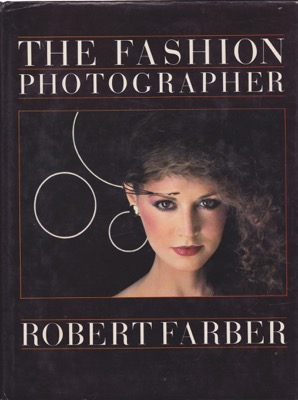
Hardcover. NY, Amphoto, 1st, 1981, Book: Very Good, Dust Jacket: Very Good, Hardcover in a bright, lightly edgeworn dust jacket. 192 pages with 80 color pages and over 80 black and white illustrations. This book goes behind the scenes in the fascinating world of fashion photography. It shows how the illusion of fashion photographs is created--shows the people, planning, and hard work behind these striking and sensual images. A combination of finished fashion photos, background shots, and interviews with top people in fashion, Moves step-by-step through the intricate process of producing a fashion photograph for a major magazine, newspaper, or catalog. Minor wear to dust jacket, clean copy.
Hardcover. NY, Parents Magazine Press, 1st, 1976, Book: Very Good, Dust Jacket: Very Good, Hardcover in a bright, price=clipped dust jacket. Color illustrations by Kilmeny & Deborah Niland. The dream of a lowly store clerk in Sydney comes true when a huge balloon arrives from France to promote an advertising campaign, but without a balloonist. Clean copy.
Hardcover. London, Weidenfeld & Nicolson, 1st, 1953, Book: Very Good, Dust Jacket: Good, Hardcover in a lightly worn dust jacket, 596 pages. Pieces originally published in the magazine Horizon including contributions by Dylan Thomas, Octavio Paz, Randall Jarrell, Bertrand Russell, Paul Eluard, Edith Sitwell, Kenneth Rexroth, Hermann Hesse and many others. A 21 year history attempting to reveal the best of this publication. Clean copy.
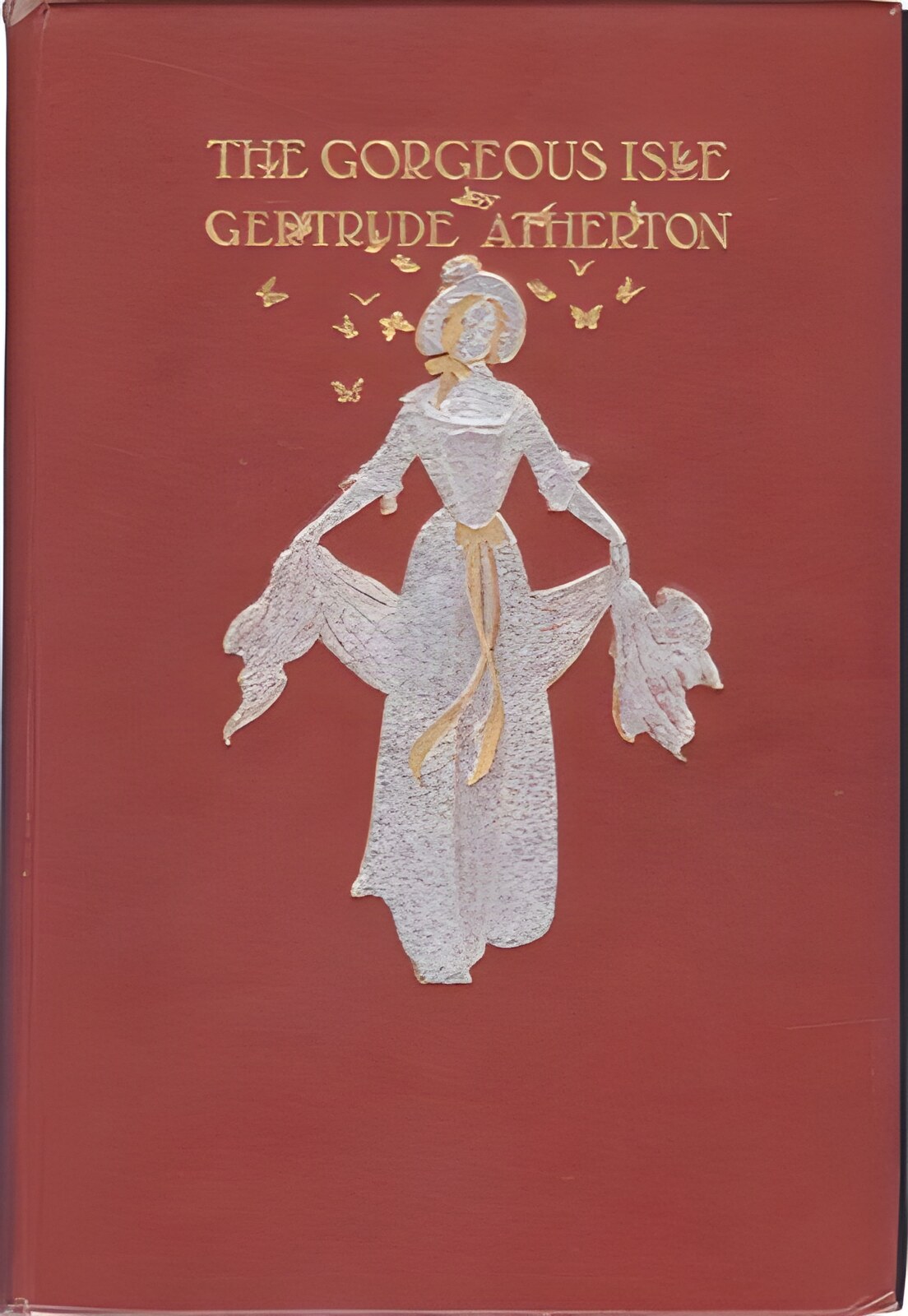
Hardcover. NY, Doubleday, Page & Co. , 1st, 1908, Book: Very Good, Dust Jacket: None, Hardcover, rust colored cloth binding decorated in silver and gilt. Color illustrated end papers. Four color plates by C. Cole Phillips. Gertrude Franklin Horn Atherton (October 30, 1857 - June 14, 1948) was an American author. Many of her novels are set in her home state of California. Her bestseller Black Oxen (1923) was made into a silent movie of the same name. In addition to novels, she wrote short stories, essays, and articles for magazines and newspapers on such issues as feminism, politics, and war. Light smudge to blank prelim page, otherwise clean.
Softcover. Oakville Ontario , Mosaic Press , 1st, 2002, Book: Very Good, Dust Jacket: None, Softcover, 276 pages. B&W illustrations. Here is an affectionate look back at the outsized heroes who once occupied the imagination of millions of loyal readers. The Shadow. Tarzan. Doc Savage. Captain Future. The Spider. Zero. They were the original super guys - godfathers and inpsiration to the likes of Superman, Batman, and James Bond. Fascinating and informative, The Great Pulp Heroes is a lively and entertaining history of those fabulous characters, of them gaudy, glorious magazines that spawned them, and of the amazing wordsmiths who churned out their monthly adventures. Bright, clean copy.
Hardcover. NY, Knopf, 1st, 1958, Book: Very Good, Dust Jacket: Good, Hardcover. 154 pages. Profusely illustrated in b&w. A collection of cartoons by Andre Francois, whose work often appeared in Punch magazine as well as in Esquire, Sports Illustrated, Atlantic Monthly, and Picture Post. Clean, light wear to dust jacket, price clipped.
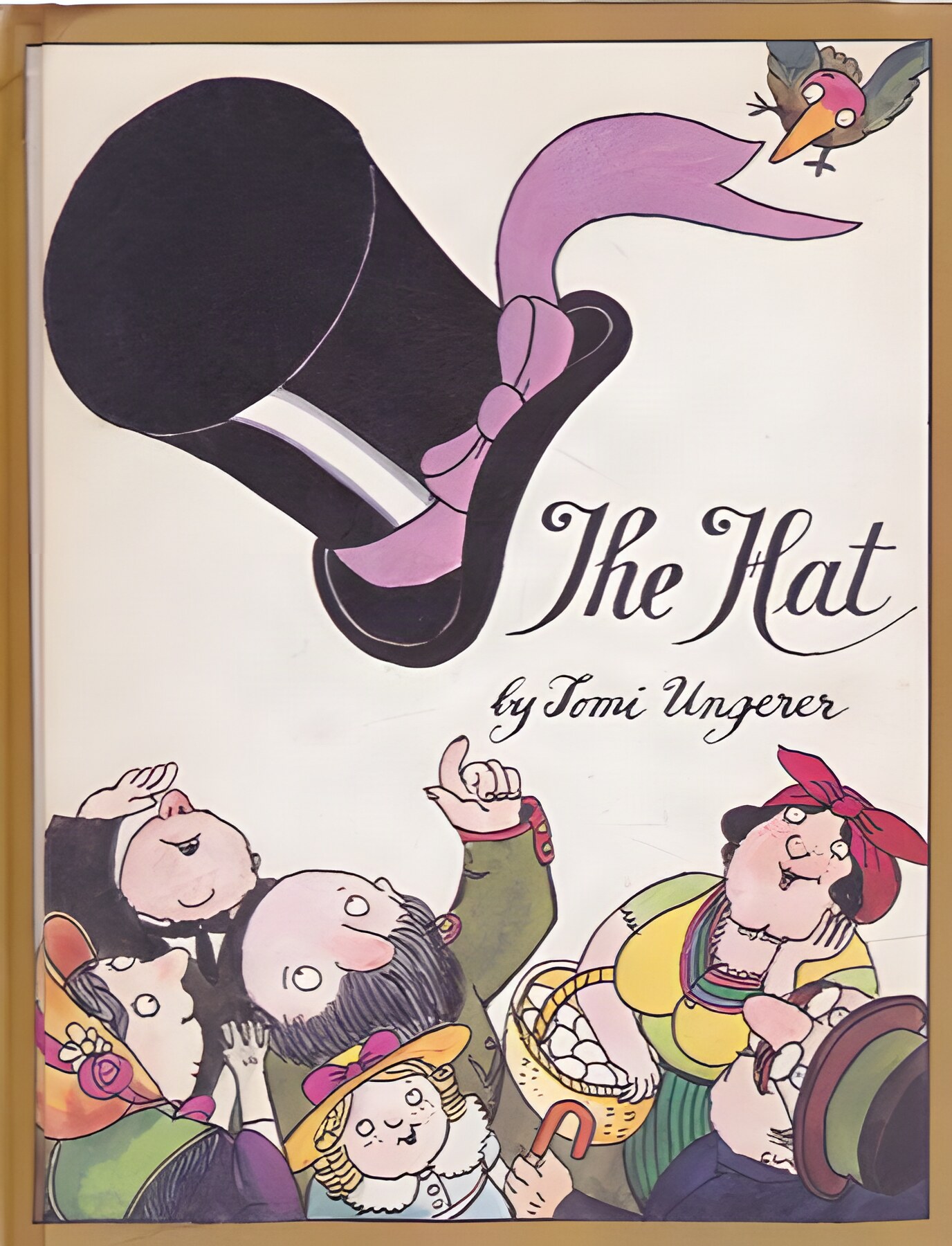
NY, Parents' Magazine Press, 1970, Book: Very Good, Dust Jacket: None, Hardcover, pictorial cloth, no dust jacket. Illustrated in color by Ungerer. The black top hat with magic powers blew into the one-legged soldier's life, made him a wealthy man, and then blew out again. Clean copy.
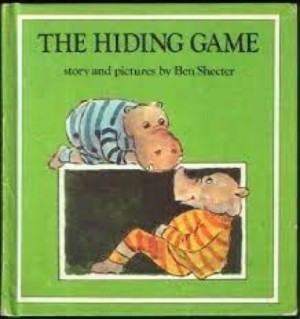
Hardcover. NY, Parents Magazine Press, 1st, 1977, Book: Very Good, Dust Jacket: Very Good, Hardcover in a bright, price-clipped dust jacket. Color illustrations by Ben Shecter. Two friends decide that playing hide and seek isn't as much fun as doing things together. Publisher's review slip laid in.
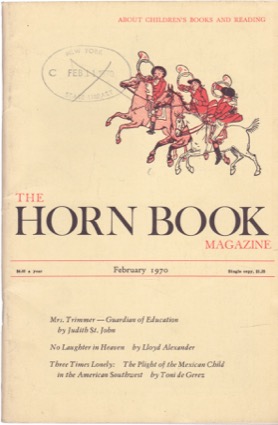
Softcover. Boston, The Horn Book, Inc, 1970, Book: Fair, Dust Jacket: None, Softcover, b&w illustrations, ads, reviews. Articles include No Laughter in Heaven by Lloyd Alexander, Three Times Lonely: The Plight of the Mexican Child in the American Southwest, The Art of Elizabeth Enright, others. Light stamp to front wrapper, otherwise clean.
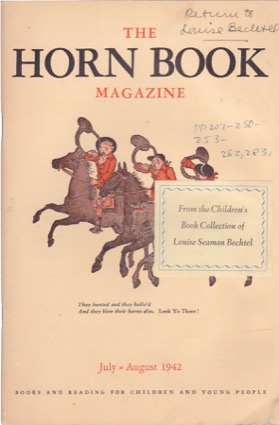
Softcover. Boston, The Horn Book, Inc, 1942, Book: Fair, Dust Jacket: None, Softcover, b&w illustrations, ads, reviews. Contains "Jack Darby on Writing Books for Children" by Walter D. Edmonds, Robert McCloskey's Caldecott acceptance speech, Of Rachel Field and Letters by Bertha Mahony, other articles on Field. Worn copy with wrinkling to pages.
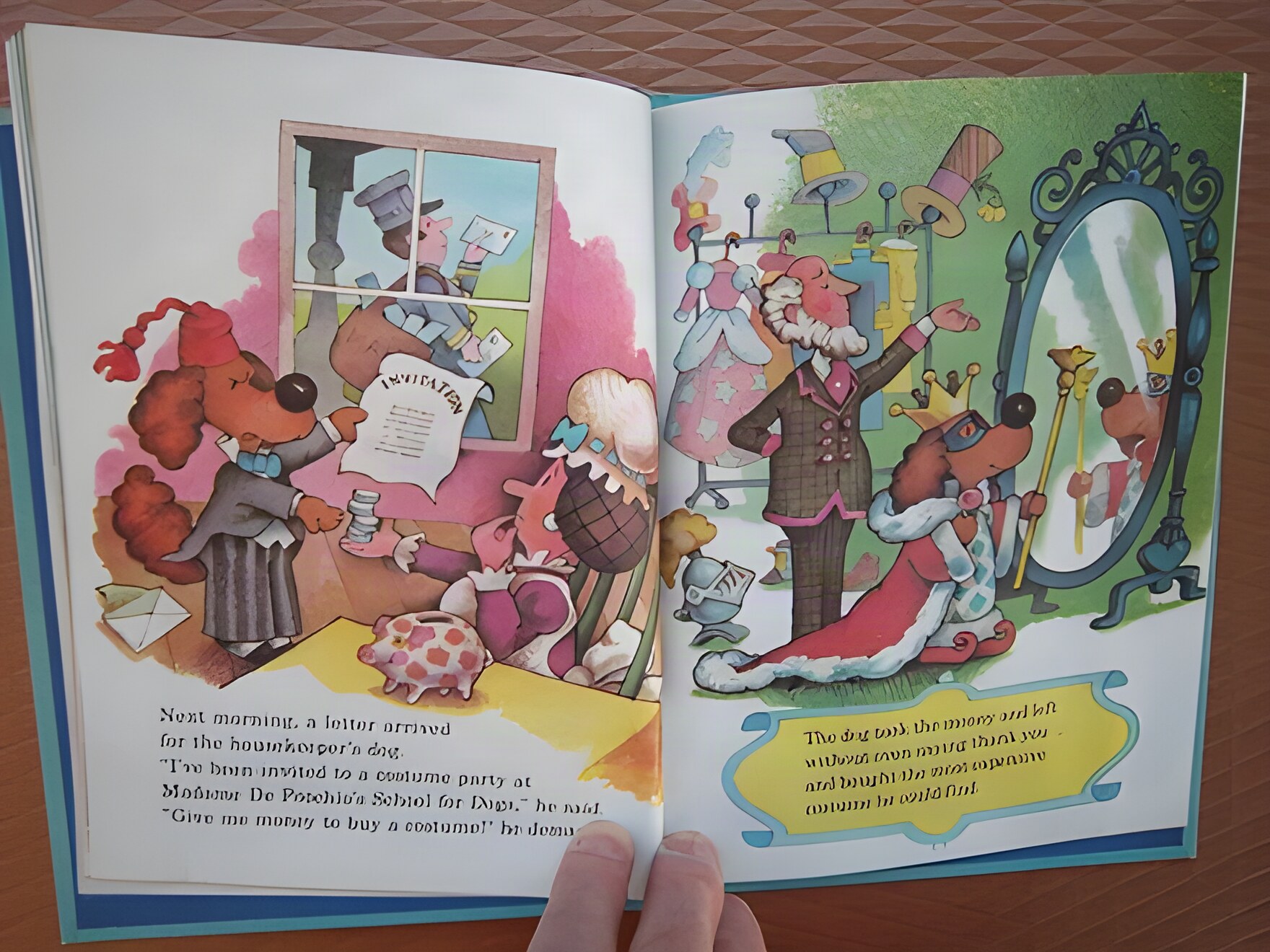
Hardcover. NY, Parents Magazine Press, 2nd pr., 1980, Book: Very Good, Dust Jacket: None, Hardcover, pictorial cloth, 32 pages illustrated in color by Smath. A dog who likes to roll, scratch, and play with bones is quite a different dog after attending Madame de Poochio's School for Dogs. Clean copy.
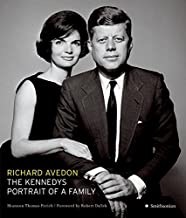
Hardcover. NY, Harper Design, 1st, 2007, Book: Very Good, Dust Jacket: Very Good, Hardcover, 128 pages. In the early 1960s, Richard Avedon was commissioned by Harper's Bazaar to create Observations, a column that consisted of a series of nine photographic essays. The subject of the first essay was John F. Kennedy and his young family, who sat for formal black-and-white portraits just three weeks prior to Kennedy's presidential inauguration. Six images appeared in the magazine's February 1961 issue. That same day, Avedon created more informal color portraits of Kennedy and his family at the Kennedy compound in Palm Beach. One of these images ran as the cover of LOOK magazine's February 28 issue, with photographs by Avedon inside. Just before the magazine hit the newsstands and was delivered to over 6.5 million people, a set of photographs, comprised mostly of the LOOK images, was released by the White House and appeared in newspapers across the country. During his lifetime, Richard Avedon donated more than two hundred images to the Smithsonian Institution, including all of the photographs of the Kennedy family sitting for Harper's Bazaar. Smithsonian curator Shannon Thomas Perich has culled more than seventy-five images from that donation for The Kennedys: Portrait of a Family, making these stunning photographs available for view for the first time. Perich's introductory essay--accompanied by a wealth of archival photographs of both Avedon and the Kennedy family--provides historical background on the two sittings within a political and cultural context and critically examines the work of one of the finest photographers of the twentieth century. A foreword by Robert Dallek, distinguished historian and author of the bet-selling An Unfinished Life: John F. Kennedy, 1917-1963, provides authoritative and compelling insight to one of the most fascinating presidents in American history.
Softcover. US, Picture This Press, 1st, 2012, Book: Very Good, Dust Jacket: None, Softcover, 224 pages. Volume 1: Drawings. Clean, unmarked copy with only minor wear to wrappers. Volume One focuses on Kley's ink drawings, and reprints for the first time a substantial selection of his illustration work for children's books and adult genre fiction, a side of Kley's career previously unexplored in other collections. This volume also includes a wide sampling of Kley's cartoons and magazine work, with newly collected examples taken directly from a variety of rare sources such as "Jugend," "Simplicissimus," and the historic "Der Orchideengarten" (the world's first fantasy fiction magazine). In all, more than 300 Kley illustrations and cartoons fill this first volume.
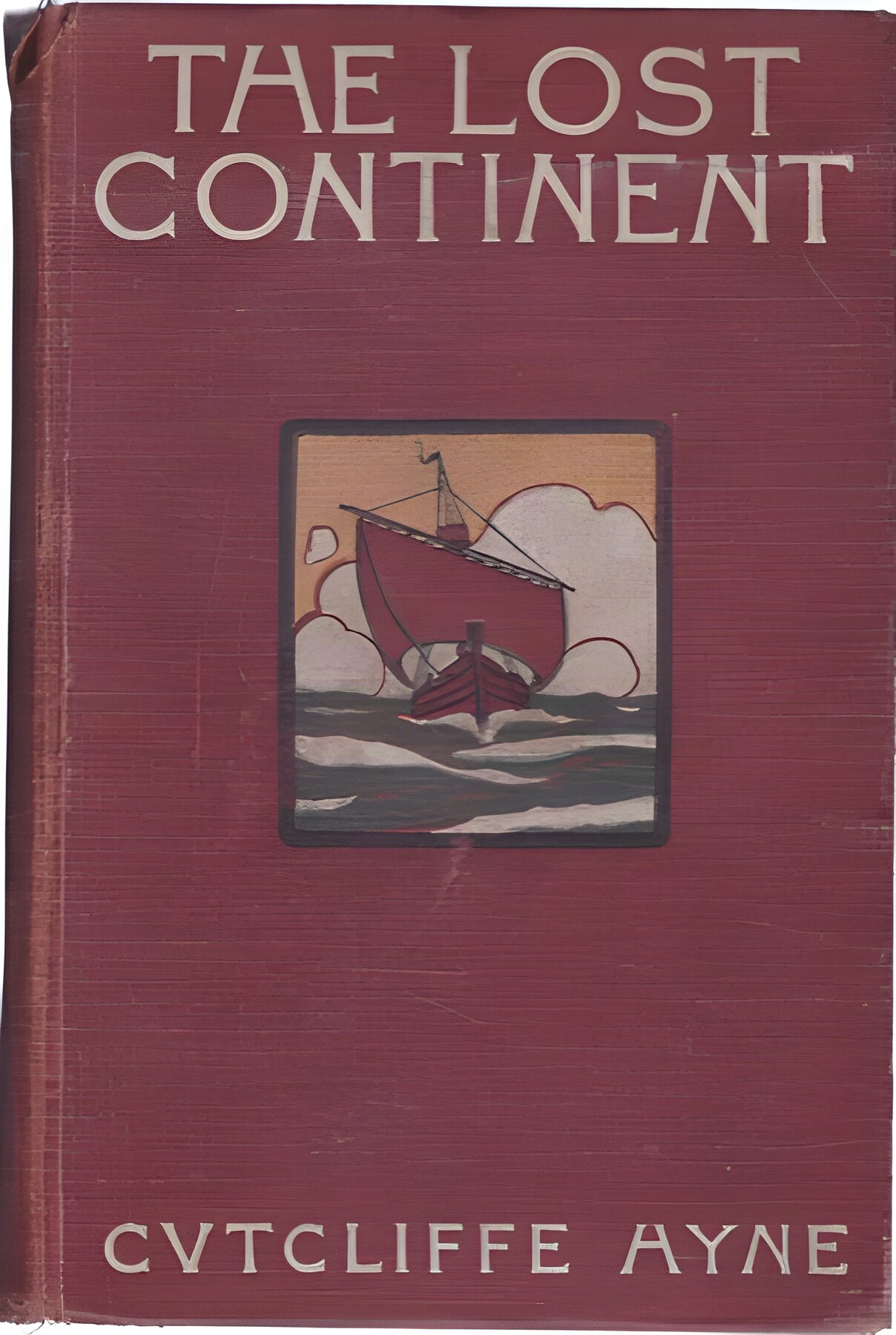
Hardcover. NY, Harper & Brothers, 1st, 1900, Book: Fair, Dust Jacket: None, Hardcover in decorated red cloth, edgewear to covers, 353 pages. 8 b&w plates, 2 of which are loose (the frontis and page 250). This is a classic in the lost city/civilization genre. In this work, the Lost Continent is the fabulous Lost Continent of Atlantis. The novel was published first in serial form in Pearson's Magazine in the issues for July-December 1899, and in hardcover book form by Hutchinson (London) and Harpers (New York) in 1900. There is a small sticker on the spine, binding shaken but holding. Clean pages.
Hardcover. University of Nebraska Press, 1st, 2017, Book: Very Good, Dust Jacket: Very Good, Hardcover, 592 pages. Ring Lardner's influence on American letters is arguably greater than that of any other American writer in the early part of the twentieth century. Lauded by critics and the public for his groundbreaking short stories, Lardner was also the country's best-known journalist in the 1920s and early 1930s, when his voice was all but inescapable in American newspapers and magazines. Lardner's trenchant, observant, sly, and cynical writing style, along with a deep understanding of human foibles, made his articles wonderfully readable and his words resonate to this day. Ron Rapoport has gathered the best of Lardner's journalism from his earliest days at the South Bend Times through his years at the Chicago Tribune and his weekly column for the Bell Syndicate, which appeared in 150 newspapers and reached eight million readers. In these columns Lardner not only covered the great sporting events of the era--from Jack Dempsey's fights to the World Series and even an America's Cup--he also wrote about politics, war, and Prohibition, as well as parodies, poems, and penetrating observations on American life.
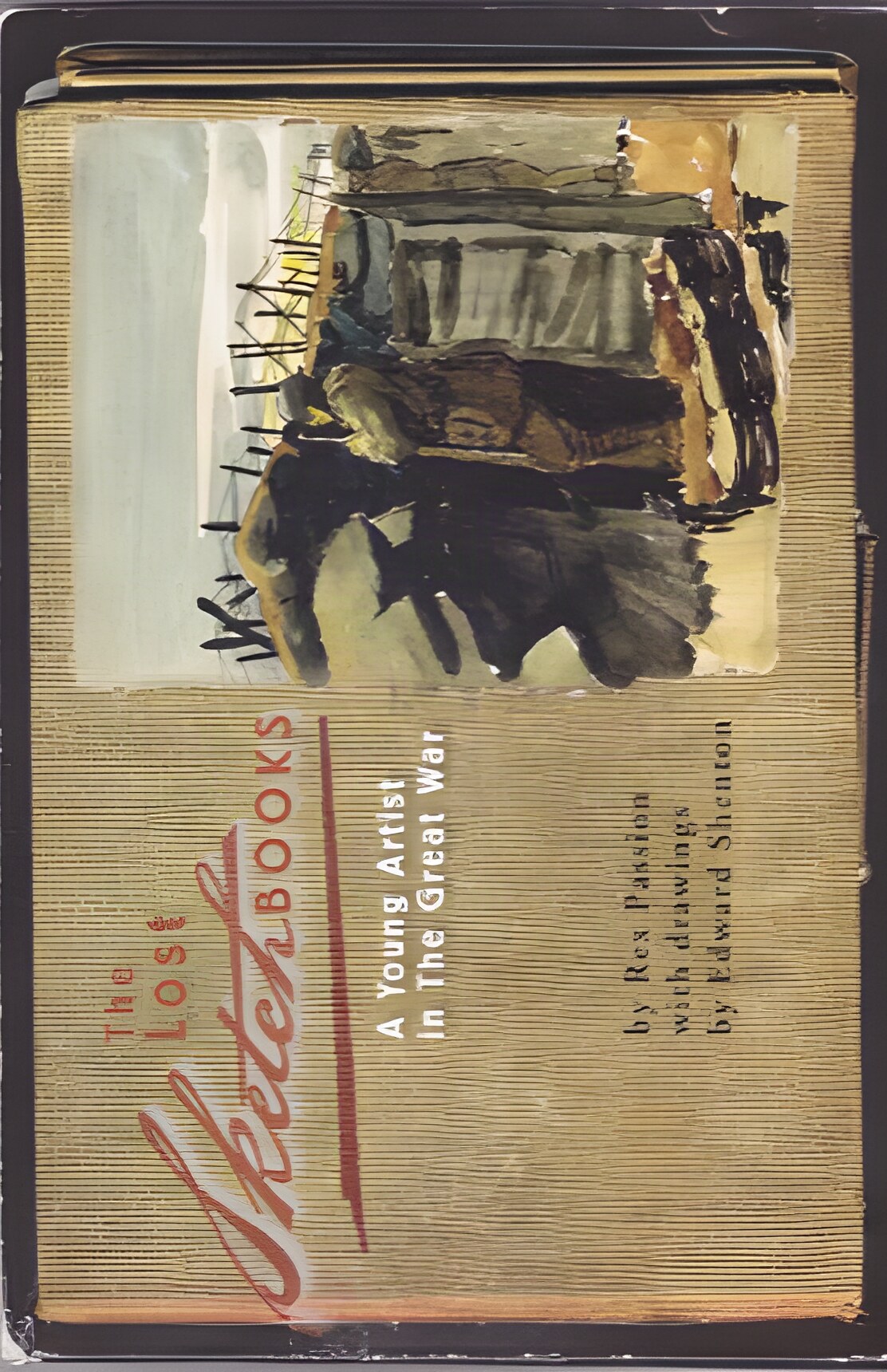
Softcover. Cambridge, Komatik Press, 1st, 2017, Book: Very Good, Dust Jacket: None, Softcover, oblong format. In 1917, while still in art school, Edward Shenton joined Company B, 103rd Engineers of the Pennsylvania National Guard. He stocked up on art materials, including many canvas-bound sketchbooks and a watercolor set, and went off to train and fight. Much of the war he witnessed made their way into his sketchbooks. When Ed returned home, no one wanted to hear about the war, much less see images of the horrors of battle. He went back to art school and his sketches were put away and forgotten. He had a brilliant career as an illustrator. His drawings graced the cover of Scribner's Magazine for ten years and embellished books by, among others, Hemingway, Fitzgerald and Thomas Wolf.Edward Shenton had a long career as an outstanding illustrator, author, and teacher and, after a very full life, died at the age of eighty-two. Nine decades after they were put away, his son came across Ed's sketchbooks and he and I decided that they, along with his father's wartime story, had to be shared with the world.
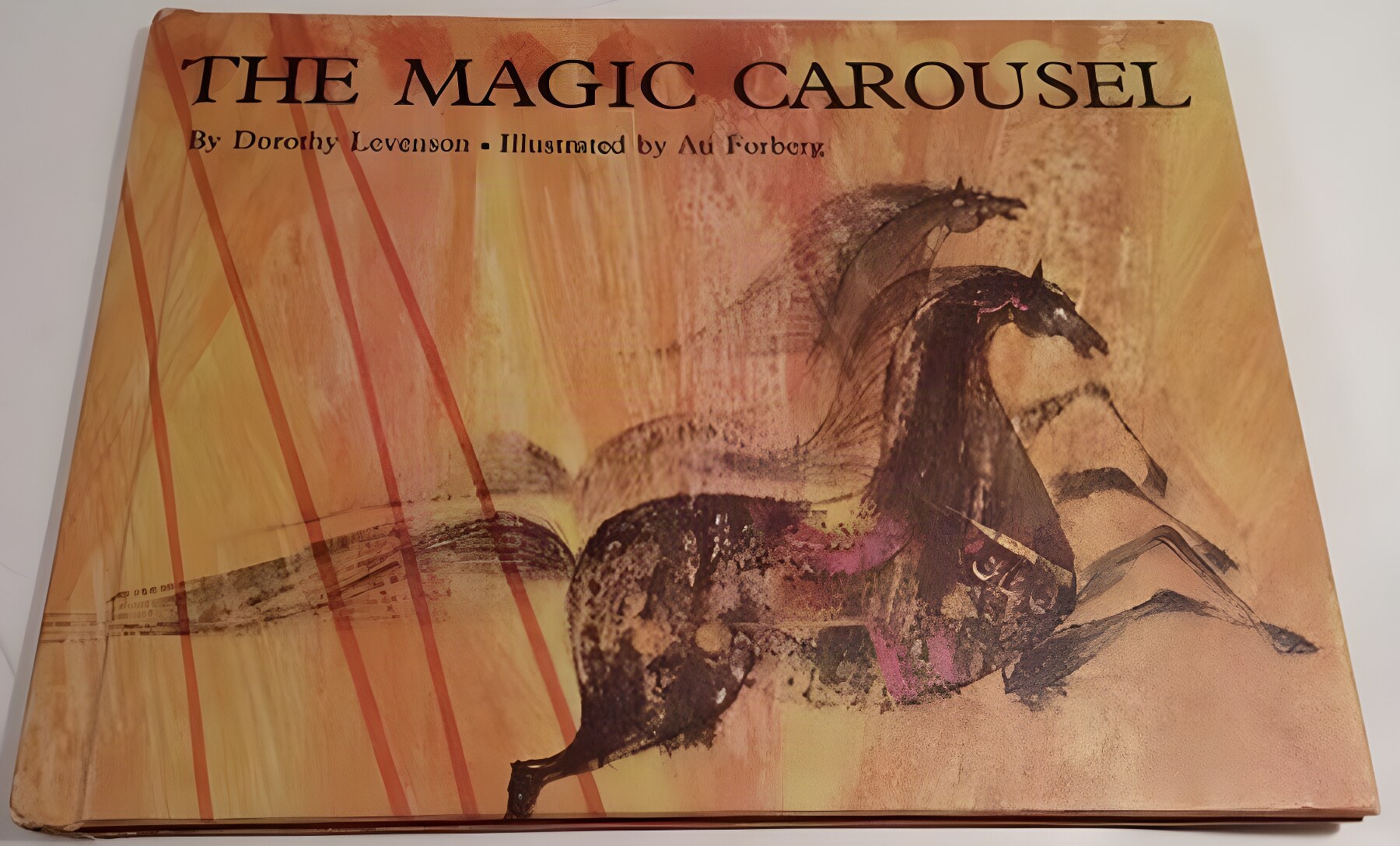
Hardcover. NY, Parents Magazine Press, 1st, 1967, Book: Very Good, Dust Jacket: None, Hardcover in pictorial boards, 36 pages with color art by Ati Forberg. Clean copy.
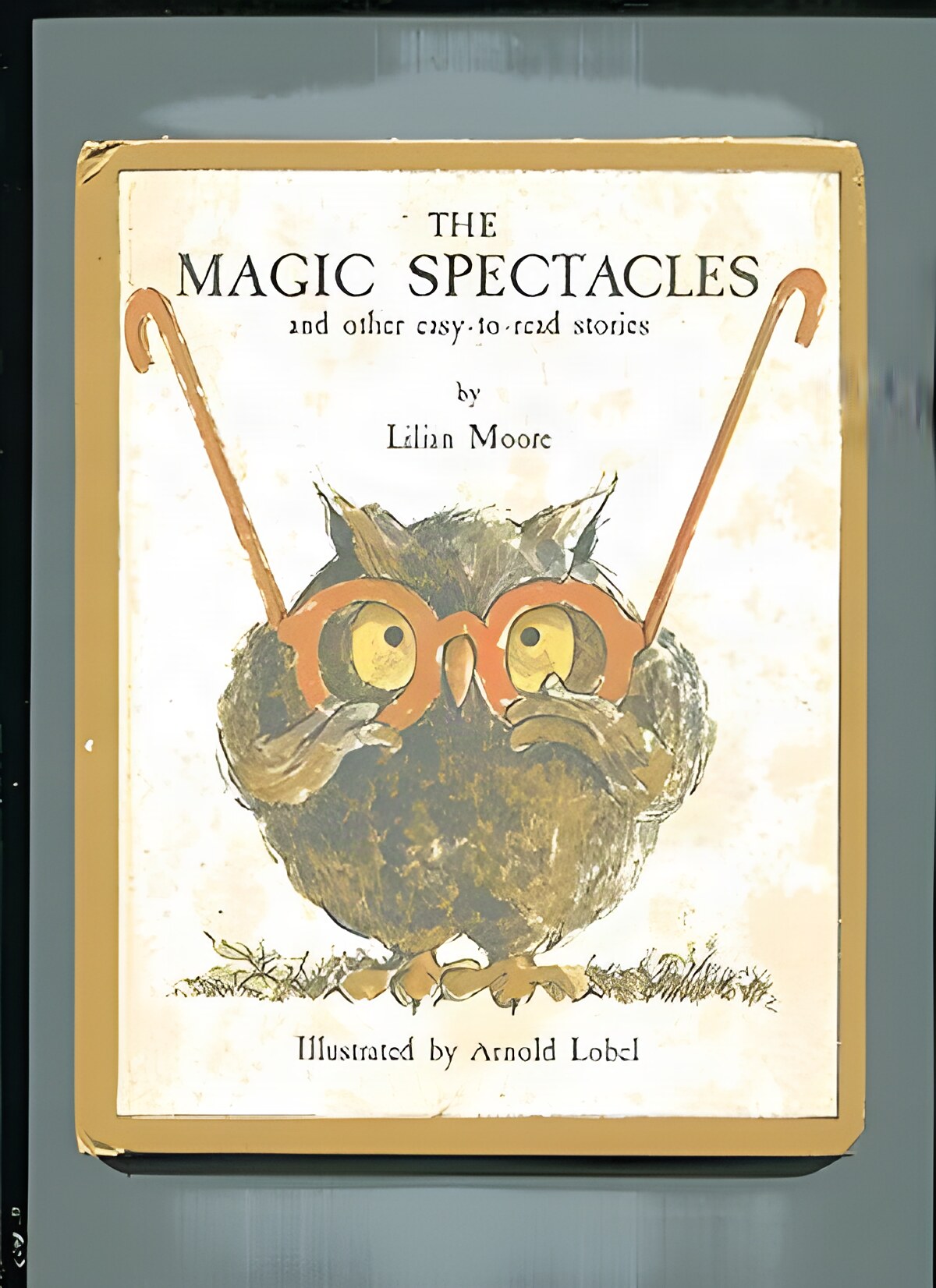
Hardcover. NY, Parents Magazine Press, 1st, 1965, Book: Very Good, Dust Jacket: None, Hardcover, pictorial boards. Seven entertaining stories for young readers by Moore with Lobel's zany illustrations throughout in 2-colors. Clean, bright copy.
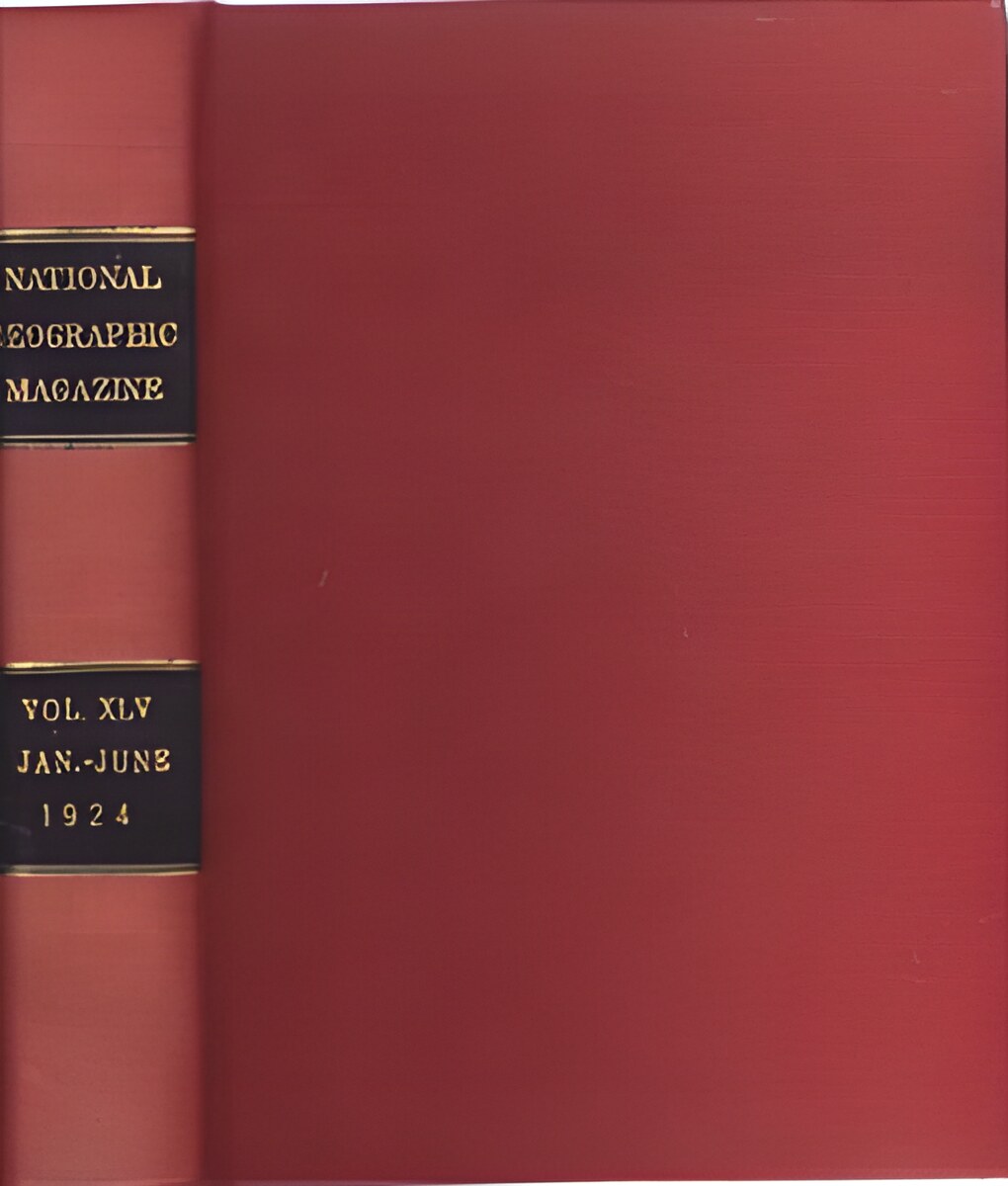
Hardcover. Washington DC, National Geographic Society, 1924, Book: Very Good, Dust Jacket: None, Hardcover, red cloth covers with black spine labels with gilt lettering. Six issues from the first half of 1924, 696 pages devoid of ads or inserts. Clean, bright pages, some color, mostly b&w. Include:s 1, Lost Tribes of Islam, Eastern Darfur; 2, Carthage Acheology; 3, Sahara by Automobile; 4, Hawaiian Islands; 5, Sakurajima, Japan volcanic eruption; 6, Norway; and 7, Tunisia. Clean, no markings. DOMESTIC SHIPPING ONLY.
Hardcover. Washington DC, National Geographic Society, 1913, Book: Very Good, Dust Jacket: None, Hardcover, red cloth covers with faded black spine labels with gilt lettering flaking, faded. Six issues from the second half of 1913, 597 pages devoid of ads or inserts. Clean, bright pages, some color, mostly b&w. Clean, no markings. DOMESTIC SHIPPING ONLY.
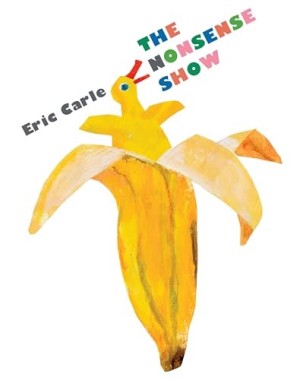
Hardcover. NY, Philomel Books, 1st, 2015, Book: Very Good, Dust Jacket: None, Hardcover in pictorial boards. A TIME Magazine Top 10 Children's Book of 2015! Ducks growing out of bananas? A mouse catching a cat? What's wrong with this book from the creator of The Very Hungry Caterpillar? Yes, there is something strange, something funny and even downright preposterous on every page of this book. But its not a mistake - its nonsense! And its also surrealism. Nonsense lies at the heart of many beloved nursery rhymes. Children readily accept odd statements like the cow jumped over the moon and the dish ran away with the spoon. This fanciful bending of reality is also basic to surrealism. In this book, nonsense and surrealism combine to spark creativity and imagination. No dust jacket, clean copy.
Hardcover. Boston, Little, Brown and Company, 1st, 2018, Book: Very Good, Dust Jacket: Very Good, Hardcover in a bright, unclipped dust jacket. A raucous and vividly dishy memoir by the only woman writer on the masthead of Rolling Stone Magazine in the early Seventies. In 1971, Robin Green had an interview with Jann Wenner at the offices of Rolling Stone magazine. She had just moved to Berkeley, California, a city that promised "Good Vibes All-a Time." Those days, job applications asked just one question: "What are your sun, moon and rising signs?" Green thought she was interviewing for a clerical job like the other girls in the office, a "real job." Instead, she was hired as a journalist. With irreverent humor and remarkable nerve, Green spills stories of sparring with Dennis Hopper on a film junket in the desert, scandalizing fans of David Cassidy and spending a legendary evening on a water bed in Robert F. Kennedy Jr.'s dorm room. In the seventies, Green was there as Hunter S. Thompson crafted Fear and Loathing in Las Vegas, and now, with a distinctly gonzo female voice, she reveals her side of that tumultuous time in America. Brutally honest and bold, Green reveals what it was like to be the first woman granted entry into an iconic boys' club. Pulling back the curtain on Rolling Stone magazine in its prime, The Only Girl is a stunning tribute to a bygone era and a publication that defined a generation. 293 page, illustrated with b&w and color photos.
Hardcover. Madison WI, University of Wisconsin Press, reprint, 1989, Book: Very Good, Dust Jacket: None, Hardcover, brown cloth with white lettering on spine. 276 pages. Between 1868 and 1897 Henry James wrote a number of short essays and reviews of artists and art collections; these essays were published in magazines such as "Atlantic Monthly" and "Harper's Weekly" and in newspapers such as the "New York Tribune". They included James' comments on Ruskin, Turner, Whistler, Sargent, and the Impressionists, among many others. Thirty of these essays were collected and first published in a modern edition in 1956, accompanied by John Sweeney's introduction which sketched James' interests in the visual arts over a period of years, focusing on the ways in which painting and painters entered his work as subjects. Susan Griffin's new foreword places James' observations in a contemporary context. Some of the novelist's judgements will seem wrong to today's readers: he was very critical of the Impressionists, for example, but all of these essays bear the stamp of James' critical intelligence, and they tell us a great deal about his development as a writer during those years. Bight, clean copy.

 "The Gigantic Balloon by: Park Ruth; Niland Deborah;Niland Kilmeny")

 "The Half-Naked Knightby: Andre Francois")
 "The Lost Art of Heinrich Kley, Volume 1: Drawingsby: Kley, Heinrich")
 "The Lost Journalism of Ring Lardnerby: Ring Lardner, Ron Rapoport , et al.")
 "The Only Girl: My Life and Times on the Masthead of Rolling Stone by: Robin Green")