Hardcover. Leiden/Boston, Brill, 1st, 2002, Book: Very Good, Dust Jacket: None, Hardcover, decorated cloth, 482 pages. This book explores the dynamics of the commentary and textbook traditions in Aristotelian natural philosophy under the headings of doctrine, method, and scientific and social status. It inquires what the evolution of the Aristotelian commentary tradition can tell us about the character of natural philosophy as a pedagogical tool, as a scientific enterprise, and as a background to modern scientific thought. In a unique attempt to cut old-fashioned historiographic divisions, it brings together scholars of ancient, medieval, Renaissance and seventeenth-century philosophy. The book covers a remarkably broad range of topics: it starts with the first Greek commentators and ends with Leibniz. Small ink stamp on front fly leaf, otherwise clean.
Hardcover. Princeton NJ, Princeton University Press, 1st, 1994, Book: Good, Dust Jacket: Good, Hardcover in a dust jacket with minor wear, 278 pages. A re-examination of the roles played by authors, readers, scribes and texts in medieval literature, which describes how consideration of marks on the physical manuscript - elements added by scribes and readers - can shed light on interpretive issues that have puzzled modern readers. Light underlining to 18 pages in first chapter.
Hardcover. Binghamton NY, Medieval & Rennaissance Texts & Studies, 1st, 1993, Book: Very Good, Dust Jacket: None, Hardcover, blue cloth with gilt lettering and design to spine and front cover. 652 pages. Identical binding to the Harvard University Press set. Clean, bright copy.
Hardcover. Binghamton NY, Medieval & Rennaissance Texts & Studies, 1st, 1993, Book: Very Good, Dust Jacket: None, Hardcover, blue cloth with gilt lettering and design to spine and front cover. pages 653-1247. Identical binding to the Harvard University Press set. Errata slip taped to front fly leaf, otherwise clean, bright copy.
Lawrence, KS, Spencer Museum of Art, 1st, 1984, Book: Very Good, Dust Jacket: None, Hardcover, 158 pages. Black & white illustrations throughout. No dust jacket.
Hardcover. Ny, Vanguard Press, 1st, 1944, Book: Very Good, Dust Jacket: Good, Hardcover in an edgeworn and chipped dust jacket. "Collection of stories including scientific romances, contes philosophiques and stories of the supernatural. The most important of the latter is the novella Dromenon, in which an antiquarian discovers the true nature of medieval Christian worship by means of a restored church organ". Bookplate on front fly leaf, otherwise clean.
Hardcover. UK, Cambridge At the University Press , 1st, 1952, Book: Good, Dust Jacket: None, Hardcover, red cloth with faded spine, 523 pages .VOL. 2 ONLY. Includes bibliography and index. Illustrated with black-and-white plates and genealogy foldout chart. Comprehensive study on the Kingdom of Jerusalem and the Frankish East during the Crusades, by well-noted historian Steven Runciman. Lacks dust jacket. Clean copy.
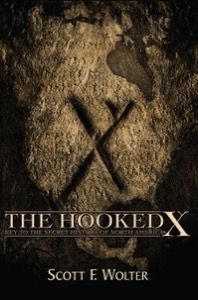
Softcover. St. Cloud MN, North Star Press Of St. Cloud, 1st, 2009, Book: Very Good, Dust Jacket: None, Softcover, 276 pages, b&w illustrations. The Hooked X is a secret symbol first found on an inscribed slab of rock, dated 1362, unearthed by a farmer in Minnesota in 1898. This mysterious symbol inspired the author to pursue a nine-year investigation on both sides of the Atlantic that led to the discovery of other artifacts and clandestine documents indicative of secret trips to North America long before Columbus. The trail of evidence led to a deep plunge into the shadowy areas of Freemasonry and the Knights Templar that most brethren of these orders are unaware of. This incredible true story reveals untold secrets of North America that weave from medieval times through today, forever changing history as we know it. Clean, bright copy.
Hardcover. London, J. M. Dent & Sons, 1976, Book: Very Good, Dust Jacket: Very Good, Hardcover in a bright, unclipped dust jacket. B&w illustrations by Jeff Thomas. A collection of classic Welsh stories. Clean copy.
Hardcover. NY, Gotham Books, 1st, 2012, Book: Very Good, Dust Jacket: Very Good, Hardcover in a bright, unclipped dust jacket. 455 pages, b&w photos. The definitive biography of James Brown, the Godfather of Soul, with fascinating findings on his life as a Civil Rights activist, an entrepreneur, and the most innovative musician of our time. Playing 350 shows a year at his peak, with more than forty Billboard hits, James Brown was a dazzling showman who transformed American music. His life offstage was just as vibrant, and until now no biographer has delivered a complete profile. The One draws on interviews with more than 100 people who knew Brown personally or played with him professionally. Using these sources, award-winning writer RJ Smith draws a portrait of a man whose twisted and amazing life helps us to understand the music he made. The One delves deeply into the story of a man who was raised in abject-almost medieval-poverty in the segregated South but grew up to earn (and lose) several fortunes. Covering everything from Brown's unconventional childhood (his aunt ran a bordello), to his role in the Black Power movement, which used "Say It Loud (I'm Black and Proud)" as its anthem, to his high-profile friendships, to his complicated family life, Smith's meticulous research and sparkling prose blend biography with a cultural history of a pivotal era. Clean, bright copy.
Softcover. NY, Oxford University Press, reprint, 1998, Book: Very Good, Dust Jacket: None, Softcover, 425 pages, b&w illustrations. The word "prison" immediately evokes stark images: forbidding walls spiked with watchtowers; inmates confined to cramped cells for hours on end; the suspicious eyes of armed guards. They seem to be the inevitable and permanent marks of confinement, as though prisons were a timeless institution stretching from medieval stone dungeons to the current era of steel boxes. But centuries of development and debate lie behind the prison as we now know it--a rich history that reveals how our ideas of crime and practices of punishment have changed over time. Clean copy.
Hardcover. NY, Walker & Company, 1st, 2000, Book: Very Good, Dust Jacket: Very Good, Hardcover in a bright, unclipped dust jacket. chronicles the Roman Catholic Church's crusade against--and ultimate annihilation of--the Albigenses, or Cathars, a group of heretical Christians who thrived in what is now the Languedoc region of Southern France. The Cathars held revolutionary beliefs that threatened the authority of the church. The world, they maintained, was not created by a benevolent God. Rather, it was the creation of a force of darkness, immanent in all things. They considered worldly authority a fraud, and authority based on some divine sanction, such as claimed by the church, outright hypocrisy. Innocent III, resolved to eradicate the Cathar threat to church authority, recruited the military powers of France, eager to expand their territory to the south. Together, they systematically exterminated the Cathars and their supporters in a series of crusades between 1209 and 1229. The Dominican-led Inquisition that ensued built upon this momentum of intolerance and tormented Europe for centuries to come. 333 pages, endpapers map.
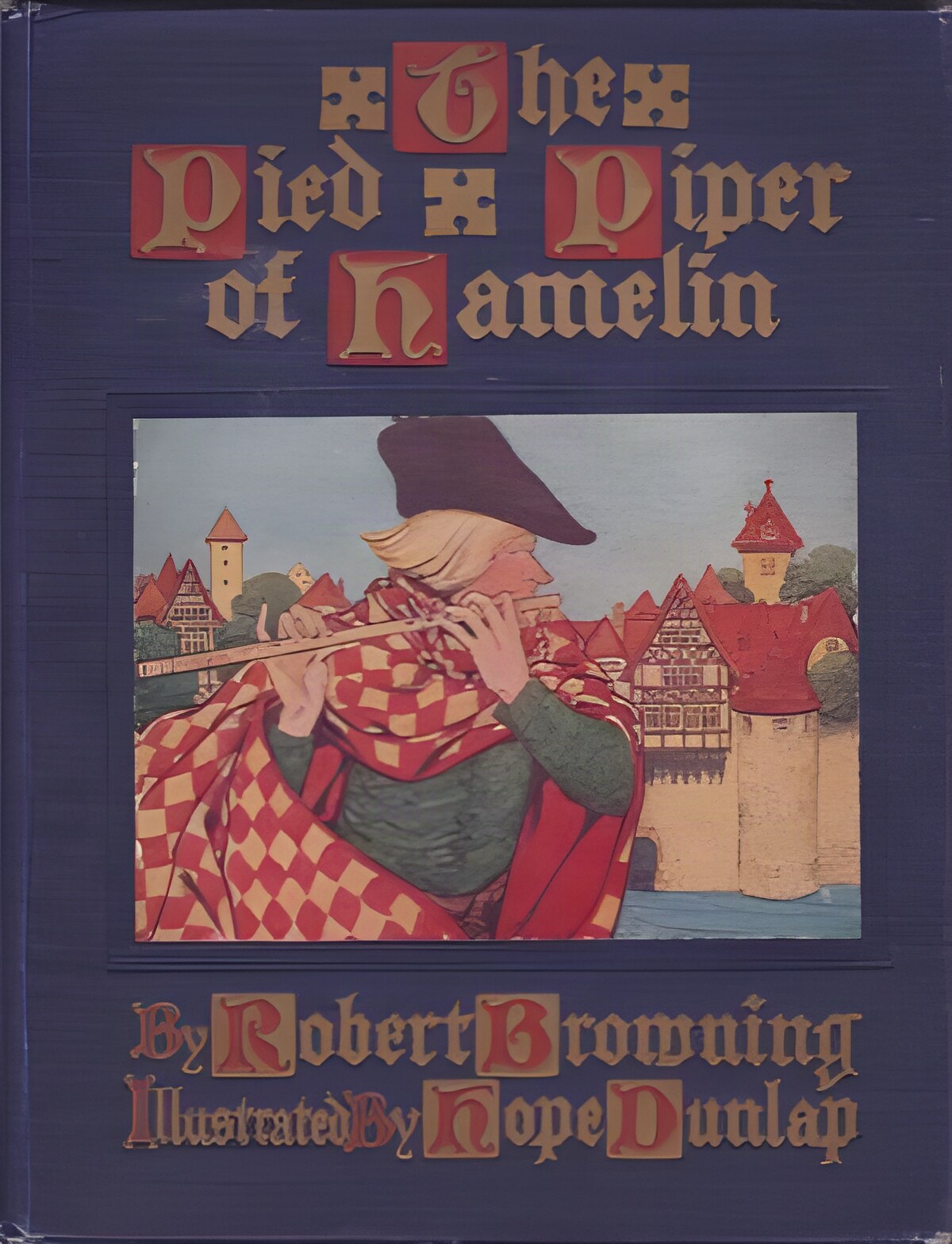
Hardcover. Chicago, Rand McNally, 1st, 1910, Book: Very Good, Dust Jacket: None, Hardcover, original dark blue cloth with medieval style lettering and illustrated paste down to front board. All pages illustrated with "illuminated" style borders and illustrations in color and B/W. Illustrated endpapers of winged horses and children in pale blue and white. Eleven full page color illustrations, two half page color illustrations, and many B/W. 56 pages. Small name on half-title page, otherwise a clean, bright copy.
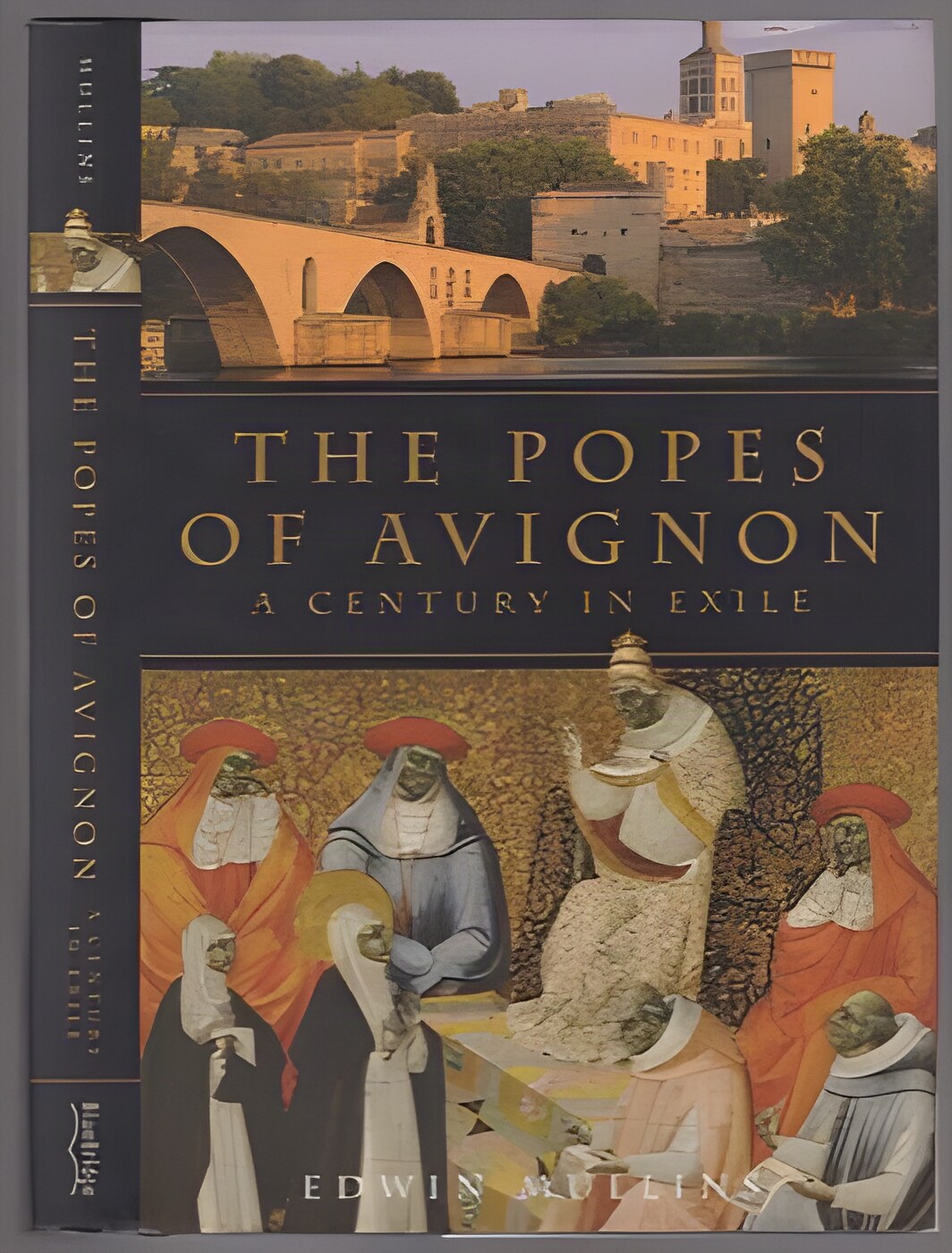
Hardcover. NY, BlueBridge, 1st US, 2008, Book: Very Good, Dust Jacket: Very Good, Hardcover in a bright dust jacket, 246 pages. This narrative history masterfully weaves together the sweeping events surrounding what has become known as the "Babylonian captivity" of the popes into the broader story of 14th-Century Europe?one of the most turbulent times in the continent's history. It was a time of fear, ferocity, and religious agony, which saw the suppression of the Knights Templar and the Cathars, the first onslaught of the plague, and the beginning of the Hundred Years' War. The century also produced some of the greatest writers and artists in the western tradition, including Giotto, Boccaccio, Petrarch, and Chaucer. Central to this period was the movement of the papal seat from Rome to Avignon in the south of France, where seven successive popes held power from 1309 to 1377. The drama, intrigue, and tumult associated with the papacy in exile forms the perfect lens through which to clearly see a Europe making the transition from the Middle Ages to the Renaissance. Clean copy.
Hardcover. NY, Arthur A. Levine Books, 1st, 2001, Book: Very Good, Dust Jacket: Very Good, Hardcover in a bright, unclipped dust jacket, 342 pages. Medieval life meets Arthurian magic in a novel that transcends boundaries of time and age, appealing to children of 9+ and older readers alike. The year is 1199, the place the Welsh Marches. Young Arthur de Caldicot is given a magical shining stone in which his legendary namesake is revealed. In 100 short chapters that brilliantly evoke life in a medieval manor, stories of the boy King Arthur begin to echo - and anticipate - the secrets and mysteries that emerge in his own life . . ." The winner of the Guardian Children's Fiction Prize and the Smarties Prize bronze award in 2001. First printing (with full number line including 1). Clean copy.
Softcover. Kila MT, Kessinger, reprint, Book: Very Good, Dust Jacket: None, Softcover, blue pictorial wrappers. This is an unchanged, high-quality reprint of the original edition of 1895, originally published by Swan Sonnenschein & Co., London, 13 illustrations, 2 maps. Clean copy.
Hardcover. NY, Jewish Publication Society, 1st, 1984, Book: Very Good, Dust Jacket: None, Hardcover in black cloth, lacks dust jacket, 256 pages. A major treatise of Levi ben Gershom of Provence (1288-1344), one of the most creative and daring minds of the medieval world. It is devoted to a demonstration that the Torah, properly understood, is identical to true philosophy. Volume 1 ONLY. Clean copy.
Hardcover. NY, Jewish Publication Society, 1st, 1987, Book: Very Good, Dust Jacket: Very Good, Hardcover in a bright dust jacket, 278 pages. A major treatise of Levi ben Gershom of Provence (1288-1344), one of the most creative and daring minds of the medieval world. It is devoted to a demonstration that the Torah, properly understood, is identical to true philosophy. Volume 2 ONLY. Clean copy.
Hardcover. UK, Oxford University Press , 1st, 2019, Book: Very Good, Dust Jacket: Very Good, Hardcover in a bright dust jacket, 310 pages. Tolkien's Lost Chaucer uncovers the story of an unpublished and previously unknown book by the author of The Lord of the Rings. Tolkien worked between 1922 and 1928 on his Clarendon edition Selections from Chaucer's Poetry and Prose, and though never completed, its 160 pages of commentary reveals much of his thinking about language and storytelling when he was still at the threshold of his career as an epoch-making writer of fantasy literature. Drawing upon other new materials such as his edition of the Reeve's Tale and his Oxford lectures on the Pardoner's Tale, this book reveals Chaucer as a major influence upon Tolkien's literary imagination. Clean copy.
Hardcover. NY, Henry Z. Walck, Inc., 1st, 1960, Book: Very Good, Dust Jacket: Very Good, Hardcover, black & white illustrations by Ezra Jack Keats. Light edgewear to dust jacket, short tears at bottom. Ex-library stamp on both end papers, otherwise clean. Dust jacket price clipped .
Hardcover. Glencoe IL, The Free Press, 1st, 1957, Book: Good, Dust Jacket: None, Hardcover, brown cloth, 382 pages. Dust jacket flaps laid in, name inside front cover. Light pencil marking to about 10 pages. Ancient civilizations and medieval Europe had no "economies" -- no fixed prices for commodities, no production for markets. People have always exchanged goods, of course, but in the pre-modern world, exchange between individuals was most often done through social networks, always with a non-economic motivation. Scarcity, "entrepreneurship", the universal self-regulating market with fixed prices for goods, and the system of trade as we know it, and economics as the fundamental driving sector for all of society --- are all unique to the modern West.
Hardcover. NY, Henry Holt & Co., 1st, 1926, Book: Very Good, Dust Jacket: None, Hardcover, light gray boards with a black cloth spine with gilt lettering. Name and ownership stamp on front fly leaf, otherwise clean copy.
Softcover. New York, Metropolitan Museum of Art, 1st, 1998, Book: Very Good, Dust Jacket: None, 128 pages. Softcover. A very clean, unmarked copy with only minor edgewear. Color illustrations throughout.

![The Dynamics of Aristotelian Natural Philosophy from Antiquity to the Seventeenth Centuryby: Herausgeber: Leijenhorst, C., Herausgeber: L]thy, C., Herausgeber: Thijss](https://www.browsingisarousing.com/shop/images/383974.jpg "The Dynamics of Aristotelian Natural Philosophy from Antiquity to the Seventeenth Centuryby: Herausgeber: Leijenhorst, C., Herausgeber: L]thy, C., Herausgeber: Thijss")
 "The Ethics of Reading in Manuscript Culture:Glossing the Libro de Buen Amorby: Dagenais, John")


 "The Franklin D. Murphy Lectures V - Programs of Medieval Illuminationby: Calkins, Robert G.")
 "The Great Fog and Other Weird Talesby: Heard, H. F.")
![THE HISTORY OF THE CRUSADES - THE KINGDOM OF JERUSALEM AND THE FRANKISH EAST 1100-1187 [VOLUME TWO]by: Steven Runciman](https://www.browsingisarousing.com/shop/images/THE-HISTORY-OF-THE-CRUSADES-THE-KINGDOM-OF-JERUSALEM-AND-THE-FRANKISH-EAST-1100-1187-VOLUME-TWO_by_S399373-454915.jpg "THE HISTORY OF THE CRUSADES - THE KINGDOM OF JERUSALEM AND THE FRANKISH EAST 1100-1187 [VOLUME TWO]by: Steven Runciman")




 "The Troubadours and Courts of Love by: John Frederick Rowbotham")



 "Tournaments of the Lions, Theby: Williams/Ezra Jack Keats, Jay")


 "Unicorn Tapestries at the Metropolitan Museum of Art, Theby: Cavallo, Adolfo Salvatore")