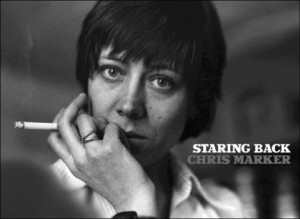
Hardcover. Cambridge MA, Wexner Center and MIT Press, 1sr, 2007, Book: Very Good, Dust Jacket: None, Hardcover, oblong pictorial boards, Any new film and any new book by French filmmaker Chris Marker is an event. Marker gave film lovers one of their most memorable experiences with La Jetee (1962)-a time-travel montage set after a nuclear war that inspired Terry Gilliam's Twelve Monkeys (1995). His still camerawork is not as well known, but Marker has been taking photographs as long as he has been making films. Staring Back presents 200 black-and-white photographs from Marker's personal archives, taken from 1952 to 2006. Some of the photographs are related to his classic films (which include Le Jetee, Sans Soleil, Cuba Si!, and The Case of the Grinning Cat), others are portraits of famous faces (Simone Signoret, Akira Kurosawa), but most are pictures of people Marker has encountered as he has traveled the world (an extra who appeared in Kurosawa's Ran, a woman seen on a street in Siberia). The central section of the book contains a series of photographs documenting political protests Marker has witnessed, including the march on the Pentagon in 1967, the events of May 1968 in Paris, and the tumultuous 2006 demonstrations protesting the French government's proposed employment policies. Still in publisher's shrinkwrap.
Hardcover. New York, Aperture, 1st, 2006, Book: Very Good, Dust Jacket: None, 56 pages. Like new in publisher's shrink-wrap. A Couple of Ways of Doing Something replicates a deluxe limited-edition portfolio whose initial run was only 75 copies. This clothbound edition preserves the luxurious sensibility of the original with 22 extraordinary oversized daguerreotypes printed in rich tritone. Working with daguerreotype master Jerry Spagnoli to conquer the complexities of this venerable process, which yields images of astonishing detail and gravity, Chuck Close photographed many of the same artist-friends who have made regular appearances in his paintings over the years: Laurie Anderson, Lyle Ashton Harris, Cecily Brown, Gregory Crewdson, Carroll Dunham, Ellen Gallagher, Philip Glass, Bob Holman, Elizabeth Murray, Elizabeth Peyton, Andres Serrano, Cindy Sherman, James Siena, Lorna Simpson, Kiki Smith, James Turrell, Robert Wilson, Terry Winters, Lisa Yuskavage and himself. Each image is complemented by a poem on its subject by Bob Holman, the celebrated and widely published New York School poet who originated and hosted the famous Poetry Slams at the Nuyorican Poets Cafe and now runs the Bowery Poetry Club. With the counterpoint of Holman's engaging poetry, the collected work becomes a transfixing group portrait of Close's influential and highly creative circle of friends and colleagues, as well as an exploration of a challenging photographic medium.
Hardcover. New York, Aperture, 1st, 2006, Book: Very Good, Dust Jacket: Very Good, 56 pages. Like new in publisher's shrink-wrap. A Couple of Ways of Doing Something replicates a deluxe limited-edition portfolio whose initial run was only 75 copies. This clothbound edition preserves the luxurious sensibility of the original with 22 extraordinary oversized daguerreotypes printed in rich tritone. Working with daguerreotype master Jerry Spagnoli to conquer the complexities of this venerable process, which yields images of astonishing detail and gravity, Chuck Close photographed many of the same artist-friends who have made regular appearances in his paintings over the years: Laurie Anderson, Lyle Ashton Harris, Cecily Brown, Gregory Crewdson, Carroll Dunham, Ellen Gallagher, Philip Glass, Bob Holman, Elizabeth Murray, Elizabeth Peyton, Andres Serrano, Cindy Sherman, James Siena, Lorna Simpson, Kiki Smith, James Turrell, Robert Wilson, Terry Winters, Lisa Yuskavage and himself. Each image is complemented by a poem on its subject by Bob Holman, the celebrated and widely published New York School poet who originated and hosted the famous Poetry Slams at the Nuyorican Poets Cafe and now runs the Bowery Poetry Club. With the counterpoint of Holman's engaging poetry, the collected work becomes a transfixing group portrait of Close's influential and highly creative circle of friends and colleagues, as well as an exploration of a challenging photographic medium.
Paperback. New York, Prestel, Revised, 2007, Book: Very Good, Dust Jacket: Very Good, 335 pages. Oversize hardcover with dust jacket. A very clean, unmarked copy with minor wear to dust jacket edges. Now available in a revised and expanded edition, this book offers the first comprehensive critical examination of one of America's most celebrated living artists. Chuck Close reinvented portraiture almost four decades ago with a series of nine-foot-tall, black-and-white likenesses of himself and fellow artists, which astonished an art world dominated by minimalism and conceptualism. Close has since explored an array of mediums. This lavish, large-format volume is the first to deal with all aspects of Close's career and to place them in a biographical context. Christopher Finch's insight into CLose's achievement comes by way of hundreds of studio visits and thousands of hours of conversation since he met Close in 1968. Finch provides an engaging, in-depth analysis of Close's portraits on canvas, from the continuous-tone airbrushed heads of the 1960s and '70s to the painterly "prismatic grids" of the past two decades. The more than 300 illustrations features in the book survey almost all of CLose's paintings, including his most recent work, together with a selection of his prints and multiples, and examples of his photographic oeuvre. This beautifully designed volume reveals not only the variety of pictorial strategies Close has devised, but the extrordinary personality of the artist behind the work.
Softcover. NY, Thames & Hudson, reprint, 1997, Book: Very Good, Dust Jacket: None, Softcover, 220 pages. This comprehensive catalogue traces the career of Cindy Sherman, examining her achievements as one of the leading American artists of our time. By exploring the myriad constructions of female identity and the body in our culture, Sherman imitates and confronts assorted representational stereotypes, becoming for many an icon of the contemporary concerns of feminism and postmodernism. Essayists Amada Cruz, Elizabeth A. T. Smith, and Amelia Jones offer keen insight and observations from several distinct vantage points, demonstrating that Sherman's work is a lens through which to view contemporary art and its ongoing concern with the profound issues of the structures of the self. More than 200 images show the breadth of Sherman's body of work, from the Untitled Film Stills of the 1970s to series such as Centerfolds, Fashion, Disasters, Fairy Tales, and History Portraits, as well as photographs influenced by surrealist artists. Also included are intriguing excerpts from Sherman's notebooks, selections from her contact sheets, and numerous Polaroid studies, all of which shed light on the artist's process.
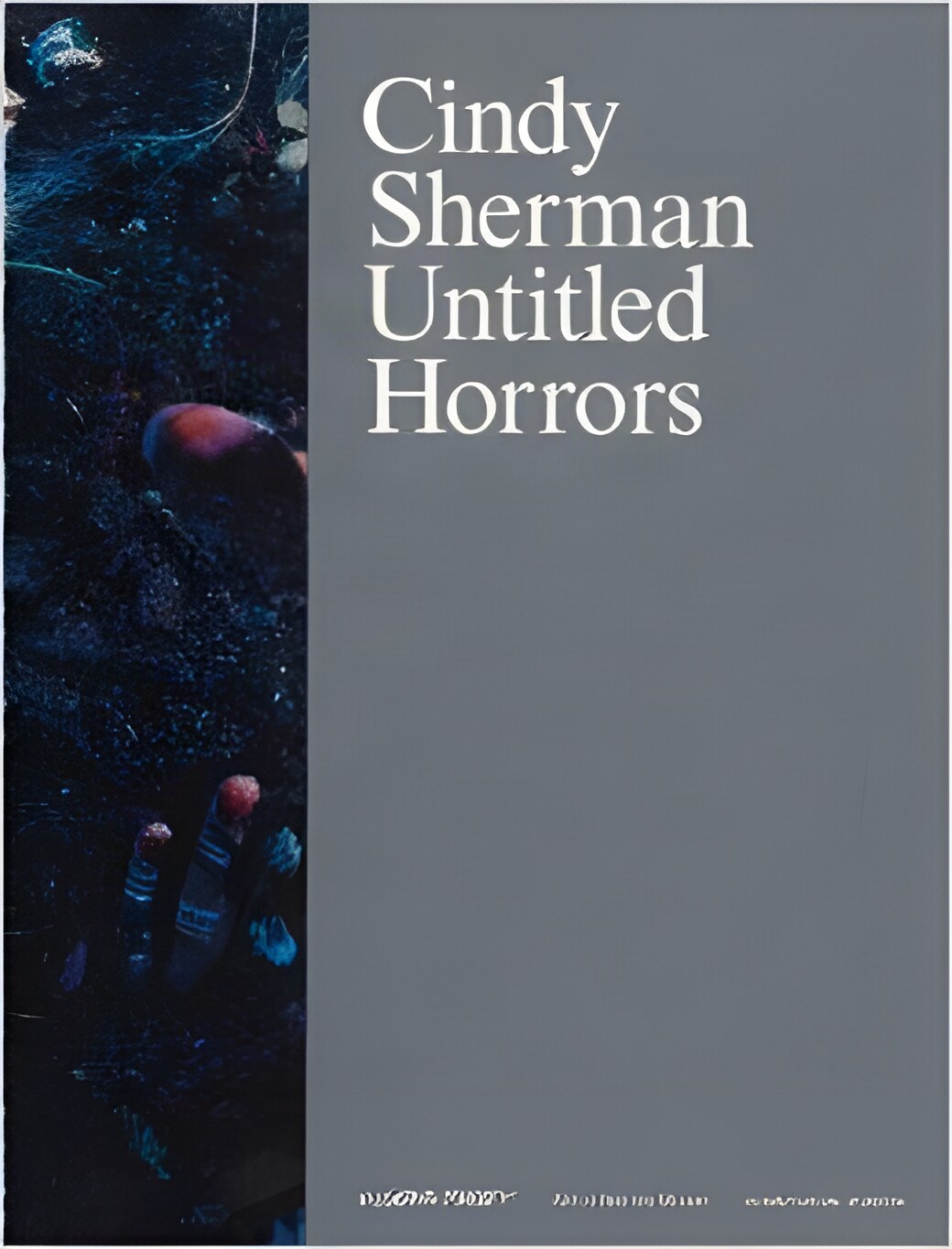
Softcover. Hatje Cantz, 1st, 2013, Book: Very Good, Dust Jacket: None, Like new in publisher's shrink-wrap. Softcover, 220 pages. Throughout her career, Cindy Sherman (born 1954) has been interested in exposing the darker sides of human nature, noticeable both in her selection of subject matter (fairytales, disasters, sex, horror, surrealism) and in her disquieting interpretations of well-established photographic genres, such as film stills, fashion photography and society portraiture. Delving relentlessly into the more grotesque extremes of delusion, vanity and self-image, Sherman probes deeply into the masks and distractions we all employ to set apart our public and our private personae, and challenges us to consider how bizarre and unconvincing our attempts at projecting a semblance of normality can be. Attracting a certain degree of notoriety, intense and ongoing public interest as well as extensive critical acclaim, Sherman's works continue to challenge and intrigue in equal measure. This richly illustrated publication deploys a selection of works from across her career to highlight and acknowledge these particular aspects of her art. These images are accompanied by more recent work, as well as essays from well-known authors, filmmakers and artists who likewise deal with the grotesque, the uncanny and the extraordinary in their practice.
Softcover. NY, The Museum of Modern Art, 1st, 2012, Book: Very Good, Dust Jacket: None, Softcover, 264 pages. 153 color illustrations and 102 duotone. Published to accompany the first major survey of Cindy Sherman's work in the United States in nearly 15 years, this publication presents a stunning range of work from the groundbreaking artist's 35-year career. Showcasing approximately 180 photographs from the mid-1970s to the present, including new works made for the exhibition and never before published, the volume is a vivid exploration of Sherman's sustained investigation into the construction of contemporary identity and the nature of representation. The book highlights major bodies of work including her seminal Untitled Film Stills (1977-80); centerfolds (1981); history portraits (1989-90); head shots (2000-2002); and two recent series on the experience and representation of aging in the context of contemporary obsessions with youth and status. An essay by curator Eva Respini provides an overview of Sherman's career, weaving together art historical analysis and discussions of the artist's working methods, and a contribution by art historian Johanna Burton offers a critical re-examination of Sherman's work in light of her recent series. A conversation between Cindy Sherman and filmmaker John Waters provides an enlightening view into the creative process.
Softcover. NY, The Museum of Modern Art, 1st, 2012, Book: Very Good, Dust Jacket: None, Softcover, 264 pages. 153 color illustrations and 102 duotone. Published to accompany the first major survey of Cindy Sherman's work in the United States in nearly 15 years, this publication presents a stunning range of work from the groundbreaking artist's 35-year career. Showcasing approximately 180 photographs from the mid-1970s to the present, including new works made for the exhibition and never before published, the volume is a vivid exploration of Sherman's sustained investigation into the construction of contemporary identity and the nature of representation. The book highlights major bodies of work including her seminal Untitled Film Stills (1977-80); centerfolds (1981); history portraits (1989-90); head shots (2000-2002); and two recent series on the experience and representation of aging in the context of contemporary obsessions with youth and status. An essay by curator Eva Respini provides an overview of Sherman's career, weaving together art historical analysis and discussions of the artist's working methods, and a contribution by art historian Johanna Burton offers a critical re-examination of Sherman's work in light of her recent series. A conversation between Cindy Sherman and filmmaker John Waters provides an enlightening view into the creative process.
Softcover. New York, Pantheon, 1st, 1984, Book: Very Good, Dust Jacket: None, Softcover, 197 pages, b&w and color photographs throughout. Light yellowing to edges of wrappers. Else a very clean, tight copy. 39 b&w and 50 color plates; 8.5 x 10.5 inches. An early retrospective of photographs by Cindy Sherman; introduction by Peter Schjeldahl; afterword by I. Michael Danoff.
Hardcover. Saint-Ouen FR, Editions Intervalles, 1st, 2007, Book: Very Good, Dust Jacket: None, Hardcover, 221 pages, b&w photographs, text in English and French. For more than twenty-five years, Xavier Lambours has portrayed those who made cinema a myth: actors (Robert De Niro, Clint Eastwood, Harvey Keitel, Sean Connery, Harrison Ford, Nicole Kidman, Liz Taylor), directors (Martin Scorsese, David Lynch, Orson Welles, Francois Truffaut, Wong Kar-Wai), screenwriters, cinematographers, set decorators; they all played the portrait game under the direction of this hugely talented eye.
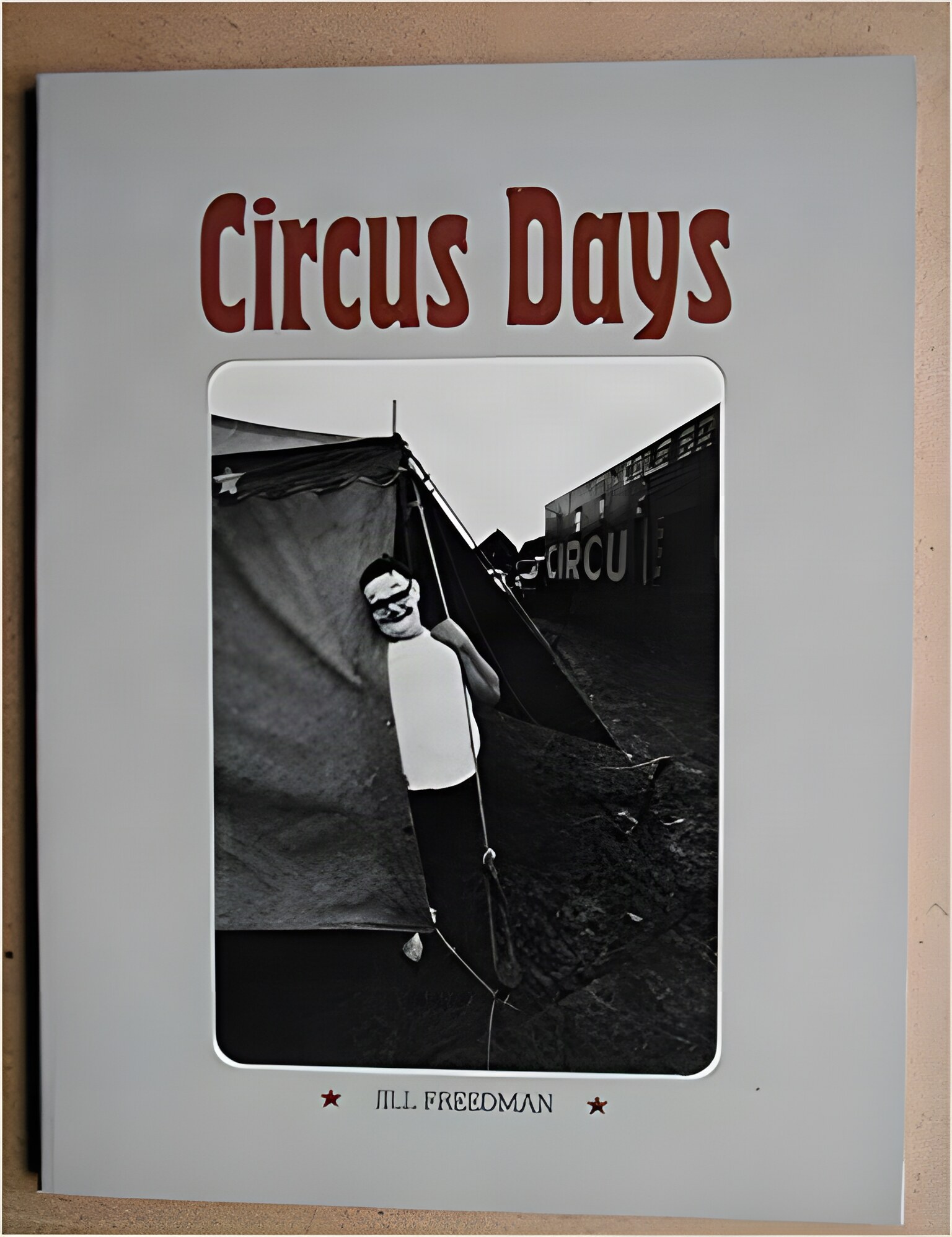
Softcover. NY, Harmony Books, 1st, 1975, Book: Very Good, Dust Jacket: None, Softcover, 128 pages. A photographic documentation of the Beatty-Cole Circus, recording and portraying the customs, activities, animals, and singular personalities of an endangered way of life. "I wanted to document the backstage everyday life of this ancient closed society and the people who live in it." Full-page b/w photos. Wrappers with light wear.
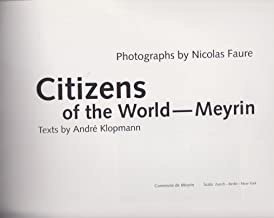
Hardcover. Scalo/DAP, 1st, 1995, Book: Very Good, Dust Jacket: Very Good, Hardcover, 159 pages. Color portraits of a community of immigrants living in Meyrin, a Swiss enclave near Geneva.
Princeton University Art Museum, 1st, 2017, Book: Very Good, Dust Jacket: Very Good, Hardcover, 408 pages. Clarence H. White (1871-1925) was one of the most influential art photographers and teachers of the early 20th century and a founding member of the Photo-Secession. This beautiful publication offers a new appraisal of White's contributions, including his groundbreaking aesthetic experiments, his commitment to the ideals of American socialism, and his embrace of the expanding fields of photographic book and fashion illustration, celebrity portraiture, and advertising. Based on extensive archival research, the book challenges the idea of an abrupt rupture between prewar, soft-focus idealizing photography and postwar "modernism" to paint a more nuanced picture of American culture in the Progressive era. The illustrations are well reproduced and comprehensive.
Hardcover. NY, Abrams, 1st, 2003, Book: Very Good, Dust Jacket: Very Good, Hardcover, 207 pages. Featuring a six-page gatefold and more than 160 photographs, a collection of the photographer's classic and previously unpublished works includes nostalgic post-war portraits as well as action shots of some of today's most popular players, in a volume complemented by commentary by a Pulitzer Prize-winning columnist.
Hardcover. Brooklyn NY, powerHouse Books, 1st, 2007, Book: Very Good, Dust Jacket: Very Good, Hardcover, 112 pages. Photographer Henry Horenstein presents his earliest photographs, made from 1970 to 1973: a collection of portraits of family and friends, landscapes, and period imagery. These photographs describe a time familiar to everyone, when one moves from adolescence to adulthood-remaining a part of a family while beginning to create a network of one's own.
Hardcover. Brooklyn NY, powerHouse Books, 1st, 2007, Book: Very Good, Dust Jacket: Very Good, Hardcover, 112 pages. Photographer Henry Horenstein presents his earliest photographs, made from 1970 to 1973: a collection of portraits of family and friends, landscapes, and period imagery. These photographs describe a time familiar to everyone, when one moves from adolescence to adulthood-remaining a part of a family while beginning to create a network of one's own.
Softcover. Los Angeles, J. Paul Getty Museum, 1st, 2004, Book: Very Good, Dust Jacket: None, Softcover, 118 pages. Like new in publishers shrink-wrap. A Siamese cat beneath a clothes line, three women with linked arms standing on the front lawn, a man drying his hands on a dish towel in front of the kitchen stove. These scenes are part of Close to Home and the accompanying the Getty Museum exhibition held from October 12, 2004 to January 16, 2005, which celebrate snapshots--"found" photographs by anonymous photographers--that capture everyday life in all of its joy, banality, and mystery. Taken between 1930 and the mid-1960s, these photographs, most of them in black-and-white, create an unpretentious portrait of suburban American life by untrained photographers whose images can be unexpectedly lyrical and moving.
Softcover. Los Angeles, J. Paul Getty Museum, 1st, 2004, Book: Very Good, Dust Jacket: None, Softcover, 118 pages. Like new in publishers shrink-wrap. A Siamese cat beneath a clothes line, three women with linked arms standing on the front lawn, a man drying his hands on a dish towel in front of the kitchen stove. These scenes are part of Close to Home and the accompanying the Getty Museum exhibition held from October 12, 2004 to January 16, 2005, which celebrate snapshots--"found" photographs by anonymous photographers--that capture everyday life in all of its joy, banality, and mystery. Taken between 1930 and the mid-1960s, these photographs, most of them in black-and-white, create an unpretentious portrait of suburban American life by untrained photographers whose images can be unexpectedly lyrical and moving.
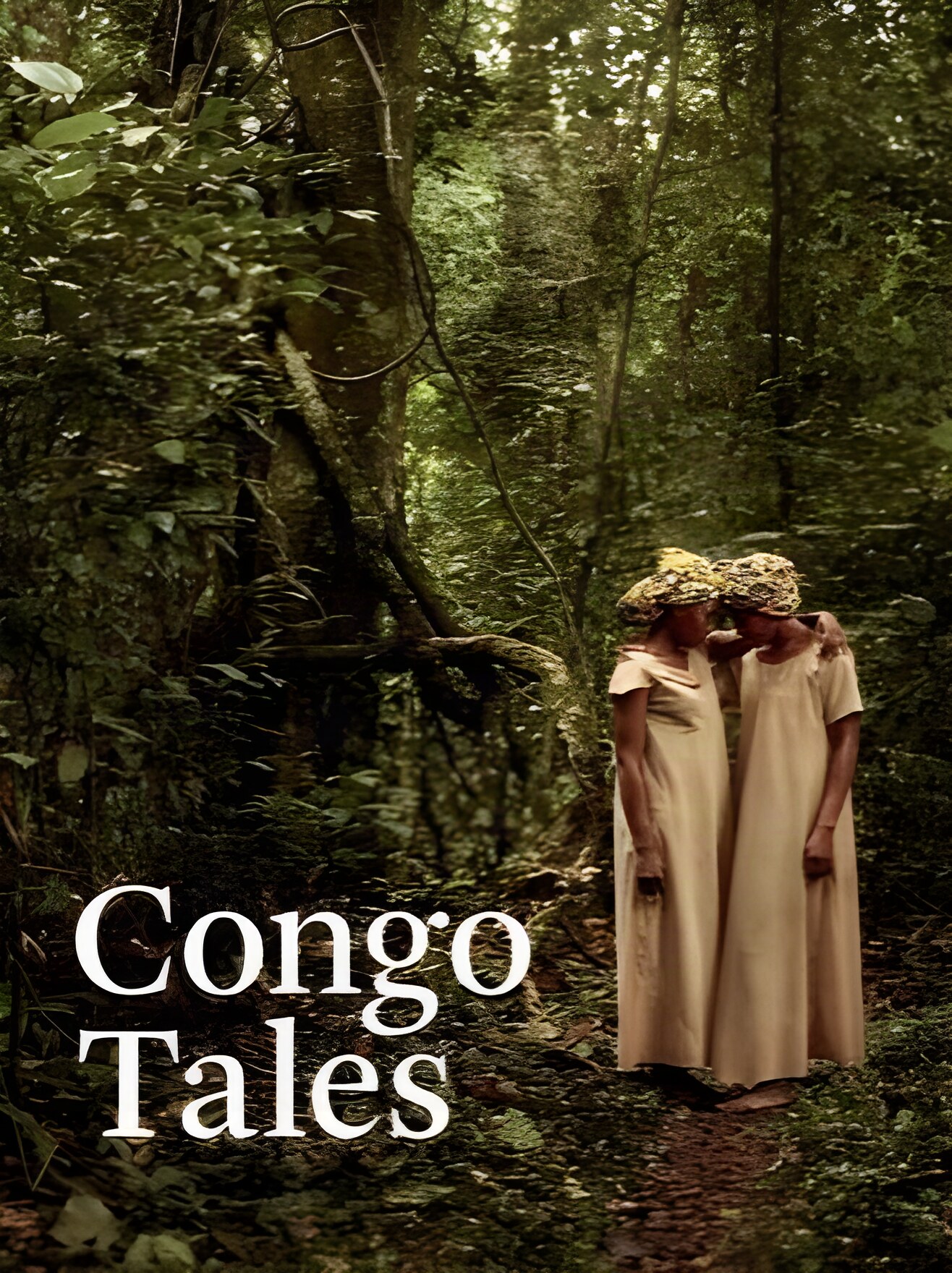
Hardcover. Munich, Prestel, 1st, 2018, Book: Very Good, Dust Jacket: None, Hardcover, pictorial boards, color and b&w photos. In this stunning photographic series, Pieter Henket presents images of the children of Odzala-Kokoua telling the oral history of the Congo in enchanting and creative ways. Shot over the course of a month, Henket documented the children of this remote region as they designed, planned, created costumes for, and acted out a series of myths - about their tribes, their landscape, and the animals and plants that they live among. Text in English and French. Clean, bright copy.
Softcover. US, ILR Press, 1st, 2009-08-06, Book: Very Good, Dust Jacket: None, Softcover, 142 pages, illustrated throughout in color. Clean, unmarked copy with only minor wear to wrappers. Since 2001, Candacy A. Taylor (a former waitress herself) has traveled more than 26,000 miles throughout the United States collecting stories of these "lifers," as many waitresses aged fifty or over playfully call themselves. She interviewed fifty-seven waitresses in thirty-eight towns and cities. Their compelling stories are complemented and enhanced by Taylor's striking color photographs of the waitresses at work.Taylor expected that the waitresses she'd meet would feel overworked and underappreciated, but was surprised and delighted to find that the opposite was true. The proud, capable waitresses Taylor interviewed loved their jobs and, even if given the opportunity, "wouldn't do anything else." Nearly all the waitresses said that the physical labor of waitressing helped them to age more gracefully and that the daily contact with customers and coworkers kept them socially engaged. Lifers generally make more money from serving regular customers with whom they forge bonds over decades and their seniority earns them respect from their coworkers and managers. Taylor's sensitive and respectful portrayal of career waitresses who have turned their jobs into a rewarding lifetime pursuit turns Counter Culture into an invaluable portrait of the continued importance of community in our changing society.
Softcover. New York, ILR Press, 1st, 2009, Book: Very Good, Dust Jacket: None, 170 pages. Softcover with light edgewear to wrappers. Color pictures throughout. "Career waitresses do more than just serve food. They are part psychiatrist, part grandmother, part friend, and they serve every walk of American life: from the retired and the widowed, to the wounded and the lonely, and from the working class to the wealthy. The classic diner waitress is an icon of American culture.... This book takes a moment to honor and recognize waitresses' contribution to our communities. Doing this project has helped me to redefine my perspective on life, work, and happiness. It has made me reevaluate the myth of the American dream that says you need to have an 'important' job to be happy."
Hardcover. London, Stacey International, 1st US, 2013, Book: Very Good, Dust Jacket: Very Good, 240 pages. Hardcover with dust jacket. Black and white photographs throughout. Clean, unmarked copy with only minor wear to dust jacket. A treasury of aristocratic photography from the 1850s to 1930s. England's leisured and affluent upper classes made an art form of their new picture-taking toy, creating intimate portraits of stunning beauty. Includes previously unpublished photographs discovered in dusty corners and attics of Britain's grandest houses.
Softcover. NY, Crown, 1st wraps, 1995, Book: Very Good, Dust Jacket: None, Softcover, Black & white photos by Farley. 160 pages. "Farley has gathered these portraits of cowgirls - not showbiz cowgirls, but the real thing. Her subjects work in harsh, unpredictable climates, bring up families while they manage their ranches, and compete - and win - in rodeos alongside men. Her black-and-white photographs capture the spirit and energy of authentic working cowgirls and the raw beauty of the western landscape." Oblong format.
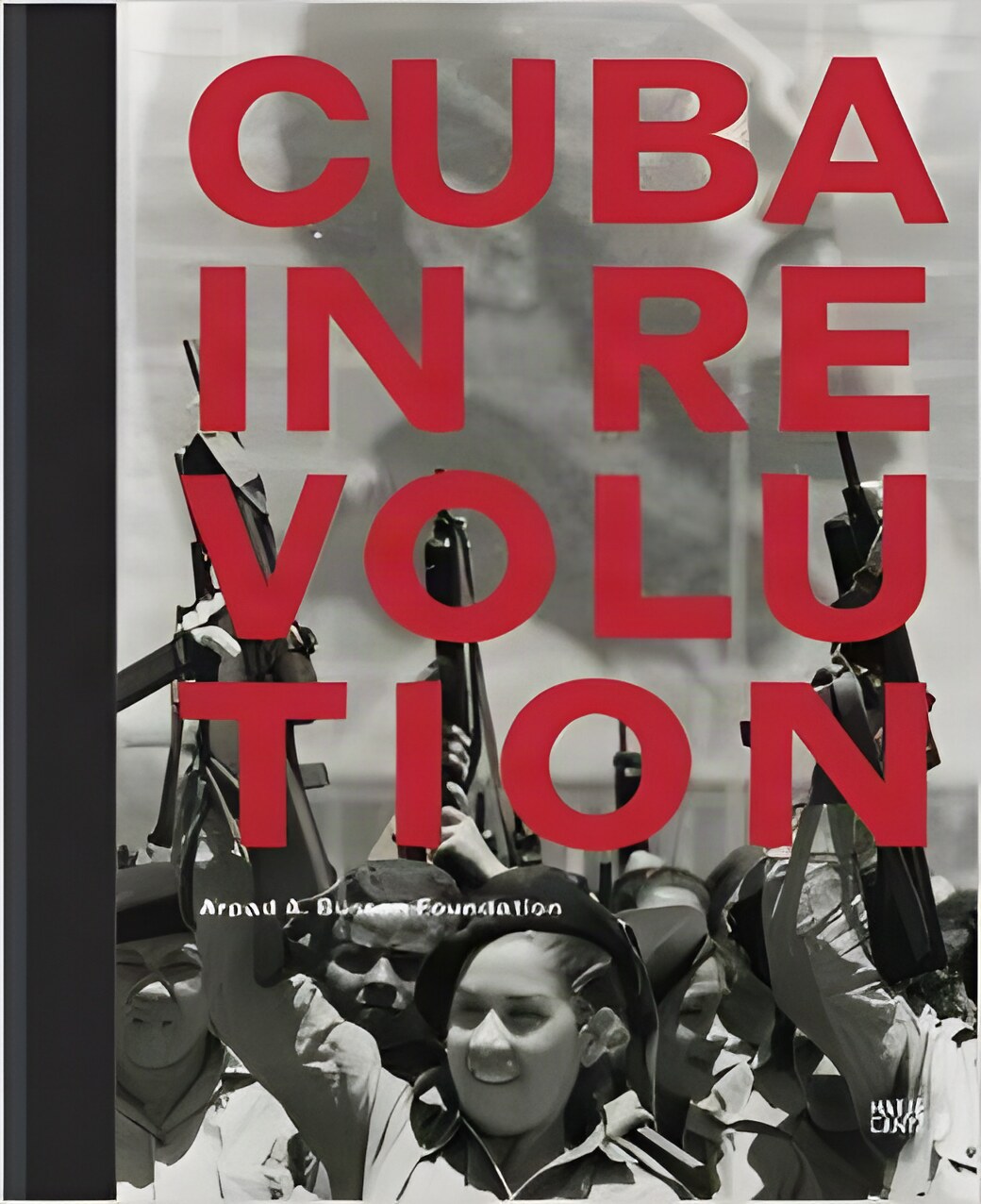
Hardcover. Hatje Cantz, 1st, 2014, Book: Very Good, Dust Jacket: Very Good, 511 pages. Clean, unmarked copy in excellent condition. From the earliest days of the Cuban Revolution, the Revolutionary High Command was intensely aware of the power of the photographic image to advance the ideals of the Revolution, at home and abroad. If portraying the human side of its leaders was an important part of the Revolution's visual ideology, so too was its conception and depiction of the Cuban populace: as early as 1959, the High Command organized mass rallies in Havana assembling more than a million Cubans from throughout the island to celebrate the victory of the Revolution. Cuba in Revolution captures the complexity and the energy of this moment in all its contradictory beauty. It gathers a colossal array of photographs by both known and anonymous photographers into five thematic, chronologically overlapping sections: "Pre-Revolutionary Cuba: 1933-1959"; "The Years of Struggle and Victory: 1953-1957"; "Sierra Maestra: The Revolutionary Movement: 1956-1959"; "Bay of Pigs 1961"; and "Picturing the Revolution: 1959-1968." From Constantino Arias' portraits of poverty and wealth in pre-revolutionary Havana to the photographs of the dead Che Guevara in Bolivia, this volume offers an epic photo-narrative of the Cuban story. Iconic pictures of Che Guevara by Alberto Korda and Rene Burri are complemented by snapshots of Fidel Castro playing golf or hunting in the Soviet Union. Raul Corrales' pictures of revolutionaries playing the conga drums during the Cuban Missile Crisis also reveal a different face of the Revolution; portraits of individual Cubans by Henri Cartier-Bresson present an equally fluid vision of everyday life in Cuba; and the political and the personal merge in startlingly intimate portraits of Che Guevara by Andrew Saint-George and images of the forbidden pop culture of the mid-1960s by Jose Figueroa. Throughout the publication there is an exhilarating tension between the heroic portrayal of the leaders-Castro, Guevara and Cienfuegos-and the dramatic portrayal of a people in the midst of revolutionary transformation.

 "Chuck Close: A Couple of Ways of Doing Somethingby: Close, Chuck (Artist) Bob Holman , et al.")
 "Chuck Close: A Couple of Ways of Doing Somethingby: Close, Chuck (Artist) Bob Holman , et al.")
 "Chuck Close: Workby: Finch, Christopher")
 "Cindy Sherman Retrospectiveby: Amanda Cruz, Amelia Jones, et al.")


 "Cindy Shermanby: Sherman, Cindy")


 "Cinemaby: Lambours, Xavier (Photographer)")
 "Clarence H. White and His World: The Art and Craft of Photography, 1895-1925by: McCauley, Anne")
 "Classic Baseball: The Photographs of Walter Iooss Jr.by: Dave Anderson and Walter Iooss Jr.")
 "Close Relationsby: Horenstein, Henry")
 "Close Relationsby: Horenstein, Henry")
 "Close to Home: An American Album by: Waldie, D.")
 "Close to Home: An American Albumby: Waldie, D.")
 "Counter Culture: The American Coffee Shop Waitressby: Taylor, Candacy A.")
 "Counter Culture: The American Coffee Shop Waitressby: Taylor, Candacy A.")
 "Country House Cameraby: Sykes, Christopher Simon")
 "Cowgirls - Contemporary Portraits of the American Westby: Farley, Ronnie")