Hardcover. New York , HarperCollins, 1st us, 1976, Book: Very Good, Dust Jacket: Good, 224 pages. Hardcover. Color photographs. sun fading on spine, otherwise with only minor wear to dust jacket. Clean, unmarked copy. This book is Leni Riefenstahl's second opus on Sudan's Nuba People (Die Nuba von Kau, 1976, followed her first book The Last of the Nuba / Die Nuba, first German ed.,1973). It is a classic and laandmark in 20th century ethnographic photography. Translated from the German by J. Maxwell Brownjohn. DUE TO WEIGHT, This is a heavy and oversized book and will require extra shipping. International customers please ask for a shipping quote before purchasing.
Hardcover. NY, powerHouse Books, 1st, 2006, Book: Very Good, Dust Jacket: Very Good, Hardcover, 127 pages. Lili Almog's color photos taken at three Carmelite monasteries (of nuns) are revealing of their faith.. The sisters showing their distinctive profession crucifixes (normally worn hidden under their scapulars, and pinned to their beds when they go to sleep) are revealing their personal symbols of "perfect intimacy." And the statues and/or holy cards of our holy mother St. Teresa, our holy father St. John of the Cross, St. Therese, and St. Joseph make Carmelites feel right at home. The monasteries are also significant: they are on Mt. Carmel (Haifa) and in Bethlehem--founded by Sister Miriam, "the little Arab"; and in Port Tobacco, Maryland, whose community is the oldest and first Discalced Carmelite convent founded in the US. The spartan surroundings emphasize the importance of the nuns' relationship with God. The photos of the sisters revealing their profession crucifixes, which they wear near their hearts and pin to their beds when going to sleep, I found especially moving. Almog's photos are neither stilted nor rigid, but reminiscent of the photos that St. Therese's sister Celine took of her! The quotations from Blessed Teresa of the Andes are very apt comments on the photos.
Hardcover. Middlebury VT, PhotoPlace Gallery, 1st, 2012, Book: Very Good, Dust Jacket: Very Good, Hardcover in a bright dust jacket. A collection of 75 portraits in color and b&w chosen by Frank Goodyear, Associate Curator at the National Portrait Gallery. Clean copy.
Hardcover. Livingston MT, Clark City Press, 1st, 1992, Book: Very Good, Dust Jacket: Very Good, Hardcover, 250 B&w photographs of Hollywood stars & lifestyles by one of Life magazine's original photographers. "A collection of portraits by one of the original four Life photographers features candid, offscreen shots of such Hollywood stars as Errol Flynn, Greer Garson, Alfred Hitchcock, young Elizabeth Taylor, and Orson Welles."
Hardcover. Livingston MT, Clark City Press, 1st, 1992, Book: Very Good, Dust Jacket: Very Good, Hardcover, 250 B&w photographs of Hollywood stars & lifestyles by one of Life magazine's original photographers. "A collection of portraits by one of the original four Life photographers features candid, offscreen shots of such Hollywood stars as Errol Flynn, Greer Garson, Alfred Hitchcock, young Elizabeth Taylor, and Orson Welles."
Hardcover. Santa Fe, Twin Palms Pub, 1st, 2008, Book: Very Good, Dust Jacket: None, Hardcover, 60 pages. Clean, unmarked copy with only minor wear to dust jacket. Close to 30 full-page color portraits of phone sex "operators" in the intimate setting of their own homes with comments from each on their work.
Hardcover. Santa Fe, Twin Palms Pub, 1st, 2008-12-03, Book: Very Good, Dust Jacket: None, Hardcover, 60 pages. Clean, unmarked copy with only minor wear to dust jacket. Close to 30 full-page color portraits of phone sex "operators" in the intimate setting of their own homes with comments from each on their work.
Softcover. New York, Rizzoli , 1st, 1995, Book: Good, Dust Jacket: None, Non-paginated. Softcover. B&w and color photographs throughout. Binding cracked between two pages. Otherwise clean, tight copy.
Hardcover. Princeton NJ, Princeton University Press, 1st , 1994, Book: Very Good, Dust Jacket: Very Good, Hardcover, 334 pages. Extensive b&w and color photography throughout. Extensive photo documentation and bibliography. Clean, unmarked copy with only minor wear to jacket.
Hardcover. Albuquerque, University of New Mexico Press, 1st, 2002, Book: Very Good, Dust Jacket: Very Good, Hardcover, 224 pages,97 b&w photographs taken by Collier between 1948 and 1953, with map, and text by Benally. Never opened, still in original shrink wrap.
Hardcover. London, Thames and Hudson, 1st, 1989, Book: Very Good, Dust Jacket: Very Good, Hardcover in a bright dust jacket, green cloth, gilt lettering, 144 pages. Discovered in Paris in 1987, these 80 color and 30 b&w photographs, taken about 1910-14, are artistic studies of the expressionist Russian writer, his family and friends, his home, and the countryside around St. Petersburg. Includes a biographical essay and a review of the Lumiere autochrome photographic process. Mild wear to top of dj spine, otherwise a clean, tight copy.
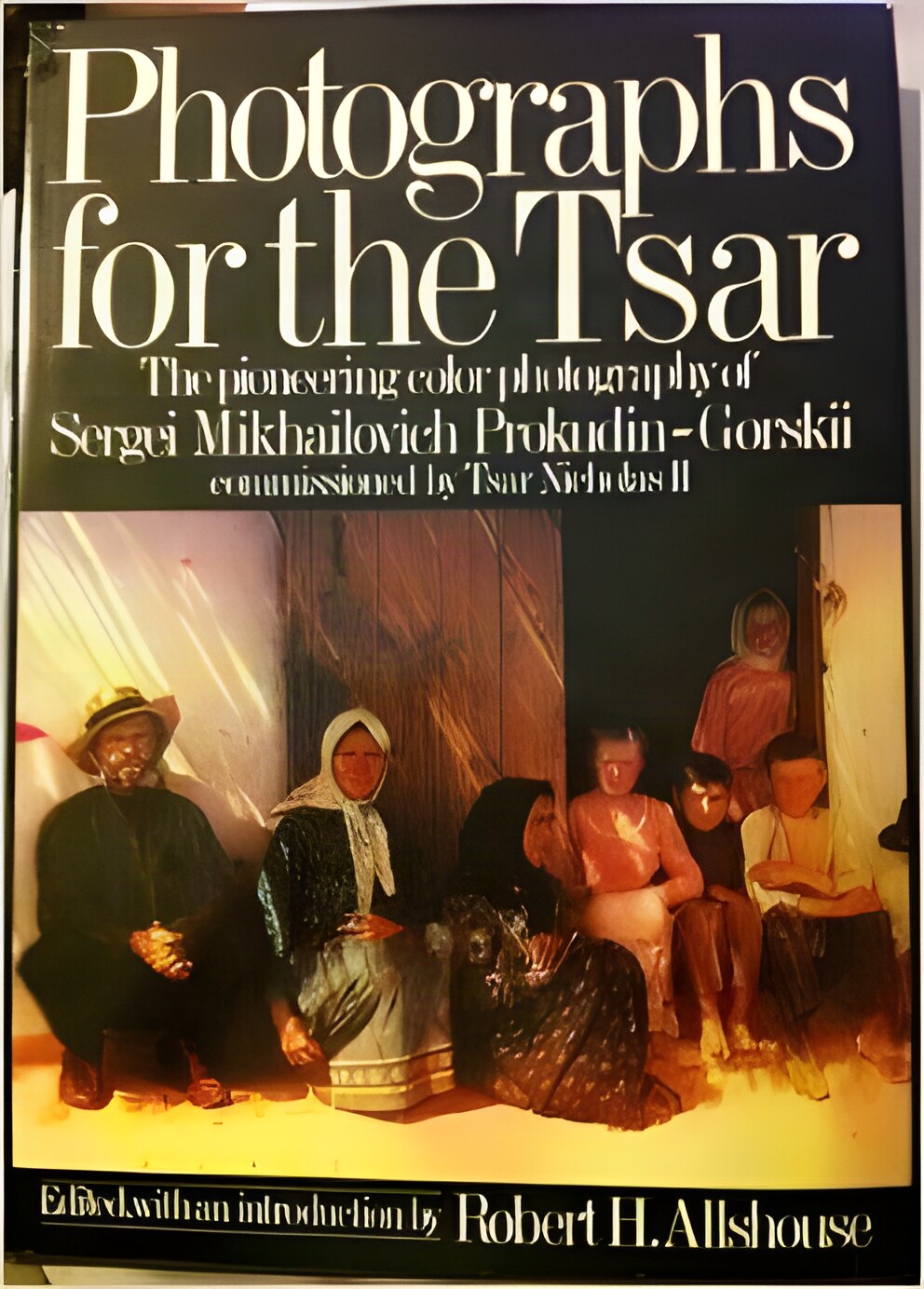
Hardcover. Dial Press, 1st, 1980, Book: Very Good, Dust Jacket: Very Good, 216 pages. Hardcover. Color photographs. Clean, unmarked copy in excellent condition with minor wear to dust jacket. Sergei Prokudin-Gorskii was a chemist and photographer commissioned by Tzar Nicholas II to photograph as much of the Russian Empre as possible in color. Prokudin-Gorskii used three color separations for his photos and as a result some pictures are astoundingly sharp and brilliantly colored, and some the colors are out of register slightly. That's irrelevant, because the photos are spectacular and show the Russian Empire from end to end on the eve of its collapse.
Hardcover. Germany, Steidl, 1st, 2015, Book: Very Good, Dust Jacket: None, 288 pages. Hardcover with no dust jacket. Very clean, unmarked copy still in publishers shrink-wrap. Photographs of President Abraham Lincoln spanning over 20 years. Tight copy.
Hardcover. Boston, J. Paul Getty Museum, 1st, 2012, Book: Very Good, Dust Jacket: Very Good, 112 pages. Hardcover with dust jacket. Very clean, unmarked copy with only minor edgewear. Featuring eighty-seven photographs, all drawn from the collection of the J. Paul Getty Museum, that span nearly 150 years of image making.
Hardcover. Boston, J. Paul Getty Museum, 1st, 2011, Book: Very Good, Dust Jacket: Very Good, 112 pages. Hardcover with dust jacket. Very clean, unmarked copy still in publishers shrink-wrap. Photography as Fiction includes seventy-six color plates illustrating works from the J. Paul Getty Museum's collection that embrace theatricality and are unconcerned with documenting the world as it exists.
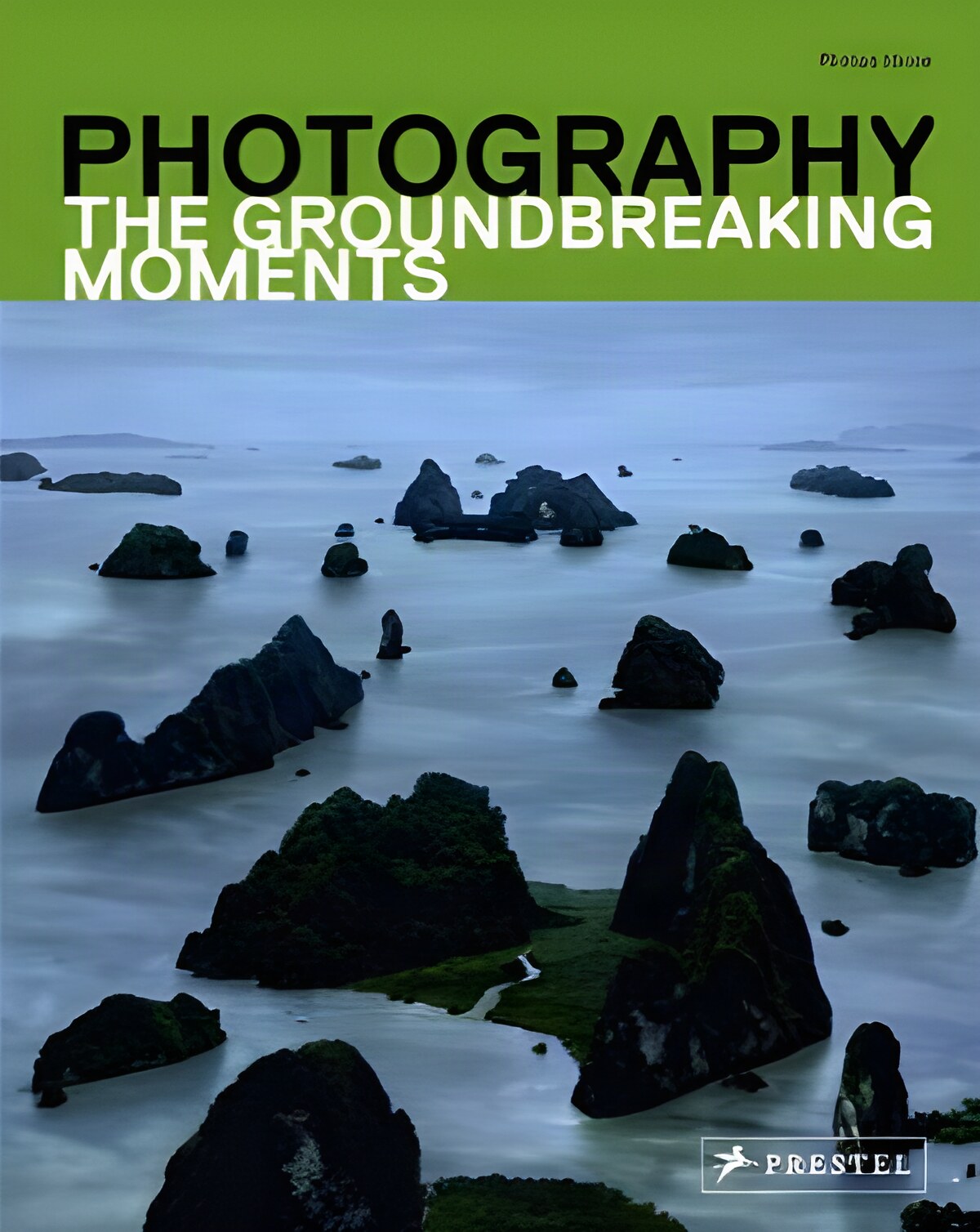
Softcover. Munich , Prestel, 1st, 2012, Book: Very Good, Dust Jacket: None, Softcover, 192 pages. Chronologically arranged, each chapter focuses on a particular work or idea that changed the course of photography. Presented in beautiful spreads and with informative text, the book opens with photography's genesis in the form of the camera obscura. Centuries later, Daguerre, Niepce, and Talbot invented their own means of capturing light on paper. The book covers groundbreaking genres such as still life, landscape, portraiture, and nudes. Sections on the role of photography in journalism illustrate how the camera's presence on battlefields, on city streets, and in factories helped inform and reform the modern world. Fashion, animals, Surrealism, and staged portraits are also explored. Perfect for perusing or reading from cover to cover, this book illustrates how photography developed from a concept to a world-changing force--one that attempted to shed light on truth yet can also obscure and alter reality in dazzling ways. Clean copy.
Hardcover. Prestel Publishing, 1st, Book: Very Good, Dust Jacket: Very Good, Hardcover in a bright dust jacket, 576 pages. Unlike many other artistic media, photographys origins are well documented, as are its ever-changing technologies and applications. Written by an international team of experts, this definitive history of photography looks at every step of the fields dynamic evolution, period by period and movement by movement. Each key genre is chronologically presented within its social, economic, and political context, along with close analysis of specially selected works that best exemplify the characteristics of the period. With more than 500 gorgeous examples in black and white and color, the book explores in-depth virtually every aspect of the medium since its first public demonstration in 1839 to the latest innovations: from early portraits and the birth of photojournalism to travel photography and the mapping of the world; from the Pictorialists to the avant-garde; from celebrity and fashion to documentary and landscape. Along the way readers will learn why some photographs are considered iconic, and why the medium as an art form continues to challenge and enthrall us. DUE TO WEIGHT, DOMESTIC SHIPPING ONLY.
Hardcover. NY, Harper & Row, 1st, 1961, Book: Very Good, Dust Jacket: Good, Hardcover in a worn, chipped dust jacket, 270 pages. David Duncan was an accomplished photojournalist who covered World War II and the Korean War. He later joined Life magazine. He was a close friend of Picasso and was the only person allowed to photograph Picasso's private collection. Issued for the 80th birthday of the artist, the book is a recollection of Picasso's work between 1895-1960. The photographic reportage was shoot by Duncan in Villa La Californie in Cannes on the French Riviera, where Picasso was living with his wife Jacqueline. The book contains many illustrations, tipped in color plates, photographs of Picasso, and black and white illustrations, the text is reach of anecdotes and presents a fine portrait of Picasso's life through his work and time. Clean, no markings. DUE TO WEIGHT, DOMESTIC SHIPPING ONLY.
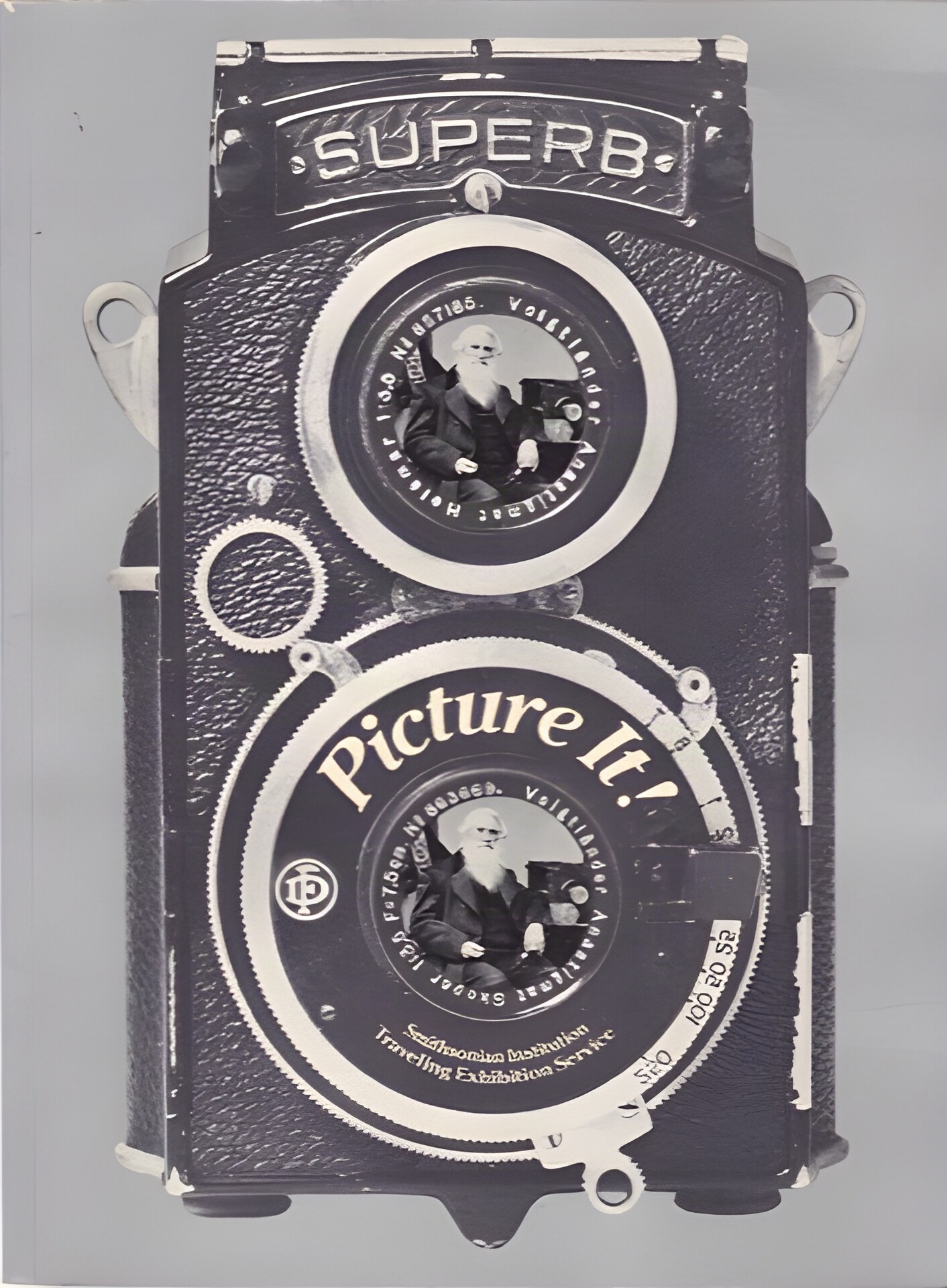
Softcover. Washington DC, Smithsonian Institute, 1st, 1981, Book: Very Good, Dust Jacket: None, Softcover, 95 pages, b&w illustrations. Originally conceived to accompany the exhibition, Photographs from the National Portrait Gallery. Presents the development of photography accompanied by portraits illustrating various photographic techniques. Includes suggestions for organizing and maintaining a collection of prints. Clean copy.
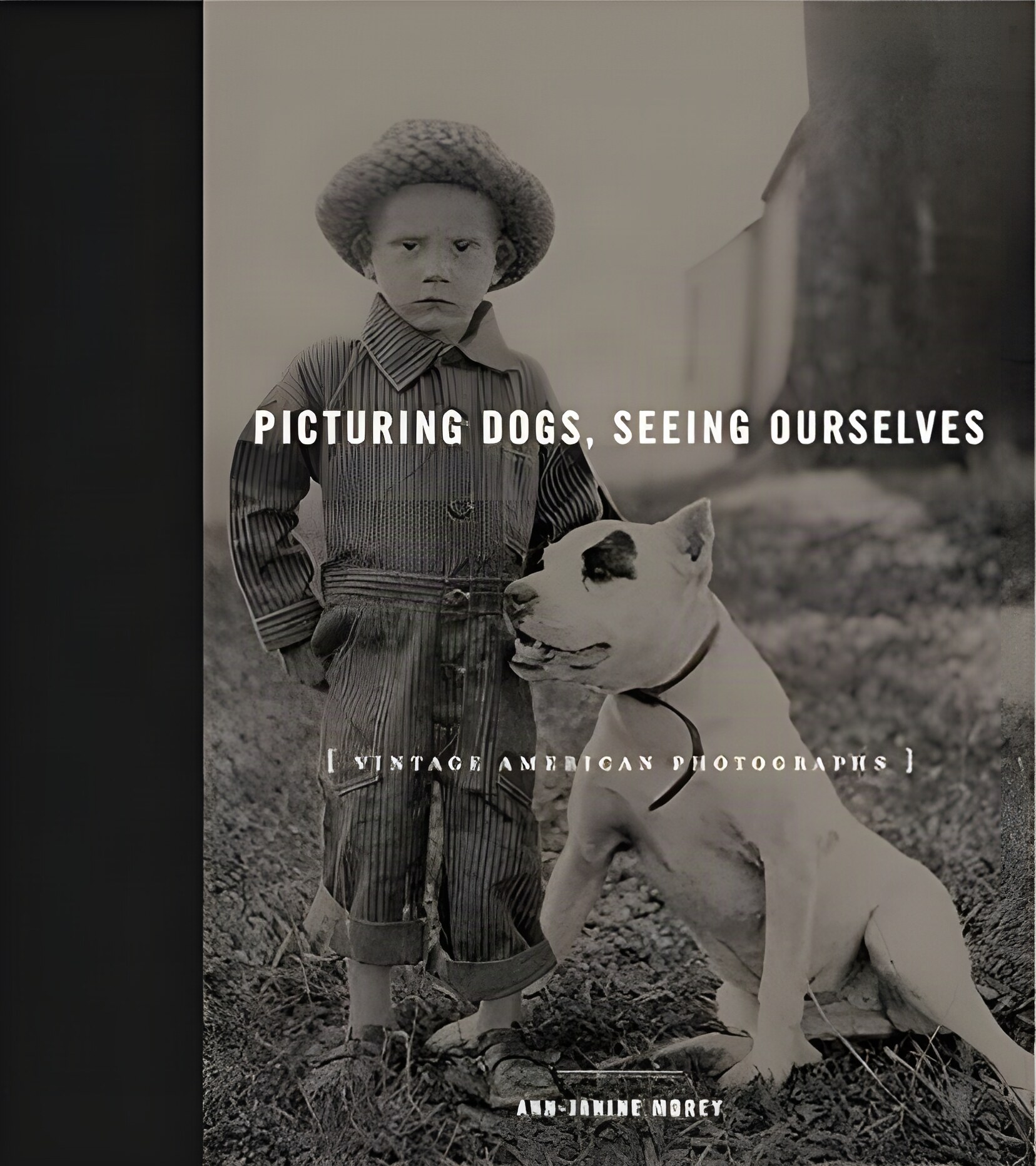
Hardcover. University Park PA, Penn State Press, 1st, 2014, Book: Very Good, Hardcover. Dogs are as ubiquitous in American culture as white picket fences and apple pie, embracing all the meanings of wholesome domestic life--family, fidelity, comfort, protection, nurturance, and love--as well as symbolizing some of the less palatable connotations of home and family, including domination, subservience, and violence. In Picturing Dogs, Seeing Ourselves, Ann-Janine Morey presents a collection of antique photographs of dogs and their owners in order to investigate the meanings associated with the canine body. Included are reproductions of 115 postcards, cabinet cards, and cartes de visite that feature dogs in family and childhood snapshots, images of hunting, posed studio portraits, and many other settings between 1860 and 1950. These photographs offer poignant testimony to the American romance with dogs and show how the dog has become part of cultural expressions of race, class, and gender. Still in publisher's shrink wrap.
Hardcover. Washington DC, Smithsonian, 1st, 2003, Book: Very Good, Dust Jacket: Very Good, Hardcover, 260 pages. Working for the government's Farm Security Administration in the 1930s, photographers set out across the country to capture the human face of the Depression. Walker Evans' portraits of sharecroppers and Dorothea Lange's images of migrant families today stand as the most popular images from the FSA's project. Yet, in their own time, the pictures functioned as urgent, powerful reminders that one-third of the nation was in a real crisis. Focusing on these and other well-known FSA photographs, Finnegan examines how popular magazines constructed complex and often contradictory messages about poverty. Picturing Poverty also explores a moment in American history when visual images took center stage as the nation struggled with economic, political, and social strife. By striving to understand the original context of the photographs, Finnegan shines new light on the meanings of poverty, the Depression, and the various roles of the media. At once a persuasive analysis of FSA images and a balanced commentary on the role of the media, Picturing Poverty is above all a look into the difficult issue of how the mass media presents social issues to Americans.
Hardcover. New York, Aperture , 1st, 2001, Book: Very Good , Dust Jacket: Very Good, Hardcover, 144 pages, B&W photos. In original shrink wrap. For almost sixty years Pirkle Jones has chronicled the people, politics, and landscape of Northern California-a "promised land" which has long held sway in the American cultural imagination. Within the confines of that locale, he has unearthed a universe of beauty and meaning, photographing everything from flea-market finds to some of the most important American social movements of the second half of the twentieth century. Operating primarily within a social-documentary framework, Jones has made images characterized by sensitivity and acute observation. With uncanny prescience, a sense of urgency, and a sympathetic eye, Jones often plays the dual roles of artist and witness, combining portraiture, landscapes, and architectural photographs to create thorough documents of social structure and upheaval. Among the photo-essays included in Pirkle Jones: California Photographs are a compassionate and controversial piece on the Black Panther Party in the San Francisco Bay Area, Jones's portraits of the Sausalito houseboat community known as Gate 5, and a notable 1956 photo-essay done in collaboration with Dorothea Lange photographing the destruction and dislocation of the Berryessa Valley before it was flooded on completion of the Monticello Dam. Produced as a single issue of Aperture magazine in 1960 under the name "Death of a Valley", this essay remains a powerful testament to the price of progress. The book also includes Jones's work from the last few decades, in which he shifted his focus to an extended series of elegant, contemplative landscapes. A biographical essay by curator Tim B. Wride frames Jones and his work within the context of photographic history, the people he collaborated with-including Ansel Adams as well as Lange-and the great scope of Californian life.
Softcover. Princeton Architectural Press, 1st, 2005, Book: Very Good, Dust Jacket: None, Softcover, 160 pages. The blue plate special, meatloaf, a cheeseburger deluxe, a milkshake in a frosty mixing canister, a hot cup of joe--all served by a friendly face in a well-lighted aluminum tube. Such are the special joys of the American diner. And it was just these pleasures that photographer Stephan Schacher set out to document when he left New York on a journey through North America that would test both his stomach and his resolve. Schacher's mission: to feed his hunger only at diners, and to photograph both his meal and his server every time. The result is a unique and deeply human story--quirky and nostalgic and generous--of one man's quest to discover North America's diner culture and his own place in it. Traveling from a Jersey diner to the Canadian Rockies to a shoreside clambake shack on the Pacific Ocean, Schacher's culinary adventure is documented here with a wealth of visual materials. The author's arresting photographs of succulent steaks and greasy fries, of smiling waitresses in uniforms or jeans, and brightly colored plastic dishes and table mats are supplemented by maps showing the photographer's route across the continent.
Softcover. New York, Princeton Architectural Press, 1st, 2005, Book: Very Good, Dust Jacket: None, 160 pages, color plates throughout. The blue plate special, meatloaf, a cheeseburger deluxe, a milkshake in a frosty mixing canister, a hot cup of joe--all served by a friendly face in a well-lighted aluminum tube. Such are the special joys of the American diner. And it was just these pleasures that photographer Stephan Schacher set out to document when he left New York on a journey through North America that would test both his stomach and his resolve. Schacher's mission: to feed his hunger only at diners, and to photograph both his meal and his server every time. The result is a unique and deeply human story--quirky and nostalgic and generous--of one man's quest to discover North America's diner culture and his own place in it. Traveling from a Jersey diner to the Canadian Rockies to a shoreside clambake shack on the Pacific Ocean, Schacher's culinary adventure is documented here with a wealth of visual materials. The author's arresting photographs of succulent steaks and greasy fries, of smiling waitresses in uniforms or jeans, and brightly colored plastic dishes and table mats are supplemented by maps showing the photographer's route across the continent.


 "Perfect Intimacyby: Lili Almog")
 "Personal Portraitsby: Kirsten Hoving/Rick Clark")
 "Peter Stackpole: Life in Hollywood, 1936-1952by: Stackpole, Peter")
 "Peter Stackpole: Life in Hollywood, 1936-1952by: Stackpole, Peter")
 "Phonesexby: Toledano, Phillip")
 "Phonesexby: Toledano, Phillip")
 "Photodiaryby: Goldsmith, Lynn")
 "Photograph and the American Indian, Theby: Bush, Alfred L. and Lee Clark Mitchell")
 "Photographing Navajos: John Collier Jr. on the Reservation, 1948-1953by: Doty C. Stewart; Dale Sperry Mudge & Herbert John Benally")



 "Photographs of Abraham Lincoln, Theby: III., Philip Kunhardt (Preface)")
 "Photography and Playby: Garcia, Erin C.")
 "Photography as Fictionby: Garcia, Erin C.")



 "Picturing Poverty: Print Culture and FSA Photographsby: Cara A. Finnegan")
 "Pirkle Jones - California Photographs 1935-1982by: Jones, Pirkle")

 "Plates and Dishes: The Food and Faces of the Roadside Dinerby: Schacher, Stephan")