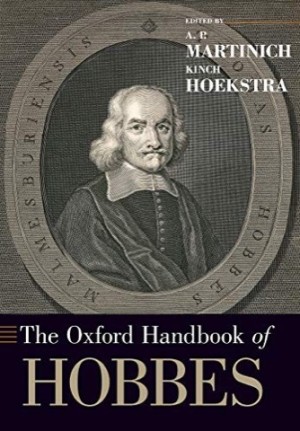
Softcover. NY, Oxford University Press, 1st pbk., 2020, Book: Very Good, Dust Jacket: None, Softcover, 649 pages. Collects twenty-six newly commissioned, original chapters on the philosophy of the English thinker Thomas Hobbes (1588-1679). Best known today for his important influence on political philosophy, Hobbes was in fact a wide and deep thinker on a diverse range of issues. The chapters included in this Oxford Handbook cover the full range of Hobbes's thought--his philosophy of logic and language; his view of physics and scientific method; his ethics, political philosophy, and philosophy of law; and his views of religion, history, and literature. Several of the chapters overlap in fruitful ways, so that the reader can see the richness and depth of Hobbes thought from a variety of perspectives. The contributors are experts on Hobbes from many countries, whose home disciplines include philosophy, political science, history, and literature.
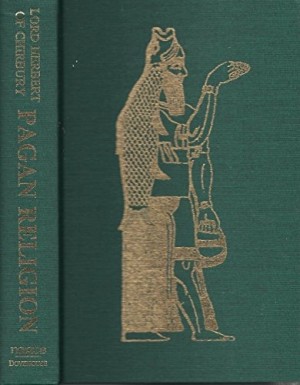
Hardcover. Ottawa CAN, Dovehouse Editions, reprint, 1996, Book: Very Good, Dust Jacket: None, Hardcover, green cloth stamped with gilt lettering on spine and decoration to front cover. 379 pages. Originally written in 1645 by the author who was also known as Lord Herbert of Chirbury. Herbert's major work is the De veritate, prout distinguitur a revelatione, a verisimili, a possibili, et a falso](On Truth, as It Is Distinguished from Revelation, the Probable, the Possible, and the False). He published it on the advice of Grotius. In the De veritate Herbert produced the first purely metaphysical treatise, written by an Englishman. Herbert's real claim to fame is as the father of English Deism. The common notions of religion are the famous five articles, which became the charter of the English deists. Name, light pencil notations to front endpaper and about a dozen pages.
Hardcover. Princeton NJ, Princeton University Press, 1st, 2015, Book: Very Good, Dust Jacket: Very Good, Hardcover in a bright dust jacket, 354 pages. From the turn of the fifth century to the beginning of the eighteenth, Christian writers were fascinated and troubled by the "Problem of Paganism," which this book identifies and examines for the first time. How could the wisdom and virtue of the great thinkers of antiquity be reconciled with the fact that they were pagans and, many thought, damned? Related questions were raised by encounters with contemporary pagans in northern Europe, Mongolia, and, later, America and China. Pagans and Philosophers explores how writers-philosophers and theologians, but also poets such as Dante, Chaucer, and Langland, and travelers such as Las Casas and Ricci-tackled the Problem of Paganism. Augustine and Boethius set its terms, while Peter Abelard and John of Salisbury were important early advocates of pagan wisdom and virtue. University theologians such as Aquinas, Scotus, Ockham, and Bradwardine, and later thinkers such as Ficino, Valla, More, Bayle, and Leibniz, explored the difficulty in depth. Meanwhile, Albert the Great inspired Boethius of Dacia and others to create a relativist conception of scientific knowledge that allowed Christian teachers to remain faithful Aristotelians. At the same time, early anthropologists such as John of Piano Carpini, John Mandeville, and Montaigne developed other sorts of relativism in response to the issue. Clean copy.
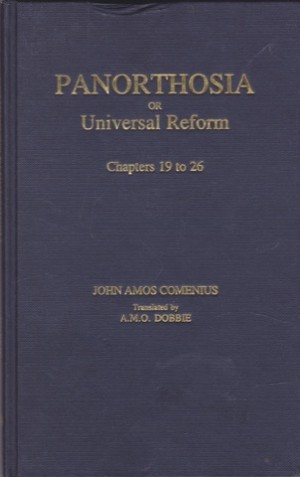
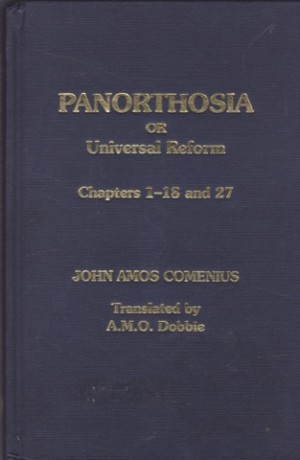
Hardcover. UK, Sheffield Academic Press, 1st, 1995, Book: Very Good, Dust Jacket: None, Hardcover, black cloth with gilt lettering, 167 pages. Panorthosia (Universal Reform) is the essential theme of John Amos Comenius's famous Consultation on the Reform of Human Affairs, and chapters 19-26 represent its climax. In this volume is presented the first English translation of this major work of Comenius, which was lost from about 1672 until 1934 when the Latin scholars of Czechoslovakia had it edited for publication in Prague in 1960. Clean copy.
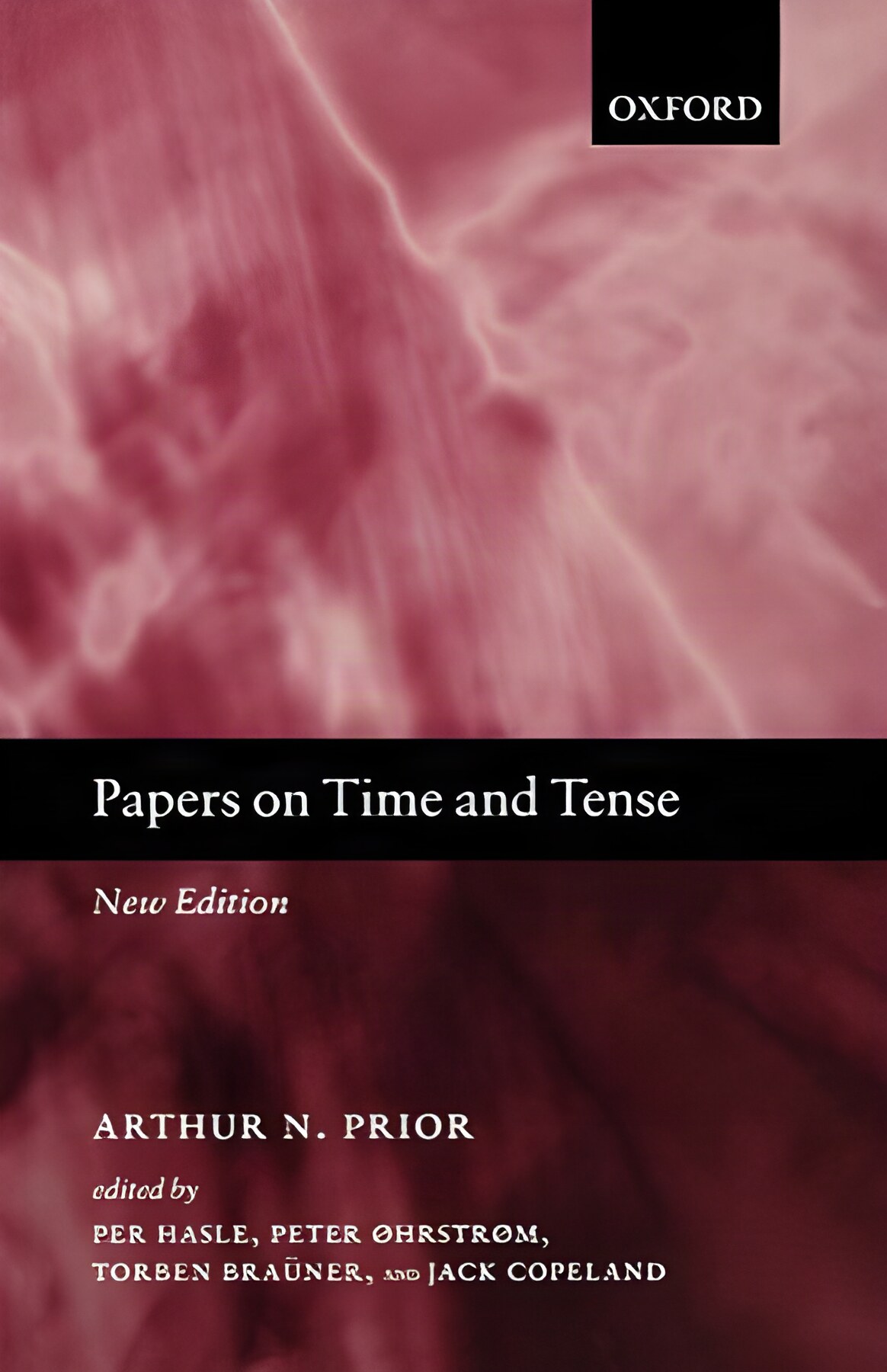
Softcover. UK, Oxford University Press, reprint, 2010, Book: Very Good, Dust Jacket: None, Softcover, 331 pages. This is a revised and expanded edition of a seminal work in the logic and philosophy of time, originally published in 1968. Arthur N. Prior (1914-1969) was the founding father of temporal logic, and his book offers an excellent introduction to the fundamental questions in the field. Several important papers have been added to the original selection, as well as a comprehensive bibliography of Prior's work and an illuminating interview with his widow, Mary Prior. In addition, the Polish logic which made Prior's writings difficult for many readers has been replaced by standard logical notation. This new edition will secure the classic status of the book. Clean, bright copy.
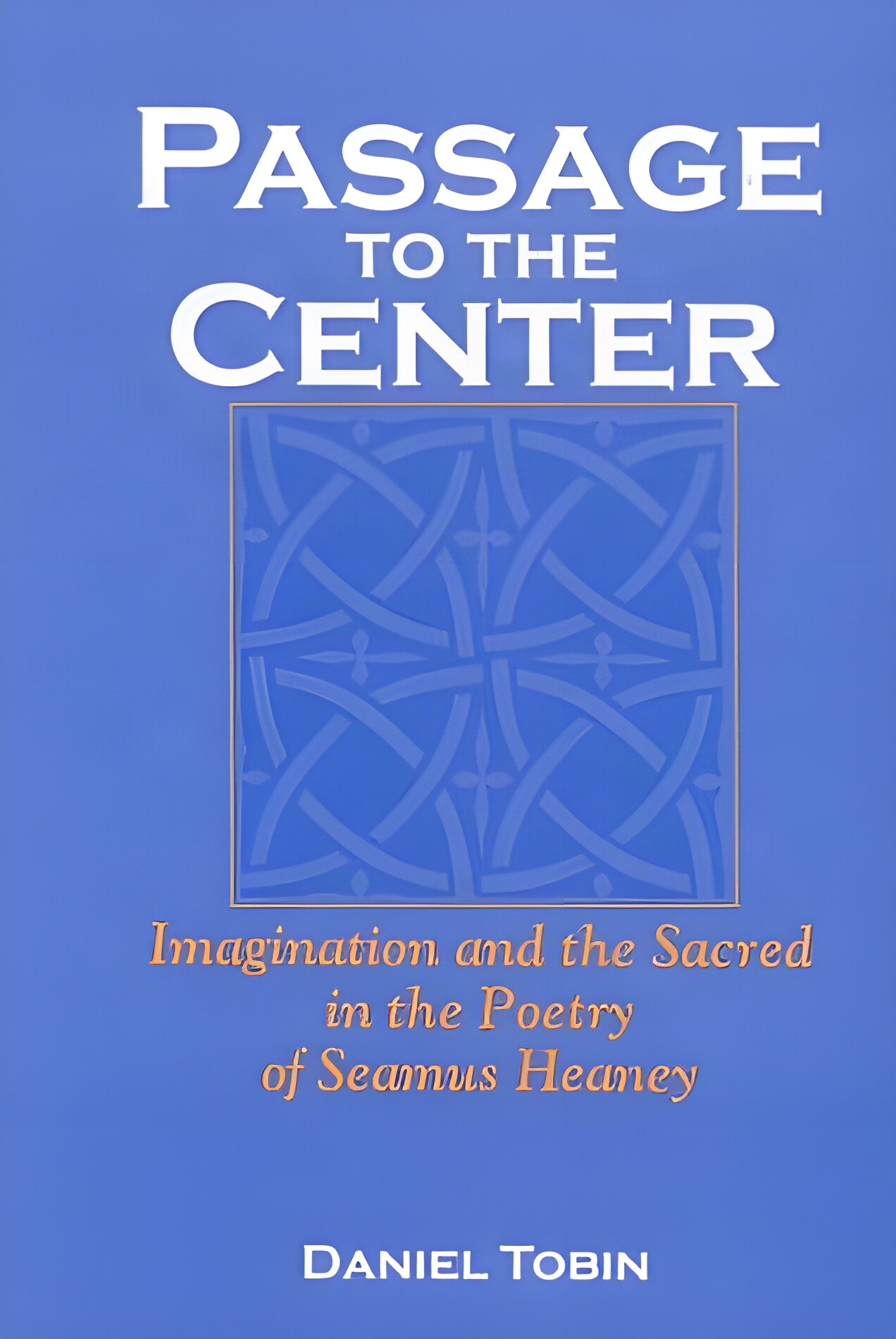
Hardcover. University Press of Kentucky, 1st, 1999, Book: Very Good, Dust Jacket: Very Good, Hardcover in a bright dust jacket, 338 pages. Nobel Laureate Seamus Heaney, author of nine collections of poetry and three volumes of influential essays, is regarded by many as the greatest Irish poet since Yeats. Passage to the Center is the most comprehensive critical treatment to date on Heaney's poetry and the first to study Heaney's entire body of work (including his recent volumes. It is also the first to examine the poems from the perspective of religion, one of Heaney's guiding preoccupations. According to Tobin, the growth of Heaney's poetry may be charted through the recurrent figure of "the center," a key image in the relationship that evolved over time between the poet and his inherited place, an evolution that involved the continual re-evaluation and re-vision of imaginative boundaries. In a way that previous studies have not, Tobin's work examines Heaney's poetry in the context of modernist and postmodernist concerns about the desacralizing of civilization and provides a challenging engagement with the work of a living master. Clean copy.
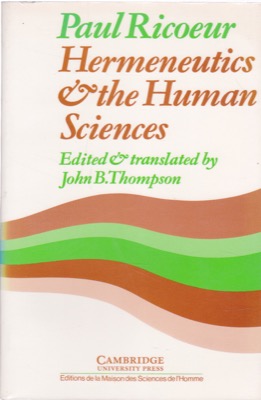
Softcover. Cambridge University Press, reprint, 1992, Book: Very Good, Dust Jacket: None, Softcover, 314 pages. Essays on language, action and interpretation. This is a collection in translation of essays by Paul Ricoeur which presents a comprehensive view of his philosophical hermeneutics, its relation to the views of his predecessors in the tradition and its consequences for the social sciences. The major theme that unites his writings is that of a philosophical anthropology. This anthropology, which Ricoeur came to call an anthropology of the "capable human being," aims to give an account of the fundamental capabilities and vulnerabilities that human beings display in the activities that make up their lives.
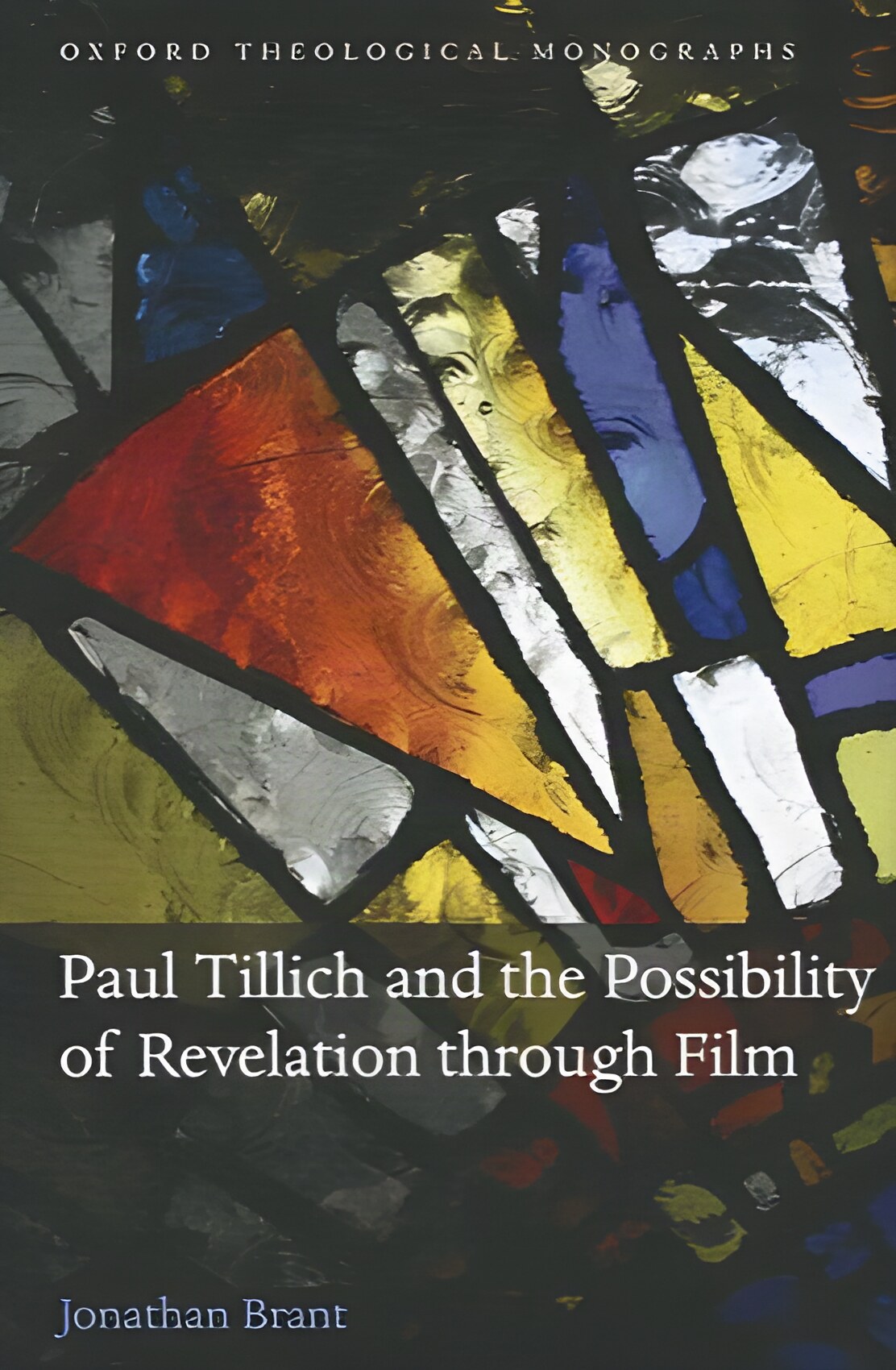
Hardcover. NY, Oxford University Press, 2nd pr., 2112, Book: Very Good, Dust Jacket: Very Good, Hardcover in a bright dust jacket, 270 pages. Since the birth of cinema at the end of the nineteenth century religion and film have been entwined. The Jesus-story and other religious narratives were the subject matter of some of the earliest cinema productions and this relationship has continued into the present. A recent proliferation of texts, conferences and courses bear witness to burgeoning academic interest in the relation between religion and film. In this study, Jonathan Brant explores the possibility that even films lacking religious subject matter might have a religious impact upon their viewers, the possibility of revelation through film. The book begins with a reading of Paul Tillich's theology of revelation through culture and continues with a qualitative research project which grounds this theoretical account in the experiences of a group of filmgoers. The empirical research takes place in Latin America where the intellectual puzzle and central research questions that drive the thesis arose and developed.
Hardcover. New Haven CT, Yale University Press, 1st, 2000, Book: Very Good, Dust Jacket: Very Good, Hardcover in a bright dust jacket, 234 pages, b&w illustrations. Nicolas-Claude Fabri de Peiresc (1580-1637) was, during his lifetime, one of Europe's most famous men. A friend of Pope Urban VIII and Galileo, of Peter-Paul Rubens and Hugo Grotius, of Tommaso Campanella and Marin Mersenne, Peiresc played an important role in the intellectual culture of his time. This book is the first study in English of this extraordinary man, as well as a vivid portrait of his whole circle. Looking through the lens of Peiresc's life, Peter N. Miller brings into focus the early-seventeenth-century world of learning-its people, places, and ideas. Drawing on the extensive Peiresc archive (more than 50,000 pieces of paper), Miller brilliantly evokes the lives of antiquaries, philosophers, theologians, and politicians of Peiresc's day, only some of whom remain known today. He explores the age in which Peiresc's toleration and sociability, his political action and cosmopolitanism, and his serious scholarship without dogmatism were identified as a set of virtues and practices by which to live. Peiresc's notion of scholarship as a moral exercise, the sweep of his interests, and the cross-Continental reach of his intellectual life show with new clarity what it meant to be a man of learning during the decades around 1600. Name on front fly leaf, otherwise clean copy.
Softcover. Notre Dame, University of Notre Dame Press, First Thus, 1986, Book: Very Good, Dust Jacket: None, 344 pages. Softcover. Black & white illustrations throughout including maps, photographs. Bright front cover, sunfade to rear cover. Clean, unmarked copy.
Hardcover. NY, powerHouse Books, 1st, 2006, Book: Very Good, Dust Jacket: Very Good, Hardcover, 127 pages. Lili Almog's color photos taken at three Carmelite monasteries (of nuns) are revealing of their faith.. The sisters showing their distinctive profession crucifixes (normally worn hidden under their scapulars, and pinned to their beds when they go to sleep) are revealing their personal symbols of "perfect intimacy." And the statues and/or holy cards of our holy mother St. Teresa, our holy father St. John of the Cross, St. Therese, and St. Joseph make Carmelites feel right at home. The monasteries are also significant: they are on Mt. Carmel (Haifa) and in Bethlehem--founded by Sister Miriam, "the little Arab"; and in Port Tobacco, Maryland, whose community is the oldest and first Discalced Carmelite convent founded in the US. The spartan surroundings emphasize the importance of the nuns' relationship with God. The photos of the sisters revealing their profession crucifixes, which they wear near their hearts and pin to their beds when going to sleep, I found especially moving. Almog's photos are neither stilted nor rigid, but reminiscent of the photos that St. Therese's sister Celine took of her! The quotations from Blessed Teresa of the Andes are very apt comments on the photos.
Hardcover. NY, Bloomsbury USA, 1st, 2009, Book: Very Good, Dust Jacket: Very Good, Hardcover in a bright, unclipped dust jacket. The third installment to Downie's Roman Empire series--the second-century saga of a witty and courageous army surgeon, Gaius Ruso, and his smart and loyal lover, Tilla, a barbarian woman from Britannia--continues in gripping fashion. Ruso returns to his family home in southern Gaul, summoned by a forged letter pleading for his immediate return. Once Ruso and Tilla return, Ruso is thrust into a dangerous quagmire involving a missing ship, huge family debts and, before long, the murder of the family's principal creditor--a crafty phony named Severus--who is poisoned in Ruso's home. While Ruso and his family are quickly suspected of the murder, Ruso and Tilla's attempts to solve the crime are hampered by interfering family members, a lying politician, a greedy banker and a pair of too-eager investigators sent from Rome. Ruso and Tilla must also deal with prejudice, envy and a new religion, Christianity. The plotting is clever and suspenseful, with subtle clues and lots of action, while the setting and supporting cast are vividly drawn. Clean copy.
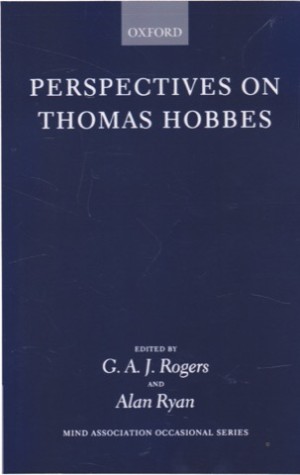
Softcover. Oxford UK, Oxford University Press, reprint, 2002, Book: Very Good, Softcover, 209 pages. The papers in this collection provide views on central aspects of Thomas Hobbes's (1588-1679) life and work. The collection testifies to his enduring importance as a major philosopher four hundred years after his birth, and helps to unravel aspects of his intellectual biography which are relevant to a proper appreciation of his philosophy. Clean copy.
Hardcover. NY, Greenwood Press, reprint, 1969, Book: Very Good, Dust Jacket: None, Hardcover, blue cloth covers with gilt lettering on spine, 477 pages, two b&w plates. A reprint of the 1913 revised Second Edition. A selection from his correspondence with Boccaccio and other friends, designed to illustrate the beginnings of the Renaissance. Name on front fly leaf, otherwise clean
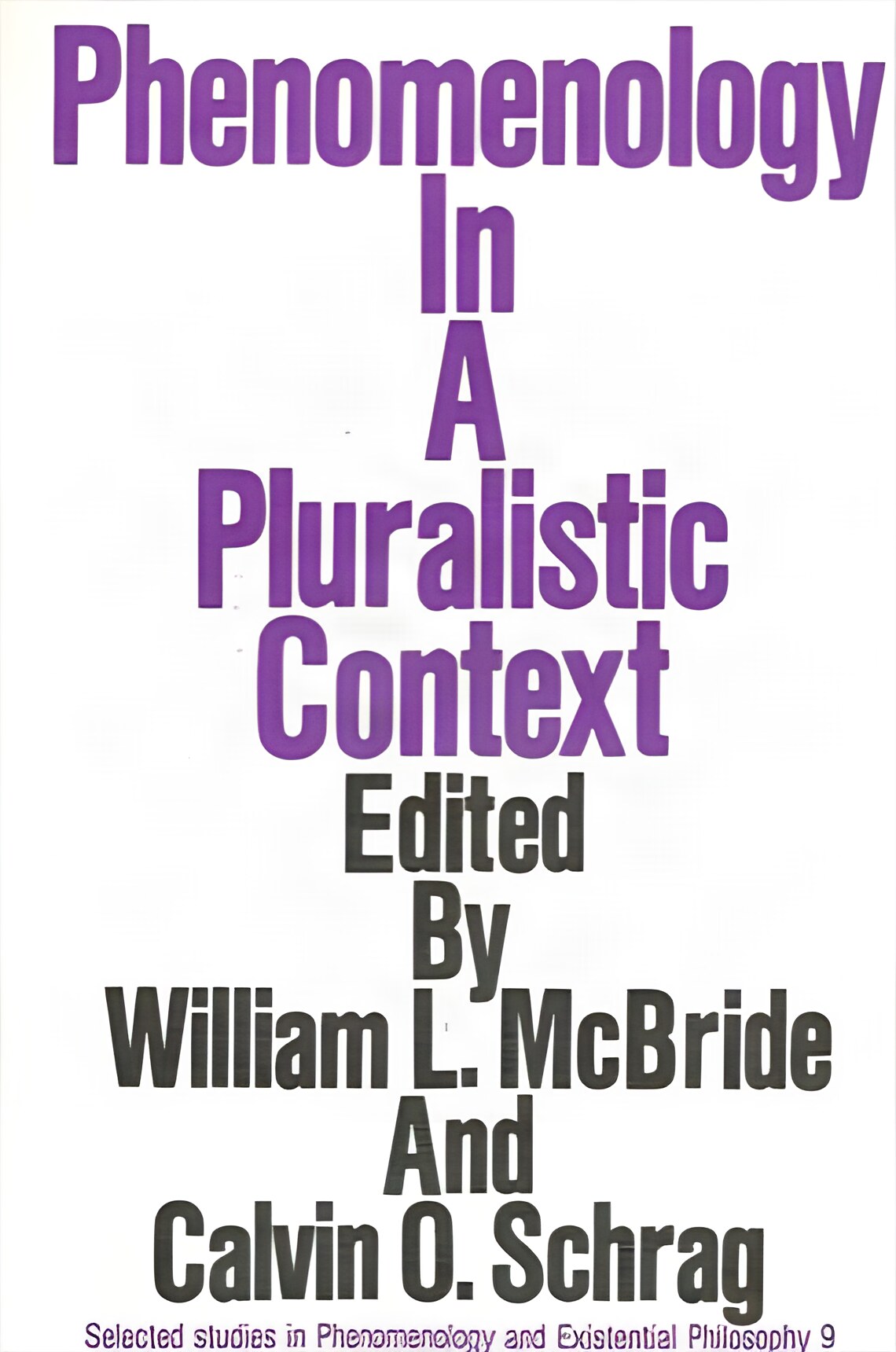
Softcover. Albany, State University of New York Press , 1st, 1983, Book: Very Good, Dust Jacket: None, Softcover, 317 pages. Phenomenology in a Pluralistic Context contains papers selected from three years of meetings of the Society for Phenomenology and Existential Philosophy (SPEP). The essays are representative of the most current thinking among North American philosophers who have been influenced by the phenomenological movement. A majority of the selections reveals a considerable mutual influence between phenomenology and other philosophical currents. Special emphasis is given to issues in social and political theory; the philosophy of medicine, of art, of language, and of religion; phenomenology's relationship to Kantianism and to Marxism; and the figures of Merleau-Ponty, Sartre, and Heidegger. Clean copy.
Hardcover. Philadelphia, American Philological Association, 1st, 1941, Book: Very Good, Dust Jacket: None, Hardcover, green cloth covers with gilt lettering on spine, 200 pages. The Greek text with facing translation runs from pages 22-199. The rest of the book is discussions chapters discussing the polemics between Stoic and Epicureans and the ways the Philodemus arguments might be improvements on Early Modern empiricism. Classic scholarly treatise presents a detailed study of the manner in which the problem of method was expressed by the empirically oriented philosophy of the Epicureans and Sceptics, and by their rationalistic opponents, the Stoics. Each of these schools developed a theory of signs, as the basis for both epistemological and logical speculations. Philodemus' treatise is a defense of Epicurean empirical method, and simultaneously an attack on the rival Stoic rationalistic method. This is first English translation of this work. Clean, bright copy.
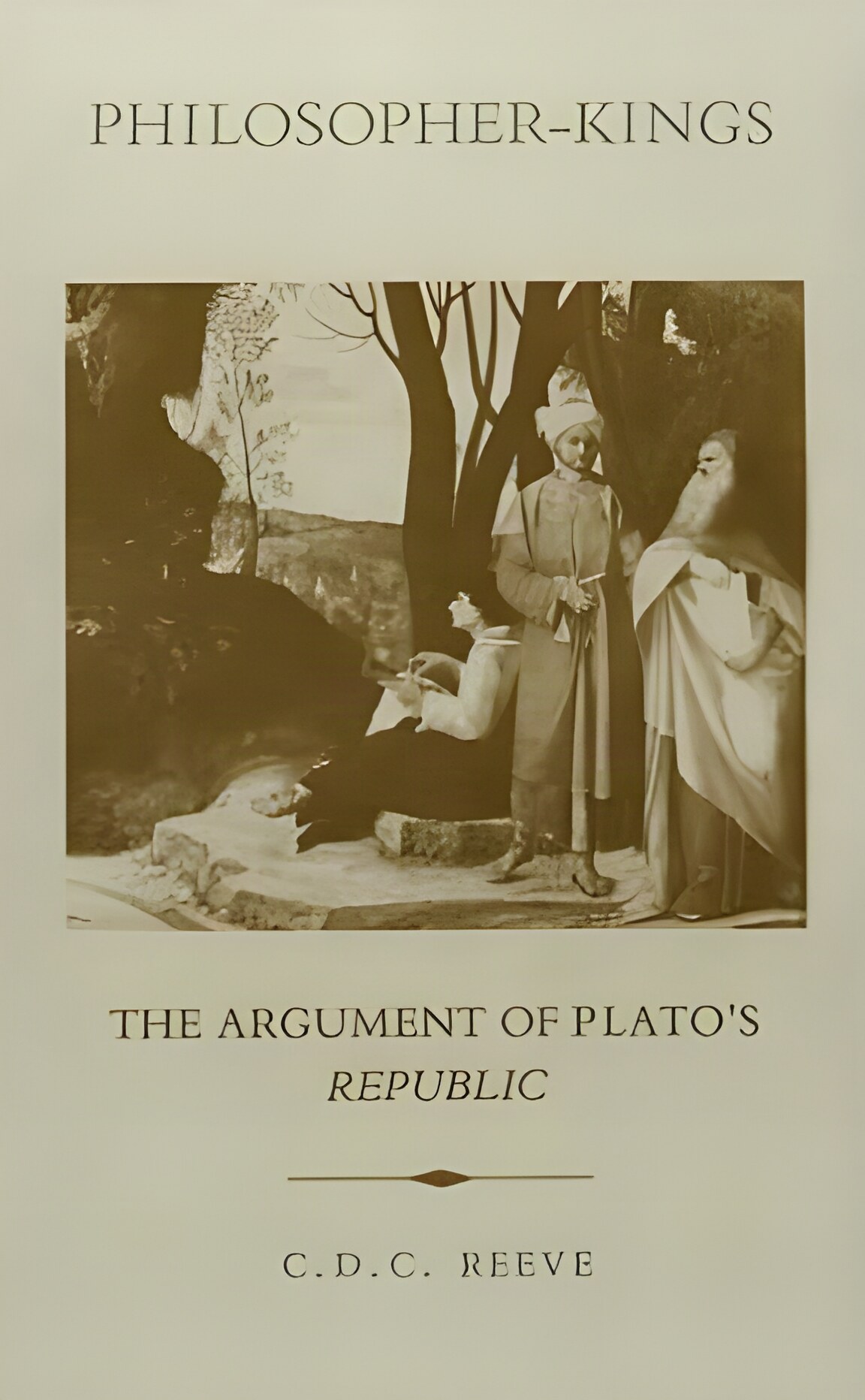
Hardcover. Princeton NJ, Princeton University Press, 1st, 1988, Book: Very Good, Dust Jacket: Very Good, Hardcover in a dust jacket, dark green cloth covers with gilt title on spine. 350 pages. The distinctive aim of Philosopher-Kings is to show, by giving a rational reconstruction of its overall argument, that the Republic is not the flawed patchwork it is usually made out to be by interpreters, but a deeply consistent and systematic work, which raises fundamental problems for philosophy and develops powerful and probing solutions to them. The book's central innovative thesis is that Plato's psychology, more specifically his theory of desires, holds the key to this, his most ambitious work. "Although the Republic has come to seem frazzled from too much use in introductory courses, in Reeve's hands it is new and refreshing".--Paul Woodruff, Ancient Philosophy "Although the philosopher-kings of Reeve's title are central to the argument of this handsomely produced book, it is in reality nothing less than a complete reinterpretation of the Republic. Name on front fly leaf, otherwise clean.
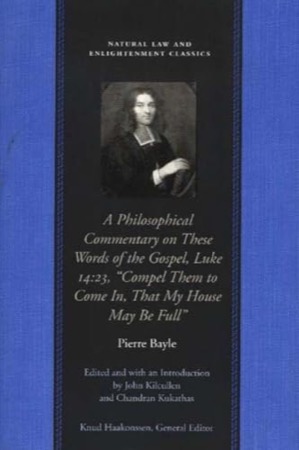
Softcover. Indianapolis, Liberty Fund, reprint, 2005, Book: Very Good, Dust Jacket: None, Softcover, 639 pages. Christian apologists as early as St. Augustine have appealed to Christ's words in Luke 14:23-'Go out into the highways and hedges and compel them to come in, that my house may be filled'- as a mandate for forcible conversion. In 1685, Protestant philosopher and critic Pierre Bayle wrote a compelling and thorough critique of this belief, contending that all coercion in religious matters is morally untenable as being inconsistent with reason. His Philosophical Commentary establishes the case against this supposed literal interpretation of Luke 14:23, arguing that reason must govern all interpretations of Scripture. According to Bayle, the erroneous conscience has the same rights as the enlightened one, his central tenet being a doctrine of mutual toleration grounded in a theory of the morality of conscience-namely, that all God requires is that people act on what seems to them to be the truth. Clean copy.
Hardcover. Hillsdale NJ, Lawrence Erlbaum, 1st, 1982, Book: Very Good, Dust Jacket: None, Hardcover, green cloth covers with light blue stamping, 422 pages. This highly readable translation of the major works of the 18th- century philosopher Etienne Bonnot, Abbe de Condillac, a disciple of Locke and a contemporary of Rousseau, Voltaire, and Diderot, shows his influence on psychiatric diagnosis as well as on the education of the deaf, the retarded, and the preschool child. Published two hundred years after Condillac's death, this translation contains treatises which were, until now, virtually unavailable in English: A Treatise on Systems, A Treatise of the Sensations, Logic. Name on front fly leaf, light bumps to cover corners.
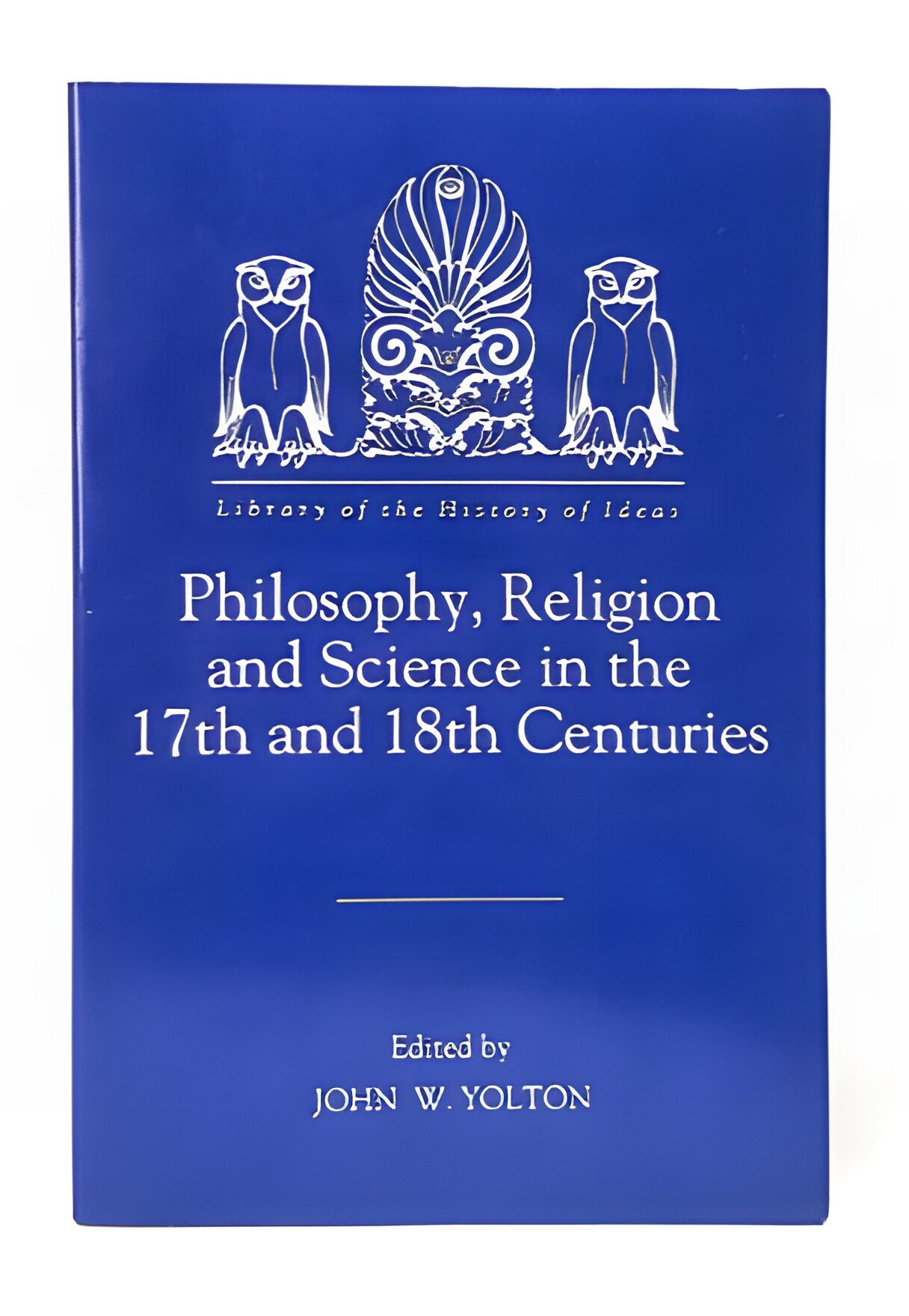
Softcover. Rochester NY, University of Rochester Press, reprint, 1994, Book: Very Good, Dust Jacket: None, Softcover, 539 pages. The essays in this collection illustrate the interdisciplinary approach to the history of ideas fostered by the Journal of the History of Ideas. Science, philosophy and religion were closely connected in the 17th and 18th centuries, and common threads run through all the articles. A number of essays revolve around Locke: the implications of his doctrines for religion, and their relation to and support of the new science; several of these articles refer to Descartes, Leibniz andHume. There are essays on optics and vision in the work of Berkeley, Reid and Newton, and on the relation between biology and physiology, especially as these disciplines contribute to the science of man. The authors include HENRY GUERLAC, MARGARET C. JACOB, SHIRLEY ROE, L. LAUDAN, NICHOLAS JOLLEY, JAMES FORCE, G. A. J. ROGERS and CATHERINE WILSON. Name on front fly leaf, otherwise clean.
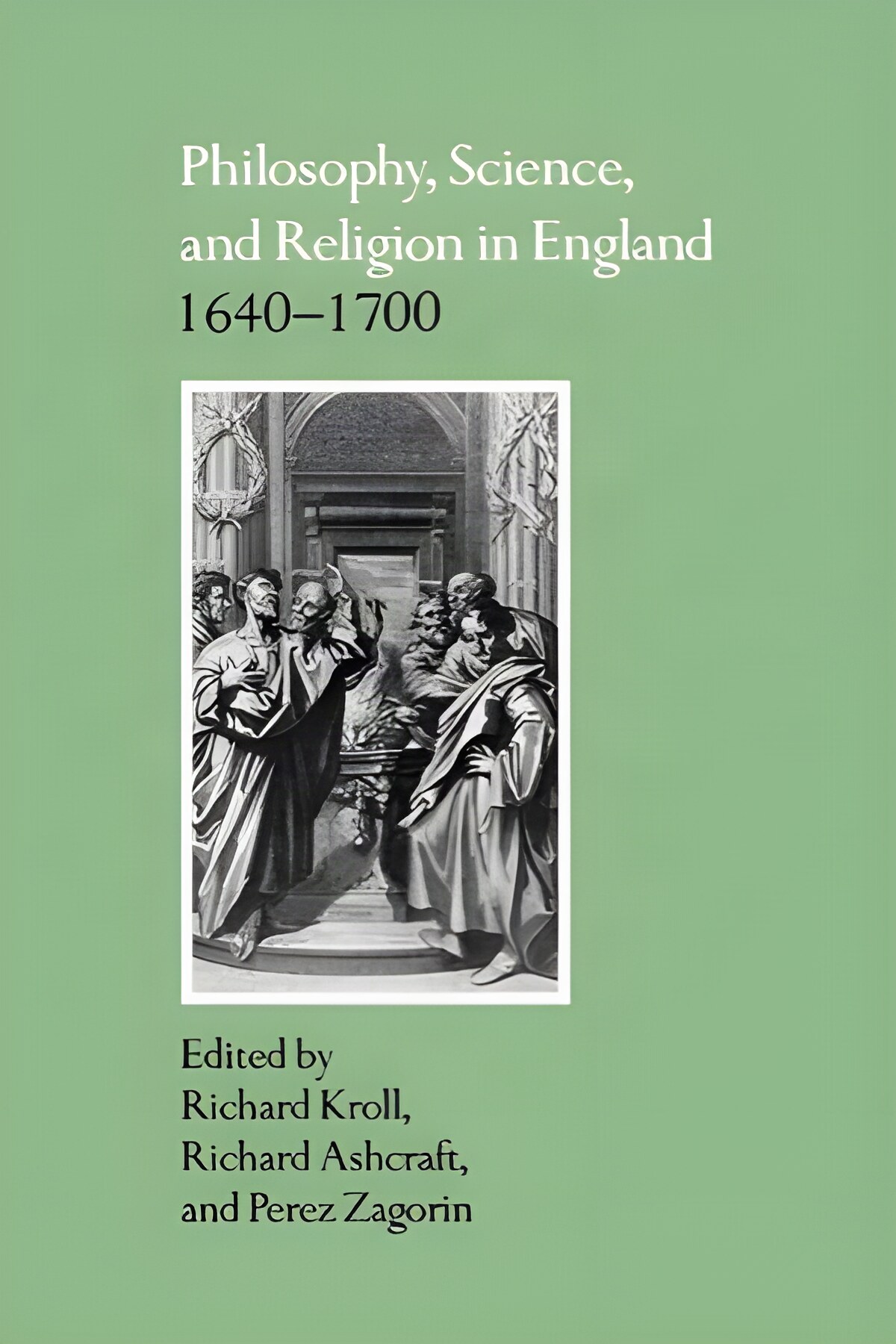
Hardcover. Oxford UK, Cambridge University Press, 1st, 1992, Book: Good, Dust Jacket: Very Good, Hardcover in a bright dust jacket, 287 pages. This collection of essays looks at the distinctively English intellectual, social and political phenomenon of Latitudinarianism, which emerged during the Civil War and Interregnum and came into its own after the Restoration, becoming a virtual orthodoxy after 1688. Dividing into two parts, it first examines the importance of the Cambridge Platonists, who sought to embrace the newest philosophical and scientific movements within Church of England orthodoxy, and then moves into the later seventeenth century, from the Restoration onwards, culminating in essays on the philosopher John Locke. These contributions establish a firmly interdisciplinary basis for the subject, while collectively gravitating towards the importance of discourse and language as the medium for cultural exchange. The variety of approaches serves to illuminate the cultural indeterminacy of the period, in which inherited models and vocabularies were forced to undergo revisions, coinciding with the formation of many cultural institutions still governing English society. Name on front fly, pencil marking to about 20 pages.


 "Pearls & Corals: Al-Lu'lu'wal-Marjan: Arabic-English: A Collection of Agreed upon Ahadith from Al-Bukhari & Muslim (2 volume set) (ARABIC TEXT WITH ENGLISH TRANSLATIONS)by:")

 "Peoples of Ireland, The - From Prehistory to Modern Timesby: de Paor, Liam")


 "Petrarch: The First Modern Scholar and Man of Lettersby: James Harvey Robinson")

 "Philodemus: on Methods of Inference. A Study in Ancient Empiricism by: Philodemus, Philip Howard De Lacey, Estelle Allan De Lacey")
 "Philosophical Writings of Etienne Bonnot, Abbe De Condillac:by: Franklin Philip/ Harlan Lane")