Hardcover. New York , Penguin Putnam Inc, 1st, 1993, Book: Very Good, Dust Jacket: Very Good, Hardcover, 158 pages, illustrated throughout with photos in b&w. Clean, unmarked copy with only minor wear to dust jacket. Elie Wiesel provides the preface to a master photographer's record of eastern Europe's Jewish communities in the years just before World War II with 160 photographs that capture the ordinary lives of Jews before the Holocaust.
Hardcover. New York, Michael Sullivan, 1st, 1886, Book: Good, Dust Jacket: None, Hardcover, 87 pages, in green cloth covers with black and gilt design. A brief first-hand account of a seven week trip to Europe, principally England, Ireland and Scotland. Uncommon. A bit worn with cracked hinges.
Softcover. Chicago, Ludowici-Celadon Co., 1st, 1929-1932, Book: Very Good, Dust Jacket: None, 26 softcover brochures, approx. 24 pages each. Illustrated with b&w photographs and drawings. Issues from 1929 to 1932. Very good condition.
Softcover. Paris, ACAER/GPC, 1st, 1994, Book: Very Good, Dust Jacket: None, 68 pages. Softcover. Exhibition catalog. French and English text. Black & white photographs. From the introduction: "This catalogue has been re-edited by advanced reading copy wraps en reve architecture centre with the Georges Pompidou Centre, for the presentation in France of the exhibition "Warchitecture-Sarajevo, a wounded city". The exhibition and the catalogue were prepared by the architects of the Sarajevo association, members of the associations of Architects of Bosnia-Herzegovina DAS-SABIH". Light rubbing to cover edges, minor creases at corners. Clean, unmarked text.
Hardcover. London, Allen Lane, 1st, 2011, Book: Very Good, Dust Jacket: Very Good, Hardcover in a bright dust jacket, 830 pages. Europe's history is littered with kingdoms, duchies, empires and republics which have now disappeared but which were once fixtures on the map of their age - 'the Empire of Aragon' which once dominated the western Mediterranean; the Grand Duchy of Lithuania, for a time the largest country in Europe; the successive kingdoms (and one duchy) of Burgundy, much of whose history is now half-remembered - or half-forgotten - at best. This book shows the reader how to peer through the cracks of mainstream history writing and listen to the echoes of lost realms across the centuries. Illustrated in color and b&w. Clean copy.
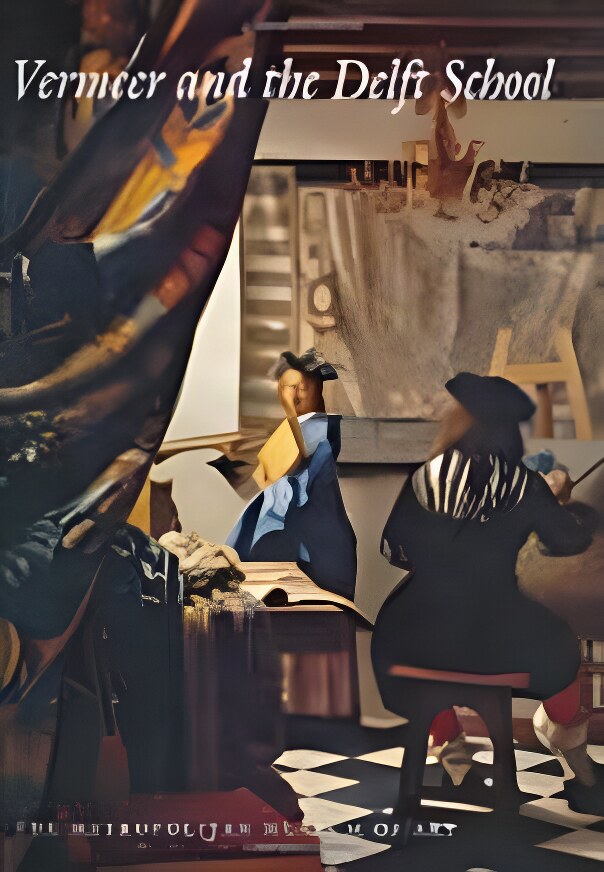
Hardcover. NY, Metropolitan Museum of Art, 1st, 2001, Book: Very Good, Dust Jacket: Very Good, Hardcover in a bright dust jacket, still sealed in publisher's shrinkwrap. 550 pages. Seventeenth-century Delft has traditionally been viewed as a quaint town whose artists painted scenes of domestic life. This important book revises that image, showing that the small but vibrant Dutch city produced fine examples of all the major arts--including luxury goods and sophisticated paintings for the court at The Hague and for patrician collectors in Delft itself. The book traces the history and culture of Delft from the 1200s through the lifetime of the city's most renowned painter, Johannes Vermeer. The authors discuss at length some ninety major paintings (seventeen by Vermeer), forty drawings, and a choice selection of decorative arts, all of which are reproduced in full color. Among the paintings are state portraits, history pictures, still lifes, views of palaces and church interiors, illusionistic murals, and refined genre pictures by Vermeer and Pieter de Hooch. The rich works on paper encompass exquisite drawings by Delft artists and sketches of the town by visiting artists. Included in the decorative arts are tapestries, bronze statuary, silver, Delftware, and glass. The volume concludes with an essay that takes the reader on a walk through seventeenth-century Delft. It is accompanied by maps of the city's neighborhoods that indicate major monuments and the homes of patrons, art dealers, and painters.
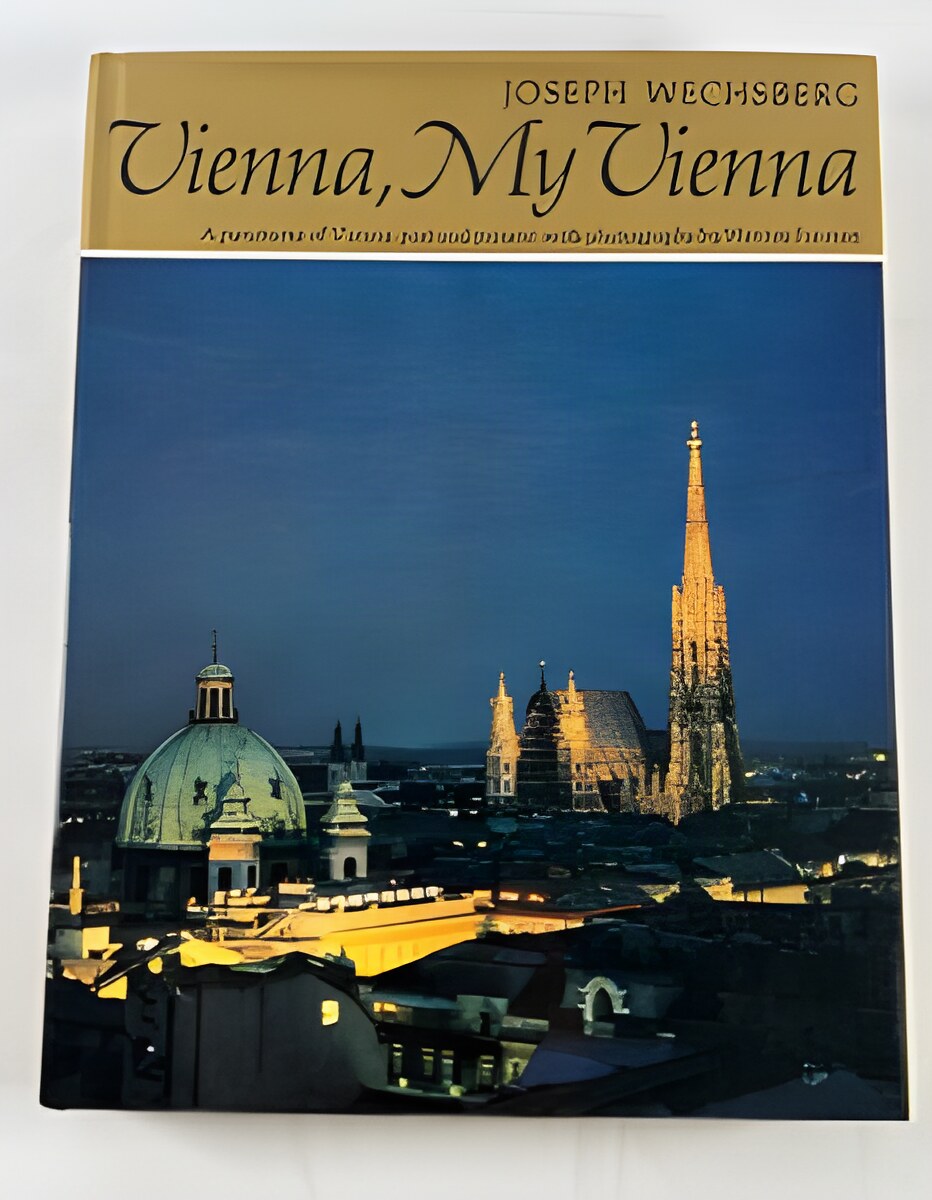
Hardcover. NY, Macmillan, 1st, 1968, Book: Very Good, Dust Jacket: Very Good, Hardcover in a bright, unclipped dust jacket. 300 pages, 136 b&w photographs by Werner Forman, 12 in color. "Vienna, as everyone knows, is the city of music, and Joseph Wechsberg's lively book evokes the music of the city, the popular music of the Strauss family and of the Heuringer-singers, the great music of the Classical masters, the soft sound of Viennese speech and the harmony of the baroque city set in the unspoiled beauty of the Vienna Woods...[Wechsberg] reveals the Vienna of the Viennese, not always glamorous, sometimes a little shabby, but a city of living people to whom the past is a reality, who have bred or entertained many of the greatest masters of European music and poetry." Clean copy.
Hardcover. New York, Princeton Architectural Press, 1st, 2003, Book: Very Good, Dust Jacket: Very Good, 152 pages. Hardcover with dust jacket. Minor soiling to front cover of dust jacket. An otherwise clean, unmarked copy with only minor wear to dust jacket edges. Color illustrations throughout. A tight copy. "A collection of exquisite large-format pen-and-ink watercolor renderings of all of Palladio's villas."
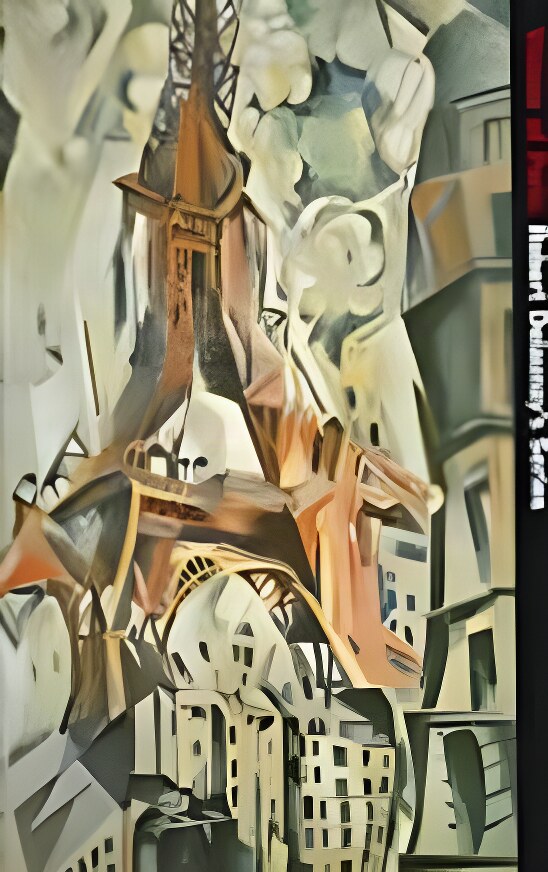
Softcover. New York, Guggenheim Museum, 1st, 1997, Book: Very Good, Dust Jacket: None, 147 pages. Softcover. Full color illustrations. Light bump to top right corner. Clean, unmarked copy.
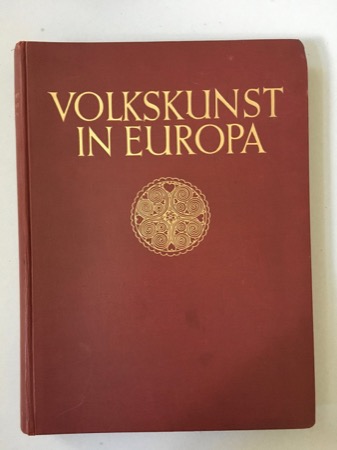
Hardcover. NY, E. Weyhe, 1st US, Book: Very Good, Dust Jacket: None, Hardcover, large folio, ( over 12" - 15" tall ), red cloth stamped in gilt. 56 pages of German text, comprising introduction and detailed catalogue of plates, the origins of objects (textiles, ceramics and wood) which demonstrate the origins and continued use of traditional design in the folk arts of Europe. Followed by 132 color plates of the objects mostly from Eastern Europe, most pasted in. First published in Germany in 1926, this appears to be the first US edition produced the same year. Architect Albert Kahn's copy with his ownership signature in pencil and date of 1926 on the front fly leaf. DOMESTIC SHIPPING ONLY.
Hardcover. New York, Frances Foster Books/Farrar Straus and Giroux, 1st, 2007, Book: Very Good, Dust Jacket: Very Good, Hardcover in a very good dust jacket. Non-paginated. SIGNED WITH DRAWING BY PETER SIS ON COPYRIGHT PAGE. Full color illustrations. Clean, bright copy.
Hardcover. New York , Farrar Straus Giroux , 1st, 2007, Book: Very Good, Dust Jacket: Very Good, Non-paginated. Hardcover with dust jacket. Theft protection sticker on front fly leaf. Clean, tight copy otherwise. Color illustrations by Sis.
Hardcover. Barnsley UK, Pen & Sword Books, 1st, 2012, Book: Very Good, Dust Jacket: Very Good, Hardcover, 155 pages., b/w plates., maps, index, This remarkable account describes the open warfare Polish Underground fighters waged against the Nazi occupiers of their city-with a shortage of arms, ammunition, and medical support-in the expectation of Soviet assistance that came too late to help the precipitous uprising.
Hardcover. Chicago, University Of Chicago Press, 1st, 2006, Book: Very Good, Dust Jacket: Very Good, Hardcover, pages. In When Buildings Speak,Anthony Alofsin explores the rich yet often overlooked architecture of the late Austro-Hungarian Empire and its successor states. He shows that several different styles emerged in this milieu during the late nineteenth and early twentieth centuries. Moreover, he contends that each of these styles communicates to us in a manner resembling language and its particular means of expression. Covering a wide range of buildings--from national theaters to crematoria, apartment buildings to warehouses, and sanatoria to postal savings banks--Alofsin proposes a new way of interpreting this language. He calls on viewers to read buildings in two ways: through their formal elements and through their political, social, and cultural contexts. By looking through Alofsin's eyes, readers can see how myriad nations sought to express their autonomy by tapping into the limitless possibilities of art and architectural styles. And such architecture can still speak very powerfully to us today about the contradictory issues affecting parts of the former Habsburg Empire.
Hardcover. New York, Alfred A. Knopf, 1st, 1956, Book: Very Good, Dust Jacket: Good, Hardcover, 178 pages. Dust jacket slightly worn and with short tears. Some foxing on endpages, top edge stained red.
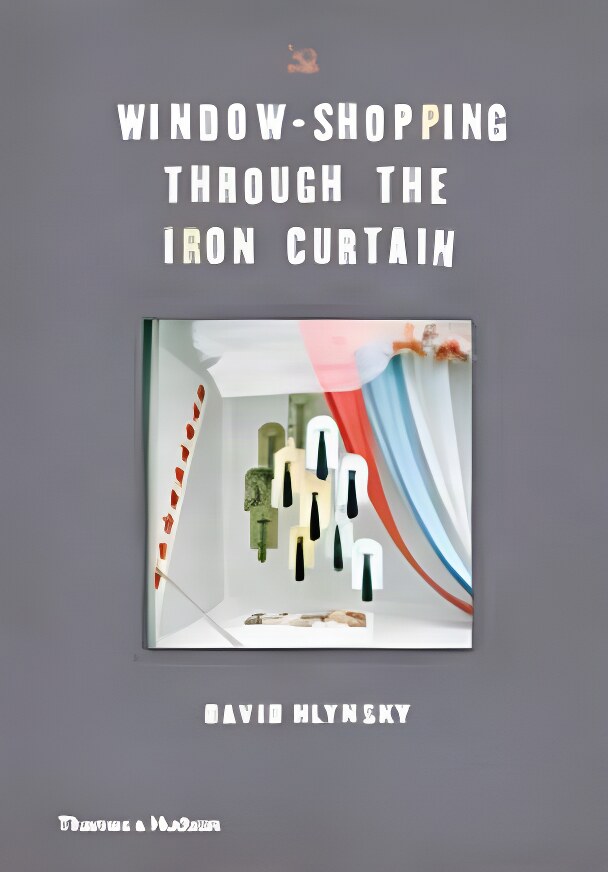
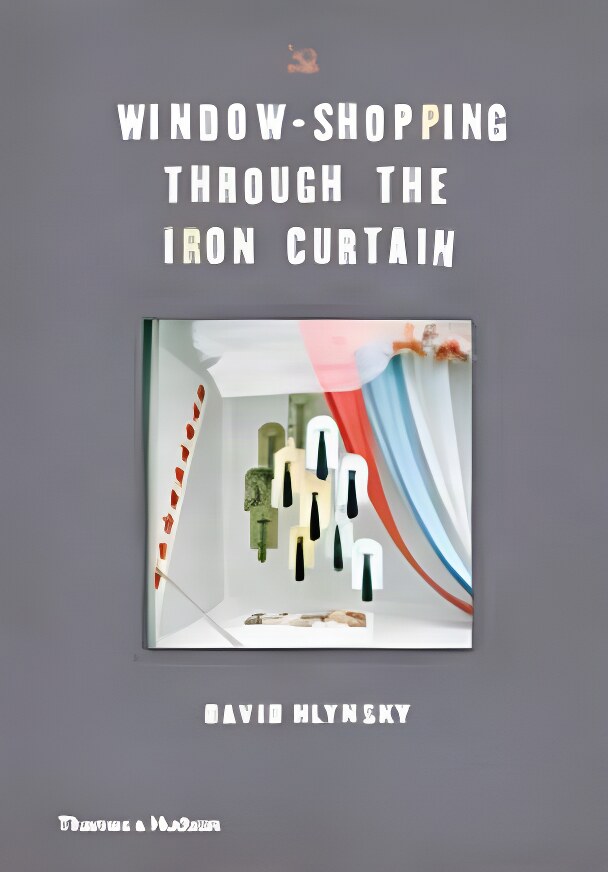
Hardcover. NY, Thames & Hudson, 1st, 2015, Book: Very Good, Dust Jacket: None, Hardcover, 208 pages, 174 color plates. Window-Shopping through the Iron Curtain presents a selection of more than 100 images of shop windows shot by David Hlynsky during four trips taken between 1986 and 1990 to Poland, Czechoslovakia, Hungary, Yugoslavia, Bulgaria, East Germany, and Moscow. Using a Hasselblad camera, Hlynsky captured the slow, routine moments of daily life on the streets and in the shop windows of crumbling Communist countries. The resulting images could be still-lifes representing the intersection of a Communist ideology and a consumerist, Capitalist tool-the shop window-with the consumer stuck in the middle. Devoid of overt branding or calculated seduction, the shop windows were typically adorned with traditional yet incongruous symbols of cheer: homey lace curtains, paper flowers, painted butterflies, and pictures of happy children. Some windows were humble in their simple offerings of loaves and tinned fishes; others were zanily artistic, as in the modular display of military shirts in a Moscow storefront; and some illustrated intense professional pride, such as a sign in a Prague beauty salon depicting a pedicurist smiling fiendishly over an imperfect sole. The photographs are accompanied by essays by art historian Martha Langford and cultural studies specialist Jody Berland, as well as Hlynsky's own account of his time as a flaneur in the shopping plazas of the collapsing Soviet empire-"a vast ad-hoc museum of a failing utopia" that in 1989 began to close forever. No dj issued.
Hardcover. NY, Thames & Hudson, 1st, 2015, Book: Very Good, Dust Jacket: None, Hardcover, 208 pages, 174 color plates. Window-Shopping through the Iron Curtain presents a selection of more than 100 images of shop windows shot by David Hlynsky during four trips taken between 1986 and 1990 to Poland, Czechoslovakia, Hungary, Yugoslavia, Bulgaria, East Germany, and Moscow. Using a Hasselblad camera, Hlynsky captured the slow, routine moments of daily life on the streets and in the shop windows of crumbling Communist countries. The resulting images could be still-lifes representing the intersection of a Communist ideology and a consumerist, Capitalist tool-the shop window-with the consumer stuck in the middle. Devoid of overt branding or calculated seduction, the shop windows were typically adorned with traditional yet incongruous symbols of cheer: homey lace curtains, paper flowers, painted butterflies, and pictures of happy children. Some windows were humble in their simple offerings of loaves and tinned fishes; others were zanily artistic, as in the modular display of military shirts in a Moscow storefront; and some illustrated intense professional pride, such as a sign in a Prague beauty salon depicting a pedicurist smiling fiendishly over an imperfect sole. The photographs are accompanied by essays by art historian Martha Langford and cultural studies specialist Jody Berland, as well as Hlynsky's own account of his time as a flaneur in the shopping plazas of the collapsing Soviet empire-"a vast ad-hoc museum of a failing utopia" that in 1989 began to close forever. No dj issued.
Softcover. Philadelphia, University of Pennsylvania Press, 1st US, 2002, Book: Very Good, Dust Jacket: None, Softcover, 193 pages. Most European prosecutions for the crime of witchcraft occurred between the fifteenth and seventeenth centuries, with the peak coming in the hundred years after 1560. This volume brings together the large amount of recent scholarship on witchcraft of this period and provides a novel analysis of the trials by considering the legal systems involved. Witch hunts, methods of torture, and the scientific interest in magic spells and demonology as an intellectual pursuit are also covered in detail. Clean copy.
Hardcover. NY, Grosset & Dunlap, reprint, 1916, Book: Very Good, Dust Jacket: None, Hardcover, 385 pages, illustrated with b&w photos. Tan cloth stamped in red and dark green on front and spine. No D.J.
Softcover. Bloomington, IN, Indiana University Press, 1st, 2015, Book: Very Good, Dust Jacket: None, 232 pages. Softcover. A very clean, unmarked copy with only minor edgewear. Black and white photographs throughout. The center of the art world before the war, Paris fired the Nazis' greed. The discovery of more than 1,500 prized paintings and drawings in a private Munich residence, as well as a recent movie about Allied attempts to recover European works of art, have brought Nazi plundering back into the headlines, but the thievery was far from being limited to works of art. From 1942 onwards, ordinary Parisian Jews-mostly poor families and recent immigrants from Eastern Europe-were robbed, not of sculptures or paintings, but of toys, saucepans, furniture, and sheets. Witnessing the Robbing of the Jews tells how this vast enterprise of plunder was implemented in the streets of Paris by analyzing images from an album of photographs found in the Federal Archives of Koblenz. Brought from Paris in 1945, the photographs were cataloged by the staff of the Munich Central Collecting Point. Beyond bearing witness to the petty acts of larceny, these images provide crucial information on how the Germans saw their work. They enable us to grasp the "Nazi gaze" and to confront the issue of the relation between greed and mass destruction.
Hardcover. London, Sampson Low, Son, and Marston, reprint, undated/c1880, Book: Good, Dust Jacket: None, Hardcover. History of the art of engraving within a European context. Undated, published c1880. Illustrated with 34 black/white reproductions of engravings. Good condition; pages have gilt edges, cloth bound book has some wear to the edges and introductory pages lightly spotted from age.
Hardcover. London, Cambridge University Press, 1st, 2010, Book: Very Good, Dust Jacket: Very Good, Hardcover in a bright, unclipped dust jacket. This revisionist study of Allied diplomacy from 1941 to 1946 challenges Americocentric views of the period and highlights Europe's neglected role. Fraser J. Harbutt, drawing on international sources, shows that in planning for the future Churchill, Roosevelt, Stalin, and others self-consciously operated into 1945, not on "East/West" lines but within a "Europe/America" political framework characterized by the plausible prospect of Anglo-Russian collaboration and persisting American detachment. Harbutt then explains the destabilizing transformation around the time of the pivotal Yalta conference of February 1945, when a sudden series of provocative initiatives, manipulations, and miscues interacted with events to produce the breakdown of European solidarity and the Anglo-Soviet nexus, an evolving Anglo-American alignment, and new tensions that led finally to the Cold War. This fresh perspective, stressing structural, geopolitical, and traditional impulses and constraints, raises important new questions about the enduringly controversial transition from World War II to a cold war that no statesman wanted. Clean copy.
Softcover. Cambridge University Press, 1st paperback, 1996, Book: Very Good, Dust Jacket: None, 421 pages. Softcover. Wrapper very good, no rips or tears. B/w illustrations. Pages and edges have a touch of tanning from age, otherwise clean and unmarked. Binding tight. In very good shape. The first book to examine the bloody demise of the former Yugoslavia in the full light of its history and that of its ethnic mosaic.

 "To Give Them Light: Legacy of Roman Vishniacby: Vishniac, Roman")
 "Trials and Triumphs of a Summer Vacationby: K.A.M.")
 "Tuileries Brochures, The - A Series of Monographs on European Architecture with Special Reference to Roofs of Tile (26 issues)by: V/A")
 "Urbicide - Sarajevo - Sarajevo, Une Ville Blesseeby: Curic, Borislav/Nedzad Delija/Igor Grozdanic/Nazif Hasanbegovic/Boran Hrelja/Nedzad Hrelja/Aida Kalauzovic-Mandic")



 "Villas of Palladio, Theby: Giaconi, Giovanni")


 "Wall, The - Growing Up Behind the Iron Curtain (SIGNED WITH DRAWING)by: Sis, Peter")
 "Wall, The: Growing Up Behind the Iron Curtainby: Sis, Peter")
![Warsaw 1944: An Insurgent's Journal of the Uprisingby: Czajkowski, Zbigniew; Marek Czajkowski [trans.]](javascript:largeIMTop('https://www.browsingisarousing.com/shop/images/Warsaw-1944-An-Insurgents-Journal-of-the-Uprising_by_Czajkowski-Zbigniew-Marek-Czajkowski-trans.370433-385520.jpg','https://www.browsingisarousing.com/shop/images/Warsaw-1944-An-Insurgents-Journal-of-the-Uprising_by_Czajkowski-Zbigniew-Marek-Czajkowski-trans.370433-385520.jpg',0,'370433',0,'') "Warsaw 1944: An Insurgent's Journal of the Uprisingby: Czajkowski, Zbigniew; Marek Czajkowski [trans.]")
 "When Buildings Speak: Architecture as Language in the Habsburg Empire and Its Aftermath, 1867-1933by: Alofsin, Anthony")
 "Willa Cather in Europe; Her Own Story of the First Journeyby: Cather, Willa")





 "Witnessing the Robbing of the Jews: A Photographic Album, Paris, 1940-1944by: Gensburger, Sarah")
 "Wonders of Engraving, Theby: Duplessis, Georges")
 "Yalta 1945: Europe and America at the Crossroadsby: Fraser J. Harbutt")
 "Yugoslavia as History: Twice There was a Countryby: Lampe, John R.")

