Hardcover. Edinburgh University Press, 1st, 2015, Book: Very Good, Dust Jacket: None, Hardcover, pictorial boards, 210 pages. All students of Western political thought encounter Niccolo Machiavelli's work. Nevertheless, his writing continues to puzzle scholars and readers who are uncertain how to deal with the seeming paradoxes they encounter. 'The Political Philosophy of Niccolo Machiavelli' is a clear account of Machiavelli's thought, major theories and central ideas. It critically engages with his work in a new way, one not based on the problematic Cambridge-school approach. Geared towards the specific requirements of students who need to reach a sound understanding of Machiavelli's ideas, it is the ideal companion to the study of this influential and challenging philosopher.
Hardcover. NY, BlueBridge, 1st US, 2008, Book: Very Good, Dust Jacket: Very Good, Hardcover in a bright dust jacket, 246 pages. This narrative history masterfully weaves together the sweeping events surrounding what has become known as the "Babylonian captivity" of the popes into the broader story of 14th-Century Europe?one of the most turbulent times in the continent's history. It was a time of fear, ferocity, and religious agony, which saw the suppression of the Knights Templar and the Cathars, the first onslaught of the plague, and the beginning of the Hundred Years' War. The century also produced some of the greatest writers and artists in the western tradition, including Giotto, Boccaccio, Petrarch, and Chaucer. Central to this period was the movement of the papal seat from Rome to Avignon in the south of France, where seven successive popes held power from 1309 to 1377. The drama, intrigue, and tumult associated with the papacy in exile forms the perfect lens through which to clearly see a Europe making the transition from the Middle Ages to the Renaissance. Clean copy.
Hardcover. Chicago, University of Chicago Press, 1st, 1988, Book: Very Good, Dust Jacket: Very Good, Hardcover in a bright, unclipped dust jacket, 223 pages. The Nzema of West Africa, who inhabit a land of forest and lagoons along the Atlantic, continue a heritage untapped by anthropologists and scarcely influenced by Western civilization. Vinigi L. Grottanelli first discovered the rich culture of this southern Ghanaian tribe in 1954. Over the next three decades, intermittent sojourns enabled Grottanelli to develop friendships with the Nzema and learn about their beliefs, traditions, and practices. In twenty absorbing vignettes, The Python Killer renders a vivid portrayal of Nzema life. B&w illustrations. Clean copy.
Hardcover. Amherst NY, Prometheus Books, 1st, 2000, Book: Very Good, Dust Jacket: Very Good, Hardcover in a bright dust jacket, 554 pages. More than one hundred years ago Western scholars began to investigate the origins of Islam, using the highest standards of objective historical scholarship of the time. Their aim was to determine what could be known about Muhammad and the rise of early Islam quite apart from the pious and totally unobjective traditions preserved by the Muslim religious community. In some ways this research was inspired by a similar investigation of Christianity made famous by Albert Schweitzer's Quest of the Historical Jesus. Today although much has been learned about early Christianity, little comparable progress has been made in the field of Islamic Studies. Here objective historical research has long been severely handicapped both by the resistance of Muslim societies to Western analysis of their sacred traditions and by the apologetic approaches of many Western scholars, who have compromised their investigations for fear of offending Muslim sensibilities. It is in this context that Ibn Warraq presents this important anthology of the best studies of Muhammad and early Islam ranging from the very beginnings of Islamic Studies in the nineteenth century to contemporary research. Clean copy.
Hardcover. Berkeley, University of California Press, 1993, Book: Very Good, Dust Jacket: None, Hardcover, brick-red cloth, 477 pages, b&w illustrations. Offers an illustrated history of sexual politics in ancient Athens. This work examines the ideology and practices that underlay the reign of the phallus. It demonstrates that classical Athens was more sexually polarized and repressive of women than any other culture in Western history. The phallus was pictured everywhere in ancient Athens: painted on vases, sculpted in marble, held aloft in gigantic form in public processions, and shown in stage comedies. This obsession with the phallus dominated almost every aspect of public life, influencing law, myth, and customs, affecting family life, the status of women, even foreign policy. This is the first book to draw together all the elements that made up the "reign of the phallus"--Men's blatant claim to general dominance, the myths of rape and conquest of women, and the reduction of sex to a game of dominance and submission, both of women by men and of men by men. In her elegant and lucid text Eva Keuls not only examines the ideology and practices that underlay the reign of the phallus, but also uncovers an intense counter-movement--the earliest expressions of feminism and antimilitarism. Clean, bright copy, lacks dust jacket.
Softcover. Cambridge University Press, reprint, 2007, Book: Very Good, Dust Jacket: None, Two softcover volumes: Vol. 1: Books 1-V, 364 pages. Vol. 2: Books VI-X and Indexes, 531 pages. Previous owner's name, otherwise clean. James Adam (1860-1907) was a Scottish classics scholar who taught at Emmanuel College, Cambridge. A strong defender of the importance of Greek philosophy in a well-rounded education, Adam published a number of Plato's works including Protagoras and Crito. This two-volume critical edition of the Republic (1902) was another major contribution to the field. Though his preface claims 'an editor cannot pretend to have exhausted its significance by means of a commentary,' Adam's depth of knowledge and erudite analysis of the Greek text ensured that his edition remained the standard reference for decades to follow, and it remains a thought-provoking evaluation of one of the great works of Western thought.
Softcover. London/NY, Verso, 1st, 1990, Softcover, 397 pages. In this acclaimed historical study, Alexander Saxton establishes the centrality of white racism to American politics and culture. Examining images of race at a popular level - from blackface minstrels to the construction of the Western hero, from grassroots political culture to dime novels - as well as the philosophical constructions of the political elite, it is a powerful and comprehensive account of the ideological forces at work in the formation of modern America. Clean copy.
Hardcover. NY, Birch Lane Press, 1st, 1990, Book: Very Good, Dust Jacket: Very Good, Hardcover in a bright dust jacket, 269 pages. In The Rushdie Affair, Daniel Pipes explains why the publication of The Satanic Verses became a cataclysmic event with far-reaching political and social consequences. Pipes looks at the Rushdie affair in both its political and cultural aspects and shows in considerable detail what the fundamentalists perceived as so offensive in The Satanic Verses as against what Rushdie's novel actually said. Pipes explains how the book created a new crisis between Iran and the West at the time - disrupting international diplomacy, billions of dollars in trade, and prospects for the release of Western hostages in Lebanon. Clean copy.
Softcover. New Haven CT, Yale University Press, 1st, 1992, Book: Very Good, Dust Jacket: None, Softcover, 375 pages. In this pathbreaking and richly illustrated book, Martin Kemp examines the major optically oriented examples of artistic theory and practice from Brunelleschi's invention of perspective and its exploitation by Leonardo and Durer to the beginnings of photography. In a discussion of color theory, Kemp traces two main traditions of color science: the Aristotelian tradition of primary colors and Newton's prismatic theory that influenced Runge, Turner, and Seurat. His monumental book not only adds to our understanding of a large group of individual works of art but also provides valuable information for all those interested in the interaction between science and art. "This beautifully made volume . . . shows us the unity of the visual study of nature-the exalted mutual task of Renaissance science and art."-Scientific American. Clean copy. NOTE: Due to weight, DOMESTIC SHIPPING ONLY.
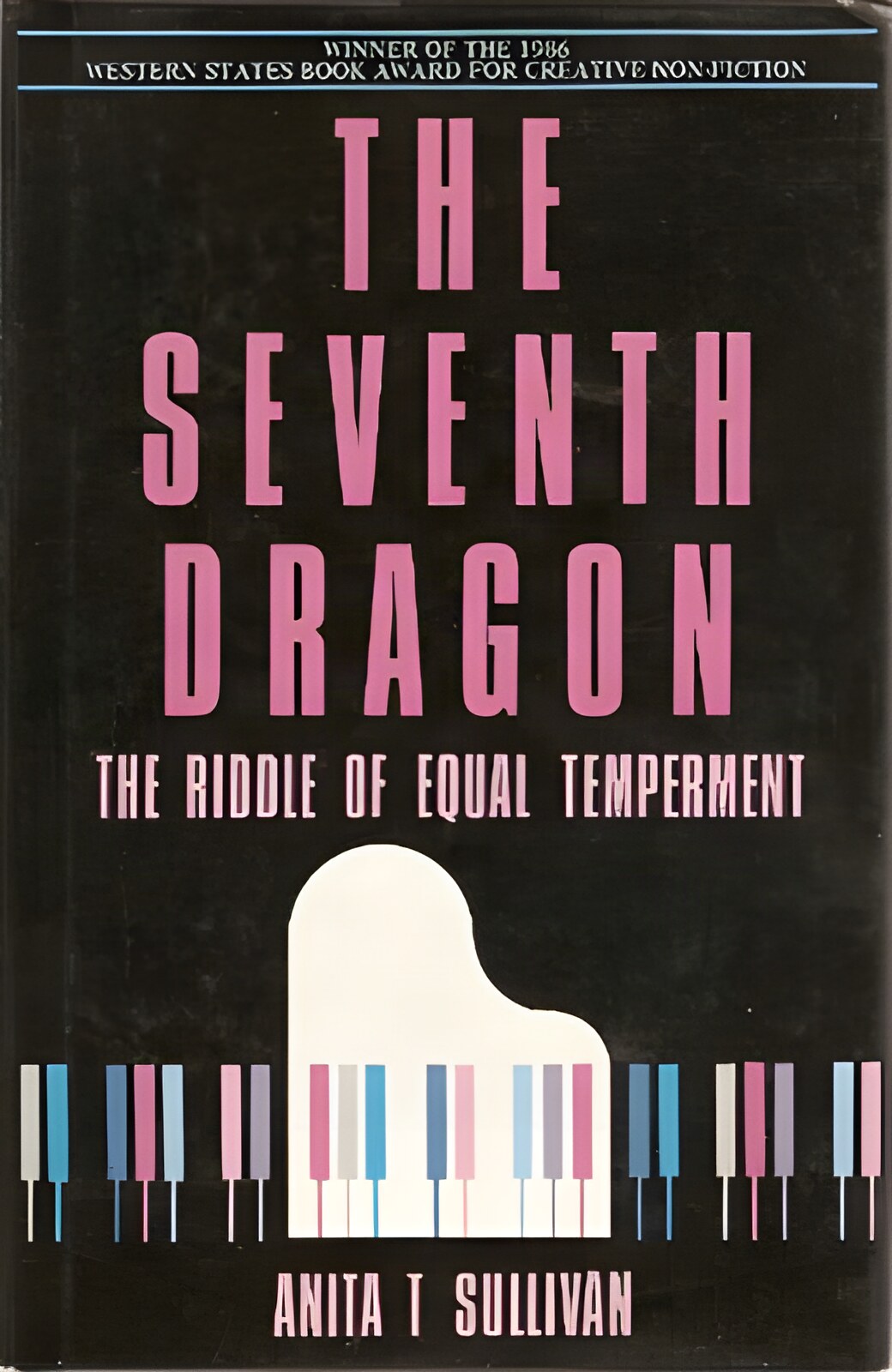
Hardcover. Lake Oswego OR, Metamorphous Press, 1st, 1985, Book: Very Good, Dust Jacket: Very Good, Hardcover in a bright dust jacket, b&w illustrations, 104 pages. A veteran piano tuner presents a non-technical, literary view of the quixotic tuning system used on keyboard instruments for hundreds of years. Focuses on the "comma", which is the pitch difference by which (9/8)^12 > (2/1), discusses its history, its importance in piano tuning, and philosophically what it all means. Winner of the Western States Book Award for creative nonfiction in 1986.
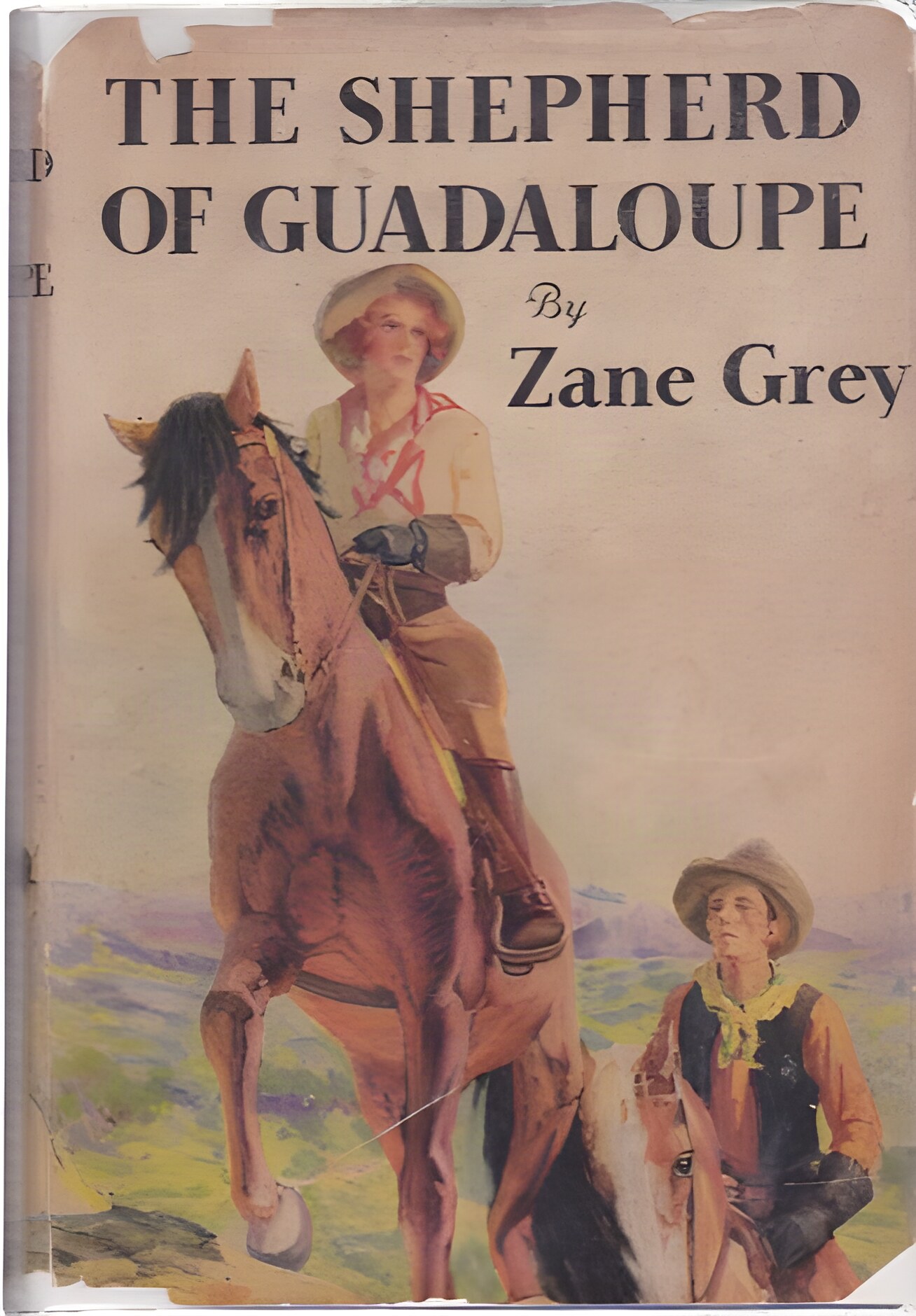
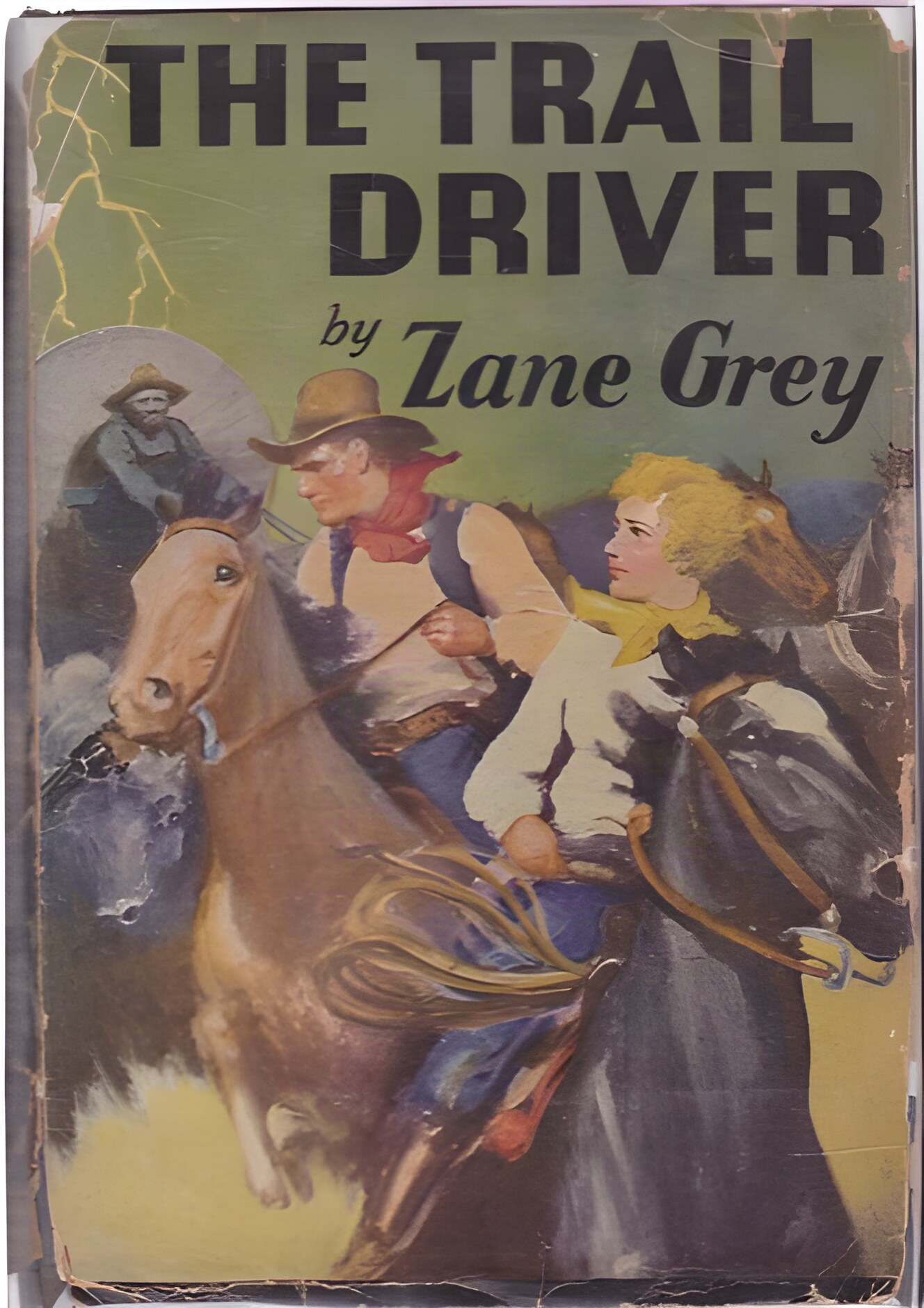
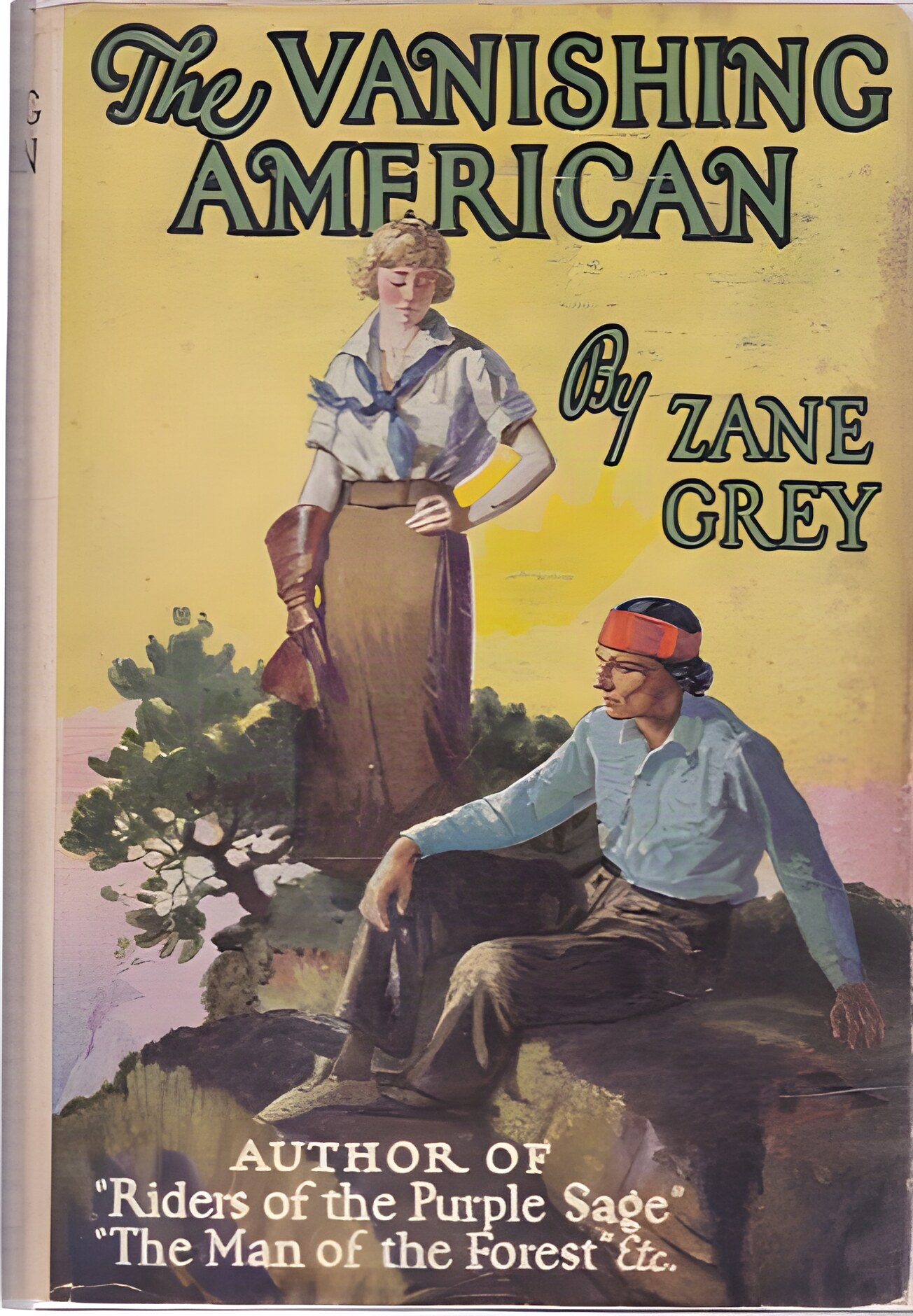
Hardcover. NY, Grosset & Dunlap, reprint, Book: Very Good, Dust Jacket: Good, Hardcover, blue cloth with black lettering in a bright dust jacket with edgewear and chipping, 335 pages. Rear dj lists to Wild Horse Mesa. Name on front fly leaf, otherwise clean.
Hardcover. London, Reaktion Books, 1st, 2016, Book: Very Good, Dust Jacket: Very Good, Hardcover in a bright dust jacket, 240 pages, illustrated in color and b&w. The story of this most familiar garment, from its emergence in western Europe at the end of the seventeenth century to today. Suit-wearing figures such as the Savile Row gentleman and the Wall Street businessman have long embodied ideas of tradition, masculinity, power and respectability, but the suit has also been used to disrupt concepts of gender and conformity. Adopted and subverted by women, artists, musicians and social revolutionaries through the decades - from dandies and Sapeurs to the Zoot Suit and Le Smoking. Clean, bright copy.
Hardcover. NY, Africana Publishing, 1st US, 1971, Book: Very Good, Dust Jacket: Very Good, Hardcover in a bright dust jacket, 419 pages, 6 maps, appendix, bibliog., index. Based on many original & unpublished materials, this book examines the impact of Omani rule & trade and the growing involvement of Western powers in Zanzibar politics in the first half of the 19th century. Owner's signature on front fly leaf, college bookplate on inside front cover. About 10 pages with light underlining.
Hardcover. NY, Charles Scribner's Sons, 2nd pr., 1934, Book: Very Good, Dust Jacket: None, Hardcover, green cloth titled in gilt on the front cover and the spine with a vignette in black on the front cover. Scribner seal on copyright page but no "A", copyright 1933, so assumed 2nd Printing. 'The trio of adventurous riders whose exploits are recorded in this novel of life on the Western cattle ranges are 'bad-men,' but 'bad-men' such as the reader has never met before in stories of the West. They are real, human, warm-blooded men, not the triply dyed blood-and-thunder villains of the movies, but men who were 'raised in outlaw country, amongst outlaw men, and they growed with that as natural as a hawk grows with wings.'' Spine faded, previous owner's signature on front fly leaf, otherwise clean tight copy.
Hardcover. NY, Grosset & Dunlap, reprint, Book: Very Good, Dust Jacket: Good, Hardcover, light blue cloth with dark blue lettering, in a bright dust jacket with edgewear and chipping, 302 pages plus publisher's ads. Rear dj lists to Wild Horse Mesa. No markings.
Hardcover. NY, Grosset & Dunlap, reprint, Book: Very Good, Dust Jacket: Good, Hardcover, brown cloth with black lettering, dust jacket with edgewear and chipping, 308 pages. Rear dj lists to Wild Horse Mesa. Missing front fly leaf, clean copy.
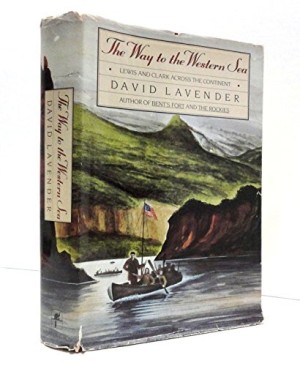
Hardcover. NY, Harper and Row, BC Ed., 1988, Book: Very Good, Dust Jacket: Very Good, Hardcover in a bright dust jacket with light edgewear. The dramatic true story of one of the great adventures of our nation's earliest years - the Lewis and Clark expedition 1803-6 to explore the American continent to the Pacific and return. This book includes in-depth profiles of the expedition's members and recounts the varying reactions of the Indians, from helpful to hostile and even violent. It provides compelling accounts of each leg of the journey. An engrossing reexamination of the expedition written by a master of narrative history. 444 pages. Clean copy.
Hardcover. Schiffer Publishing, 1st, 1997, Book: Very Good, Dust Jacket: Very Good, Hardcover, pages. Much of early Americana has been destroyed and lost forever. But occasionally, and almost miraculously, some parts of its survive. So it is with the photographs in this book. Saved from an ignominious end in the city dump, they chronicle and enliven the cowboy's life on the range. The result is a beautiful volume of real-life images of western cattlemen. These unretouched photographs taken from the original 5" x 7" negatives give an unprecedented look at life on the ranch and trail. We are presented with real people seen on the job. We see the costumes, the work, the everyday necessities of the range. And as the cowboys stare back at the camera or work with one another, the reader will get the sense of knowing them and their way of living. This is an important volume of history that every student of the Old West will cherish.
Hardcover. NY, Random House, 1st, 2005, Book: Very Good, Dust Jacket: Very Good, Hardcover in a bright, unclipped dust jacket. A harrowing odyssey of love and betrayal on the high seas-and in the shadowy corners of the human heart. At fifty-nine, Harold Snow has seen his share of death. His baptism of fire came on his twenty-first birthday, on a navy ship in the Coral Sea, when a Japanese kamikaze pilot slammed into the deck. Years later, in the aftermath of a typhoon in the Bay of Bengal, he lay awake on a ship surrounded by thousands of drowned corpses and listened to the sharks feed. Now, serving as boatswain aboard the Tarshish, a decrepit tanker whose papers are as suspect as its seaworthiness, a weary Snow feels death creeping closer than ever. Clean copy.
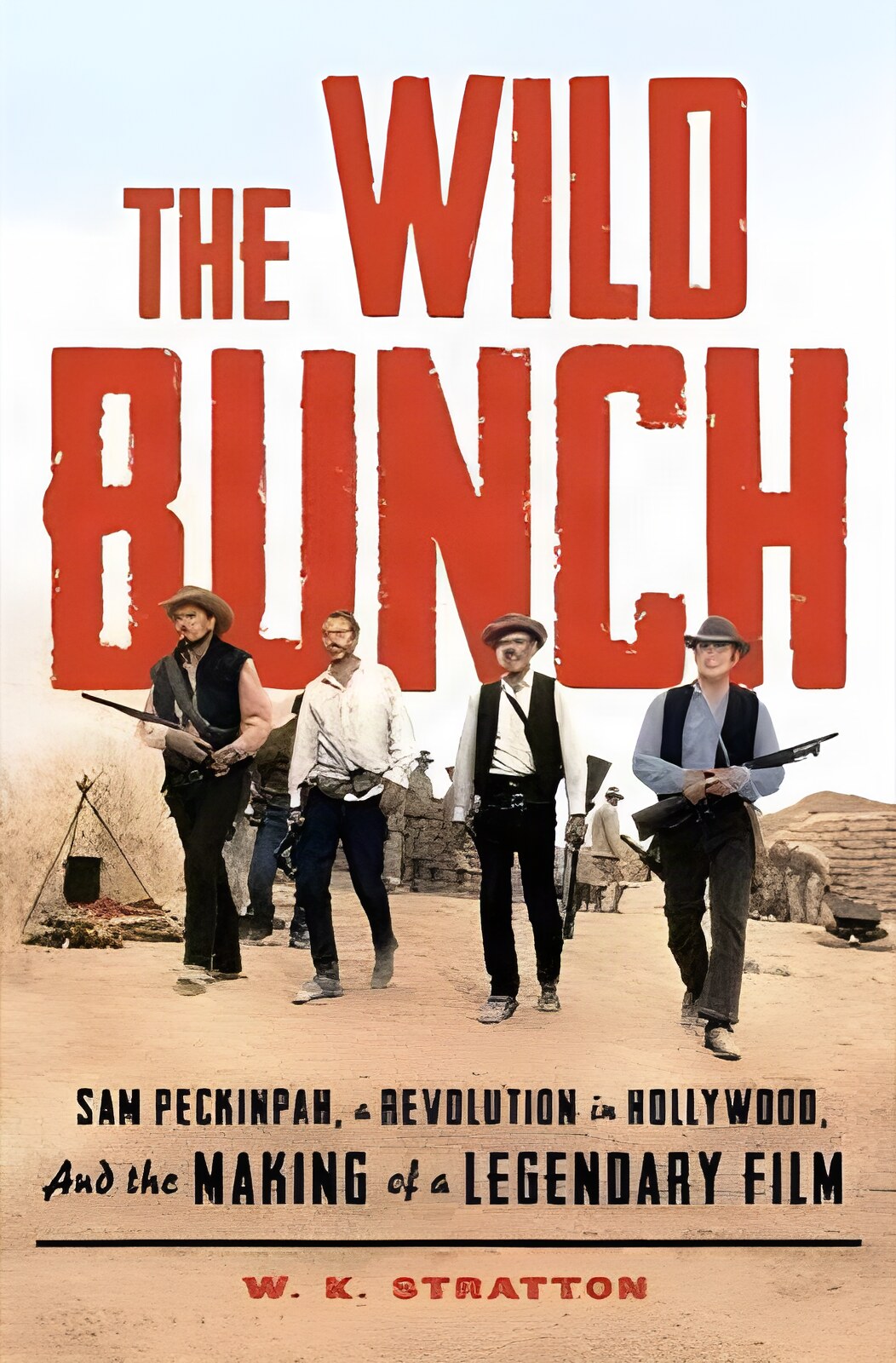
Hardcover. NY, Bloomsbury Publishing, 1st, 2019, Book: Very Good, Dust Jacket: Very Good, Hardcover in a bright dust jacket, 336 pages, b&w illustration. INSCRIBED BY STRATTON on the title page. For the fiftieth anniversary of the film, W.K. Stratton's definitive history of the making of The Wild Bunch, named one of the greatest Westerns of all time by the American Film Institute. Sam Peckinpah's film The Wild Bunch is the story of a gang of outlaws who are one big steal from retirement. When their attempted train robbery goes awry, the gang flees to Mexico and falls in with a brutal general of the Mexican Revolution, who offers them the job of a lifetime. Conceived by a stuntman, directed by a blacklisted director, and shot in the sand and heat of the Mexican desert, the movie seemed doomed. Instead, it became an instant classic with a dark, violent take on the Western movie tradition. In The Wild Bunch, W.K. Stratton tells the fascinating history of the making of the movie and documents for the first time the extraordinary contribution of Mexican and Mexican-American actors and crew members to the movie's success. Clean copy.
NY, Henry Holt, 1st, 1992, Book: Very Good, Dust Jacket: Very Good, Hardcover. Color illustrations by Maria Cristina Brusca. Light edgewear to dust jacket. When a handsome city slicker shows up at the Z-Bar Ranch to borrow a horse, the cowboys there decide to make him the butt of a joke, offering him Zebra Dun, the meanest bucking bronco they have, in a colorful version of a traditional cowboy song.
Softcover. Norman OK, University of Oklahoma Press, reprint, 1993, Book: Very Good, Dust Jacket: None, Softcover, 339 pages. Although he did not travel farther inland than the slopes of the Appalachians, Thomas Jefferson must take his place alongside Zebulon Pike, Kit Carson, Jim Bridger, and Lewis and Clark--the men who blazed the great western trails. Donald Jackson cogently recounts Jefferson's fundamental role in promoting and shaping the exploration, settlement, and development of the Trans-Mississippi West. Clean, bright copy.
Hardcover. New York , Charles Scribner's Sons, 1st, 1933, Book: Very Good, Dust Jacket: None, Hardcover, 338 pages, illustrated in b&w by James, green cloth covers with a black and gilt design. Square, bright copy with a small brownish stain to top inch of spine, Otherwise very good.




 "The Quest for the Historical Muhammadby: Ibn Warraq (Editor)")
 "The Reign of the Phallus: Sexual Politics in Ancient Athens by: Eva C. Keuls")





 "The Science of Art: Optical Themes in Western Art from Brunelleschi to Seuratby: Kemp, Martin.")
 "The Swahili Coast: Politics, Diplomacy and Trade on the East African Littoral, 1798-1856 by: Nicholls, C.S.")
 "The Three Mustangeersby: James, Will")
 "The West That Wasby: Eggen, John E.")

 "The Zebra-Riding Cowboy: A Folk Song From The Old Westby: Medearis, Angela Shelf")
 "Thomas Jefferson and the Stony Mountains: Exploring the West from Monticelloby: Donald Jackson")
 "Thomas Moran, Artist of the Mountainsby: Wilkins, Thurman")
 "Three Mustangeers, Theby: James, Will")