Hardcover. New York, Da Capo Press, 1st, 1967, Book: Very Good, Dust Jacket: Good, Hardcover, 257 pages with 126 black and white illustrations. Biographical notes. List of printers. Index of Prints. Frontispiece is an original lithograph created especially for this volume. "The only catalogue of Soyer's prints. Contains 126 separate prints - from his first etched self-portrait to his most recent experiments in advanced lithographic technique. Each print is fully described, and each is illustrated - full size wherever possible - on a separate page." Very good in a bright dust jacket.
Softcover. Washington, D.C., Smithsonian Institution Press, 1st, 1982, Book: Very Good, Dust Jacket: None, Softcover in very good condition. Catalog of exhibition at the Hirshorn Museum and Sculpture Garden in Washington D.C., Aug. 5-Oct. 3, 1982. 87 pages., illustrations., bibliography, index. Tight, clean copy.
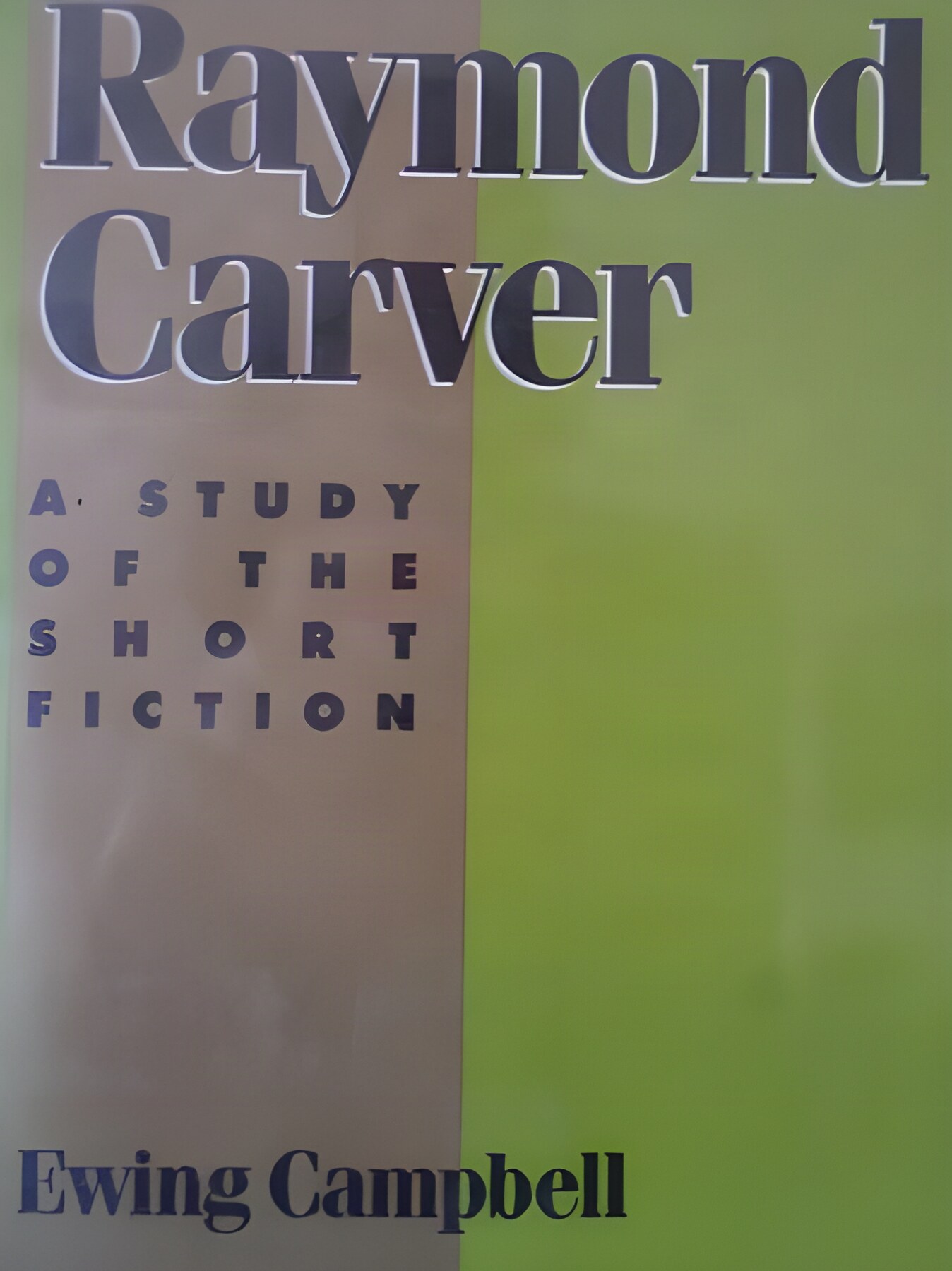
Hardcover. Twayne Publishers, 1st, 1992, Book: Very Good, Dust Jacket: Very Good, Hardcover in a bright, unclipped dust jacket, 177 pages. Perhaps the most significant and influential figure in this century's wave of American realism, Raymond Carver (1938-1988) is credited not only with reviving the short story as an artistically legitimate form, but also with perfecting minimalist fiction. Moving chronologically through Carver's complete short fiction canon and examining key stories in depth, Ewing Campbell traces the author's development through and beyond literary minimalism, into the tradition of tragic allegory. He explores Carvers persistent use of myth and archetype; motifs of the grotesque; religious iconography; and oppressed, spiritually paralyzed characters. From the earliest stories through the latest, Campbell illuminates Carvers constant fascination with the way individuals connect or fail to connect with one another. Clean copy.
Hardcover. Seattle, WA, Fantagraphics, 1st, 2016, Book: Very Good, Dust Jacket: Very Good, 256 pages. Hardcover with dust jacket. Clean, unmarked copy with only minor wear to dust jacket. Black and white pictures throughout. Founded by Paul Krassner, "The Realist" was a satirical magazine that took aim at American culture during the period of 1958 to 2001. Paul Krassner collaborates with Fantagraphics to create a collection of the best of "The Realist" drawings with contributions by R. Crumb, Art Spiegelman, S. Clay Wilson, Jay Lynch, Wallace Wood and others. Illustrated front board, 291 pages plus annotations, black/white and 2-color images. Volume numbers and year published accompanies each cartoon.
Hardcover. New York, W.W. Norton & Company, 1st, 2013, Book: Very Good, Dust Jacket: Very Good, 480 pages. Hardcover with dust jacket. A very clean, unmarked copy with only minor edgewear. A tight copy. Color illustrations throughout.
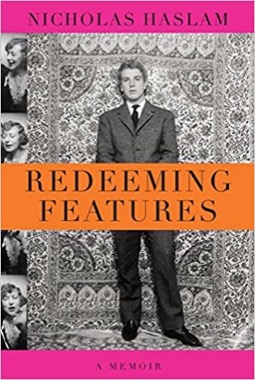
Hardcover. NY, Knopf, 1st, 2009, Book: Very Good, Dust Jacket: Very Good, Hardcover, 352 pages. In this chatty, self-absorbed memoir told with a hefty dose of name-dropping and a devout reverence for fame and fortune, British interior decorator Haslam proudly reveals his intimate connections with many members of British and American high society from the 1950s to the present, from his distant relation to Princess Diana to his brief but adoring encounters with Tallulah Bankhead, Mick Jagger, the Beatles, Joan Crawford, and many more. Indeed his busy social life started young; for most of the first hundred pages he is a fairly wide-eyed ingenue at Eton, followed by stints in London, New York, California, and back to London as a magazine editor, interior designer, and columnist. His has been a life where everyone and everything is darling and divine; in his world, elevator doors open to reveal Salvador Dali, and Andy Warhol is a frequent and amusing dinner companion. While claiming to be telling all, Haslam hides most of what makes many memoirs truly personal and affecting; in exchange readers get a chance to feel as if they are on a first-name basis with the stars. His superficial obsession with high society is, still, highly entertaining and refreshingly honest, and will delight those who travel in international circles of design and fashion.
Hardcover. New York, Abbeville Press, 1st, 1988, Book: Very Good, Dust Jacket: Very Good, Hardcover, large format, 342 pages. "Each of the 300 posters included in Reel Art has been reproduced to the uncompromising standards of all Abbeville's fine art books. The selection of posters is world-class, many never been published, and the definite text, by screenwriter and film historian Stephen Rebello, tells the vastly entertaining story behind the posters and their creators." The four decades between 1910 and 1950 were the golden age of the American movie poster, an era when wonderful films wer promoted through the talents of legendary illustrators like Thomas Hart Benton, Norman Rockwell, Howard Chandler Christy and Jmes Montgomery Flagg, as well as a small army of unknowns. It was a time when big studios lavished fortunes on poster campaigns - from modest one-sheets posted on neighbourhood fences to the gargantuan forty-eight sheets that usurped entire sides of multi-storey buildings. Hollywood knew that the right image could seduce millions past the box office and into the theatre. Today such graphics fetch five-figure prices from collectors seeking a Casablanca or a King Kong.
Softcover. US, Top Shelf Productions, 1st, 2007, Book: Very Good, Dust Jacket: None, Softcover. 285 pages, illustrated throughout in b&w. Clean, unmarked copy with only minor wear to wrappers. As the NATO bombs fell on his hometown of Pancevo in 1999, Serbian cartoonist Aleksandar Zograf used his diary comics and e-mail to reach out to the world and offer a glimpse at the effects of the attacks. Over the weeks and months of the war, Zograf documented not only how the bombings shattered the lives of his friends and neighbors, but also how the routine of daily life remained unchanged. The most recent attacks on Pancevo's oil refinery are contrasted with the latest local soccer matches -- and American propaganda flyers are as likely to fall from the sky as American comics are to arrive in the mail.
Softcover. US, Top Shelf Productions, 1st, 2007, Book: Very Good, Dust Jacket: None, Softcover. 285 pages, illustrated throughout in b&w. Clean, unmarked copy with only minor wear to wrappers. As the NATO bombs fell on his hometown of Pancevo in 1999, Serbian cartoonist Aleksandar Zograf used his diary comics and e-mail to reach out to the world and offer a glimpse at the effects of the attacks. Over the weeks and months of the war, Zograf documented not only how the bombings shattered the lives of his friends and neighbors, but also how the routine of daily life remained unchanged. The most recent attacks on Pancevo's oil refinery are contrasted with the latest local soccer matches -- and American propaganda flyers are as likely to fall from the sky as American comics are to arrive in the mail.
Hardcover. NY, The New Press , 1st, 1998, Book: Very Good, Dust Jacket: Very Good, Hardcover book with a bright dust jacket in a slipcase that also includes interview tapes. A startling first-person history of slavery. Using excerpts from the thousands of interviews conducted with ex-slaves in the 1930s by researchers working with the Federal Writers' Project, the astonishing audiotapes made available the only known recordings of people who actually experienced enslavement-recordings that had gathered dust in the Library of Congress until they were rendered audible for the first time specifically for this set. Two sixty-minute audiotapes: the first is original recordings of former slaves recorded in the 1930s, the second features dramatic readings by Esther Rolle, James Earl Jones and other black artists. Foreword by Robin D. G. Kelley.
Hardcover. New York, Burt Franklin, reprint, 1969, Book: Very Good, Dust Jacket: None, Reprint of the original 1898 edition. 15 b&w plates. Red cloth, gilt lettering to spine. Oblong. Spine somewhat loose, not affecting binding. Small stains near spine, else a very nice copy. No dust jacket.
Hardcover. Chicago, The Lakeside Press, 1st, 1913, Book: Very Good, Dust Jacket: None, Hardcover, dark green cloth stamped in gilt, top edge gilt, 137 pages. Tight, attractive copy of this early "Lakeside Classic," the annual keepsake presented by this printer/publisher to friends and clients starting in 1903. The frontispiece is a portrayal of Chicago in 1853 with a tissue guard. Includes: Introduction; William Bross - extracted from "What I remember of early Chicago", a lecture delivered Jan. 23, 1876; Charles Cleaver - extracts from articles which appeared first in the Chicago tribune; Joseph Jefferson, Chicagoan - reprinted from "The autobiography of Joseph Jefferson"; and Chicago's first railroad systems - reprinted from Andraes's "History of Chicago." Clean, bright copy.
Hardcover. Germany, Hatje Cantz Publishers, 1st, 2006, Book: Very Good, Dust Jacket: Very Good, Hardcover, 159 pages. Like new in publishers shrink-wrap. The prominent Genovese architect Renzo Piano--recipient of the 1998 Pritzker Award and architect of the Whitney Museum of American Art and Morgan Library renovations, as well as the new New York Times building--has just completed a new and unusual museum building--the Zentrum Paul Klee on the outskirts of Bern. The center, says Piano, is dedicated to the "poet of silence," and thus it was fitting to consider building a museum that would speak softly. The Zentrum Paul Klee rises upward in the form of three hills connected by a 150-meter-long thoroughfare, the "Museum Street" serving as a path within the complex. The three structures make up a harmonious yet prominent landscape sculpture whose roofs are supported by innovative steel construction. Includes photographs, design sketches, plans and models--a living image of a magnificent building.
Hardcover. Germany, Hatje Cantz Publishers, 1st, 2006, Book: Very Good, Dust Jacket: Very Good, Hardcover, 159 pages. Like new in publishers shrink-wrap. The prominent Genovese architect Renzo Piano--recipient of the 1998 Pritzker Award and architect of the Whitney Museum of American Art and Morgan Library renovations, as well as the new New York Times building--has just completed a new and unusual museum building--the Zentrum Paul Klee on the outskirts of Bern. The center, says Piano, is dedicated to the "poet of silence," and thus it was fitting to consider building a museum that would speak softly. The Zentrum Paul Klee rises upward in the form of three hills connected by a 150-meter-long thoroughfare, the "Museum Street" serving as a path within the complex. The three structures make up a harmonious yet prominent landscape sculpture whose roofs are supported by innovative steel construction. Includes photographs, design sketches, plans and models--a living image of a magnificent building.
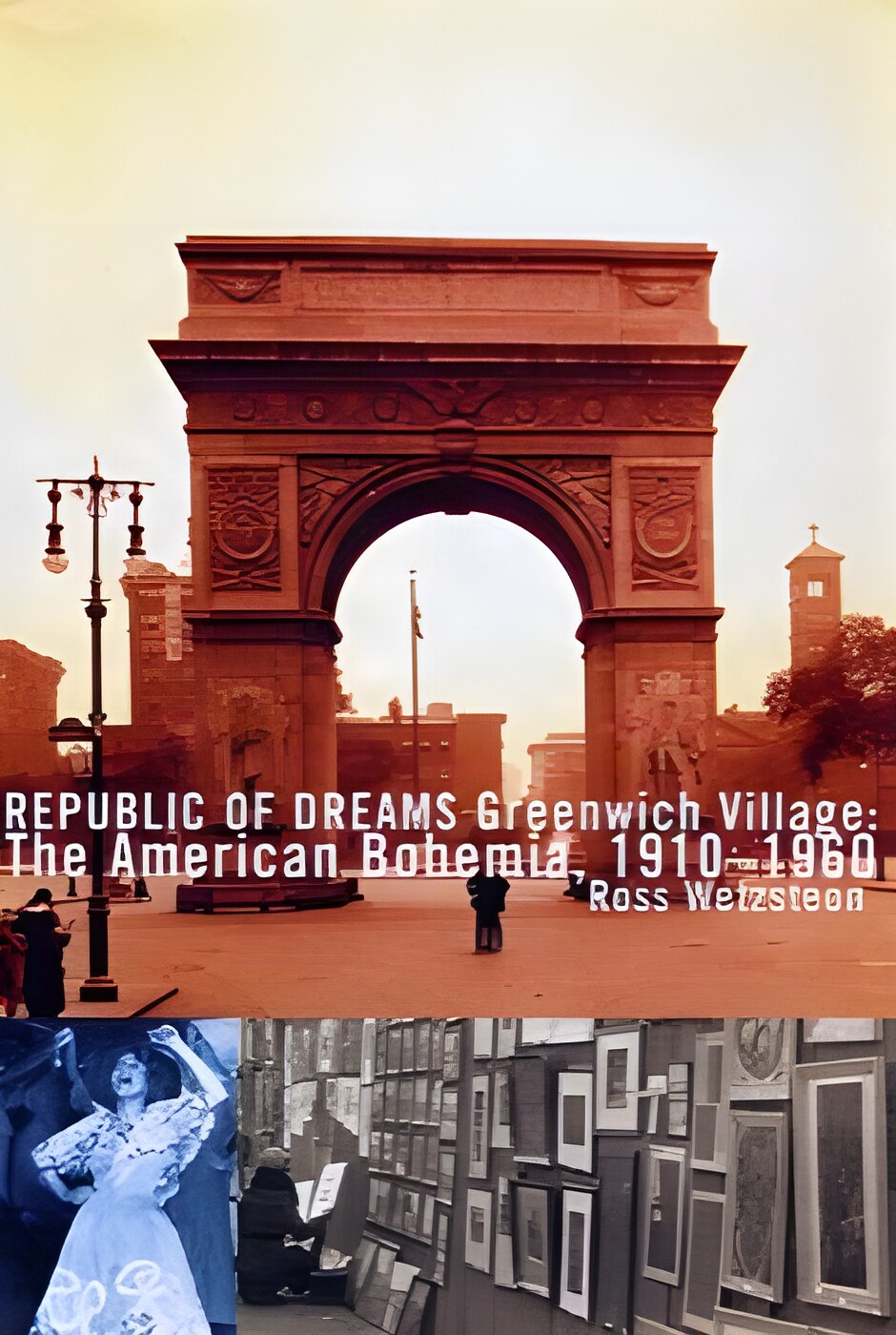
Hardcover. NY, Simon & Schuster, 1st, 2002, Book: Very Good, Dust Jacket: Very Good, Hardcover in a bright, unclipped dust jacket. A thoughtful history of the legendary New York City neighborhood chronicles the Village's role as a bohemian enclave that became the home of and transformed the lives of such individuals as Edna St. Vincent Millay, Emma Goldman, Eugene O'Neill, Margaret Sanger, and Thomas Wolfe, who came to the neighborhood to pursue individual artistic, personal, and political dreams. Clean copy.
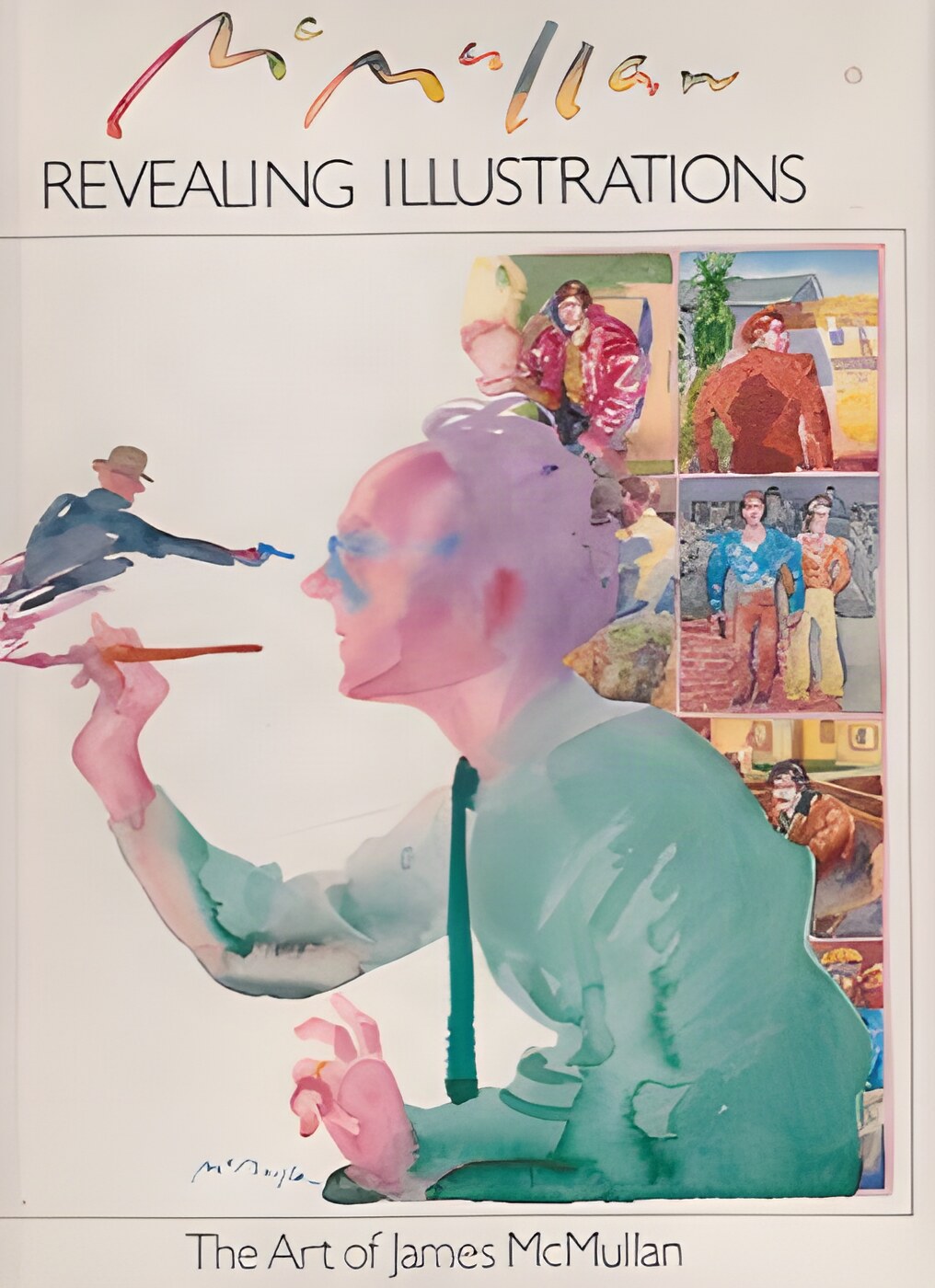
New York, Watson-Guptill Publications, 1st, 1981, Book: Very Good, Dust Jacket: Very Good, Hardcover, 143 pages, illustrated throughout. A monograph on the artwork of James McMullan as well as a step-by-step guide to his approach to the design process with his reference materials, sketches, photographs of the artist at work, and the finished project. Introductory interview by Milton Glaser. Dust jacket edge wear and fade, minor foxing on top edge. Otherwise, very clean and tight copy.
Hardcover. Newport VT, Vermont Civil War Enterprises, Reprint, Book: Very Good, Dust Jacket: None, 2 Hardcover Volumes. Reprint from early 2000's. Volume 1 - 455 pages. Hardcover. Imitation red leather covers. Gilt titles on spine and cover. Related article laid in. Previous owner's pencil inscription on front end paper has been erased. Otherwise clean, tight copy. Volume 2 - 408 pages. Hardcover. Imitation red leather covers. Gilt titles on spine and cover. Previous owner's pencil inscription on front end paper has been erased. Some pencil markings throughout. Otherwise clean, tight copy.
Softcover. Washington DC, National Museum of American Art and National Portrait Gallery, Smithsonian Institution, 1st, 1993, Book: Very Good, Dust Jacket: None, Softcover, 408 pages, illustrated throughout in color and b&w. Light edgewear and rubbing to wrappers, else a clean, tight copy.
Hardcover. The Monacelli Press , 1st, 2018, Book: Very Good, Dust Jacket: Very Good, Hardcover in a bright dust jacket, 264 pages. Richard Filipowski (1923-2008) was among the most gifted polymaths in the annals of American modernism. Whether as a painter, sculptor, or designer of furniture and jewelry, Filipowski developed a lush, abstract, and amazingly consistent visual language that marks him among the finest figures of midcentury art and design. As a student at the Institute of Design (formerly the New Bauhaus) in Chicago, he quickly became a protege of founder Laszlo Moholy-Nagy, who featured several of Filipowski's works in his seminal text Vision in Motion (1947); Filipowski was the only student Moholy-Nagy called upon to join the faculty, where he taught alongside Walter Gropius and Marcel Breuer. Recruited by Gropius to develop a course in design fundamentals at Harvard, which remains a cornerstone of design pedagogy to this day, he would move to MIT where he taught for more than three decades, until his retirement in 1988. With a foreword by Laszlo Moholy-Nagy's daughter Hattula, Richard Filipowski: Art and Design Beyond the Bauhaus is the first monograph of this master, who over the course of his career created a unique body of work in diverse media that has largely, until recently, been held in private collections due to his relative lack of compulsion to seek media attention or worldly rewards. But now through the efforts of the Filipowski family and new attention by design scholars--several of whom contribute essays here on Filipowski's graphic and painted works, sculpture, furniture, and position in design history--the work is being revealed to a new generation of aficionados. Richard Filipowski is a rich document of a life and career that is poised to reenter the canon of modernism.
Hardcover. Newburyport Press, 1st, 2006, Book: Very Good, Dust Jacket: Very Good, Hardcover in a bright, unclipped jacket. Richard Henry Arbib was considered one of the leading industrial designers in the United States in the years following World War II. By the 1950s, he had established himself as one of the true visionaries in his field, producing groundbreaking design concepts not only for automobiles, but for a range of products that included wristwatches, pens, boats and even personal helicopters--designs so innovative than many of them would still be considered advanced today. This book is an attempt to rediscover both the man and his extraordinary work. Combining a biographical essay and commentary by historian and collector Frederic A. Sharf with 35 never-before-seen drawings by Arbib, this is a revelatory look at one of the great artists of America's industrial history, and the first biographic study of his work.
Hardcover. New York, George Braziller, 1st, 1993, Book: Very Good, Dust Jacket: Very Good, Hardcover in a bright dust jacket, Unpaginated. Color and black & white photography. British artist Long ( Walking in Circles ) takes nature treks--in England's Lake District, the Sahara, Japan, Nepal--and creates site-specific works along the way. He fashions a mud circle in the river Avon, traces a line of snow near a temple in Kyoto and erects a circle of stones on a Swiss mountainside. The spare, deeply meditative photographs that he took en route sometimes call to mind prehistoric British megalithic monuments or Native American earthworks, as if he wants to tune in on planetary patterns of energy. At other times Long simply records what he sees, providing dramatic vistas of Iceland's vast rolling hills, Bolivia's high plateau, Washington's forests and Mount Everest's calm majesty. His images, poetic captions and unobstrusive siteworks reflect an artist who is at once traveler, nature-lover and adventurer.
Hardcover. NY, Twayne Publishers, 1st, 1996, Book: Very Good, Dust Jacket: Very Good, Hardcover in a bright dust jacket, 162 pages. The first full-length critical treatment of this significant and neglected figure in American realism. Arguing that raw naturalism and subtle craftsmanship - seemingly incompatible qualities join to make Yates one of the most accomplished writers of the post - World War II period, the authors provide a comprehensive survey of his life and work. An introductory chapter outlines the historical, literary, and social contexts important to Yates's writings, comparing him, for example, with his contemporaries Philip Roth and Mary McCarthy and articulating strong lines of continuity between his themes and the ideas of the French historian Alexis de Tocqueville, the Marxist-oriented socialist C. Wright Mills, and the social theoretician Erving Goffman. Next a thorough biographical portrait illuminates Yates's obsession with the American middle class and its dislocated, disordered, and psychologically stifled populace, followed by sharp readings of the novels and story collections, including unfinished and minor works. Clean copy.

 "Raphael Soyer: Fifty Years of Printmakingby: Cole, Sylvan, Jr.")
 "Raphael Soyer: Sixty-five Years of Printmakingby: Gettings, Frank")
 "Raymond Chandler: Later Novels and Other Writings: The Lady in the Lake / The Little Sister / The Long Goodbye / Playback /Double Indemnity / Selected Essays and Letters by:")
 "Realist Cartoons, Theby: Persoff, Ethan (Editor)")
 "Red Man's Bones, The: George Catlin, Artist and Showmanby: Eisler, Benita")
 "Reel Art: Great Posters from the Golden Age of the Silver Screen by: Rebello Stephen; Richard Allen")
 "Regards From Serbiaby: Zograf, Aleksandar")
 "Regards From Serbiaby: Zograf, Aleksandar")
 "Remembering Slavery: African Americans Talk About Their Personal Experiences of Slavery and Emancipationby: Ira Berlin/Marc Favreau/Steven Miller")


 "Remington's Frontier Sketchesby: Remington, Frederic")
 "Reminiscences of a Portrait Painterby: Healy, George P.A.")


 "Renzo Piano: Zentrum Paul Klee, Bern, The Architectureby: Piano, Renzo")
 "Renzo Piano: Zentrum Paul Klee, Bern, The Architectureby: Piano, Renzo")


 "Revised Roster of Vermont Volunteers in the War Of Rebellion and Lists of Vermonters Who Served in the Army and Navy of the United States During the War of the Rebellion 1861-66 - Field Edition - Volume 1 & 2")
 "Revisiting the White City: American Art at the 1893 World's Fairby: Art, National Museum of American (U.S.)")
 "Richard Filipowski: Art and Design Beyond the Bauhausby: Marisa Bartolucci (Editor), Hattula Moholy-Nagy (Foreword)")
 "Richard H. Arbib: 1917-1995 Visionary American Designerby: Arbib, Richard")
 "Richard Long: Mountains and Watersby: Long, Richard")