Hardcover. Norman OK, University of Oklahoma Press , 1st, 1971, Book: Very Good, Dust Jacket: Very Good, 238 pages. b&w and color illustrations. Pictorial dust jacket. Decorative endpapers. Minor edge wear. A very nice. clean and tight copy.
Hardcover. New York, Watson-Guptill Publications, 1st, 1982, Book: Very Good, Dust Jacket: Very Good, Hardcover, 88 pages, includes 40 color plates, (32 full page), as well as 19 b&w illustrations. Introductory biographical essay by author. Clean and well bound in blue cloth, very good condition. Dust jacket shows a little bit of wear around edges.
Hardcover. New York, Watson-Guptill Publications, 1st, 1982, Book: Very Good, Dust Jacket: Very Good, Hardcover, 88 pages, includes 40 color plates, (32 full page), as well as 19 b&w illustrations. Introductory biographical essay by author. Clean and well bound in blue cloth, very good condition. Dust jacket shows a little bit of wear around edges.
Hardcover. Chicago, University of Chicago Press, 1st, 2016, Book: Very Good, Dust Jacket: Very Good, Hardcover 192 pages. On September 25, 1890, the Mormon prophet Wilford Woodruff publicly instructed his followers to abandon polygamy. In doing so, he initiated a process that would fundamentally alter the Latter-day Saints and their faith. Trading the most integral elements of their belief system for national acceptance, the Mormons recreated themselves as model Americans. Mary Campbell tells the story of this remarkable religious transformation in Charles Ellis Johnson and the Erotic Mormon Image. One of the church's favorite photographers, Johnson (1857-1926) spent the 1890s and early 1900s taking pictures of Mormonism's most revered figures and sacred sites. At the same time, he did a brisk business in mail-order erotica, creating and selling stereoviews that he referred to as his "spicy pictures of girls." Situating these images within the religious, artistic, and legal culture of turn-of-the-century America, Campbell reveals the unexpected ways in which they worked to bring the Saints into the nation's mainstream after the scandal of polygamy.
Hardcover. New York, Harry N. Abrams, Inc., 1st Edition, 1989, Book: Very Good, Dust Jacket: Very Good, 155 pages. Hardcover. Color and b/w illustrations throughout. Cover boards bound in orange cloth, gilt title on spine, all excellent. Dust jacket unclipped, has small puncture near spine on front cover (patched from inside a with tape, see image), otherwise very good. Binding tight. Spine straight. In beautiful condition. Hassrick's illuminating discussion of Russell's work, based on much new research, is set against the backgrond of the artist's experiences in the West.
Softcover. New York, Rizzoli, 1st, 1993, Book: Very Good, Dust Jacket: None, 305 pages, illustrated throughout in color and b&w. Light edgewear and sun-fade to spine. Previous owner's signature on front end paper. Clean, tight copy. Briefly traces the career of this contemporary American architect and shows examples of his houses, apartment buildings, libraries, museums, schools, hotels, churches, and conference centers.
Hardcover. NY, Watson Guptill, 1st, 1977, Book: Very Good, Dust Jacket: Very Good, Hardcover, 143 pages. Publisher's full blue cloth, silver lettering on spine and front cover, contains 80 color plates and 28 black & white illustrations. Looks at the working methods of American artist Charles Pfahl (b. 1946), and includes "step-by-step photographic demonstrations of paintings in progress, with detailed technical captions showing how each step is painted."
Hardcover. New York, Museum of Contemporary Art, 1st, 1998, Book: Very Good, Dust Jacket: None, Hardcover, 119 pages, mostly illustrated in color. Essays by Paul Schimmel and Lisa Phillips. Illustrated boards, no dust jacket issued.
Hardcover. Washington DC, Smithsonian Institution, 1st, 1968, Book: Very Good, Dust Jacket: Good, Hardcover in a lightly worn, unclipped dust jacket. 156 pages, b&w and color illustrations. Accompanied the exhibit of the same name shown at the Smithsonian, the Philadelphia Museum of Art and the Whitney in 1968 and 1969. Essays by Martin Friedman, Bartlett Hayes and Charles Millard. Whitney Museum of American Art. Bibliography: p. 106-107. Charles Sheeler (July 16, 1883 - May 7, 1965) was an American painter and commercial photographer. He is recognized as one of the founders of American modernism, developing a "quasi-photographic" style of painting known as Precisionism and becoming one of the master photographers of the 20th century. Mild shelf wear, clean copy.
Hardcover. Boston, New York Graphic Society , 1st, 1987, Book: Very Good, Dust Jacket: Very Good, 162 pages. Green cloth cover with gilt lettering to cover and spine, illustrated dust jacket, 90 tritone and 78 duotone illustrations, companion copy to "Charles Sheeler: Paintings and Drawings." Light wear to dust jacket; otherwise a tight, clean copy.
Hardcover. New York, Harry N. Abrams, Inc, 1st, 1982, Book: Very Good, Dust Jacket: Very Good, Hardcover in a bright dust jacket, 272 pages. 189 illustrations, including 98 plates in full color. Light brown cloth. Clean, bright copy. As good as new. Peale painted thousands of canvases and that provided a superb record of colonial and federal society. In mid-life Peale turned to the study of nature and assembled a museum in Philadelphia that was, at its time, the most important institution of its kind in the country.
Hardcover. Philadelphia, The American Philosophical Society, 1st, 1939-47, Book: Very Good, Dust Jacket: Very Good, Two hardcover volumes. 293+468 pages. B&w illustrations throughout both volumes. Blue cloth, gilt lettering to spine and front cover. Dust jackets in protective mylar cover, some pieces missing from spine and some dark age stains on vol. 2. Both copies excellent shape, volume 1 looks almost new, while volume 2 has aged gracefully. A very nice, tight and clean set.
Hardcover. New York, Abrams, Revised Ed., 1974, Book: Very Good, Dust Jacket: Very Good, Hardcover, 296 pages, illustrated throughout with 80 plates in full color and numerous illustrations in b&w. Clean, unmarked copy with only minor wear to dust jacket. The author, Frederic G. Renner, was a good friend of the artist, and devoted nearly 35 years to collecting and studying Russelliana.
Hardcover. Atlanta, GA, University of Georgia Press, 1st, 1945, Book: Good, Dust Jacket: Good, Written by fresco painter Jean Charlot on the subject of 3 particular murals he painted during his year as artist-in-residence at the University of Georgia. 222 pages, illustrated with 178 (mostly black/white, few color) plates. Introduction by Lamar Dodd and photography by Eugene Payor. Cloth bound book is in good condition, some light stains on the cover, a few pages stick. Dust jacket shows slight edge wear.
Softcover. New Haven, NJ, Yale University Art Gallery, 1st, 1982, Book: Very Good, Dust Jacket: None, 213 pages, numerous b&w illustrations. Pictorial stiff wrappers. Light wear to edges and spine, else a nice, clean copy.
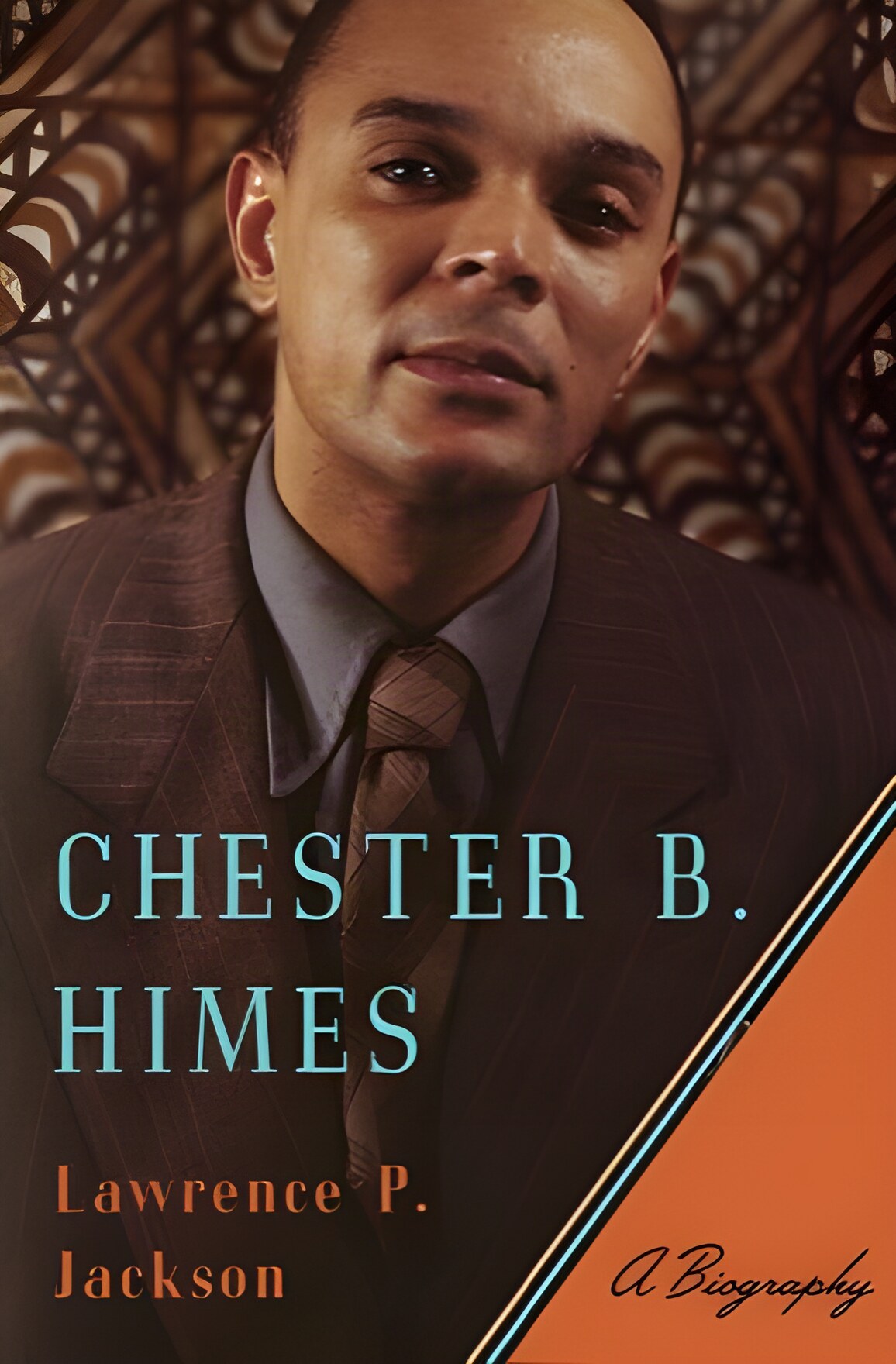
Hardcover. NY, W. W. Norton & Company, 1st, 2017, Book: Very Good, Dust Jacket: Very Good, Hardcover in a bright dust jacket, 606 pages. In this definitive biography of Chester B. Himes (1909-1984), Lawrence P. Jackson uses exclusive interviews and unrestricted access to Himes's full archives to portray a controversial American writer whose novels unflinchingly confront sex, racism, and black identity. Himes brutally rendered racial politics in the best-selling novel If He Hollers Let Him Go, but he became famous for his Harlem detective series, including Cotton Comes to Harlem. A serious literary tastemaker in his day, Himes had friendships-sometimes uneasy-with such luminaries as Ralph Ellison, Carl Van Vechten, and Richard Wright. Jackson's scholarship and astute commentary illuminates Himes's improbable life-his middle-class origins, his eight years in prison, his painful odyssey as a black World War II-era artist, and his escape to Europe for success. More than ten years in the writing, Jackson's biography restores the legacy of a fascinating maverick caught between his aspirations for commercial success and his disturbing, vivid portraits of the United States. Clean copy.
Softcover. Munich, Prestel/Art Institute of Chicago, 1st, 1987, Book: Very Good, Dust Jacket: None, Softcover, 480 pages, b&w and color illustrations. Published in association with the Art Institute of Chicago and in conjunction with an exhibition presented there in the summer of 1988, as well as in Paris and Frankfurt-am-Main in 1987-88. Contributors to the text include Robert Bruegmann, Sally Chappell, Meredith L. Clausen, Joan E. Draper and others.
Hardcover. Chicago, IL, Chicago Historical Society, 1st, 1979, Book: Very Good, Dust Jacket: Very Good, Hardcover. History of the art of glass and ceramics in Chicago. Focuses on both small-scale, decorative works and larger, architectural pieces. Illustrated with 221 photographs (mostly black/white, few color). Dust jacket in very good condition, shows slight rubbing on the back, but cloth bound book in near fine condition with virtually no flaws.
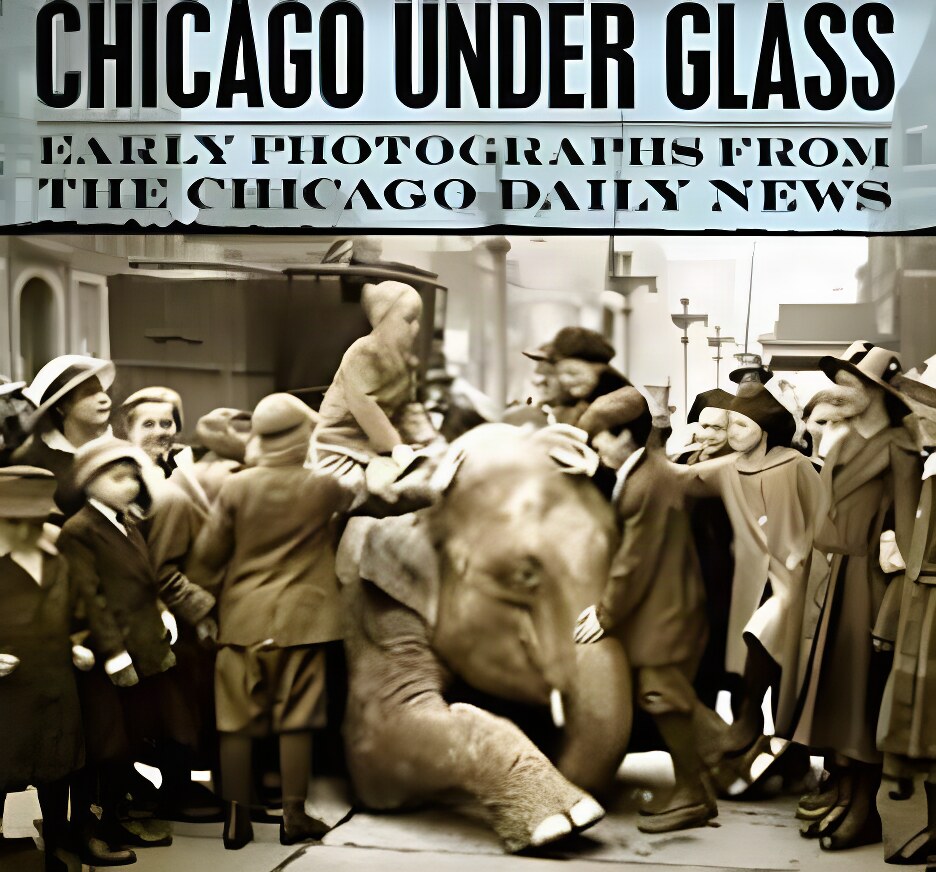
Hardcover. Chicago IL, University of Chicago Press, 1st, 2007, Book: Very Good, Dust Jacket: Very Good, Hardcover, 263 pages. When the Chicago Daily News closed its doors in March 1978 after over a century of publication, the city mourned the loss of an American original. The Daily News boasted the inventive, aggressive writing of such luminaries as Carl Sandburg and Ben Hecht. It was also one of the first newspapers in the country to feature black-and-white photography. In 1900, staffers from the paper's art department began lugging bulky cameras, heavy glass plates, and explosive flash powder throughout the city. A labor strike, a boxing match, or a crime scene--it was all in a day's work for the Daily News photographer. These cameramen helped sell papers, but, as Mark Jacob and Richard Cahan reveal, they also made art. Chicago under Glass: Early Photographs from the Chicago Daily News is the first collection of images from the photo staff's early years, 1901 to 1930. Jacob and Cahan, seasoned journalists themselves, have selected more than 250 images--many of which have never before been published--from the nearly 57,000 glass negatives housed at the Chicago History Museum. They include rare photographs of a young Buster Keaton with his wife and child, waiting to board a train and the notorious Al Capone outside a courtroom, smoking a cigar and consulting with his lawyer. Each thematic section begins with a fascinating introduction by the authors, and each image is accompanied by insightful historical commentary.
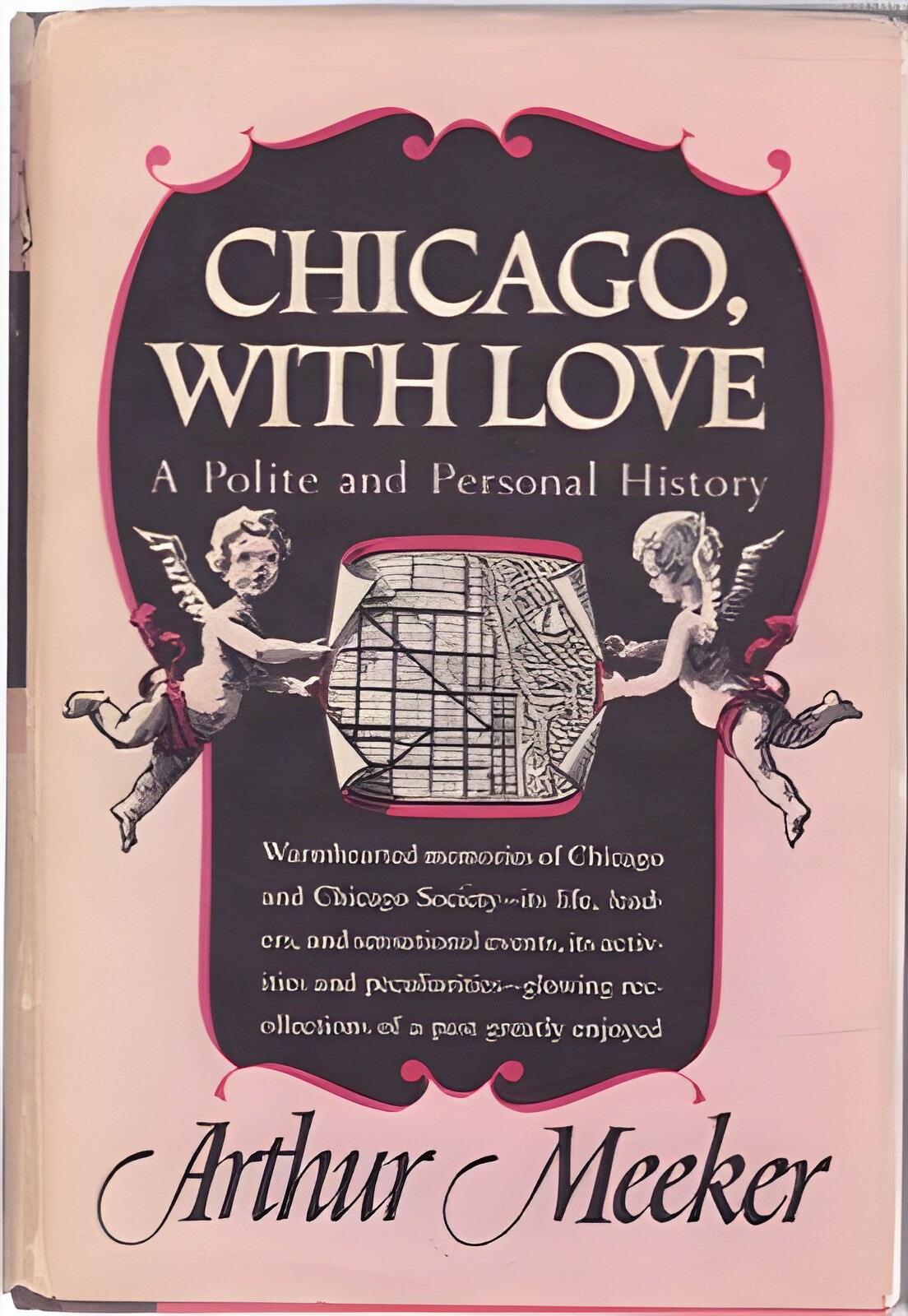
Hardcover. NY, Alfred A. Knopf, 1st, 1955, Book: Very Good, Dust Jacket: Good, Hardcover in a lightly worn dust jacket, 293 pages plus index. Illustrated with b&w photos. Dust jacket with fading, mild chipping. Clean copy.
Hardcover. San Francisco , Pomegrante Artbooks, 1st, 1993, Book: Very Good, Dust Jacket: Very Good, Hardcover, XV pages + 36 plates in full color. Light blue cloth, blue pictorial dust jacket. Light edgewear to jacket, else like new
Hardcover. NY, W. W. Norton, 1st, 1990, Hardcover in a bright dust jacket, 208 pages. From the late 1880s to around 1915, Childe Hassam, America's foremost impressionist, frequently visited the Isles of Shoals, the site of a summer resort popular with many American artists and writers. Paintings from Hassam's Isles of Shoals series are among the most familiar icons of late nineteenth-century American art. But until now, a comprehensive selection of these beautiful works had not been collected in one place. David Park Curry's informative text provides the background essential to a full appreciation of these works. 105 full-color reproductions and100 black-and-white photographs.
Hardcover. NY, Abrams, 1st, 1999, Book: Very Good, Dust Jacket: Very Good, Hardcover in a bright, unclipped dust jacket. Small paper scar on front fly leaf where tape pull left dime-size white spot. Otherwise like new. 256 pages. Childe Hassam's impressive career as one of America's foremost Impressionists is celebrated and illuminated in this dazzlingly beautiful volume. No other American Impressionist ever surpassed the quality and variety of Hassam's output as a painter and draftsman. Equally talented in oils, watercolors, and prints, he explored rain-swept city scenes, glorious gardens, exquisite women, and stirring flag-lined streets. Many of these irresistible pictures are hidden in private collections and are rarely, if ever, accessible to the public; others are on view at major museums across the country, from the Metropolitan Museum to the Museum of Fine Arts, Boston, to the Los Angeles County Museum of Art. By approaching Childe Hassam (1859-1935) from different angles, the three authors reveal this multitalented artist's many facets and uncover previously unknown aspects of his life and work. The authoritative essays are illustrated with a brilliant array of color illustrations that represent all of Hassam's styles, from Barbizon-inspired Tonalism to Impressionism to Post-Impressionism. The book concludes with an invaluable illustrated chronology and an annotated bibliography.
Softcover. University of Washington Press, 1st, 1999, Softcover, 176 pages. Traces the development of the comic strip since its birth at the turn of the century. The reproductions of vintage strips are strikingly pristine, due to the use of original artwork rather than published versions in the production of the volume. The author, a seasoned writer and scholar of the subject is good at historical and aesthetic discussion, less so at discussing the sociological context of various strips. Two other experts in the field, Brian Walker and Richard V. West, contribute a foreword and afterword. An attractive and enjoyable volume. 9x12

 "Charles Demuth: Behind a Laughing Maskby: Farnham, Emily")
 "Charles Demuthby: Eiseman, Alvord L.")


 "Charles Demuthby: Eiseman, Alvord L.")
 "Charles Ellis Johnson and the Erotic Mormon Imageby: Mary Campbell")
 "Charles M. Russell (The Library of American Art)by: Peter H. Hassrick")


 "Charles Moore: Buildings and Projects 1949-1986by: Johnson, Eugene J.")
 "Charles Pfahl: Artist at Workby: Singer, Joe")
 "Charles Rayby: Schimmel, Paul")
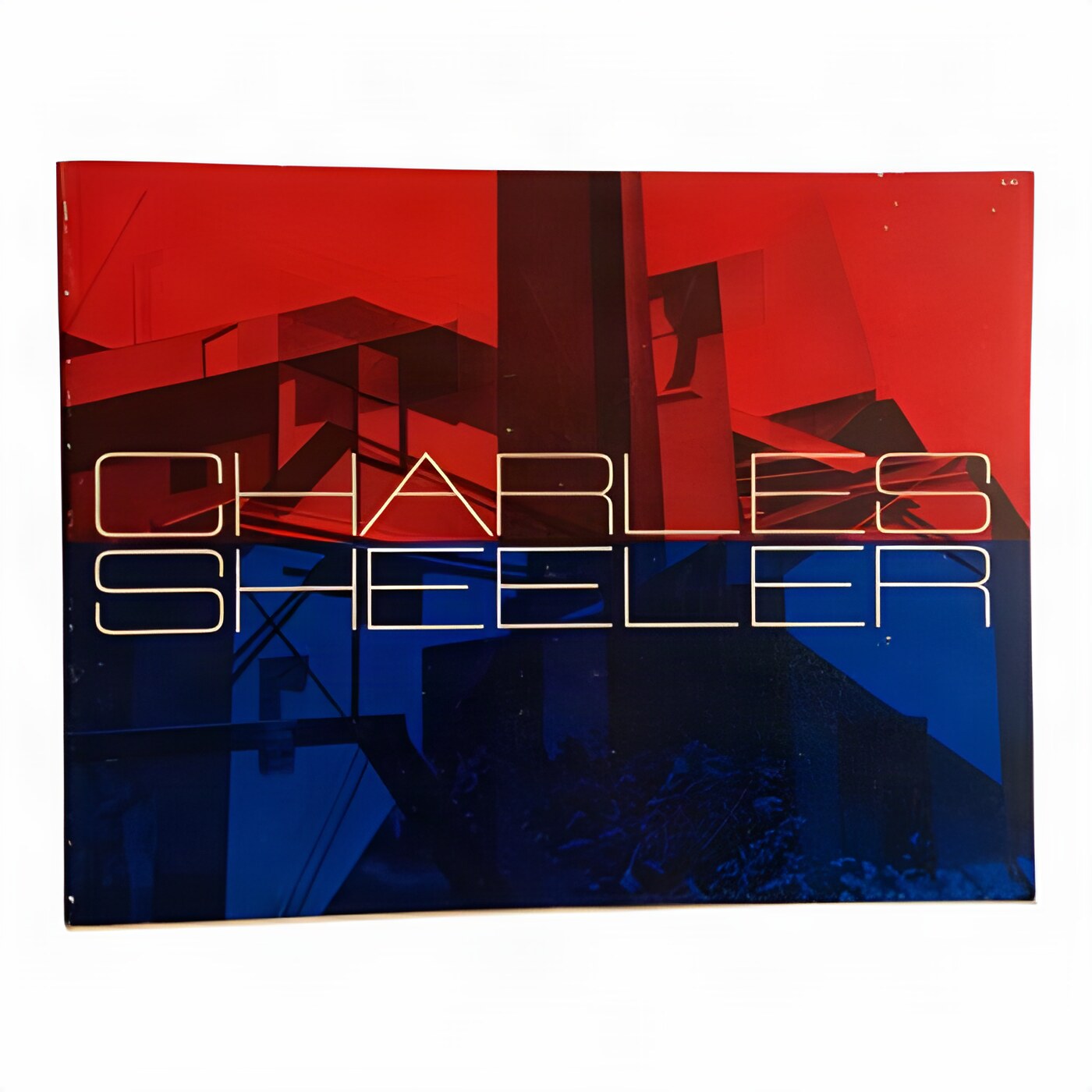
 "Charles Sheeler: The Photographsby: Stebbins, Jr., Theodore E. and Norman Keyes, Jr.")
 "Charles Willson Peale and His Worldby: Richardson, Edgar P., Brooke Hindle")
 "Charles Willson Peale: Early Life, 1741-1790, Later Life, 1790-1827 (2 Volumes)by: Sellers, Charles Coleman")
 "Charles, M. Russell: Paintings, Drawings and Sculpture in the Amon Carter Museumby: Renner, Frederic G.")
 "Charlot Murals in Georgiaby: Charlot, Jean")
 "Checklist of American Paintings at Yale University, Aby: Stebbins, Jr., Theodore E.")
 "Chicago Architecture 1872-1922 Birth of a Metropolisby: Zukowsky (Ed.), John")
 "Chicago Ceramics & Glass: An Illustrated History from 1871 to 1933by: Darling, Sharon S.")
 "Childe Hassam's New Yorkby: Fort, Ilene Susan")
 "Childe Hassam: An Island Garden Revisitedby: Curry, David Park")
 "Childe Hassam: Impressionistby: Warren Adelson and Jay E. Cantor/ William Gerdts")


 "Children of the Yellow Kid: The Evolution of the American Comic Stripby: Walker, Brian/ Robert Harvey")