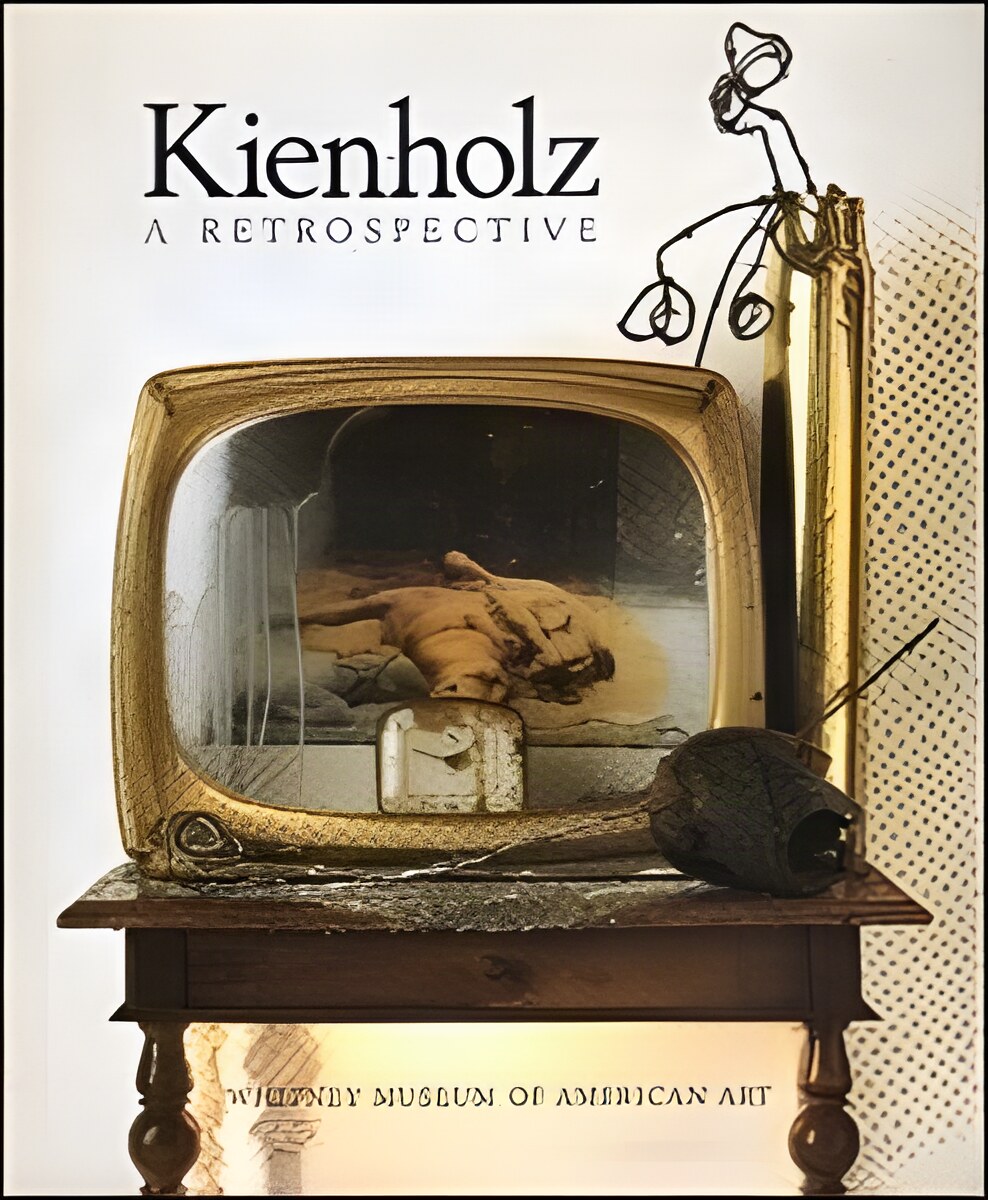
Softcover. NY, Whitney Museum of American Art, 1st, 1996, Book: Very Good, Dust Jacket: None, Softcover, profusely illustrated in both color and black and white. 300 pages. 4to, glossy pictorial wrappers. Extensive monograph of artist's life and work. Published to accompany the exhibition held in NY: Whitney Museum of American Art, February 29 to June 2, 1996; two additional venues. Two exhibition mailings laid in, one addressed to film director Bob Rafelson. Clean copy.
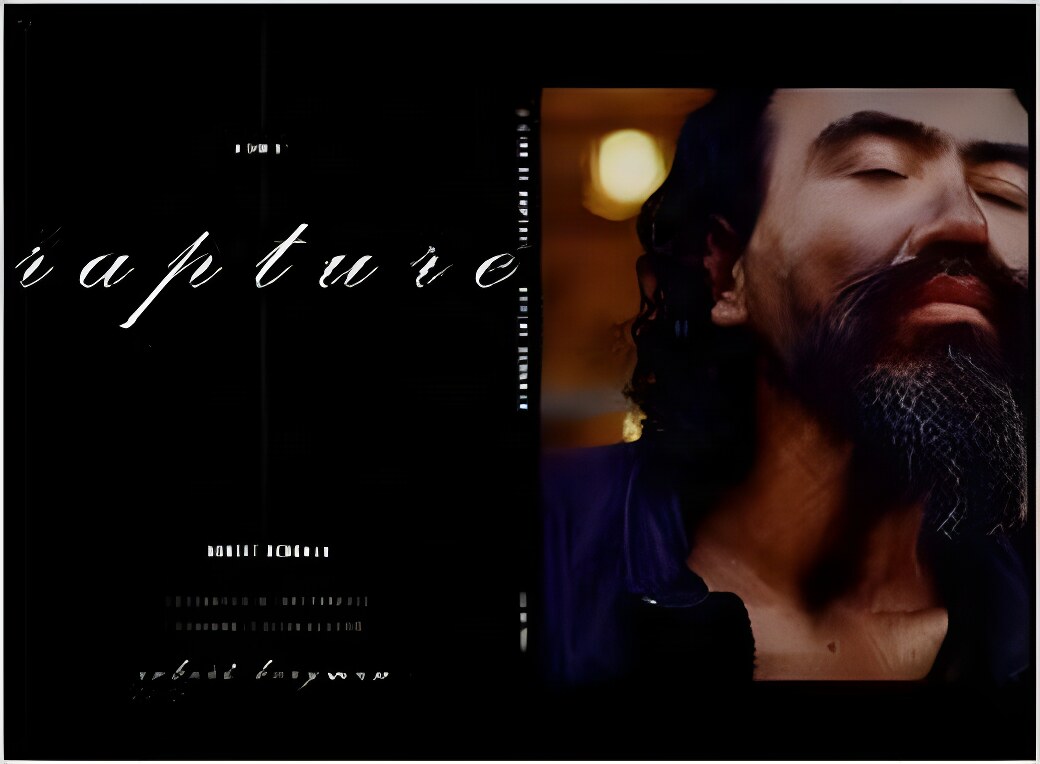
Hardcover. New York , Pantheon, 1st, 1998, Book: Very Good, Dust Jacket: Very Good, 60 pages. Clean, unmarked copy with only minor wear to dust jacket. For more than ten years, Robert Bergman--a brilliant artist who has purposefully withheld himself from the mainstream--traveled by car with two friends, for months at a time, throughout the Rust Belt (Chicago, Detroit, Pittsburgh, Gary) and the East Coast, taking color pictures of everyday people who moved him profoundly. Even as he used a simple 35-mm camera, amateur film, no tripod, and no special lighting, his was a monumental, Whitmanesque project: to document the physical appearance and spirit of Americans, and to gauge the climate of our times. A Kind of Rapture, which is certain to be a classic work of photography, brings together the first selection from Bergman's epic enterprise. Having taken, developed, and printed his own pictures since the age of five, Bergman has now, for A Kind of Rapture, created his own color separations, using high-resolution digital equipment, in an effort to exercise more control over the quality of reproduction than photographers have ever had. Bergman and his colleagues have helped define a new paradigm for art-book publishing--each and every image in this book is extraordinary for its fidelity to the artistic sensibility that informs its original print.
Hardcover. New York , Abrams, 1st, 1999, Book: Very Good, Dust Jacket: Very Good, Hardcover, 254 pages, 173 illustrations, 131 in color. Although he is now seen as a progenitor of the "naive" style, during his lifetime Edward Hicks (1780-1849) was known only as a devout, impoverished Quaker minister who liked to paint. With a few exceptions, his extant body of work is made up of 62 "Peaceable Kingdom" pictures, based on Isaiah's biblical prophecy. Although these paintings, known for their charmingly wide-eyed and sensuous beasts, use potent color and effective design, they are technically unsophisticated and repetitive in the extreme. But they contain a powerfully serene devoutness, a mood probably expressed in compensation for Hicks's guilt about an avocation viewed as frivolous by other Quakers. As the popularity of folk art boomed in the early 20th century, Hicks's homely visions were popularized and became the focus of scholarly attention, and this work is probably the best to date. Weekley, the director of museums at Colonial Williamsburg, shrewdly considers Hicks's "secular" life and art through the filter of his intense piety and copiously illustrates her large-format book with brilliant color plates.
Softcover. NY, Delano Greenidge Editions, 1st paperback, 2002, Book: Very Good, Dust Jacket: None, Softcover, 229 pages. 207 color plates. Articles by A.D. Coleman and Henry Wilhelm. Large paperback format with glossy covers.
Hardcover. Seattle, Fantagraphics Books, 1st, 2024, Book: Very Good, Dust Jacket: None, Hardcover in pictorial boards with a red cloth spine, color plates. Master cartoonist Charles Burns has never hidden his passion for comic books and pop culture from the 1950 and 1960s. Inspired by the romance, horror, and sci-fi comics of his youth, as well as the 1960s American underground, the author of Black Hole has created a collection of 80 original comic book covers that, through his own inimitable aesthetic, present an alternate universe of stories that never were, but that you will wish existed. The covers - some with otherworldly titles in alien letterforms, and others that riff on classic genres (Throbbing Hearts, Unwholesome Love) and eras (Drug Buddy, Huss) - each inspire a multitude of interpretations, build entire worlds, and suggest entire narratives that lie within their non-existent guts. This is Burns at his most playful, imaginative, and suggestive, using the format of the comic book to continue to explore many of the themes that run through all his longer-form work. Clean copy
Softcover. Seattle, WA, Fantagraphics, 1st, 2003, Book: Very Good, Dust Jacket: None, 120 pages. Light edgewear to wrappers. Color comics throughout. This volume finds Herriman flowering into the peak of his inventiveness, liberated at last from the constraints of his syndicate's chosen format. Gorgeous cartoons are augmented by rare bonus materials. This volume is one in a long-term plan to chronologically reprint the entirety of the 28-year run of Krazy Kat's breathtaking Sunday page, most of which has not seen print since originally running in newspapers 75 years ago. Each volume is painstakingly edited by the San Francisco Cartoon Art Museum's Bill Blackbeard, the world's foremost authority on early 20th Century American comic strips, and designed by Jimmy Corrigan author Chris Ware. In addition to the 104 full-page black-and-white Sunday strips from 1929 and 1930 (Herriman did not use color until 1935), the book includes an introduction by Blackbeard and reproductions of rare Herriman ephemera from Ware's own extensive collection, as well as annotations and other notes by Ware and Blackbeard.
Hardcover. San Francisco, North Point Gallery, 1st, 2005, Book: Very Good, Dust Jacket: Very Good, 46 pages. Hardcover. INSCRIBED BY AUTHOR on front endpaper. Full color illustrations throughout. Minor dust jacket edge wear, otherwise, clean, tight copy.
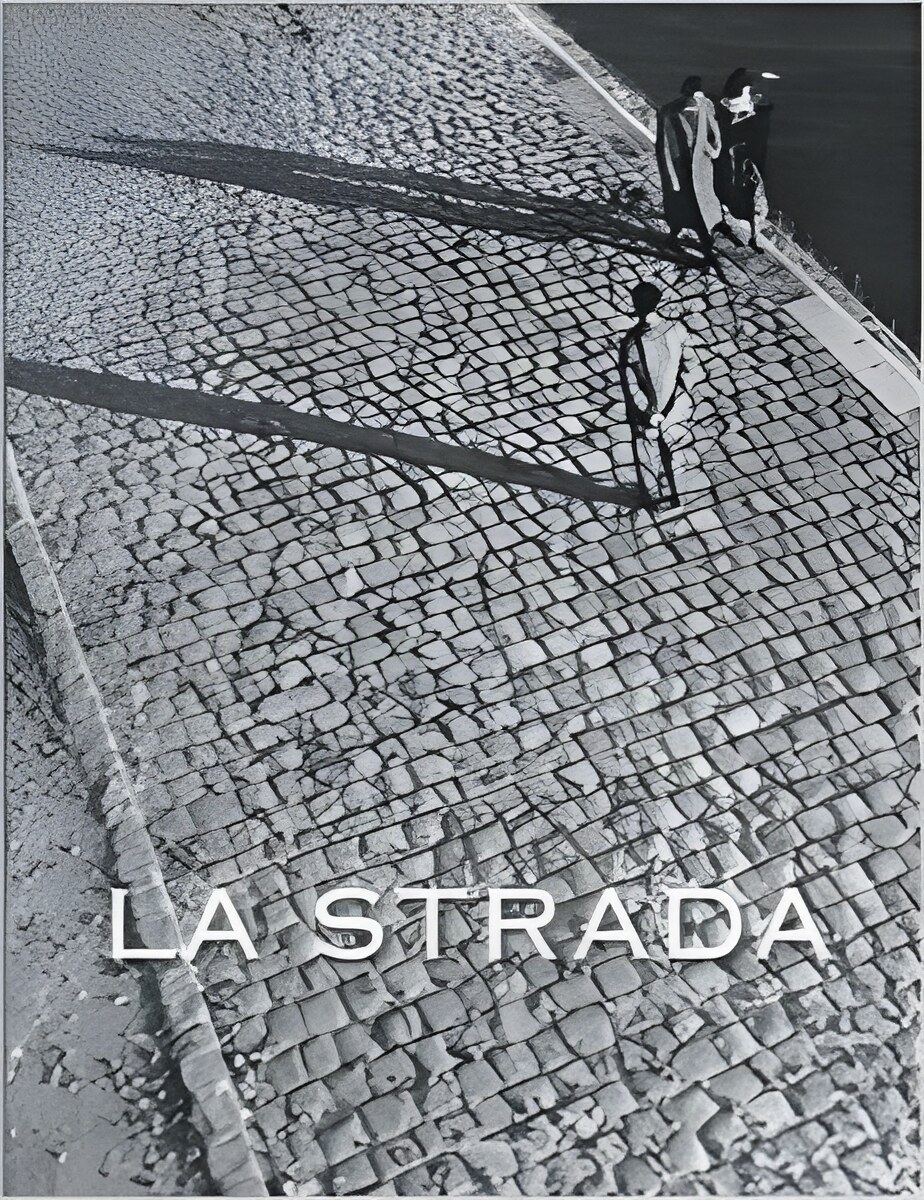
Hardcover. Damiani Publishing, 1st, 2006, Book: Very Good, Dust Jacket: None, Hardcover, pictorial boards, 189 pages. La Strada captures the life and drama of Italy's streets from World War II through the 1970s. Its exquisite photographs, made by some of the most deeply skilled artists of the mid-twentieth century, are imbued with the essence of Neo-Realism, the aesthetic that produced some of the most influential Italian film and literature of the same era. The American gallerist and curator Keith de Lellis's selection of more than 200 pictures, some previously unpublished, by more than 60 masters--including Mario Giacomelli, Nino Migliori, and Mario De Biasi--reveals the touching, the humorous, and the tragic in the day-to-day lives of the Italian people, liberated from the grips of Fascism. A treasure trove, and a case for the continuing recognition of this inspired group of picture-makers. Clean copy
Hardcover. East Petersburg PA, Fox Chapel Publishing, 1st, 2011, Book: Very Good, Dust Jacket: Very Good, Hardcover in a bright dust jacket. Cigar box labels in the late 19th and early 20th centuries were not only amusing and beautiful to admire, they were a testament to the printing process of chromolithography and an important precursor to today's methods of product advertising. Labeling America: Popular Culture on Cigar Box Labels showcases the unique collection of John Grossman which covers 90 years of cigar box labels and bands printed by four generations of George Schlegel Lithographers. What makes this archive unique is that the Schlegel Company kept meticulous sample albums and files showing an unbroken record of American graphic style evolution. The work of many other lithographers of that era either destroyed or irreversibly dispersed their work. Now housed at the Winterthur Museum in Delaware, the carefully cataloged Grossman collection gives a glimpse into life at the turn of the century, when over 5 billion cigars were being sold in the United States via boxes with colorful labels depicting everything from women, animals, and sports icons to actors, heroes, and political figures. This book takes these beautifully printed slices of American culture and combines them with the history of chromolithography into an interesting story of America's changing tastes. Clean, bright copy.
Hardcover. New York, Harry N. Abrams, 1st, 1984, Book: Very Good, Dust Jacket: Very Good, Hardcover, 256 pages. 330 illustrations, including 150 plates in full color. Black cloth, gilt lettering to spine. Beautiful pictorial dust jacket. A very clean, tight and crisp copy. Like New.
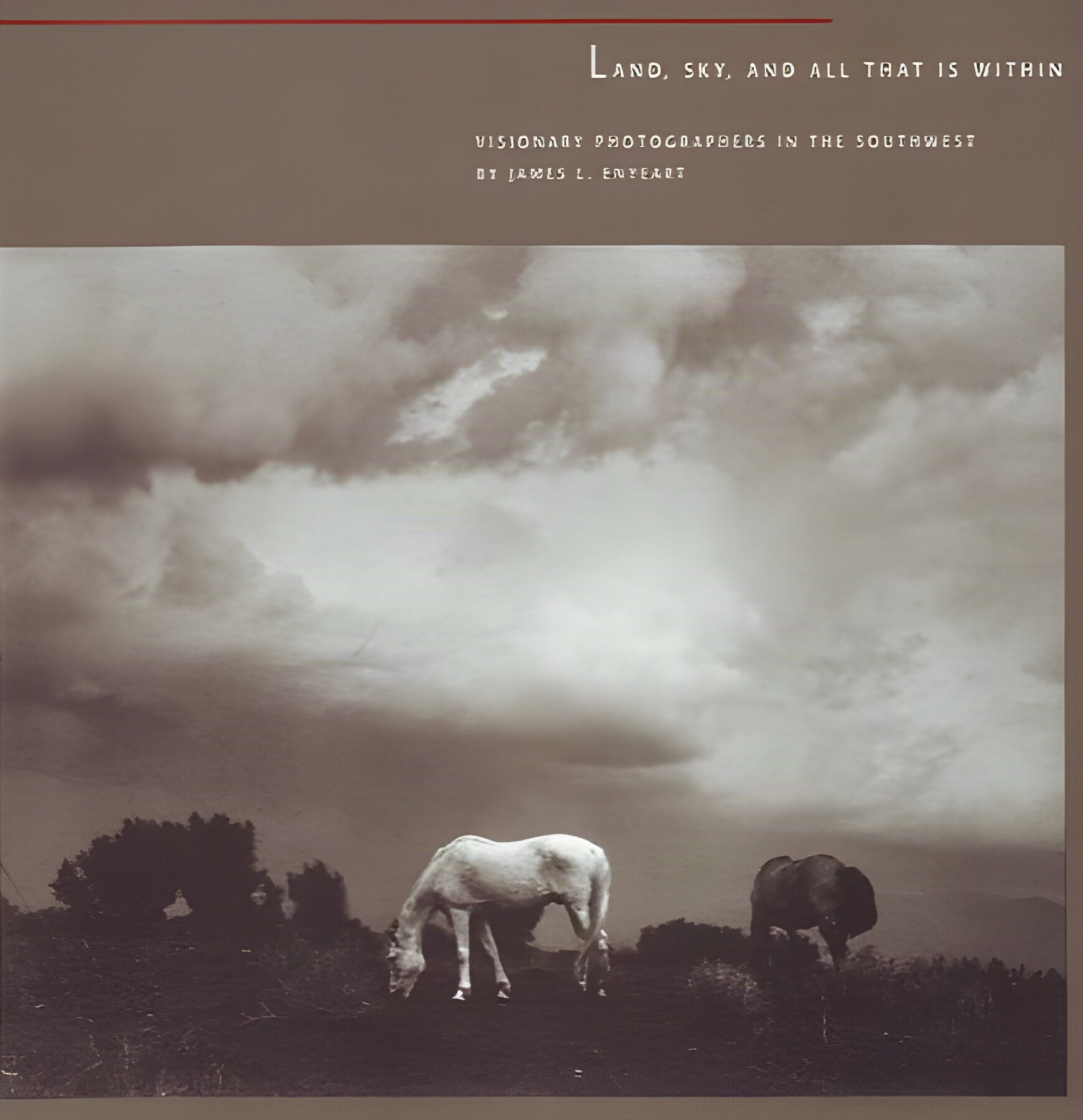
Softcover. Santa Fe, Museum of New Mexico Press, 1st, 1998, Book: Very Good, Dust Jacket: None, Softcover, 126 pages. The American Southwest has shaped the lives and work of many artists and literary figures over the last century--Georgia O'Keeffe, D. H. Lawrence, N. Scott Momaday, to name a few--individuals unquestionably drawn to the unrivaled landscape, moved to express its beauty through the written word or through their art, and forever altered by the experience. The survey of photographers and photography in the Southwest between 1870 and 1970 begins with Timothy O'Sullivan and other late nineteenth-century expedition photographers and ends with the color landscape photography of Eliot Porter. In between are Laura Gilpin's portraits of Navajos taken during the 1930s and the documentary images of rural Hispanic communities by Farm Security Administration photographers John Collier Jr. and Russell Lee in the 1940s. Nineteen photographers in all are represented--also including Ansel Adams, Paul Strand, Edward Weston--along with 102 photographs. Clean copy.
Softcover. New York, Princeton Architectural Press, 1st, 2006, Book: Very Good, Dust Jacket: None, 192 pages. Softcover. A very clean, unmarked copy with only minor wear to edges. Black and white portraits of citizens of Indiana, taken over 4 decades.
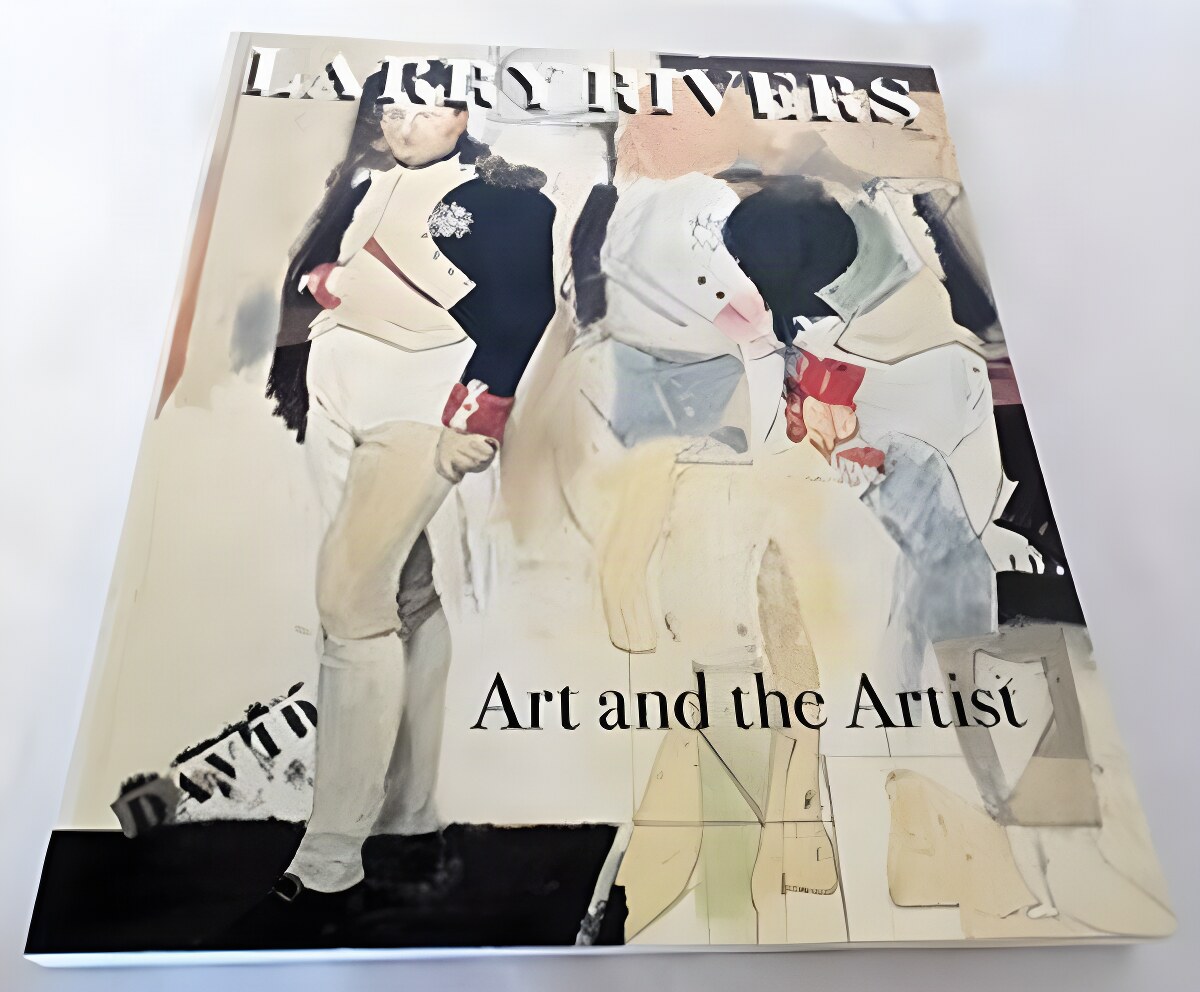
Hardcover. Boston NY, Bulfinch, 1st, 2002, Book: Very Good, Dust Jacket: Very Good, Hardcover, 184 pages, 83 color plates, 53 duotone plates. Foreword by David Levy. Rivers, one of the original Pop artists on the 1950s art scene, is known for his bold and eclectic style. Inspired by sources as diverse as the impressionists, Napoleon, and Hollywood movies, Rivers' work shows a keen sense of history and an adventurous spirit.
Hardcover. Boston, Bulfinch, 1st, 2002, Book: Very Good, Dust Jacket: Very Good, Hardcover, black cloth titled in silver on the spine, in a color pictorial dust wrapper. 183 & 1 pages, profusely illustrated in color and black & white throughout, including many full-page illustrations. Near fine. First edition. Produced in association with The Corcoran Gallery of Art with a foreword by David C. Levy and essays by Barbara Rose and Jacquelyn Days Serwer. Never opened, still in original shrink wrap.
Softcover. Newbury, MA, Newburyport Press, 1st, 2007, Book: Very Good, Dust Jacket: None, 62 pages. Softcover. A very clean, unmarked copy with only minor edgewear. Color illustrations throughout.
Hardcover. Los Angeles, Art Issues Press, 1st, 1995, Book: Very Good, Dust Jacket: Very Good, Hardcover in a bright dust jacket, 420 pages with index. Christopher Knight is the unprecedented five-time winner of the Chemical Bank Award for Distinguished Newspaper Art Criticism, and was a finalist for the 1990 Pulitzer Prize in criticism. Writing first for the Los Angeles Herald Examiner and now for the Los Angeles Times, Knight has developed a new journalistic approach to American art and culture, in which a radical defense of images stands alongside an incisive critique of cultural institutions. Among the 129 essays and reviews collected here are individual writings on internationally important historical figures, such as Rembrandt van Rijn, Tung Ch'i Ch'ang, and douard Manet; contemporary American masters like Edward Ruscha and Mike Kelley; and significant artists virtually forgotten today, such as California's Henrietta Shore and Mexico's Hermenegildo Bustos. Clean copy.
Hardcover. Columbia, Missouri, Univ of Missouri Pr, 1st, 1991, Book: Very Good, Dust Jacket: Very Good, 270 pages. Hardcover with dust jacket. Clean, unmarked copy with only minor wear to dust jacket.
Hardcover. Columbia, MI, University of Missouri Press, 1st, 1991, Book: Very Good, Dust Jacket: Very Good, 270 pages. Hardcover with dust jacket. A very clean, unmarked copy with only minor wear to dust jacket edges. Black and white illustrations throughout. A tight copy.
Hardcover. New York, Abrams/Bronx Museum of the Arts, 1st, 1988, Book: Very Good, Dust Jacket: Very Good, Hardcover, 343 pages, illustrated throughout in color with brief biographies of artists. Very good, unmarked, in a bright dust jacket.
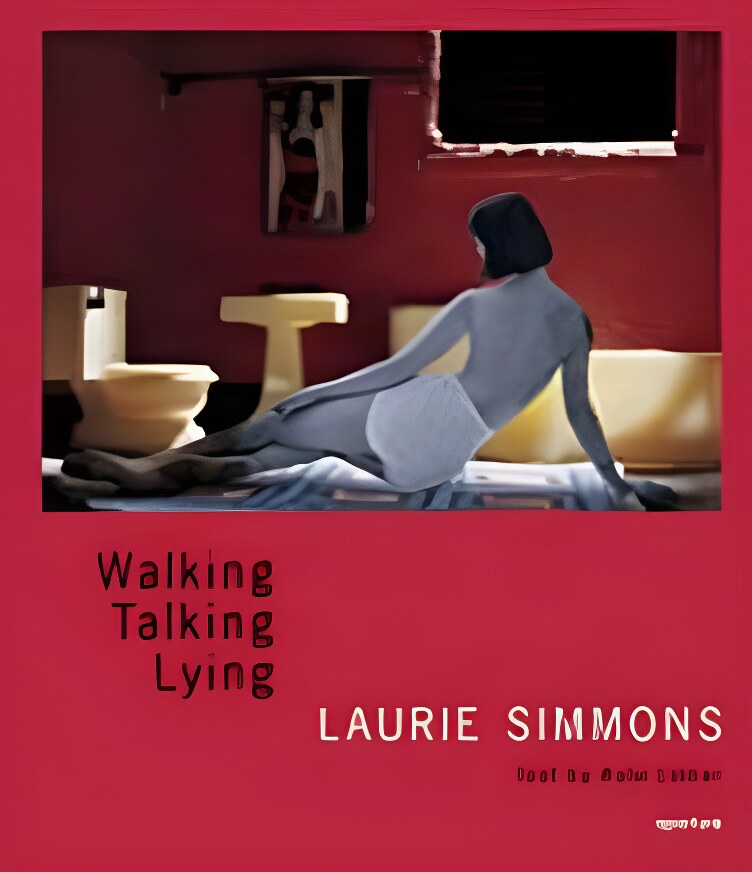
Hardcover. NY, Aperture, 1st, 2005, Hardcover, 156 pages, 104 color plates. The intimate ache of the dollhouse and its air of manipulation (whether as consumer object or ventriloquist dummy) has become as identified with pioneering photographer Laurie Simmons as with Ibsen. She's even designed a dollhouse for a toy company. Mostly self-taught, Simmons began working in the 1970s, when color and staged tableaux were first being explored by fine-art photographers, and has since mapped out a world all her own, mostly in haunting miniature. Over the past 25 years, her photographs have conveyed a bittersweet nostalgia for the 1950s, while edgily commenting on consumerism, feminism and other fraught aspects of postwar American culture. The accompanying essay by Kate Linker concentrates on selected series that cover the artist's entire oeuvre--from "Ventriloquism," "Walking Objects" and "Lying Objects" to the 1997 "Self-Portraits" and "Cafe of the Inner Mind"--and so is essential reading for any photography aficionado.
Hardcover. Spokane, WA, Arthur H. Clark Company, 1st, 1994, Book: Very Good, Dust Jacket: Very Good, 343 pages. Hardcover. B/w illustrations throughout. Covers bound in red, gilt title on spine. Binding tight. Dust jacket unclipped. Dust jacket has a touch of fading, otherwise no rips, in very good condition. Very clean inside and out.
Hardcover. NY, Powerhouse Books, 1st, 2012, Book: Very Good, Dust Jacket: None, Hardcover, 240 pages, color illustrations. The history of American comics through the stories of comics' most important and influential creators -- tracing the medium's journey all the way from its beginnings as junk culture for kids to its current status as legitimate literature and pop culture. Featuring artists such as Jerry Siegel, Will Eisner, Jerry Robinson, Al Jaffee, Neal Adams, Peter Kuper, Stan Lee and many more.
Hardcover. NY, D.A.P./Distributed Art Publishers, 1st, 2008, Book: Very Good, Dust Jacket: None, Hardcover, 89 pages, large format. Tipped-on front board. Slight bump to bottom right corner. In publisher shrink wrap. A natural chronicler of all things uniquely American, photographer Lee Friedlander here puts his lens to the work of Frederick Law Olmsted (1822-1903), designer of many of this country's most iconic public landscapes and the father of North American landscape architecture. Olmsted was responsible for a staggering number of America's greatest parks, including the Niagara reservation (North America's oldest state park), Washington Park, the Biltmore Estate, the U.S. Capitol building landscape and entire parkway systems in Buffalo and Louisville. His most famous work remains New York City's Central Park, a pioneering egalitarian gesture that, at the time, was very unusual for its ready accessibility. No dust jacket issued. DOMESTIC SHIPPING ONLY.
Softcover. Paris, Nathan Image, 1st, 1988, Book: Very Good, Dust Jacket: None, Softcover. Unpaginated. Approximately 175 pages, mostly color reproductions of Avery's storyboard drawings from his glory years at Warner Bros. and MGM. FRENCH TEXT. This lavishly illustrated reference is shot from the original storyboards of Avery's various cartoons shorts. These are annotated by Avery in pencil. For any fan of American cartoon shorts & Tex Avery in particular, this is an essential guide.

 "Kingdoms of Edward Hicks, Theby: Weekley, Carolyn J.")
 "Kodachrome - The American Invention of Our World 1939-1959by: Rijper (Ed.), Els")

 "Krazy & Ignatz 1929-1930: \"A Mice, A Brick, A Lovely Night\"by: Herriman, George/ Bill Blackbeard (Editor), Chris Ware (Cover Design)")
 "L.P. Latimer:: California Watercolor Painter (SIGNED COPY)by: Harrison, Jr., Alfred C.")



 "Lacquer: An International History and Illustrated Surveyby: Scott, Rosemary, ET AL")
 "Laporte, Indianaby: Bitner, Jason")
 "Larry Rivers - Art and the Artistby: Rose, Barbara and Jacquelyn Days Serwer")
 "Larry Salk: The Evolution of American Fashion Art: 1945-1965by: Sharf, Frederic A.")

 "Last Dandy, Ralph Barton, The: American Artist, 1891-1931by: Kellner, Bruce")
 "Last Dandy, The: Ralph Barton, American Artist 1891-1931by: Kellner, Bruce")
 "Latin American Spirit: Art and Artists in the United States 1920-1970by: Cancel, Luis R.")
 "Lawmen & Desperadoes: A Compendium of Noted, Early California Peace Officers, Badmen and Outlaws, 1850-1900by: Secrest, William B.")
 "Leaping Tall Buildings: The Secret Origins of American Comics by: Irving Christopher Kushner Seth Photographer")
 "Lee Friedlander: Photographs, Frederick Law Olmsted: Landscapesby: Lee Friedlander")


